


Permitted Development rules





Professional, builder-ready drawing packages for extensions, lofts, porches, garages, garden rooms and more — designed to Permitted Development parameters and supplied as sold.
PERMITTED HOMEOWNER GUIDES
Our illustrated, practical guides help you understand the rules, explore design options and budget with confidence — before you commit to building work.
Explore all guides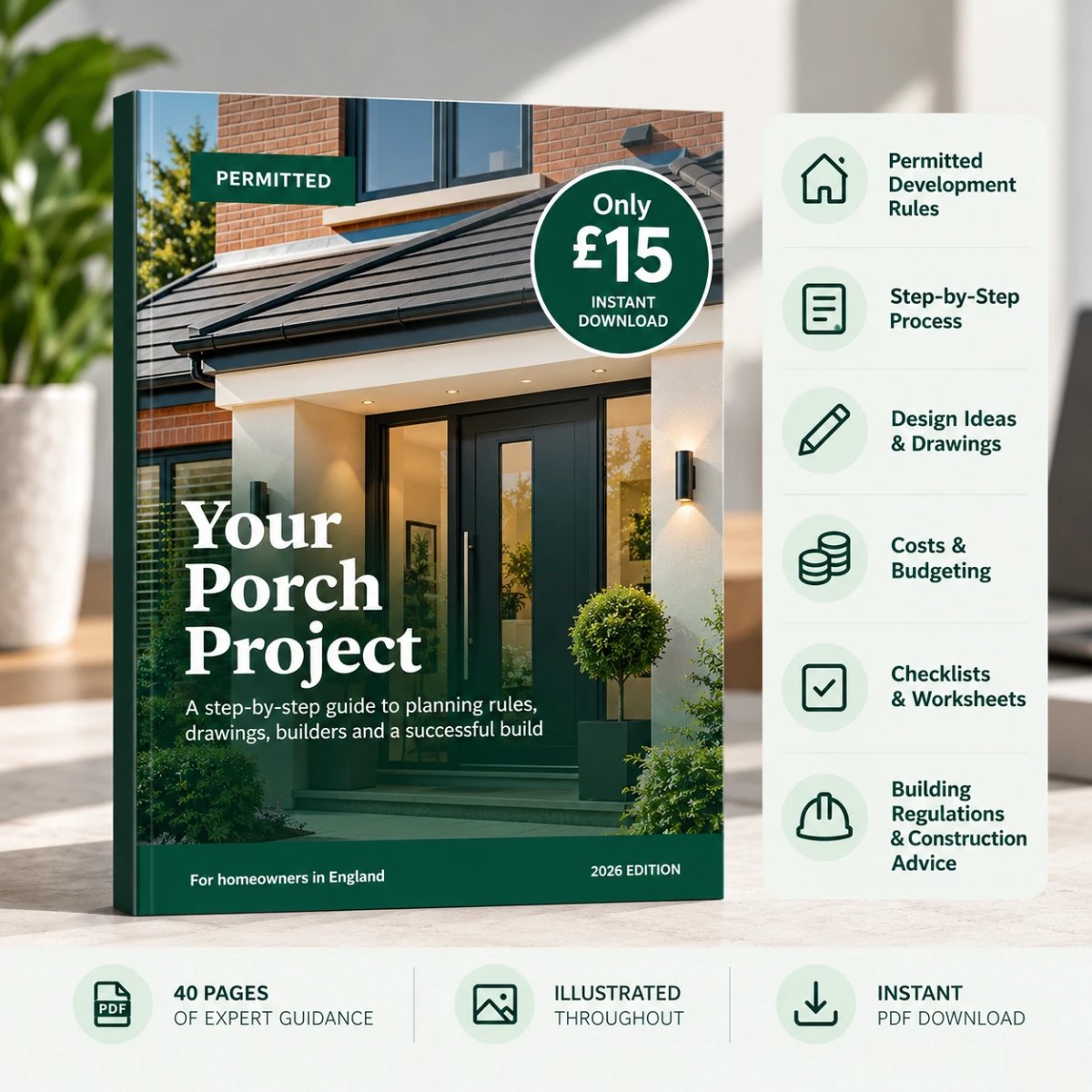
Rules, design options, costs and next steps.
View guide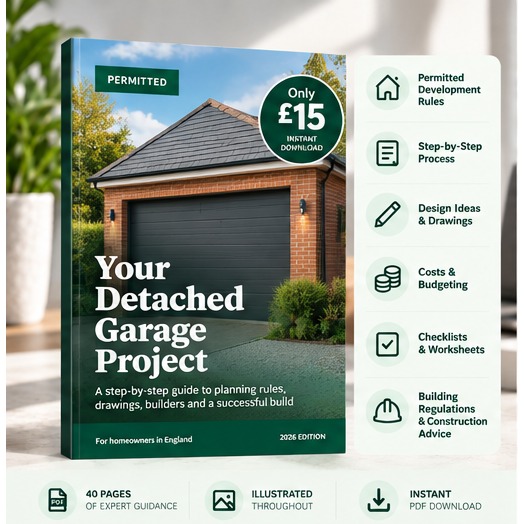
Rules, design options, costs and next steps.
View guide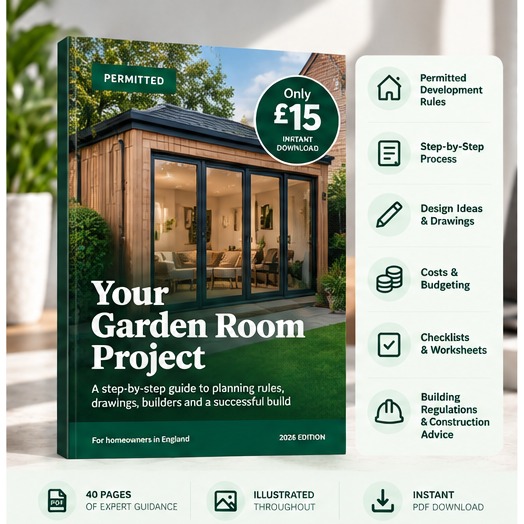
Rules, design options, costs and next steps.
View guide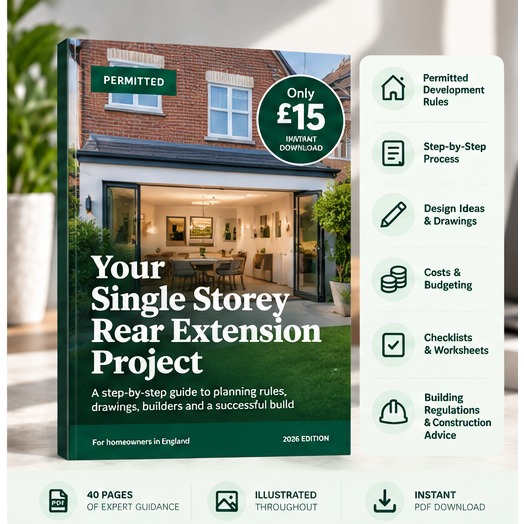
Rules, design options, costs and next steps.
View guide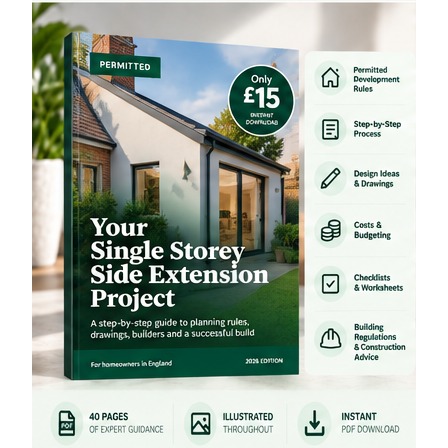
Rules, design options, costs and next steps.
View guide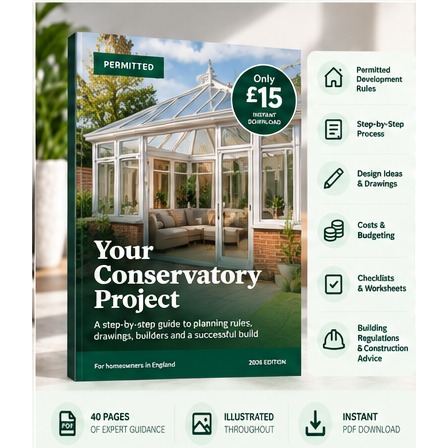
Rules, design options, costs and next steps.
View guide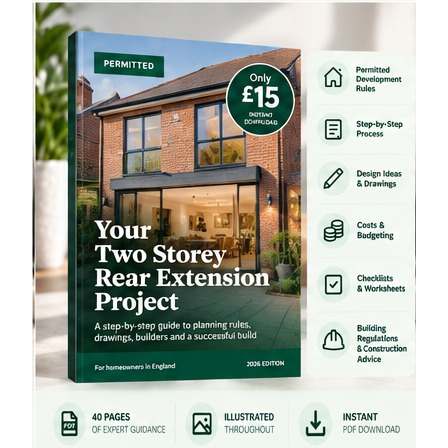
Rules, design options, costs and next steps.
View guide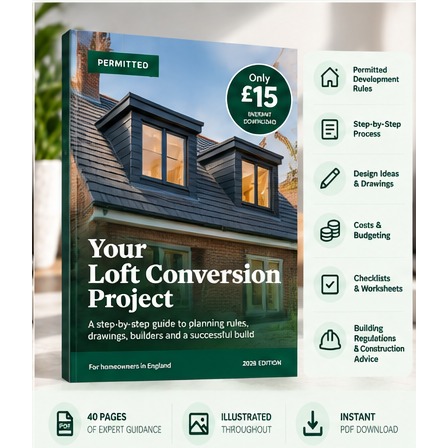
Rules, design options, costs and next steps.
View guideClass R permitted development allows agricultural buildings up to 500m² to change use to a range of commercial purposes — shops, offices, restaurants, and more — via a prior approval process that is quicker and more limited than full planning permission.
Class R is found in Part 3 (Changes of Use) of Schedule 2 to the Town and Country Planning (General Permitted Development) (England) Order 2015. It grants permitted development rights for the change of use of an agricultural building and any land within its curtilage to a flexible commercial use, subject to prior approval.
Unlike Class Q, which allows residential conversion, Class R is for commercial uses. The change of use permitted under Class R falls within Use Class E (commercial, business and service) or certain other specified uses.
Key point: Class R is a change of use right only — it does not permit building operations beyond what is reasonably necessary for the change of use. Unlike Class Q, there is no concept of structural suitability; the change of use can happen even if the building needs work, but the building operations themselves may require separate permission.
Class R allows change of use to any use falling within one of the following categories:
| Use | Examples |
|---|---|
| Flexible commercial use (Class E) | Shops, cafés, restaurants, offices, financial services, gyms, health centres |
| Outdoor sport or recreation | Sports grounds, outdoor leisure facilities |
| Larger sui generis uses | Hotels, conference centres (where not Class E) |
| Creches, day nurseries | Childcare uses |
In practice, the most common Class R uses are farm shops, rural offices, artisan workshops, and pop-up food and drink establishments. The broad scope of Class E means many light industrial or office uses can be accommodated.
Class R rights are subject to the following conditions:
| Condition | Detail |
|---|---|
| Agricultural use date | The building must have been in agricultural use on 3 April 2012 |
| Floor area limit | The cumulative floor area of buildings changed under Class R must not exceed 500m² per agricultural unit |
| Not on article 2(3) land | Restrictions apply in National Parks, AONBs, the Broads, World Heritage Sites, SSSIs |
| Prior approval required | The LPA must be notified and prior approval obtained before the change of use begins |
Note that the qualifying date for Class R (3 April 2012) differs from Class Q (20 March 2013). Always check both dates if considering multiple changes of use on the same building.
Class R and Class Q are easily confused, but they serve very different purposes:
Class Q = residential conversion (up to 5 homes, max 465m² each). Class R = commercial change of use (no residential, max 500m² total on unit). Different qualifying dates, different prior approval matters, different end uses.
| Feature | Class Q | Class R |
|---|---|---|
| End use | Dwellinghouses (C3) | Commercial/flexible (E and others) |
| Qualifying date | 20 March 2013 | 3 April 2012 |
| Floor area limit | 465m² per dwelling, 1,000m² total | 500m² total per agricultural unit |
| Structural suitability | Required — must convert not rebuild | Not a condition |
| Max units | 5 dwellings | No unit limit (subject to 500m² cap) |
Importantly, a building changed to commercial use under Class R cannot then be converted to residential use under Class Q — Class Q requires the building to have been last used for agriculture, not commercial use. The two routes are mutually exclusive for any given building.
A Class R prior approval application must be submitted to the LPA before the change of use takes place. The prior approval matters the LPA may assess are more limited than for Class Q:
Note that design, noise, and other matters are not specified prior approval matters for Class R — the LPA cannot refuse on design grounds.
Documents to submit:
The LPA has 56 days to determine the application. The same deemed consent rule applies — if no decision is issued within 56 days of a valid application, prior approval is deemed granted.
Once Class R prior approval is granted, the change of use can proceed. Some points to bear in mind:
Note: Operating a Class R commercial use without prior approval being granted first is a breach of planning control. Always obtain prior approval before commencing the change of use, even if you are confident the LPA will approve.
Yes. A farm shop falls within Use Class E (retail) and is one of the most common Class R uses. The building must meet the conditions (agricultural use on 3 April 2012, 500m² floor area limit, not on restricted land), and prior approval must be obtained before opening.
Yes, offices fall within Use Class E and are permitted under Class R. Unlike Class Q, there is no structural suitability requirement — the building simply needs to have been in agricultural use on 3 April 2012 and be within the 500m² cumulative cap. Note that building works to fit it out as an office may require separate planning permission.
No — not the same building. Class Q requires the building to be in agricultural use; once it has been changed to commercial use under Class R, it is no longer in agricultural use, so Class Q is unavailable. You can use Class R on one building and Class Q on a different building on the same agricultural unit, subject to the respective caps.
Extensions, loft conversions, outbuildings, solar panels — our complete guide covers everything you can build without planning permission.
Planning a project? Browse our permitted development drawing sets — fixed price, supplied exactly as sold and emailed to you as a PDF.
Each one is already drawn. You choose the material, roof and options we actually draw, and that is the package you receive.
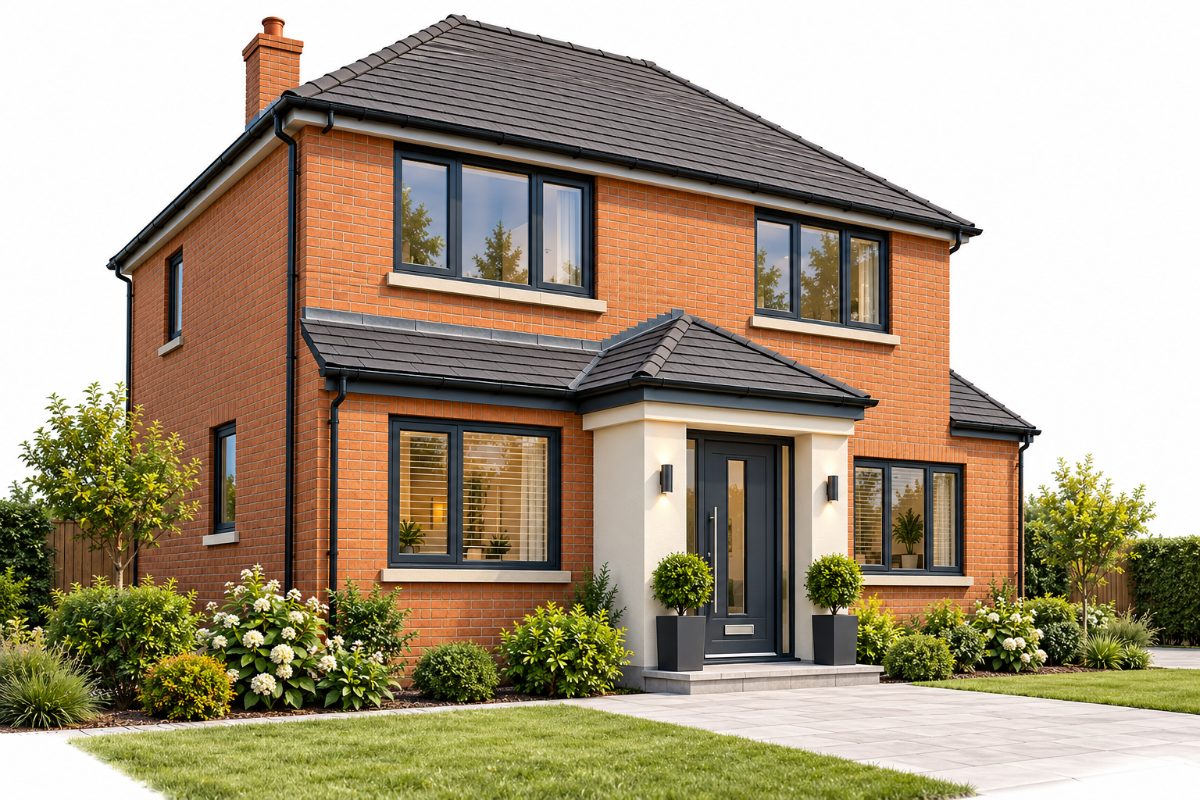
A practical entrance area that adds space and improves the look of your home.
£350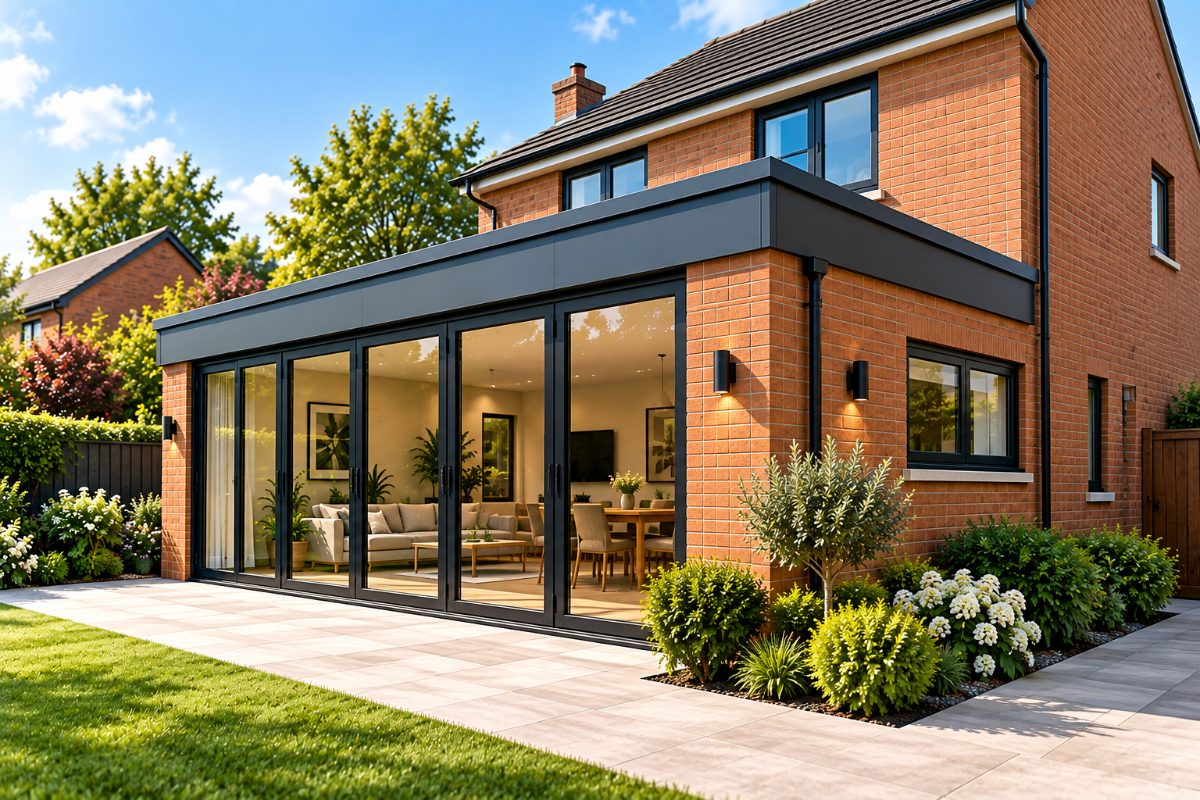
A popular way to create a larger kitchen, dining or family area.
£900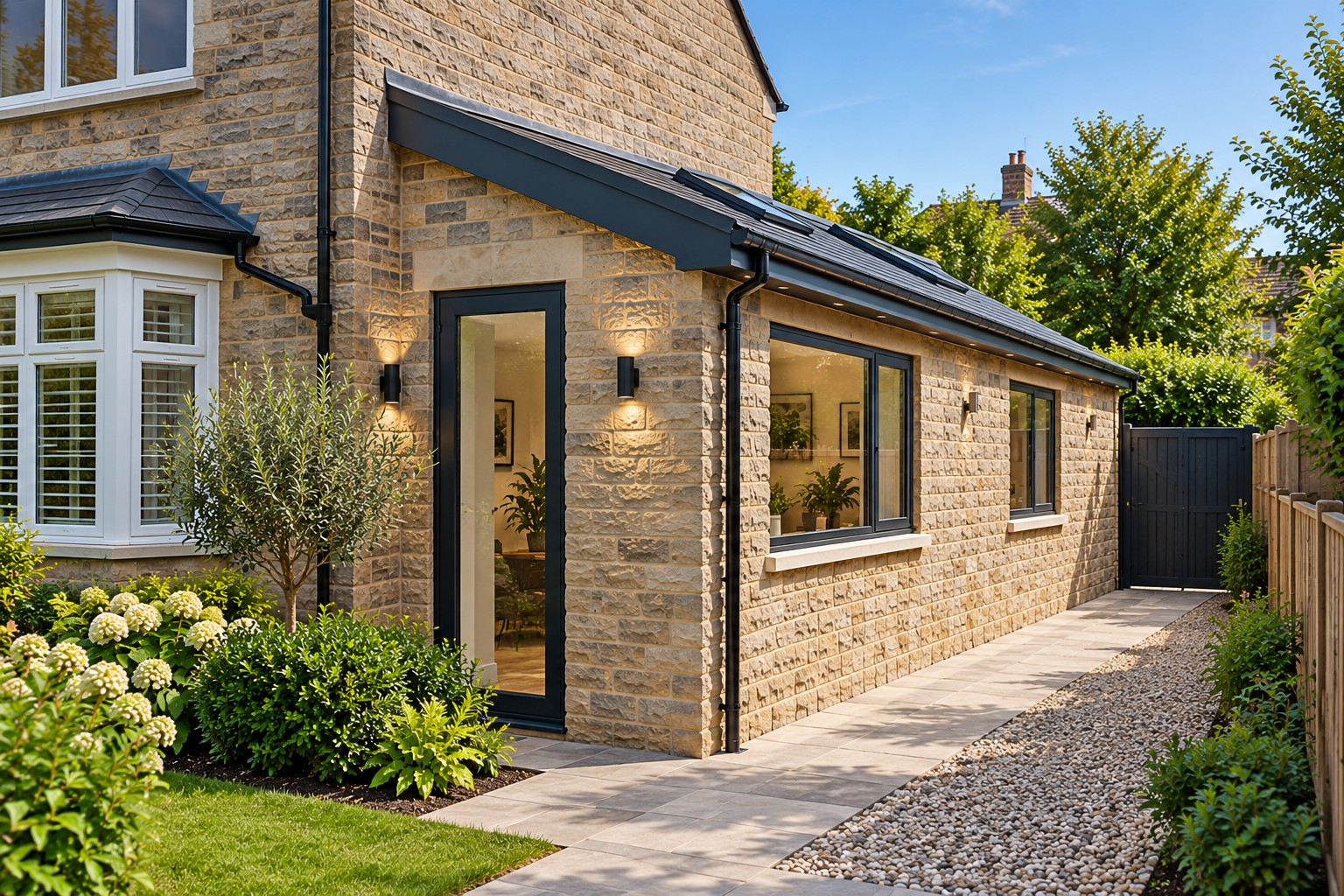
Adds valuable space to the side of your home for a kitchen or utility.
£900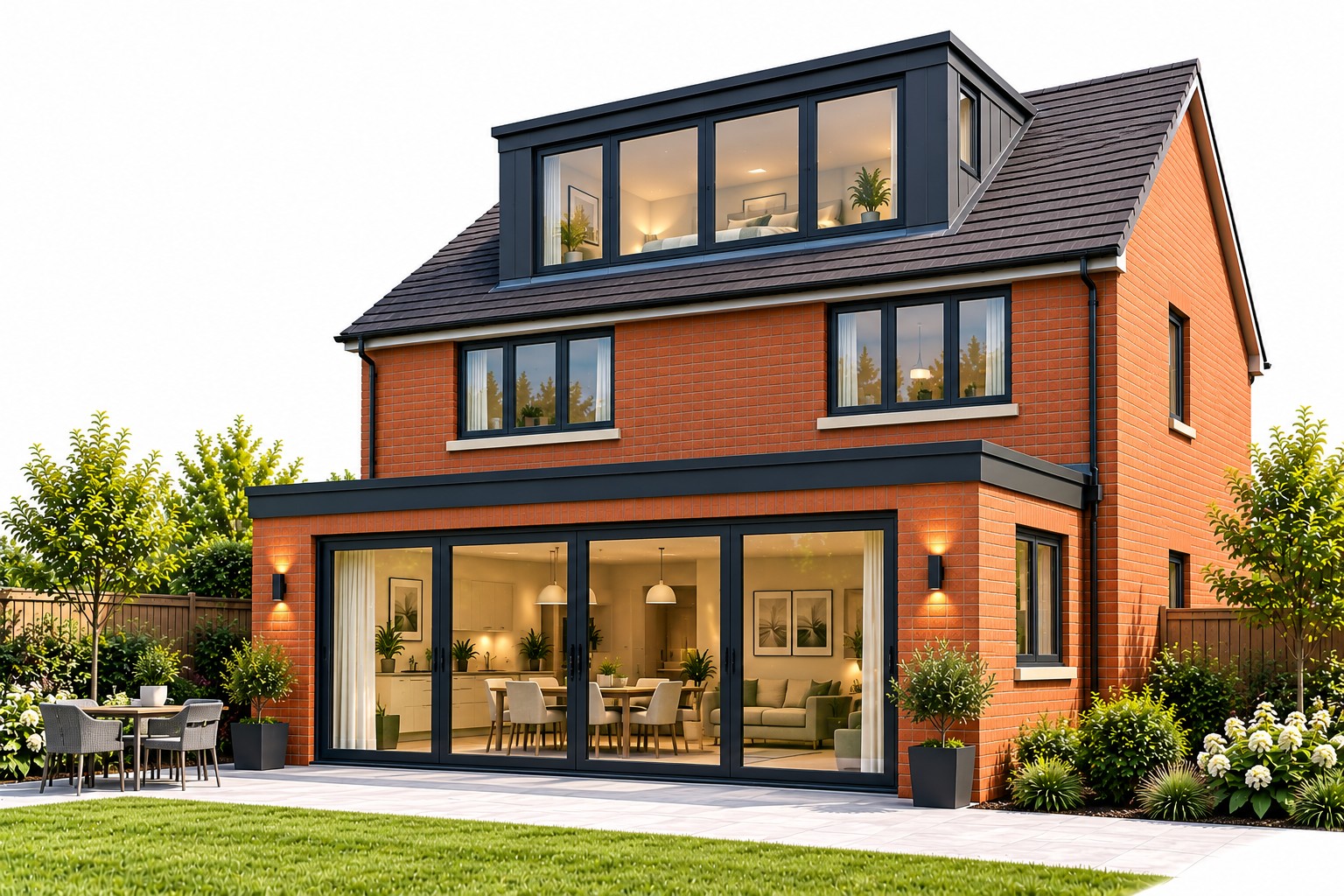
Turns unused loft space into a bedroom, office or additional living area.
£1,500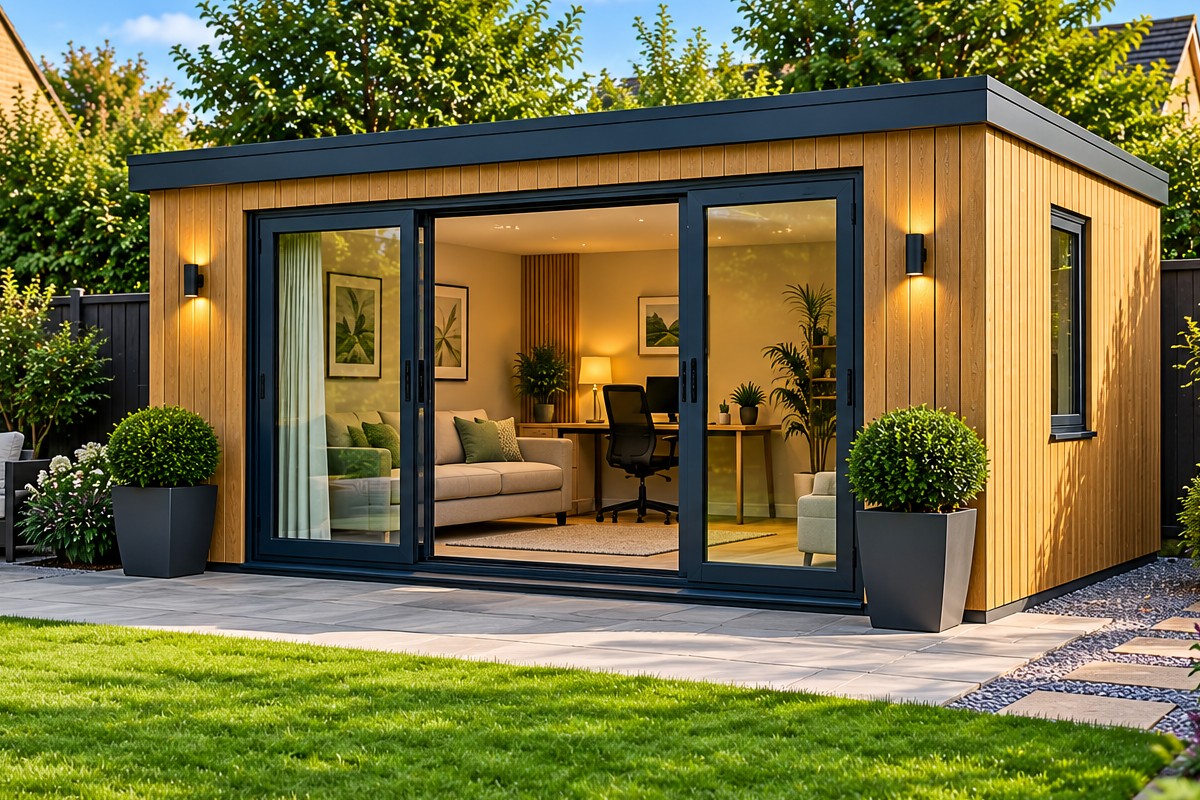
A flexible, detached space for work, leisure or extra living space.
£350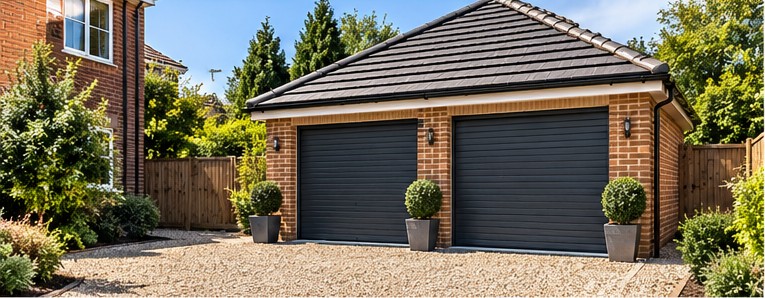
Secure parking or useful storage, single or double.
£350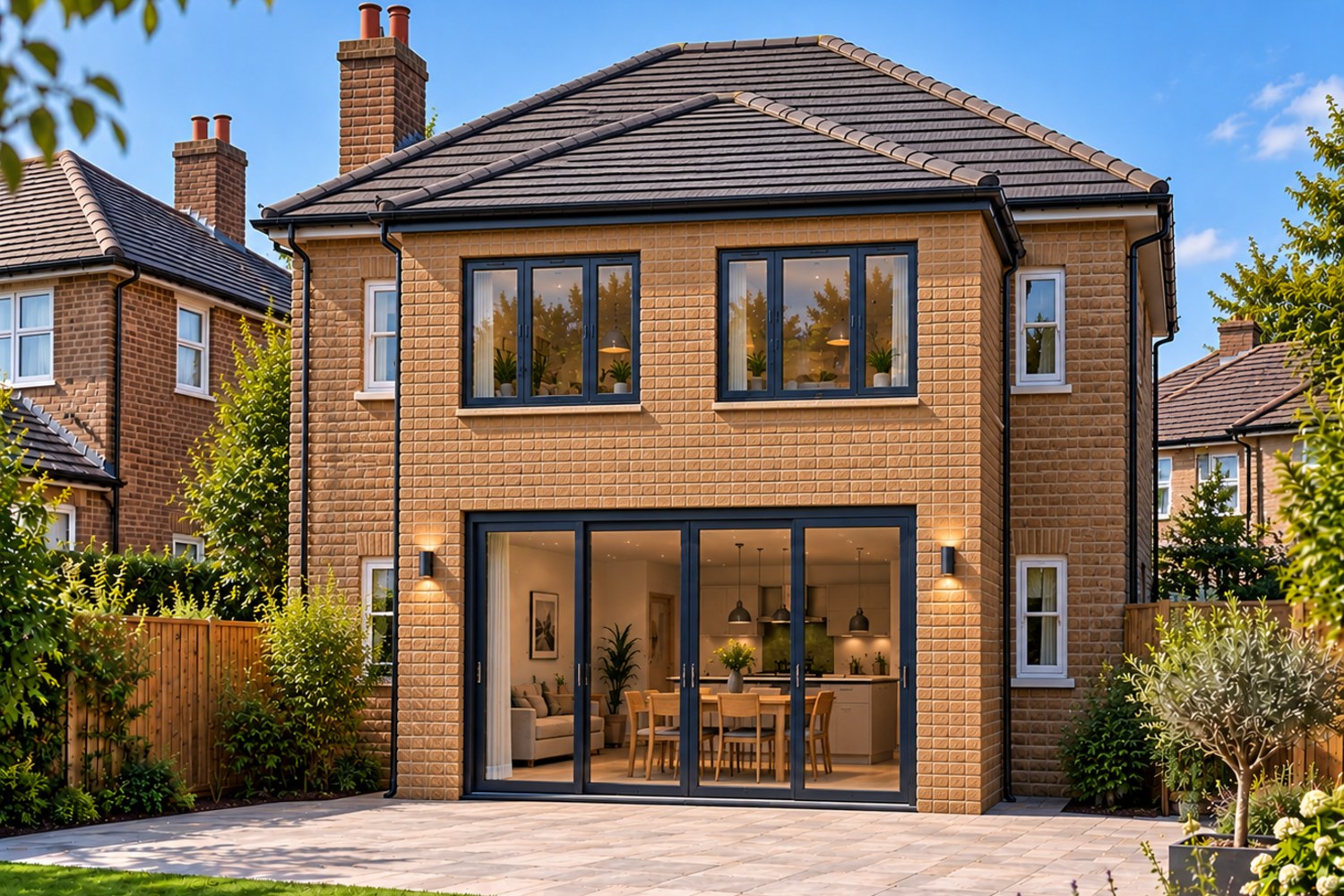
Significantly more living space across both floors.
£1,400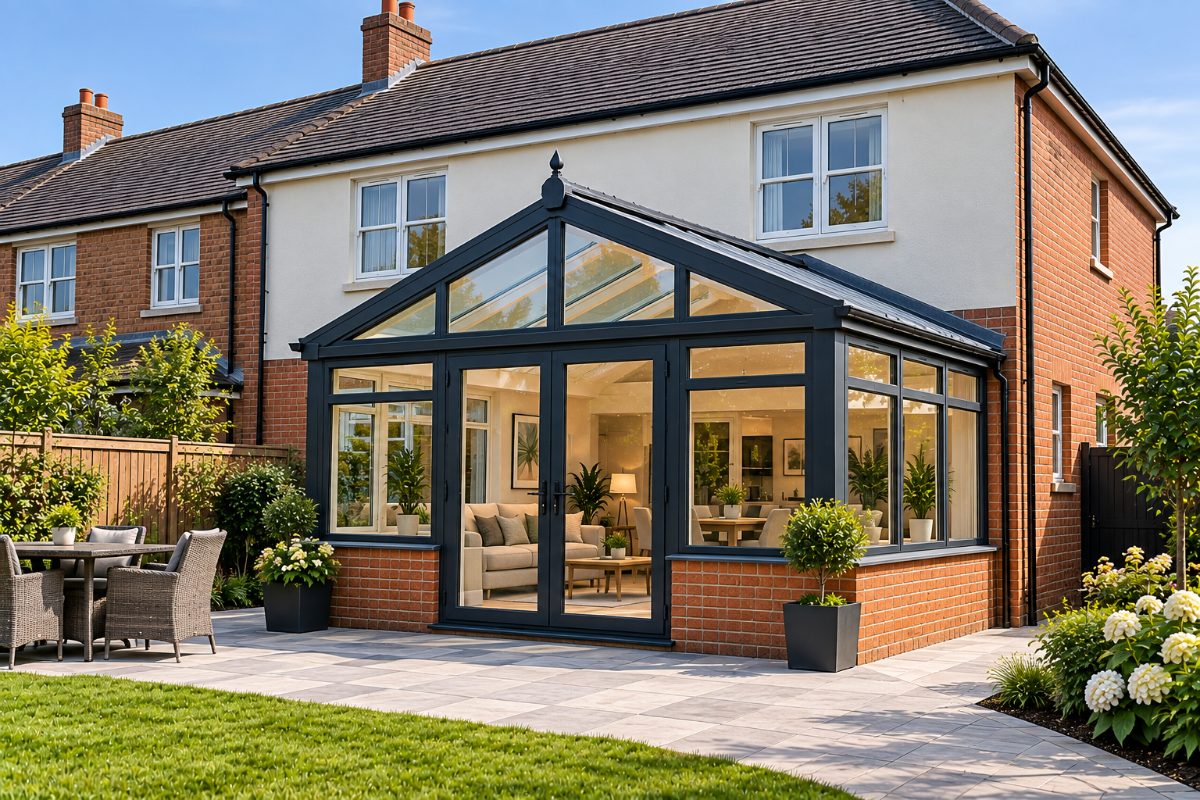
A bright, glazed room connecting your home to the garden.
£900PERMITTED HOMEOWNER GUIDES
Our illustrated, practical guides help you understand the rules, explore design options and budget with confidence — before you commit to building work.
Explore all guidesRules, design options, costs and next steps.
View guideRules, design options, costs and next steps.
View guideRules, design options, costs and next steps.
View guideRules, design options, costs and next steps.
View guideRules, design options, costs and next steps.
View guideRules, design options, costs and next steps.
View guideRules, design options, costs and next steps.
View guideRules, design options, costs and next steps.
View guideWe use cookies that are needed to run the basket and checkout. We would also like to use analytics cookies to understand how the site is used. We only do that if you say yes.

Maximize your property’s footprint with precision and ease. Permitted provides complete design for Permitted Development Rights. Our packages are designed around the Permitted Development limits, so many projects can proceed without a full planning application.
PERMITTED is operated by Yorkshire Property Design Services Limited, registered in England and Wales under company number 12698267.
Registered office: Ground Floor, Techno Centre, Station Road, Horsforth, Leeds, LS18 5BJ
Business contact address: Wira House, Ground Floor, Suite 5, Ring Road, West Park, Leeds, LS16 6EB