


Permitted Development rules





Professional, builder-ready drawing packages for extensions, lofts, porches, garages, garden rooms and more — designed to Permitted Development parameters and supplied as sold.
PERMITTED HOMEOWNER GUIDES
Our illustrated, practical guides help you understand the rules, explore design options and budget with confidence — before you commit to building work.
Explore all guides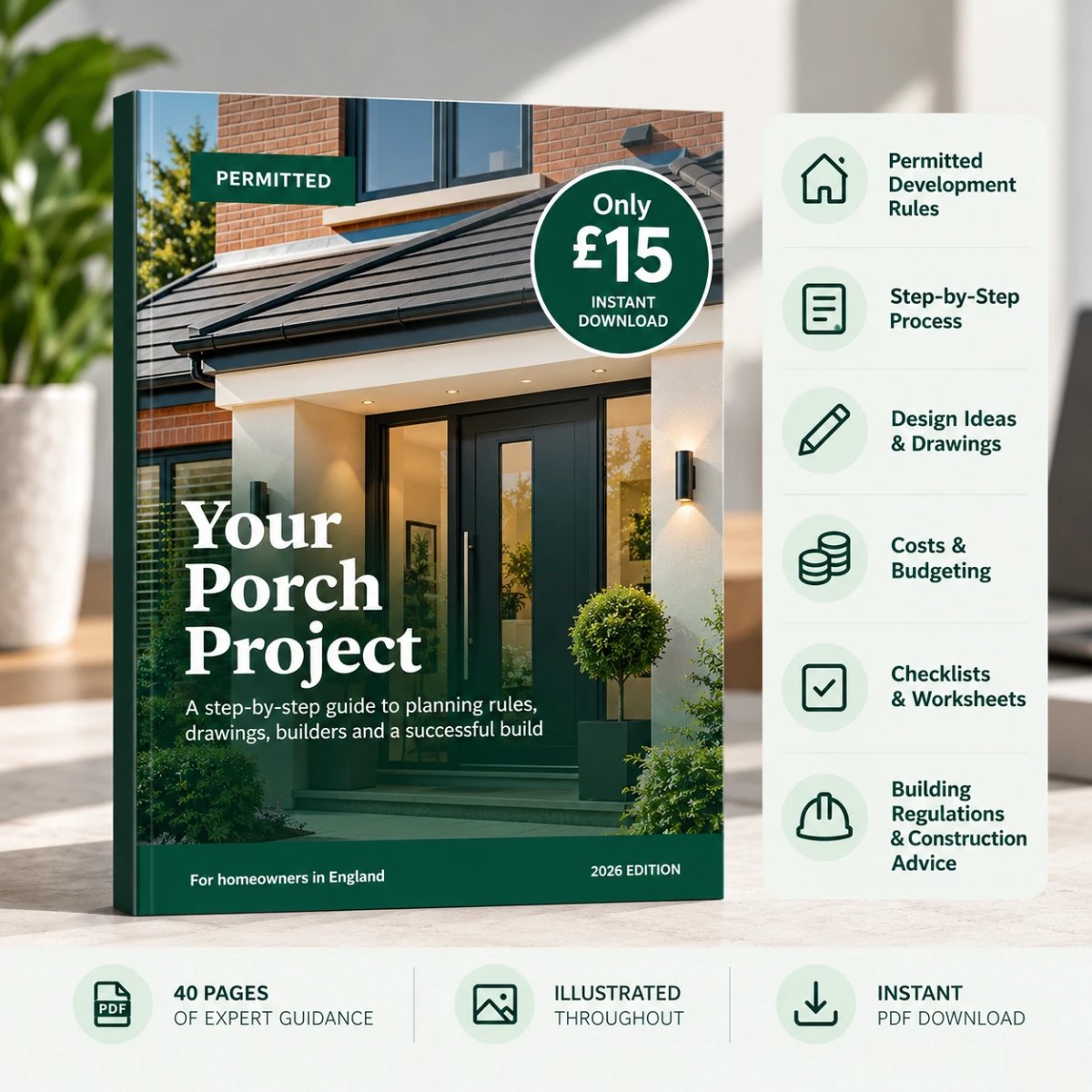
Rules, design options, costs and next steps.
View guide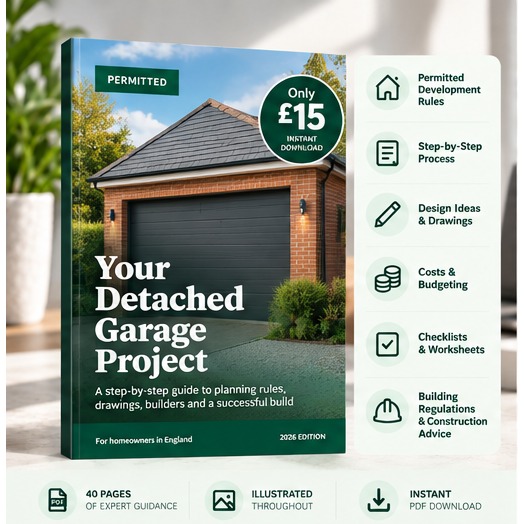
Rules, design options, costs and next steps.
View guide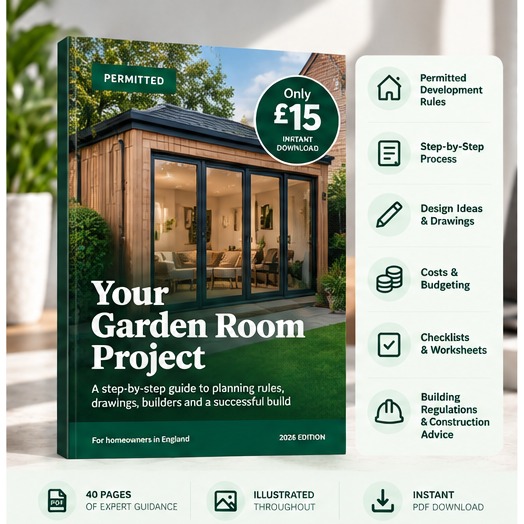
Rules, design options, costs and next steps.
View guide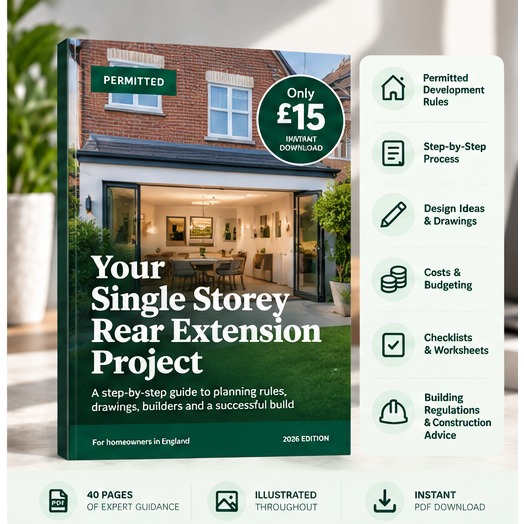
Rules, design options, costs and next steps.
View guide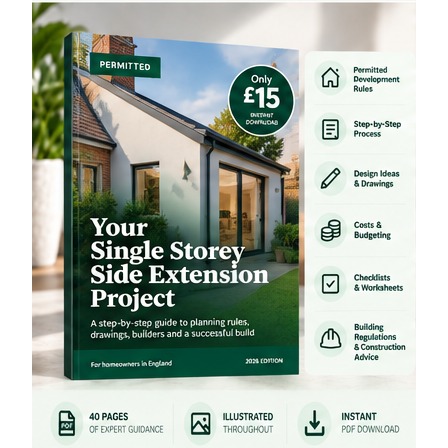
Rules, design options, costs and next steps.
View guide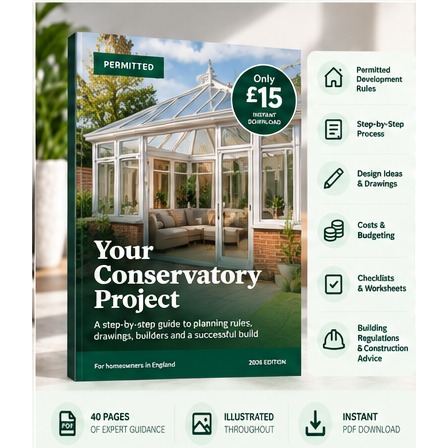
Rules, design options, costs and next steps.
View guide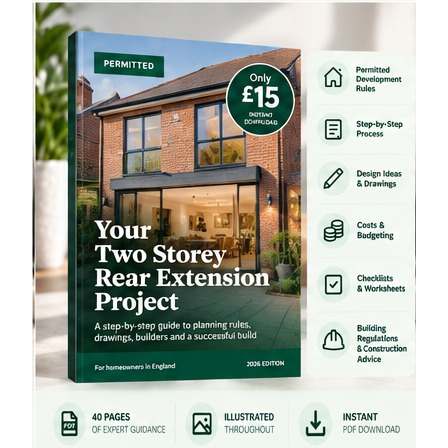
Rules, design options, costs and next steps.
View guide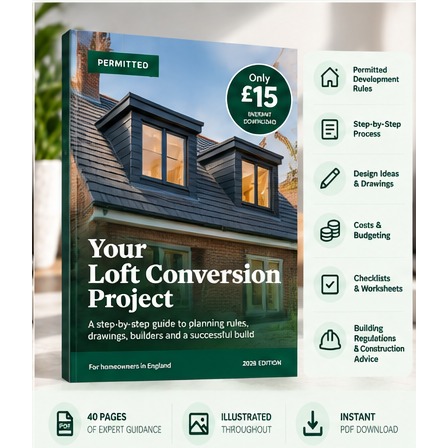
Rules, design options, costs and next steps.
View guideClass Q prior approval lets you convert an agricultural building into up to five homes without full planning permission — but only if the building was genuinely in agricultural use on or before 20 March 2013 and remains structurally suitable for conversion.
Class Q is found in Part 3 (Changes of Use) of Schedule 2 to the Town and Country Planning (General Permitted Development) (England) Order 2015 (GPDO 2015). It grants permitted development rights to change the use of an agricultural building — and any land within its curtilage — to a dwellinghouse (Use Class C3), subject to prior approval.
Crucially, Class Q is not full planning permission. The local planning authority (LPA) cannot refuse on general planning grounds. It may only assess certain specified matters. If those matters are acceptable, prior approval must be granted.
Key point: Class Q covers conversion of existing agricultural buildings, not new construction. The structure must already exist and must be capable of functioning as a home without being substantially rebuilt.
Before Class Q can be used, several conditions must be satisfied:
| Condition | Detail |
|---|---|
| Agricultural use date | The building must have been in agricultural use on or before 20 March 2013 |
| Continuous agricultural use | It must have remained in agricultural use since that date (or been last used for agriculture) |
| Not on article 2(3) land | Cannot be used on land in National Parks, AONBs, the Broads, World Heritage Sites, or SSSIs for Class Q |
| Maximum dwellings | No more than 5 dwellings per agricultural unit |
| Mixed size limit | No more than 3 larger dwellings (over 100m²) per agricultural unit |
| Structural suitability | The building must be structurally suitable for conversion |
If any condition is not met, Class Q rights do not apply and a full planning application would be required.
This is arguably the most contentious aspect of Class Q. Courts and inspectors have consistently held that a building is only structurally suitable for conversion if it can become a dwelling without operations that amount to substantial reconstruction.
The leading case is Hibbitt v Secretary of State for Housing, Communities and Local Government [2016], in which the High Court confirmed that where the conversion would effectively require the building to be rebuilt — for example because the structure is too weak, too decayed, or not load-bearing — Class Q rights do not apply.
Watch out: Many open-fronted agricultural buildings (Dutch barns, simple steel portal frames with no cladding) have been refused under Class Q because converting them to habitable use would require the erection of new external walls, essentially constituting new build rather than conversion.
Permitted operations under Class Q include: installation or replacement of windows, doors, roofs or exterior walls, connection to services, partial demolition to the extent reasonably necessary for the conversion. What is not permitted is rebuilding the primary structure.
If the existing building envelope can be adapted rather than replaced — if walls exist to be clad rather than built from scratch — Class Q is more likely to be viable. Commission a structural survey before applying.
Class Q imposes strict limits on the size of dwellings created:
| Limit Type | Maximum |
|---|---|
| Floor area per dwelling | 465 m² |
| Total floor area for all dwellings on the agricultural unit | 1,000 m² |
| Maximum dwellings per agricultural unit | 5 (no more than 3 larger dwellings over 100m²) |
These limits apply to the cumulative effect of all Class Q development on the agricultural unit, including any previous Class Q conversions. Once 1,000m² or 5 dwellings have been converted, no further Class Q rights remain on that unit.
Under Class Q, the LPA may only assess the following specified matters:
The LPA cannot refuse on grounds outside these matters — it cannot, for example, refuse because it objects to loss of agricultural land or because the dwelling would be isolated in the countryside (though it can consider design). This limited scope is what makes prior approval more predictable than full planning permission.
A Class Q prior approval application must be submitted to the LPA before development begins. The key documents are:
The fee is £249 per dwelling proposed (as of 2024). For the maximum 5 dwellings, this is £600.
The LPA has 56 days from the date of a valid application to determine it. If it fails to issue a decision within 56 days, prior approval is deemed to be granted. This is one of the few cases in planning where inaction by the LPA benefits the applicant.
Tip: Always keep a timestamped record of when the application was registered as valid — the 56-day clock runs from the date of valid submission, not the date of acknowledgement.
Class Q applications are refused for a handful of recurring reasons:
If refused, you can appeal to the Planning Inspectorate. Alternatively, address the specific grounds of refusal and resubmit. Many successful Class Q approvals follow an initial refusal once structural evidence is strengthened.
The building must have been in agricultural use on or before 20 March 2013 and continued in that use. If it has been used only for non-agricultural storage (e.g. domestic or commercial storage) since that date, Class Q rights may not apply. Agricultural storage (fodder, machinery, livestock) counts as agricultural use. Domestic storage does not.
If the LPA fails to notify you of its decision within 56 days of a valid application, prior approval is deemed to be granted. You should then write to the LPA confirming this and keep records, as you may need to demonstrate deemed consent if challenged later.
Yes. Class Q and a full planning application are separate routes and can be pursued simultaneously or sequentially for different buildings on the same agricultural unit. Class Q conversions count towards the 5-dwelling / 1,000m² cap, but a full planning permission granted for new residential units does not.
No. Class Q does not apply on article 2(3) land, which includes National Parks, Areas of Outstanding Natural Beauty (AONBs), the Broads, World Heritage Sites, and Sites of Special Scientific Interest (SSSIs). In those areas a full planning application is required.
Extensions, loft conversions, outbuildings, solar panels — our complete guide covers everything you can build without planning permission.
Planning a project? Browse our permitted development drawing sets — fixed price, supplied exactly as sold and emailed to you as a PDF.
Each one is already drawn. You choose the material, roof and options we actually draw, and that is the package you receive.
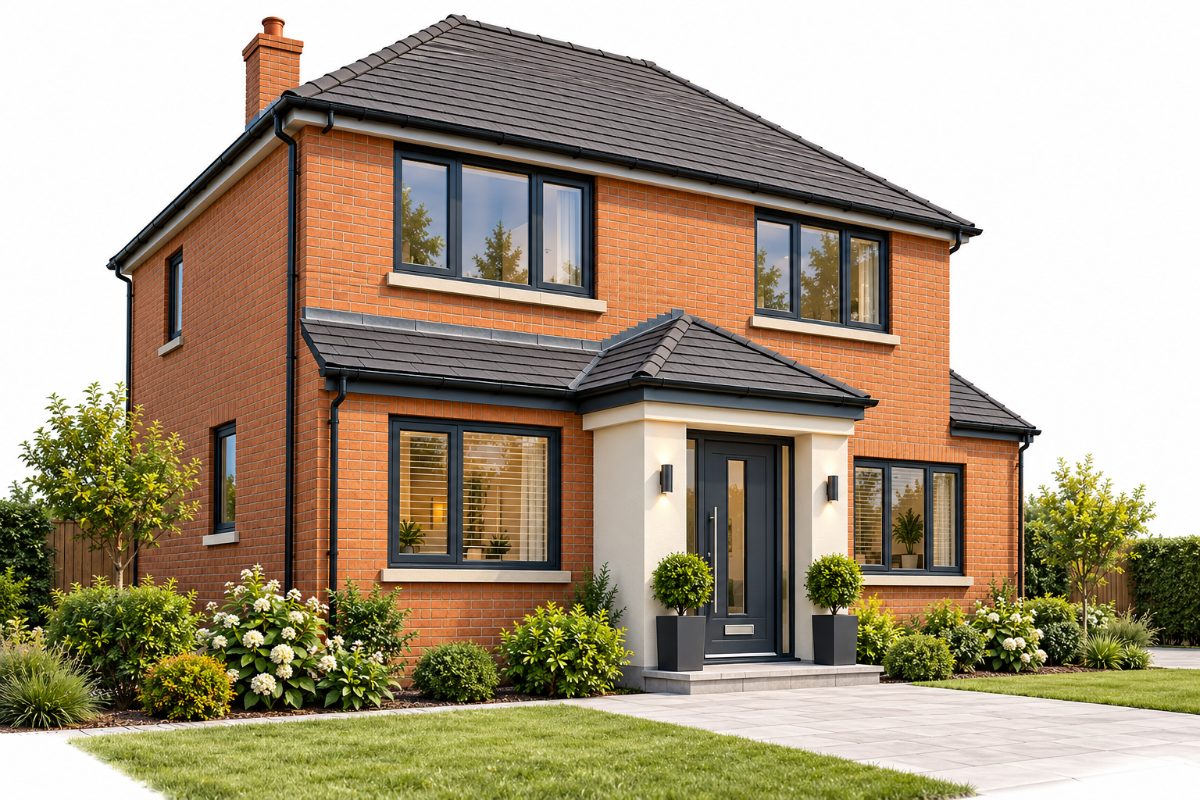
A practical entrance area that adds space and improves the look of your home.
£350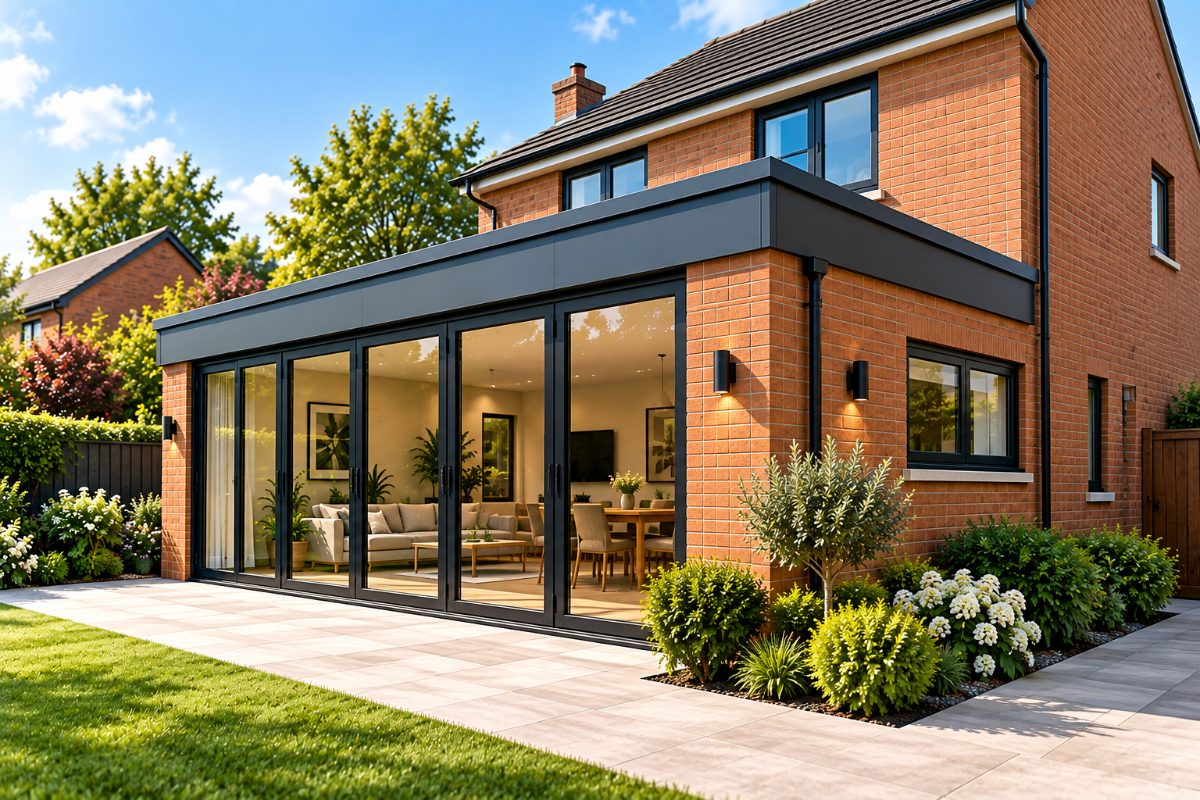
A popular way to create a larger kitchen, dining or family area.
£900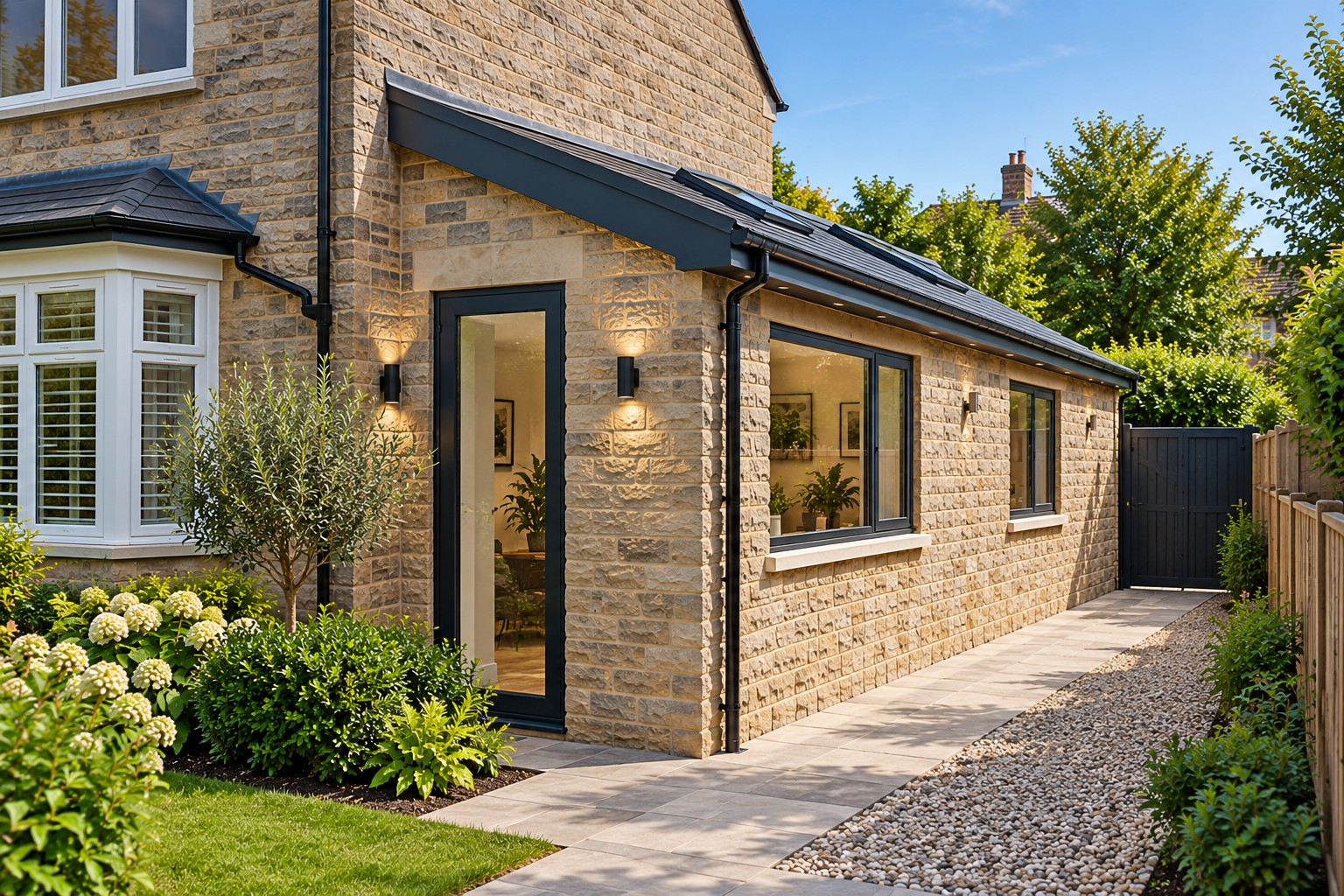
Adds valuable space to the side of your home for a kitchen or utility.
£900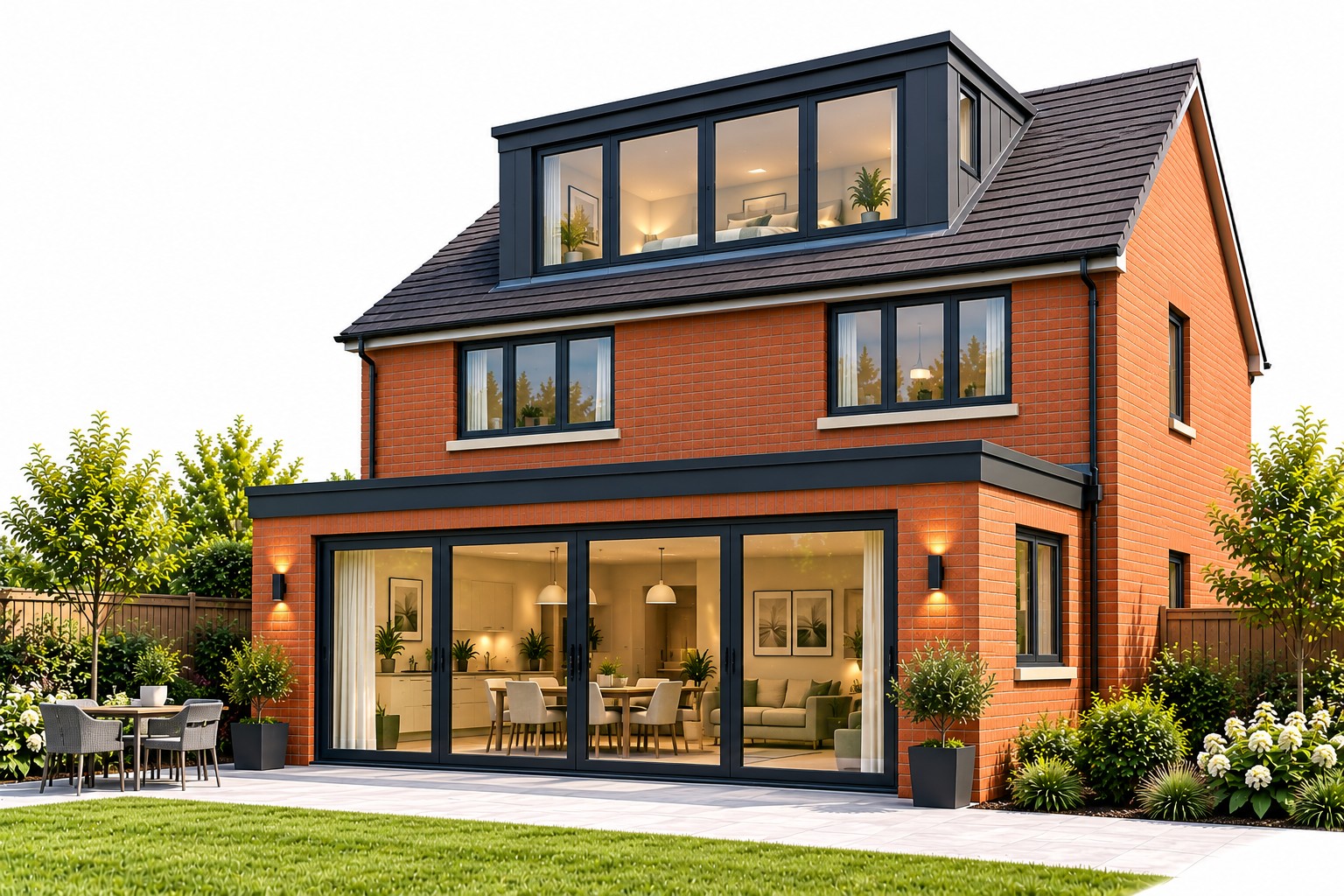
Turns unused loft space into a bedroom, office or additional living area.
£1,500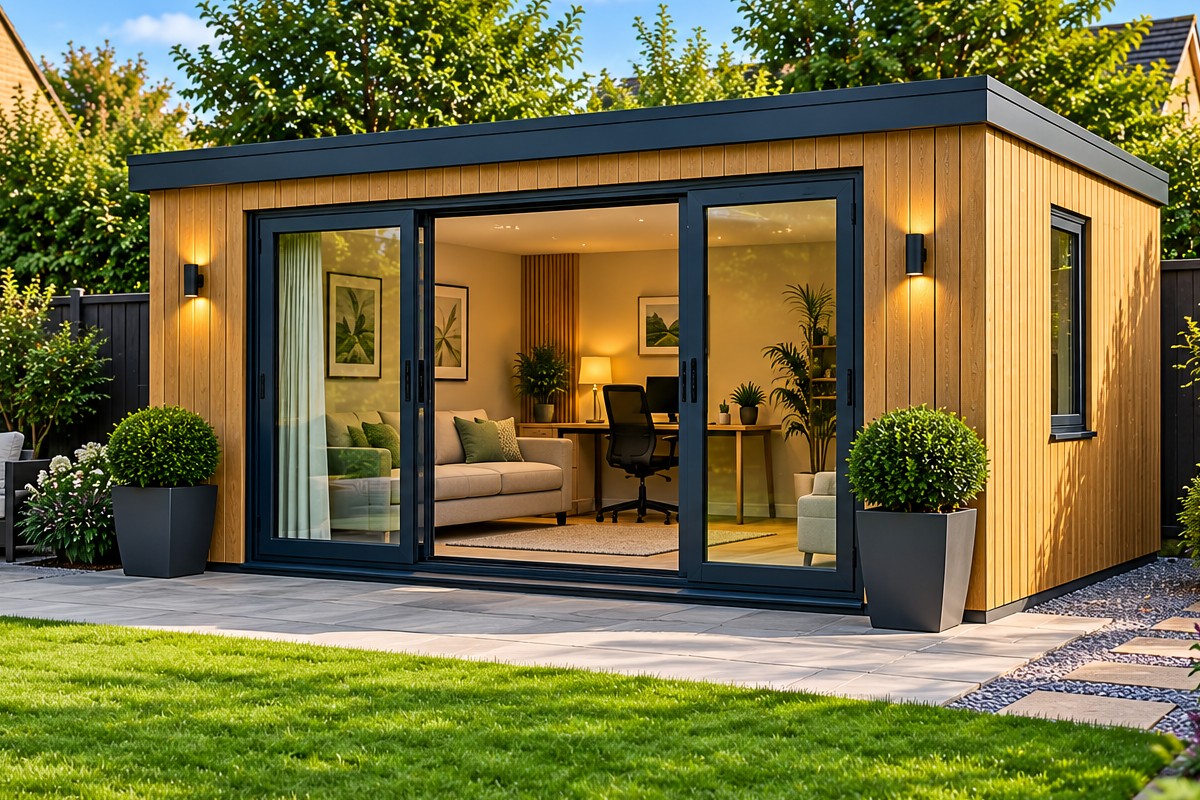
A flexible, detached space for work, leisure or extra living space.
£350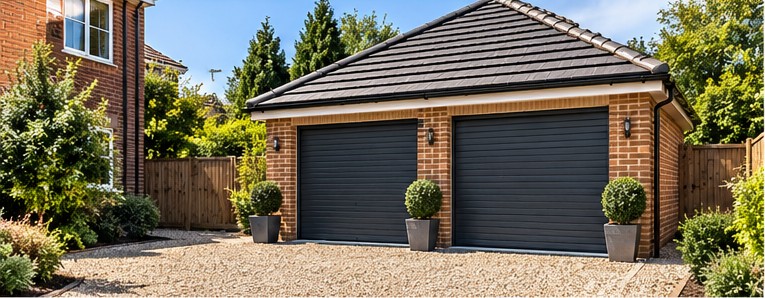
Secure parking or useful storage, single or double.
£350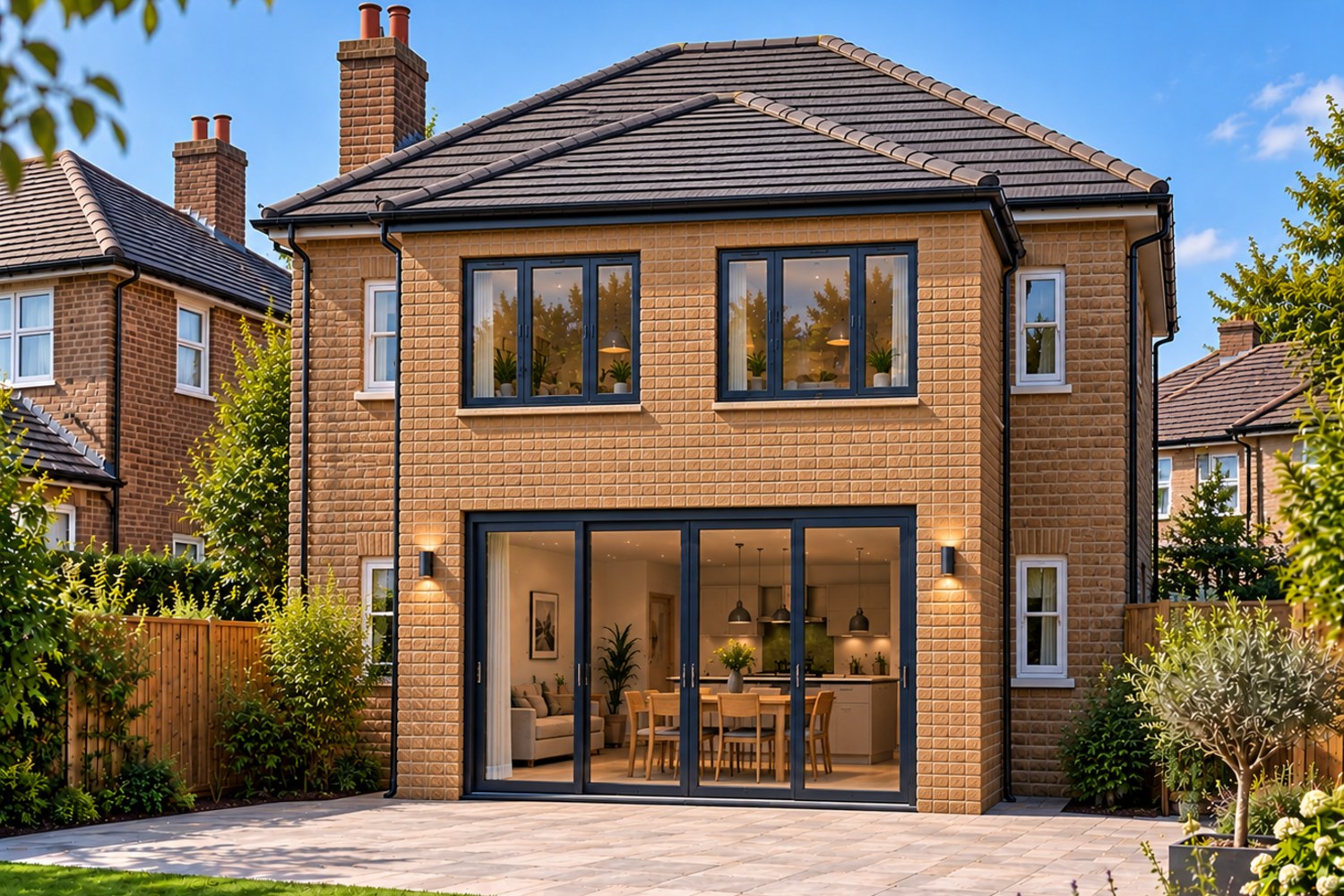
Significantly more living space across both floors.
£1,400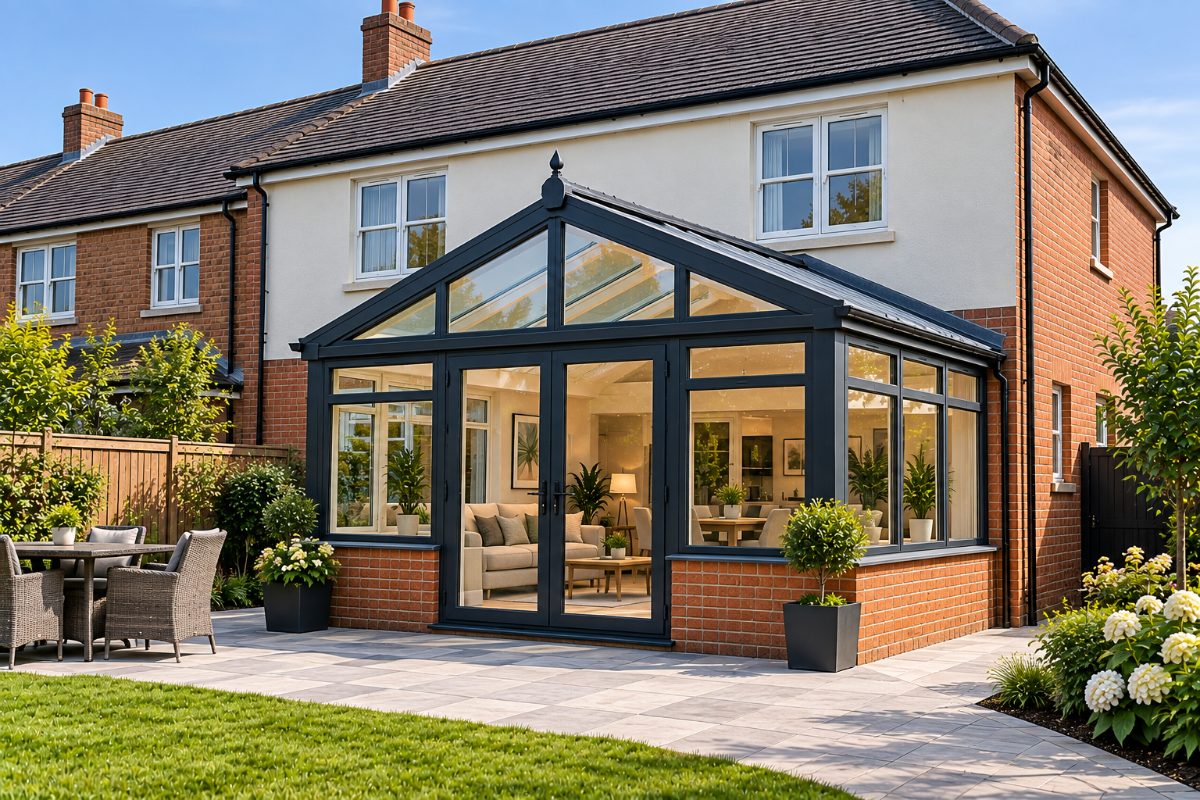
A bright, glazed room connecting your home to the garden.
£900PERMITTED HOMEOWNER GUIDES
Our illustrated, practical guides help you understand the rules, explore design options and budget with confidence — before you commit to building work.
Explore all guidesRules, design options, costs and next steps.
View guideRules, design options, costs and next steps.
View guideRules, design options, costs and next steps.
View guideRules, design options, costs and next steps.
View guideRules, design options, costs and next steps.
View guideRules, design options, costs and next steps.
View guideRules, design options, costs and next steps.
View guideRules, design options, costs and next steps.
View guideWe use cookies that are needed to run the basket and checkout. We would also like to use analytics cookies to understand how the site is used. We only do that if you say yes.

Maximize your property’s footprint with precision and ease. Permitted provides complete design for Permitted Development Rights. Our packages are designed around the Permitted Development limits, so many projects can proceed without a full planning application.
PERMITTED is operated by Yorkshire Property Design Services Limited, registered in England and Wales under company number 12698267.
Registered office: Ground Floor, Techno Centre, Station Road, Horsforth, Leeds, LS18 5BJ
Business contact address: Wira House, Ground Floor, Suite 5, Ring Road, West Park, Leeds, LS16 6EB