


Permitted Development rules





Professional, builder-ready drawing packages for extensions, lofts, porches, garages, garden rooms and more — designed to Permitted Development parameters and supplied as sold.
PERMITTED HOMEOWNER GUIDES
Our illustrated, practical guides help you understand the rules, explore design options and budget with confidence — before you commit to building work.
Explore all guides
Rules, design options, costs and next steps.
View guide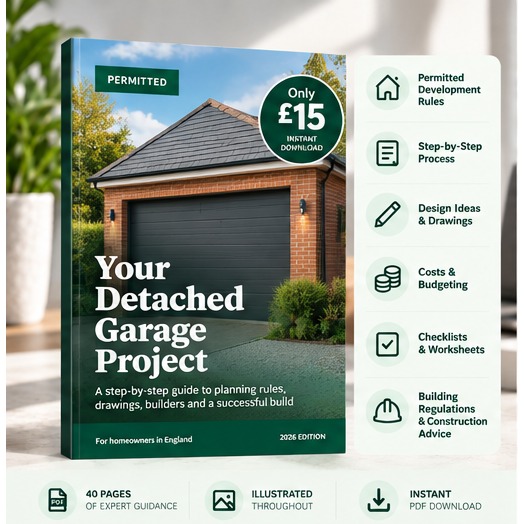
Rules, design options, costs and next steps.
View guide
Rules, design options, costs and next steps.
View guide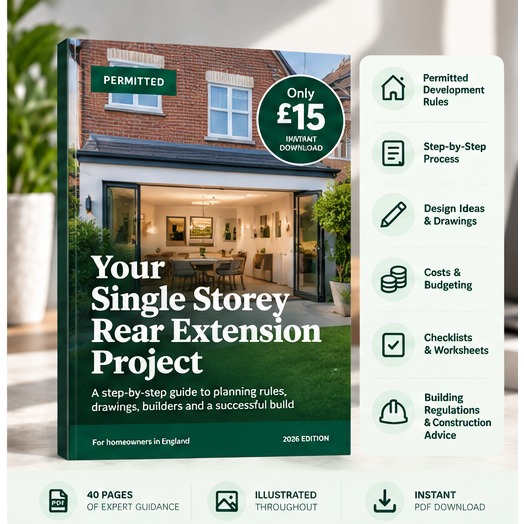
Rules, design options, costs and next steps.
View guide
Rules, design options, costs and next steps.
View guide
Rules, design options, costs and next steps.
View guide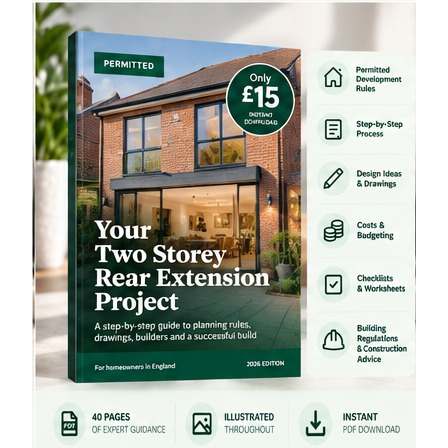
Rules, design options, costs and next steps.
View guide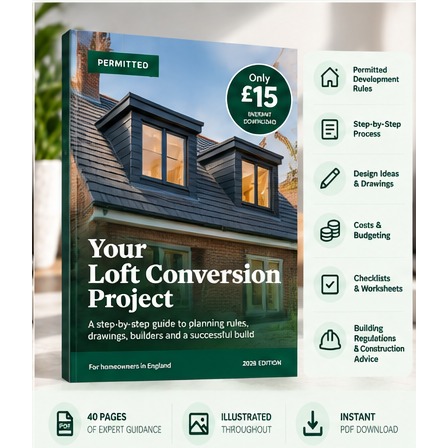
Rules, design options, costs and next steps.
View guidePrior approval is a limited form of consent where the LPA can only assess specific matters set out in the GPDO — it cannot refuse on general planning grounds. Planning permission is a full assessment of all material planning considerations. Understanding the difference determines how predictable and fast your project is.
Planning permission is the standard consent required before carrying out development as defined in the Town and Country Planning Act 1990. Development includes building operations, engineering operations, mining operations, material changes of use, and certain other operations.
When assessing a planning application, the LPA must take into account all material planning considerations. These include:
The LPA can refuse planning permission on any of these grounds. This breadth of assessment makes planning permission less predictable — an application that addresses every technical matter can still be refused on design, character, or policy grounds.
Prior approval is a more limited form of consent available under the GPDO 2015. The GPDO grants permitted development rights — rights to carry out certain development without applying for planning permission — but some of those rights require the developer to notify the LPA and obtain prior approval before proceeding.
When determining a prior approval application, the LPA may only assess the specific matters listed in the relevant Class of the GPDO. These vary by Class but typically include transport, contamination, flooding, noise, and sometimes design. If the development is acceptable on those specified matters, the LPA must grant prior approval — even if it has concerns about other aspects of the development.
Key principle: Prior approval is a yes/no decision on limited grounds, not a negotiation across all planning considerations. This makes it more predictable and faster than planning permission.
| Feature | Planning Permission | Prior Approval |
|---|---|---|
| Grounds for assessment | All material planning considerations | Only specified matters in the GPDO |
| Grounds for refusal | Any material planning consideration | Only the specified matters |
| Determination period | 8 weeks (minor), 13 weeks (major) | Typically 56 days |
| Deemed consent if no decision | No — deemed refusal after 8/13 weeks without extension | Yes — deemed grant after 56 days |
| Public consultation | Neighbours and statutory consultees | Limited — varies by Class |
| Fee | Varies by type and scale | Fixed lower fees (e.g. £249 for Class Q) |
| Appeal | Full planning appeal | Prior approval appeal (same process) |
The limited grounds for refusal under prior approval are its most important feature. Consider Class Q (agricultural to residential conversion):
The LPA may only assess: transport, contamination, flooding, noise, and design/external appearance. It cannot refuse on grounds such as:
Watch out: LPAs sometimes try to refuse prior approval applications on grounds outside the specified matters. Such refusals are legally vulnerable and frequently overturned on appeal. If your application is refused on grounds not listed in the GPDO, appeal — you have strong grounds.
One of the most significant differences is what happens when the LPA misses its determination deadline.
For planning permission: if the LPA fails to determine an application within 8 weeks (minor) or 13 weeks (major), the applicant can appeal against non-determination. The application is not deemed granted — it remains undetermined unless appealed.
For prior approval: if the LPA fails to determine an application within 56 days, prior approval is deemed to be granted. No appeal is needed. The applicant can proceed on the basis of deemed consent.
Deemed consent means a busy or indecisive LPA cannot indefinitely delay a prior approval project. Keep records of your valid submission date — if 56 days pass without a decision, you may proceed.
Prior approval was introduced to facilitate types of development that government policy actively wants to encourage — specifically, the conversion of existing buildings to housing and commercial use. The rationale is:
Over time, the scope of prior approval rights has expanded significantly. The Class Q residential conversion right (introduced 2014, expanded in 2021), the Class MA office-to-residential right (2021), and the larger home extension scheme all reflect this trend.
A new dwelling in the countryside on a greenfield site requires full planning permission. The LPA will assess landscape impact, design, sustainability, highway safety, ecological impact, and policy compliance. It can refuse on any of these grounds.
Converting an existing agricultural barn to a dwelling via Class Q requires prior approval. The LPA can only assess transport, contamination, flooding, noise, and design. It cannot refuse because the dwelling is isolated or because it objects to the loss of agricultural buildings in principle.
Building a rear extension larger than standard PD limits via the larger home extension scheme requires prior approval. The LPA notifies neighbours and can only assess the impact on the amenity of adjacent occupiers — it cannot refuse on design or general planning grounds.
Not quite. Permitted development (PD) rights allow you to carry out certain works without any application — you simply proceed (e.g. a small rear extension within PD limits). Prior approval is a requirement within some PD rights — the development is still permitted development, but you must notify the LPA and get approval of specific matters before you can proceed. Prior approval is a procedural step within the PD rights framework.
Yes, but only conditions that relate to the specified prior approval matters. The LPA cannot impose conditions on aspects of the development that fall outside the specified matters. Any condition must be necessary, relevant, and enforceable — the same tests apply as for planning permission conditions.
No. Prior approval granted under Class Q, Class R, or another GPDO Class replaces the need for planning permission for the development described in that Class. You do not need both. However, if you later want to make changes to the development that fall outside the permitted development rights (e.g. a subsequent large extension to a Class Q dwelling), those later changes would require planning permission.
Ask PERMITTED — quick answers on extensions, lofts, garages and garden rooms. If your project fits the rules, choose a fixed-price drawing package. If it doesn’t, YPDS Architectural Services, our parent practice in Leeds, can advise on planning.
Planning a project? Browse our permitted development drawing sets — fixed price, supplied exactly as sold and emailed to you as a PDF.
Each one is already drawn. You choose the material, roof and options we actually draw, and that is the package you receive.
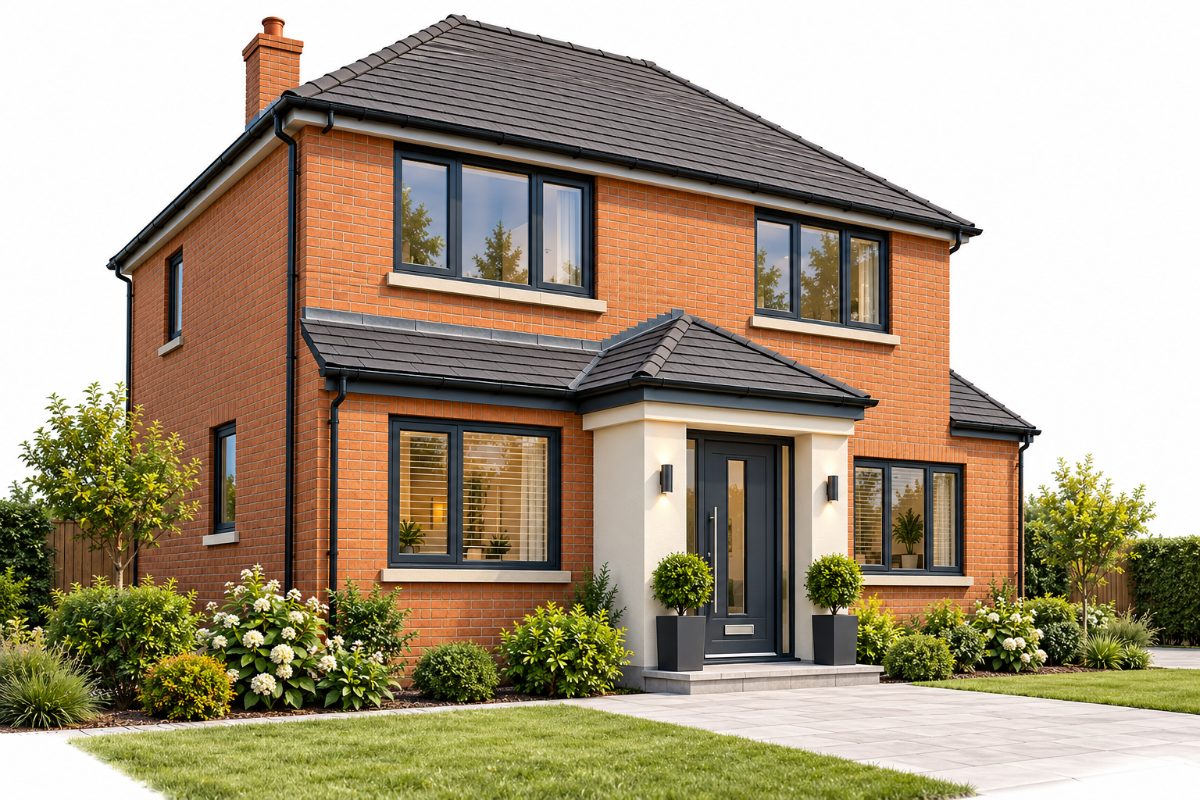
A practical entrance area that adds space and improves the look of your home.
£350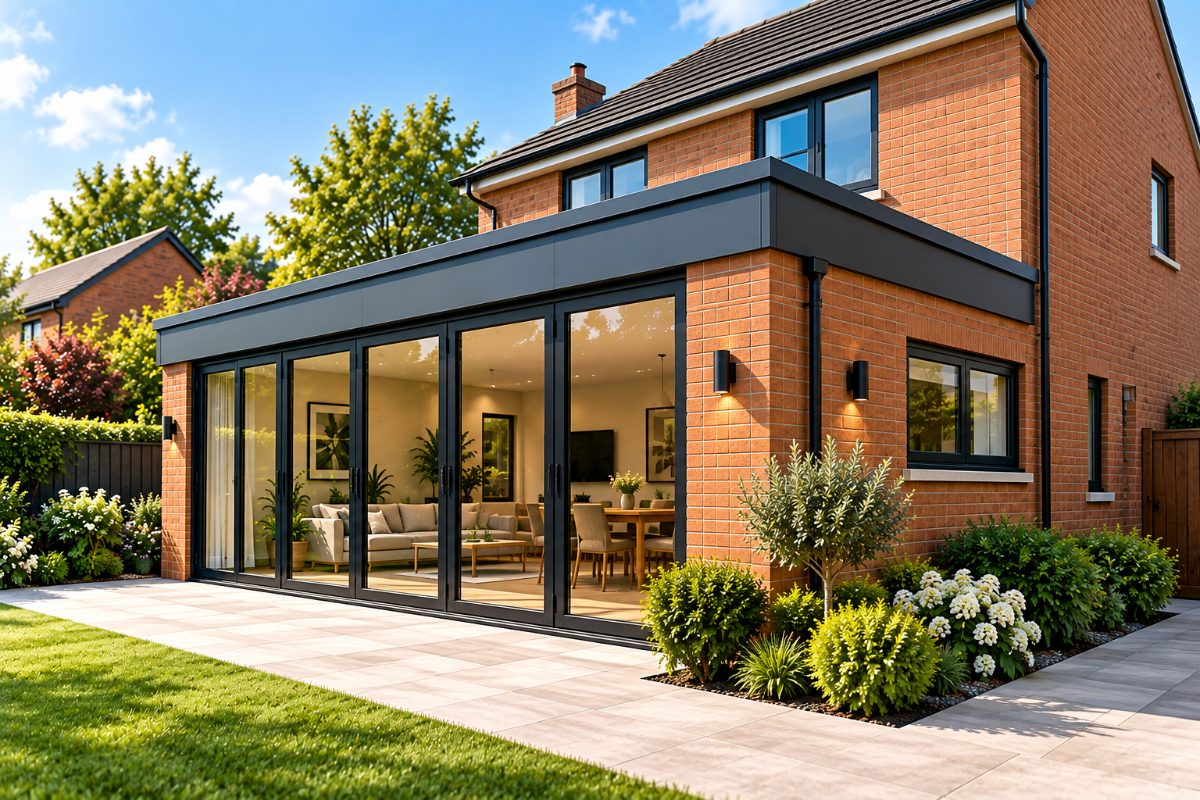
A popular way to create a larger kitchen, dining or family area.
£900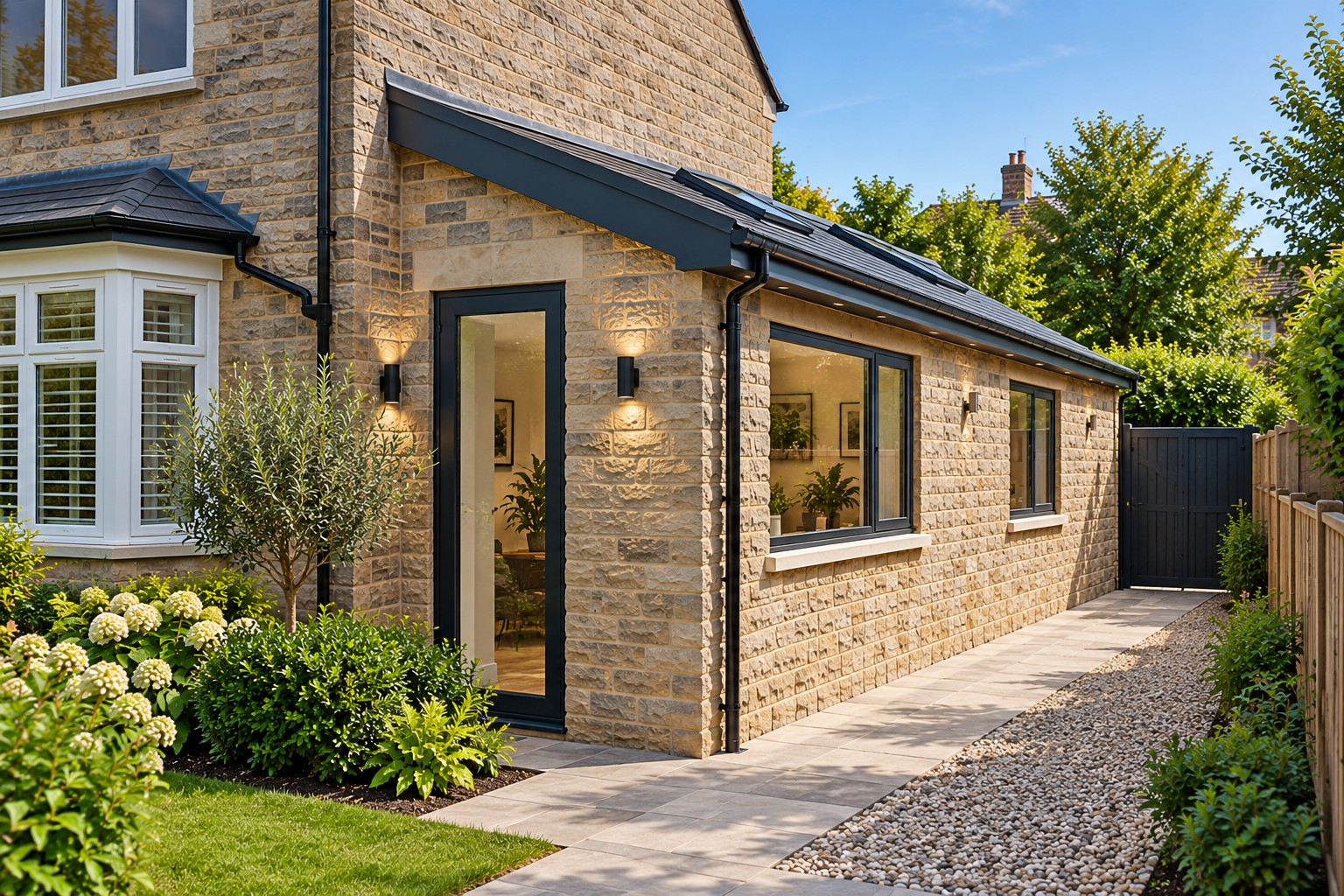
Adds valuable space to the side of your home for a kitchen or utility.
£900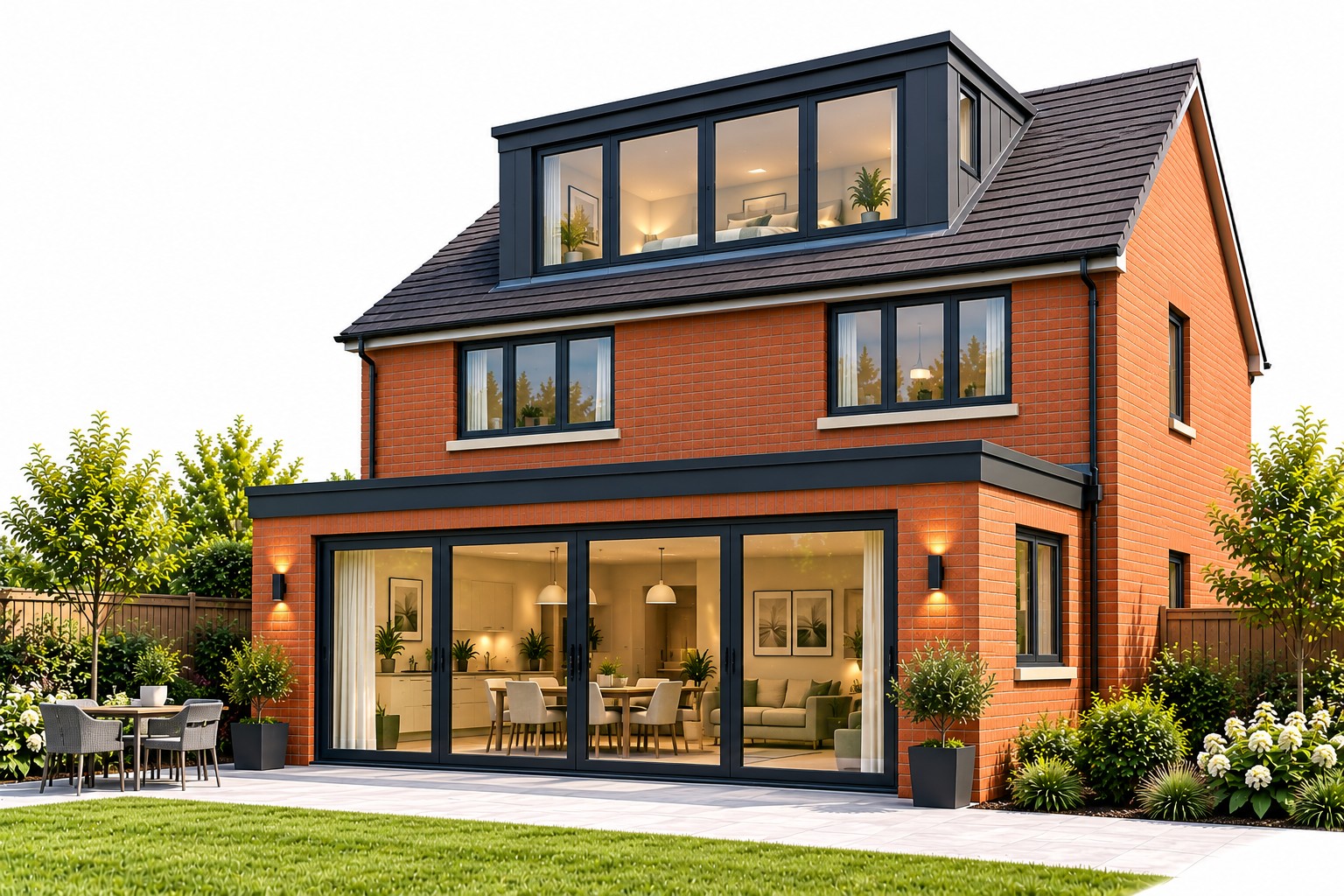
Turns unused loft space into a bedroom, office or additional living area.
£1,500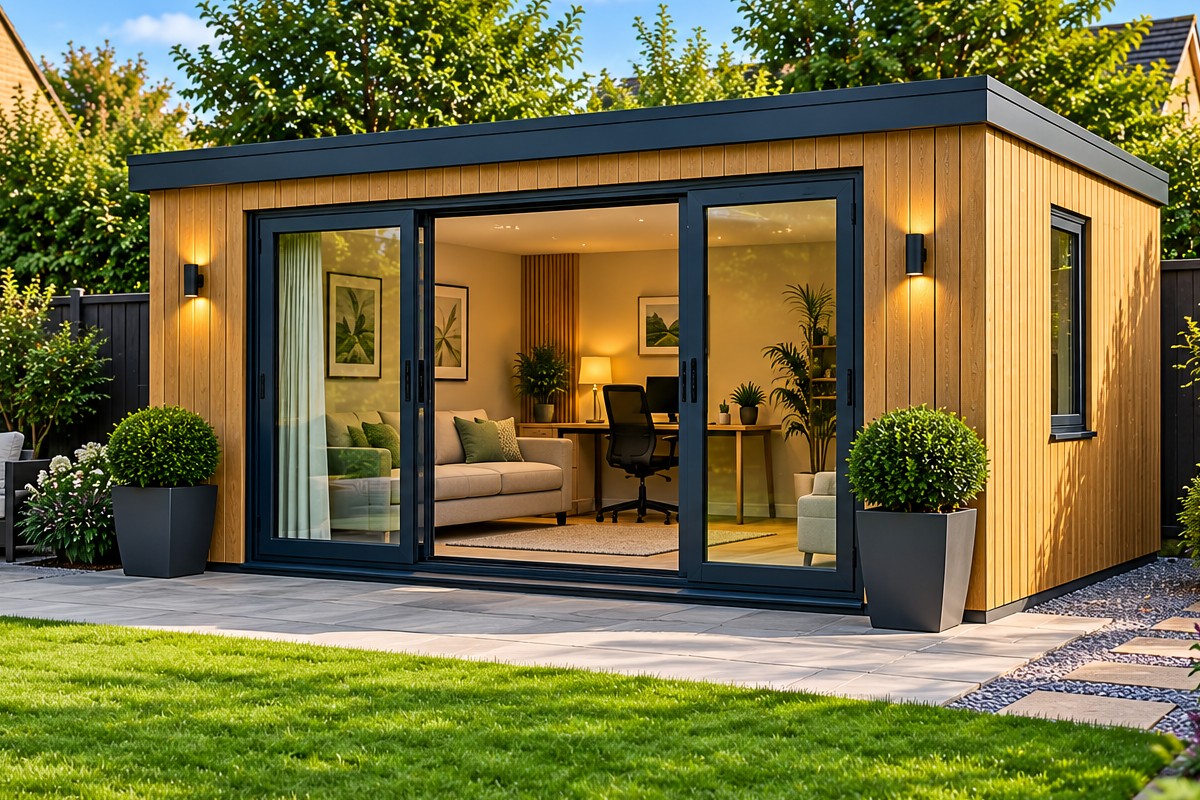
A flexible, detached space for work, leisure or extra living space.
£350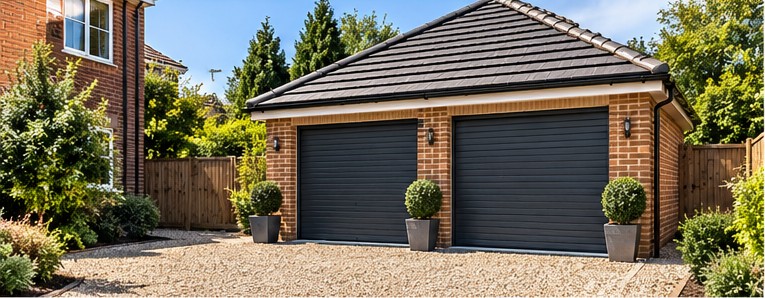
Secure parking or useful storage, single or double.
£350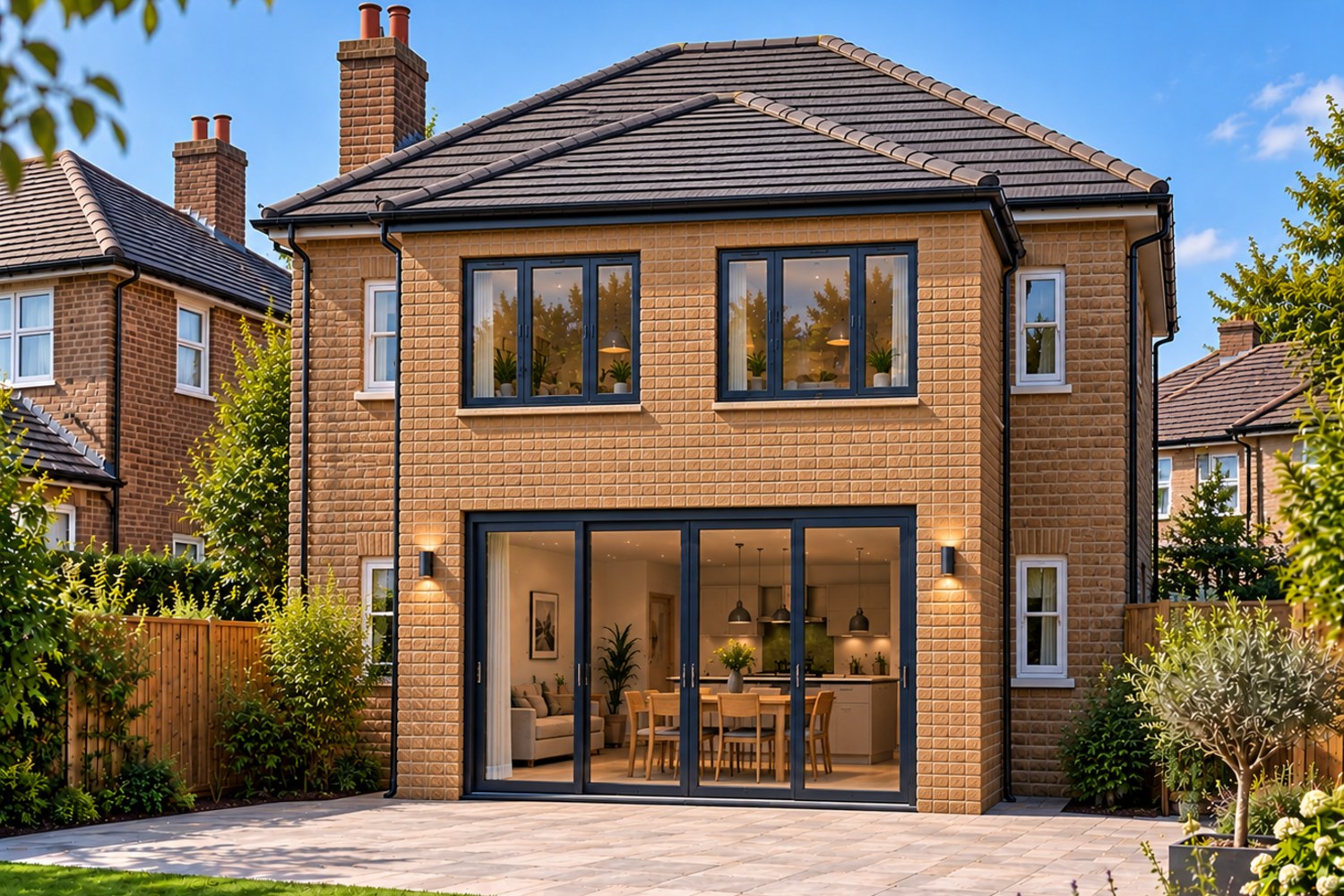
Significantly more living space across both floors.
£1,400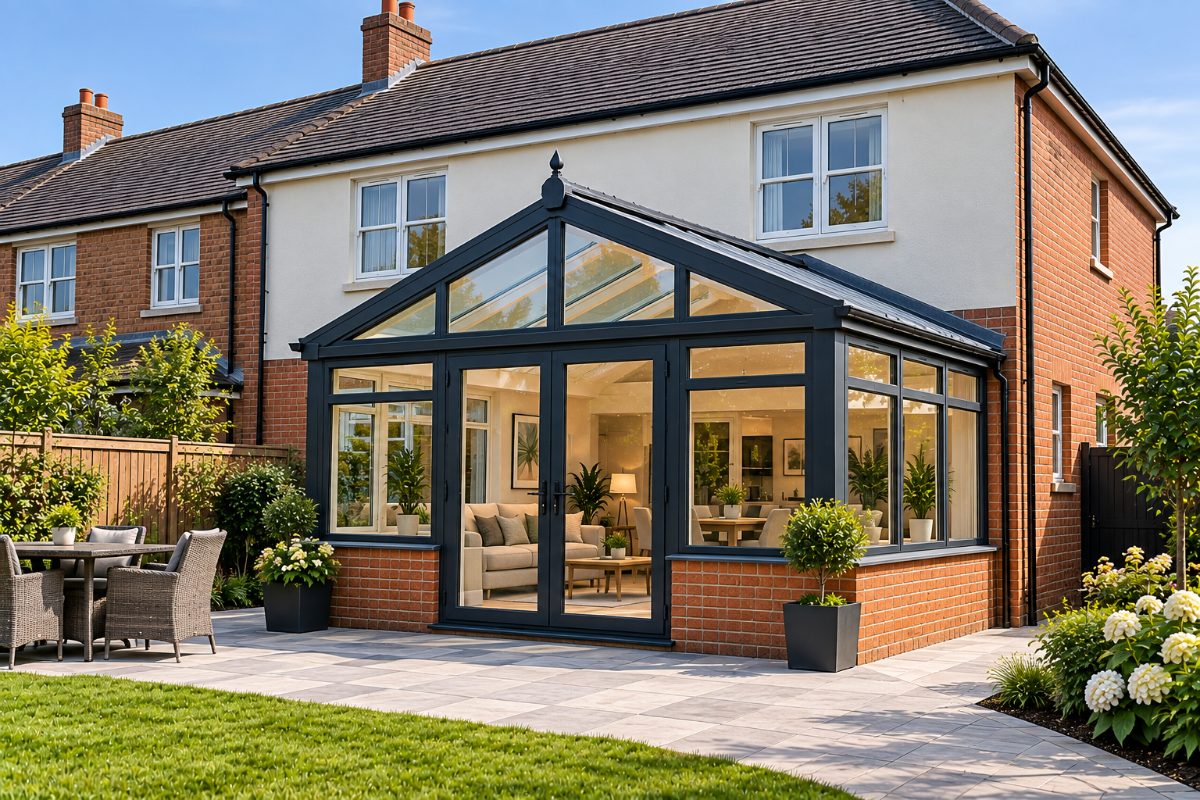
A bright, glazed room connecting your home to the garden.
£900PERMITTED HOMEOWNER GUIDES
Our illustrated, practical guides help you understand the rules, explore design options and budget with confidence — before you commit to building work.
Explore all guidesRules, design options, costs and next steps.
View guideRules, design options, costs and next steps.
View guideRules, design options, costs and next steps.
View guideRules, design options, costs and next steps.
View guideRules, design options, costs and next steps.
View guideRules, design options, costs and next steps.
View guideRules, design options, costs and next steps.
View guideRules, design options, costs and next steps.
View guideWe use cookies that are needed to run the basket and checkout. We would also like to use analytics cookies to understand how the site is used. We only do that if you say yes.

Maximize your property’s footprint with precision and ease. Permitted provides complete design for Permitted Development Rights. Our packages are designed around the Permitted Development limits, so many projects can proceed without a full planning application.
PERMITTED is operated by Yorkshire Property Design Services Limited, registered in England and Wales under company number 12698267.
Registered office: Ground Floor, Techno Centre, Station Road, Horsforth, Leeds, LS18 5BJ
Business contact address: Wira House, Ground Floor, Suite 5, Ring Road, West Park, Leeds, LS16 6EB