


Permitted Development rules





Professional, builder-ready drawing packages for extensions, lofts, porches, garages, garden rooms and more — designed to Permitted Development parameters and supplied as sold.
PERMITTED HOMEOWNER GUIDES
Our illustrated, practical guides help you understand the rules, explore design options and budget with confidence — before you commit to building work.
Explore all guides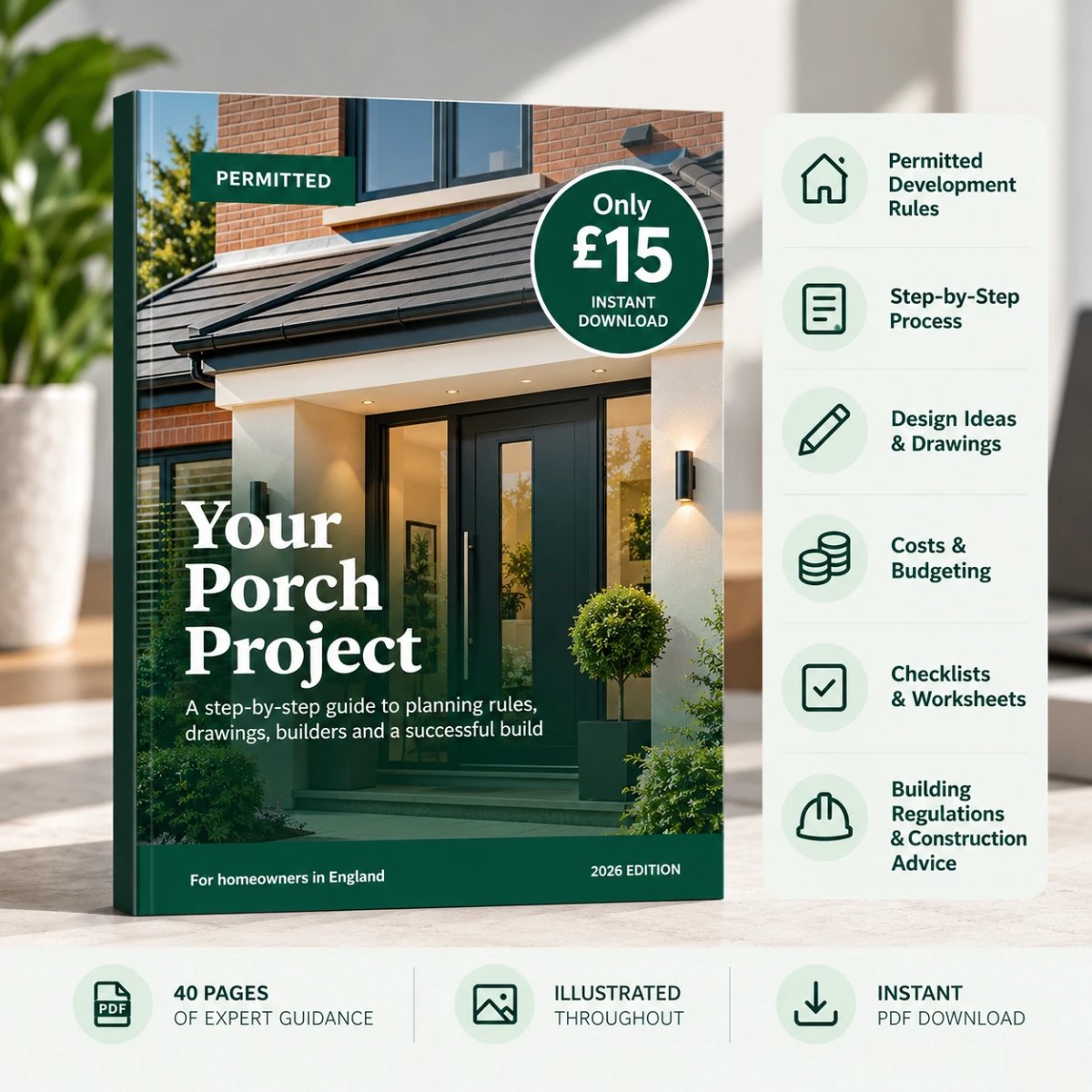
Rules, design options, costs and next steps.
View guide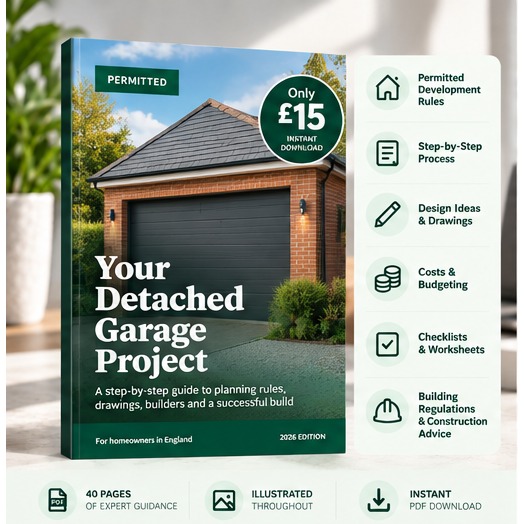
Rules, design options, costs and next steps.
View guide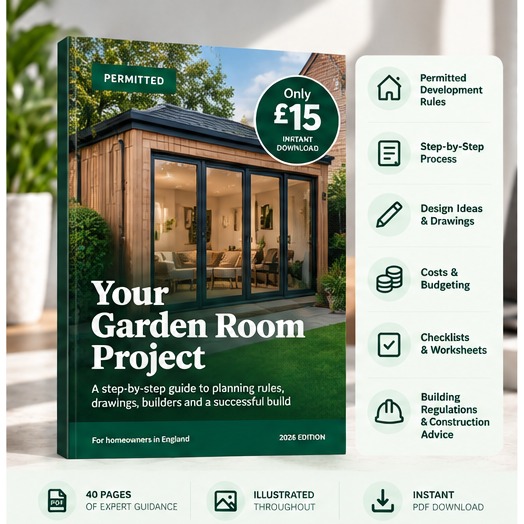
Rules, design options, costs and next steps.
View guide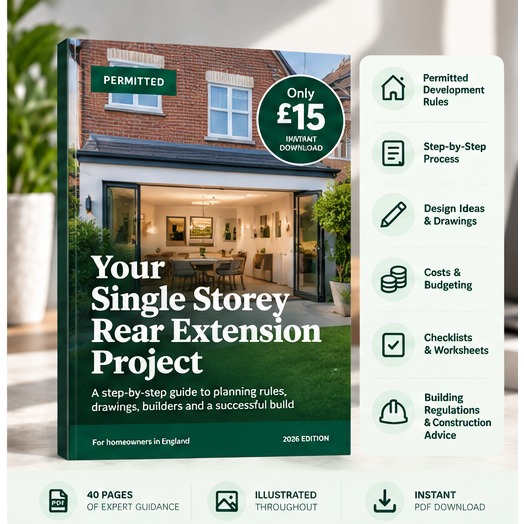
Rules, design options, costs and next steps.
View guide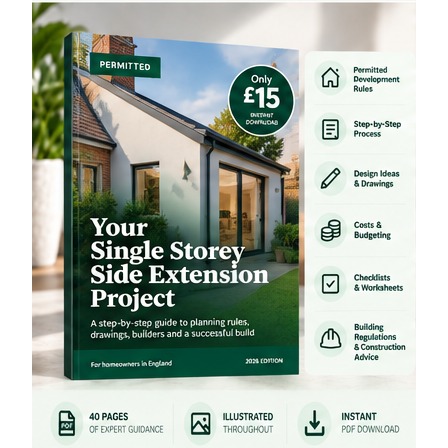
Rules, design options, costs and next steps.
View guide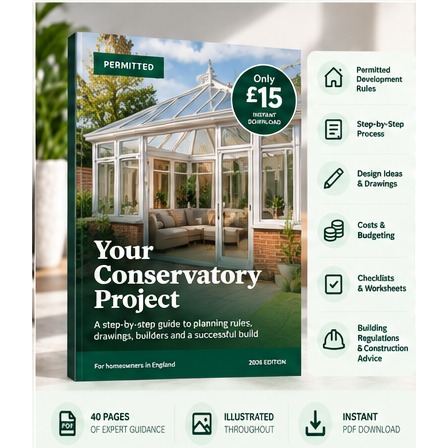
Rules, design options, costs and next steps.
View guide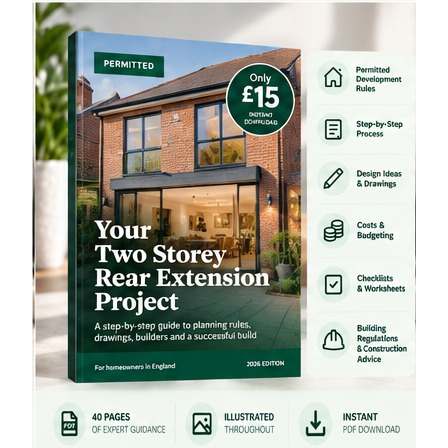
Rules, design options, costs and next steps.
View guide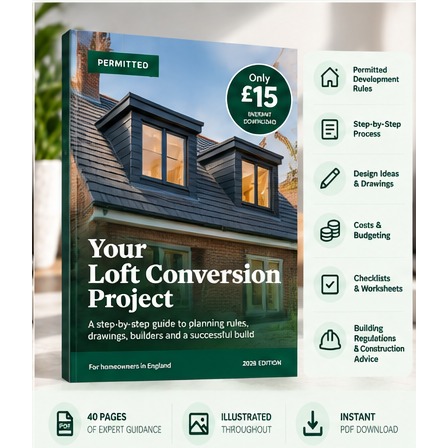
Rules, design options, costs and next steps.
View guideGrade II listed buildings require listed building consent for all physical alterations but allow more flexibility than Grade I or II*. Here is what typically gets approved, what does not, and how to apply.
Grade II is the most common listing designation in England, covering approximately 92% of all listed buildings — around 370,000 individual entries on the National Heritage List for England. Grade II means the building is “nationally important” and “of special interest, warranting every effort to preserve it.”
Grade II buildings include a wide range of property types: Georgian townhouses, Victorian terraces, interwar semis of historic interest, industrial buildings, barns, and more. Being Grade II listed does not make a building uninhabitable or unalterable — it means alterations must be managed carefully to preserve the building’s special character.
Even for Grade II listed buildings — the most common and least restrictive listing — listed building consent is required for all works affecting the character of the building. This includes:
There are no “permitted development” equivalents for works to the fabric of a listed building — LBC must always be sought.
For Grade II buildings, LPAs are generally more willing to approve sympathetic, reversible works than they would be for higher-grade buildings. Works that are commonly approved include:
Even for Grade II buildings, certain works are almost never approved:
Extensions are the most commonly sought type of LBC. They are considered against the character of the original building and their impact on it. Factors the LPA will consider:
For Grade II listed buildings, the LPA’s approach to windows is typically:
Modern kitchen and bathroom installations are generally permitted in Grade II buildings provided:
Every LPA with listed buildings has a historic environment officer (sometimes called a conservation officer). This person:
Building a constructive relationship with the conservation officer and taking their pre-application advice seriously is the most effective way to achieve a successful LBC application for a Grade II building.
Several permitted development (PD) classes are removed or modified for listed buildings:
Yes, extensions to Grade II listed buildings are commonly approved — provided they are sympathetically designed, subordinate in scale, and use appropriate materials. Rear extensions are generally more acceptable than front or side extensions. Always seek pre-application advice from the LPA’s conservation officer before commissioning drawings.
Yes, interior renovations are possible but require listed building consent if they affect the building’s character. Modern kitchens and bathrooms are generally permitted provided original features are not destroyed. Removing original walls, fireplaces, staircases, or panelling will require LBC and may be refused if they form part of the special interest.
LBC applications have an 8-week statutory determination period, the same as planning applications. In practice, complex applications for higher-grade buildings may take longer. For Grade I and II* buildings, Historic England must be notified and given 21 days to comment before consent can be granted, which can add to the timeline.
This kind of project usually needs planning permission rather than permitted development. PERMITTED is part of YPDS Architectural Services, a Leeds architectural design practice that designs, prepares and manages planning applications.
Each one is already drawn. You choose the material, roof and options we actually draw, and that is the package you receive.
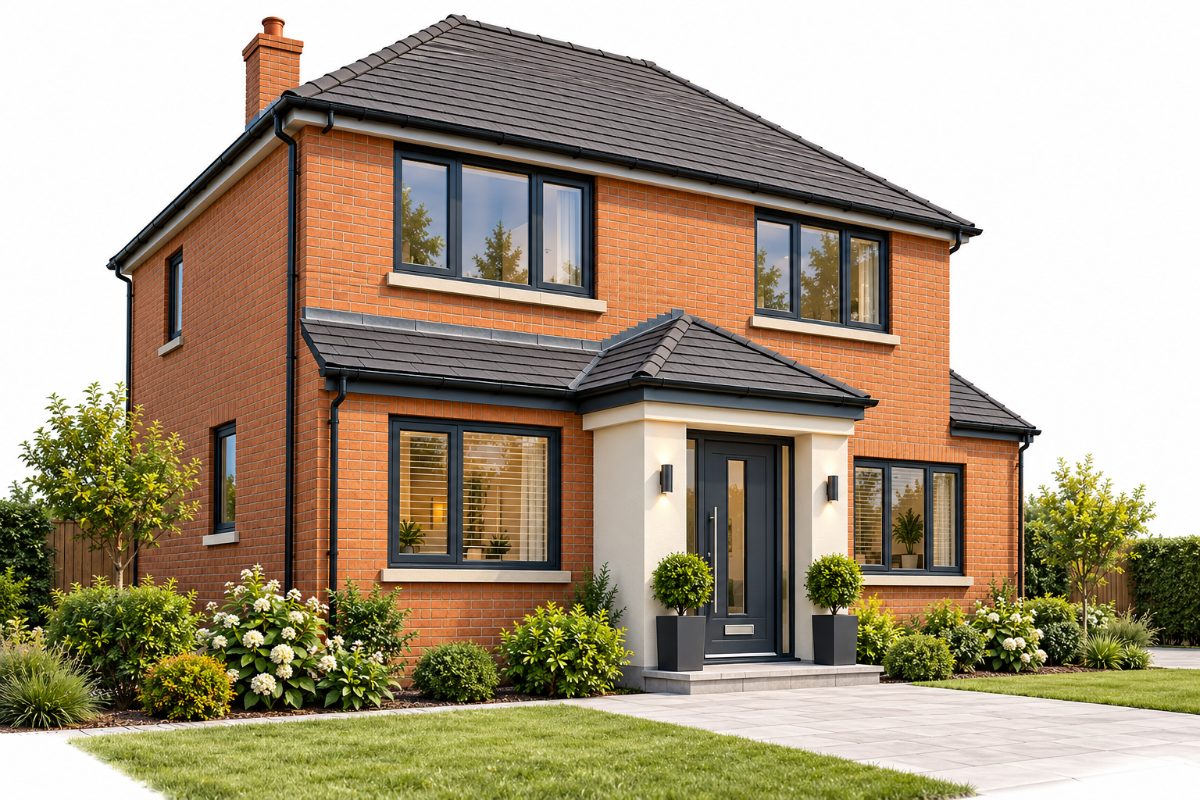
A practical entrance area that adds space and improves the look of your home.
£350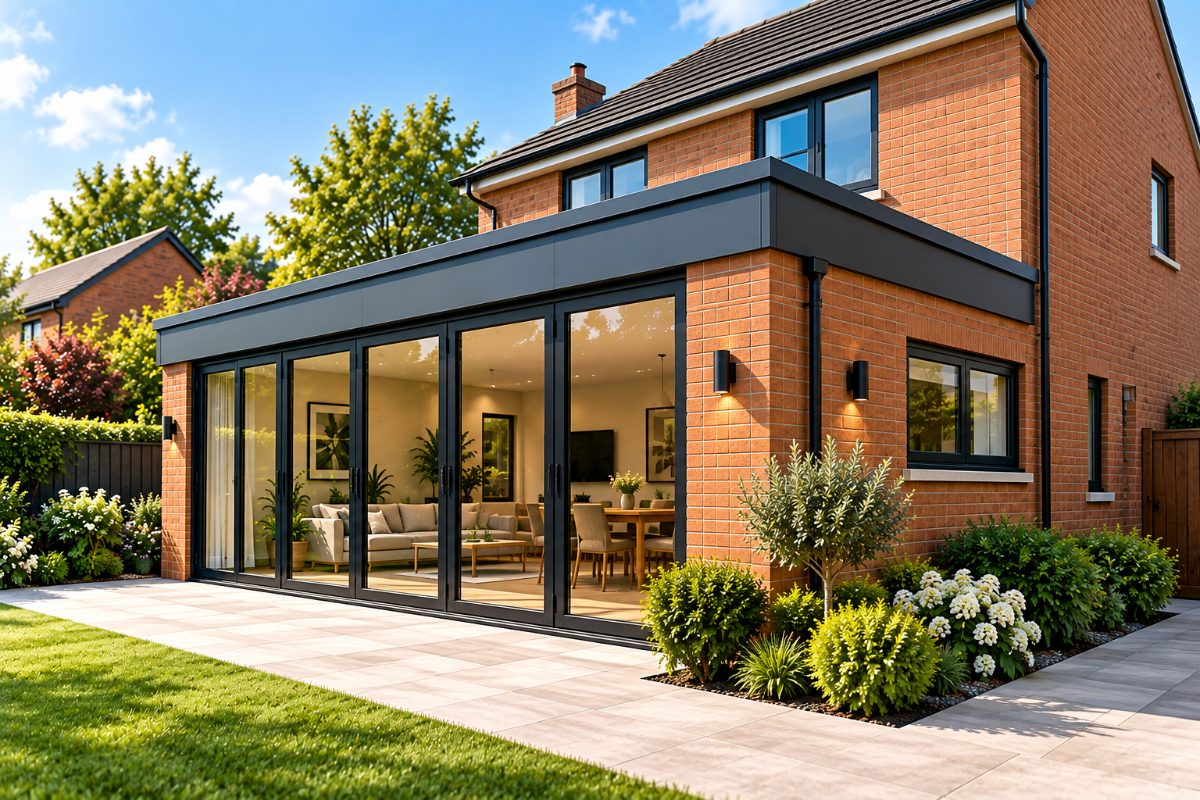
A popular way to create a larger kitchen, dining or family area.
£900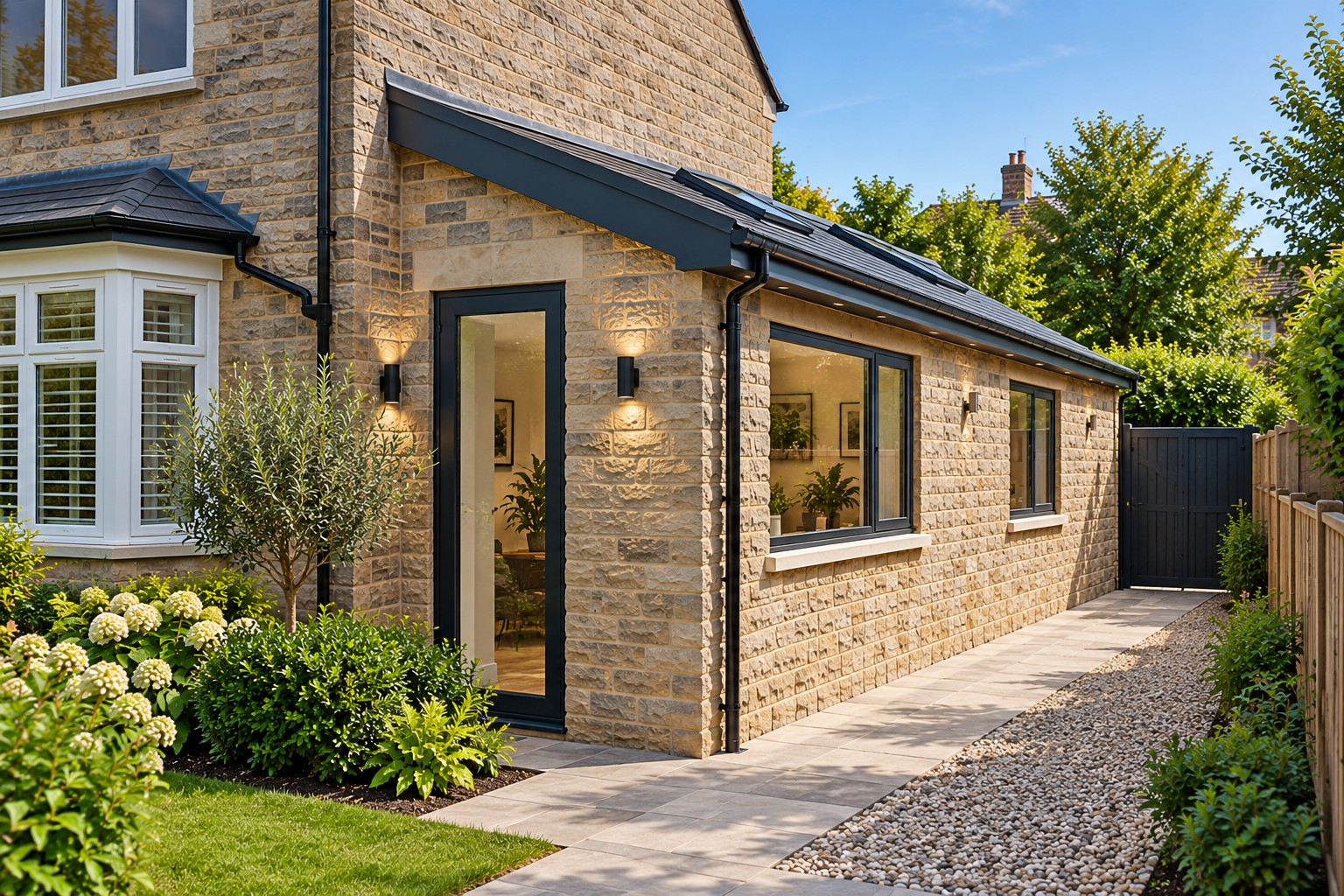
Adds valuable space to the side of your home for a kitchen or utility.
£900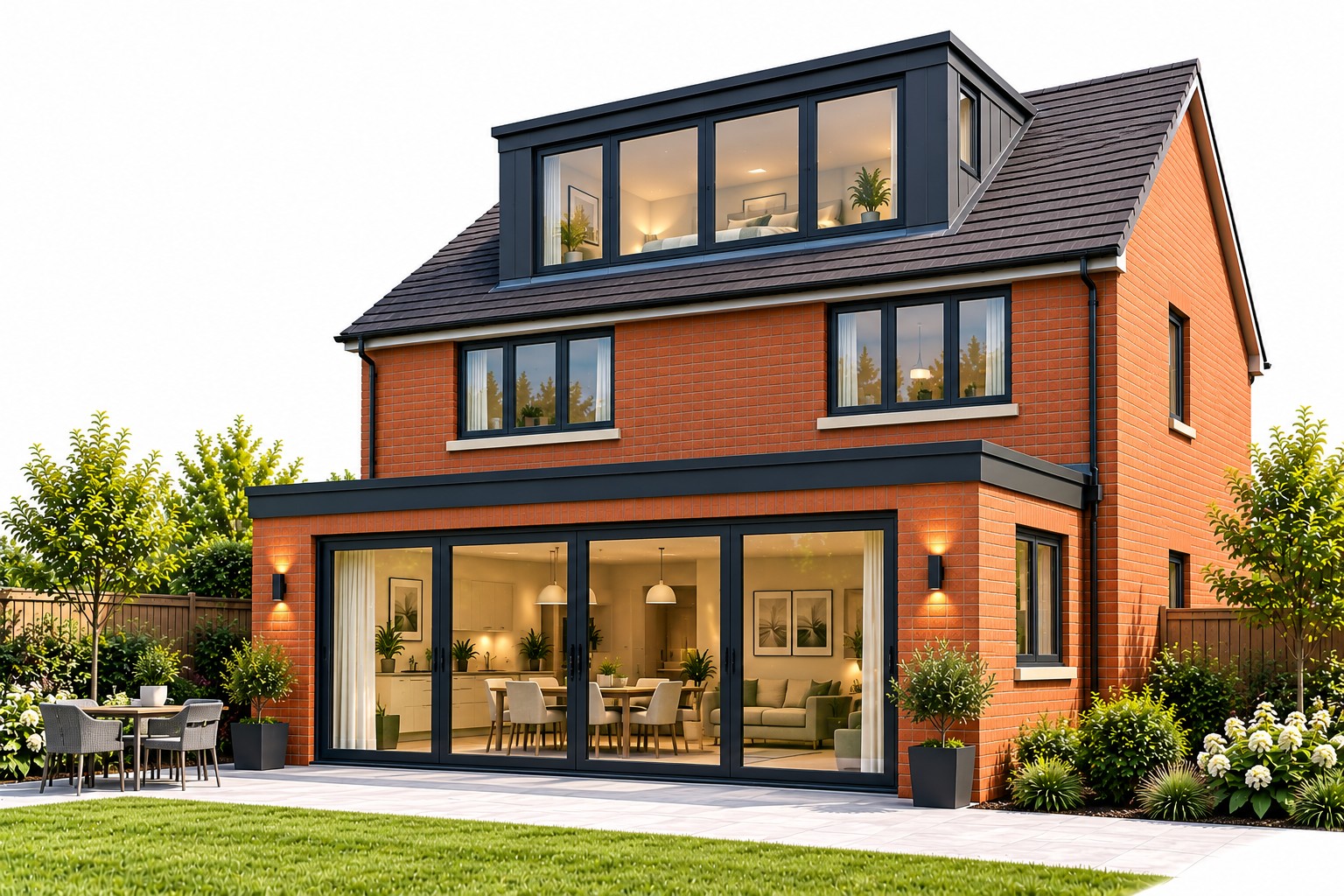
Turns unused loft space into a bedroom, office or additional living area.
£1,500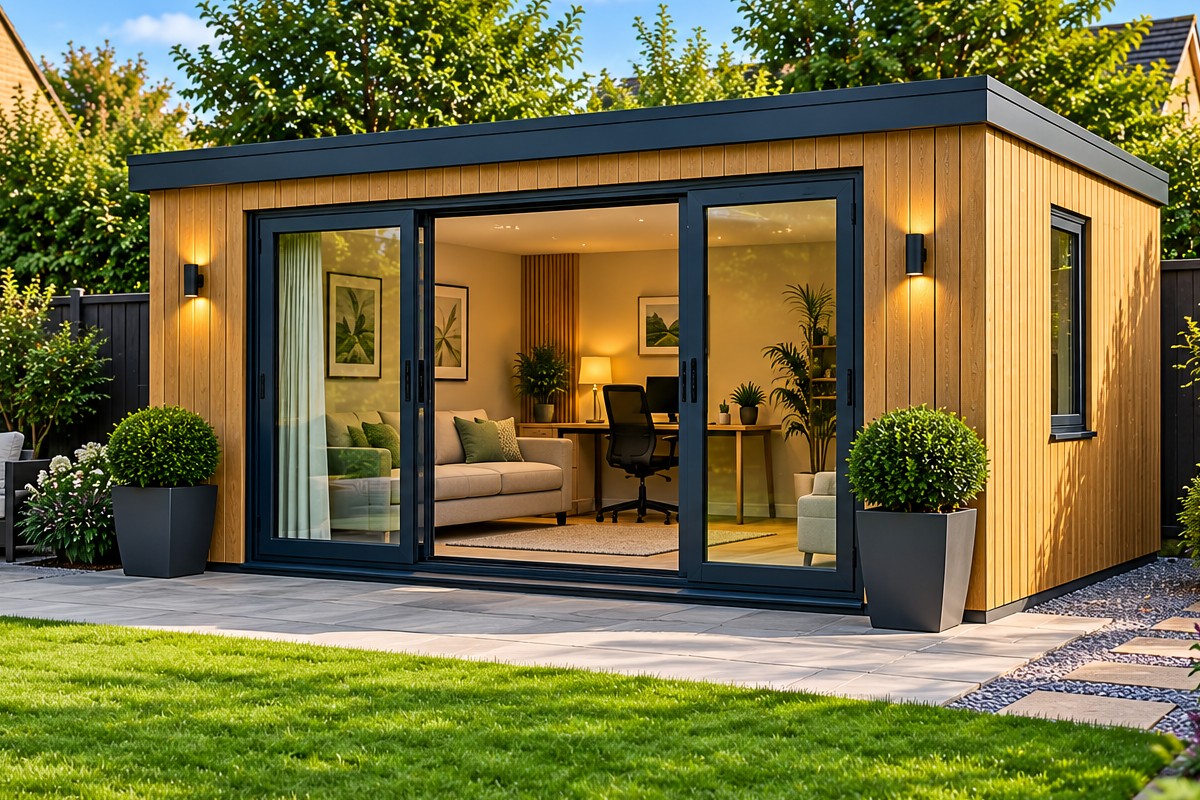
A flexible, detached space for work, leisure or extra living space.
£350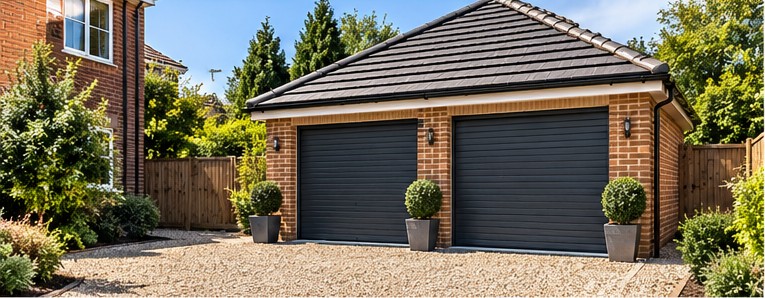
Secure parking or useful storage, single or double.
£350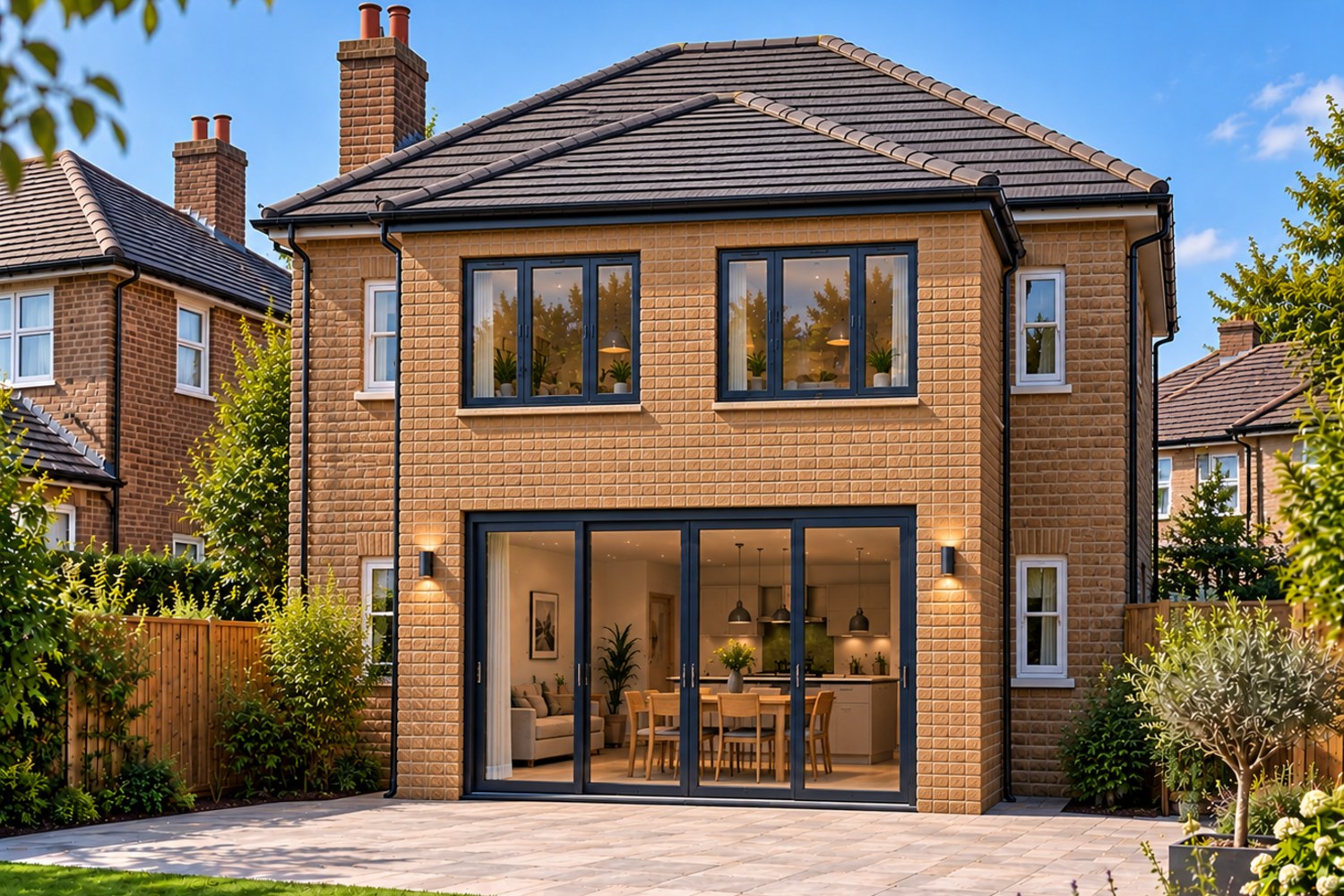
Significantly more living space across both floors.
£1,400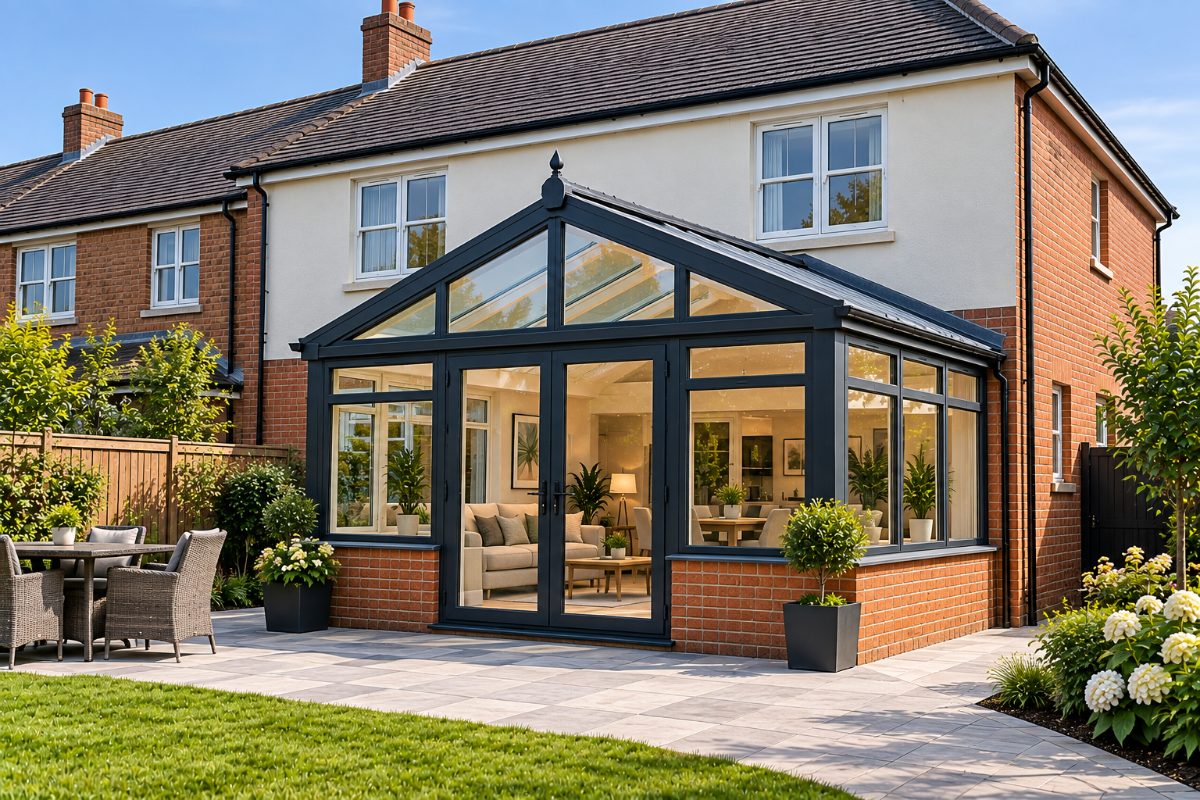
A bright, glazed room connecting your home to the garden.
£900PERMITTED HOMEOWNER GUIDES
Our illustrated, practical guides help you understand the rules, explore design options and budget with confidence — before you commit to building work.
Explore all guidesRules, design options, costs and next steps.
View guideRules, design options, costs and next steps.
View guideRules, design options, costs and next steps.
View guideRules, design options, costs and next steps.
View guideRules, design options, costs and next steps.
View guideRules, design options, costs and next steps.
View guideRules, design options, costs and next steps.
View guideRules, design options, costs and next steps.
View guideWe use cookies that are needed to run the basket and checkout. We would also like to use analytics cookies to understand how the site is used. We only do that if you say yes.

Maximize your property’s footprint with precision and ease. Permitted provides complete design for Permitted Development Rights. Our packages are designed around the Permitted Development limits, so many projects can proceed without a full planning application.
PERMITTED is operated by Yorkshire Property Design Services Limited, registered in England and Wales under company number 12698267.
Registered office: Ground Floor, Techno Centre, Station Road, Horsforth, Leeds, LS18 5BJ
Business contact address: Wira House, Ground Floor, Suite 5, Ring Road, West Park, Leeds, LS16 6EB