


Permitted Development rules





Professional, builder-ready drawing packages for extensions, lofts, porches, garages, garden rooms and more — designed to Permitted Development parameters and supplied as sold.
PERMITTED HOMEOWNER GUIDES
Our illustrated, practical guides help you understand the rules, explore design options and budget with confidence — before you commit to building work.
Explore all guides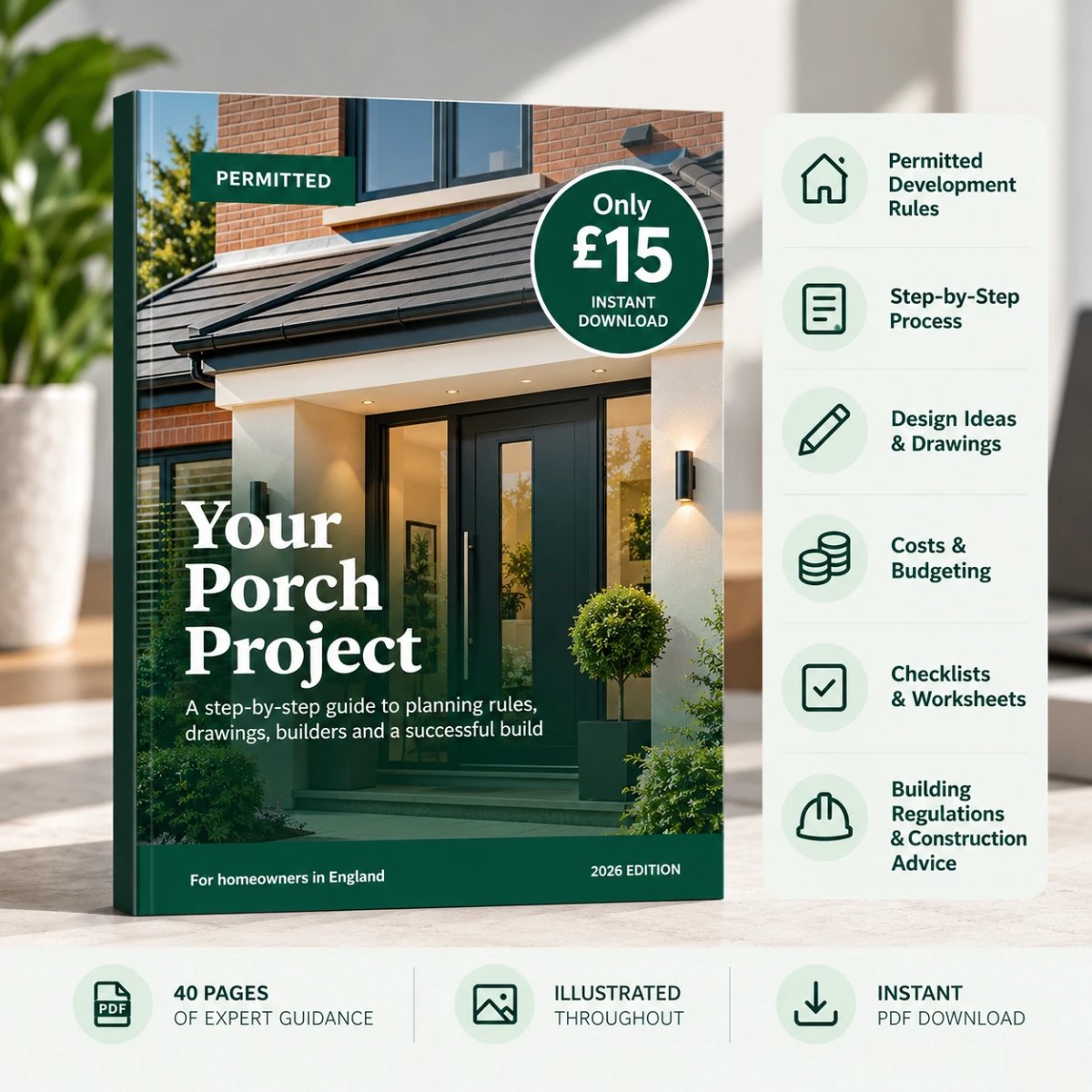
Rules, design options, costs and next steps.
View guide
Rules, design options, costs and next steps.
View guide
Rules, design options, costs and next steps.
View guide
Rules, design options, costs and next steps.
View guide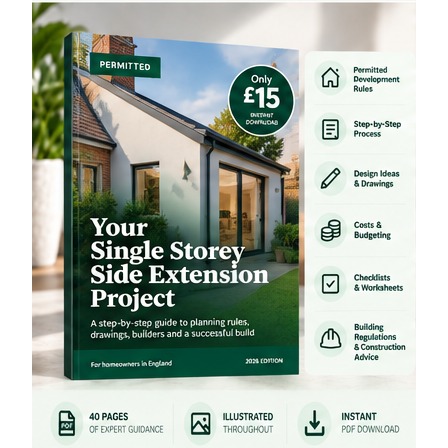
Rules, design options, costs and next steps.
View guide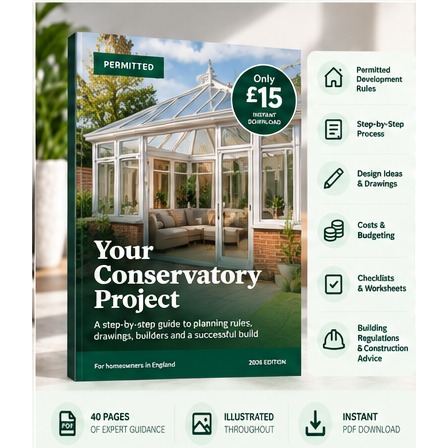
Rules, design options, costs and next steps.
View guide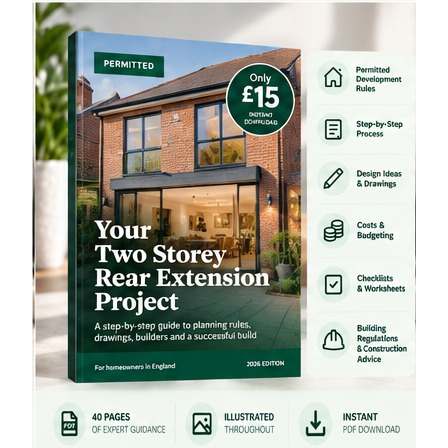
Rules, design options, costs and next steps.
View guide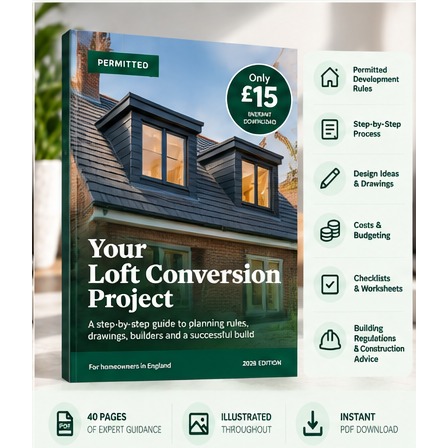
Rules, design options, costs and next steps.
View guideBeing in a conservation area does not list a building, but it does restrict permitted development rights and imposes controls on demolition. Here is what restrictions apply, how Article 4 Directions work, and what you can and cannot do.
A conservation area and a listed building are two entirely different designations, though they often overlap:
| Feature | Listed Building | Conservation Area |
|---|---|---|
| What it protects | Individual building of special architectural/historic interest | Character and appearance of an area |
| Who designates | Historic England (on behalf of DCMS) | Local Planning Authority |
| Internal works control | Yes — LBC required | No — no control over internal works |
| External works control | Yes — LBC required | Partially — restricted PD rights; demolition control |
| Consent required | Listed Building Consent (free) | Planning permission where PD is restricted or disapplied |
| Criminal offence? | Yes — unlimited fine, 2 years imprisonment | Yes for unauthorised demolition — but different regime |
Many buildings are both listed AND in a conservation area. In that case, both listed building consent and any conservation area restrictions apply. An unlisted building in a conservation area is subject to conservation area rules but NOT listed building consent requirements.
To check whether a property is within a conservation area:
Within conservation areas, several permitted development rights are restricted or removed for dwellinghouses:
| Restriction | What It Means |
|---|---|
| Satellite dishes | No satellite dishes on any chimney, wall or roof slope facing a highway — requires planning permission |
| External cladding | Cladding the exterior with stone, artificial stone, pebbledash, render, timber, plastic or tiles requires planning permission |
| Outbuildings to the side | Outbuildings on the side of the house in conservation areas require planning permission |
| Side extensions | Extensions on the side of the house (Class A) that extend beyond the original side wall require planning permission in conservation areas |
| Two-storey extensions | Two-storey and first-floor rear extensions are not permitted development in conservation areas |
| Roof alterations (Class B) | Roof additions facing a highway (including rear dormers in some cases) require planning permission |
In a conservation area, the following require planning permission that would not be needed elsewhere:
Rear extensions (single-storey) and loft conversions not visible from the highway may still be PD even in a conservation area, depending on the specifics of the Class A and B conditions.
Demolishing an unlisted building in a conservation area requires planning permission. This was previously called “conservation area consent” but since 2013 it is simply a planning application under section 196D of the TCPA 1990 (as amended by the Enterprise and Regulatory Reform Act 2013).
The LPA will assess demolition against the conservation area character and whether the loss of the building would harm the area’s special interest. Demolition of an unlisted building that makes a positive contribution to the character of the area will generally be refused.
An Article 4 Direction is an LPA direction that removes specified permitted development rights from a defined area. In conservation areas, Article 4 Directions are commonly used to remove PD rights for:
Where an Article 4 Direction applies, works that would otherwise be permitted development require planning permission. If planning permission is refused solely because of the Article 4 Direction, the applicant may be entitled to compensation.
Every conservation area should have a Character Appraisal that describes what gives the area its special interest, and a Management Plan setting out how that character should be maintained. These are important documents because:
Conservation area designation does not control internal works. If a building is unlisted and in a conservation area:
This is a fundamental difference from listed building status. A building in a conservation area has external controls (through restricted PD rights and demolition controls) but no internal heritage controls.
Not unless the building is also listed. Conservation area designation and listed building status are separate. An unlisted building in a conservation area is subject to conservation area planning restrictions but does not require listed building consent. Only if the building is individually listed does LBC apply.
Some extensions remain permitted development in conservation areas. Single-storey rear extensions, for example, may still be PD if they comply with the Class A conditions. However, side extensions, two-storey rear extensions, front dormers, and external cladding all require planning permission in conservation areas, whereas they might be PD elsewhere.
A listed building is an individual building of special architectural or historic interest designated by Historic England. A conservation area is a broader designation protecting the character and appearance of an area, applied by the LPA. A building can be both listed and in a conservation area, or one without the other. Listed buildings have much stricter controls — including listed building consent for internal works — compared to unlisted buildings in conservation areas.
Article 4 Directions apply to a defined area and the specific PD rights removed by the Direction. They do not automatically apply to all properties in a conservation area — they must be formally made by the LPA and apply to the specific geographical area described in the Direction. Check with your LPA or on their planning map to see whether an Article 4 Direction affects your property.
Ask PERMITTED — quick answers on extensions, lofts, garages and garden rooms. If your project fits the rules, choose a fixed-price drawing package. If it doesn’t, YPDS Architectural Services, our parent practice in Leeds, can advise on planning.
Each one is already drawn. You choose the material, roof and options we actually draw, and that is the package you receive.
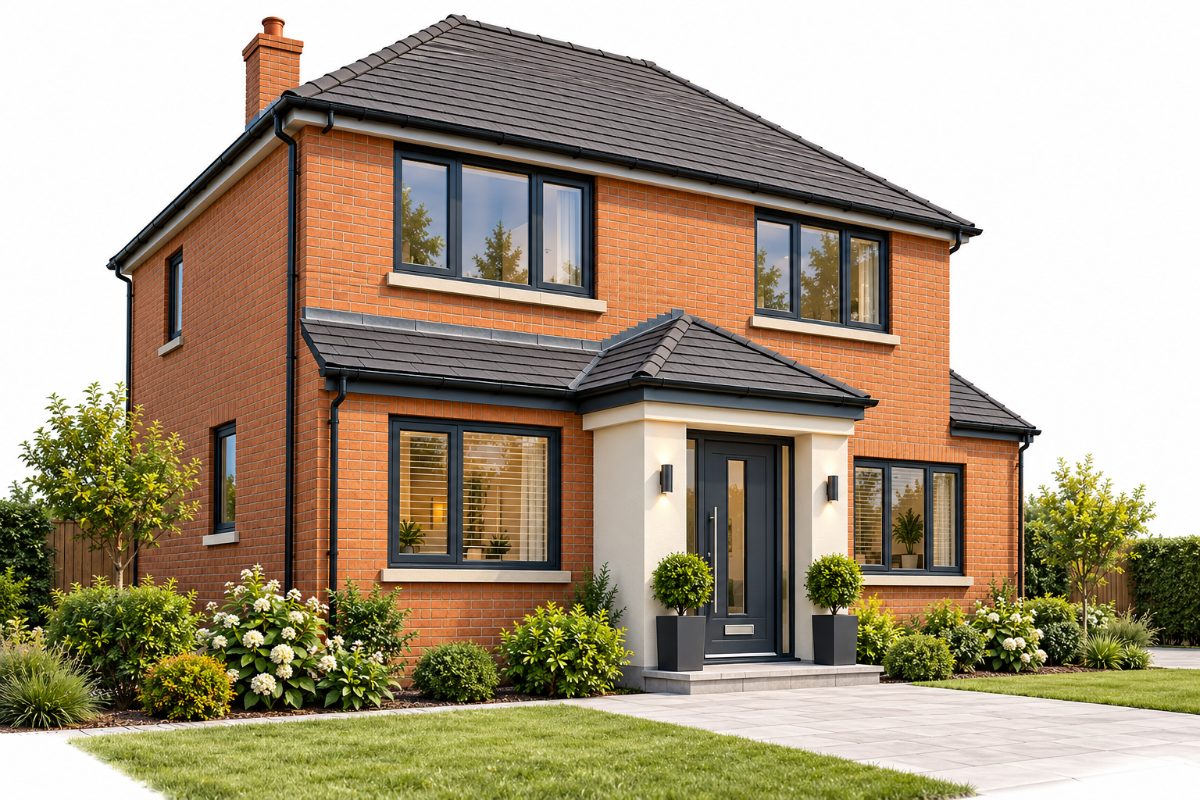
A practical entrance area that adds space and improves the look of your home.
£350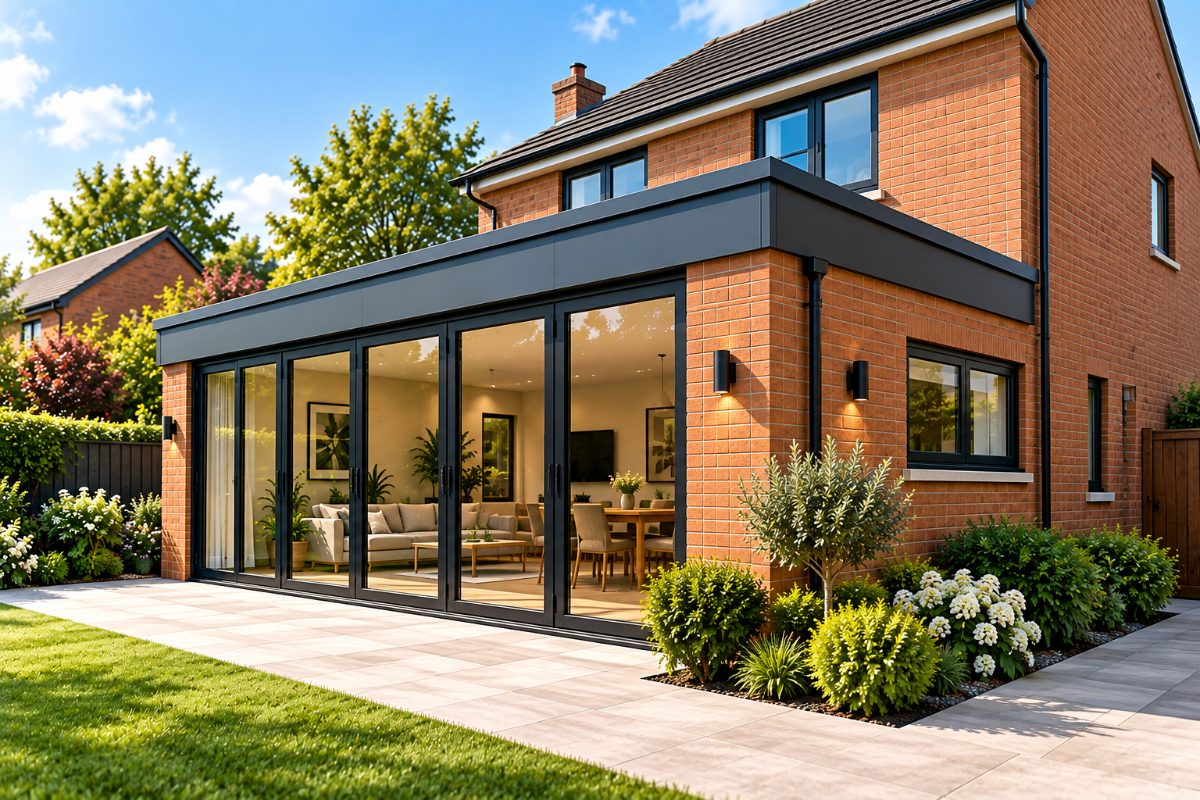
A popular way to create a larger kitchen, dining or family area.
£900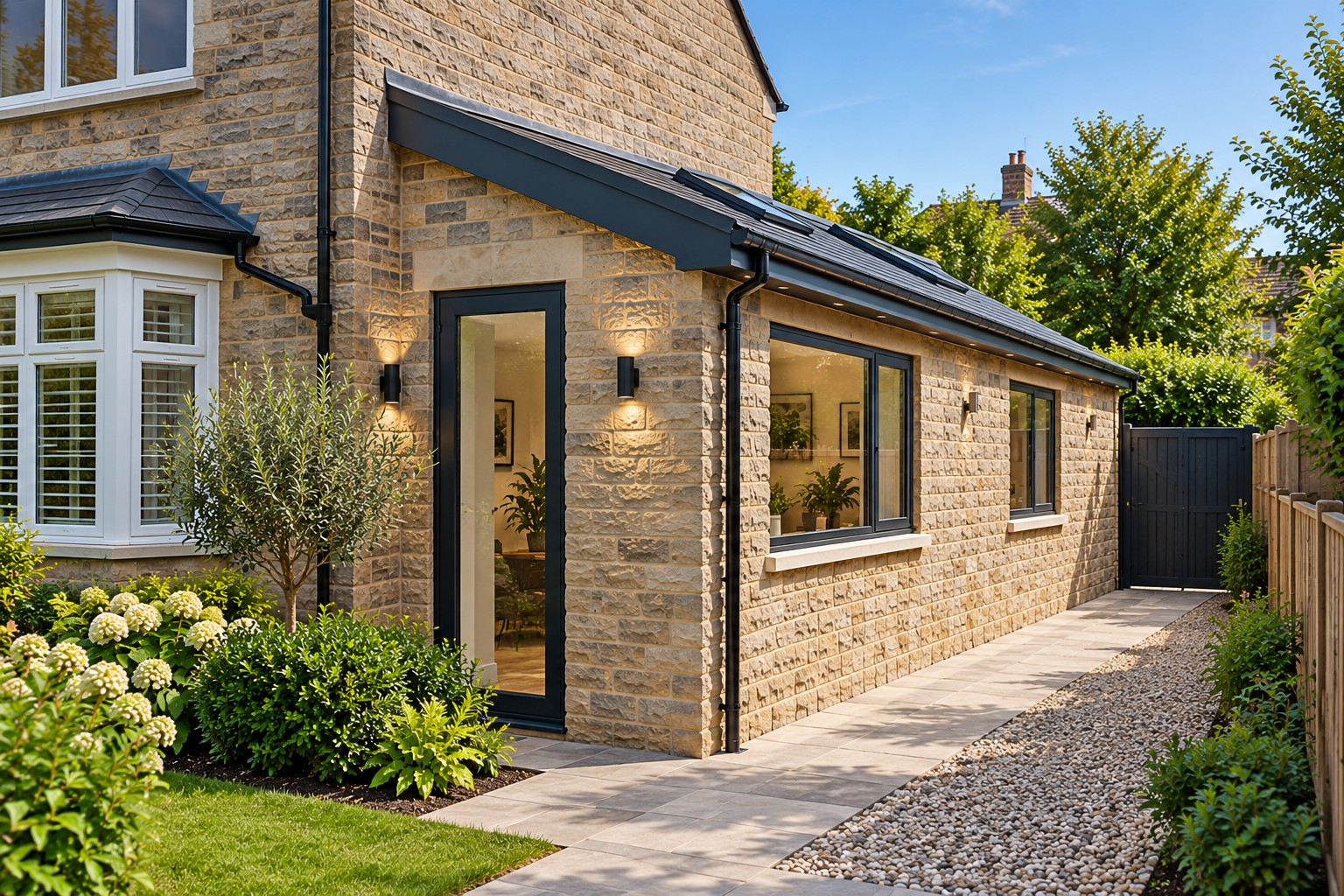
Adds valuable space to the side of your home for a kitchen or utility.
£900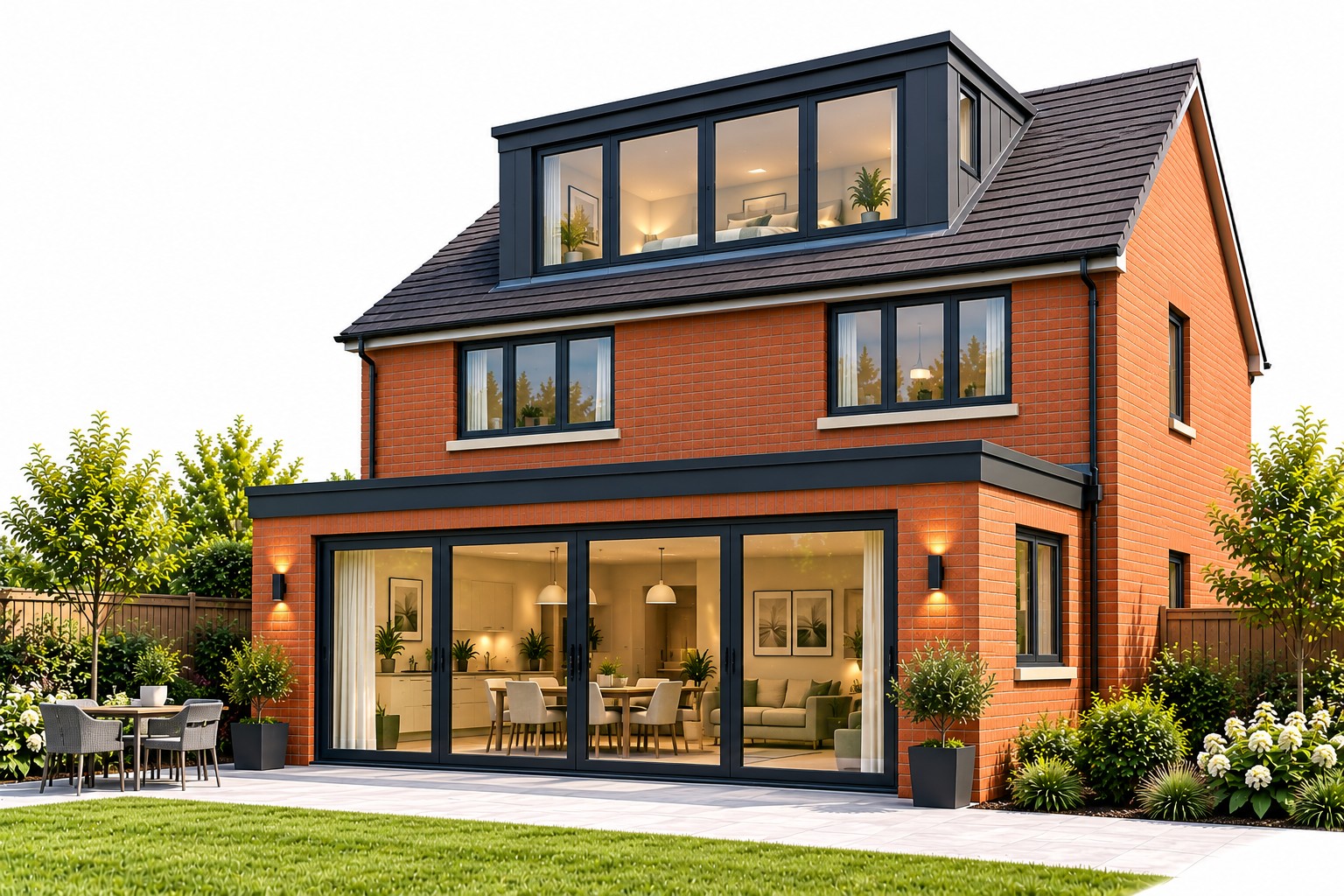
Turns unused loft space into a bedroom, office or additional living area.
£1,500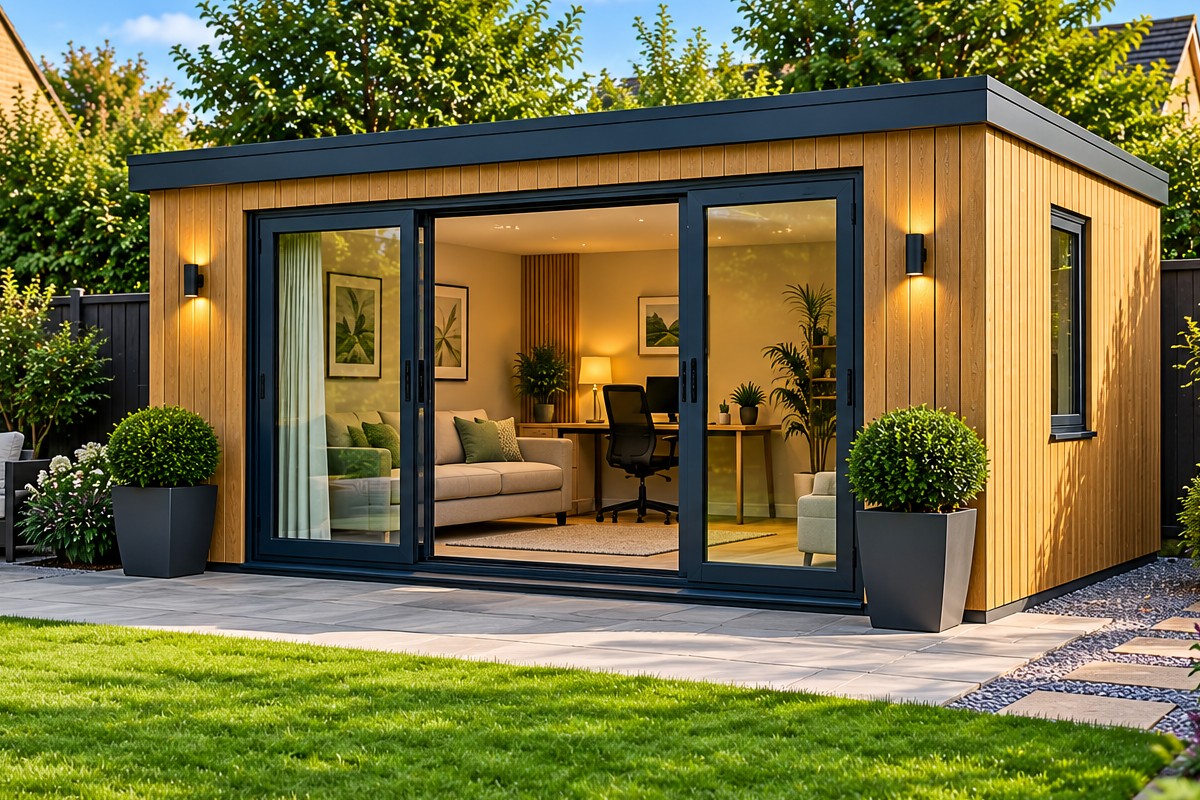
A flexible, detached space for work, leisure or extra living space.
£350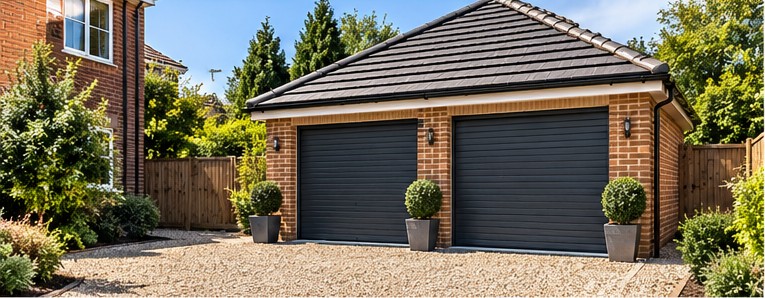
Secure parking or useful storage, single or double.
£350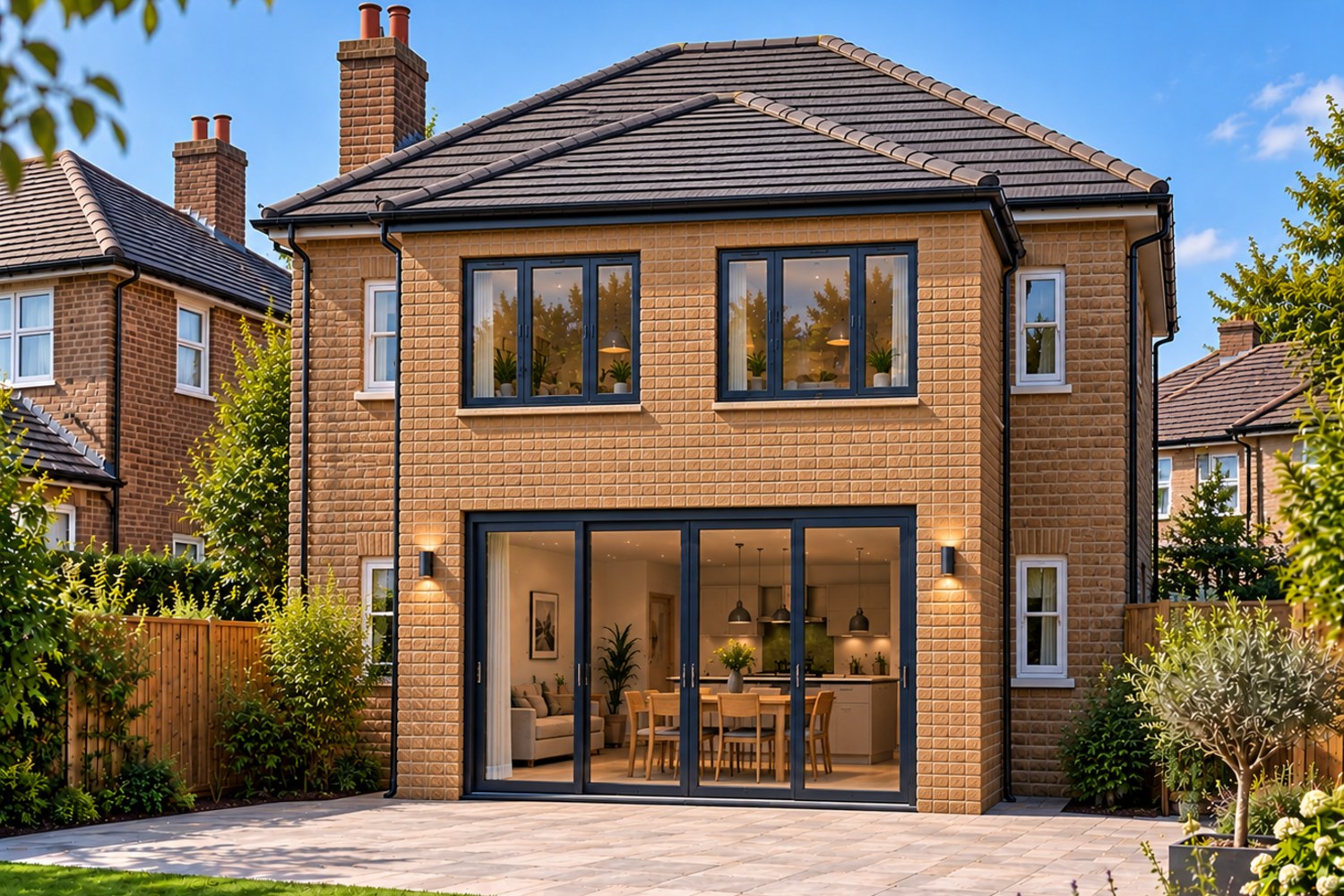
Significantly more living space across both floors.
£1,400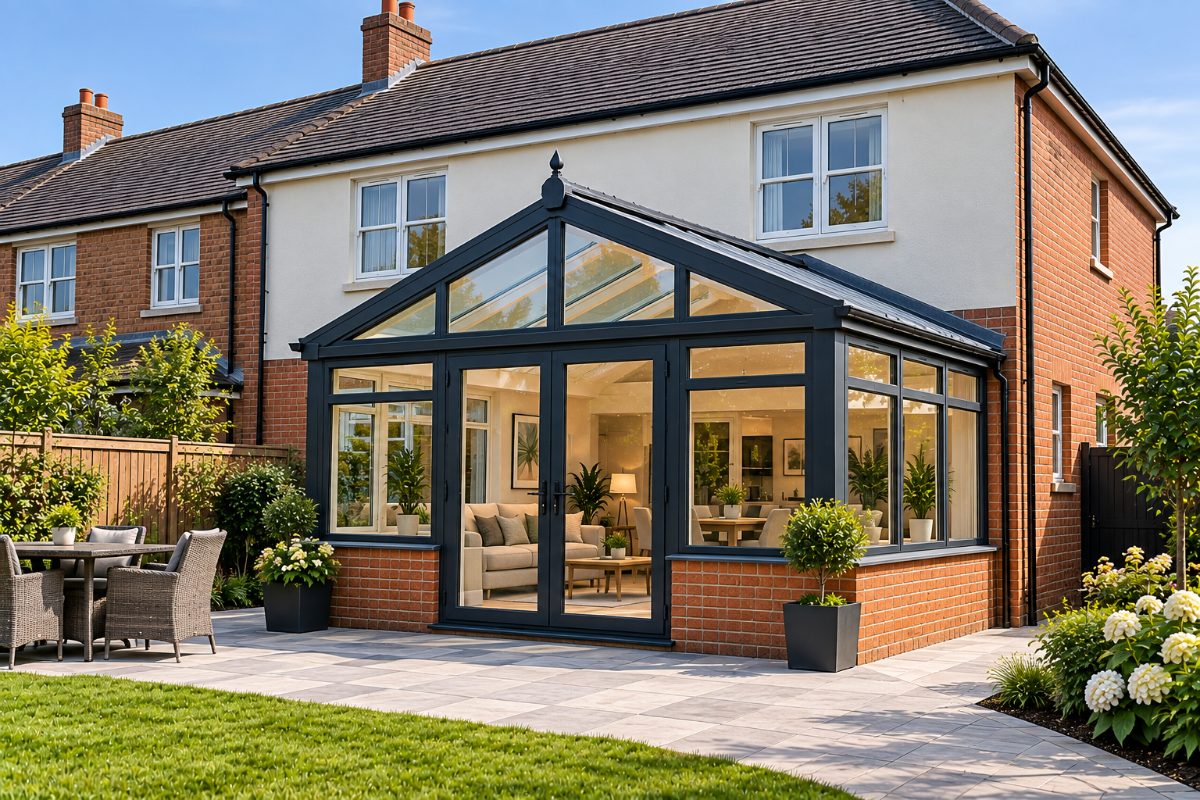
A bright, glazed room connecting your home to the garden.
£900PERMITTED HOMEOWNER GUIDES
Our illustrated, practical guides help you understand the rules, explore design options and budget with confidence — before you commit to building work.
Explore all guidesRules, design options, costs and next steps.
View guideRules, design options, costs and next steps.
View guideRules, design options, costs and next steps.
View guideRules, design options, costs and next steps.
View guideRules, design options, costs and next steps.
View guideRules, design options, costs and next steps.
View guideRules, design options, costs and next steps.
View guideRules, design options, costs and next steps.
View guideWe use cookies that are needed to run the basket and checkout. We would also like to use analytics cookies to understand how the site is used. We only do that if you say yes.

Maximize your property’s footprint with precision and ease. Permitted provides complete design for Permitted Development Rights. Our packages are designed around the Permitted Development limits, so many projects can proceed without a full planning application.
PERMITTED is operated by Yorkshire Property Design Services Limited, registered in England and Wales under company number 12698267.
Registered office: Ground Floor, Techno Centre, Station Road, Horsforth, Leeds, LS18 5BJ
Business contact address: Wira House, Ground Floor, Suite 5, Ring Road, West Park, Leeds, LS16 6EB