


Permitted Development rules





Professional, builder-ready drawing packages for extensions, lofts, porches, garages, garden rooms and more — designed to Permitted Development parameters and supplied as sold.
PERMITTED HOMEOWNER GUIDES
Our illustrated, practical guides help you understand the rules, explore design options and budget with confidence — before you commit to building work.
Explore all guides
Rules, design options, costs and next steps.
View guide
Rules, design options, costs and next steps.
View guide
Rules, design options, costs and next steps.
View guide
Rules, design options, costs and next steps.
View guide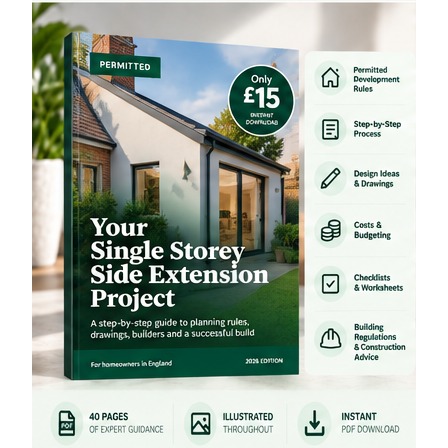
Rules, design options, costs and next steps.
View guide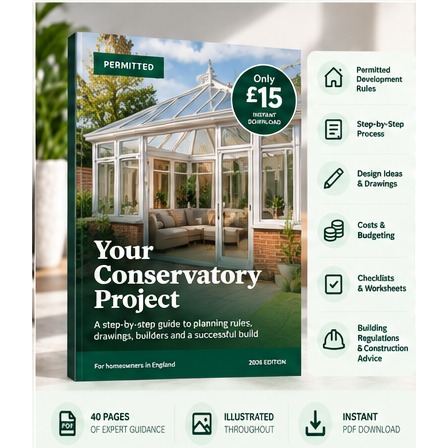
Rules, design options, costs and next steps.
View guide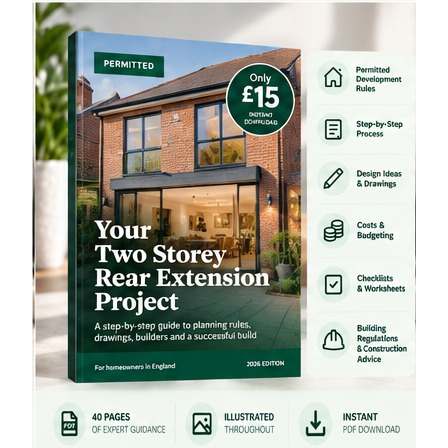
Rules, design options, costs and next steps.
View guide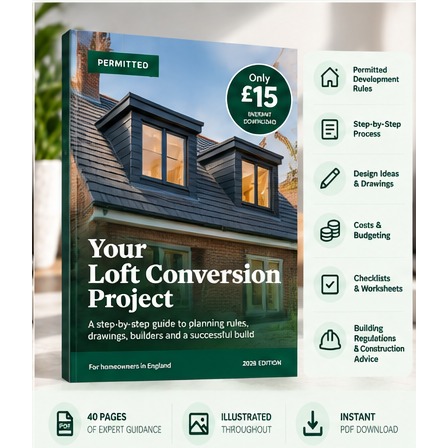
Rules, design options, costs and next steps.
View guideUnauthorised works to a listed building are a criminal offence with no time limit for prosecution. Here is how enforcement works, the penalties, and what to do if works have already been done without consent.
Section 7 of the Planning (Listed Buildings and Conservation Areas) Act 1990 prohibits executing works requiring listed building consent without having obtained it. Section 9 makes this a criminal offence. The two-part framework is:
This is the most important and commonly misunderstood aspect of listed building enforcement. While planning enforcement is subject to limitation periods (4 years for dwellings, 10 years for change of use), there is no limitation period for listed building offences.
Section 9 of the Act creates a continuing offence. This means:
Section 9 penalties for conviction of an LBC offence:
| Court | Maximum Fine | Maximum Custodial Sentence |
|---|---|---|
| Magistrates’ Court (summary conviction) | Unlimited | 12 months |
| Crown Court (conviction on indictment) | Unlimited | 2 years |
When determining the fine, courts must have regard to any financial benefit obtained as a result of the offence. This means that if an owner has profited from the development (e.g. by increasing the value or income from the property), the fine can be calibrated to reflect and exceed that benefit.
A Listed Building Enforcement Notice (LBEN) is a civil enforcement tool. The LPA can issue an LBEN where it appears that works requiring LBC have been carried out without consent. The notice:
There is a right of appeal against an LBEN to the Planning Inspectorate within 28 days of service. Grounds of appeal include: LBC was not required; consent was obtained; steps required are excessive.
Failure to comply with an LBEN is a criminal offence (unlimited fine). There is no time limit for issuing an LBEN.
Common routes through which unauthorised listed building works come to LPA attention:
Historic England is the government’s statutory adviser on the historic environment. Its role in enforcement includes:
Historic England can also commission emergency repairs to listed buildings at risk and recover the costs from the owner, if the building is being neglected.
Listed building prosecutions do occur, including in circumstances where significant historic fabric has been deliberately destroyed. Notable patterns include:
The CPS has published guidance on prosecuting listed building offences, emphasising that the unlimited fine reflects the need to deter deliberate breaches motivated by financial gain.
If works have been carried out without LBC, the appropriate course is to apply for Listed Building Regularisation Consent (sometimes called retrospective LBC). This is the LBC equivalent of a retrospective planning application.
Important points:
If you own a listed building where works have been carried out without LBC (whether by you or a previous owner):
No. Unlike planning enforcement, there is no limitation period for listed building enforcement. Works carried out decades ago without consent can still be the subject of a Listed Building Enforcement Notice and criminal prosecution. This applies to new owners as well as the person who carried out the works.
Yes. Section 9 of the Planning (Listed Buildings and Conservation Areas) Act 1990 provides for up to 2 years imprisonment on conviction on indictment (Crown Court), in addition to an unlimited fine. Prosecution is most likely where there has been deliberate and significant damage to a listed building.
Yes. Listed building enforcement runs with the land, not the person. As the new owner, you can face a Listed Building Enforcement Notice requiring you to reverse works carried out by a previous owner. This is why thorough conveyancing due diligence is essential before purchasing a listed building — your solicitor should check the full listed building history with the LPA.
This kind of project usually needs planning permission rather than permitted development. PERMITTED is part of YPDS Architectural Services, a Leeds architectural design practice that designs, prepares and manages planning applications.
Each one is already drawn. You choose the material, roof and options we actually draw, and that is the package you receive.

A practical entrance area that adds space and improves the look of your home.
£350
A popular way to create a larger kitchen, dining or family area.
£900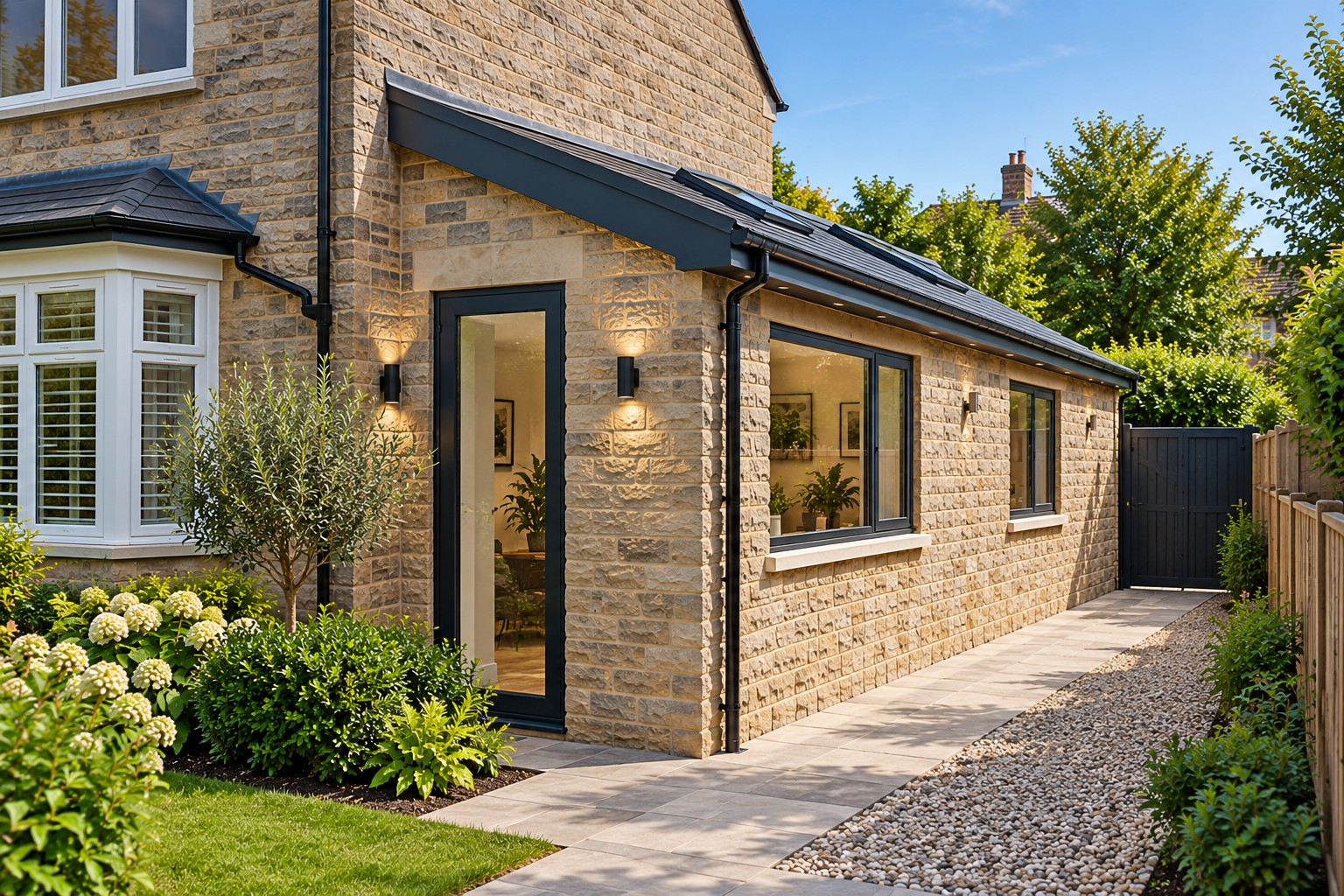
Adds valuable space to the side of your home for a kitchen or utility.
£900
Turns unused loft space into a bedroom, office or additional living area.
£1,500
A flexible, detached space for work, leisure or extra living space.
£350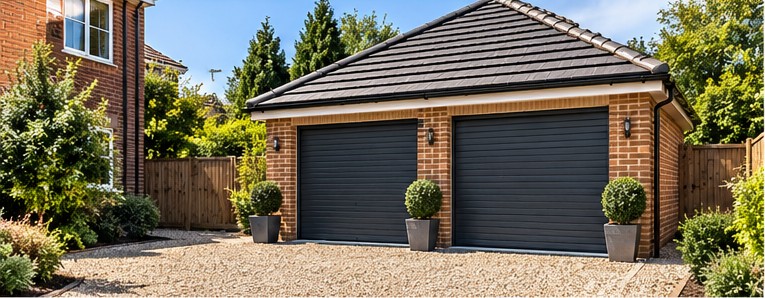
Secure parking or useful storage, single or double.
£350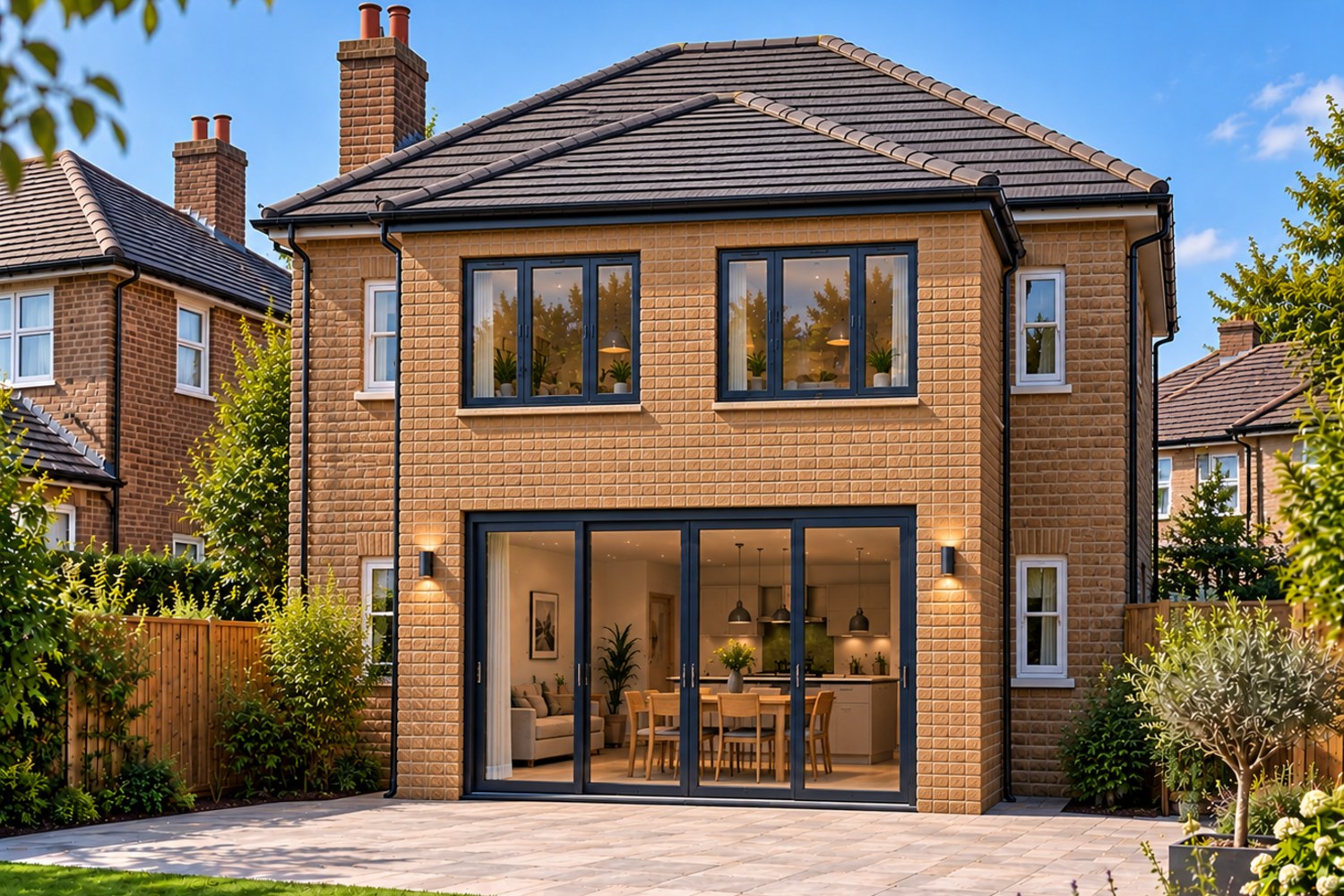
Significantly more living space across both floors.
£1,400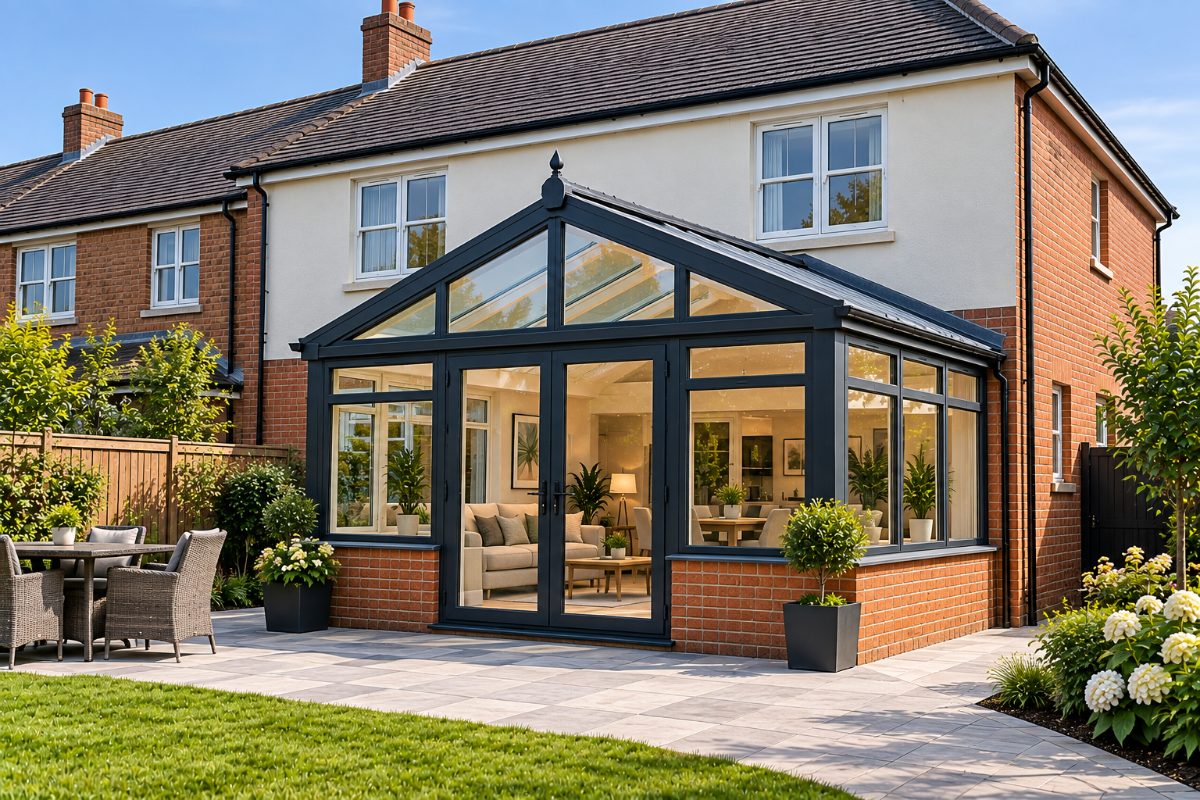
A bright, glazed room connecting your home to the garden.
£900PERMITTED HOMEOWNER GUIDES
Our illustrated, practical guides help you understand the rules, explore design options and budget with confidence — before you commit to building work.
Explore all guidesRules, design options, costs and next steps.
View guideRules, design options, costs and next steps.
View guideRules, design options, costs and next steps.
View guideRules, design options, costs and next steps.
View guideRules, design options, costs and next steps.
View guideRules, design options, costs and next steps.
View guideRules, design options, costs and next steps.
View guideRules, design options, costs and next steps.
View guideWe use cookies that are needed to run the basket and checkout. We would also like to use analytics cookies to understand how the site is used. We only do that if you say yes.

Maximize your property’s footprint with precision and ease. Permitted provides complete design for Permitted Development Rights. Our packages are designed around the Permitted Development limits, so many projects can proceed without a full planning application.
PERMITTED is operated by Yorkshire Property Design Services Limited, registered in England and Wales under company number 12698267.
Registered office: Ground Floor, Techno Centre, Station Road, Horsforth, Leeds, LS18 5BJ
Business contact address: Wira House, Ground Floor, Suite 5, Ring Road, West Park, Leeds, LS16 6EB