


Permitted Development rules





Professional, builder-ready drawing packages for extensions, lofts, porches, garages, garden rooms and more — designed to Permitted Development parameters and supplied as sold.
PERMITTED HOMEOWNER GUIDES
Our illustrated, practical guides help you understand the rules, explore design options and budget with confidence — before you commit to building work.
Explore all guides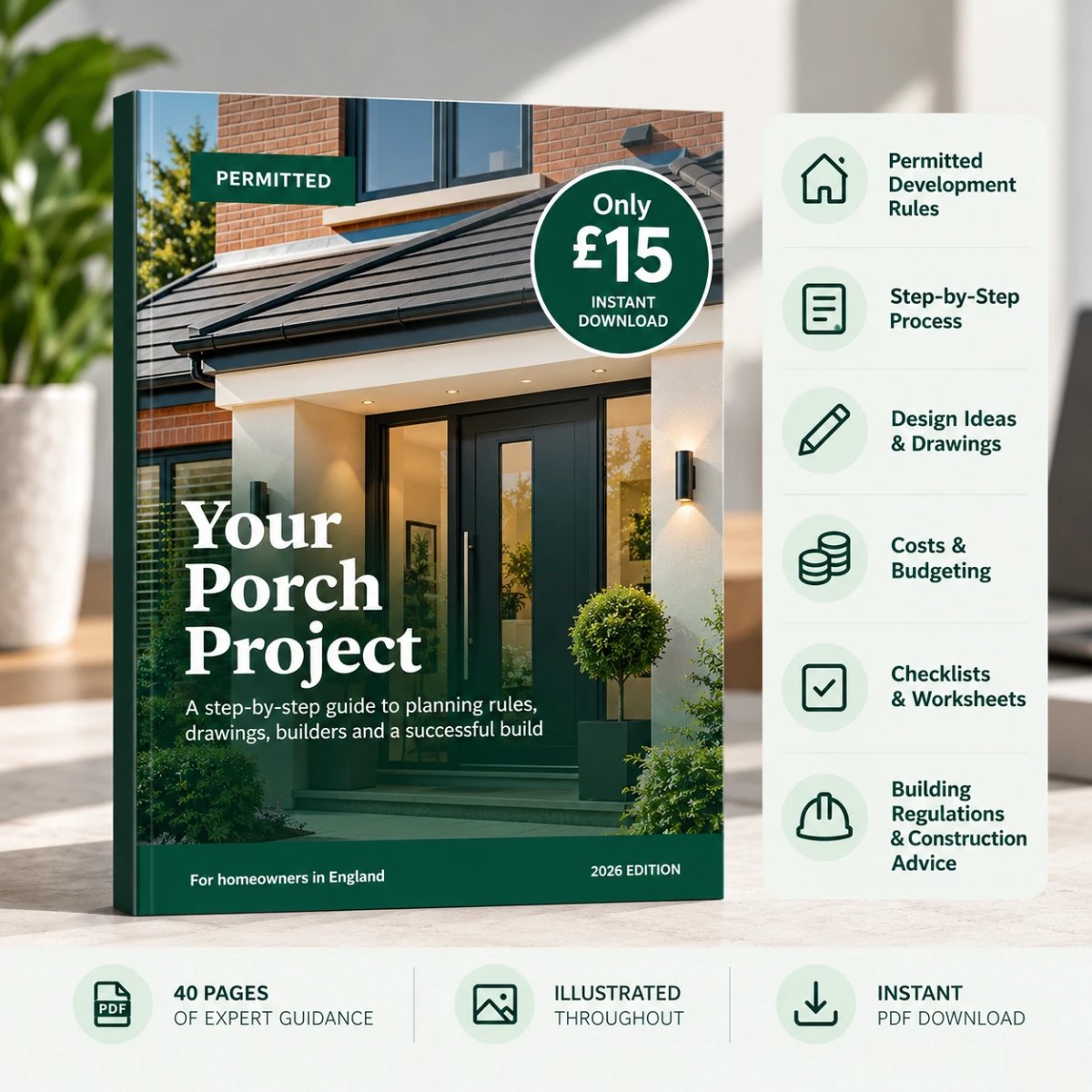
Rules, design options, costs and next steps.
View guide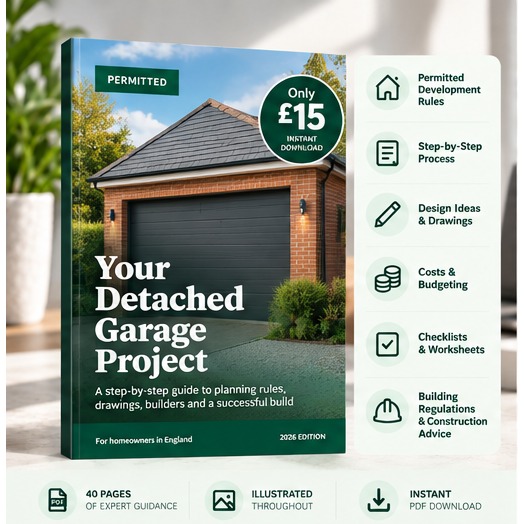
Rules, design options, costs and next steps.
View guide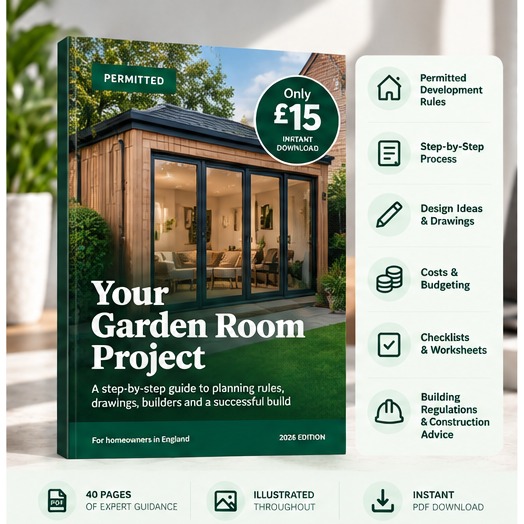
Rules, design options, costs and next steps.
View guide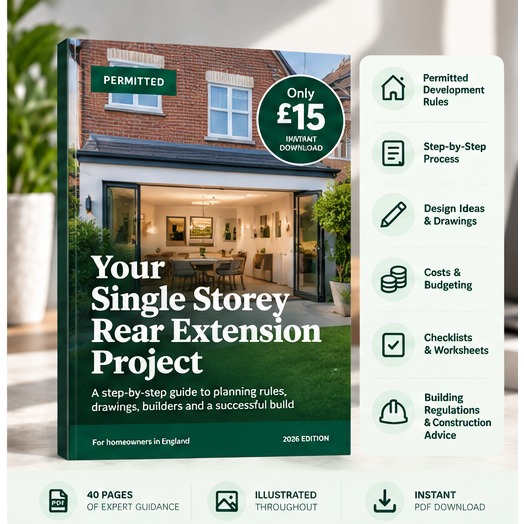
Rules, design options, costs and next steps.
View guide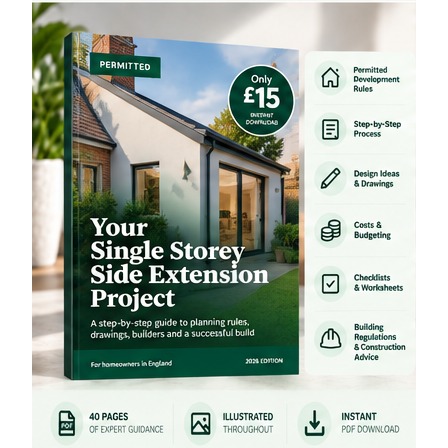
Rules, design options, costs and next steps.
View guide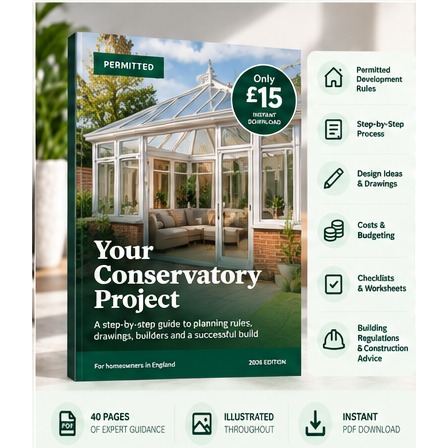
Rules, design options, costs and next steps.
View guide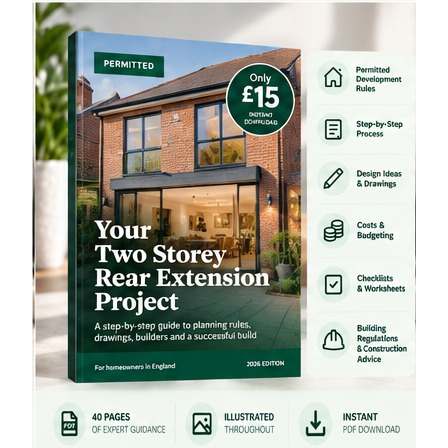
Rules, design options, costs and next steps.
View guide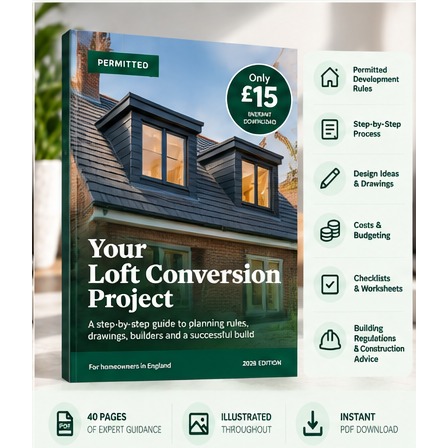
Rules, design options, costs and next steps.
View guideThe neighbour consultation scheme — sometimes called the larger home extension scheme — allows you to build a rear extension up to 8m (detached) or 6m (other houses) via prior approval, double the standard permitted development limits. The LPA consults neighbours, and can only refuse if the extension would harm the amenity of adjoining occupiers.
The larger home extension scheme is set out in Class A of Part 1 of Schedule 2 to the Town and Country Planning (General Permitted Development) (England) Order 2015. It allows single-storey rear extensions that exceed the standard permitted development size limits, subject to a prior approval process involving neighbour consultation.
Before this scheme was introduced, any single-storey rear extension exceeding 4m (detached house) or 3m (other houses) required a full planning application. The scheme effectively doubles these limits, allowing much larger extensions without planning permission — provided the neighbour consultation process results in prior approval.
In practice: Most larger home extension applications under this scheme receive prior approval, because the LPA can only consider the specific impact on neighbouring amenity — not general design, street scene, or national planning policy.
The size limits under the larger home extension scheme are:
| House Type | Standard PD Limit | Larger Home Extension Scheme Limit |
|---|---|---|
| Detached house | 4m depth | 8m depth |
| All other houses (semi-detached, terraced) | 3m depth | 6m depth |
The extension must still meet the other standard conditions that apply to Class A extensions:
Note: The scheme applies only to the rear of the house, not the sides. A side extension that also extends to the rear must comply with the side extension limits as well.
Applying under the neighbour consultation scheme is a straightforward process:
Unlike a full planning application, you do not need:
Before submitting, talk to your neighbours. If they understand what you’re proposing and are happy with it, they are unlikely to object during consultation. An objection from a neighbour triggers the LPA’s assessment — without objections, prior approval is typically granted without further scrutiny.
Once the LPA receives a valid application, it must notify the owners or occupiers of any adjoining properties. The consultation period is 21 days from the date of notification.
If no representations are received during the 21-day period, the LPA must grant prior approval. There is no discretion — prior approval is automatic if no objections are made.
If representations are received (i.e., a neighbour objects), the LPA must then consider whether the proposed extension would have an unacceptable impact on the amenity of all adjoining properties. It must make its decision within 42 days of the date of the application (not of the end of consultation).
The prior approval matters for this scheme are extremely limited. The LPA may only consider:
This is the only ground on which the LPA may refuse. It cannot refuse on grounds of:
What counts as amenity impact? The LPA will typically assess loss of light to neighbouring windows, overlooking or loss of privacy, and overbearing impact on neighbouring gardens or habitable rooms. These are the same factors considered in relation to neighbour amenity in any planning application — but nothing else can be assessed.
It’s worth understanding the relationship between standard PD limits and the larger home extension scheme:
| Scenario | Route | Process | Fee |
|---|---|---|---|
| Detached: rear extension ≤ 4m | Standard PD (Class A) | No application needed (just do it) | None |
| Detached: rear extension 4m–8m | Larger home extension scheme | Prior approval application + consultation | £249 |
| Detached: rear extension > 8m | Full planning permission | Full planning application | £548 |
| Semi/terraced: rear extension ≤ 3m | Standard PD (Class A) | No application needed | None |
| Semi/terraced: rear extension 3m–6m | Larger home extension scheme | Prior approval application + consultation | £249 |
| Semi/terraced: rear extension > 6m | Full planning permission | Full planning application | £548 |
The scheme therefore creates three tiers: do nothing, prior approval, or full planning permission, depending on the size of the proposed extension.
Building the extension without obtaining prior approval first is a breach of planning control. The LPA can serve an enforcement notice requiring you to remove it. Prior approval must be obtained before development starts, not retrospectively. There is no retrospective route for extensions built under the larger home extension scheme.
Yes. If the LPA does not issue a prior approval decision within 42 days of the date of the application, prior approval is deemed to be granted. You can then proceed. Keep a clear record of the application date and keep any acknowledgement emails or letters from the LPA as evidence of the date.
No. The larger home extension scheme is not available in conservation areas, National Parks, National Landscapes (AONBs), the Broads, World Heritage Sites or on Sites of Special Scientific Interest. In those areas a single-storey rear extension is limited to the standard 3m (semi-detached or terraced) or 4m (detached) under permitted development; anything deeper needs a householder planning application.
The LPA can only refuse if the extension would have an unacceptable impact on the amenity of adjoining premises. A neighbour objecting on grounds of general dislike, preference, or concerns that don’t relate to amenity impact cannot provide a valid basis for refusal. If refused, you can appeal — and an appeal on grounds that the LPA assessed matters outside its remit has strong prospects of success.
Our Single Storey Rear Extension drawing package is pre-designed to the permitted development limits and supplied exactly as sold — £900 fixed price, emailed to you as a PDF.
See the Single Storey Rear Extension package →
Check my property and start my project · Read the rear extension rules
Planning a project? Browse our permitted development drawing sets — fixed price, supplied exactly as sold and emailed to you as a PDF.
Each one is already drawn. You choose the material, roof and options we actually draw, and that is the package you receive.
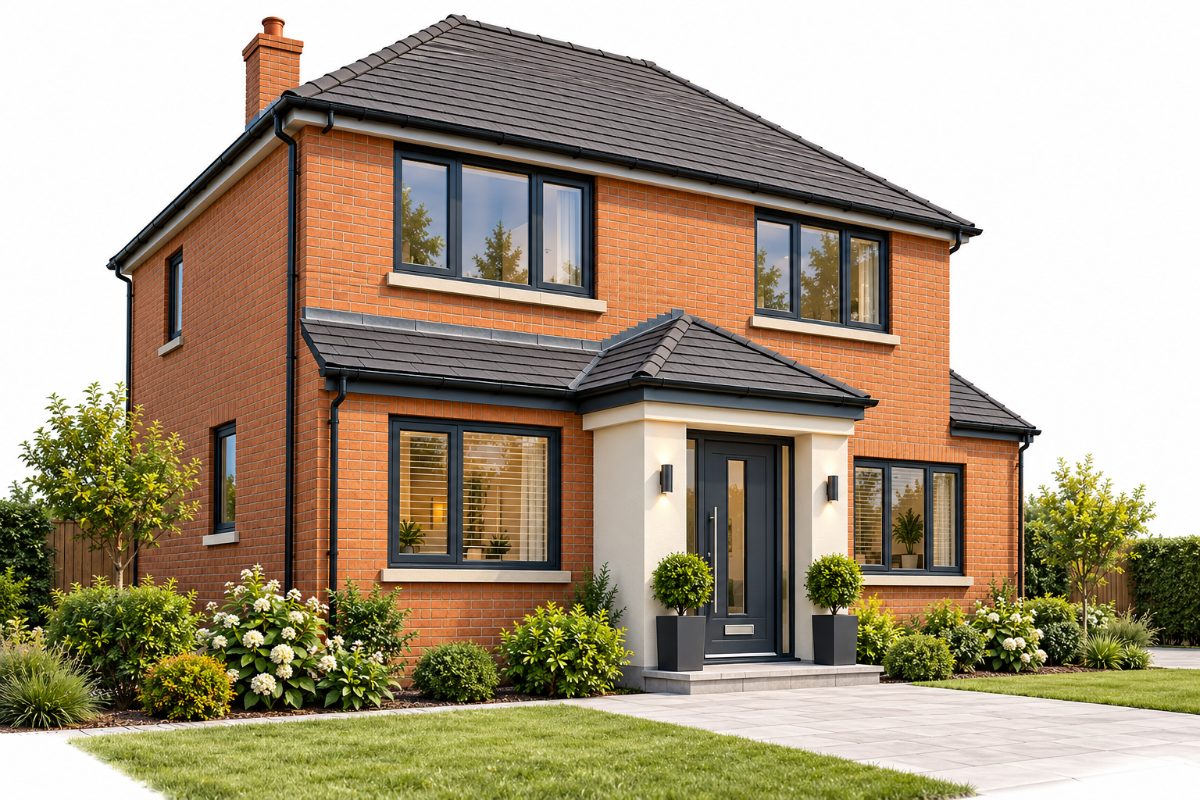
A practical entrance area that adds space and improves the look of your home.
£350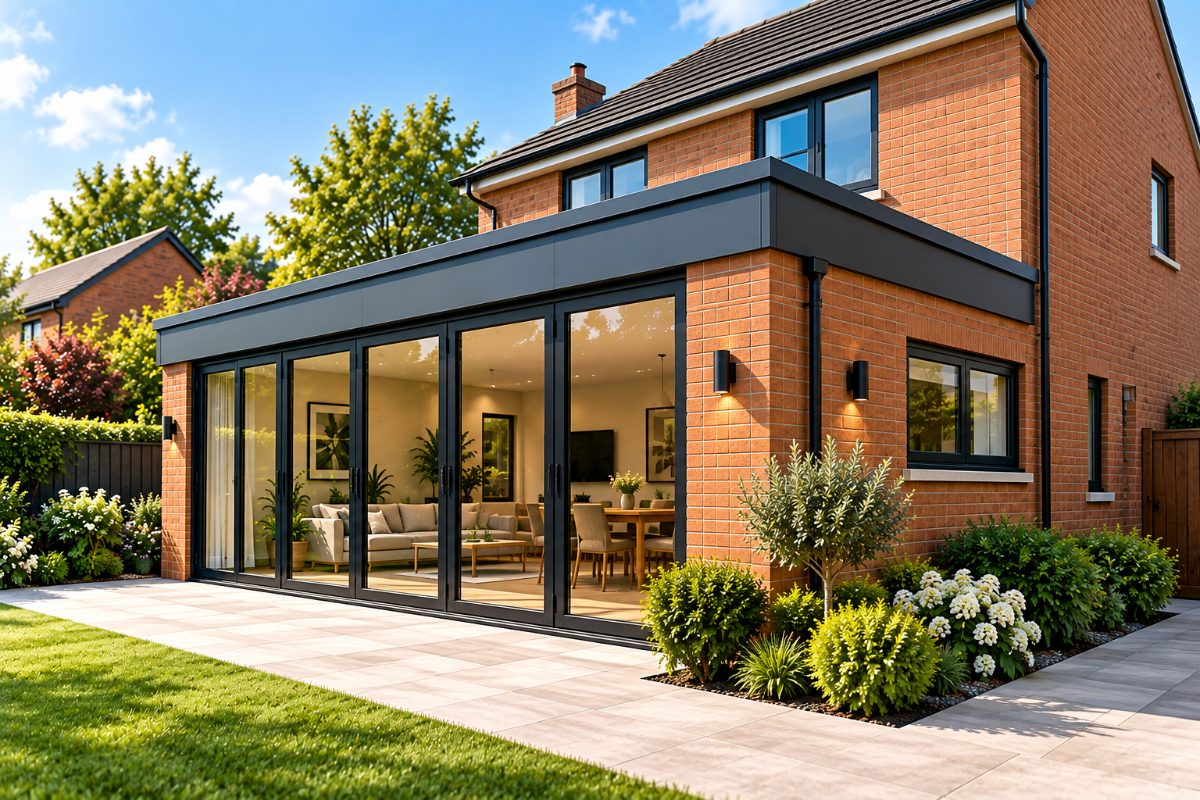
A popular way to create a larger kitchen, dining or family area.
£900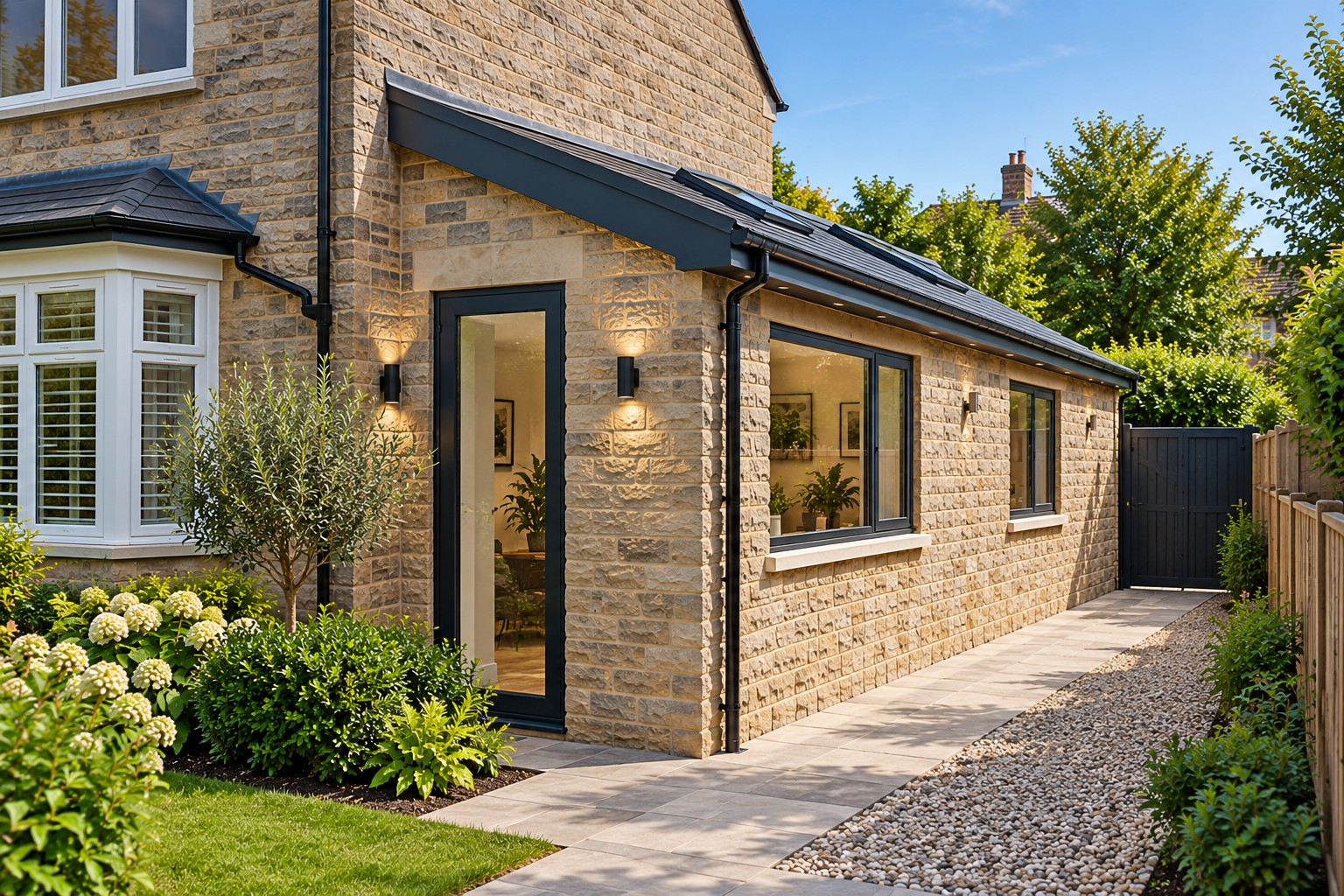
Adds valuable space to the side of your home for a kitchen or utility.
£900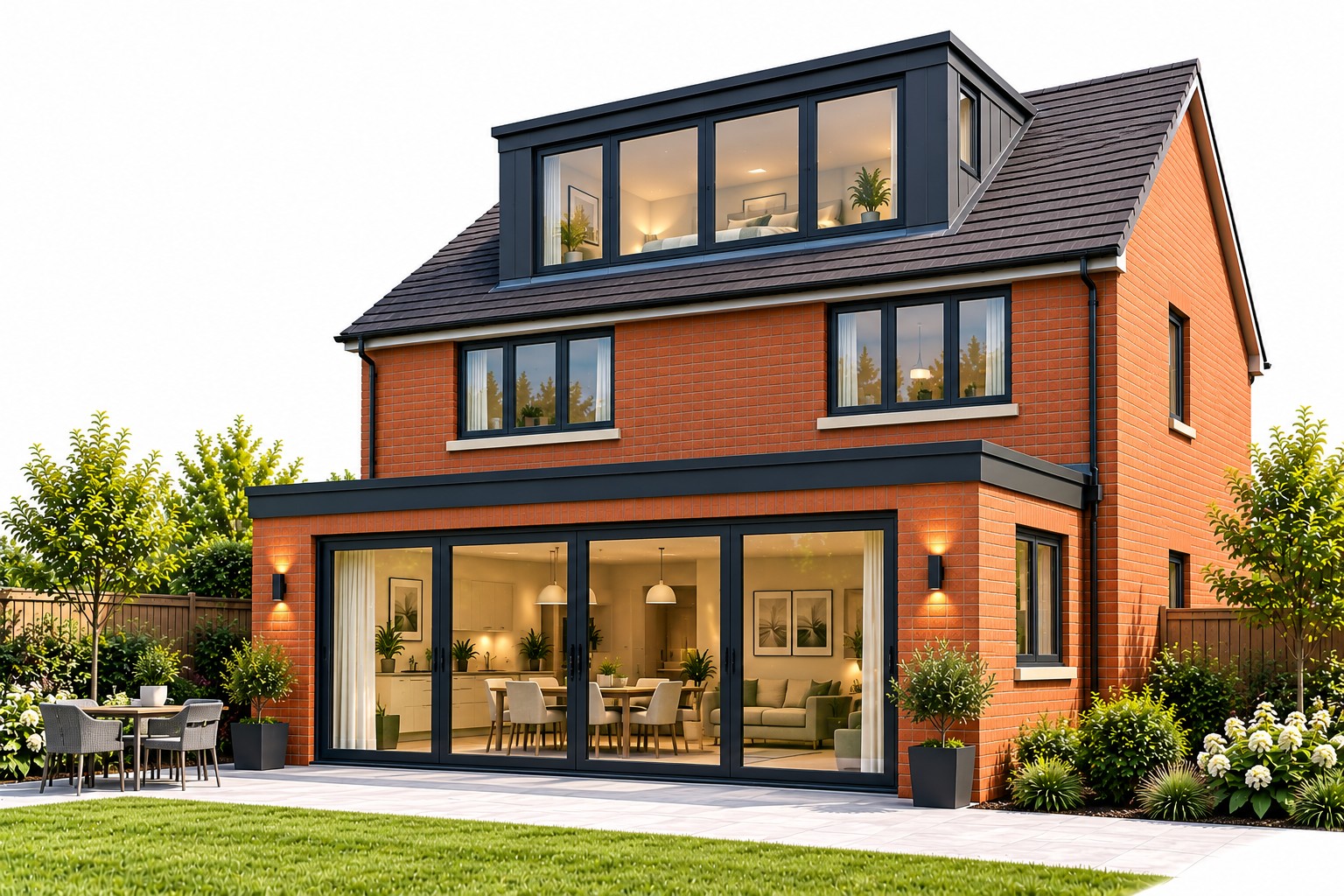
Turns unused loft space into a bedroom, office or additional living area.
£1,500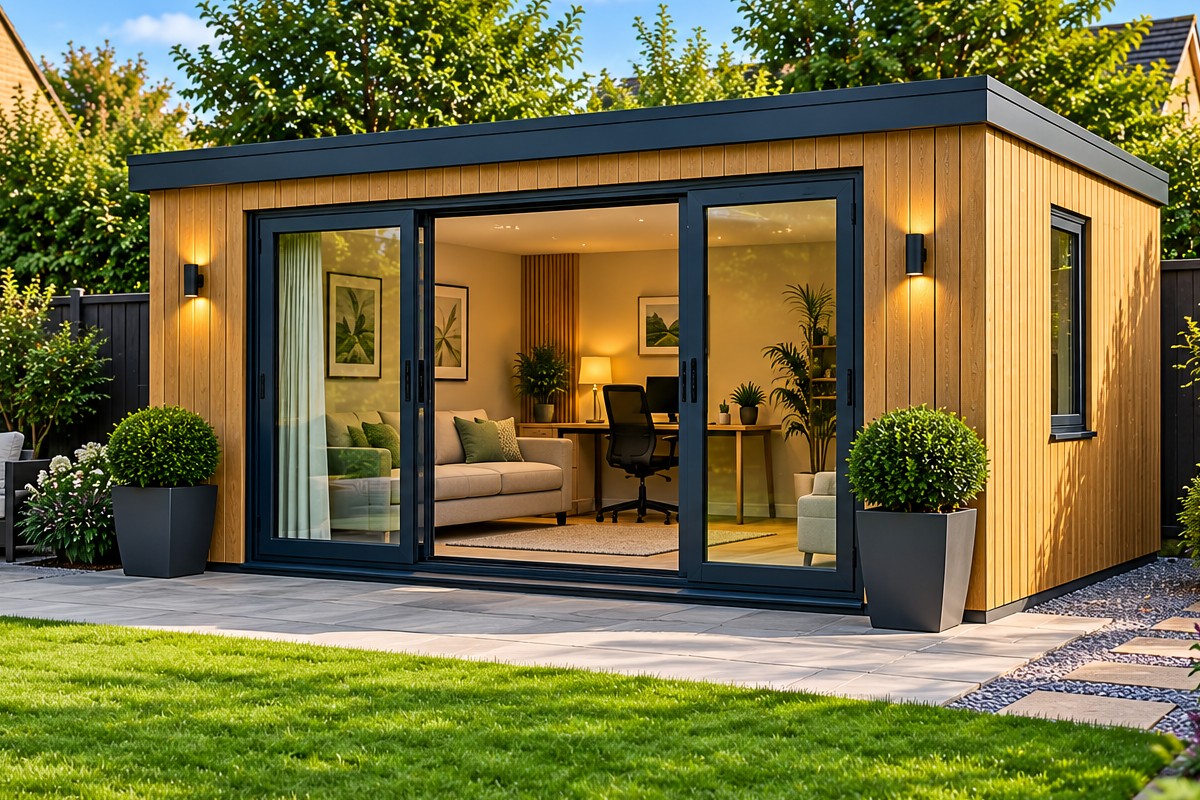
A flexible, detached space for work, leisure or extra living space.
£350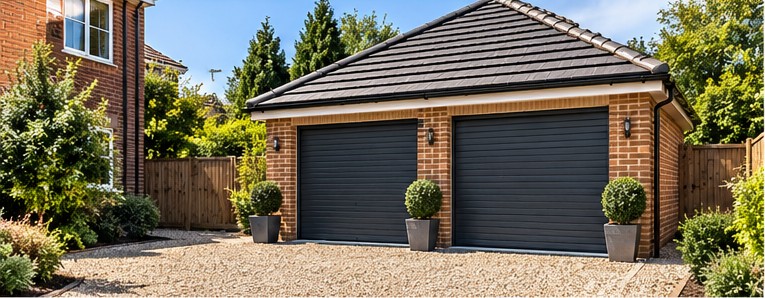
Secure parking or useful storage, single or double.
£350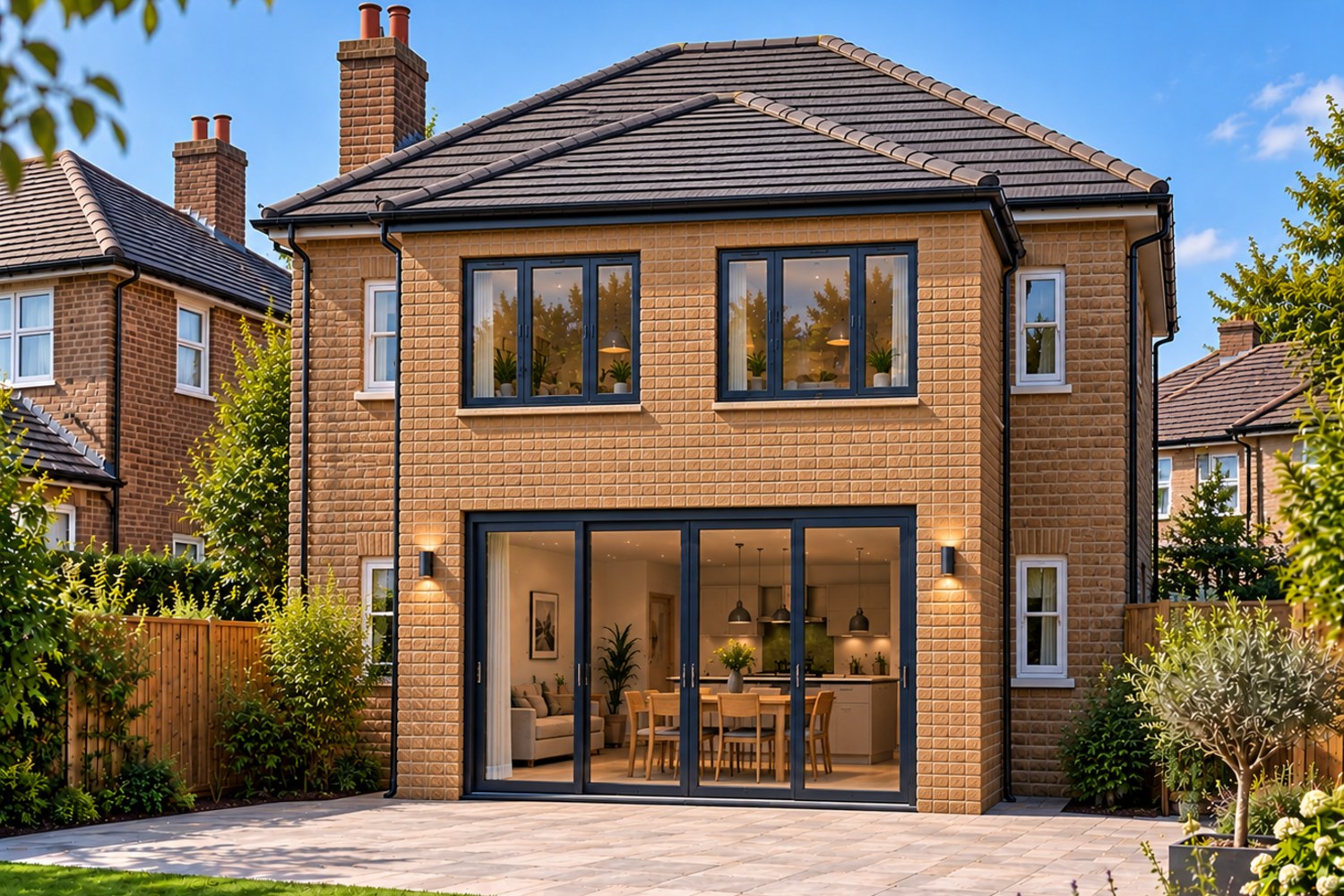
Significantly more living space across both floors.
£1,400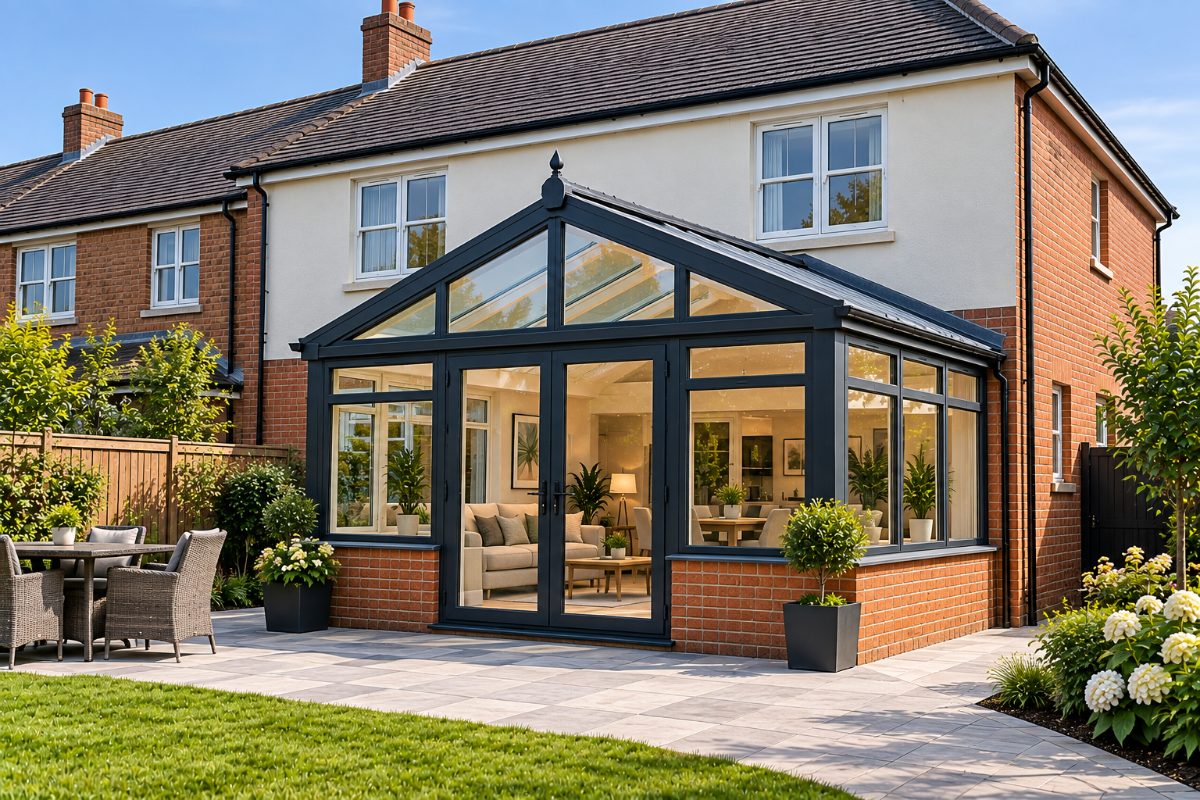
A bright, glazed room connecting your home to the garden.
£900PERMITTED HOMEOWNER GUIDES
Our illustrated, practical guides help you understand the rules, explore design options and budget with confidence — before you commit to building work.
Explore all guidesRules, design options, costs and next steps.
View guideRules, design options, costs and next steps.
View guideRules, design options, costs and next steps.
View guideRules, design options, costs and next steps.
View guideRules, design options, costs and next steps.
View guideRules, design options, costs and next steps.
View guideRules, design options, costs and next steps.
View guideRules, design options, costs and next steps.
View guideWe use cookies that are needed to run the basket and checkout. We would also like to use analytics cookies to understand how the site is used. We only do that if you say yes.

Maximize your property’s footprint with precision and ease. Permitted provides complete design for Permitted Development Rights. Our packages are designed around the Permitted Development limits, so many projects can proceed without a full planning application.
PERMITTED is operated by Yorkshire Property Design Services Limited, registered in England and Wales under company number 12698267.
Registered office: Ground Floor, Techno Centre, Station Road, Horsforth, Leeds, LS18 5BJ
Business contact address: Wira House, Ground Floor, Suite 5, Ring Road, West Park, Leeds, LS16 6EB