


Permitted Development rules





Professional, builder-ready drawing packages for extensions, lofts, porches, garages, garden rooms and more — designed to Permitted Development parameters and supplied as sold.
PERMITTED HOMEOWNER GUIDES
Our illustrated, practical guides help you understand the rules, explore design options and budget with confidence — before you commit to building work.
Explore all guides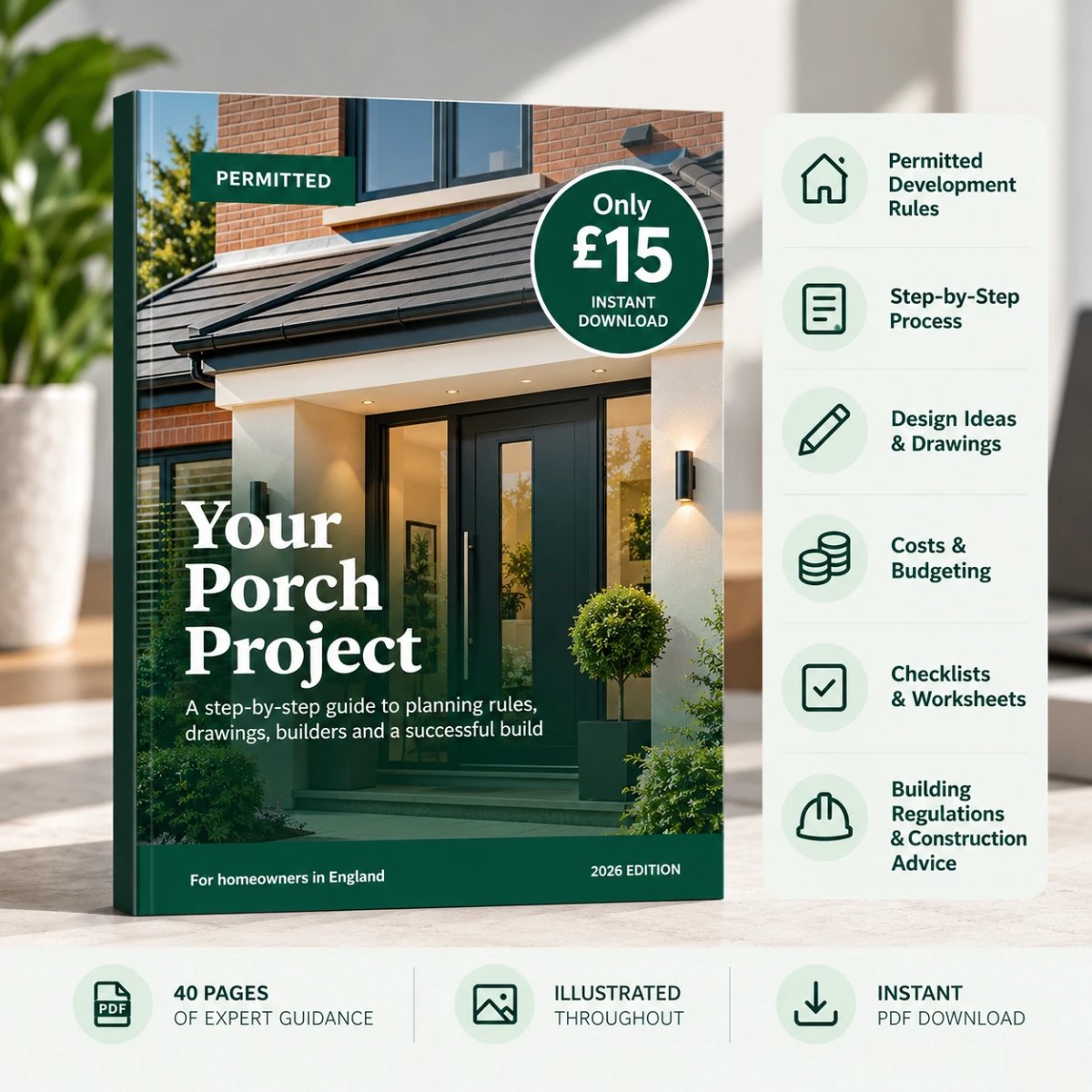
Rules, design options, costs and next steps.
View guide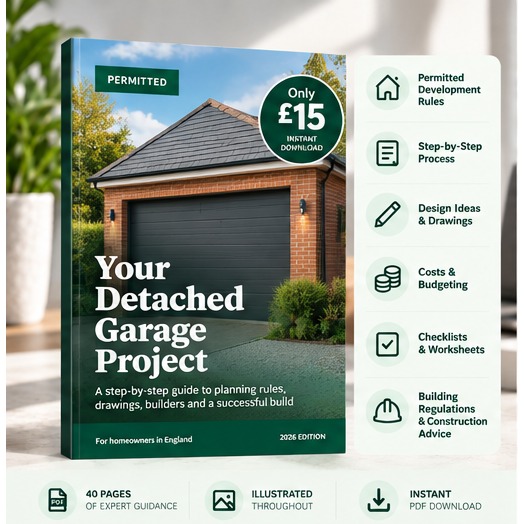
Rules, design options, costs and next steps.
View guide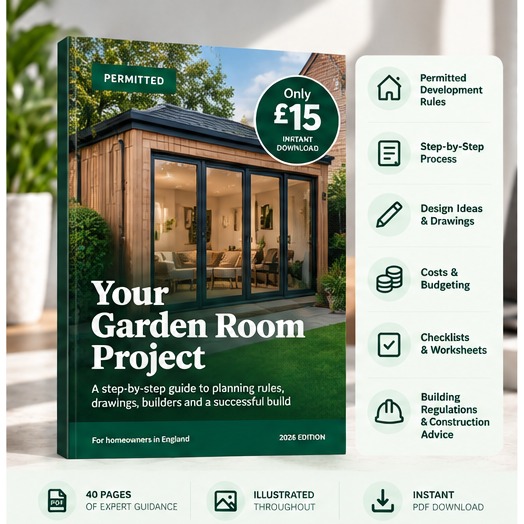
Rules, design options, costs and next steps.
View guide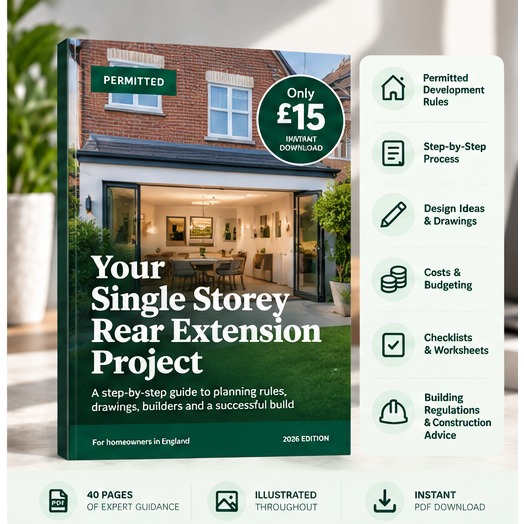
Rules, design options, costs and next steps.
View guide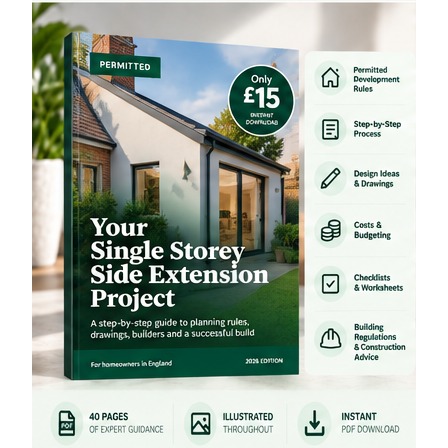
Rules, design options, costs and next steps.
View guide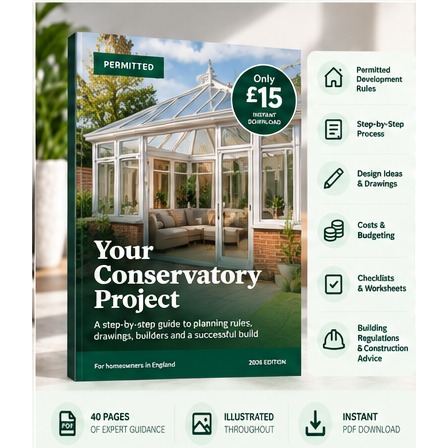
Rules, design options, costs and next steps.
View guide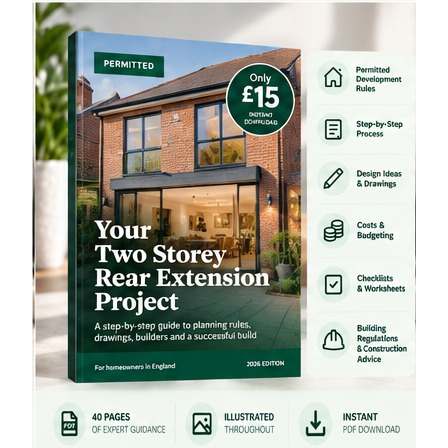
Rules, design options, costs and next steps.
View guide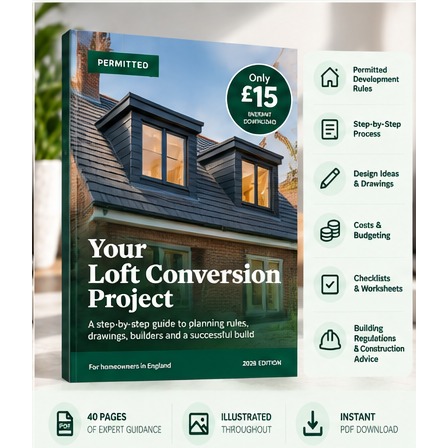
Rules, design options, costs and next steps.
View guideA planning refusal isn’t necessarily the end of the road. You can appeal, reapply with a revised scheme, or explore permitted development alternatives. Here’s exactly what to do.
When planning permission is refused, the council must provide a written decision notice setting out the reasons for refusal. This document is critical — it tells you exactly what the council objected to, which determines your best route forward.
Reasons for refusal typically fall into categories:
After a planning refusal you have four main routes, each with different timescales, costs, and success rates:
You can appeal a planning refusal (or a failure to decide within the statutory period) to the Planning Inspectorate — an independent government body. The appeal is free and is assessed by an independent inspector.
Appeals are submitted online through the Planning Inspectorate’s Appeals Casework Portal at appeals.planninginspectorate.gov.uk. You’ll need your application reference number and the decision notice.
If the refusal reasons are design-related or concern specific features that can be changed, reapplying with a revised scheme is often the most effective route. You can address the reasons for refusal directly and resubmit.
In England, if your application was refused (or withdrawn before decision), you have the right to resubmit once without paying the planning fee again — provided you resubmit within 12 months of the original validation date and the new application is for the same or substantially the same development.
This makes a revised reapplication relatively low cost if you can address the objections. Use pre-application advice from the council (see below) to test whether your revisions are likely to succeed before spending money on new drawings.
Most councils offer a pre-application advice service — a paid-for consultation with a planning officer before you submit a formal application. This is valuable after a refusal because it allows you to test a revised design and get officer feedback before committing to another application. Costs typically range from £100–£500 depending on the council and the scale of the project.
If you needed planning permission because your proposal exceeded permitted development limits, it’s worth asking: could a scaled-back version of the works be done under permitted development?
For example:
If so, you may be able to carry out a version of your original plans without needing to go back to the council at all. Consider getting a Lawful Development Certificate to confirm the revised works are lawful before starting.
Sometimes the planning system gives a clear answer: this development is not acceptable here. If the refusal reasons are robust, based on strong policy, and an appeal is unlikely to succeed, it may be most practical to accept the decision and look at alternative ways of meeting your needs — whether that’s a different design, a different type of development, or accepting the property as it is.
Free to submit. Decision typically 12–20 weeks. Consultant fees optional (£500–£3,000+ depending on complexity). ~30–40% success rate for householder appeals.
Free within 12 months (one resubmission right). New architect/design fees apply. Pre-application advice: £100–£500. Decision typically 8 weeks. Higher success rate if reasons for refusal are clearly addressed.
No planning fee. LDC application: ~£274. Architect fees for revised drawings. Fastest route if PD applies. No council approval needed beyond LDC.
This kind of project usually needs planning permission rather than permitted development. PERMITTED is part of YPDS Architectural Services, a Leeds architectural design practice that designs, prepares and manages planning applications.
Planning a project? Browse our permitted development drawing sets — fixed price, supplied exactly as sold and emailed to you as a PDF.
Each one is already drawn. You choose the material, roof and options we actually draw, and that is the package you receive.
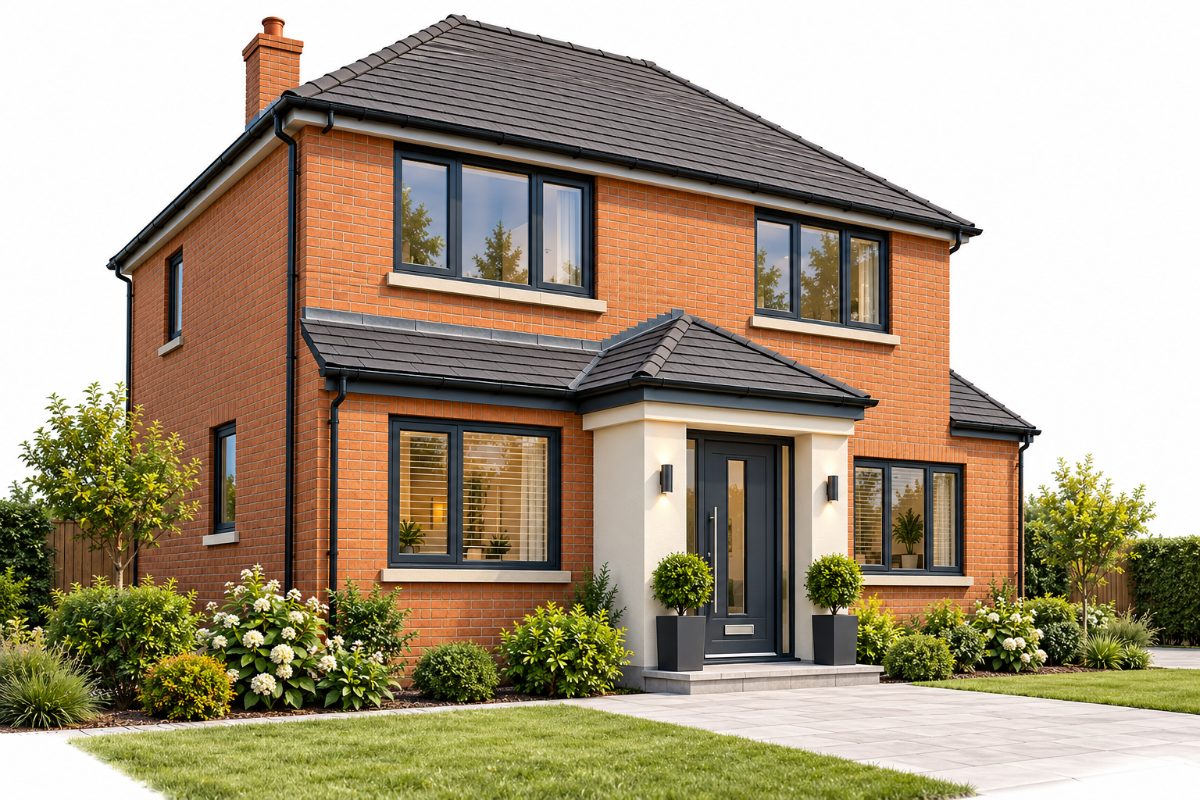
A practical entrance area that adds space and improves the look of your home.
£350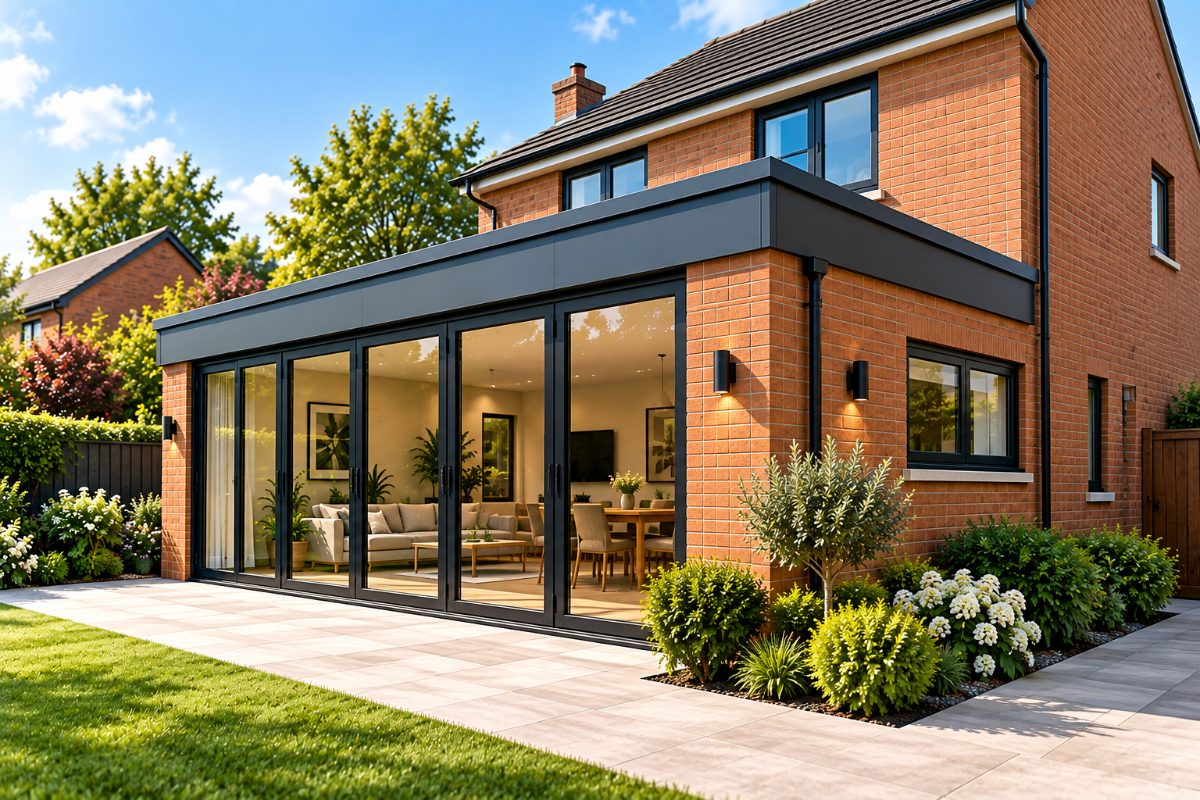
A popular way to create a larger kitchen, dining or family area.
£900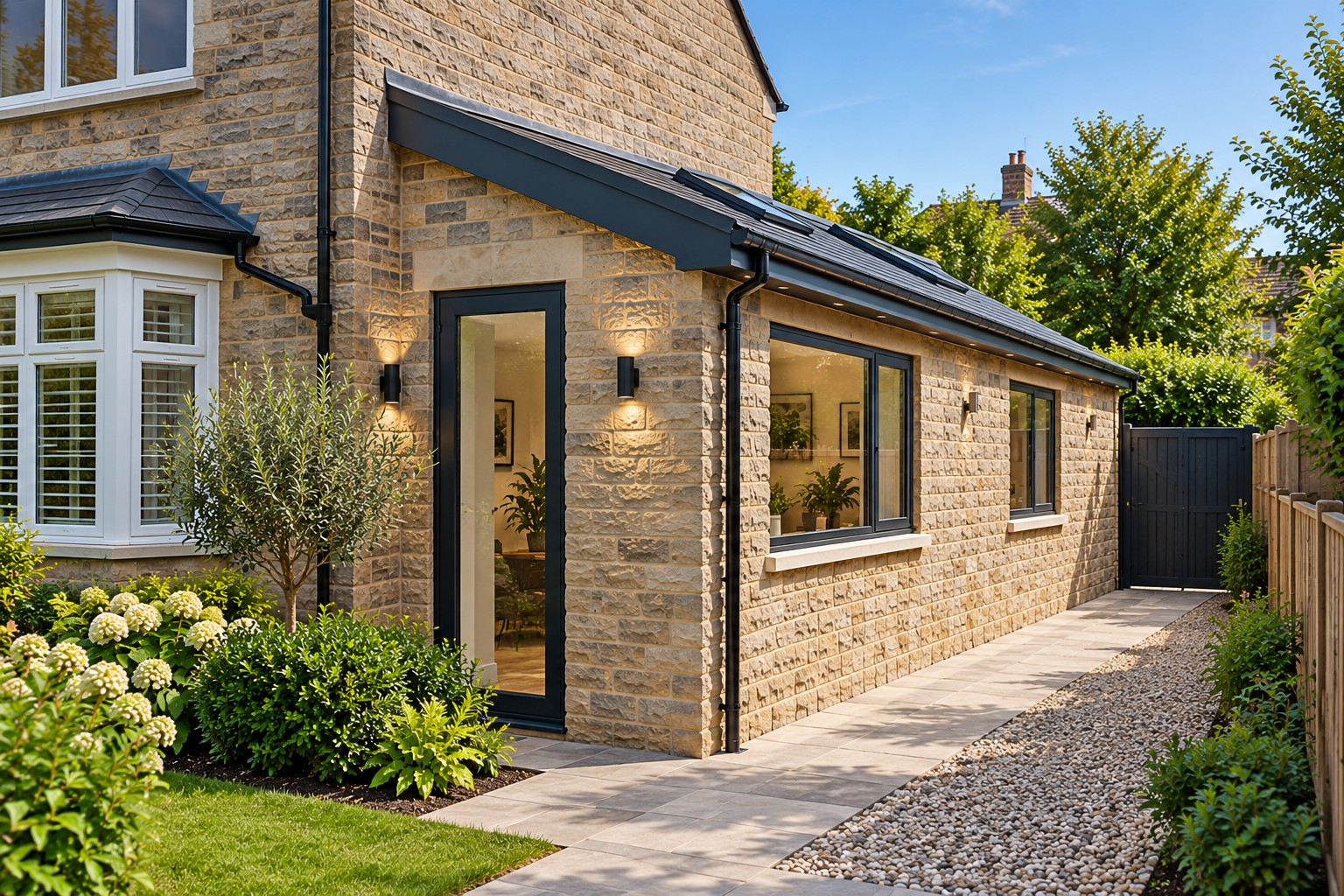
Adds valuable space to the side of your home for a kitchen or utility.
£900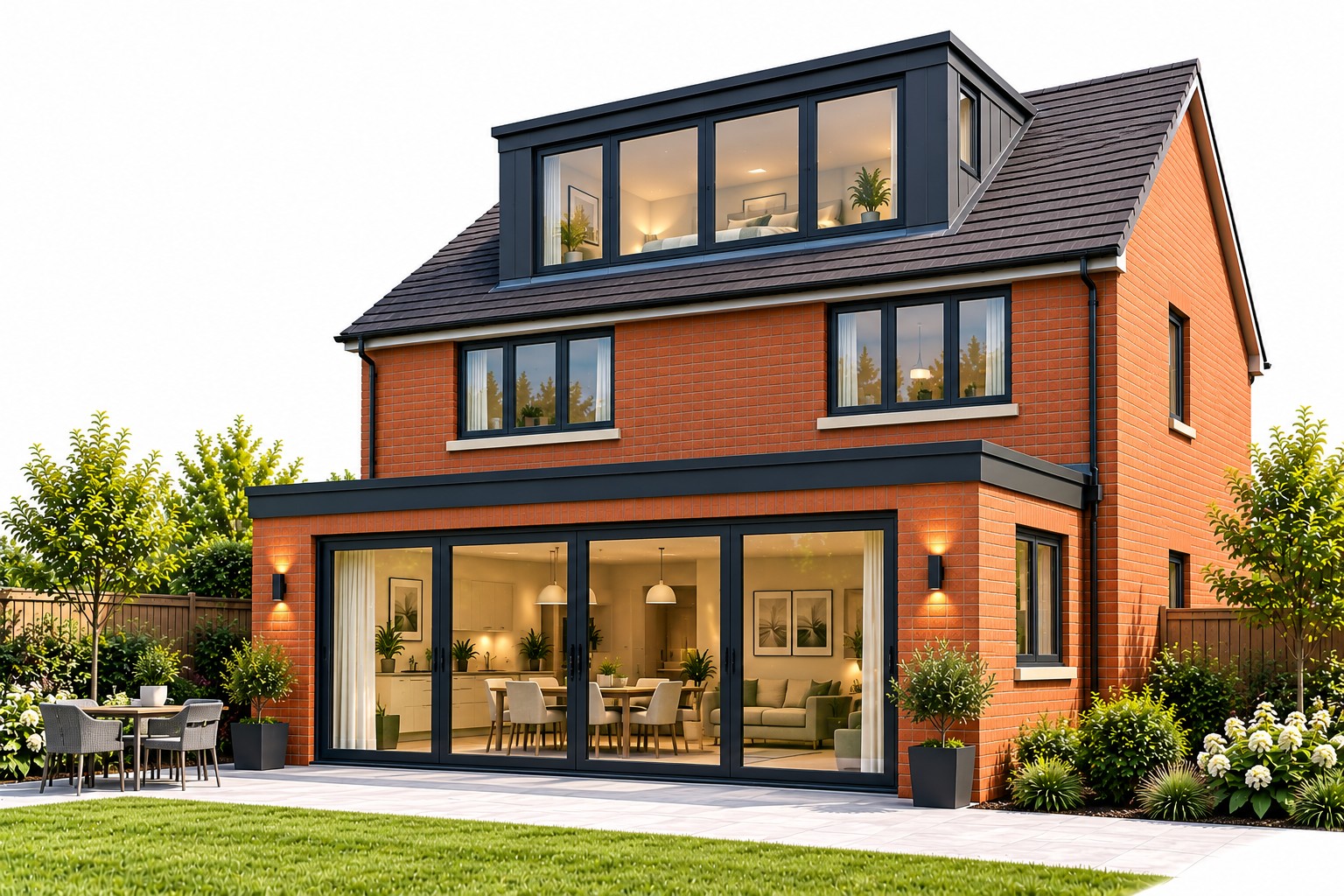
Turns unused loft space into a bedroom, office or additional living area.
£1,500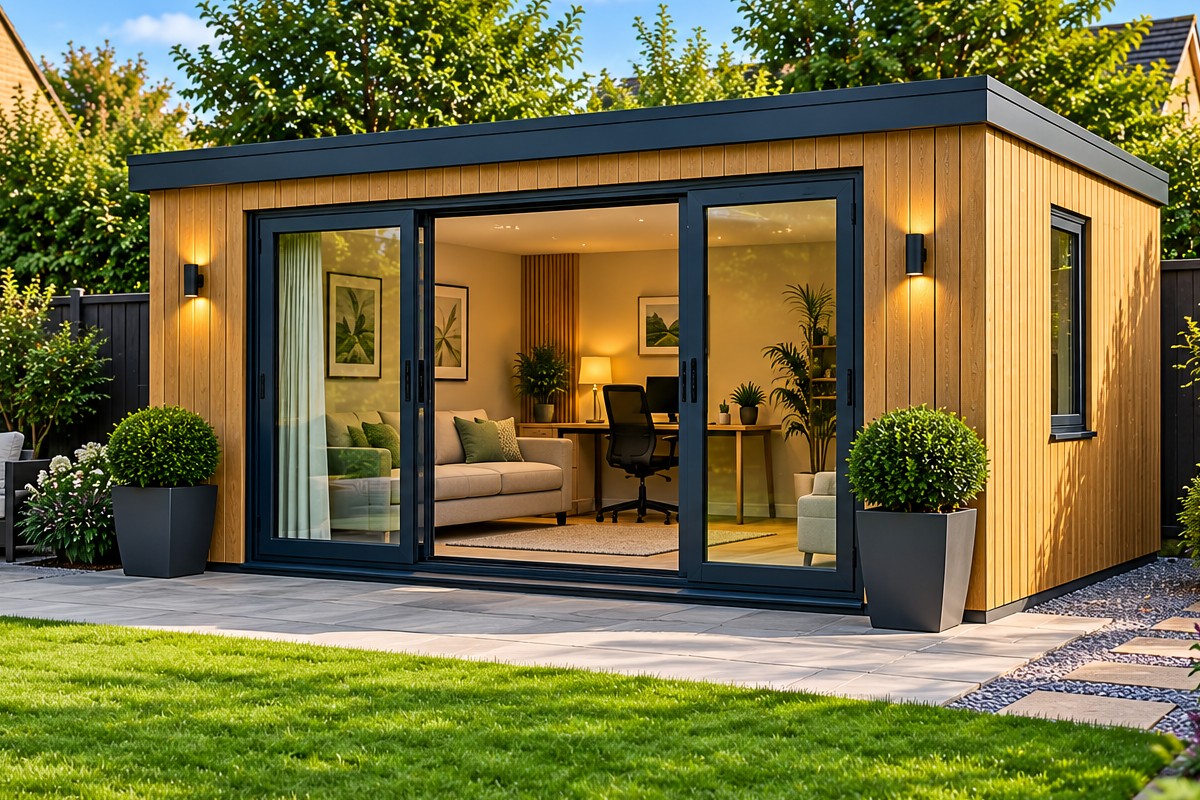
A flexible, detached space for work, leisure or extra living space.
£350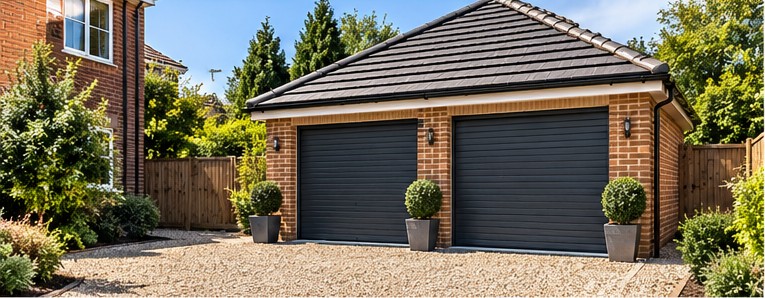
Secure parking or useful storage, single or double.
£350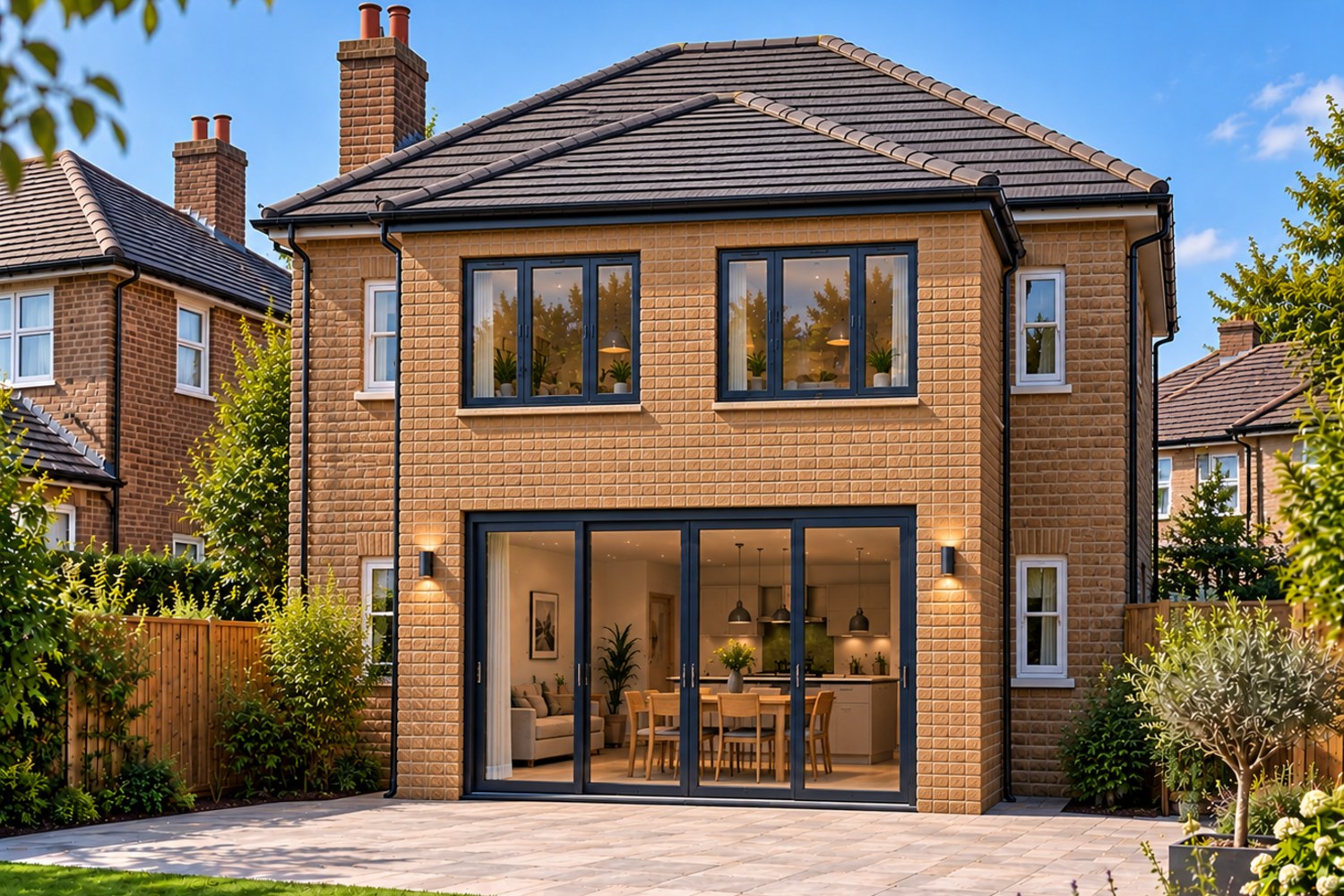
Significantly more living space across both floors.
£1,400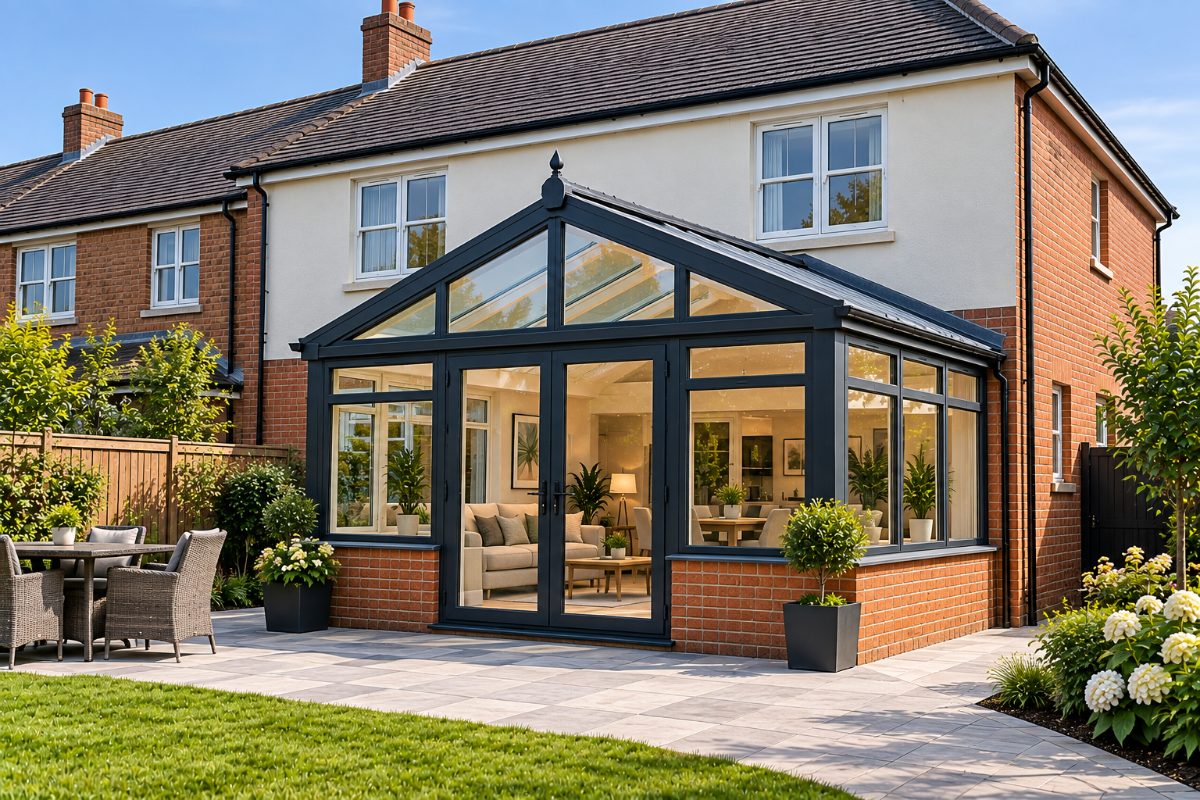
A bright, glazed room connecting your home to the garden.
£900PERMITTED HOMEOWNER GUIDES
Our illustrated, practical guides help you understand the rules, explore design options and budget with confidence — before you commit to building work.
Explore all guidesRules, design options, costs and next steps.
View guideRules, design options, costs and next steps.
View guideRules, design options, costs and next steps.
View guideRules, design options, costs and next steps.
View guideRules, design options, costs and next steps.
View guideRules, design options, costs and next steps.
View guideRules, design options, costs and next steps.
View guideRules, design options, costs and next steps.
View guideWe use cookies that are needed to run the basket and checkout. We would also like to use analytics cookies to understand how the site is used. We only do that if you say yes.

Maximize your property’s footprint with precision and ease. Permitted provides complete design for Permitted Development Rights. Our packages are designed around the Permitted Development limits, so many projects can proceed without a full planning application.
PERMITTED is operated by Yorkshire Property Design Services Limited, registered in England and Wales under company number 12698267.
Registered office: Ground Floor, Techno Centre, Station Road, Horsforth, Leeds, LS18 5BJ
Business contact address: Wira House, Ground Floor, Suite 5, Ring Road, West Park, Leeds, LS16 6EB