


Permitted Development rules





Professional, builder-ready drawing packages for extensions, lofts, porches, garages, garden rooms and more — designed to Permitted Development parameters and supplied as sold.
PERMITTED HOMEOWNER GUIDES
Our illustrated, practical guides help you understand the rules, explore design options and budget with confidence — before you commit to building work.
Explore all guides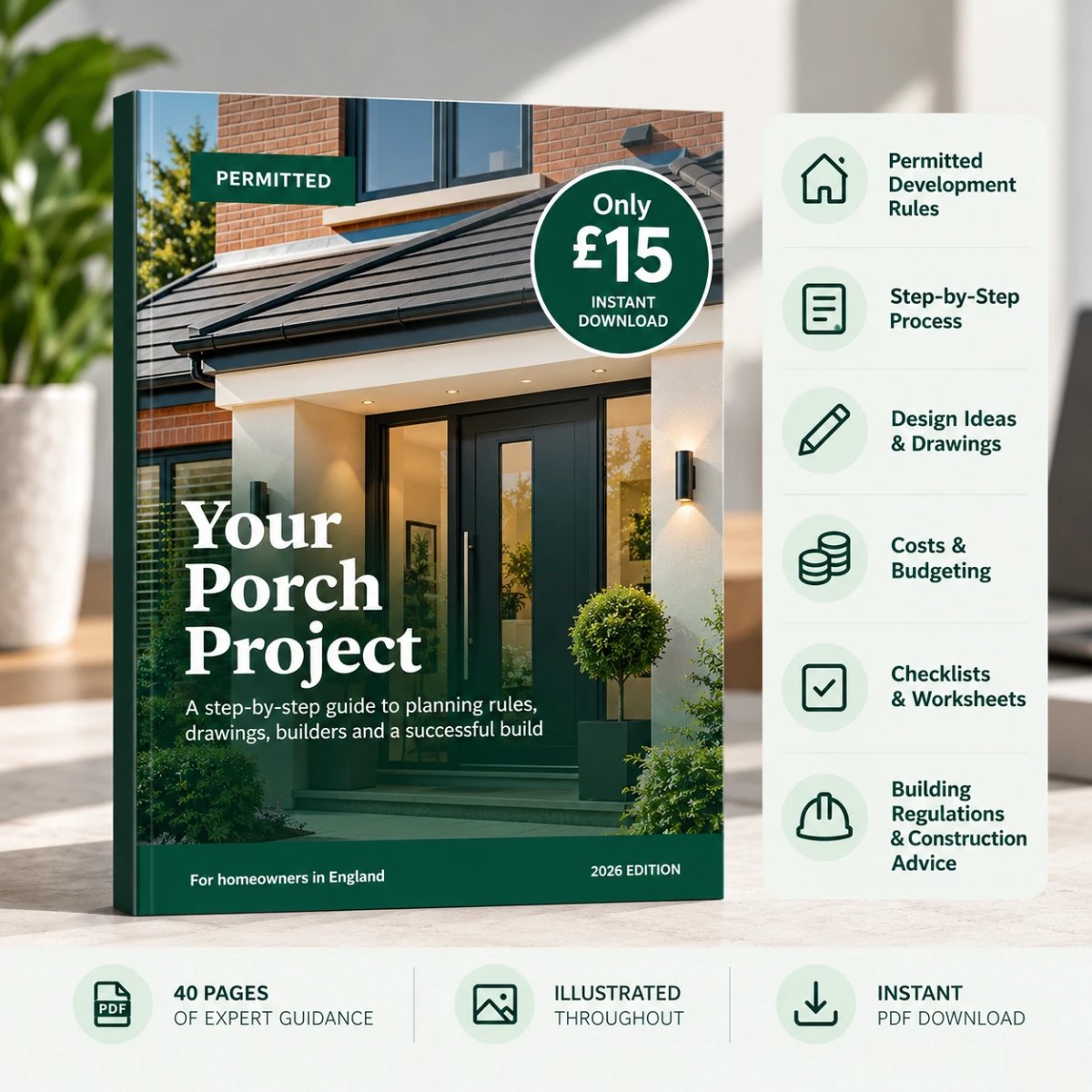
Rules, design options, costs and next steps.
View guide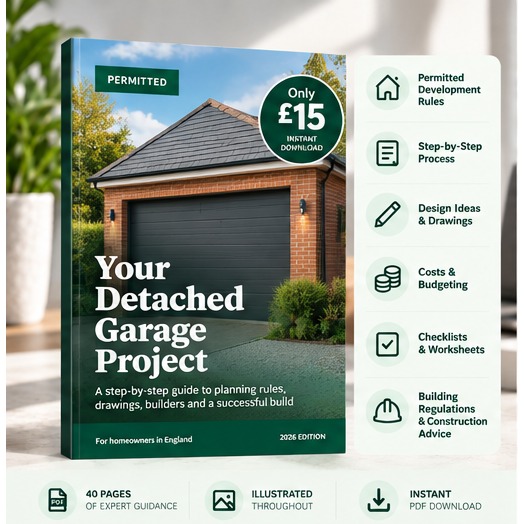
Rules, design options, costs and next steps.
View guide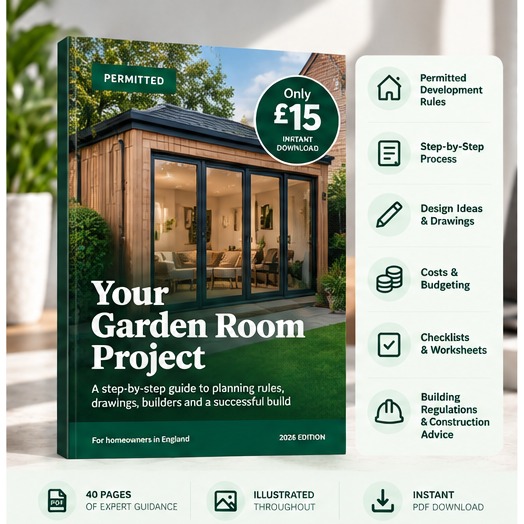
Rules, design options, costs and next steps.
View guide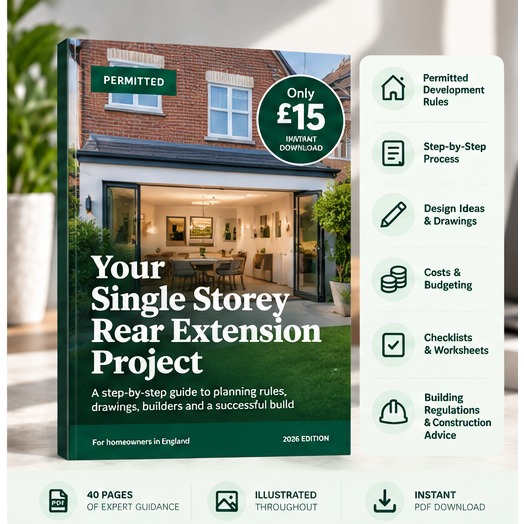
Rules, design options, costs and next steps.
View guide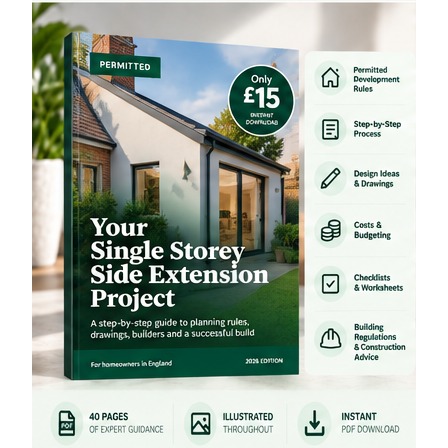
Rules, design options, costs and next steps.
View guide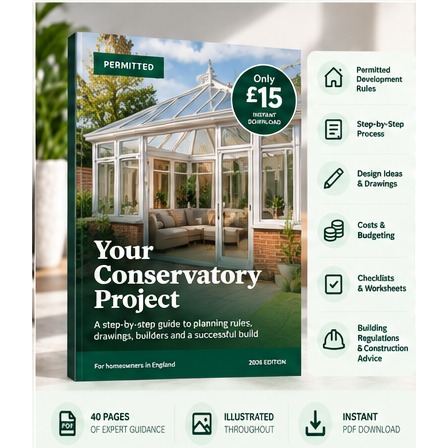
Rules, design options, costs and next steps.
View guide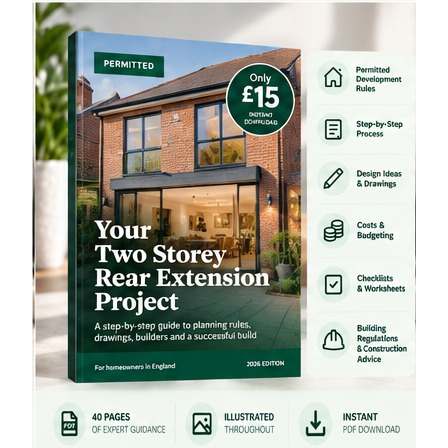
Rules, design options, costs and next steps.
View guide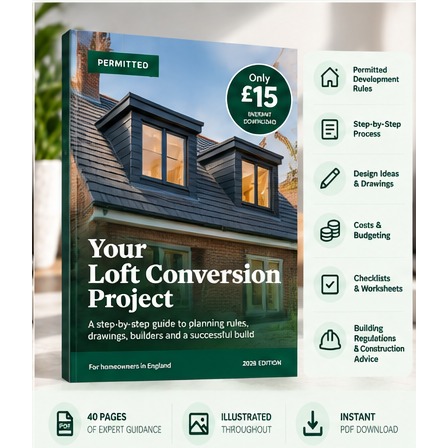
Rules, design options, costs and next steps.
View guideIf you’ve been researching permitted development or planning permission, you’ve likely come across the term Lawful Development Certificate — often abbreviated to LDC. It’s one of the most misunderstood parts of the UK planning system, yet it’s one of the most important documents a homeowner can obtain when building under permitted development rights.
This guide explains exactly what a Lawful Development Certificate is, when you need one, and how to apply.
A Lawful Development Certificate (LDC) is a formal legal document issued by your local planning authority (LPA) confirming that a specific use, operation, or activity is lawful under planning law.
For homeowners carrying out work under permitted development, an LDC confirms that the proposed works are lawful and do not require planning permission. Critically, it is a legal decision — not just an informal opinion — and it is binding on the local authority.
A Lawful Development Certificate is not compulsory. You are not legally required to obtain one before carrying out permitted development works. However, it is strongly recommended for several important reasons:
This is the most common type for homeowners. You apply before carrying out the work to confirm that your proposed extension or alteration is lawful under permitted development. This gives you certainty before you start building.
This type is applied for after the work has been completed — either to retrospectively confirm that completed works were lawful, or to confirm that a long-standing use has become lawful through the passage of time.
You apply for an LDC through the Planning Portal (planningportal.co.uk) or directly through your local planning authority’s website. The application requires:
As of 2024, the application fee for a Lawful Development Certificate for works to a dwelling house in England is £274. This is half the cost of a householder planning application (£548 from 1 April 2026).
The target determination period for an LDC application is 8 weeks from the date of a valid application. In practice, some authorities decide applications faster; others may take longer during busy periods.
Your LDC application must include accurate plans and drawings showing the proposed works. These need to demonstrate that the extension or alteration complies with permitted development rules — including dimensions, height, and relationship to the property boundaries.
Our architectural drawing packages include everything you need for both your LDC application and building regulations submission — all at a fixed price and available as instant downloads.
No. Planning permission is required for works that do not fall within permitted development. An LDC confirms that works are lawful without planning permission — it is a certificate of lawfulness, not a grant of permission.
Yes. If the local planning authority determines that the proposed works do not comply with permitted development rules, they will refuse the LDC. This is why it’s important to ensure your plans comply with all PD conditions before applying.
An LDC for proposed works (CLPUD) does not expire in the same way as planning permission, but it is issued based on the law as it stands at the time. If permitted development rules change significantly, the certificate remains valid for the works described in it, provided they are carried out in accordance with the certificate.
You can still apply for a CLEUD (Certificate of Lawful Existing Use or Development) after the work is complete. This is particularly useful when selling a property where an extension was carried out without an LDC at the time.
Planning a project? Browse our permitted development drawing sets — fixed price, supplied exactly as sold and emailed to you as a PDF.
Ask PERMITTED — quick answers on extensions, lofts, garages and garden rooms. If your project fits the rules, choose a fixed-price drawing package. If it doesn’t, YPDS Architectural Services, our parent practice in Leeds, can advise on planning.
Each one is already drawn. You choose the material, roof and options we actually draw, and that is the package you receive.
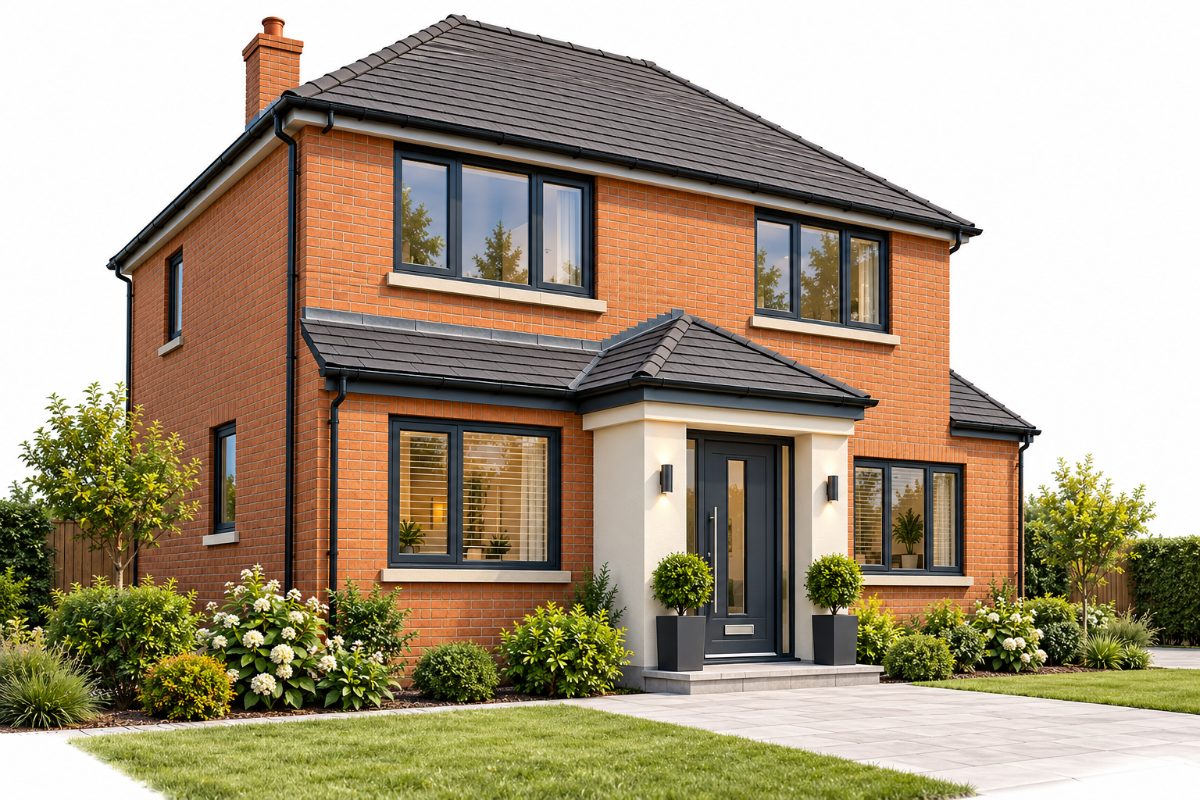
A practical entrance area that adds space and improves the look of your home.
£350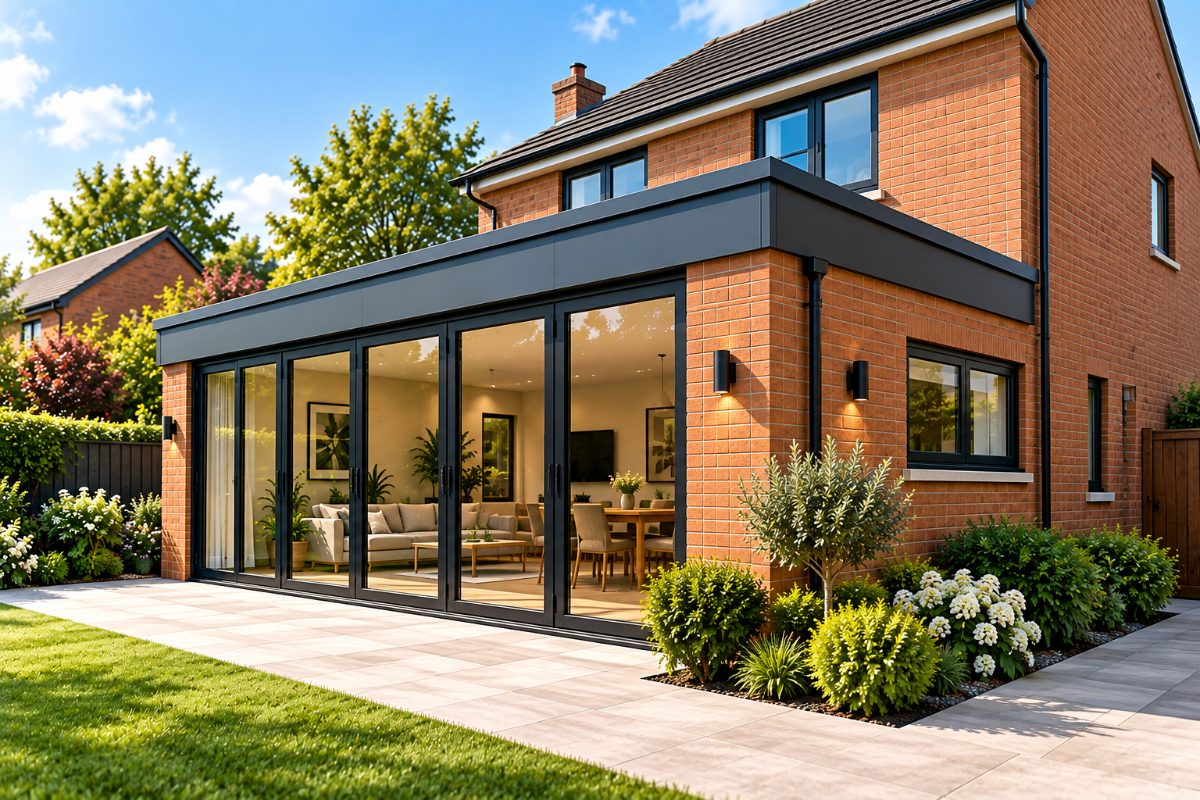
A popular way to create a larger kitchen, dining or family area.
£900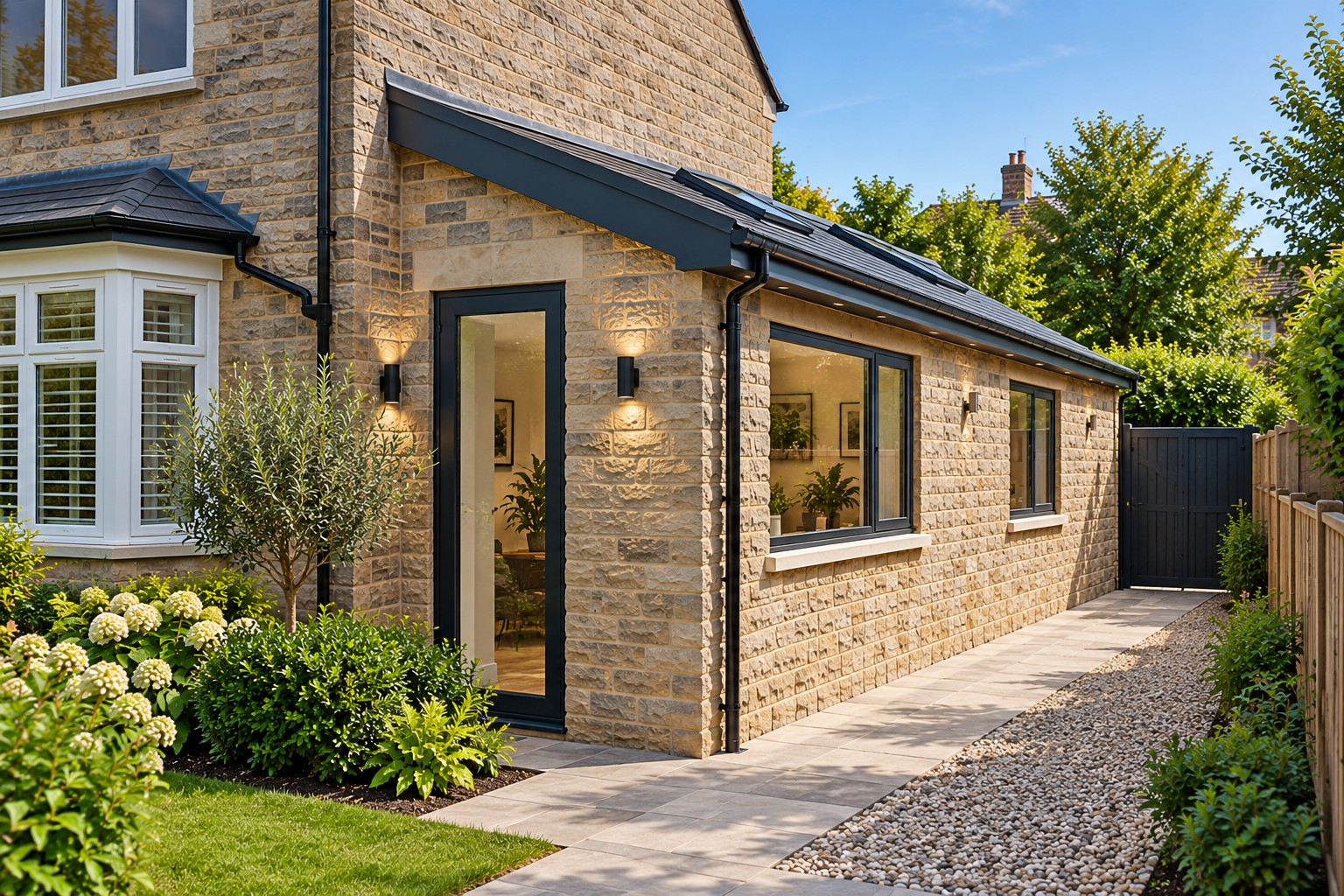
Adds valuable space to the side of your home for a kitchen or utility.
£900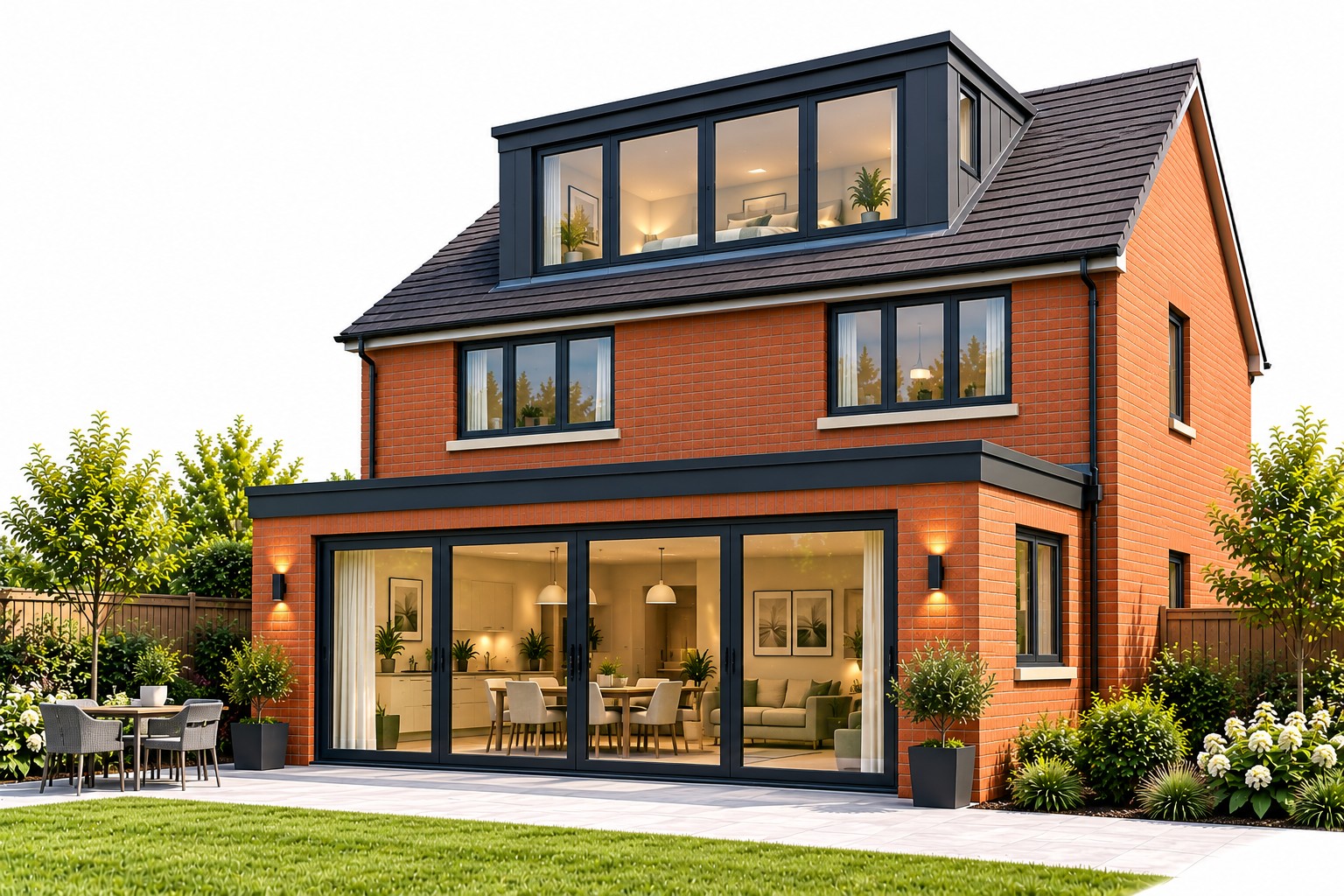
Turns unused loft space into a bedroom, office or additional living area.
£1,500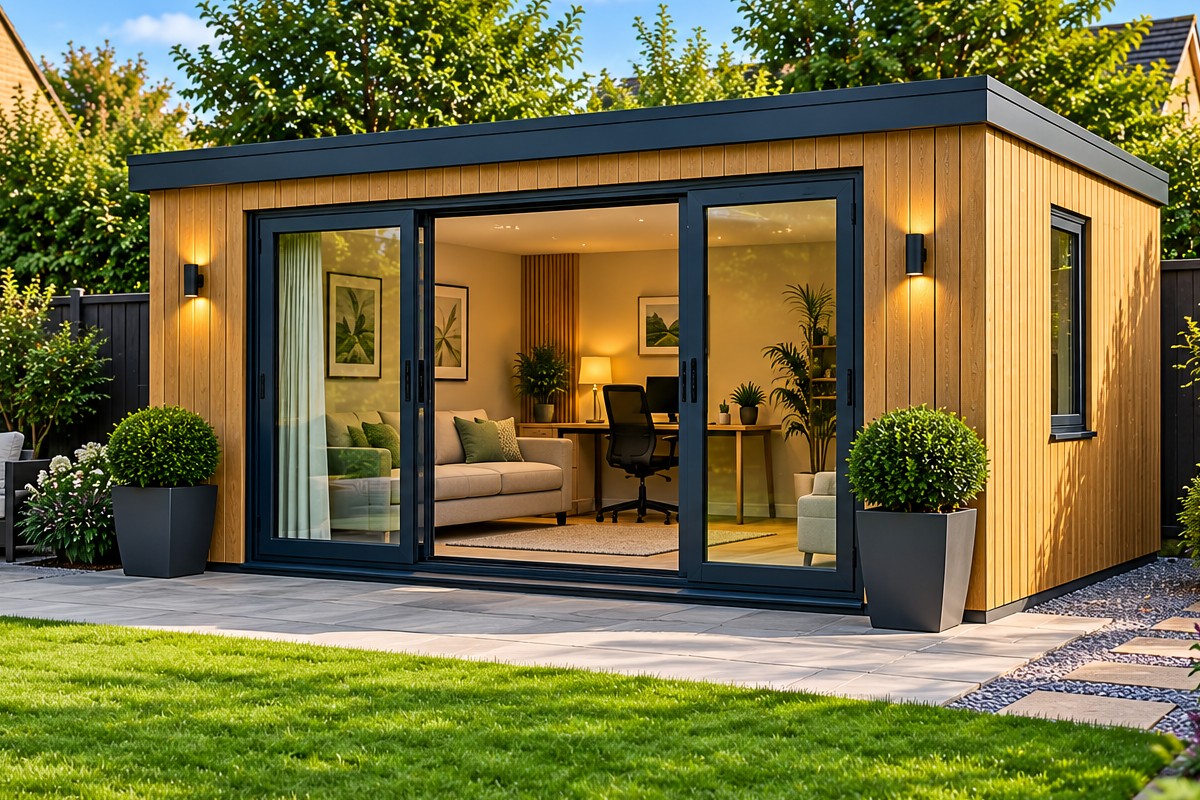
A flexible, detached space for work, leisure or extra living space.
£350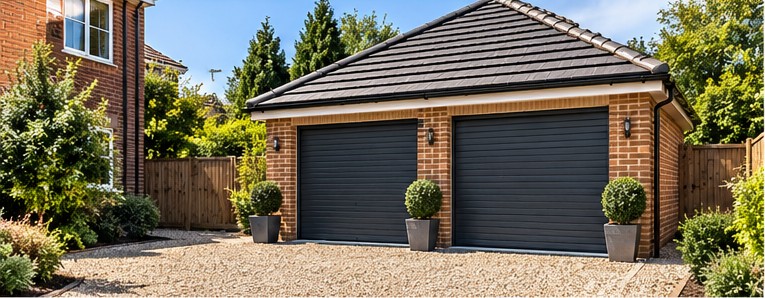
Secure parking or useful storage, single or double.
£350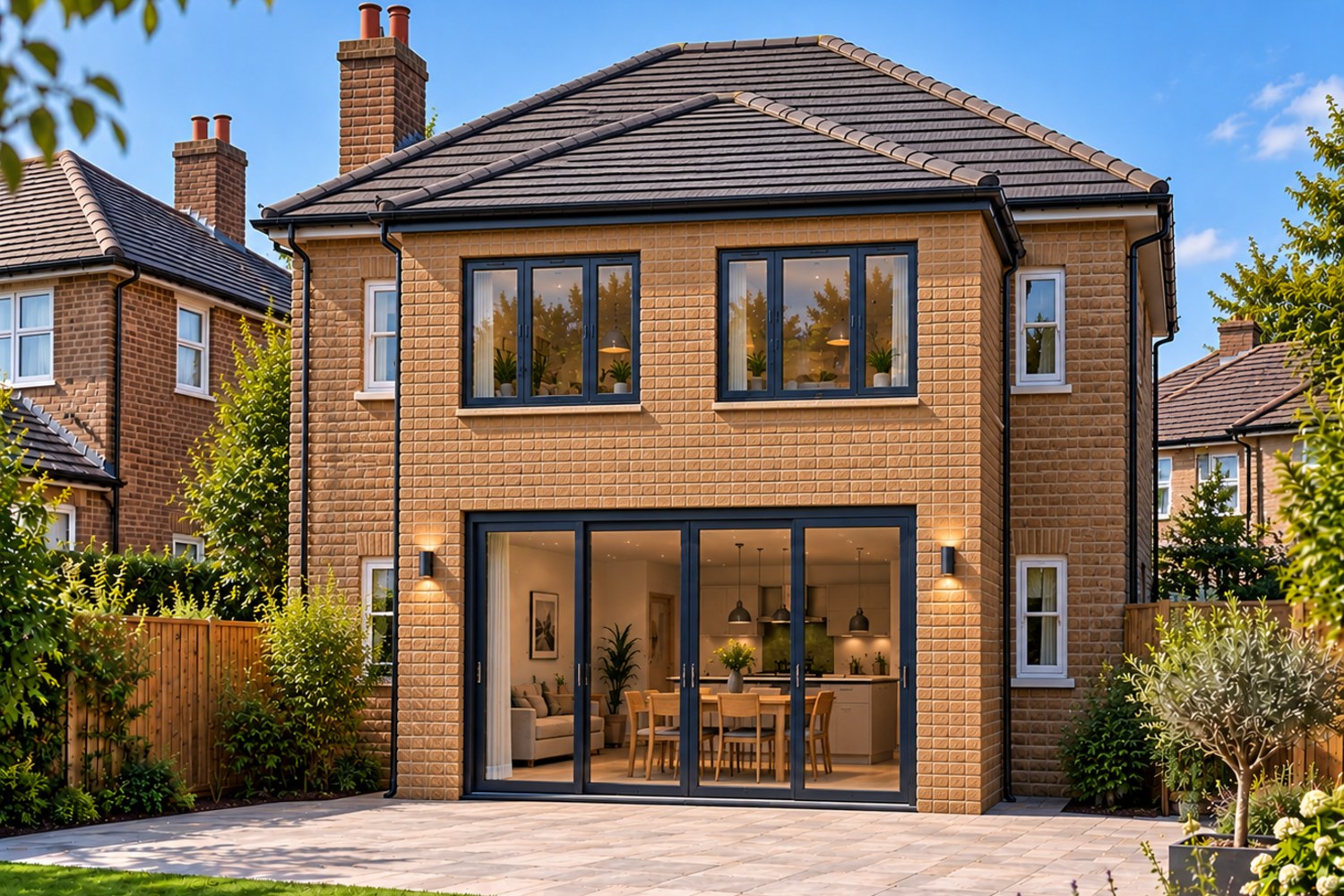
Significantly more living space across both floors.
£1,400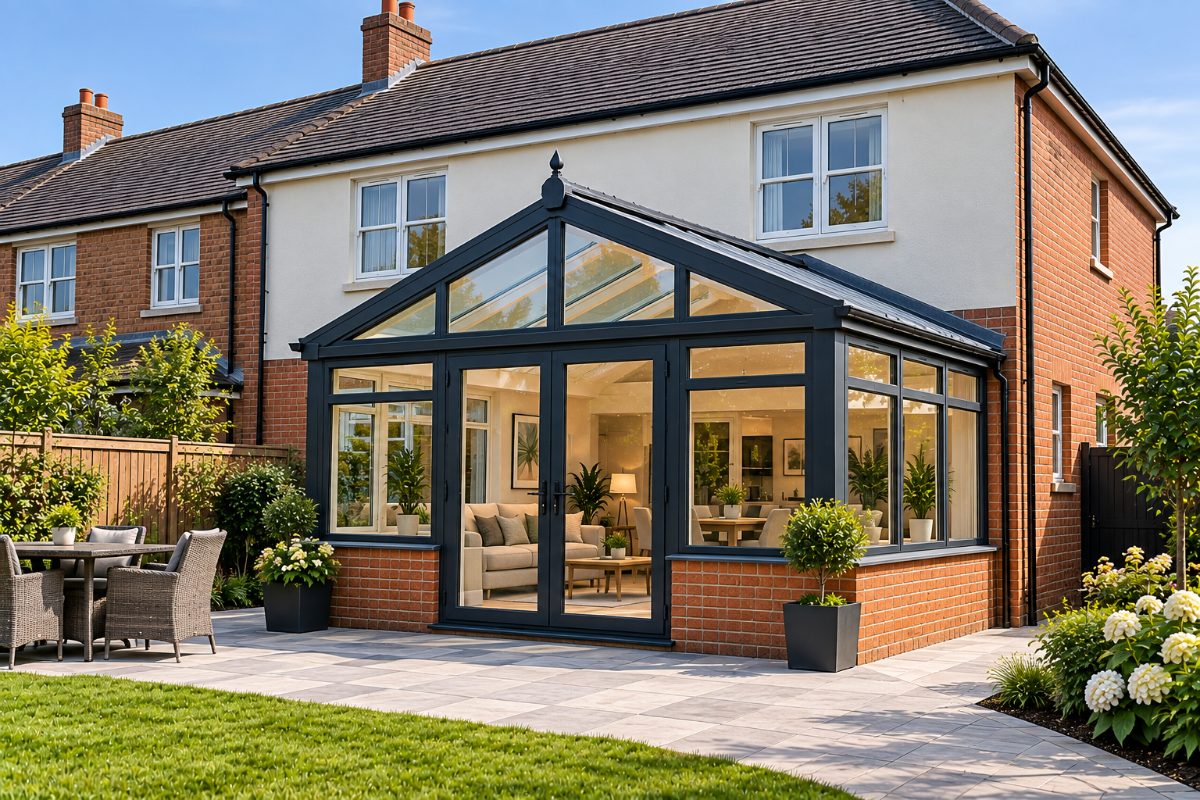
A bright, glazed room connecting your home to the garden.
£900PERMITTED HOMEOWNER GUIDES
Our illustrated, practical guides help you understand the rules, explore design options and budget with confidence — before you commit to building work.
Explore all guidesRules, design options, costs and next steps.
View guideRules, design options, costs and next steps.
View guideRules, design options, costs and next steps.
View guideRules, design options, costs and next steps.
View guideRules, design options, costs and next steps.
View guideRules, design options, costs and next steps.
View guideRules, design options, costs and next steps.
View guideRules, design options, costs and next steps.
View guideWe use cookies that are needed to run the basket and checkout. We would also like to use analytics cookies to understand how the site is used. We only do that if you say yes.

Maximize your property’s footprint with precision and ease. Permitted provides complete design for Permitted Development Rights. Our packages are designed around the Permitted Development limits, so many projects can proceed without a full planning application.
PERMITTED is operated by Yorkshire Property Design Services Limited, registered in England and Wales under company number 12698267.
Registered office: Ground Floor, Techno Centre, Station Road, Horsforth, Leeds, LS18 5BJ
Business contact address: Wira House, Ground Floor, Suite 5, Ring Road, West Park, Leeds, LS16 6EB