


Permitted Development rules





Professional, builder-ready drawing packages for extensions, lofts, porches, garages, garden rooms and more — designed to Permitted Development parameters and supplied as sold.
PERMITTED HOMEOWNER GUIDES
Our illustrated, practical guides help you understand the rules, explore design options and budget with confidence — before you commit to building work.
Explore all guides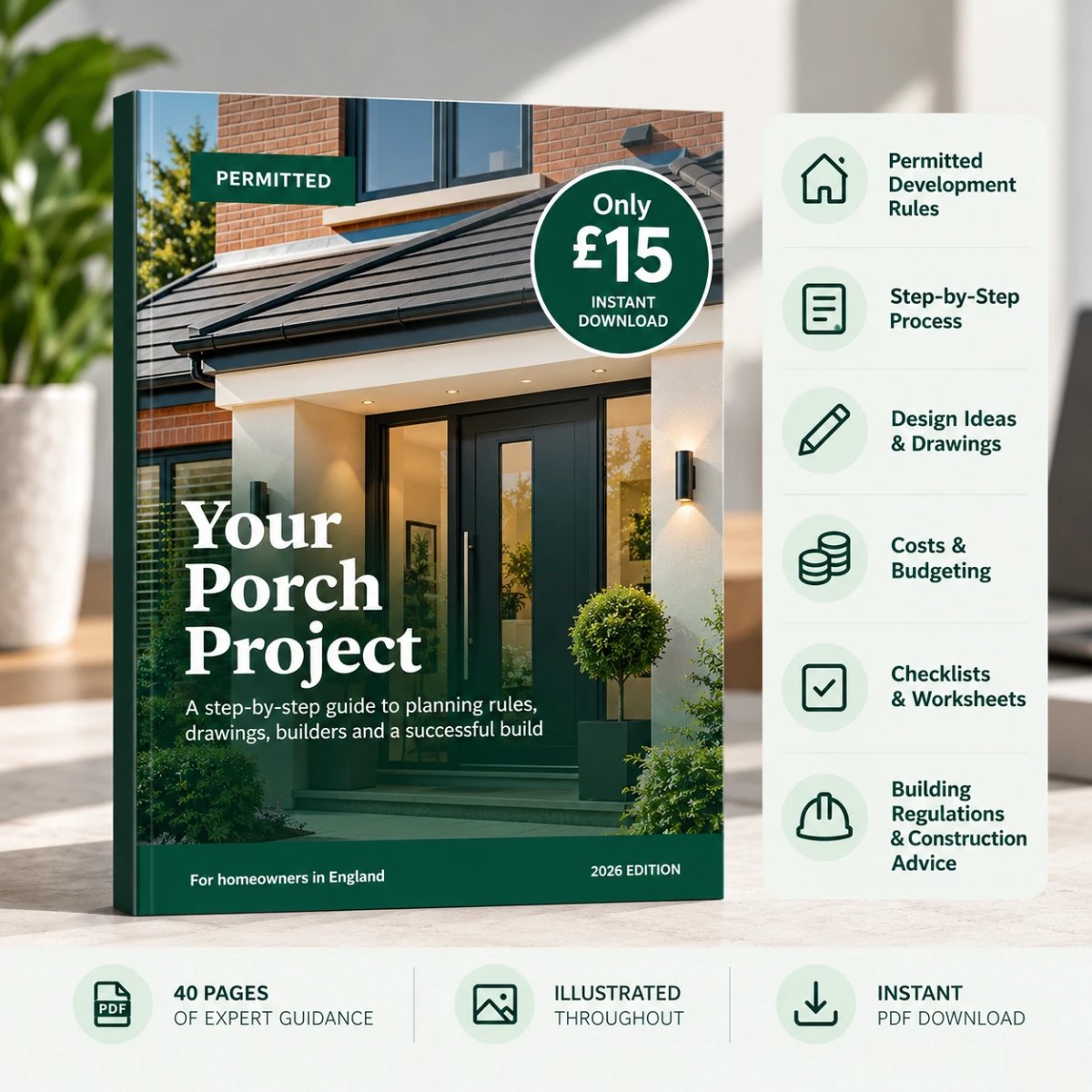
Rules, design options, costs and next steps.
View guide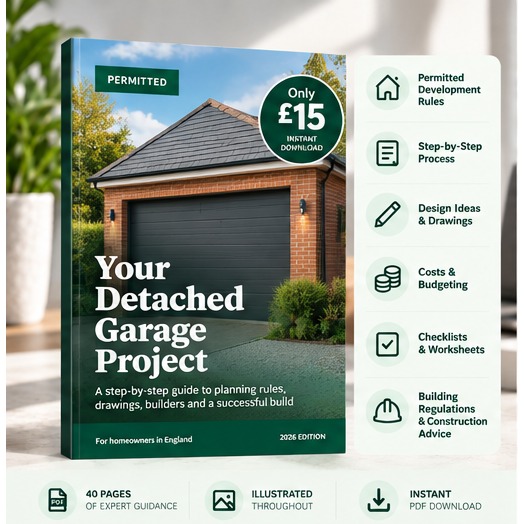
Rules, design options, costs and next steps.
View guide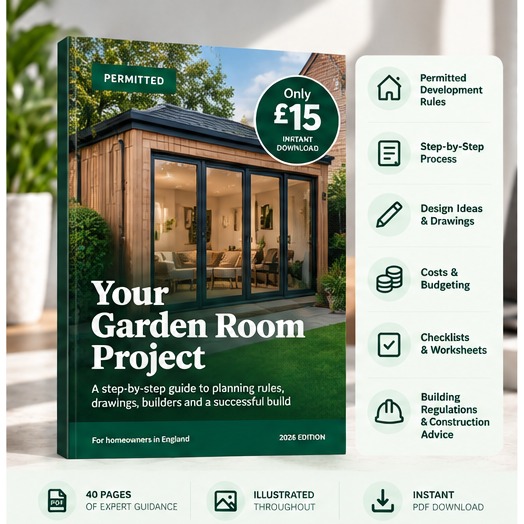
Rules, design options, costs and next steps.
View guide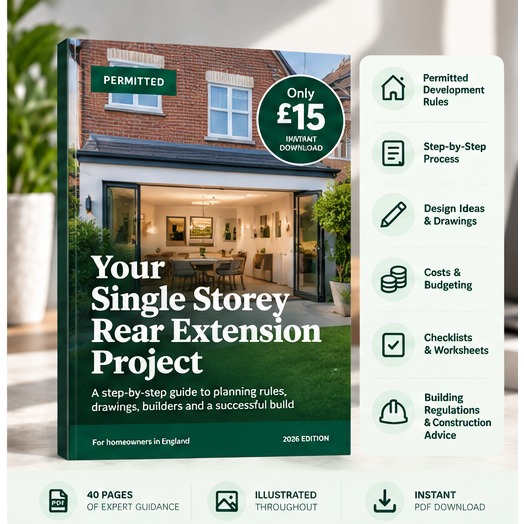
Rules, design options, costs and next steps.
View guide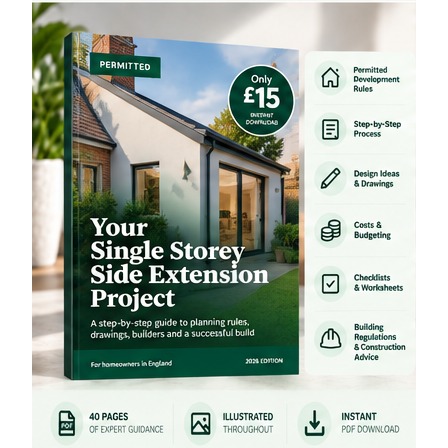
Rules, design options, costs and next steps.
View guide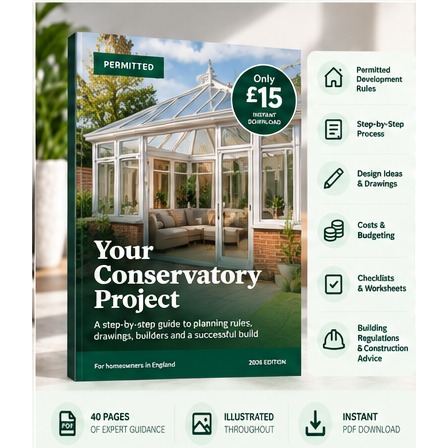
Rules, design options, costs and next steps.
View guide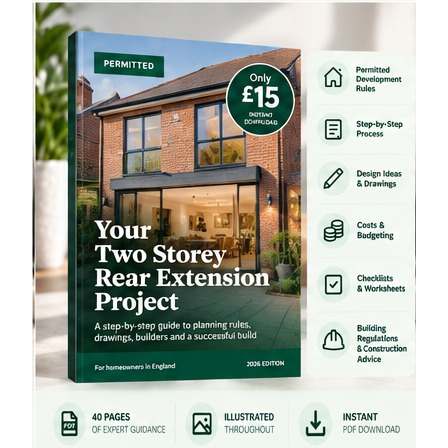
Rules, design options, costs and next steps.
View guide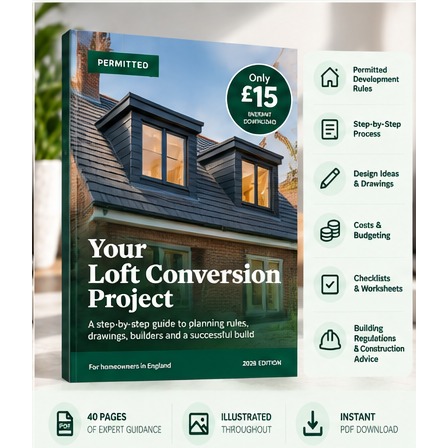
Rules, design options, costs and next steps.
View guideThe vast majority of rooftop solar installations don’t need planning permission. But listed buildings, conservation areas, and ground-mounted systems have different rules. Here’s everything you need to know.
Solar panels on the roof of a house are permitted development in England, provided they don’t protrude more than 200mm from the roof surface and aren’t installed on the principal elevation (the front of the house facing the road) where they would be visible from the highway. Ground-mounted systems are permitted development up to 9m² in area. Listed buildings and some conservation areas are exceptions.
Solar panels on domestic houses are permitted development under Class A of Part 14, Schedule 2 to the GPDO 2015. This means planning permission is not required for rooftop solar in most cases.
The key conditions for roof-mounted panels are:
Solar panels on flat roofs are permitted development subject to the same 200mm protrusion limit and the condition that the panels don’t exceed the highest point of the roof. On a flat roof, panels are typically mounted on angled brackets — the bracket assembly plus the panel must not project more than 200mm above the roof surface.
Standalone ground-mounted solar panels in the garden are also permitted development under Class B of Part 14, with the following conditions:
| Condition | Limit |
|---|---|
| Maximum installation area | 9 square metres (or 3m × 3m) |
| Maximum height | 4 metres |
| Distance from boundary | Must not be within 5 metres of the boundary of the curtilage |
| Position | Must not be in front of the principal elevation |
| Number | Only one ground-mounted system per property |
The 9m² limit is relatively modest — it typically supports a 1.5–2kW system with standard panels. If you need a larger ground-mounted installation, planning permission will be required.
In conservation areas, the PD rules for solar are slightly more restricted for road-facing elevations. Roof-mounted panels on a wall or roof slope that faces a highway (including the principal elevation) are not permitted development within conservation areas. However, rear and non-road-facing installations in conservation areas are still permitted development — so many conservation area homeowners can still install solar without planning permission.
For listed buildings, the position is stricter: planning permission (and usually listed building consent) is required for any solar installation, regardless of position. Historic England’s guidance encourages sensitive installation of solar on listed buildings where it can be done without significant harm to the character of the building, but this requires the council’s approval.
Solar panel installations are generally exempt from Building Regulations as a change of energy source. However, if the installation involves structural alterations to the roof, or if electrical works are involved (which they always are), the electrical installation must comply with Part P of the Building Regulations.
In practice, MCS-certified solar installers handle Building Regulations compliance as part of their service. Using a certified installer is also required to access the Smart Export Guarantee (SEG) — the scheme that pays you for electricity exported to the grid.
Battery storage systems (such as a Tesla Powerwall or similar) installed alongside or separate from solar panels are not specifically covered by the Part 14 solar PD rights. They are treated as electrical equipment and are generally permitted under Class A of Part 2 Schedule 2 as domestic equipment, provided they don’t involve external changes to the building’s appearance. Wall-mounted battery units inside garages or outbuildings don’t affect planning. External units may need to comply with outbuilding rules.
From extensions to outbuildings, loft conversions to driveways — our complete guide has all the rules in one place.
Planning a project? Browse our permitted development drawing sets — fixed price, supplied exactly as sold and emailed to you as a PDF.
Each one is already drawn. You choose the material, roof and options we actually draw, and that is the package you receive.
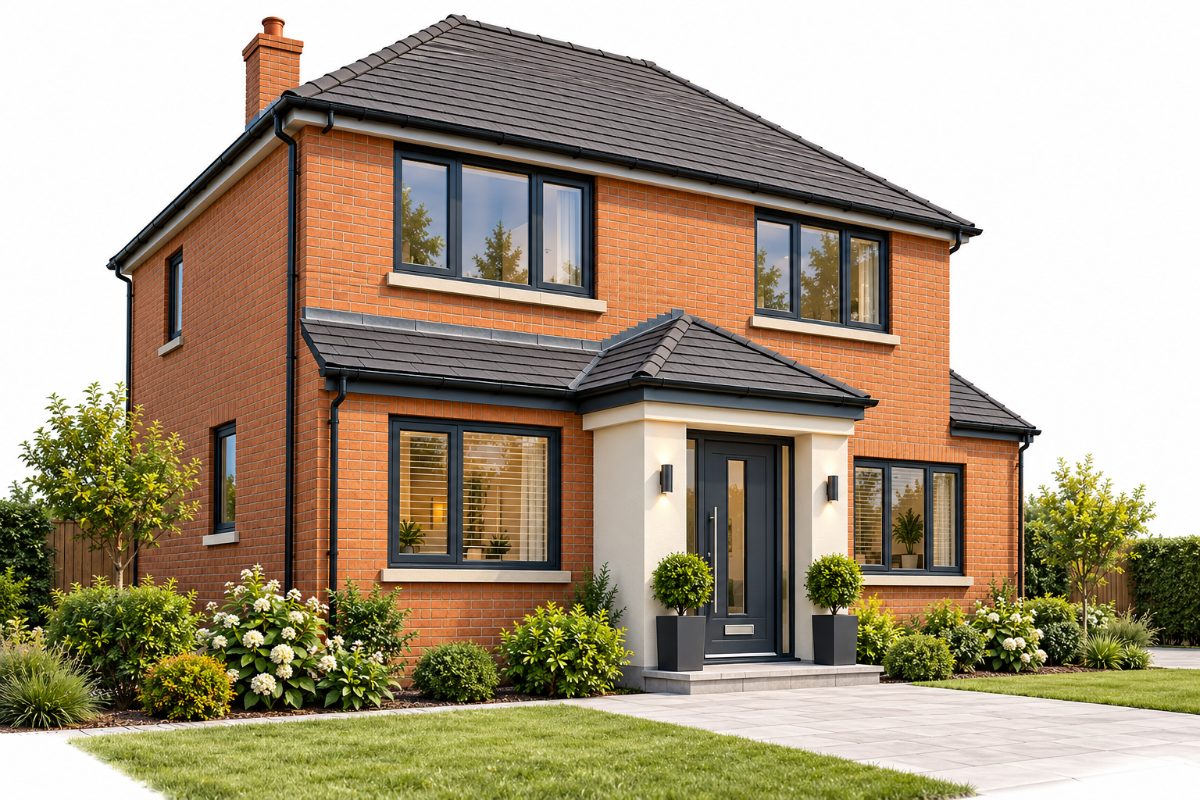
A practical entrance area that adds space and improves the look of your home.
£350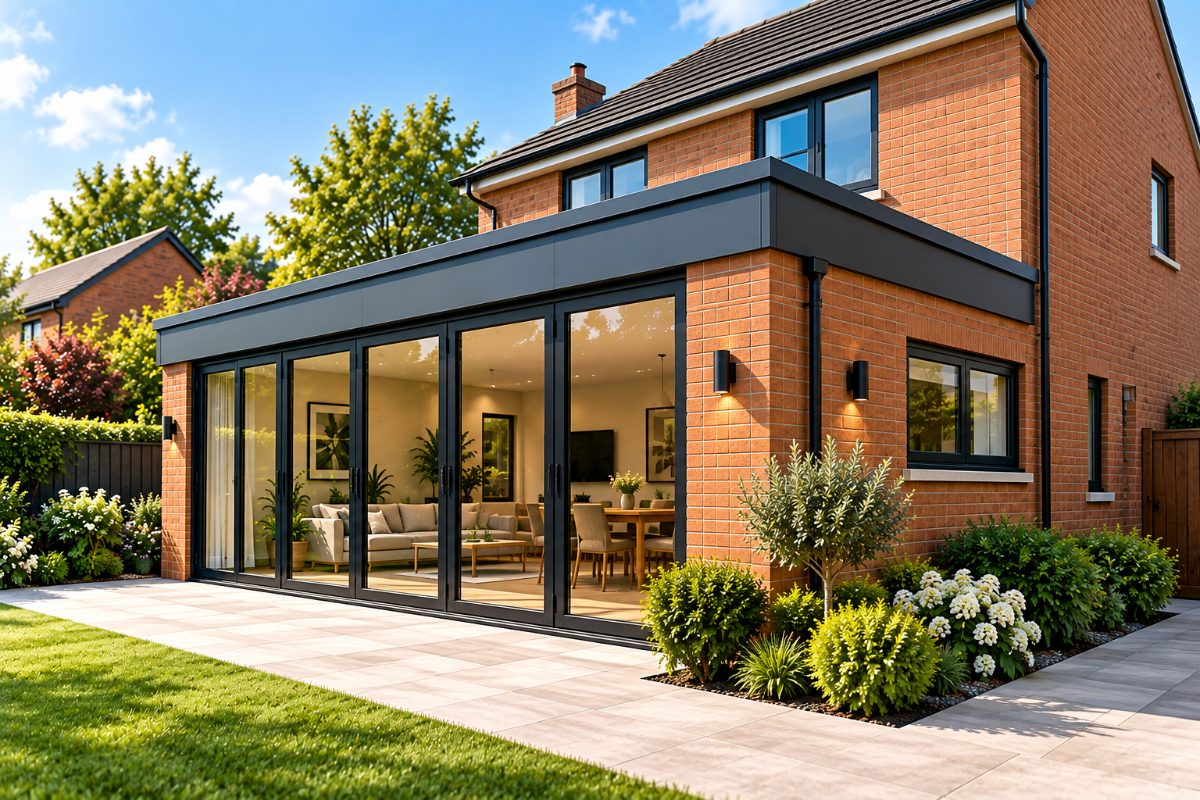
A popular way to create a larger kitchen, dining or family area.
£900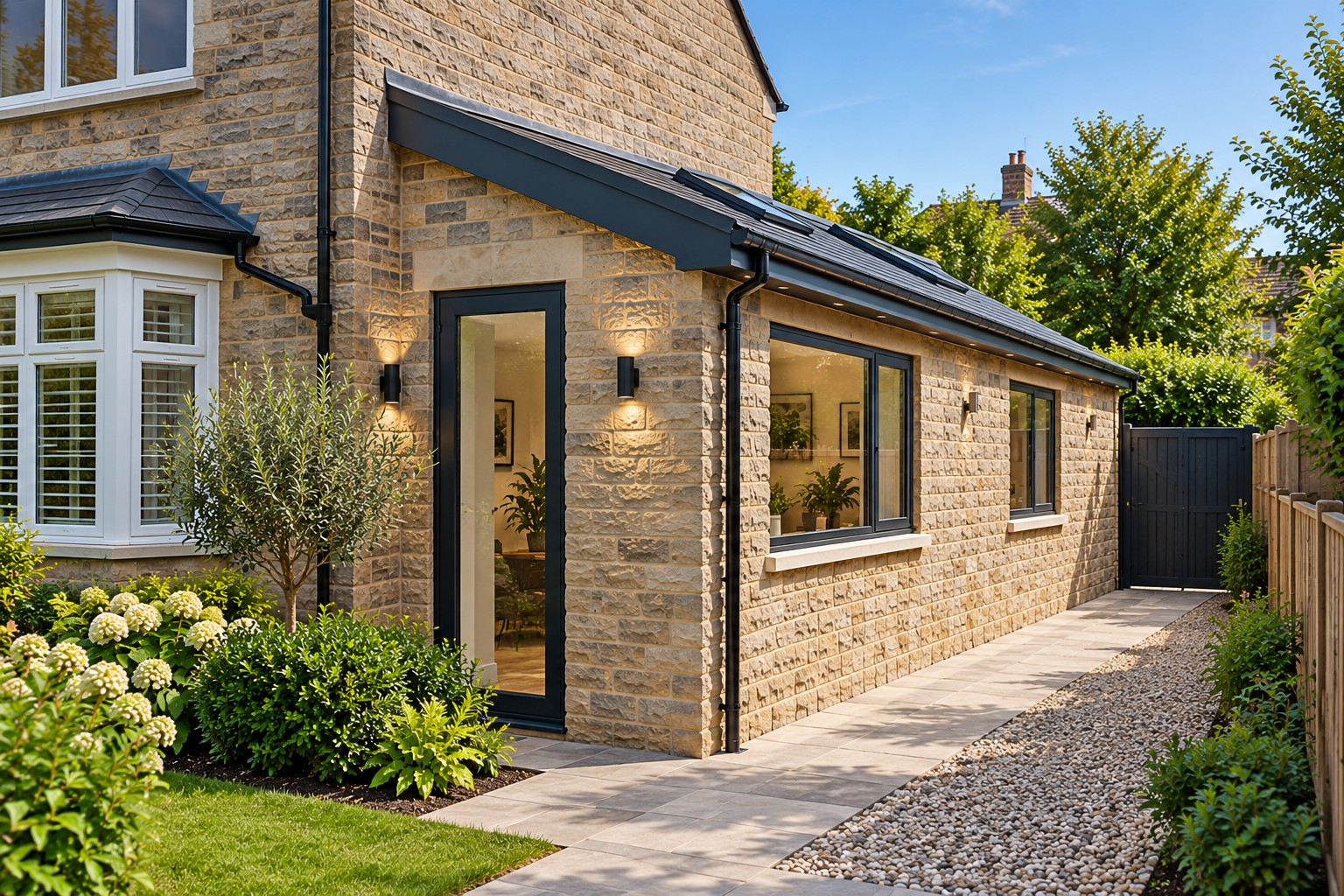
Adds valuable space to the side of your home for a kitchen or utility.
£900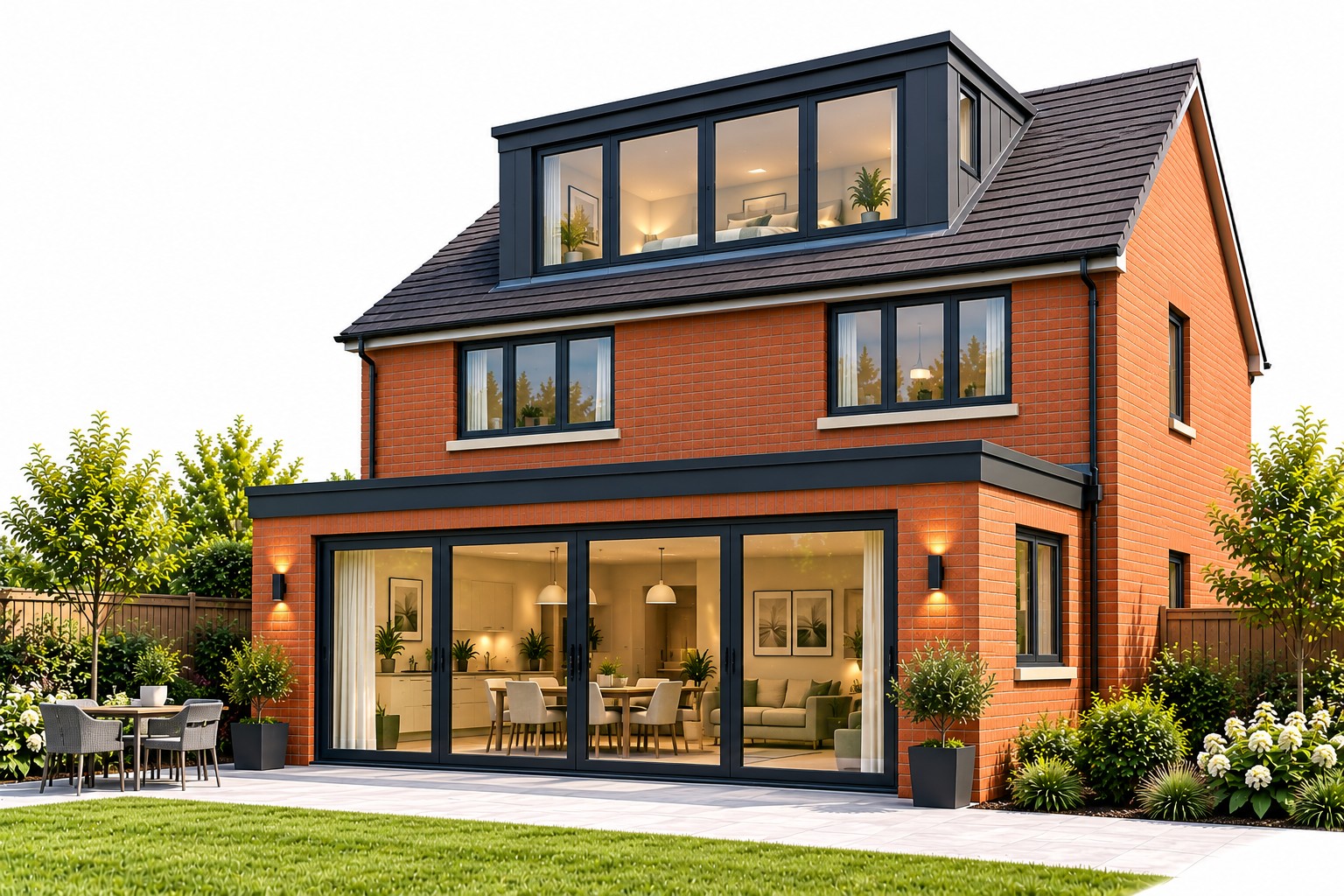
Turns unused loft space into a bedroom, office or additional living area.
£1,500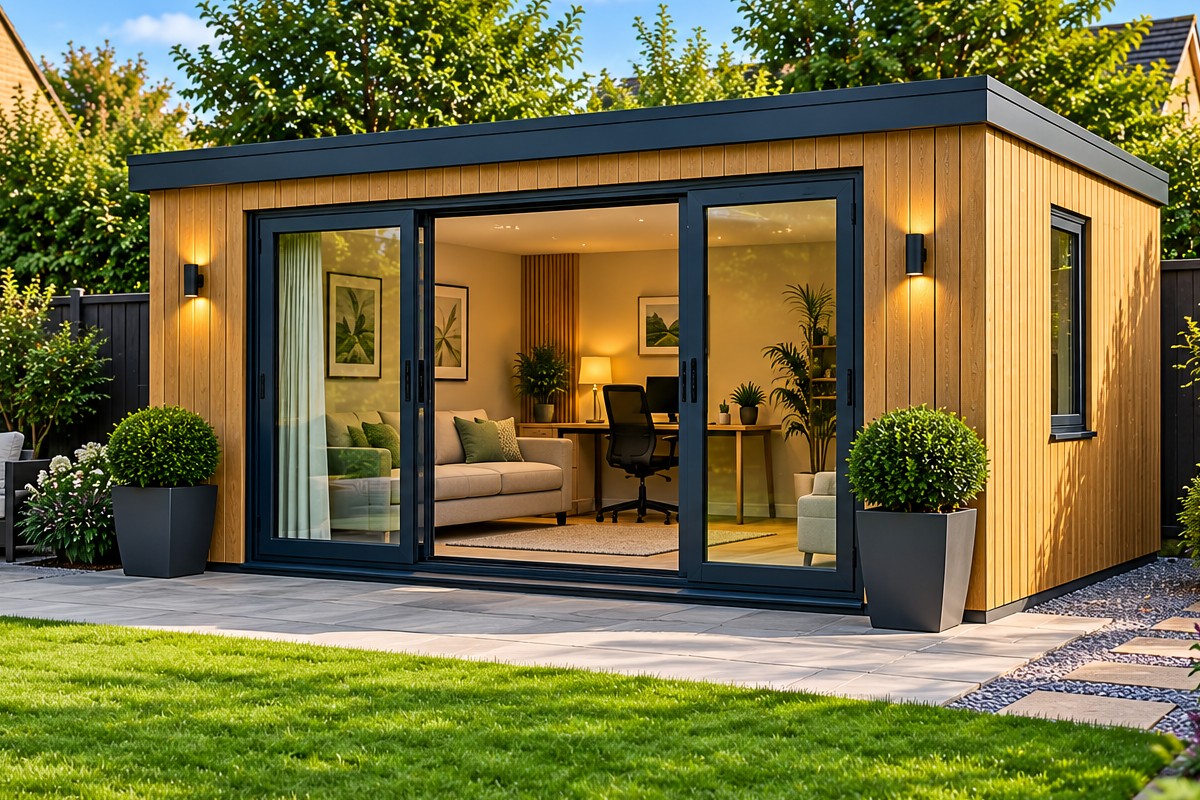
A flexible, detached space for work, leisure or extra living space.
£350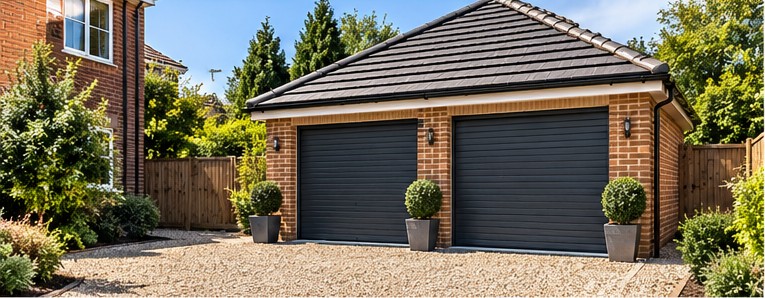
Secure parking or useful storage, single or double.
£350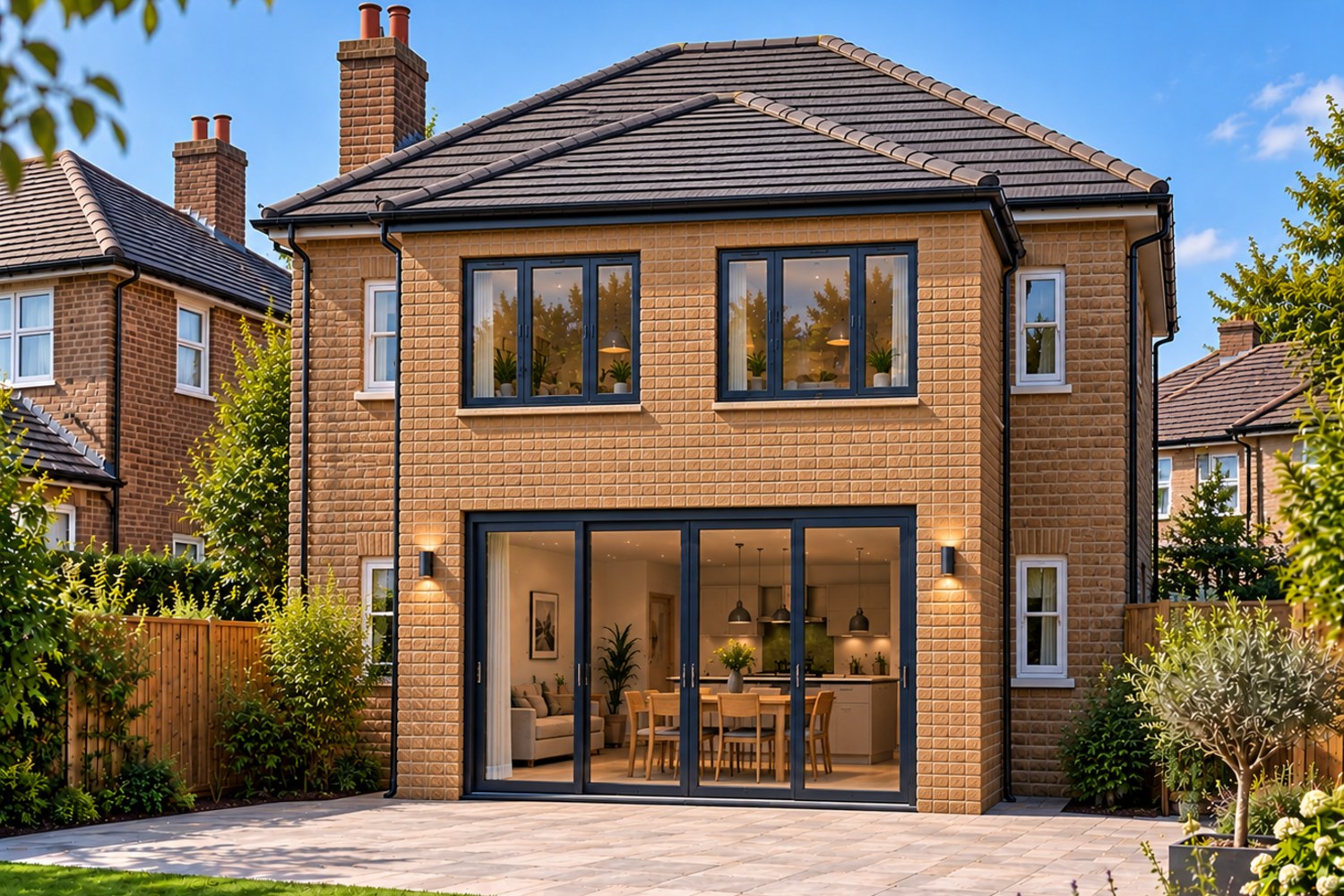
Significantly more living space across both floors.
£1,400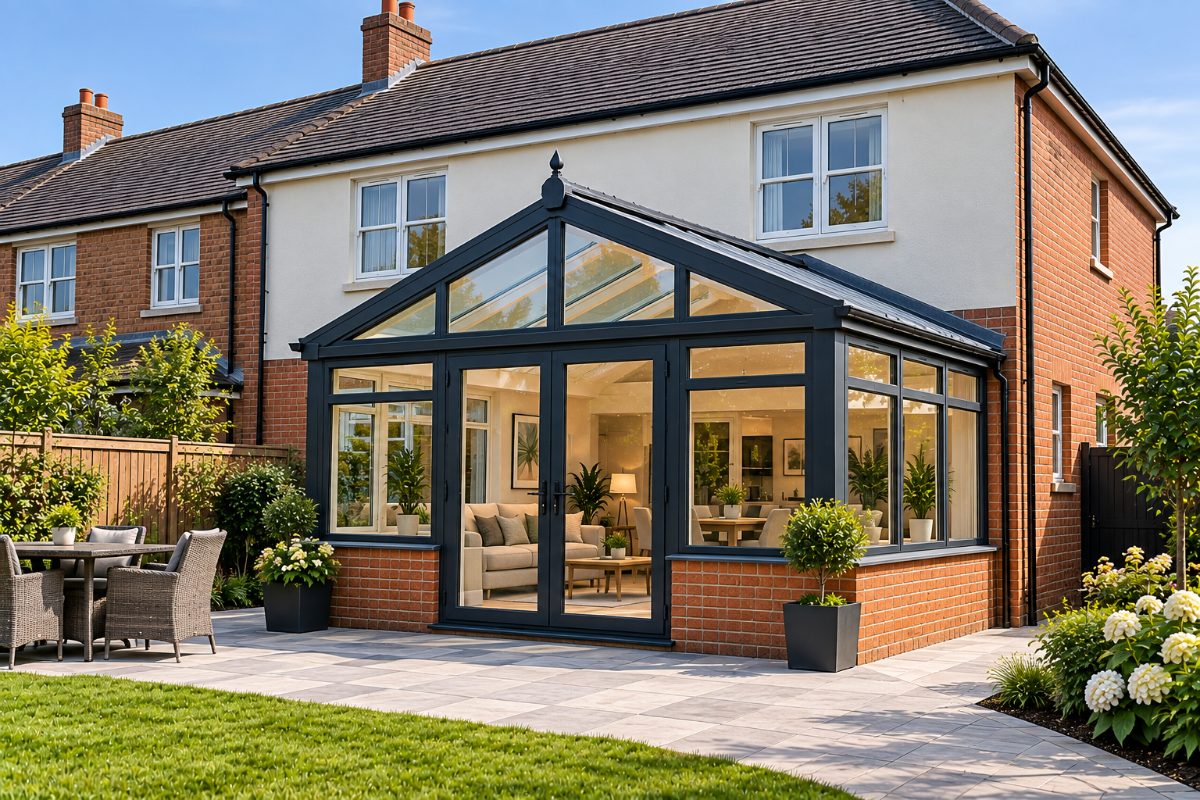
A bright, glazed room connecting your home to the garden.
£900PERMITTED HOMEOWNER GUIDES
Our illustrated, practical guides help you understand the rules, explore design options and budget with confidence — before you commit to building work.
Explore all guidesRules, design options, costs and next steps.
View guideRules, design options, costs and next steps.
View guideRules, design options, costs and next steps.
View guideRules, design options, costs and next steps.
View guideRules, design options, costs and next steps.
View guideRules, design options, costs and next steps.
View guideRules, design options, costs and next steps.
View guideRules, design options, costs and next steps.
View guideWe use cookies that are needed to run the basket and checkout. We would also like to use analytics cookies to understand how the site is used. We only do that if you say yes.

Maximize your property’s footprint with precision and ease. Permitted provides complete design for Permitted Development Rights. Our packages are designed around the Permitted Development limits, so many projects can proceed without a full planning application.
PERMITTED is operated by Yorkshire Property Design Services Limited, registered in England and Wales under company number 12698267.
Registered office: Ground Floor, Techno Centre, Station Road, Horsforth, Leeds, LS18 5BJ
Business contact address: Wira House, Ground Floor, Suite 5, Ring Road, West Park, Leeds, LS16 6EB