


Permitted Development rules





Professional, builder-ready drawing packages for extensions, lofts, porches, garages, garden rooms and more — designed to Permitted Development parameters and supplied as sold.
PERMITTED HOMEOWNER GUIDES
Our illustrated, practical guides help you understand the rules, explore design options and budget with confidence — before you commit to building work.
Explore all guides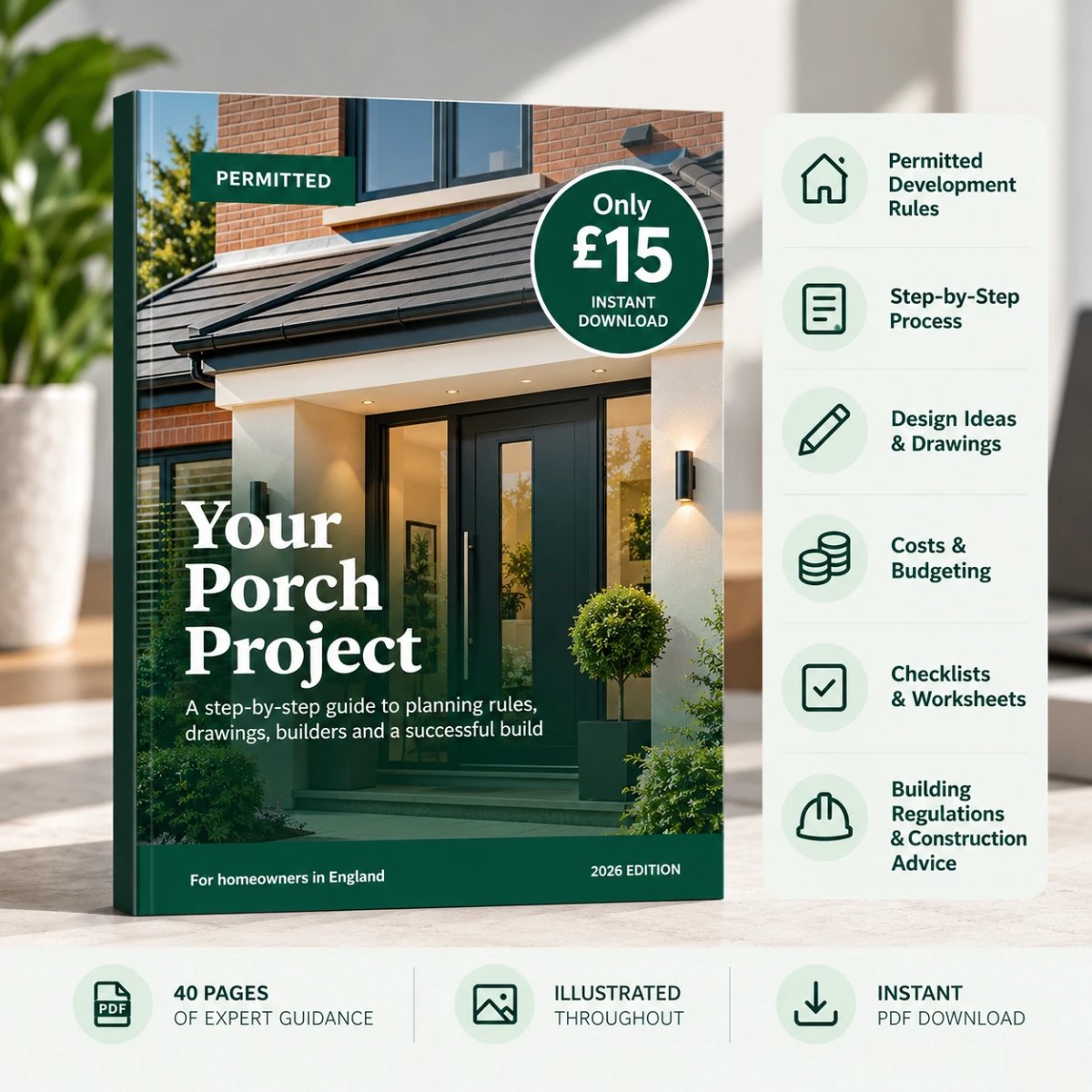
Rules, design options, costs and next steps.
View guide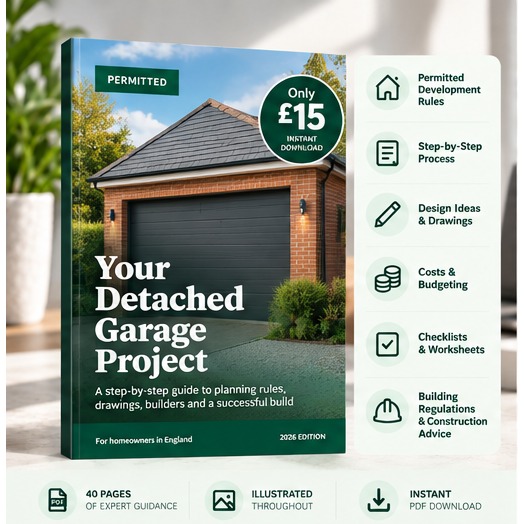
Rules, design options, costs and next steps.
View guide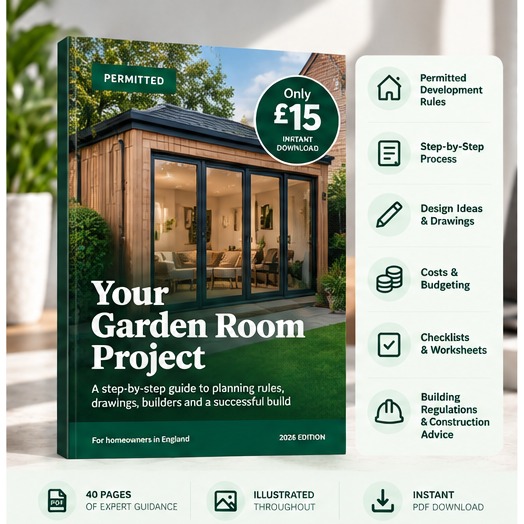
Rules, design options, costs and next steps.
View guide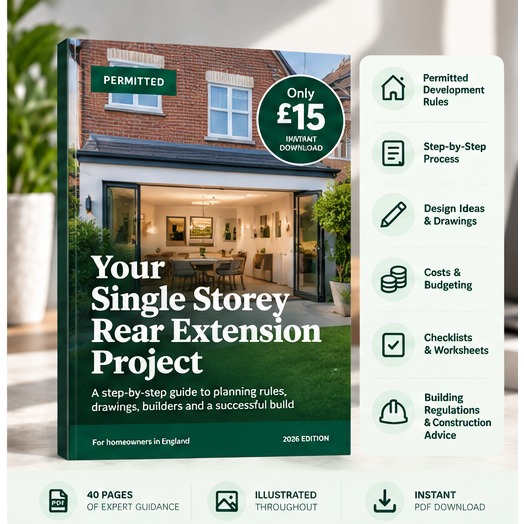
Rules, design options, costs and next steps.
View guide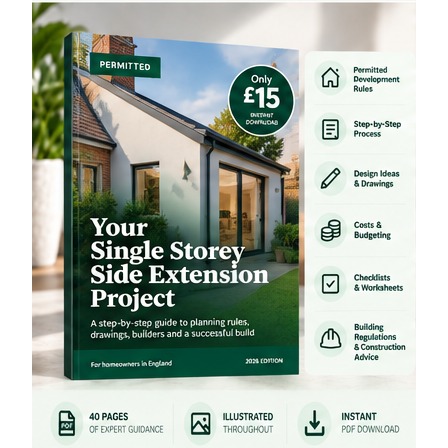
Rules, design options, costs and next steps.
View guide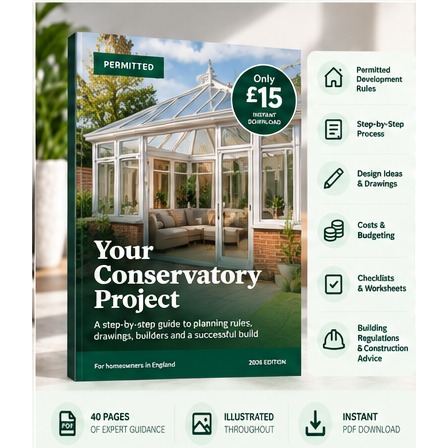
Rules, design options, costs and next steps.
View guide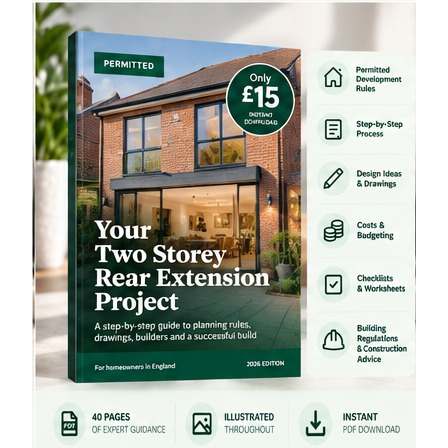
Rules, design options, costs and next steps.
View guide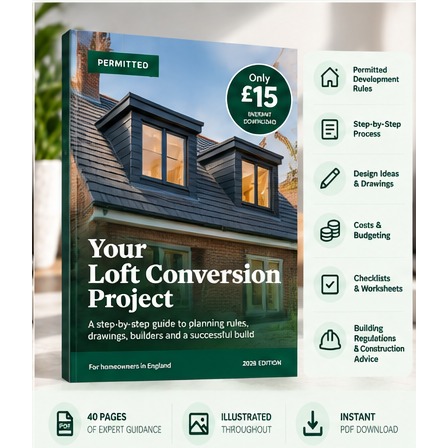
Rules, design options, costs and next steps.
View guideApplying for planning permission in England involves checking permitted development first, preparing drawings and a fee, and submitting through the Planning Portal. Here is the complete step-by-step process.
Before spending money on drawings and fees, check whether your proposed works fall within permitted development (PD) rights. Many common projects — including single-storey rear extensions, loft conversions and outbuildings — can be built without a planning application in England.
If PD does not apply — for example, your house is listed, in a conservation area, or the works exceed PD limits — you will need a householder planning application.
Before submitting a formal application, you can request pre-application advice from your Local Planning Authority (LPA). This is optional but recommended for:
Pre-application advice is usually charged (typically £50–£300 for householder enquiries). Some LPAs offer a free duty officer service. The advice is not binding but gives you an early steer on whether your scheme is likely to be approved and what changes might be needed.
A householder planning application requires several mandatory documents:
| Document | Specification | Notes |
|---|---|---|
| Location plan | OS-based, 1:1250 scale | Site outlined in red; land in applicant’s control in blue |
| Site/block plan | 1:500 scale | Shows proposed works on the plot |
| Existing floor plans | 1:50 or 1:100 | Current layout of the building |
| Proposed floor plans | 1:50 or 1:100 | Intended new layout |
| Existing elevations | 1:50 or 1:100 | All affected sides of the building |
| Proposed elevations | 1:50 or 1:100 | Showing materials and dimensions |
| Application fee | £548 | Paid online via the Planning Portal |
Some applications also require a Design and Access Statement — this is mandatory for applications in designated areas (World Heritage Sites, National Parks) and for developments involving dwellings. For standard householder applications it is usually optional but can help explain your design approach.
All planning applications in England are submitted through the Planning Portal at planningportal.co.uk. This is the national system used by every English LPA.
The process:
After submission, the LPA checks that all required documents are present and the fee has been paid. This validation process usually takes 1–2 weeks. If anything is missing, the LPA will contact you with a validation notice and the clock does not start until the application is valid.
Once validated, the LPA will:
Neighbours can submit written representations supporting or objecting to the application. The LPA must consider these but is not bound by the volume of objections — the decision must be made on planning merits.
The LPA must determine a householder application within 8 weeks of validation (13 weeks for major applications). The decision will be one of:
If refused, you can amend and resubmit (free if within 12 months of refusal on the same site) or appeal to the Planning Inspectorate within 12 weeks of the refusal.
| Feature | Householder Application | Full Planning Application |
|---|---|---|
| When to use | Extensions, loft conversions, outbuildings to existing house | New dwellings, change of use, commercial development |
| Fee (from 1 April 2026) | £548 | £610 per dwelling (up to 0.1ha) |
| Decision period | 8 weeks | 8 weeks (minor) / 13 weeks (major) |
| Outline permission possible? | No | Yes |
You are not legally required to use an architect for a planning application. However, professional drawings prepared by an architect or architectural technician are strongly advisable because:
For a simple single-storey extension, expect to pay £300–£800 for drawings only from an architectural technician. Full architectural services (including project management and contractor procurement) cost more.
Yes. You can prepare and submit a planning application yourself. However, the drawings must meet LPA standards (correct scale, showing existing and proposed, dimensions, etc.). Many applicants use an architectural technician to prepare drawings while handling the submission themselves.
You can amend and resubmit within 12 months free of charge, or appeal to the Planning Inspectorate within 12 weeks of the refusal decision. Appeals are free and determined by an independent inspector.
Householder applications have an 8-week statutory target from validation. In practice many applications take 10–14 weeks, particularly in busy LPAs. Pre-application advice and complete documentation at submission can speed up the process.
The fee is refunded if the application is declared invalid. It is not refunded if the application is refused or withdrawn. If you resubmit within 12 months of a refusal on the same site, there is no additional fee.
This kind of project usually needs planning permission rather than permitted development. PERMITTED is part of YPDS Architectural Services, a Leeds architectural design practice that designs, prepares and manages planning applications.
Planning a project? Browse our permitted development drawing sets — fixed price, supplied exactly as sold and emailed to you as a PDF.
Each one is already drawn. You choose the material, roof and options we actually draw, and that is the package you receive.
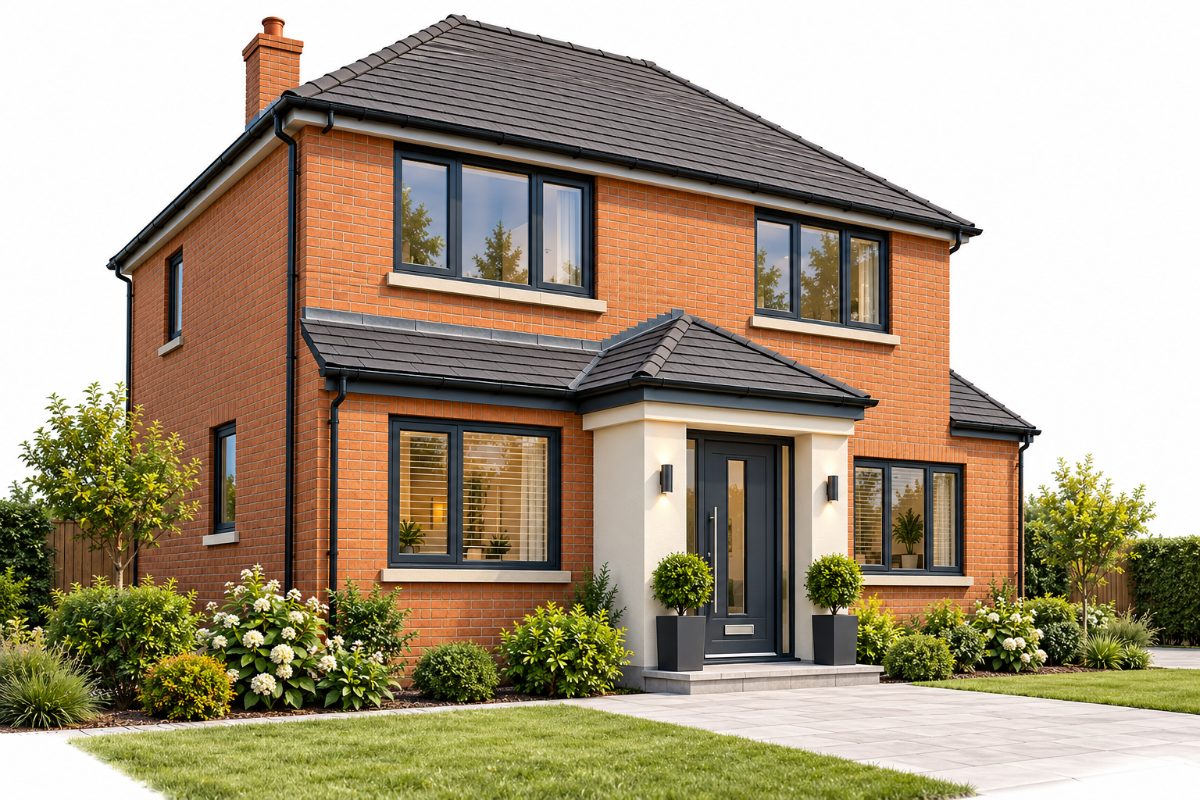
A practical entrance area that adds space and improves the look of your home.
£350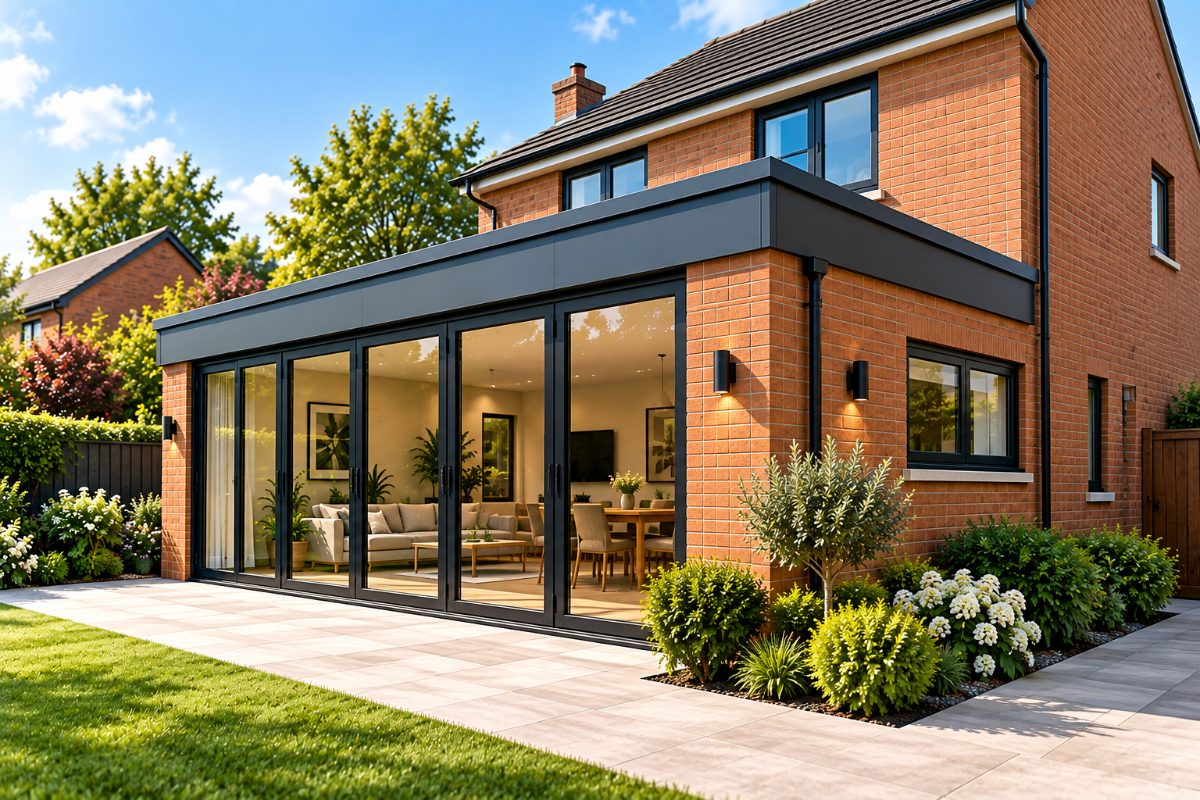
A popular way to create a larger kitchen, dining or family area.
£900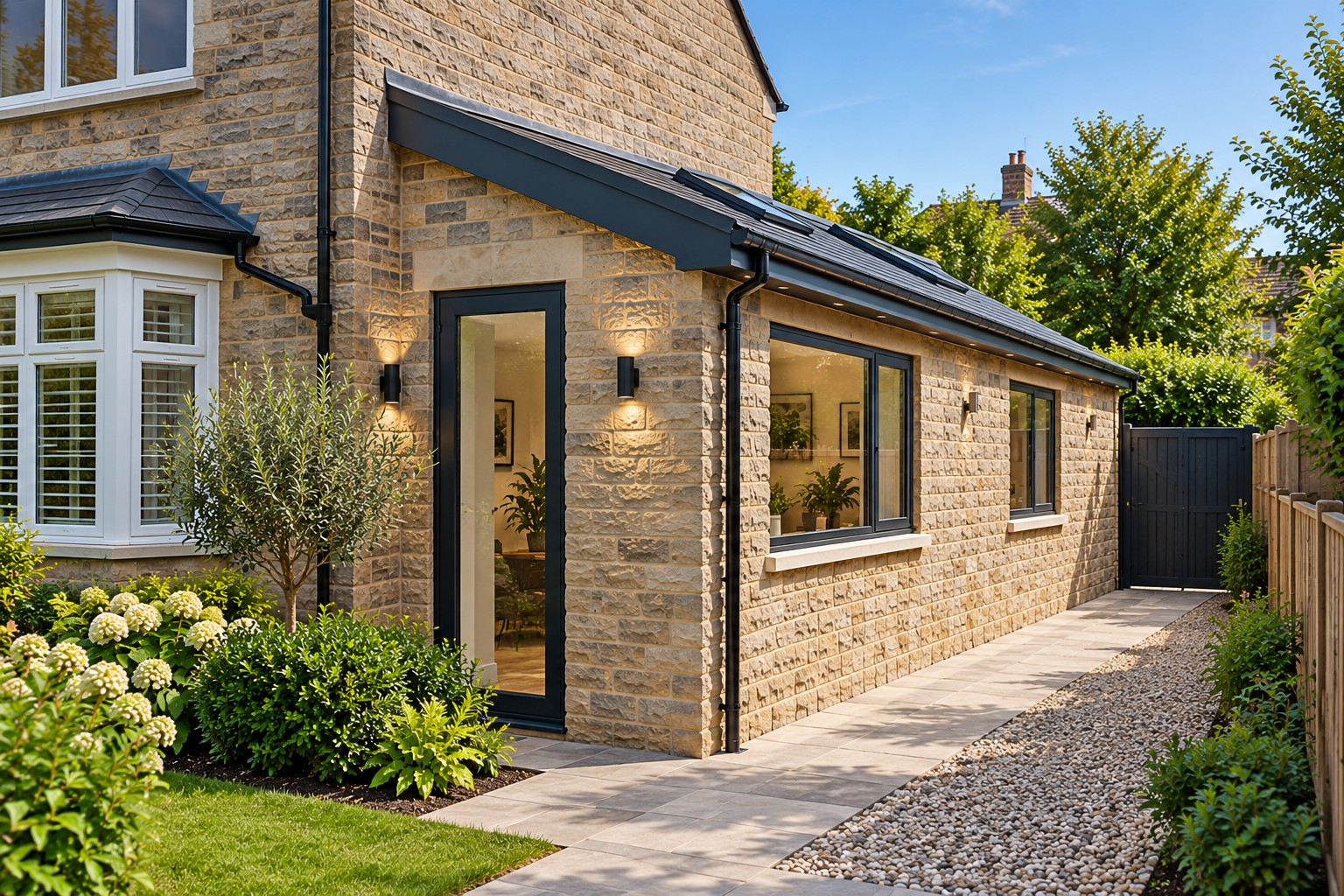
Adds valuable space to the side of your home for a kitchen or utility.
£900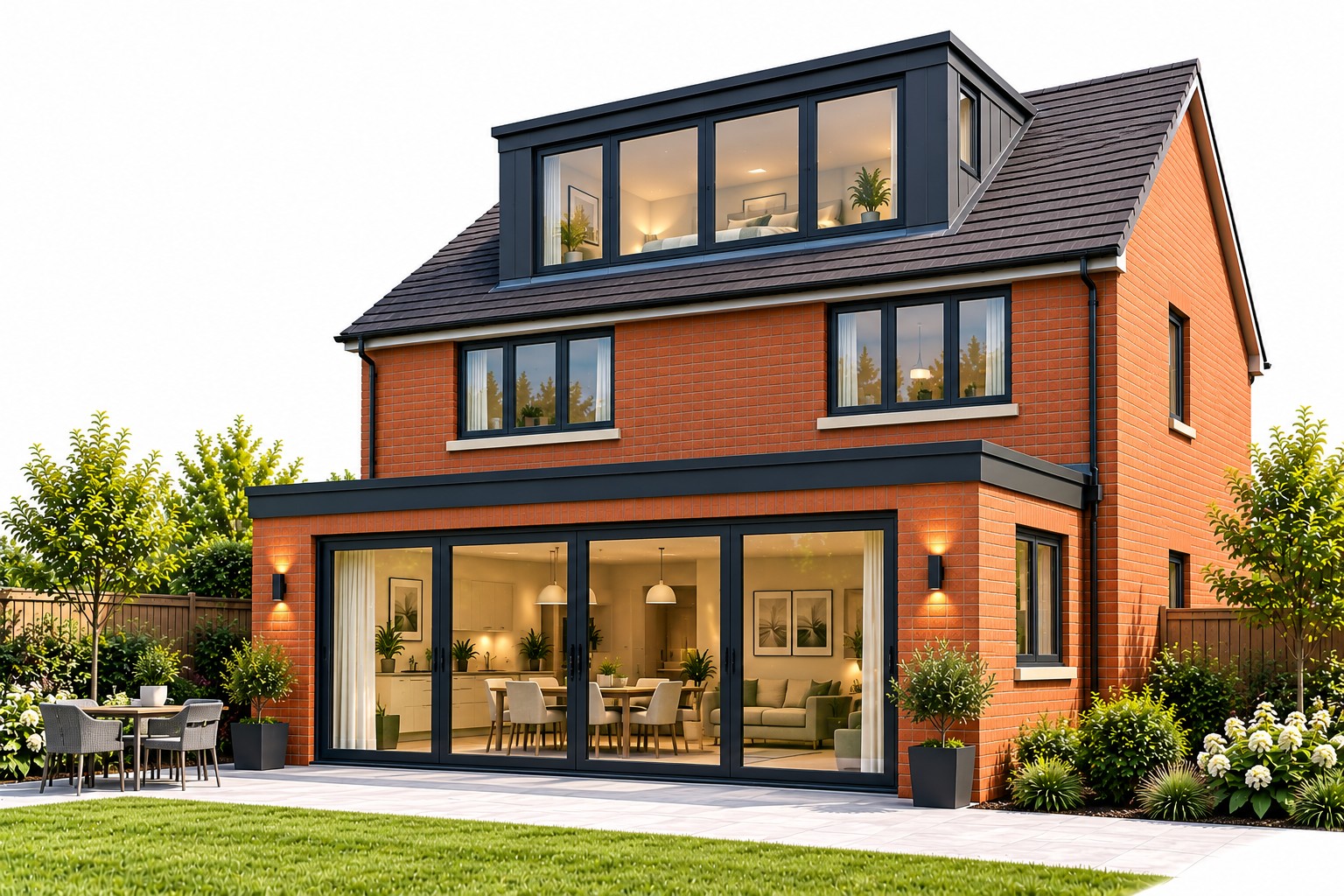
Turns unused loft space into a bedroom, office or additional living area.
£1,500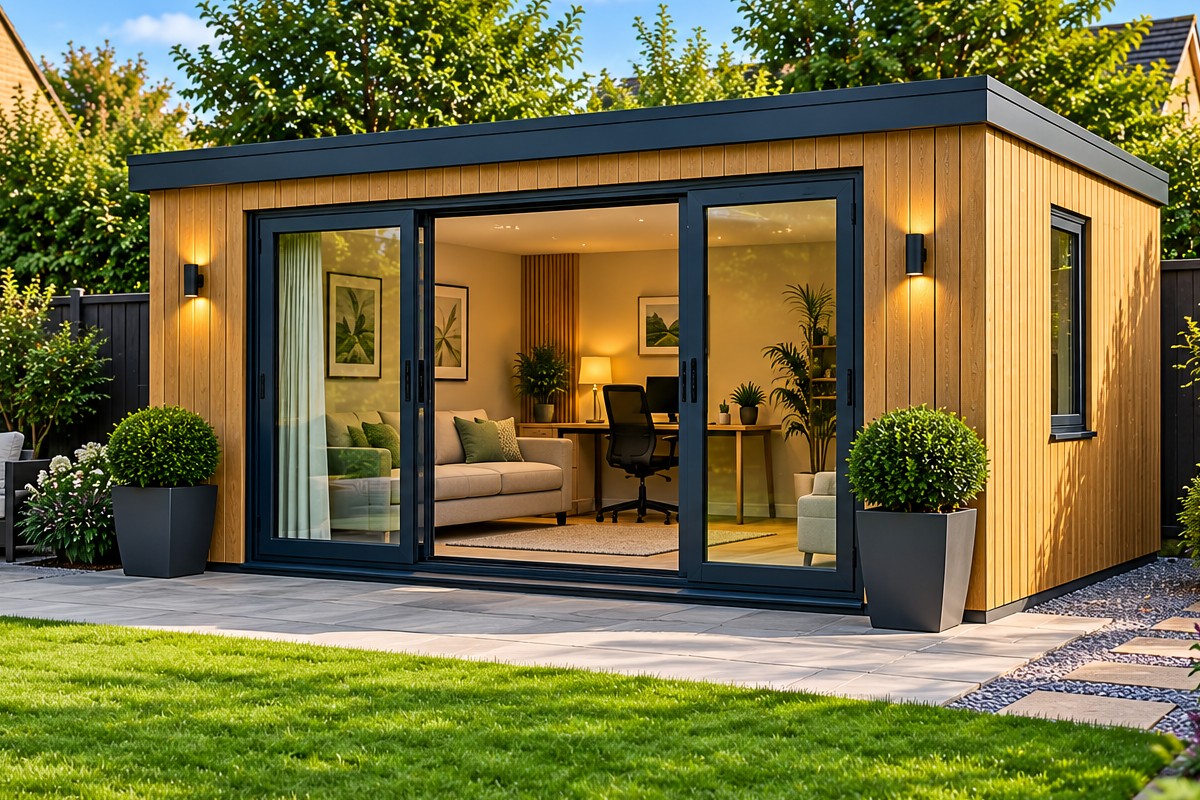
A flexible, detached space for work, leisure or extra living space.
£350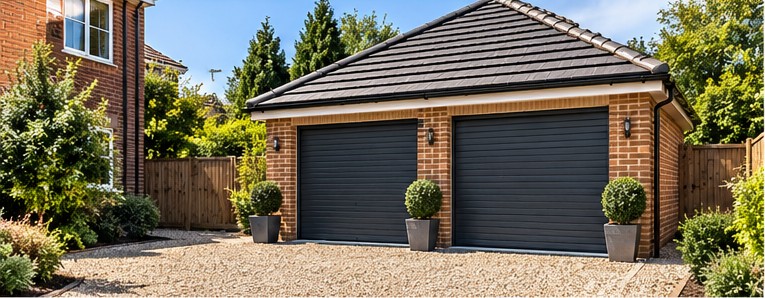
Secure parking or useful storage, single or double.
£350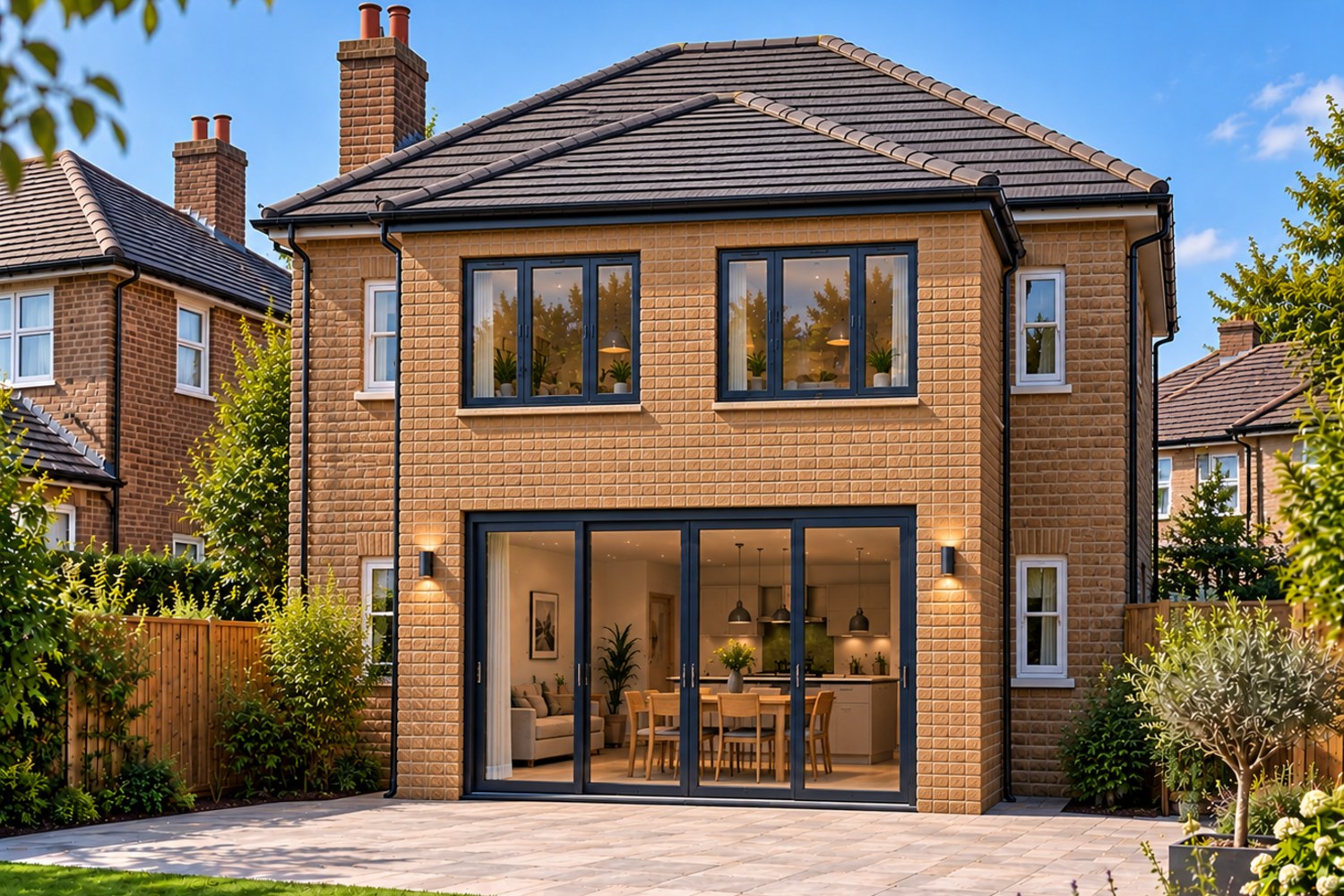
Significantly more living space across both floors.
£1,400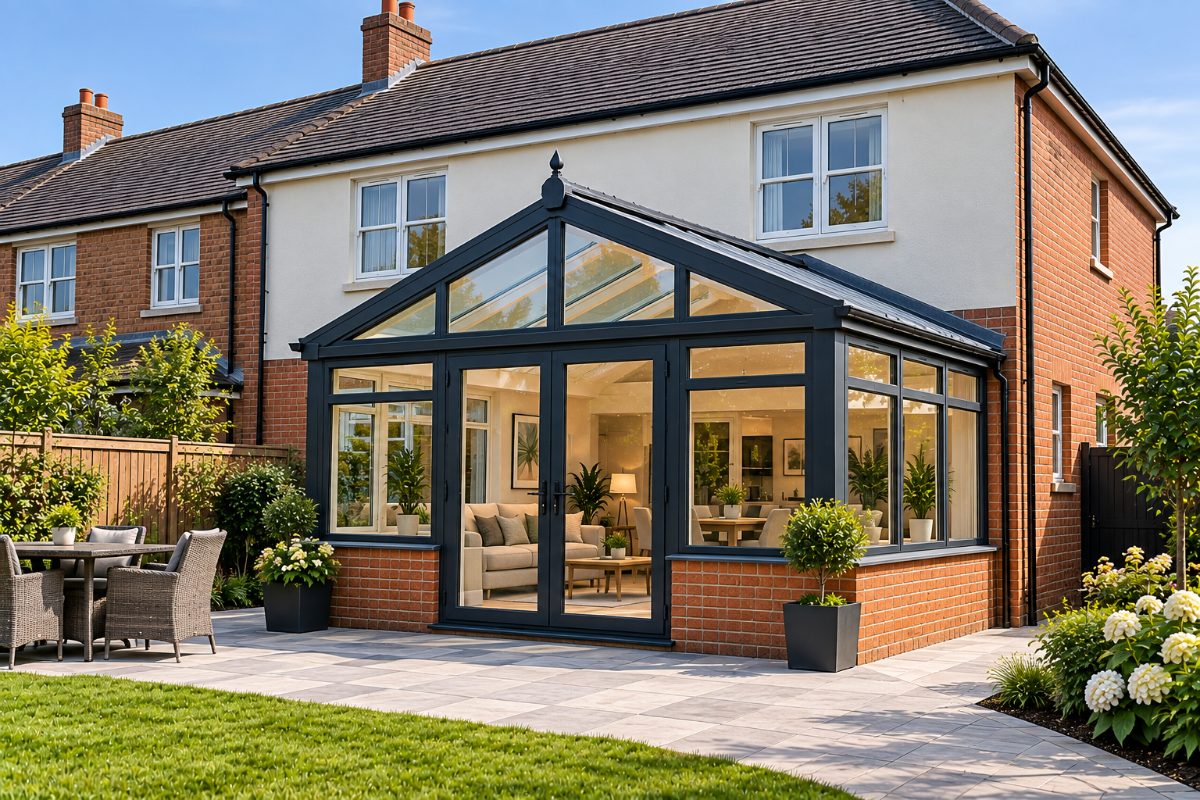
A bright, glazed room connecting your home to the garden.
£900PERMITTED HOMEOWNER GUIDES
Our illustrated, practical guides help you understand the rules, explore design options and budget with confidence — before you commit to building work.
Explore all guidesRules, design options, costs and next steps.
View guideRules, design options, costs and next steps.
View guideRules, design options, costs and next steps.
View guideRules, design options, costs and next steps.
View guideRules, design options, costs and next steps.
View guideRules, design options, costs and next steps.
View guideRules, design options, costs and next steps.
View guideRules, design options, costs and next steps.
View guideWe use cookies that are needed to run the basket and checkout. We would also like to use analytics cookies to understand how the site is used. We only do that if you say yes.

Maximize your property’s footprint with precision and ease. Permitted provides complete design for Permitted Development Rights. Our packages are designed around the Permitted Development limits, so many projects can proceed without a full planning application.
PERMITTED is operated by Yorkshire Property Design Services Limited, registered in England and Wales under company number 12698267.
Registered office: Ground Floor, Techno Centre, Station Road, Horsforth, Leeds, LS18 5BJ
Business contact address: Wira House, Ground Floor, Suite 5, Ring Road, West Park, Leeds, LS16 6EB