


Permitted Development rules





Professional, builder-ready drawing packages for extensions, lofts, porches, garages, garden rooms and more — designed to Permitted Development parameters and supplied as sold.
PERMITTED HOMEOWNER GUIDES
Our illustrated, practical guides help you understand the rules, explore design options and budget with confidence — before you commit to building work.
Explore all guides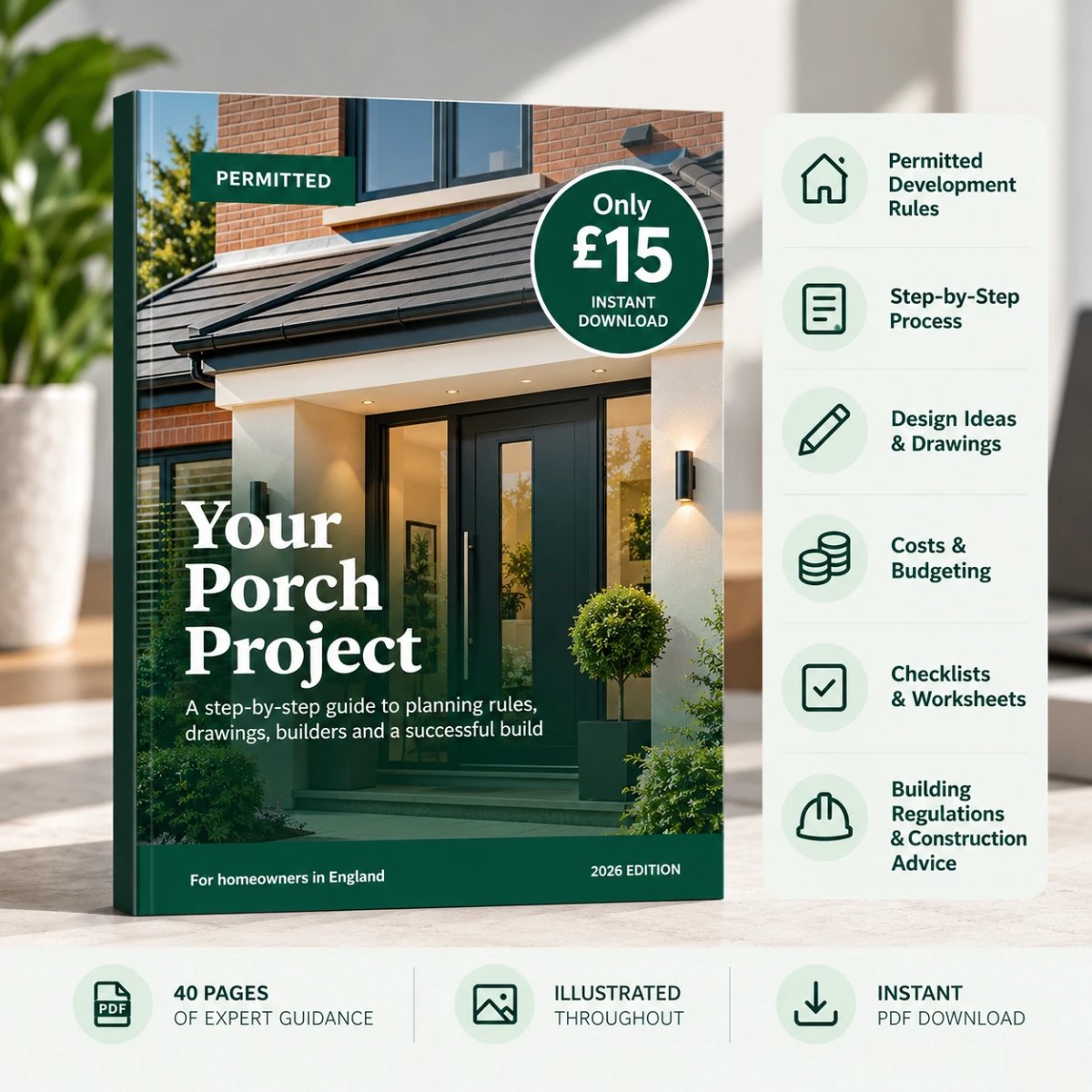
Rules, design options, costs and next steps.
View guide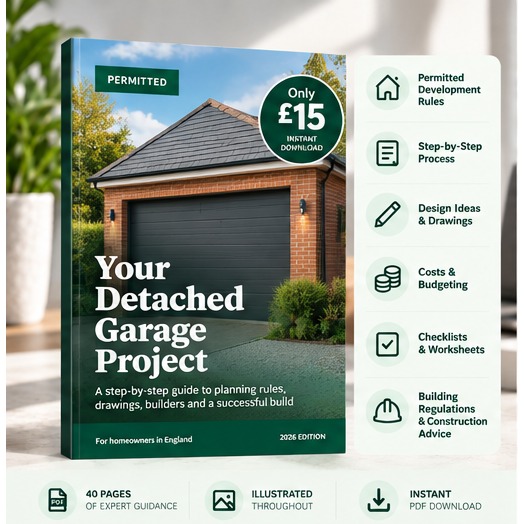
Rules, design options, costs and next steps.
View guide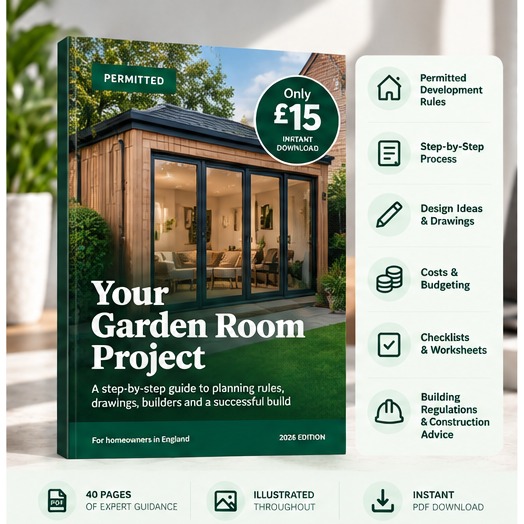
Rules, design options, costs and next steps.
View guide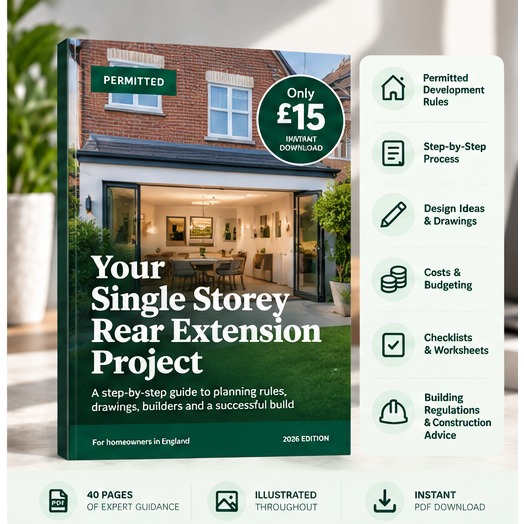
Rules, design options, costs and next steps.
View guide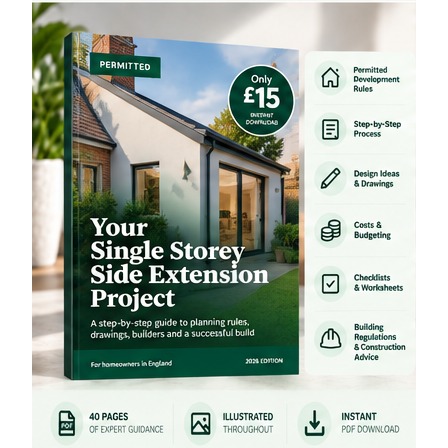
Rules, design options, costs and next steps.
View guide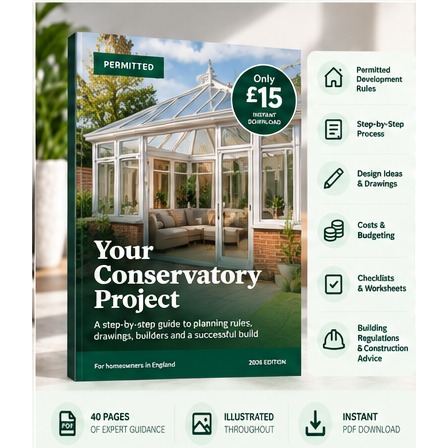
Rules, design options, costs and next steps.
View guide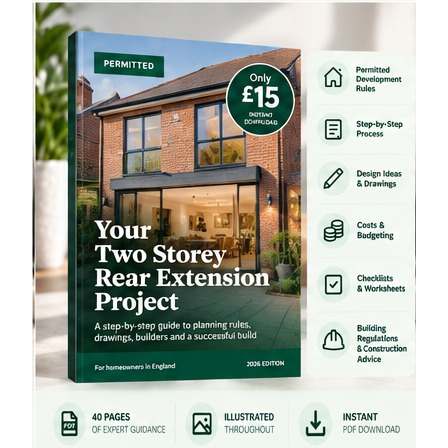
Rules, design options, costs and next steps.
View guide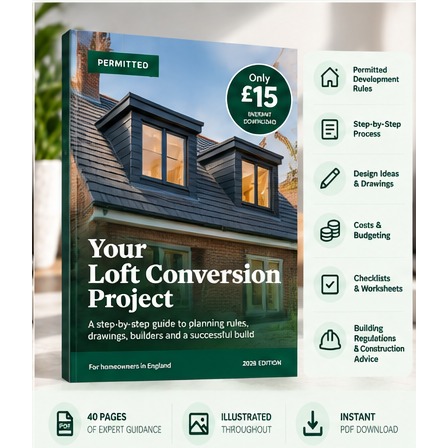
Rules, design options, costs and next steps.
View guideMany councils have removed the Class L permitted development right that normally allows a house to be converted to a small HMO without planning permission. Here’s what landlords need to know before converting a property.
Where an Article 4 Direction removes Class L PD rights, you need full planning permission to convert a house (C3) to a small HMO (C4) — even for 3–6 tenants. Check before you convert.
Class L of Schedule 2, Part 3 to the GPDO 2015 grants permitted development rights for the change of use between a C3 dwelling house (a standard family home) and a C4 small HMO (a house in multiple occupation occupied by 3 to 6 unrelated people). This right works in both directions — C3 to C4, and C4 back to C3 — without any planning application.
This right was introduced to reflect the practical reality that many houses are let to groups of students or young professionals without any formal change of use having been applied for. However, it came with a significant caveat: LPAs can remove it using an Article 4 Direction.
Where an LPA has made and confirmed an A4D removing Class L rights in an area:
Many LPAs set a threshold of around 10–20% of properties in a defined area as HMOs. If this threshold is exceeded, a planning application is likely to be refused on policy grounds.
| Use Class | Description | PD right to convert? | If A4D applies |
|---|---|---|---|
| C3 | Dwelling house (family home) | N/A — starting point | N/A |
| C4 | Small HMO (3–6 unrelated) | Yes — Class L PD right | Planning permission required |
| Sui Generis | Large HMO (7+ unrelated) | No — always needs planning | N/A (no change) |
HMO Article 4 Directions are widespread in university cities, London, and areas of high private rented sector density. The following have borough-wide or near-borough-wide Class L A4Ds:
This is not an exhaustive list — check your LPA’s website. New A4Ds are made regularly. The position as of mid-2025 is that the majority of urban LPAs in England have introduced at least a partial HMO A4D.
If you have already converted a C3 dwelling to a C4 HMO in an area where an A4D removes Class L rights — and you did not obtain planning permission — you have a potential enforcement issue. Your options are:
Before taking either route, take specialist planning advice. If an enforcement notice has already been issued, time limits for appeal apply and you should act quickly.
The C3/C4 boundary is important:
HMO licensing and planning permission are entirely separate regimes administered by different parts of the council:
Class L is the permitted development right under Schedule 2, Part 3 of the GPDO 2015 that allows the change of use between a C3 dwelling house and a C4 small HMO (3–6 unrelated occupiers) without planning permission. It can be removed by an Article 4 Direction.
If no Article 4 Direction has removed Class L rights in your area, converting a C3 home to a C4 HMO (3–6 occupiers) is permitted development. If an A4D is in force, planning permission is required. Converting to a large HMO (7+ occupiers, sui generis) always requires planning permission.
Many urban LPAs have made Article 4 Directions removing Class L rights, including numerous London boroughs, Oxford, Cambridge, Bristol, Leeds, Sheffield, Portsmouth, Brighton, and others. Check your specific LPA’s website for current directions.
Yes. HMO licensing and planning permission are separate regimes. An HMO licence does not substitute for or regularise a missing planning permission. If an A4D applies and you converted without permission, you need to seek retrospective planning consent.
You will have carried out development without planning permission. The LPA can serve an enforcement notice requiring you to revert the property to C3 use. You may also be unable to sell the property without resolving the planning breach. Take specialist advice and consider a retrospective application or LDC application promptly.
Extensions, loft conversions, outbuildings, solar panels — our complete guide covers everything you can build without planning permission.
Each one is already drawn. You choose the material, roof and options we actually draw, and that is the package you receive.
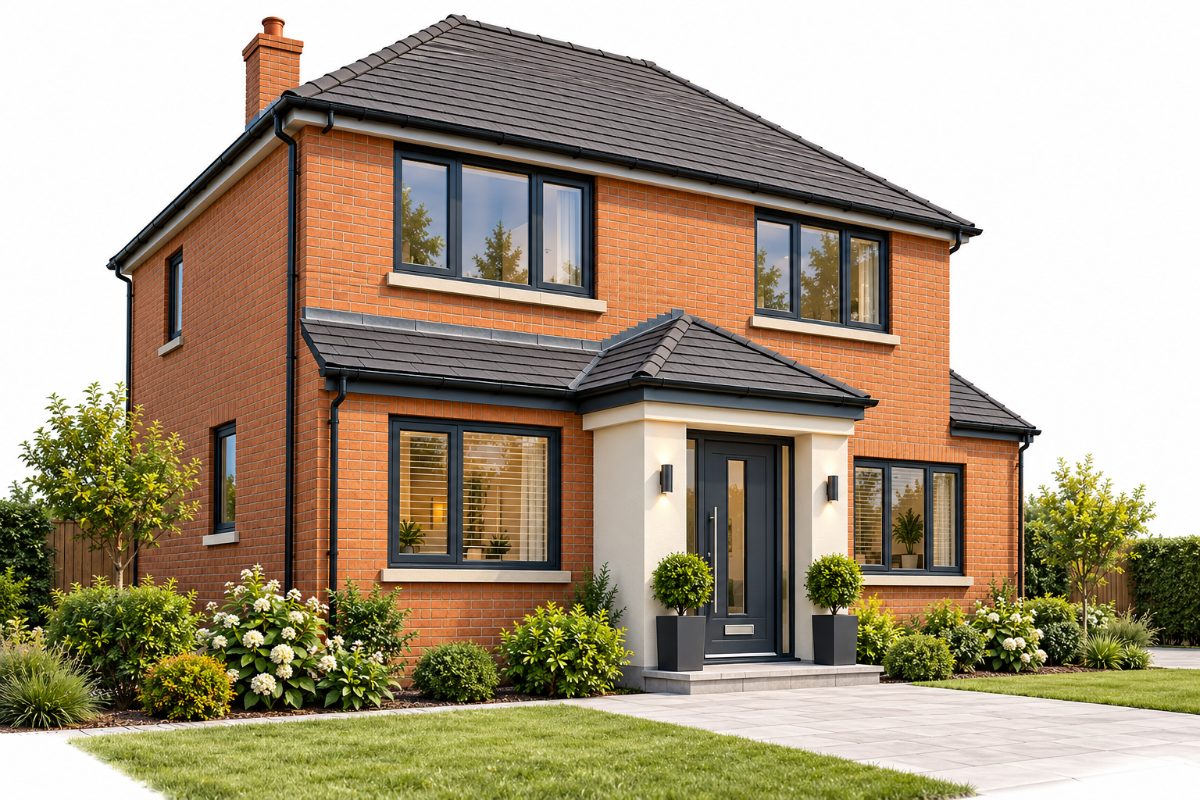
A practical entrance area that adds space and improves the look of your home.
£350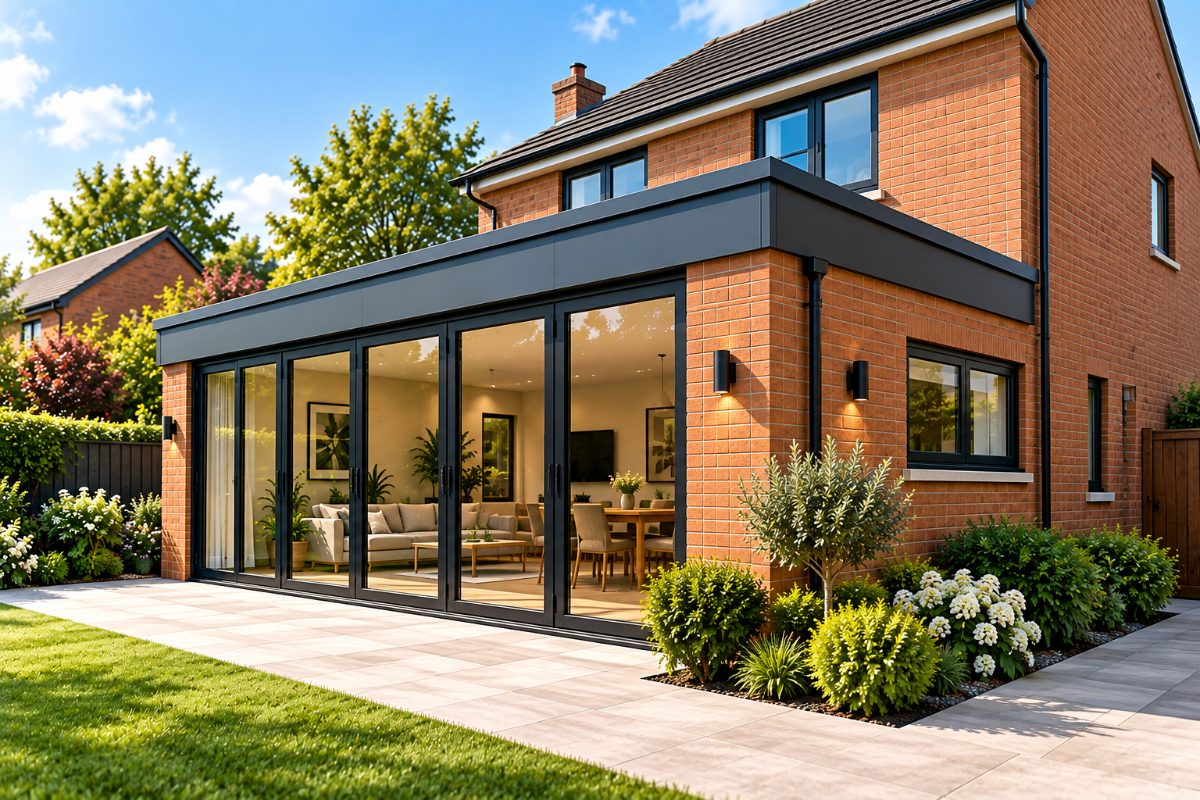
A popular way to create a larger kitchen, dining or family area.
£900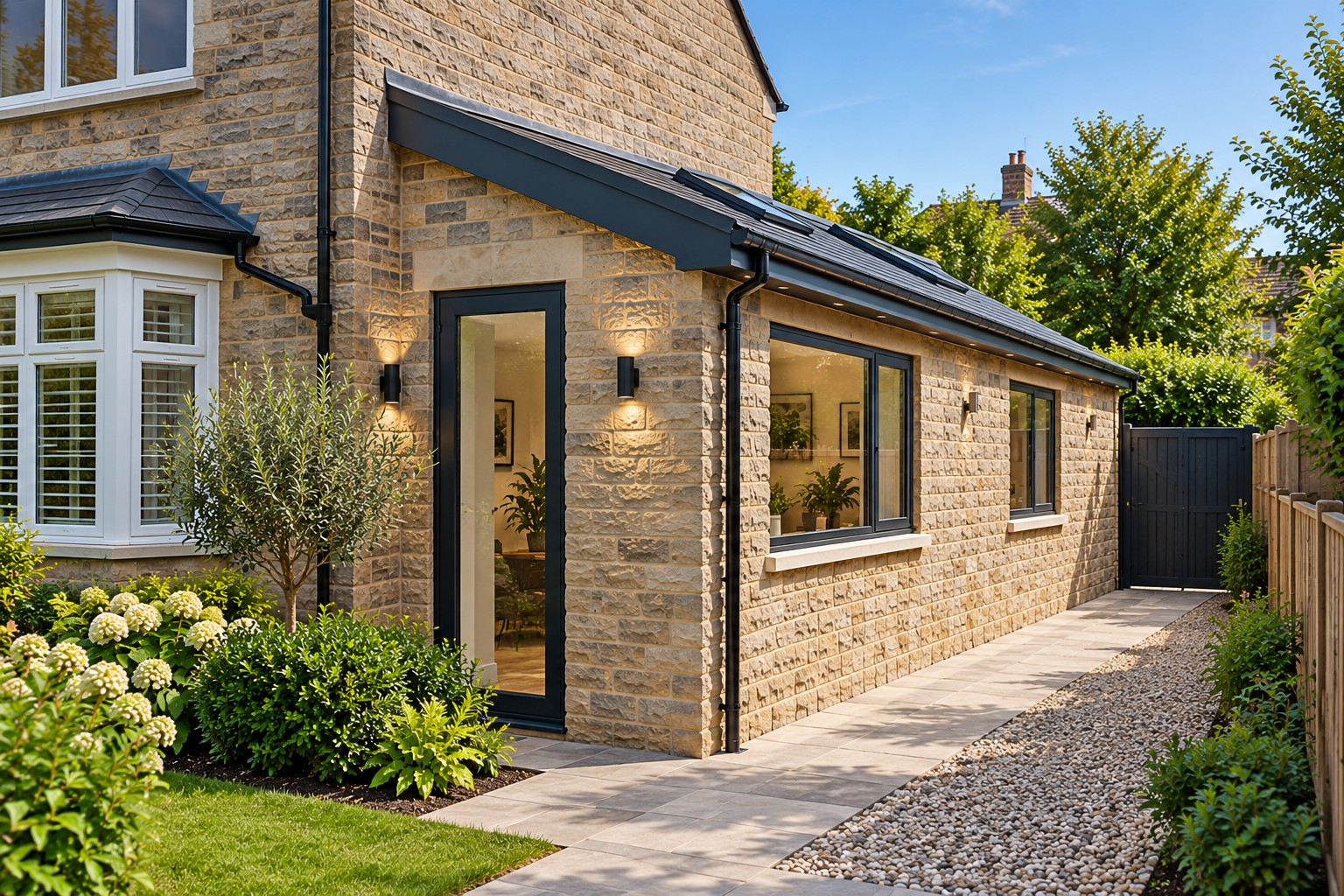
Adds valuable space to the side of your home for a kitchen or utility.
£900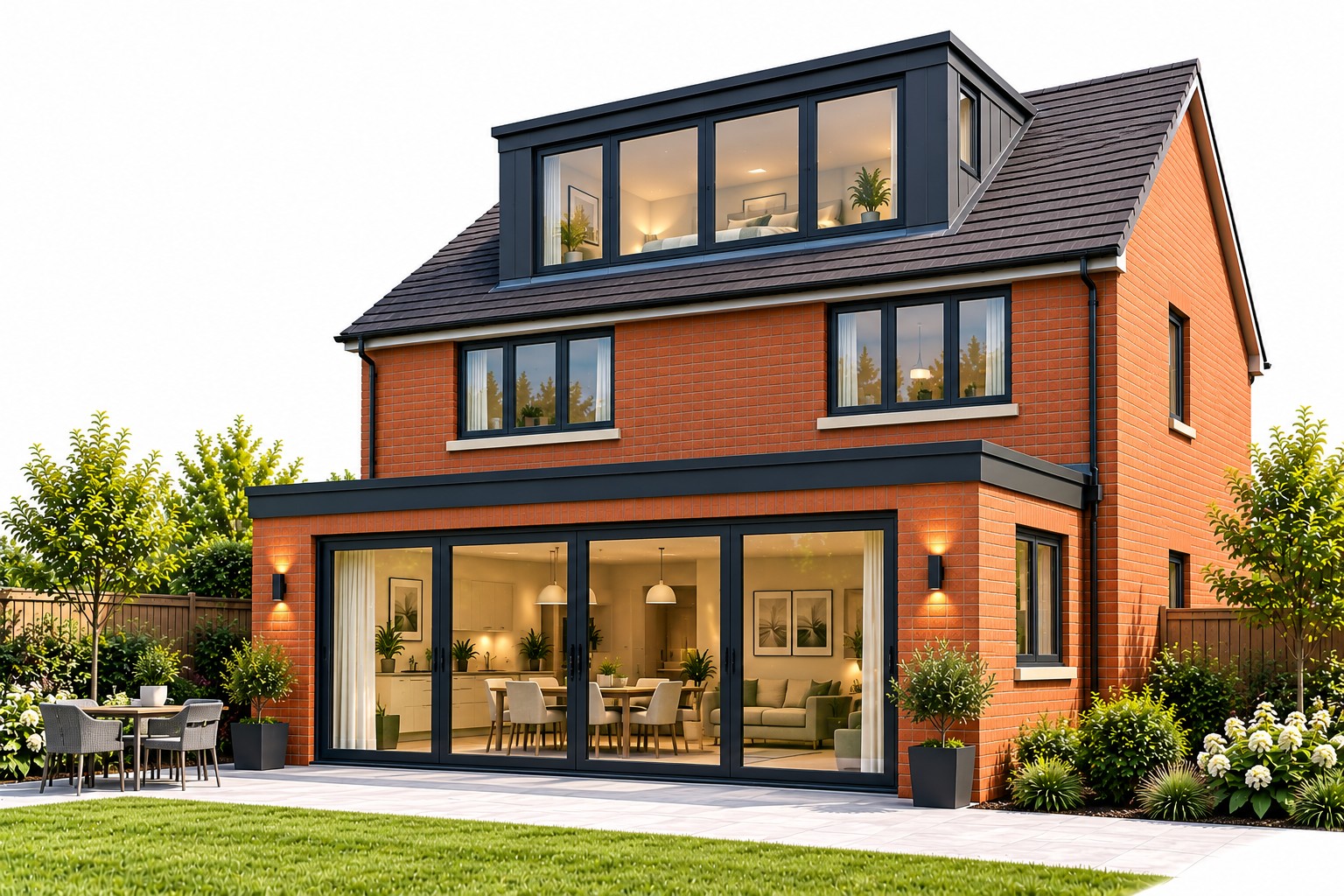
Turns unused loft space into a bedroom, office or additional living area.
£1,500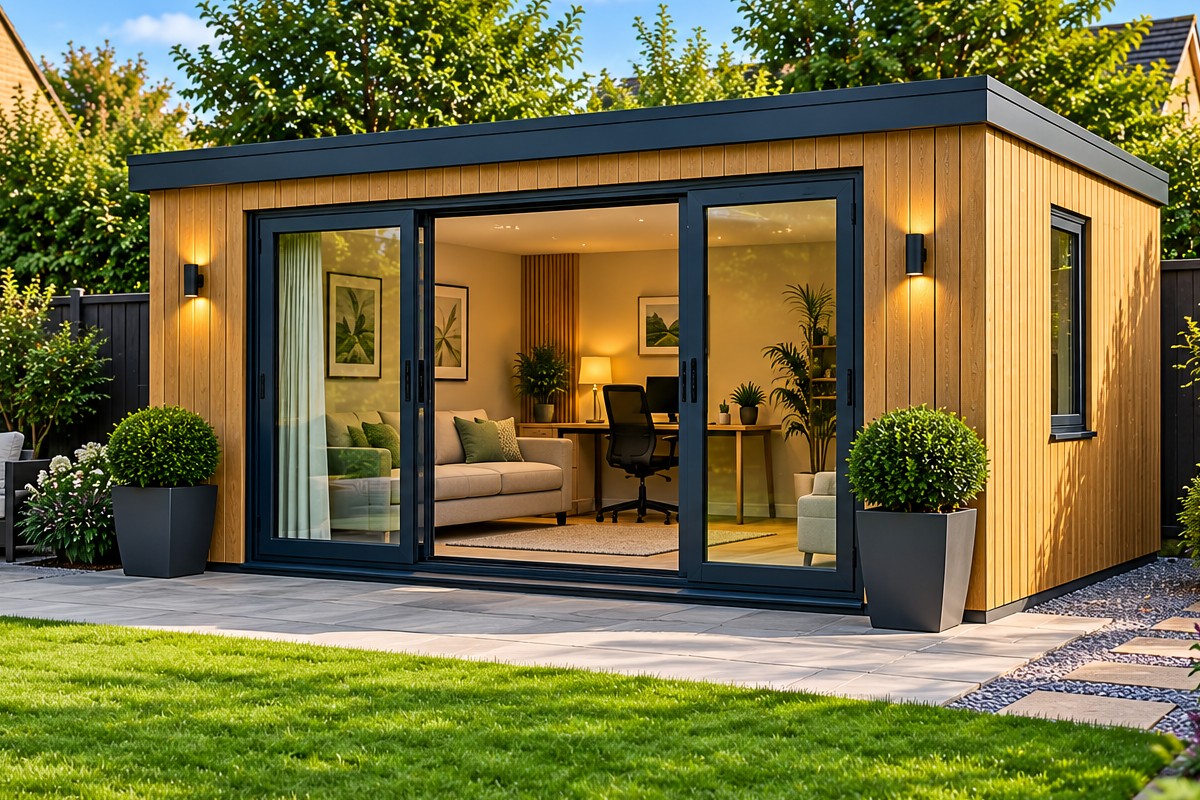
A flexible, detached space for work, leisure or extra living space.
£350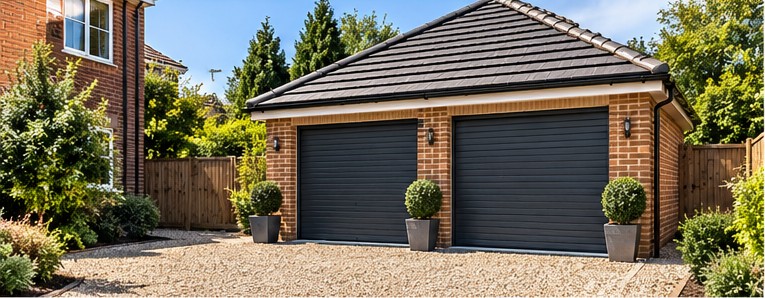
Secure parking or useful storage, single or double.
£350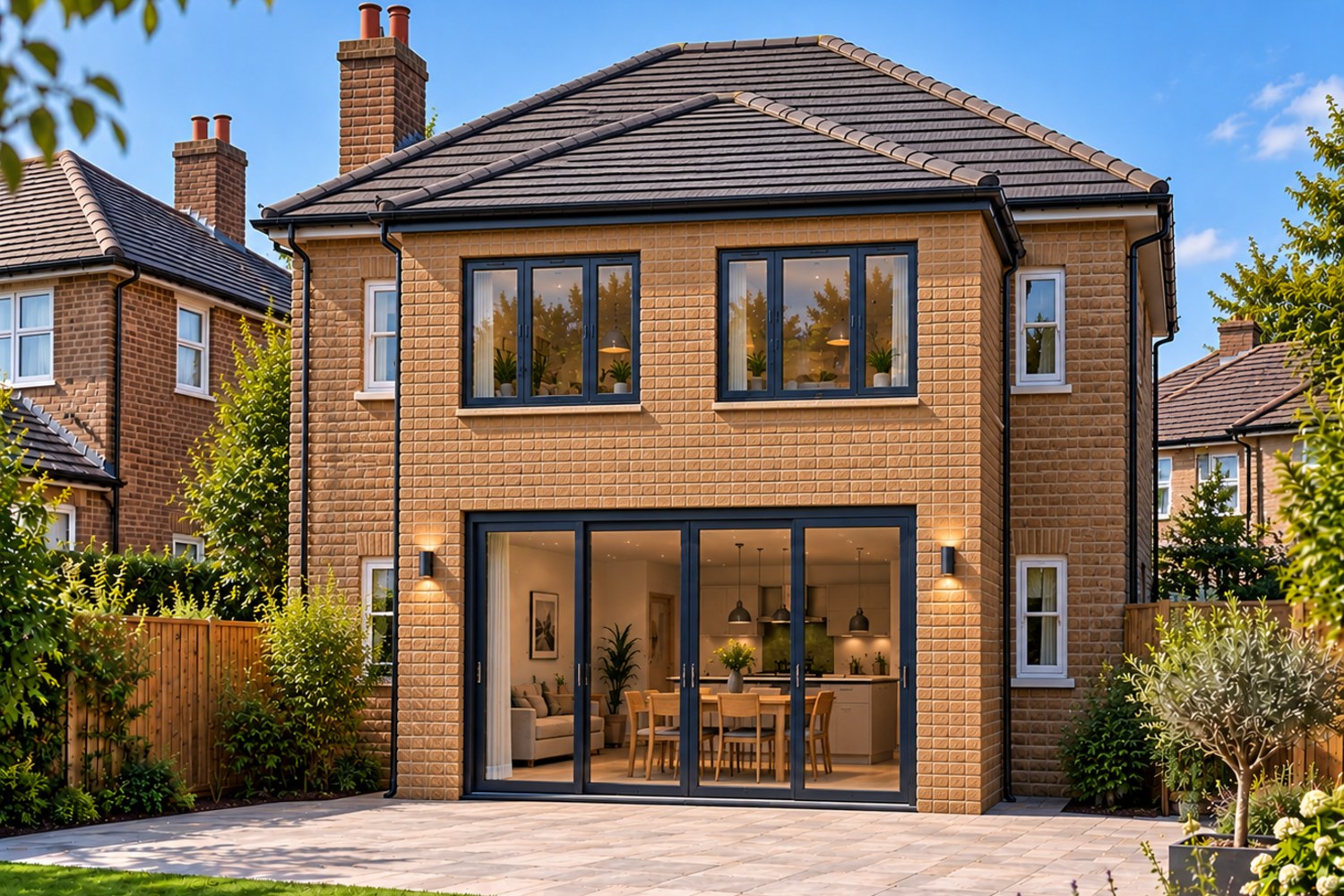
Significantly more living space across both floors.
£1,400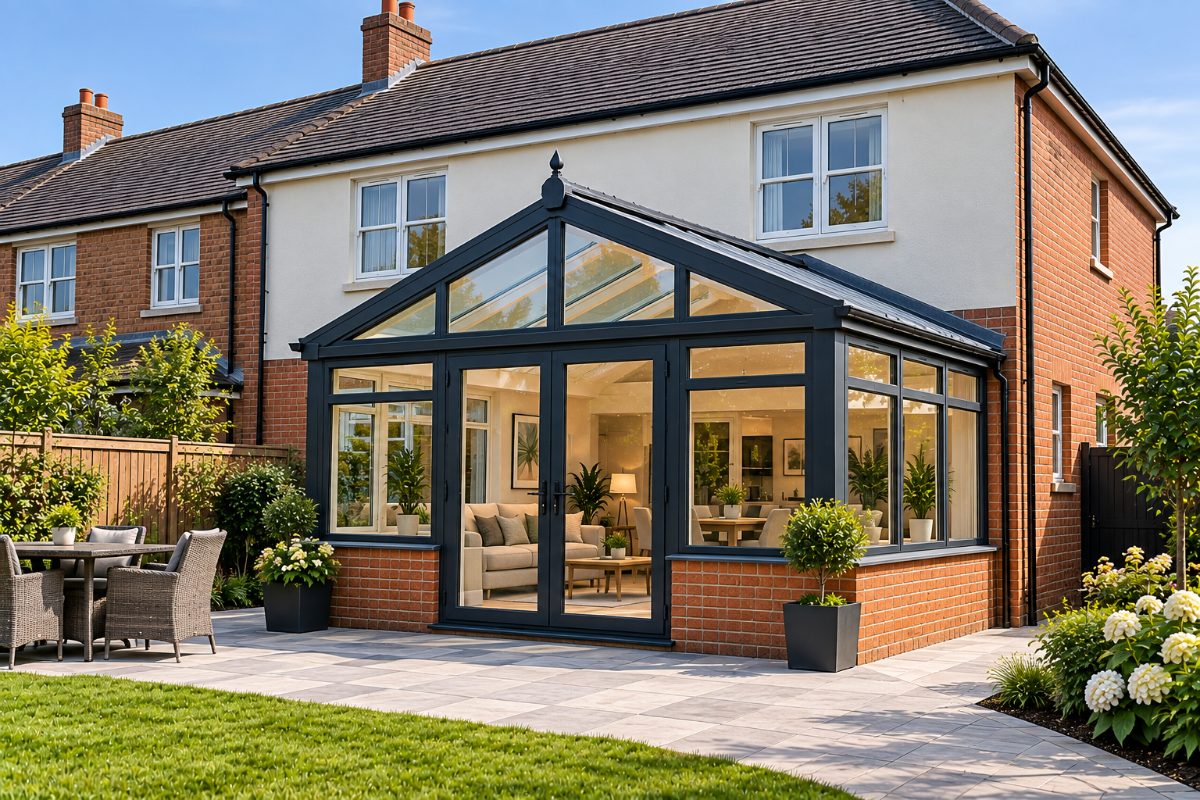
A bright, glazed room connecting your home to the garden.
£900PERMITTED HOMEOWNER GUIDES
Our illustrated, practical guides help you understand the rules, explore design options and budget with confidence — before you commit to building work.
Explore all guidesRules, design options, costs and next steps.
View guideRules, design options, costs and next steps.
View guideRules, design options, costs and next steps.
View guideRules, design options, costs and next steps.
View guideRules, design options, costs and next steps.
View guideRules, design options, costs and next steps.
View guideRules, design options, costs and next steps.
View guideRules, design options, costs and next steps.
View guideWe use cookies that are needed to run the basket and checkout. We would also like to use analytics cookies to understand how the site is used. We only do that if you say yes.

Maximize your property’s footprint with precision and ease. Permitted provides complete design for Permitted Development Rights. Our packages are designed around the Permitted Development limits, so many projects can proceed without a full planning application.
PERMITTED is operated by Yorkshire Property Design Services Limited, registered in England and Wales under company number 12698267.
Registered office: Ground Floor, Techno Centre, Station Road, Horsforth, Leeds, LS18 5BJ
Business contact address: Wira House, Ground Floor, Suite 5, Ring Road, West Park, Leeds, LS16 6EB