


Permitted Development rules





Professional, builder-ready drawing packages for extensions, lofts, porches, garages, garden rooms and more — designed to Permitted Development parameters and supplied as sold.
PERMITTED HOMEOWNER GUIDES
Our illustrated, practical guides help you understand the rules, explore design options and budget with confidence — before you commit to building work.
Explore all guides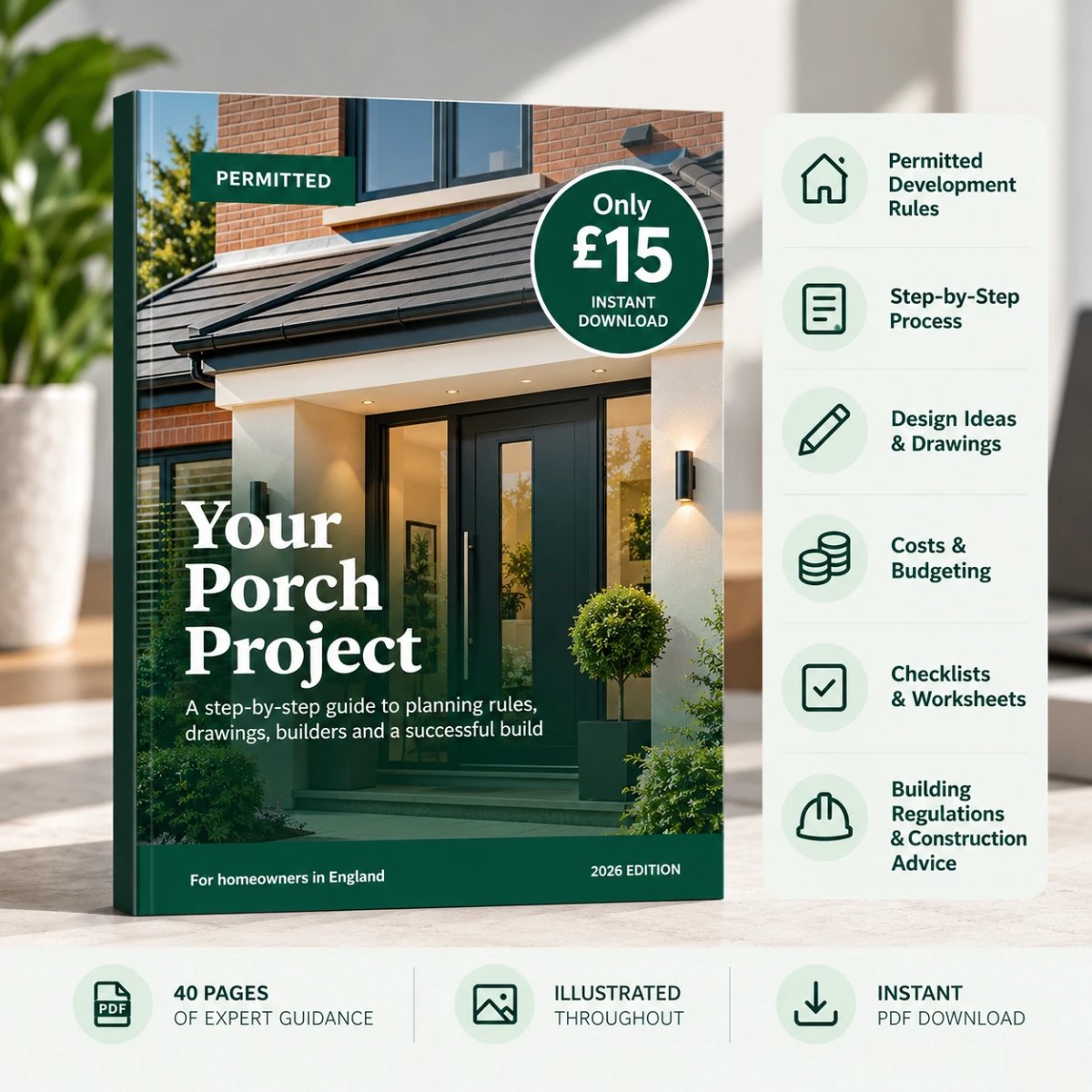
Rules, design options, costs and next steps.
View guide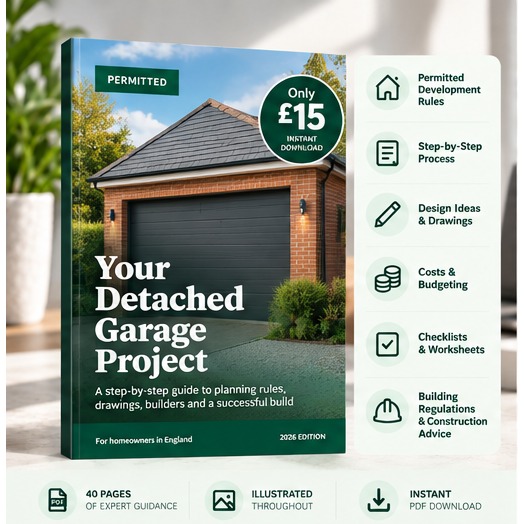
Rules, design options, costs and next steps.
View guide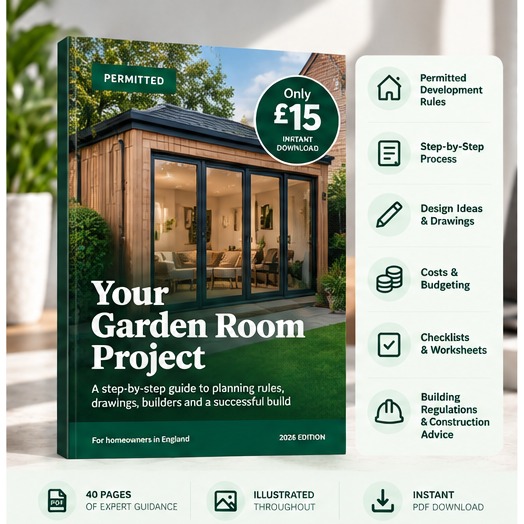
Rules, design options, costs and next steps.
View guide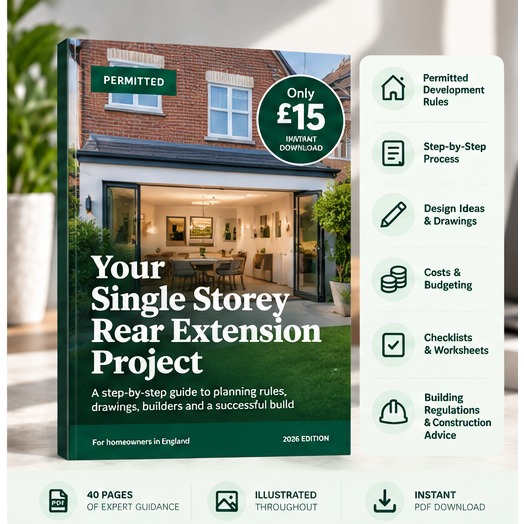
Rules, design options, costs and next steps.
View guide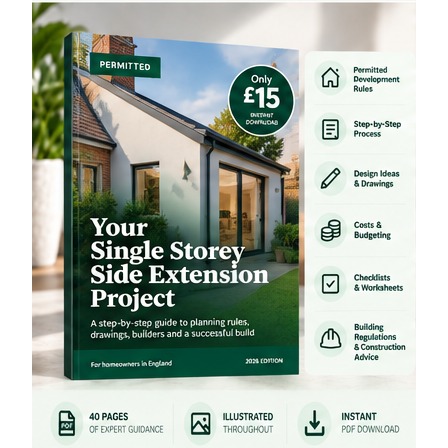
Rules, design options, costs and next steps.
View guide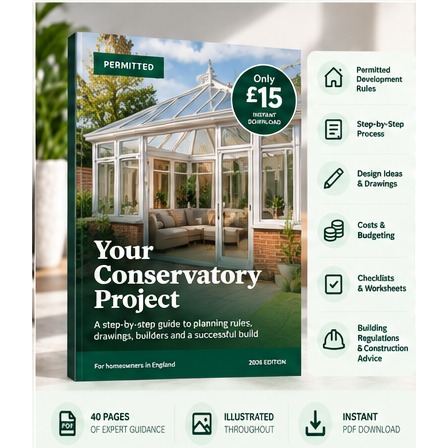
Rules, design options, costs and next steps.
View guide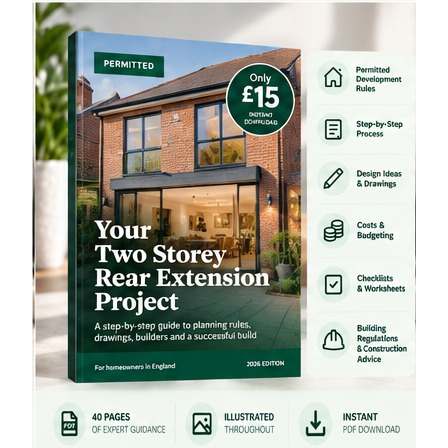
Rules, design options, costs and next steps.
View guide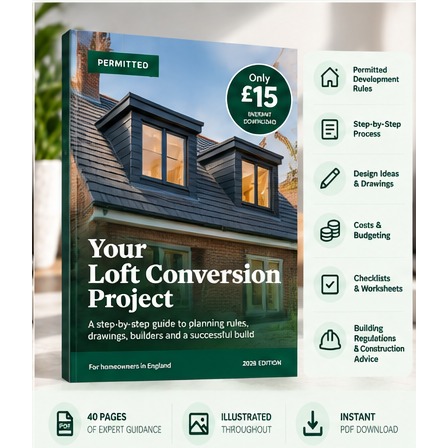
Rules, design options, costs and next steps.
View guideHouseholder planning applications have an 8-week statutory target; major applications 13 weeks. Here is what affects decision times, what happens when the LPA is late, and realistic timescales in practice.
The statutory determination period for planning applications in England is set by the Town and Country Planning (Development Management Procedure) (England) Order 2010. The clock starts from the date of validation (not submission).
| Application Type | Statutory Target | What This Covers |
|---|---|---|
| Householder | 8 weeks | Extensions, loft conversions, outbuildings |
| Minor (non-householder) | 8 weeks | 1–9 dwellings; commercial up to 1,000m² |
| Major | 13 weeks | 10+ dwellings; 1,000m²+ floor area; 1 ha+ |
| EIA development | 16 weeks | Development requiring Environmental Impact Assessment |
If the LPA does not determine your application within the statutory period, you have two options:
The statutory periods are targets, not guarantees. In practice:
| Application Type | Statutory Target | Typical Actual Time (2024) |
|---|---|---|
| Householder (straightforward) | 8 weeks | 8–12 weeks |
| Householder (complex / objections) | 8 weeks | 12–20 weeks |
| Minor application | 8 weeks | 10–16 weeks |
| Major application | 13 weeks | 16–26 weeks or more |
Performance varies significantly by LPA. Some London boroughs and busy shire districts regularly take 16–20 weeks for householder applications. Rural LPAs often decide faster.
Common causes of delay include:
The government publishes quarterly planning application statistics. In 2023/24:
You can check your LPA’s performance on the MHCLG planning statistics pages.
To minimise delays:
Pre-application discussions add time before the formal clock starts but can significantly reduce the overall process time by:
Yes. After 8 weeks (from validation) you can appeal to the Planning Inspectorate for non-determination, which is treated as a deemed refusal. However, before appealing consider whether an extension of time agreement with the LPA would be more productive, particularly if the delay is due to a specific outstanding issue.
The clock starts from validation — when the LPA confirms the application is complete with all required documents and the correct fee. Validation typically takes 1–2 weeks after submission. The LPA must notify you of the start date.
A full planning application for a single new dwelling is a minor application with an 8-week statutory target. In practice, 12–20 weeks is common. For outline permission followed by reserved matters approval, the total process typically takes 12–24 months including any pre-application discussions.
This kind of project usually needs planning permission rather than permitted development. PERMITTED is part of YPDS Architectural Services, a Leeds architectural design practice that designs, prepares and manages planning applications.
Planning a project? Browse our permitted development drawing sets — fixed price, supplied exactly as sold and emailed to you as a PDF.
Each one is already drawn. You choose the material, roof and options we actually draw, and that is the package you receive.
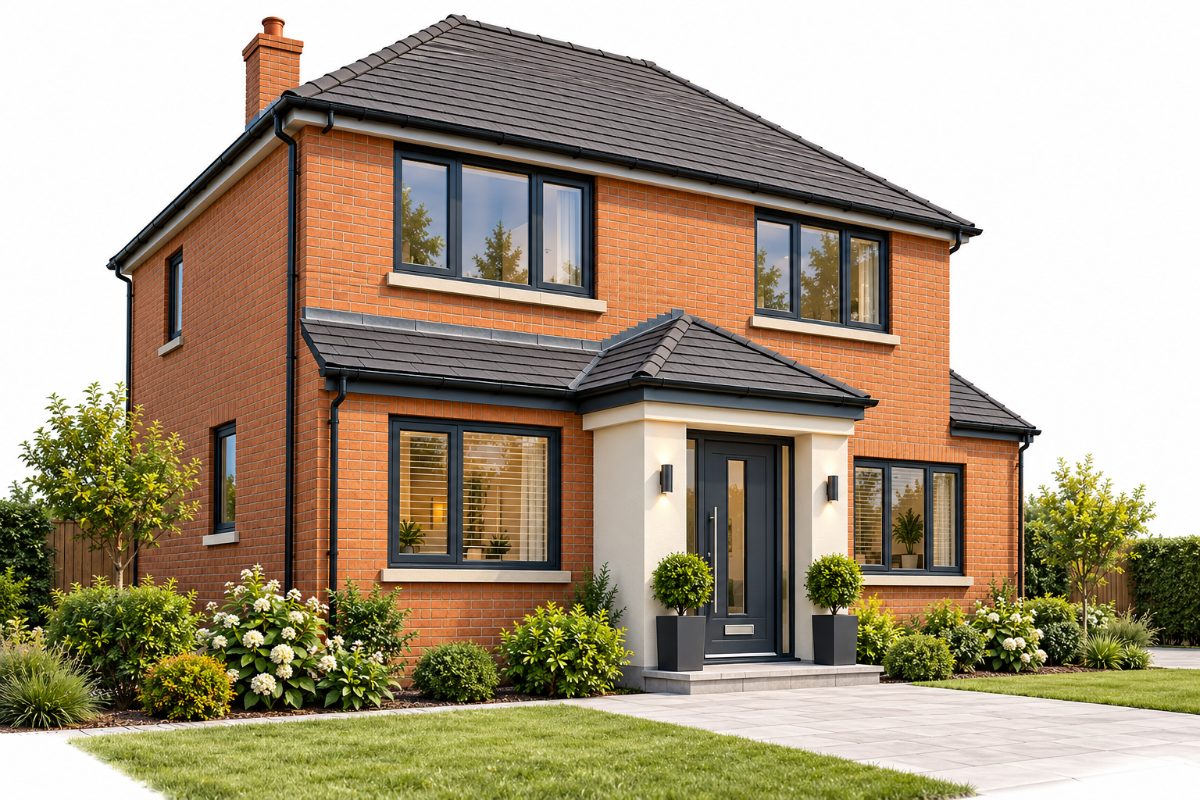
A practical entrance area that adds space and improves the look of your home.
£350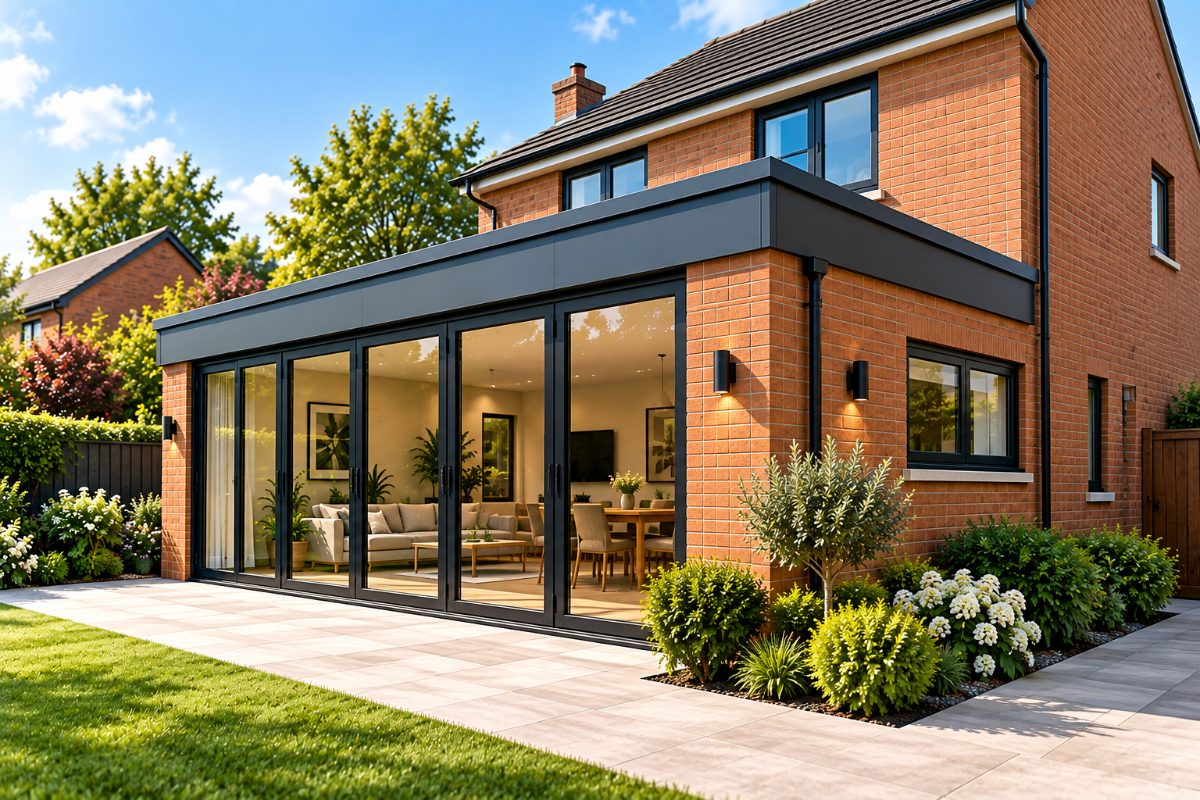
A popular way to create a larger kitchen, dining or family area.
£900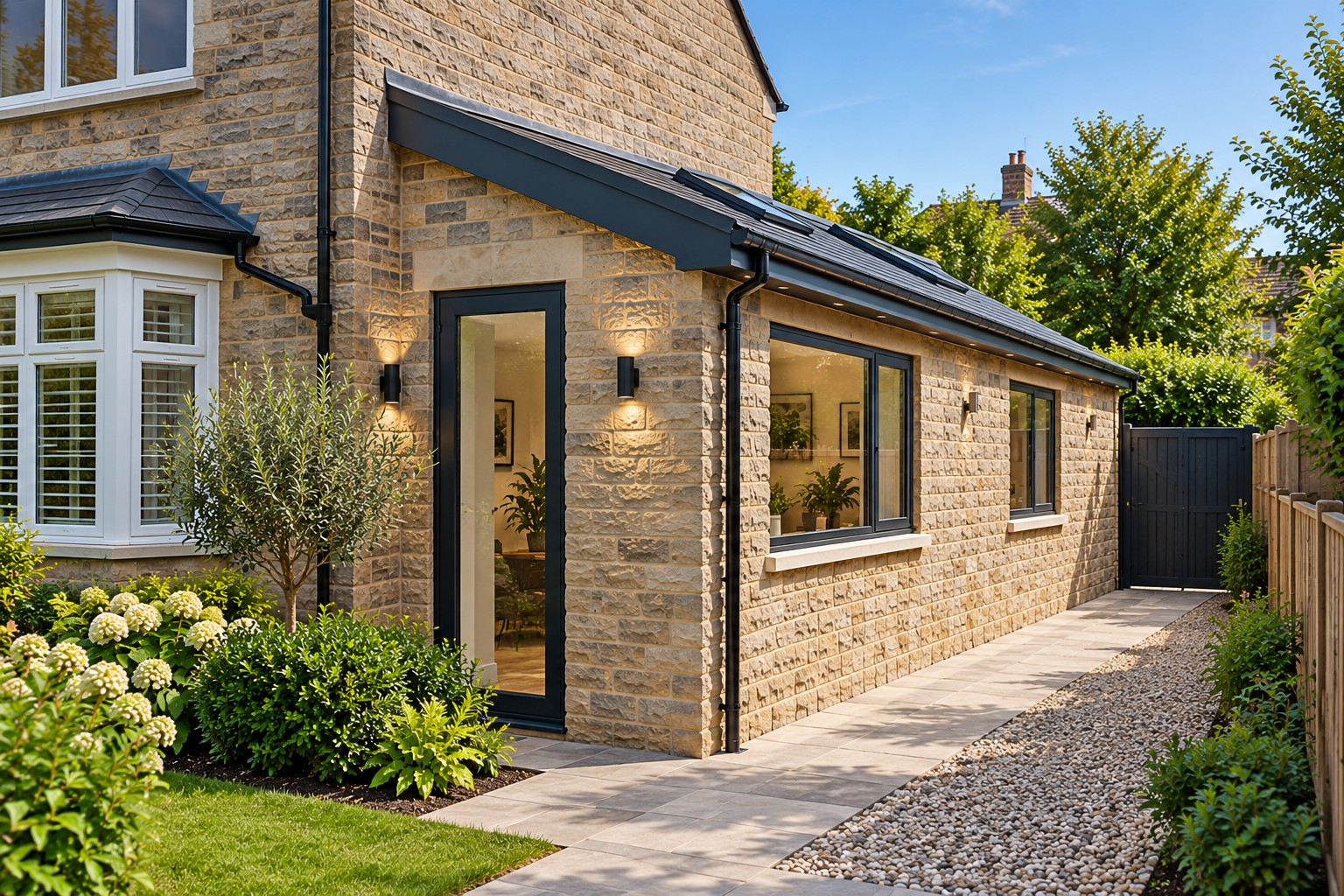
Adds valuable space to the side of your home for a kitchen or utility.
£900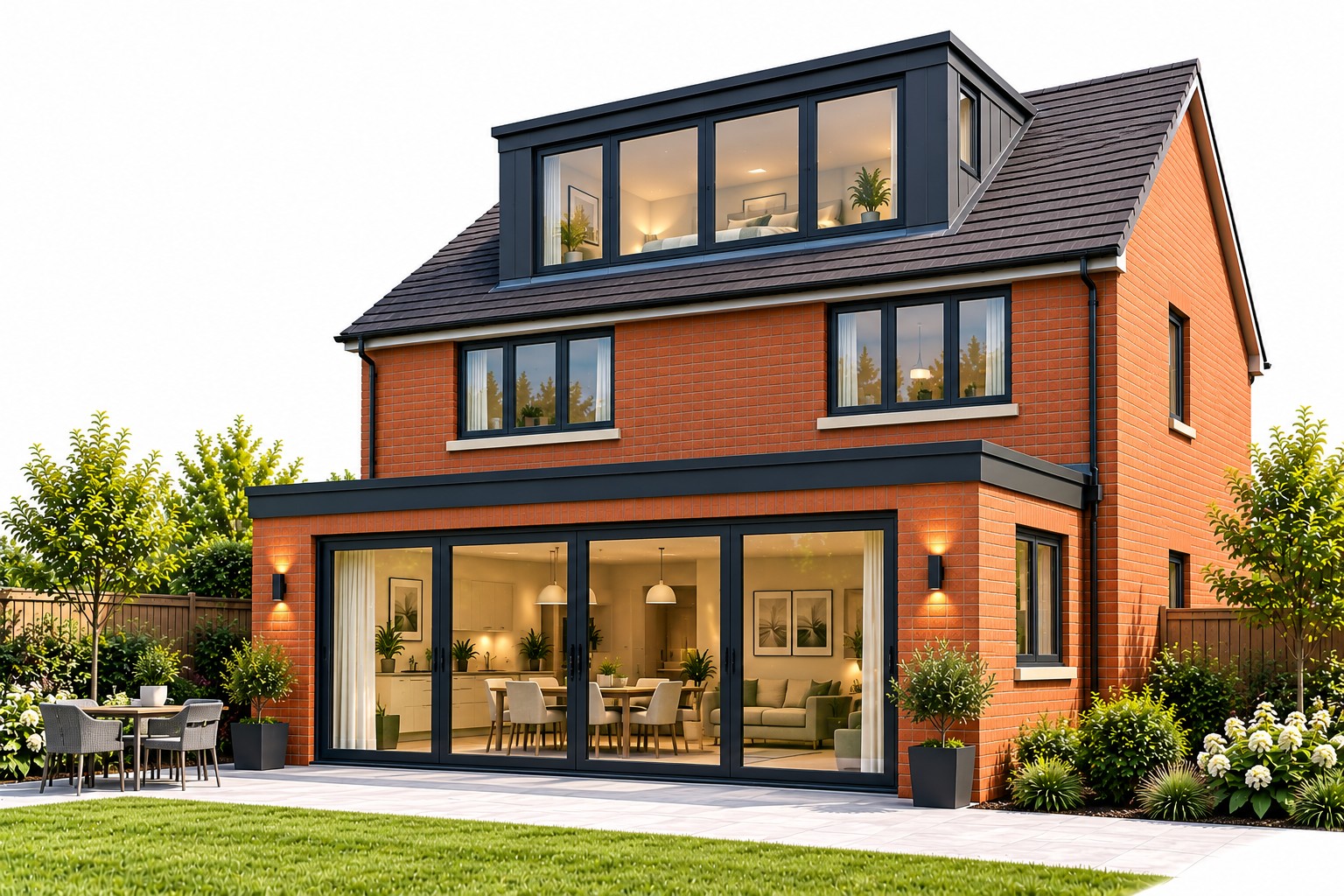
Turns unused loft space into a bedroom, office or additional living area.
£1,500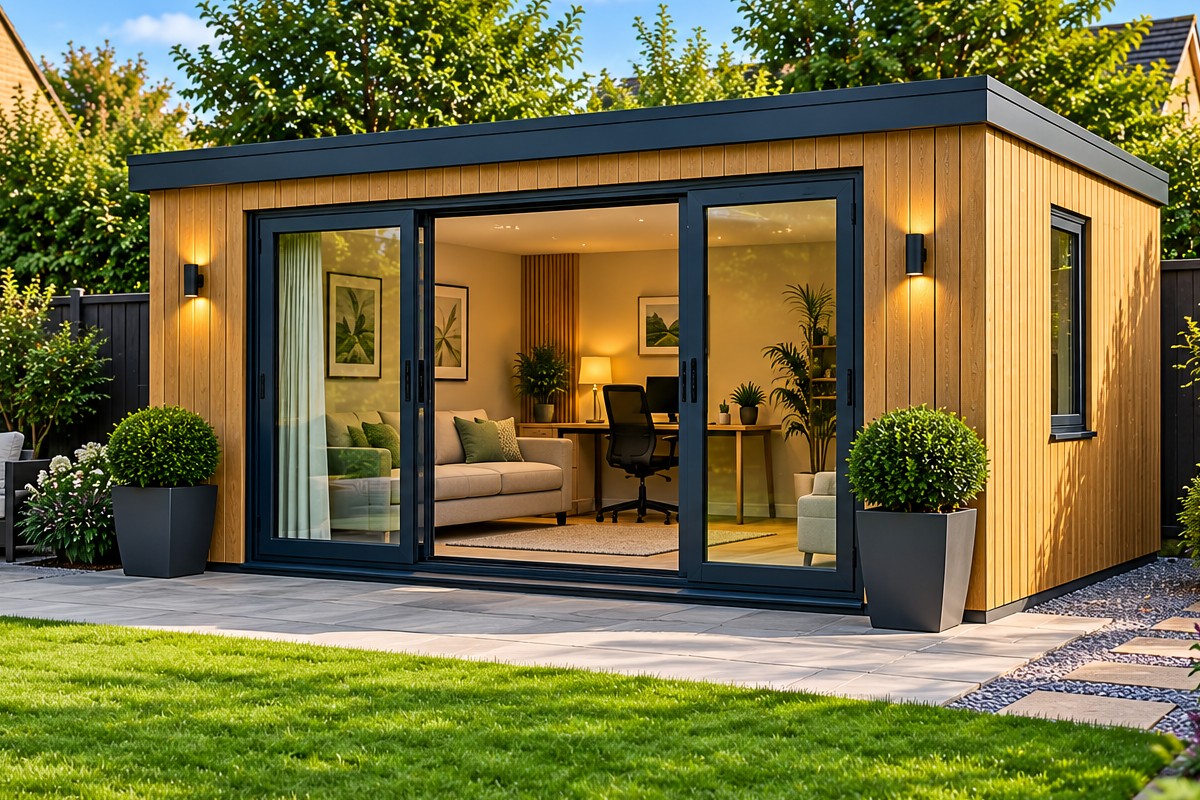
A flexible, detached space for work, leisure or extra living space.
£350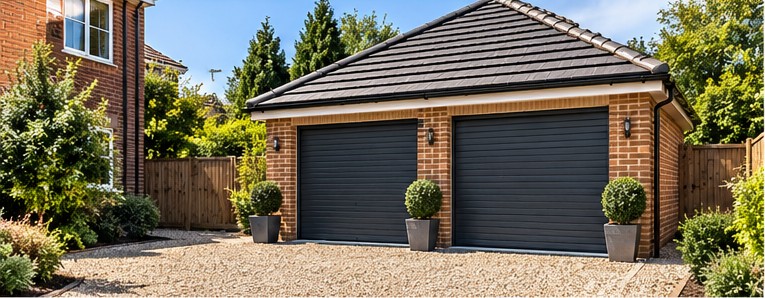
Secure parking or useful storage, single or double.
£350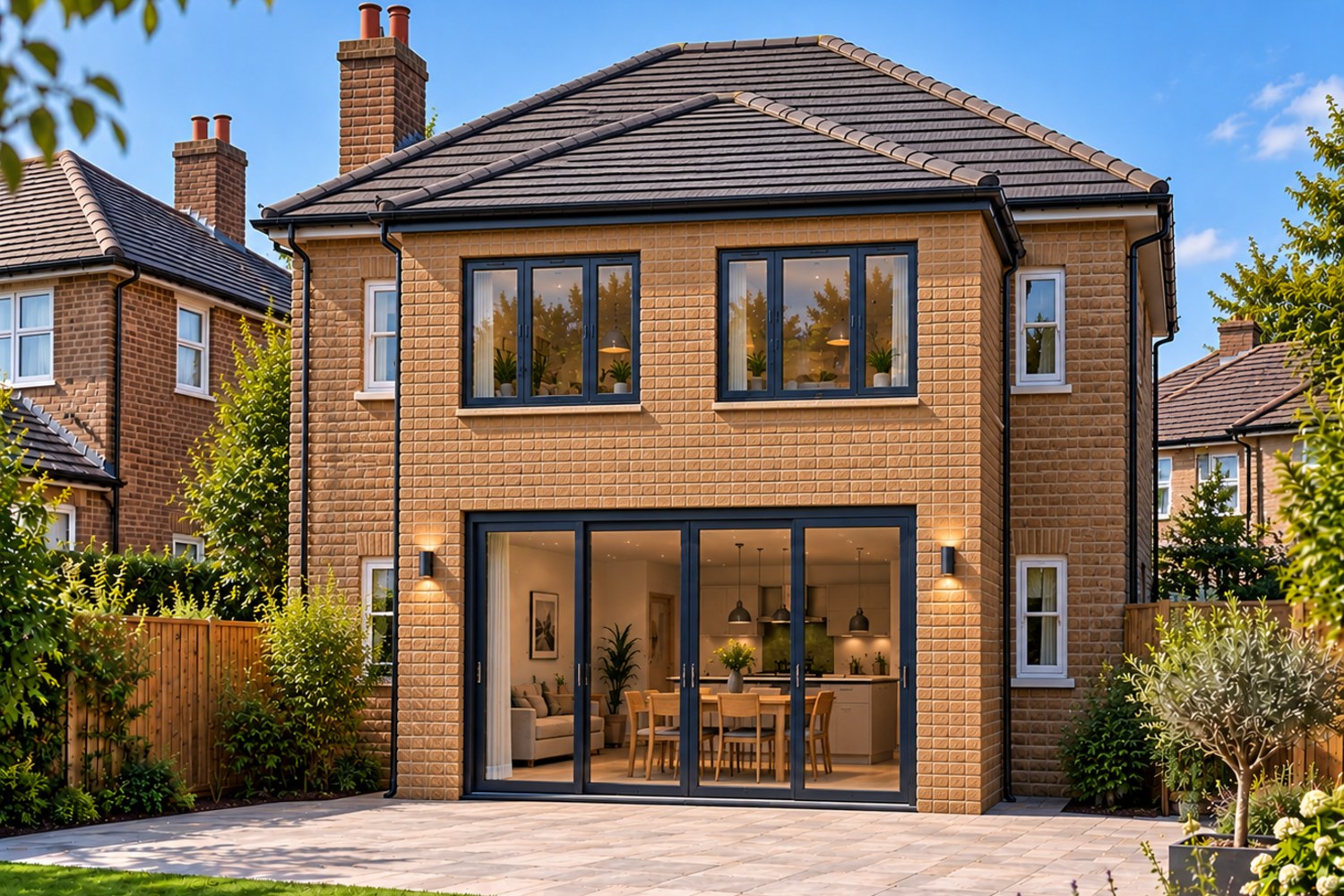
Significantly more living space across both floors.
£1,400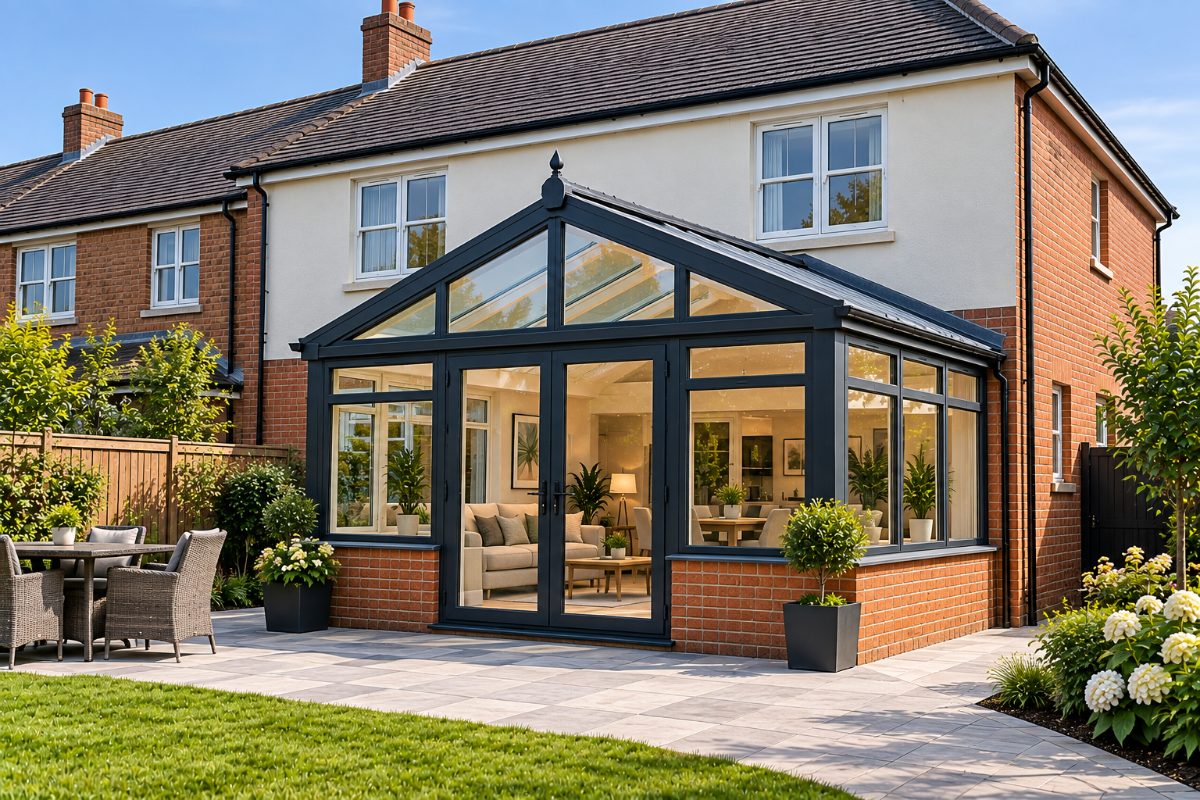
A bright, glazed room connecting your home to the garden.
£900PERMITTED HOMEOWNER GUIDES
Our illustrated, practical guides help you understand the rules, explore design options and budget with confidence — before you commit to building work.
Explore all guidesRules, design options, costs and next steps.
View guideRules, design options, costs and next steps.
View guideRules, design options, costs and next steps.
View guideRules, design options, costs and next steps.
View guideRules, design options, costs and next steps.
View guideRules, design options, costs and next steps.
View guideRules, design options, costs and next steps.
View guideRules, design options, costs and next steps.
View guideWe use cookies that are needed to run the basket and checkout. We would also like to use analytics cookies to understand how the site is used. We only do that if you say yes.

Maximize your property’s footprint with precision and ease. Permitted provides complete design for Permitted Development Rights. Our packages are designed around the Permitted Development limits, so many projects can proceed without a full planning application.
PERMITTED is operated by Yorkshire Property Design Services Limited, registered in England and Wales under company number 12698267.
Registered office: Ground Floor, Techno Centre, Station Road, Horsforth, Leeds, LS18 5BJ
Business contact address: Wira House, Ground Floor, Suite 5, Ring Road, West Park, Leeds, LS16 6EB