


Permitted Development rules





Professional, builder-ready drawing packages for extensions, lofts, porches, garages, garden rooms and more — designed to Permitted Development parameters and supplied as sold.
PERMITTED HOMEOWNER GUIDES
Our illustrated, practical guides help you understand the rules, explore design options and budget with confidence — before you commit to building work.
Explore all guides
Rules, design options, costs and next steps.
View guide
Rules, design options, costs and next steps.
View guide
Rules, design options, costs and next steps.
View guide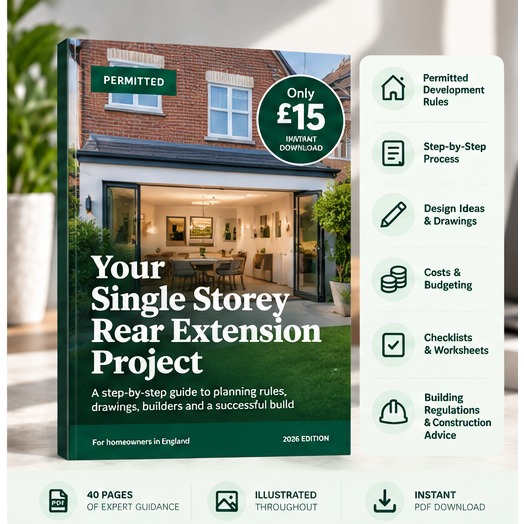
Rules, design options, costs and next steps.
View guide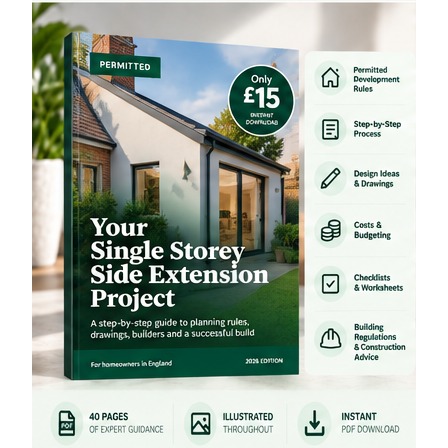
Rules, design options, costs and next steps.
View guide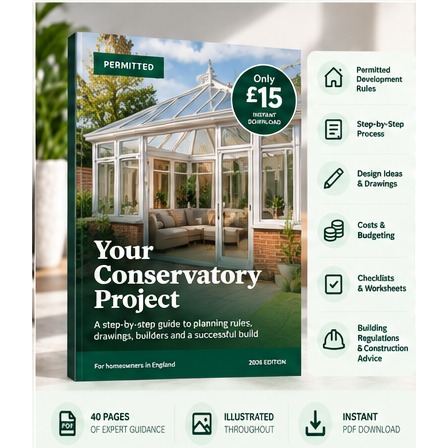
Rules, design options, costs and next steps.
View guide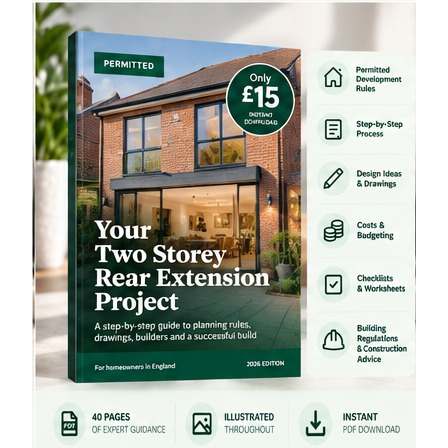
Rules, design options, costs and next steps.
View guide
Rules, design options, costs and next steps.
View guideA Tree Preservation Order protects a specific tree or group of trees from removal or significant pruning. Work on a protected tree needs council consent — and ignoring a TPO is a criminal offence. Here’s how they work.
A Tree Preservation Order (TPO) makes it a criminal offence to cut down, uproot, top, lop, or wilfully damage a protected tree without consent from the local planning authority. You must apply for consent before doing any significant work on a protected tree. The rules also apply to trees in conservation areas — even without a TPO, you must give the council 6 weeks’ notice before carrying out work on a tree with a trunk over 75mm in diameter.
A Tree Preservation Order (TPO) is an order made by a local planning authority under the Town and Country Planning (Tree Preservation) (England) Regulations 2012. A TPO can protect an individual tree, a group of trees, or an area of woodland. The order is registered against the property and binds all future owners — buying a property with a TPO tree means you are bound by the order even if you didn’t create it.
Councils make TPOs when a tree makes a significant contribution to the amenity of an area — because of its size, prominence, historic association, or ecological value.
The following work on a protected tree requires prior written consent from the local planning authority:
| Work type | Consent needed? |
|---|---|
| Felling the tree | Yes — always |
| Crown reduction or major pruning | Yes |
| Removing dead wood (deadwooding) | No — exempt |
| Removing a branch that poses an immediate safety risk | No — exempt (with evidence), but notify the council |
| Cutting back branches to prevent legal nuisance | Yes — but councils are usually supportive |
| Cutting back roots affecting drainage or foundations | Yes — specialist arborist advice needed |
Applications for consent to carry out work on a protected tree are made to the local planning authority via the council’s website or the Planning Portal. There is no fee for TPO consent applications.
Your application should include: a description of the work proposed and reasons for it, details of the tree including species and approximate dimensions, a supporting arboricultural report if the work is significant, and evidence of any safety hazard or disease.
The council has 8 weeks to decide the application. Most consent applications for reasonable pruning or maintenance are approved.
Trees in conservation areas are protected even without a specific TPO, provided they have a trunk diameter of more than 75mm measured at 1.5m above ground. Before carrying out any work on such a tree, you must give the local planning authority at least 6 weeks’ written notice (a Section 211 notice).
The 6-week notice period gives the council time to either make a TPO on the tree or confirm it has no objection. If you don’t receive a response after 6 weeks, you can proceed with the work.
Carrying out unauthorised work on a protected tree is a criminal offence under the Town and Country Planning Act 1990. The penalty can be an unlimited fine, with the court taking into account the amenity value of the tree. Fines for significant trees can run to tens of thousands of pounds.
In addition to the fine, the council may require the landowner to plant a replacement tree of an appropriate size and species.
Extensions, loft conversions, outbuildings, solar panels — our complete guide covers everything you can build without planning permission.
Planning a project? Browse our permitted development drawing sets — fixed price, supplied exactly as sold and emailed to you as a PDF.
Each one is already drawn. You choose the material, roof and options we actually draw, and that is the package you receive.

A practical entrance area that adds space and improves the look of your home.
£350
A popular way to create a larger kitchen, dining or family area.
£900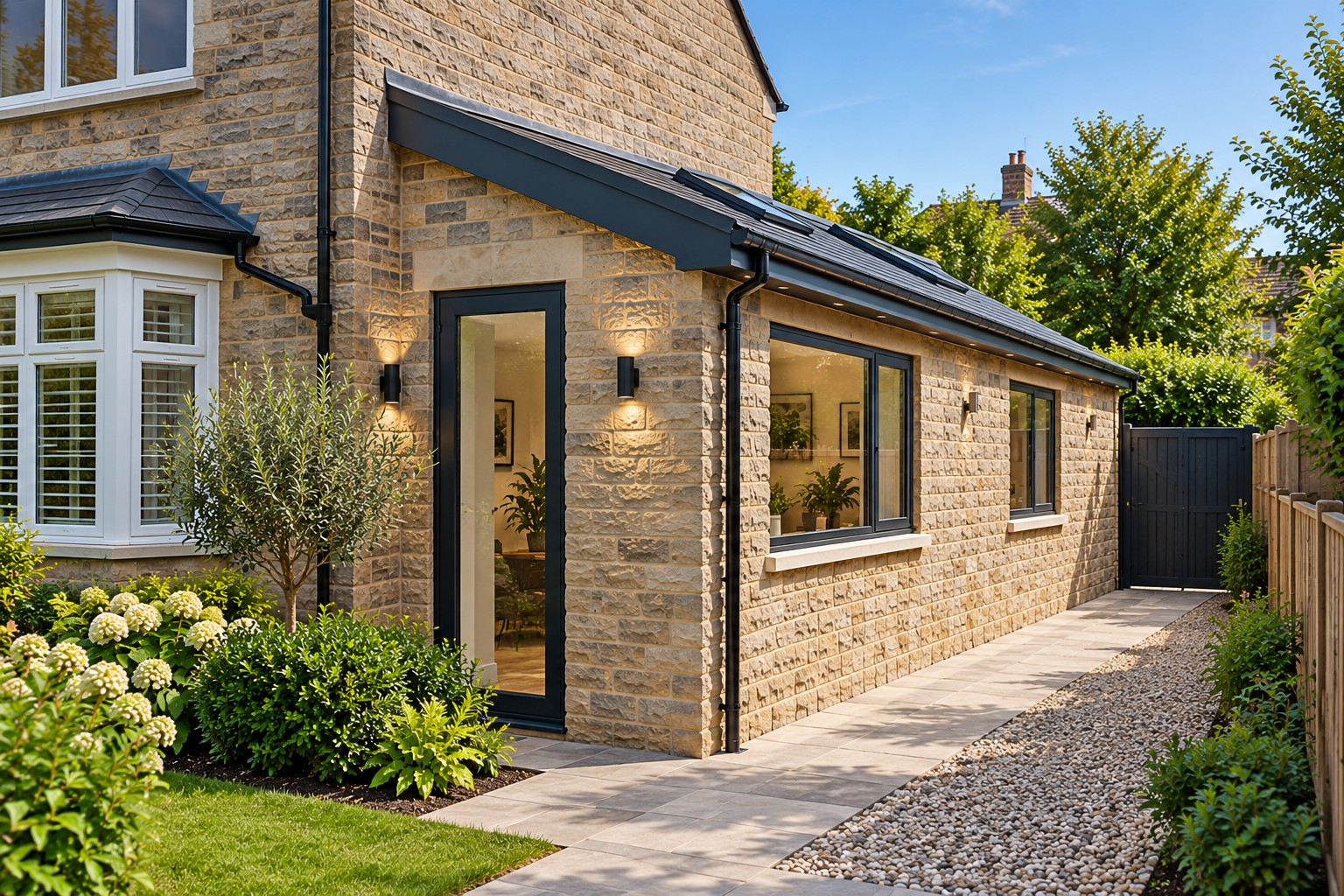
Adds valuable space to the side of your home for a kitchen or utility.
£900
Turns unused loft space into a bedroom, office or additional living area.
£1,500
A flexible, detached space for work, leisure or extra living space.
£350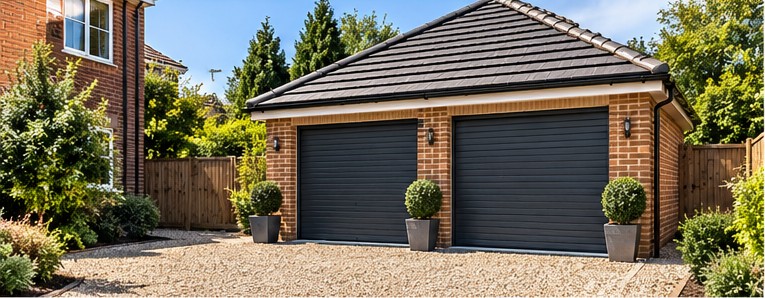
Secure parking or useful storage, single or double.
£350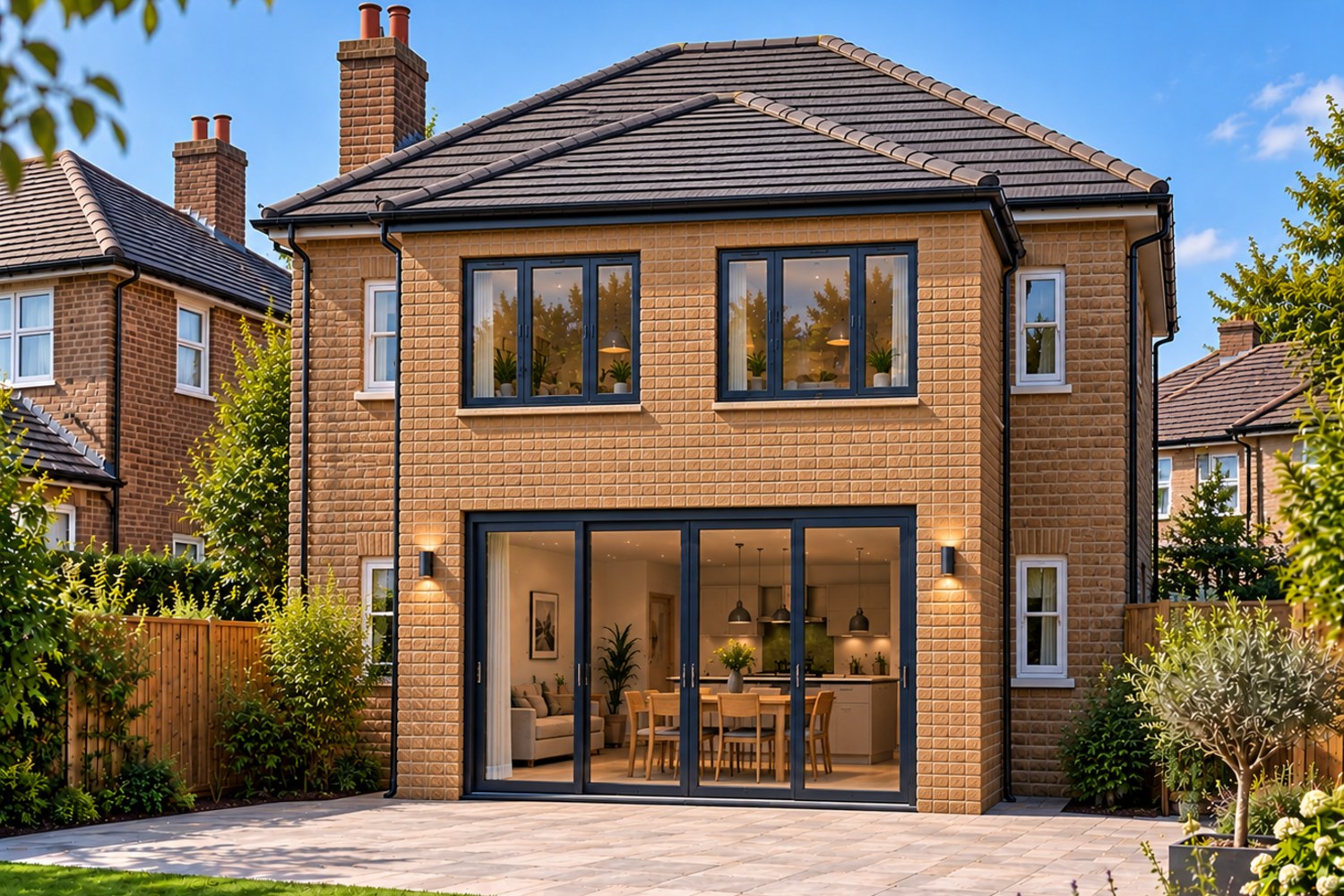
Significantly more living space across both floors.
£1,400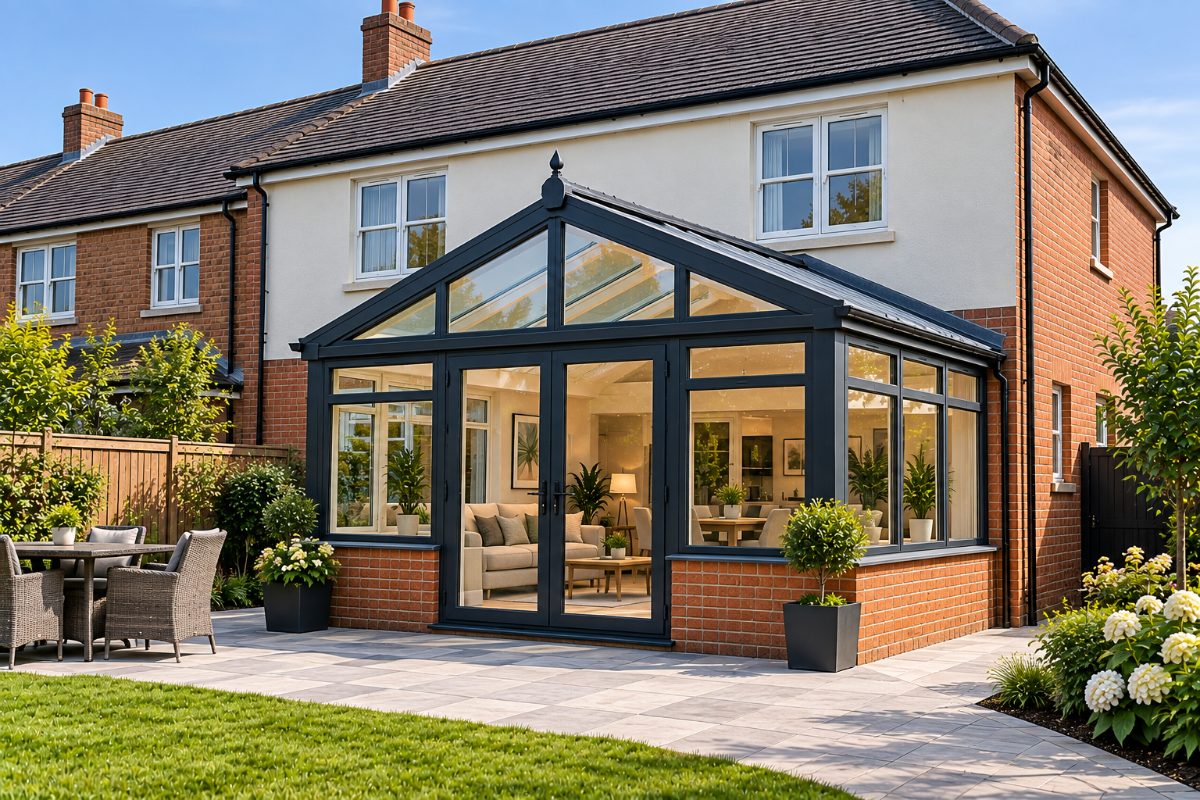
A bright, glazed room connecting your home to the garden.
£900PERMITTED HOMEOWNER GUIDES
Our illustrated, practical guides help you understand the rules, explore design options and budget with confidence — before you commit to building work.
Explore all guidesRules, design options, costs and next steps.
View guideRules, design options, costs and next steps.
View guideRules, design options, costs and next steps.
View guideRules, design options, costs and next steps.
View guideRules, design options, costs and next steps.
View guideRules, design options, costs and next steps.
View guideRules, design options, costs and next steps.
View guideRules, design options, costs and next steps.
View guideWe use cookies that are needed to run the basket and checkout. We would also like to use analytics cookies to understand how the site is used. We only do that if you say yes.

Maximize your property’s footprint with precision and ease. Permitted provides complete design for Permitted Development Rights. Our packages are designed around the Permitted Development limits, so many projects can proceed without a full planning application.
PERMITTED is operated by Yorkshire Property Design Services Limited, registered in England and Wales under company number 12698267.
Registered office: Ground Floor, Techno Centre, Station Road, Horsforth, Leeds, LS18 5BJ
Business contact address: Wira House, Ground Floor, Suite 5, Ring Road, West Park, Leeds, LS16 6EB