


Permitted Development rules





Professional, builder-ready drawing packages for extensions, lofts, porches, garages, garden rooms and more — designed to Permitted Development parameters and supplied as sold.
PERMITTED HOMEOWNER GUIDES
Our illustrated, practical guides help you understand the rules, explore design options and budget with confidence — before you commit to building work.
Explore all guides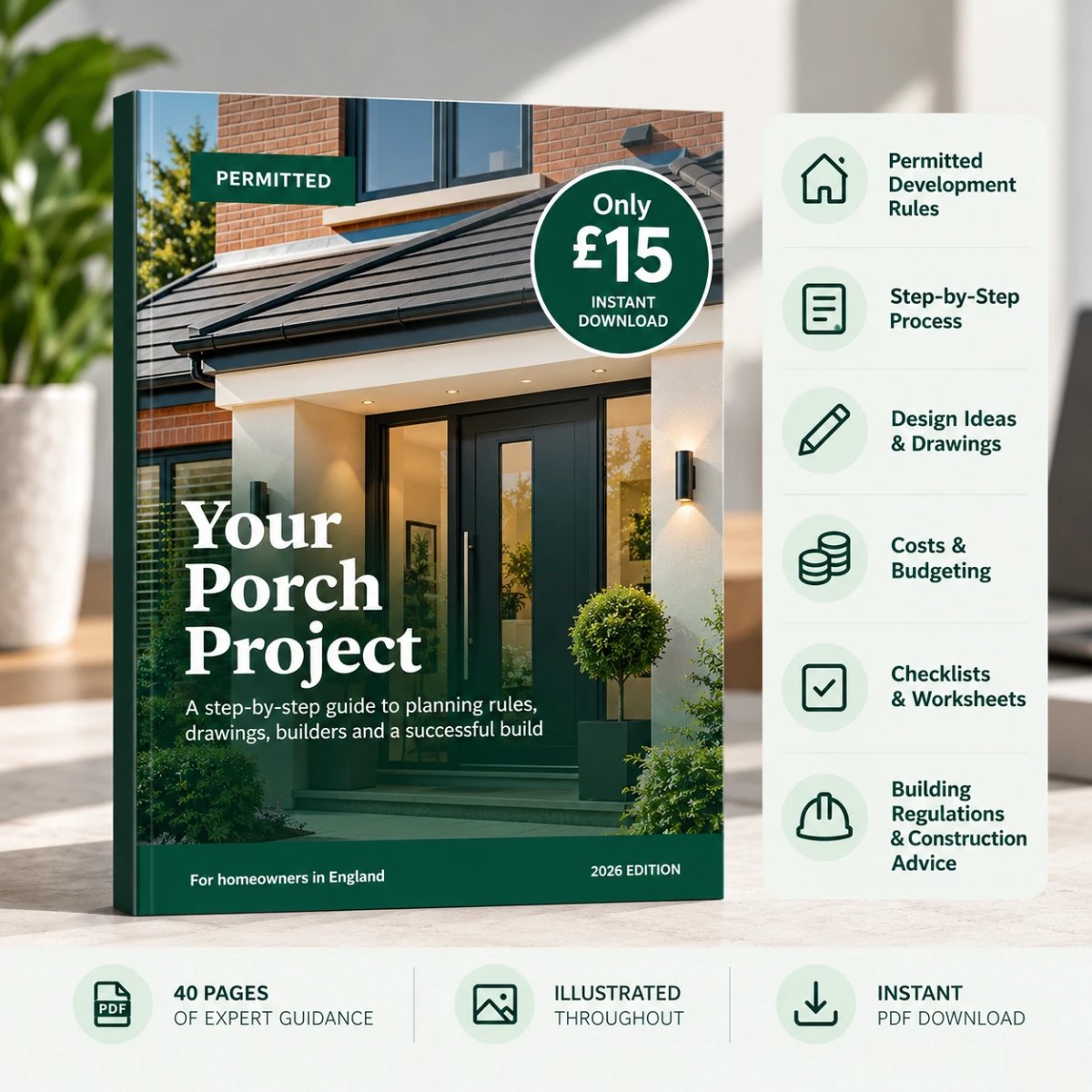
Rules, design options, costs and next steps.
View guide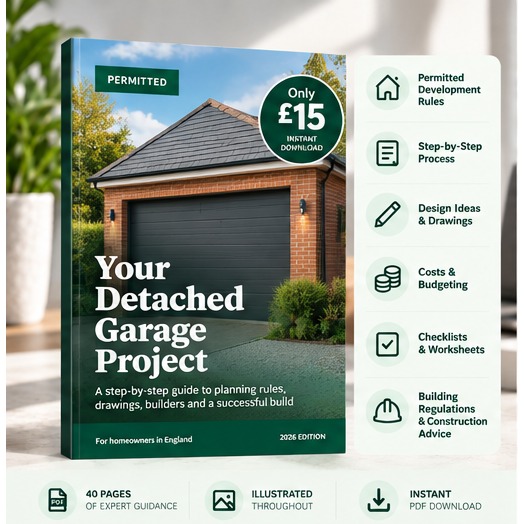
Rules, design options, costs and next steps.
View guide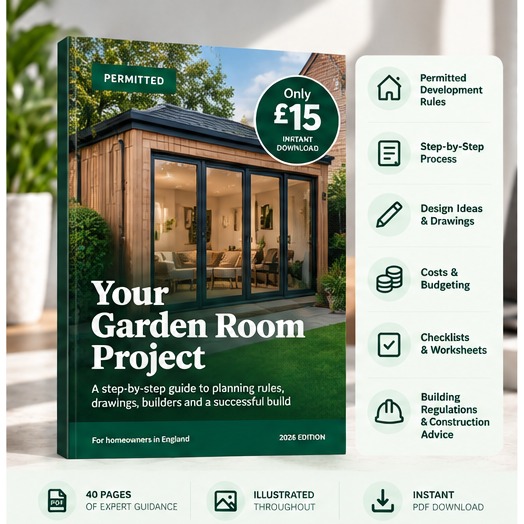
Rules, design options, costs and next steps.
View guide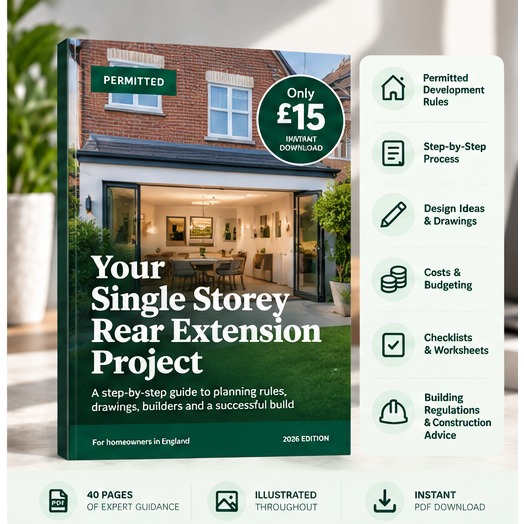
Rules, design options, costs and next steps.
View guide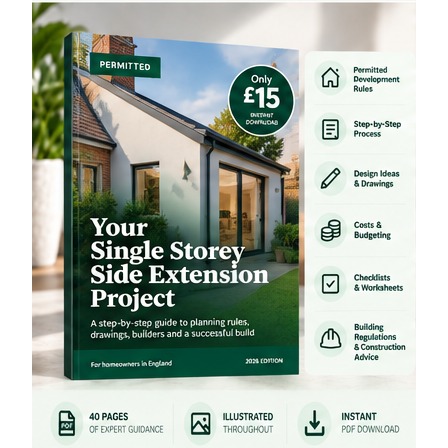
Rules, design options, costs and next steps.
View guide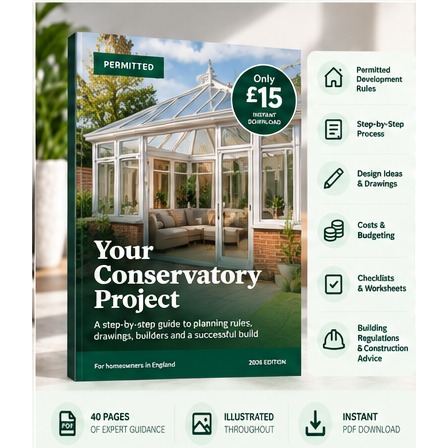
Rules, design options, costs and next steps.
View guide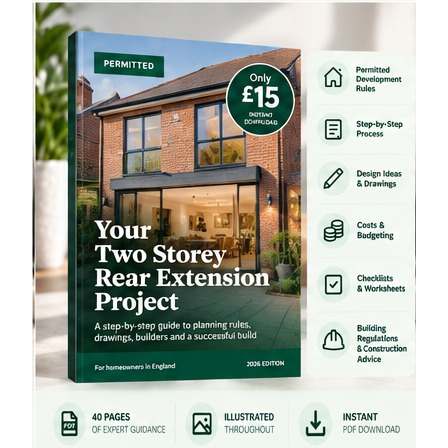
Rules, design options, costs and next steps.
View guide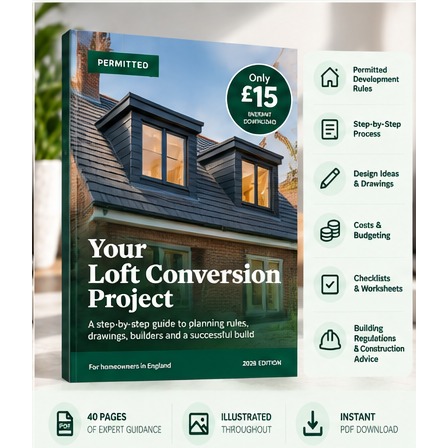
Rules, design options, costs and next steps.
View guideAn Article 4 Direction removes permitted development rights from an area. If your property is subject to one, works you could normally do without planning permission may require a full application. Here’s what you need to know.
An Article 4 Direction is made by a local planning authority under Article 4 of the Town and Country Planning (General Permitted Development) (England) Order 2015. It removes some or all permitted development rights for a specific area or property type, meaning works that would normally be permitted development require a planning application instead. Article 4 Directions are most commonly used in conservation areas (to protect the character of the area) and for specific property types such as houses in multiple occupation (HMOs) or residential properties that the council wants to prevent from being converted to commercial use.
Permitted development rights are granted nationally by the Town and Country Planning (General Permitted Development) (England) Order 2015. They apply to all properties in England by default — unless removed by an Article 4 Direction.
An Article 4 Direction is a local intervention that overrides the national permitted development rights for a specified area or class of development. A council makes an Article 4 Direction when it considers that permitted development in the area would have a significant adverse effect on the character or amenity of the locality.
Once an Article 4 Direction is in force, the specified development (which could be anything from external alterations to the conversion of dwellings) requires planning permission. The planning application is assessed in the normal way — it can be refused or approved, with or without conditions.
There are several ways to check whether an Article 4 Direction affects your property:
Article 4 Directions are used for a range of purposes across England:
The most widespread use is in conservation areas, where councils use Article 4 Directions to remove permitted development rights for external alterations — such as changing windows to UPVC, adding satellite dishes, cladding or rendering walls, or altering roofline features. This protects the uniform character of Victorian and Edwardian streets that makes them conservation-worthy in the first place.
Many councils — particularly in cities and university towns — have made Article 4 Directions removing the permitted development right that allows a family home (Class C3) to be converted to a small HMO (Class C4) without planning permission. This requires anyone wanting to convert a house to an HMO to submit a planning application, giving the council control over the concentration of HMOs in residential areas.
Following new national changes to short-term let planning rules, some councils have used Article 4 Directions to require planning permission for the change of use of dwellings to short-term holiday lets in areas where holiday let concentration is high (such as coastal towns and rural tourist destinations).
Some councils have used Article 4 Directions to remove the Class MA permitted development right (which allows commercial buildings to be converted to housing without full planning permission) in specific areas — typically town centres and employment zones where the council wants to retain commercial uses.
| Type of Article 4 | What it removes | Typical locations |
|---|---|---|
| Conservation area alterations | External changes to windows, doors, roofs, walls | Conservation areas |
| HMO Article 4 | C3 to C4 (house to small HMO) change of use | City neighbourhoods, university towns |
| Short-term let Article 4 | C3 to short-term let change of use | Tourist areas, coastal towns |
| Employment area Article 4 | Commercial-to-residential conversions | Town centres, business parks |
If an Article 4 Direction applies to your property, you need to apply for planning permission for the works it covers — even if those works would otherwise be permitted development. The planning application is assessed in the normal way.
This doesn’t mean the work will be refused — planning permission is often granted for works that Article 4 requires an application for. The purpose of the Article 4 is to give the council control (and the ability to set conditions), not to prevent all development.
For conservation area Article 4 Directions, applications to replace windows with traditional-style sash windows, or to repair like-for-like, are routinely approved. Applications to install UPVC windows or remove period features in a conservation area may well be refused.
When a council proposes to make a new Article 4 Direction, there is a consultation period during which affected owners can make representations. This is the most effective time to raise concerns — once an Article 4 Direction is confirmed and in force, it’s very difficult to challenge.
There is no right of appeal against an Article 4 Direction once confirmed. If you consider a Direction was made incorrectly, judicial review is theoretically available, but it’s expensive and only challenges the legality of the process rather than the merits of the decision.
If you carry out works that are subject to an Article 4 Direction without planning permission, this is a breach of planning control — the same as carrying out development without permission. The council can issue an enforcement notice requiring the works to be undone.
Ask PERMITTED — quick answers on extensions, lofts, garages and garden rooms. If your project fits the rules, choose a fixed-price drawing package. If it doesn’t, YPDS Architectural Services, our parent practice in Leeds, can advise on planning.
Each one is already drawn. You choose the material, roof and options we actually draw, and that is the package you receive.
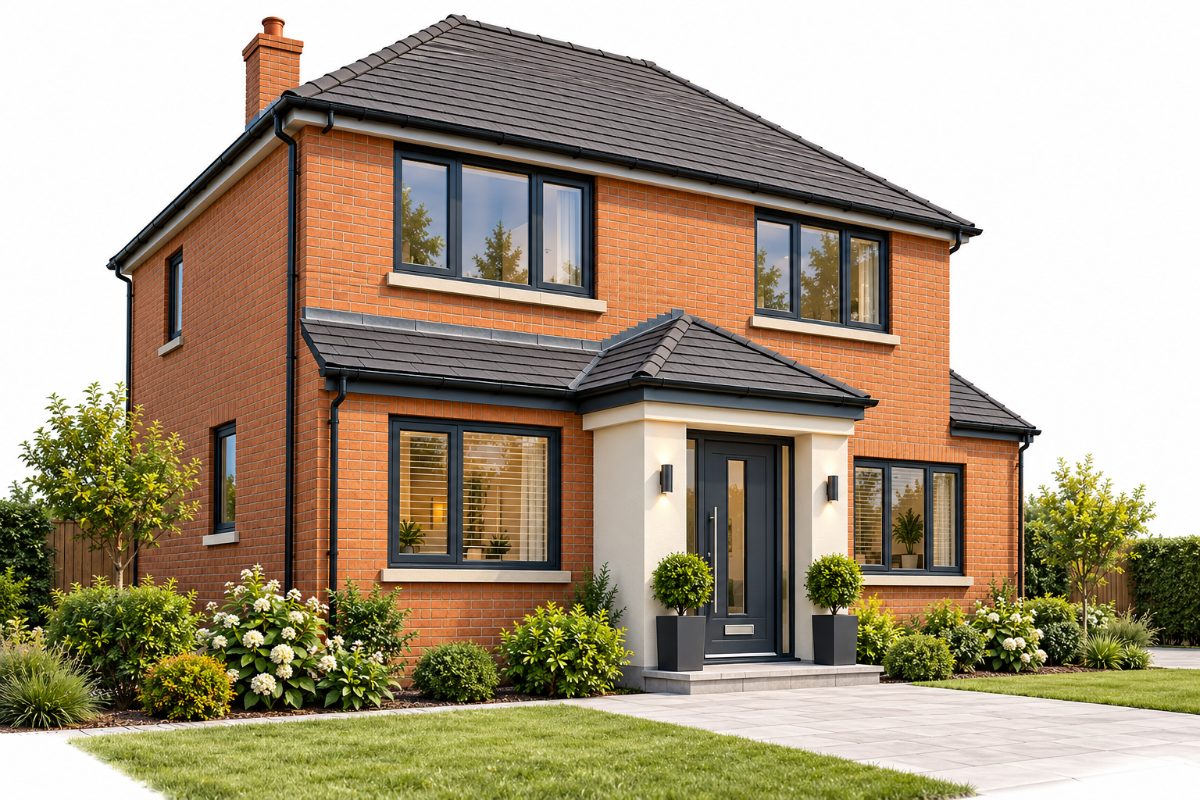
A practical entrance area that adds space and improves the look of your home.
£350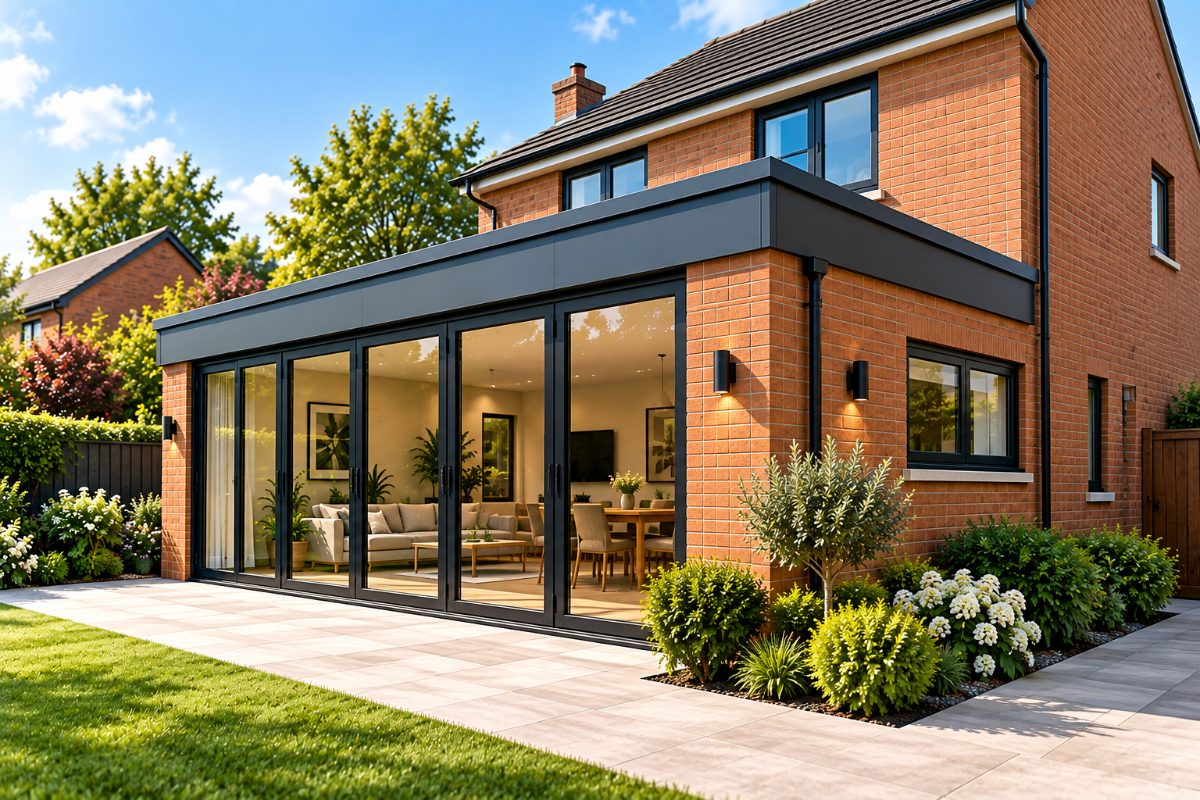
A popular way to create a larger kitchen, dining or family area.
£900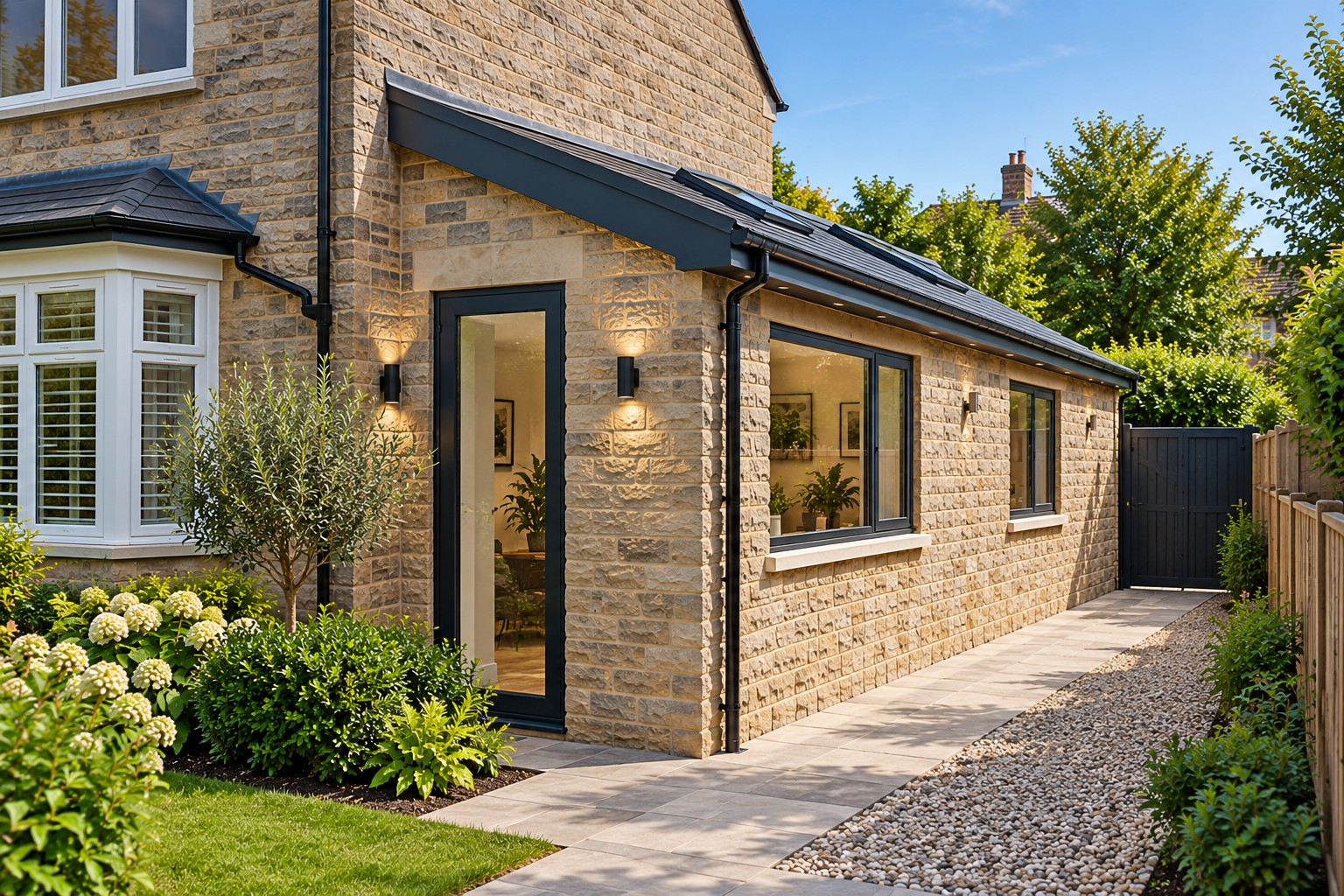
Adds valuable space to the side of your home for a kitchen or utility.
£900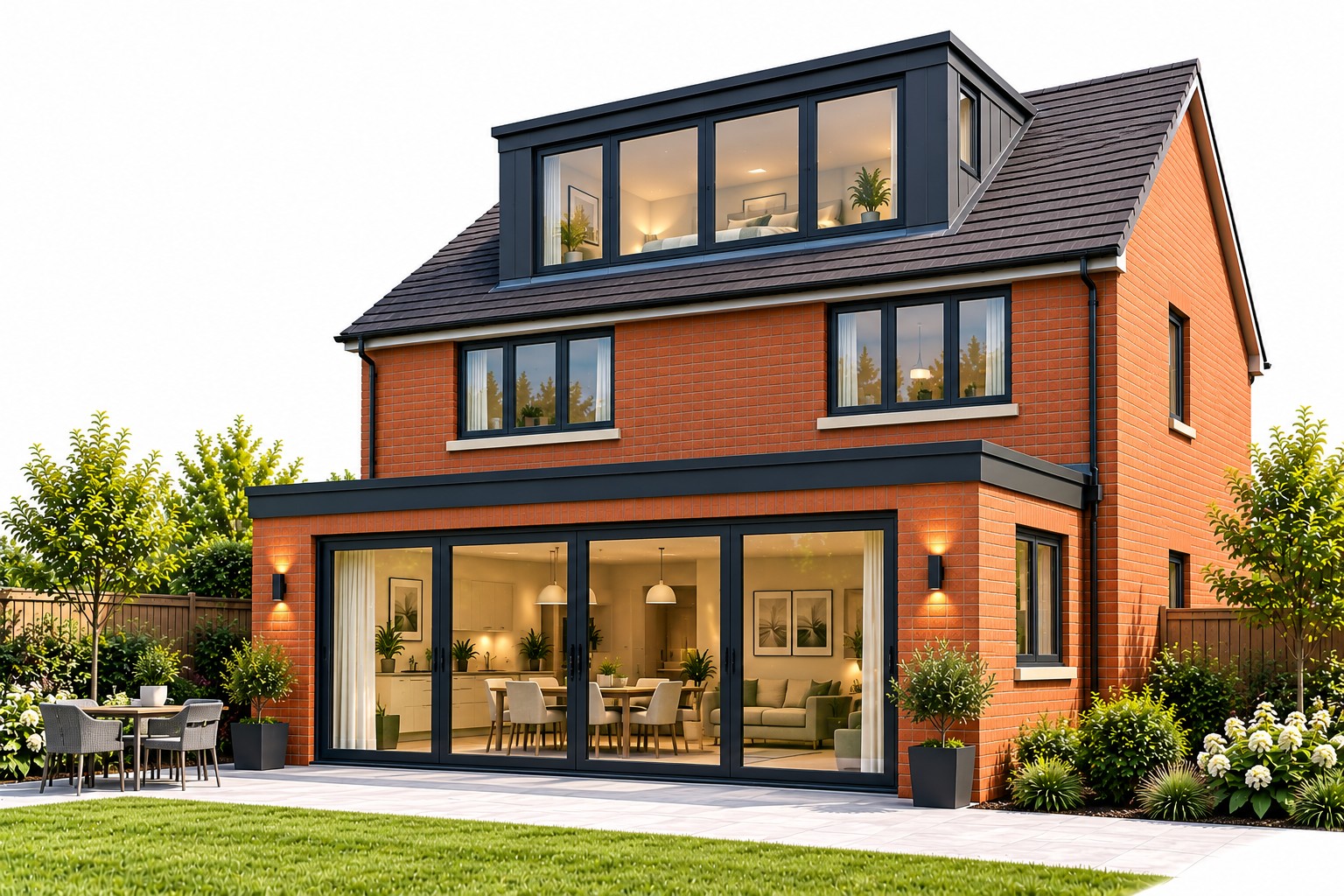
Turns unused loft space into a bedroom, office or additional living area.
£1,500
A flexible, detached space for work, leisure or extra living space.
£350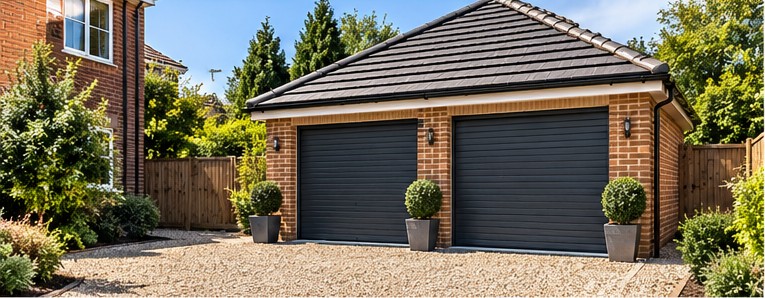
Secure parking or useful storage, single or double.
£350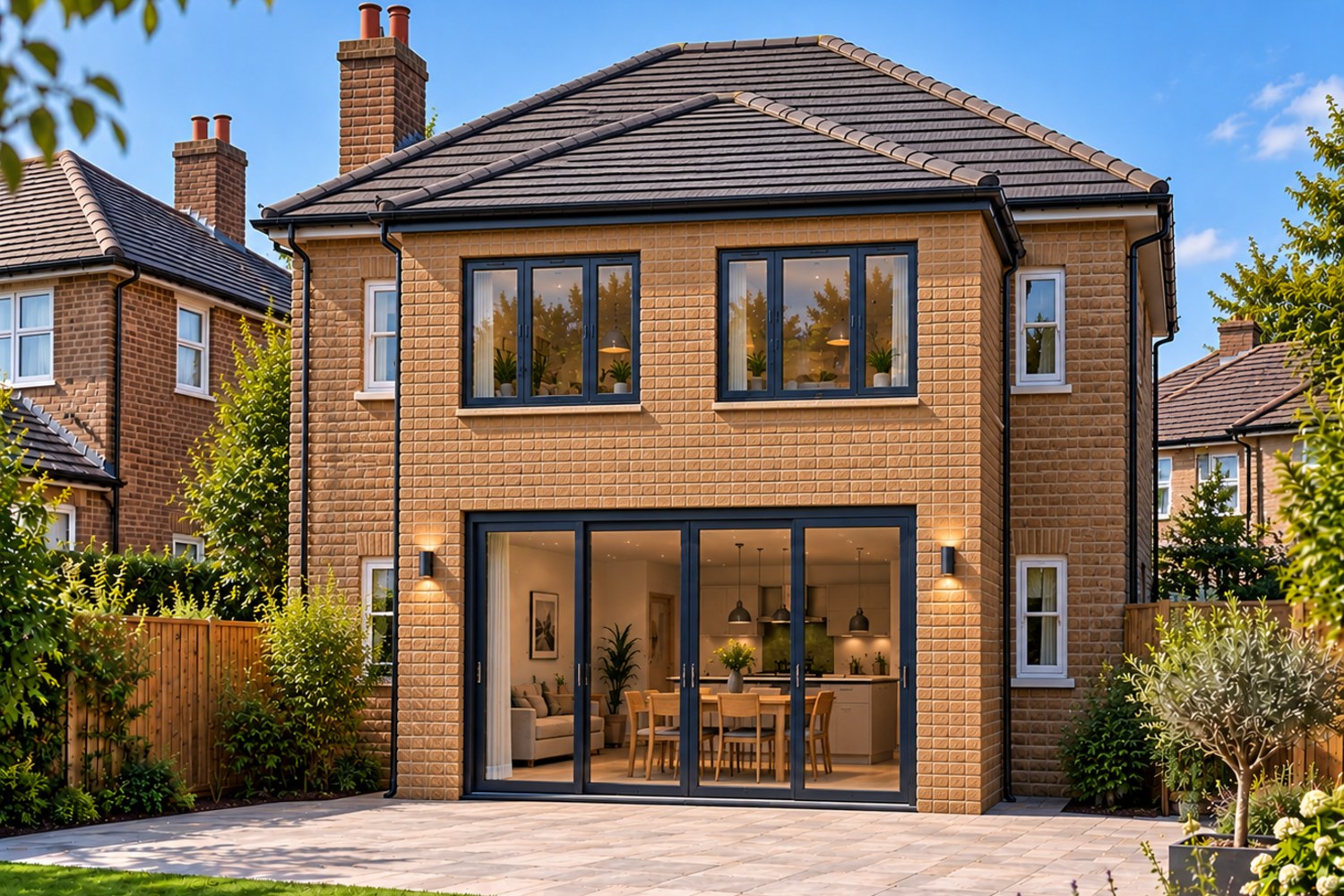
Significantly more living space across both floors.
£1,400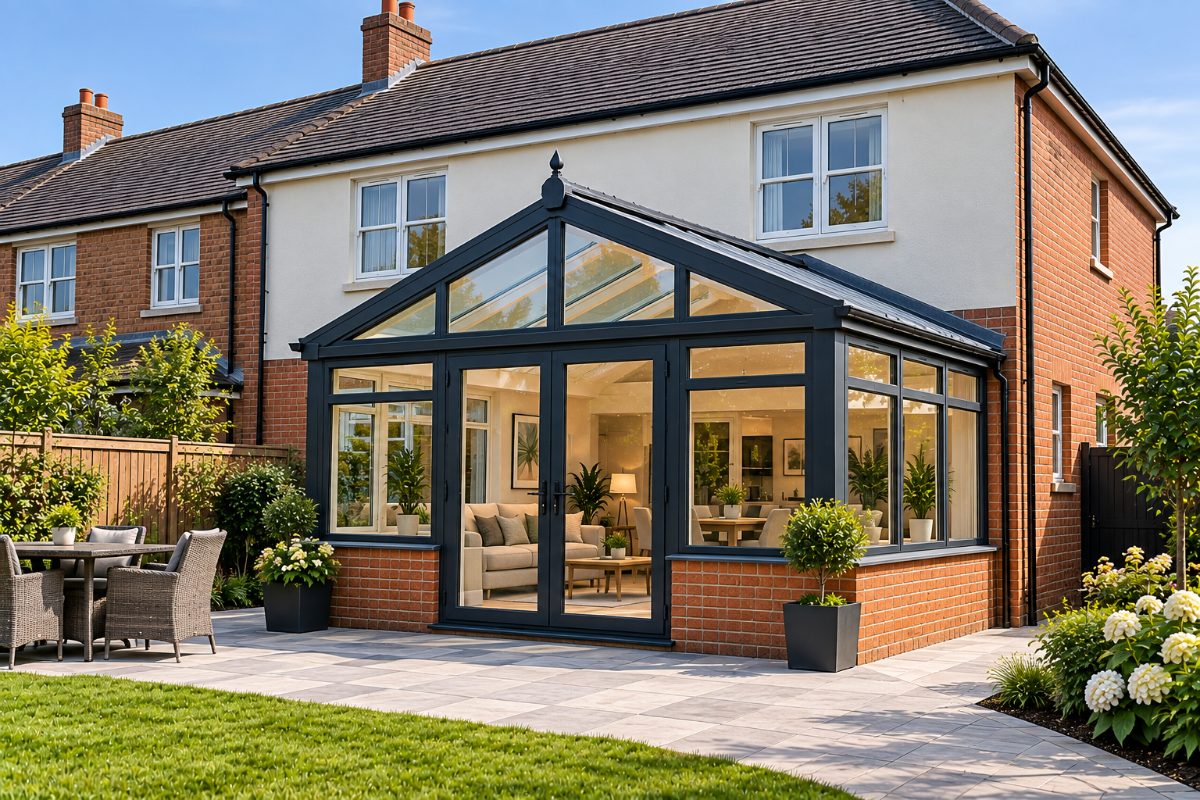
A bright, glazed room connecting your home to the garden.
£900PERMITTED HOMEOWNER GUIDES
Our illustrated, practical guides help you understand the rules, explore design options and budget with confidence — before you commit to building work.
Explore all guidesRules, design options, costs and next steps.
View guideRules, design options, costs and next steps.
View guideRules, design options, costs and next steps.
View guideRules, design options, costs and next steps.
View guideRules, design options, costs and next steps.
View guideRules, design options, costs and next steps.
View guideRules, design options, costs and next steps.
View guideRules, design options, costs and next steps.
View guideWe use cookies that are needed to run the basket and checkout. We would also like to use analytics cookies to understand how the site is used. We only do that if you say yes.

Maximize your property’s footprint with precision and ease. Permitted provides complete design for Permitted Development Rights. Our packages are designed around the Permitted Development limits, so many projects can proceed without a full planning application.
PERMITTED is operated by Yorkshire Property Design Services Limited, registered in England and Wales under company number 12698267.
Registered office: Ground Floor, Techno Centre, Station Road, Horsforth, Leeds, LS18 5BJ
Business contact address: Wira House, Ground Floor, Suite 5, Ring Road, West Park, Leeds, LS16 6EB