


Permitted Development rules





Professional, builder-ready drawing packages for extensions, lofts, porches, garages, garden rooms and more — designed to Permitted Development parameters and supplied as sold.
PERMITTED HOMEOWNER GUIDES
Our illustrated, practical guides help you understand the rules, explore design options and budget with confidence — before you commit to building work.
Explore all guides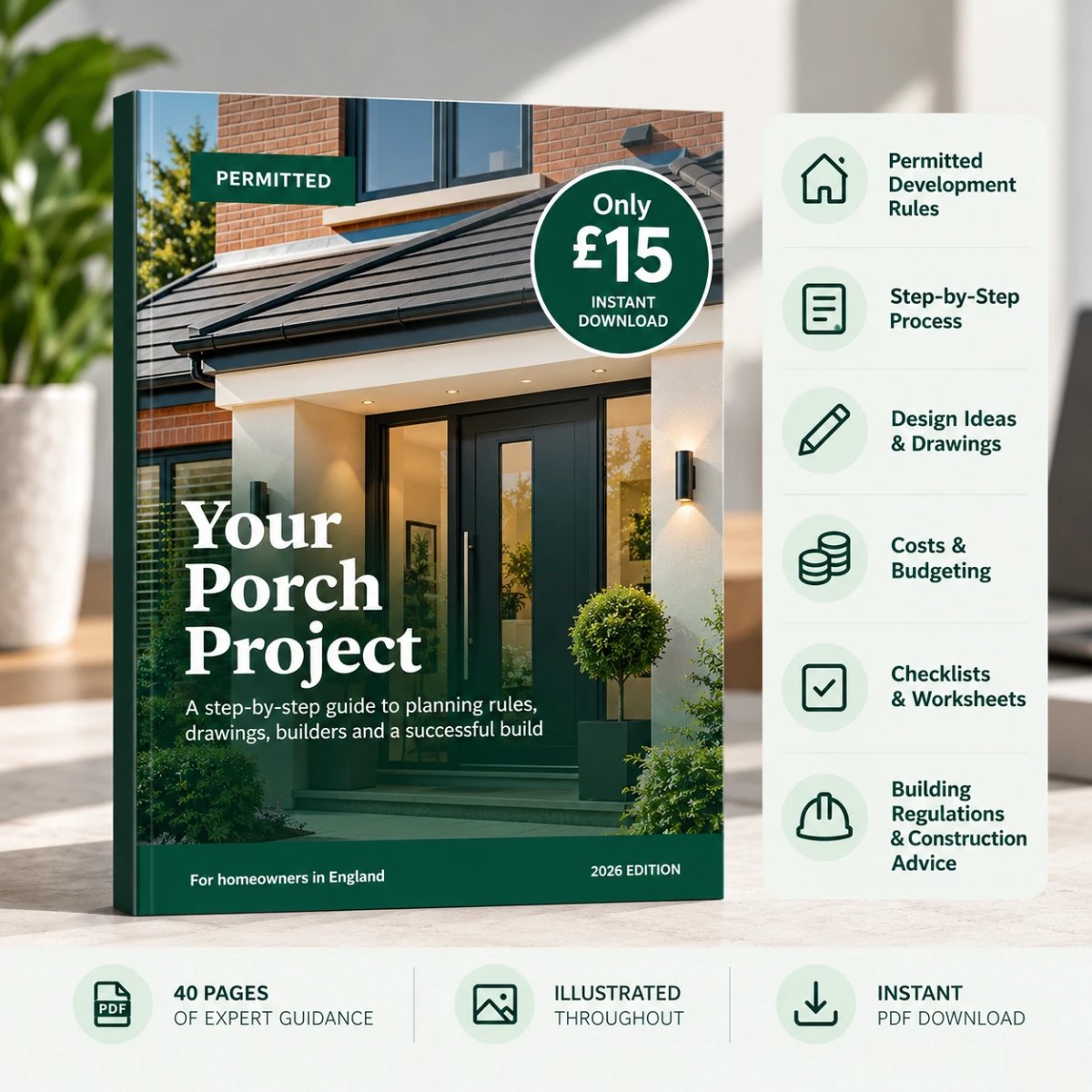
Rules, design options, costs and next steps.
View guide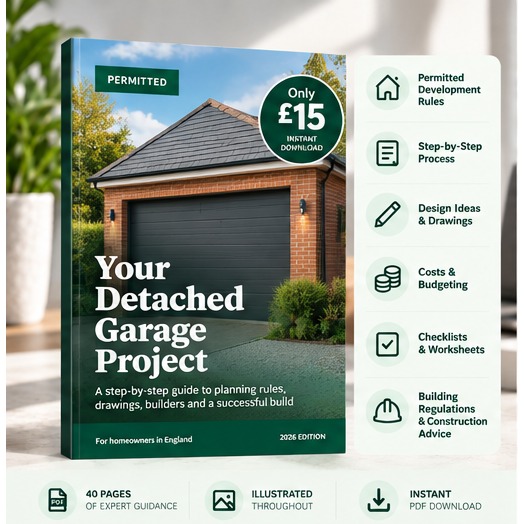
Rules, design options, costs and next steps.
View guide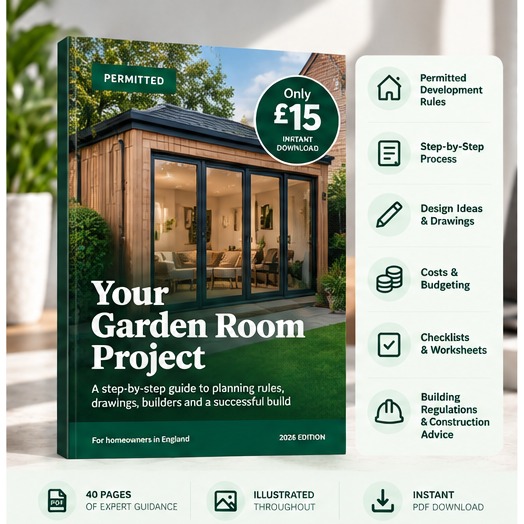
Rules, design options, costs and next steps.
View guide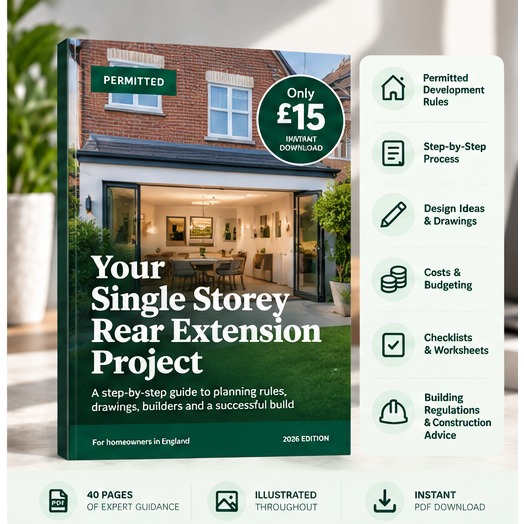
Rules, design options, costs and next steps.
View guide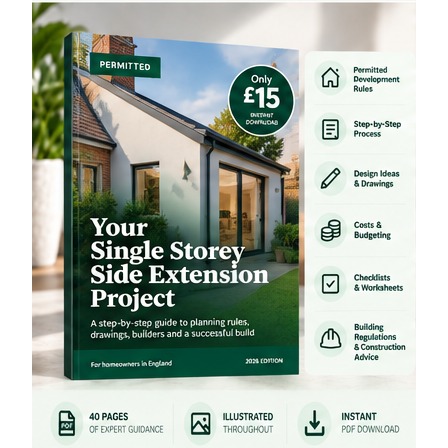
Rules, design options, costs and next steps.
View guide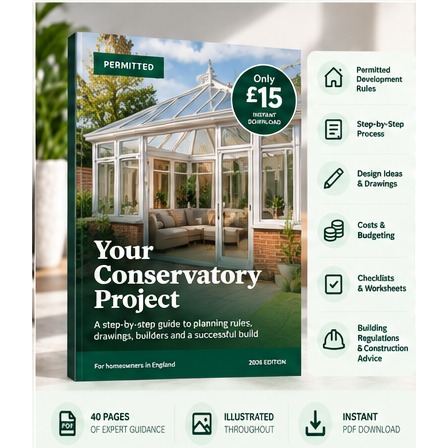
Rules, design options, costs and next steps.
View guide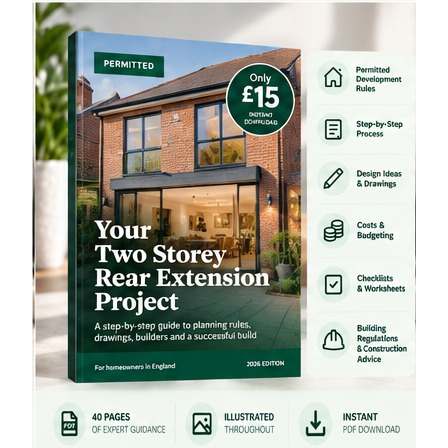
Rules, design options, costs and next steps.
View guide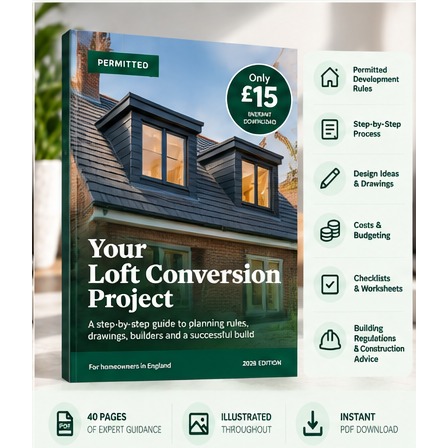
Rules, design options, costs and next steps.
View guide
Can you convert your loft without planning permission? Usually, yes — but the rules are specific. This guide covers exactly what’s allowed, what isn’t, and how to stay on the right side of the regulations.
Yes, in most cases. Loft conversions are one of the most common home improvements carried out under permitted development rights. The rules are set out in Class B of the General Permitted Development Order (GPDO) 2015 and allow you to enlarge your roof space without needing full planning permission — provided you stay within specific volume limits and follow a set of conditions.
The key word is enlarge. Simply converting existing roof space without adding any volume — for example, by installing a Velux roof light and adding a staircase — typically falls under a different part of the rules and is even simpler to achieve under PD. Adding a dormer extension or a hip-to-gable alteration does add volume, and that’s where the limits come into play.
The permitted development rules set a maximum volume by which you can enlarge the roof space. This is measured against the original roof space — not the current roof space if any alterations have already been made.
| Property Type | Maximum Volume Addition |
|---|---|
| Terraced house | 40 cubic metres |
| Semi-detached house | 50 cubic metres |
| Detached house | 50 cubic metres |
| Flat / maisonette | ❌ PD does not apply |
These volume limits are cumulative. If a previous owner already added a 30 cubic metre dormer to your semi-detached house, you only have 20 cubic metres of PD allowance left — even if you didn’t do the original work.
A rear dormer is the most popular type of loft conversion, adding a box-like structure to the rear slope of the roof to increase headroom and floor area. These almost always count as a volume addition and must fall within the 40 or 50 cubic metre limit.
A side dormer is more complicated. If it faces a highway, it’s not permitted under PD. If it faces a neighbour’s property rather than a highway, it may be permitted but the side-facing window conditions above apply.
A hip-to-gable conversion changes the sloping hip end of a roof into a vertical gable wall, usually combined with a rear dormer. This significantly increases usable floor space in the loft. Hip-to-gable is most common on semi-detached and detached houses.
Hip-to-gable conversions are permitted under PD provided:
Note that on terraced houses, hip-to-gable conversions are rare because most terraces have gable ends already. Terraced houses with hipped roofs do exist, and the same rules apply — but the 40 cubic metre limit is tighter.
The simplest type of loft conversion is the roof light conversion, where you convert the existing roof space without adding any dormer or changing the external roof profile. Instead, you install Velux-style windows flush with the existing roof pitch.
Roof light additions to a roof fall under a separate part of the PD rules (Class C of Schedule 2). The key rules are:
Because a Velux conversion doesn’t change the external volume of the roof, it does not use up any of your Class B 40/50 cubic metre allowance. This makes it the cleanest permitted development option — and the most straightforward to demonstrate compliance with.
Regardless of which type of loft conversion you’re doing, the following conditions must all be satisfied for it to qualify as permitted development:
| Condition | Rear Dormer | Hip-to-Gable | Velux Only |
|---|---|---|---|
| Uses volume allowance | Yes | Yes | No |
| Must not exceed ridge height | Yes | Yes | Yes |
| Front elevation permitted | No | No | No |
| Balcony permitted | No | No | No |
| Side windows: obscure glazing required | Yes | Yes | N/A |
Permitted development rights for loft conversions do not apply in several situations. If any of the following apply to your property, you will need to make a full planning application:
Even if your loft conversion clearly qualifies as permitted development, getting a Lawful Development Certificate (LDC) is strongly advisable. An LDC is a formal confirmation from the council that your works are lawful — it’s not required, but it provides important protection.
You should get an LDC if:
An LDC application typically costs around £274 in England and takes 8 weeks. Your architect or loft conversion company should be able to prepare and submit it for you.
Permitted development only covers planning. You will always need Building Regulations approval for a loft conversion, regardless of whether you need planning permission. Building Regulations ensure the structural and safety aspects of the work meet required standards.
Key areas covered by Building Regulations for loft conversions:
You’ll need to either use a local authority Building Control inspector or appoint an approved inspector. Keep all completion certificates — they’re essential for future sales and mortgage purposes.
Our Loft Conversion drawing package is pre-designed to the permitted development limits and supplied exactly as sold — £1,500 fixed price, emailed to you as a PDF.
See the Loft Conversion package →
Check my property and start my project · Read the loft conversion rules
Need the drawings? See our loft conversion drawing set — supplied exactly as sold and emailed to you as a PDF.
Each one is already drawn. You choose the material, roof and options we actually draw, and that is the package you receive.
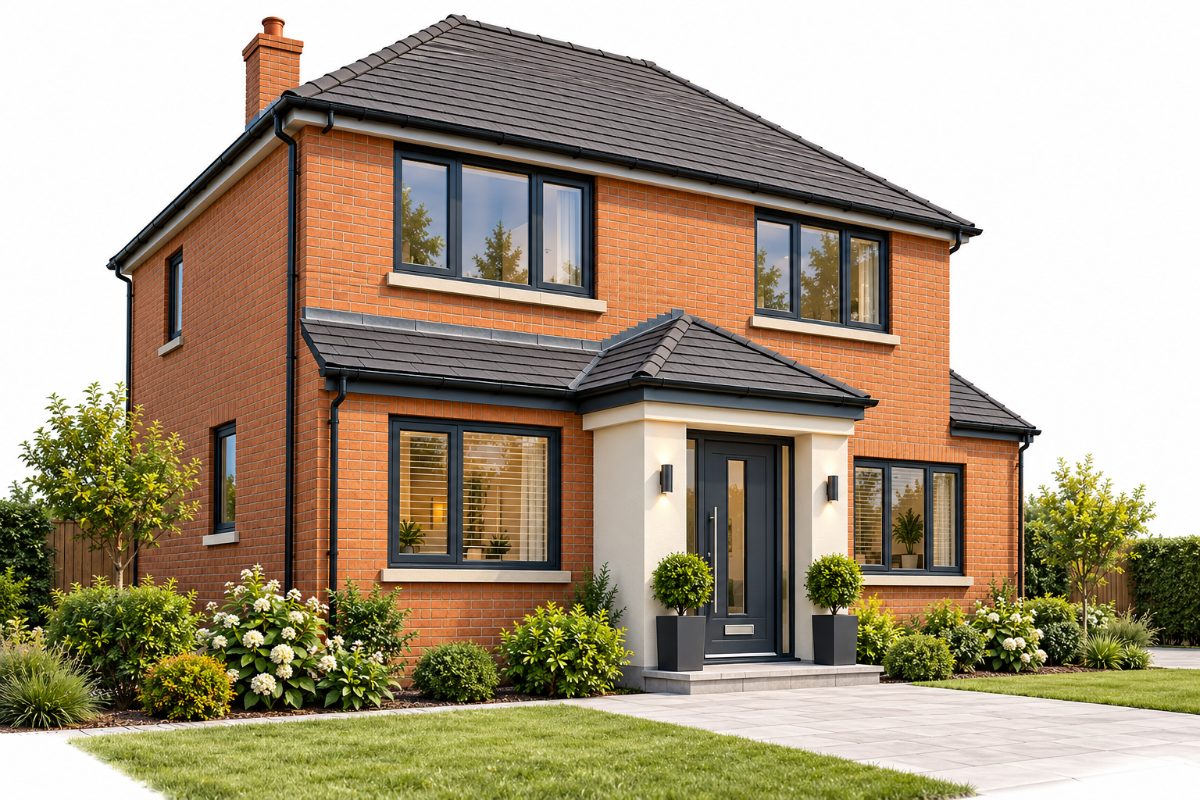
A practical entrance area that adds space and improves the look of your home.
£350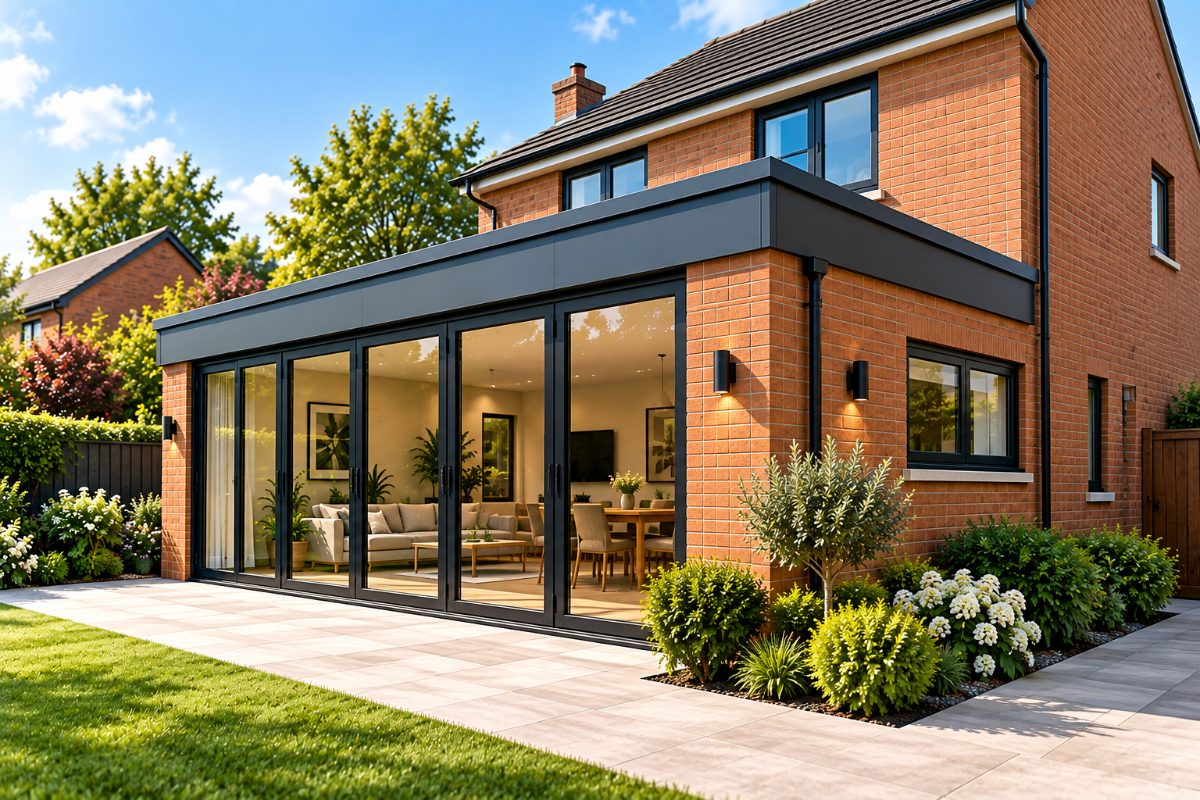
A popular way to create a larger kitchen, dining or family area.
£900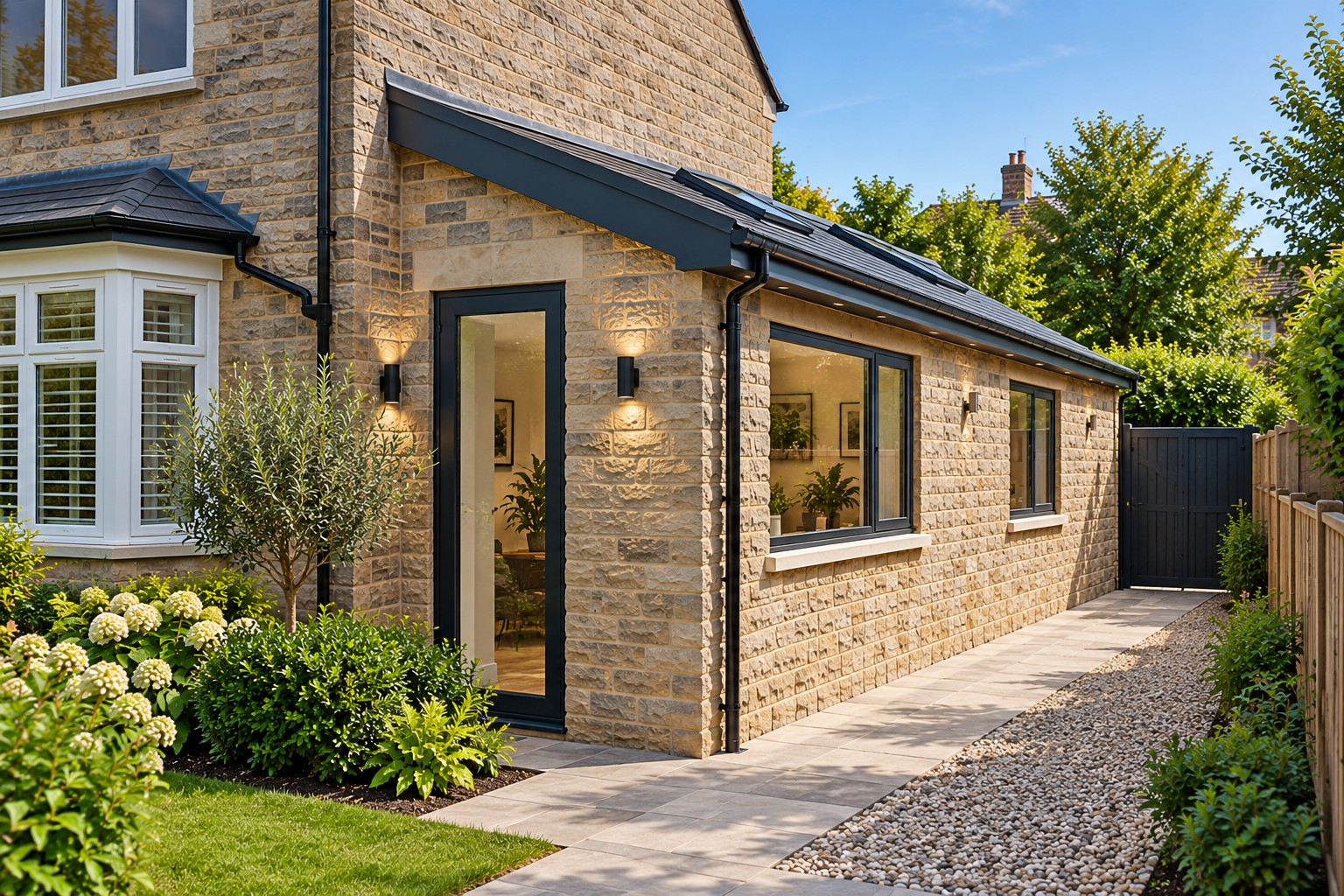
Adds valuable space to the side of your home for a kitchen or utility.
£900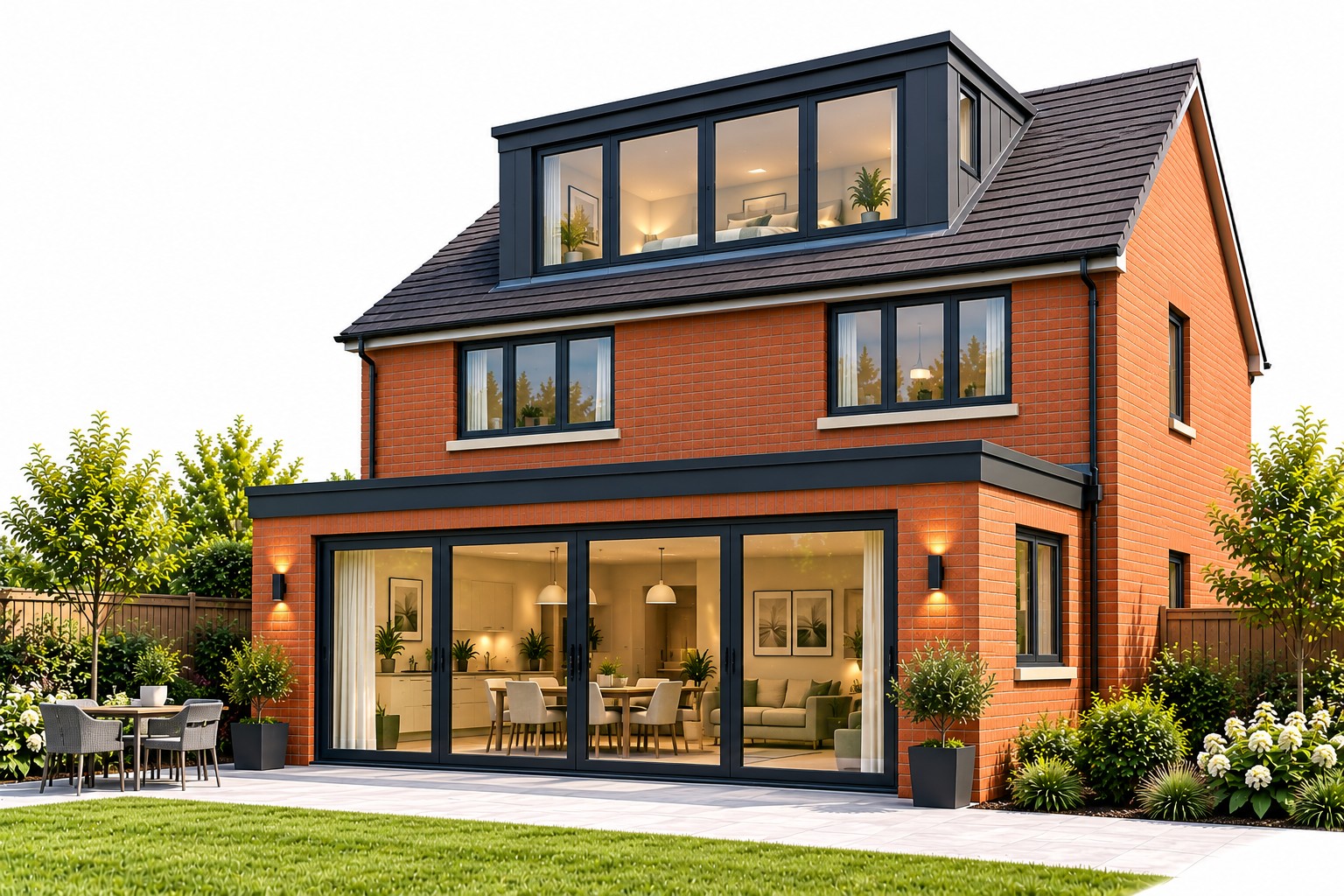
Turns unused loft space into a bedroom, office or additional living area.
£1,500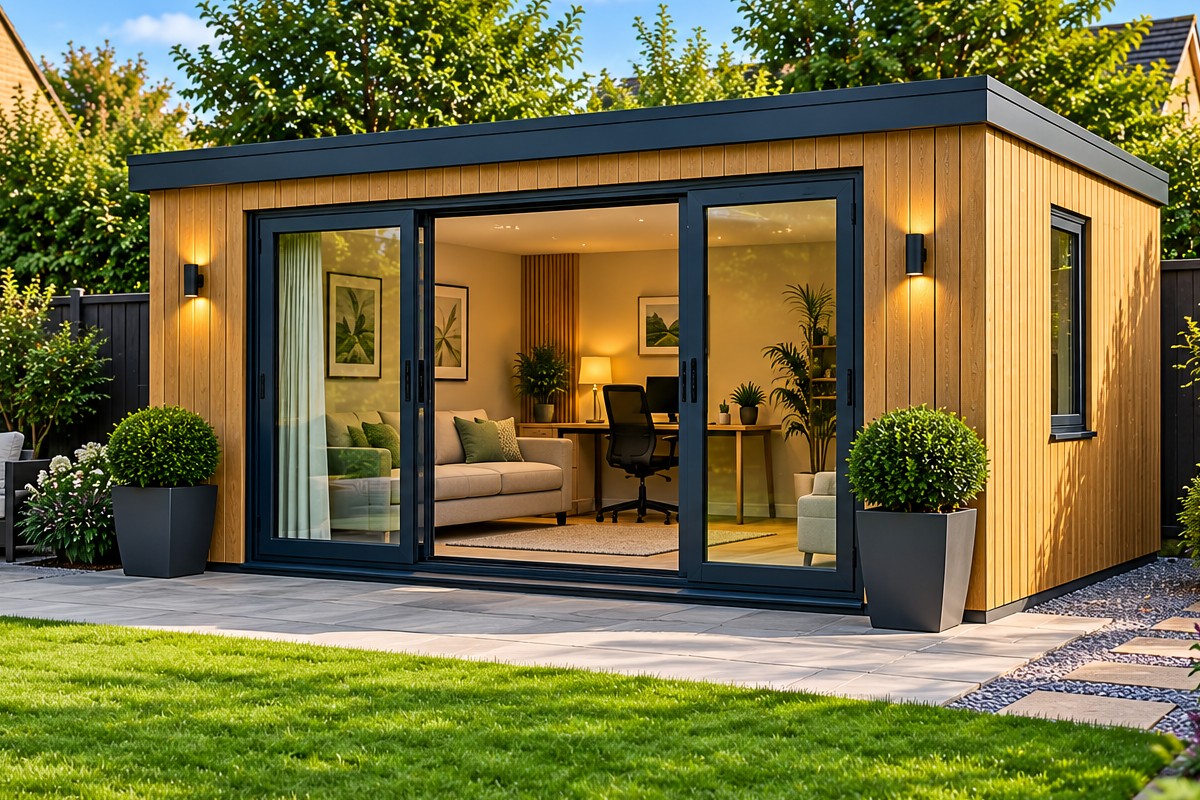
A flexible, detached space for work, leisure or extra living space.
£350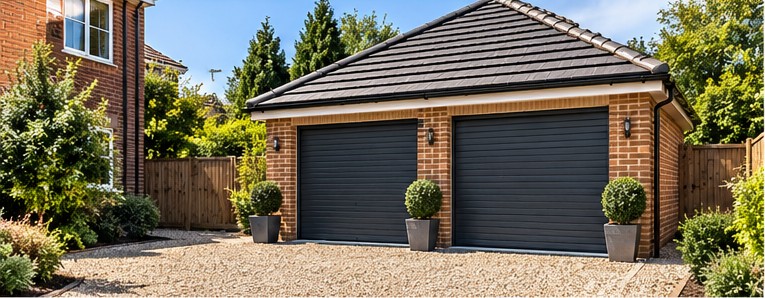
Secure parking or useful storage, single or double.
£350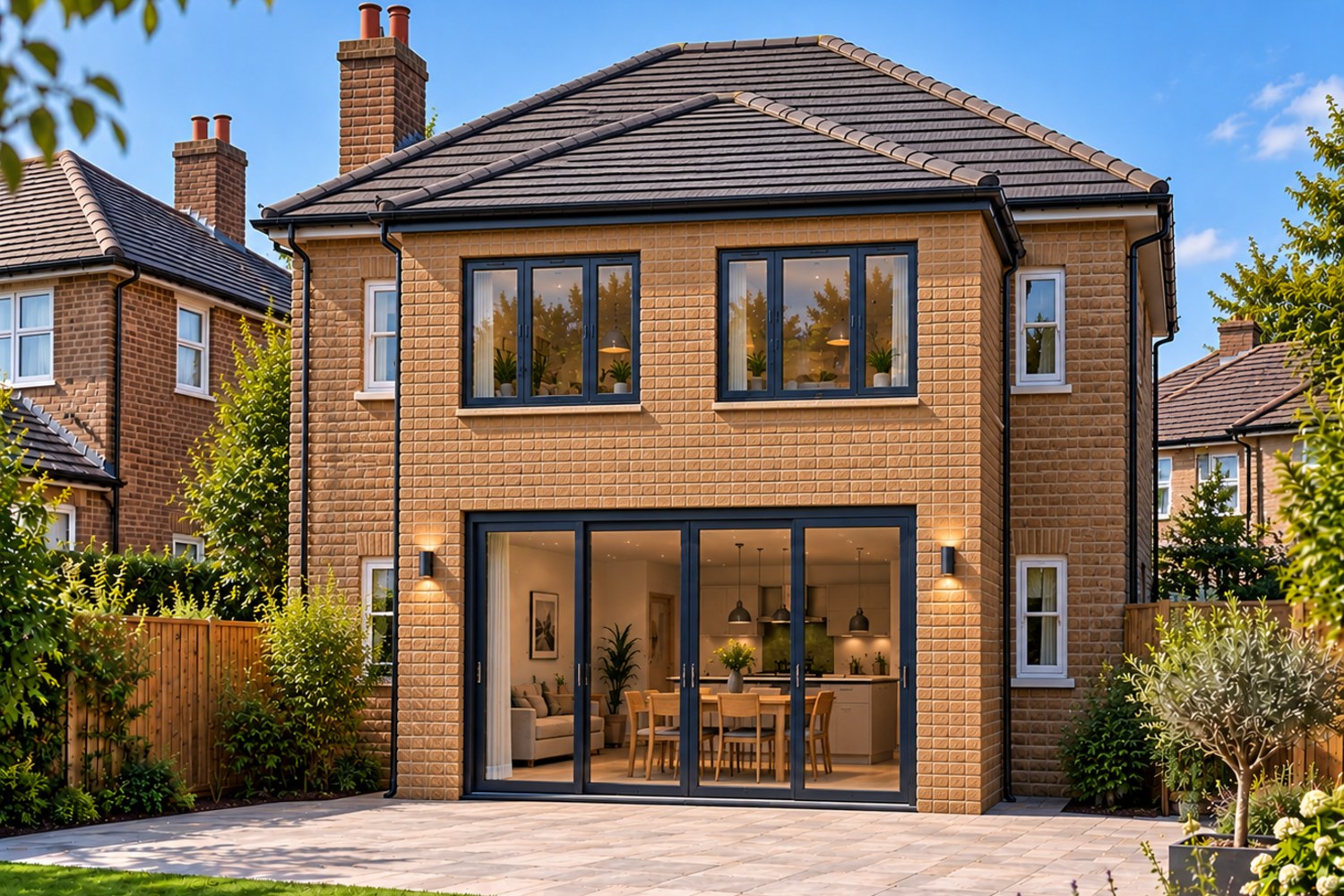
Significantly more living space across both floors.
£1,400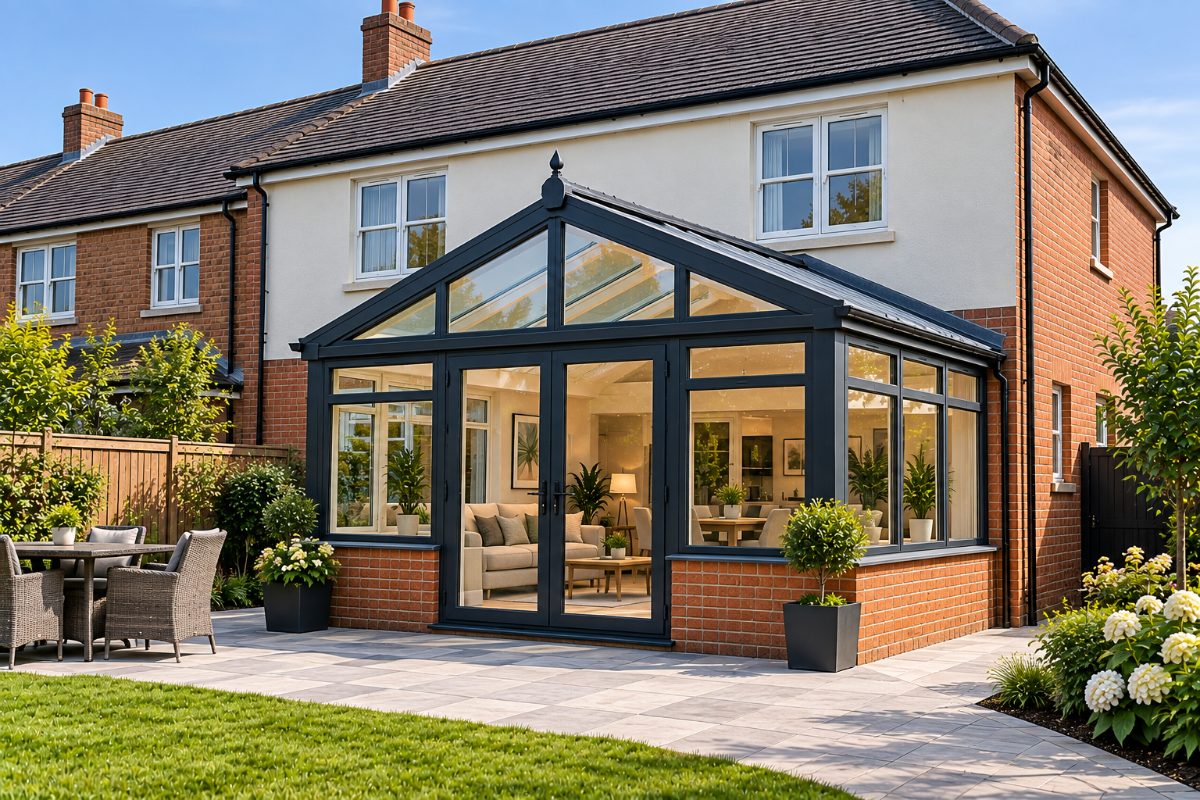
A bright, glazed room connecting your home to the garden.
£900PERMITTED HOMEOWNER GUIDES
Our illustrated, practical guides help you understand the rules, explore design options and budget with confidence — before you commit to building work.
Explore all guidesRules, design options, costs and next steps.
View guideRules, design options, costs and next steps.
View guideRules, design options, costs and next steps.
View guideRules, design options, costs and next steps.
View guideRules, design options, costs and next steps.
View guideRules, design options, costs and next steps.
View guideRules, design options, costs and next steps.
View guideRules, design options, costs and next steps.
View guideWe use cookies that are needed to run the basket and checkout. We would also like to use analytics cookies to understand how the site is used. We only do that if you say yes.

Maximize your property’s footprint with precision and ease. Permitted provides complete design for Permitted Development Rights. Our packages are designed around the Permitted Development limits, so many projects can proceed without a full planning application.
PERMITTED is operated by Yorkshire Property Design Services Limited, registered in England and Wales under company number 12698267.
Registered office: Ground Floor, Techno Centre, Station Road, Horsforth, Leeds, LS18 5BJ
Business contact address: Wira House, Ground Floor, Suite 5, Ring Road, West Park, Leeds, LS16 6EB