


Permitted Development rules





Professional, builder-ready drawing packages for extensions, lofts, porches, garages, garden rooms and more — designed to Permitted Development parameters and supplied as sold.
PERMITTED HOMEOWNER GUIDES
Our illustrated, practical guides help you understand the rules, explore design options and budget with confidence — before you commit to building work.
Explore all guides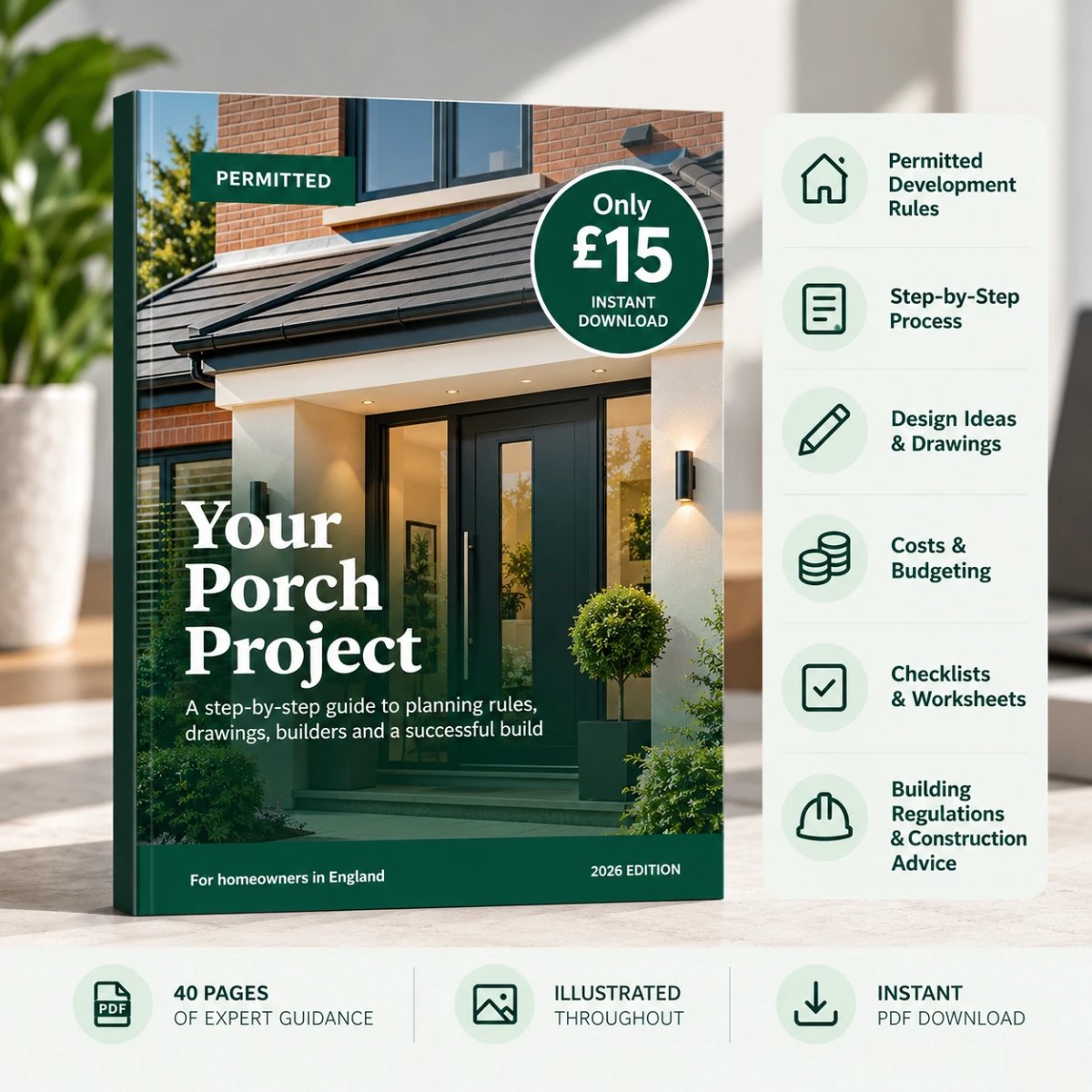
Rules, design options, costs and next steps.
View guide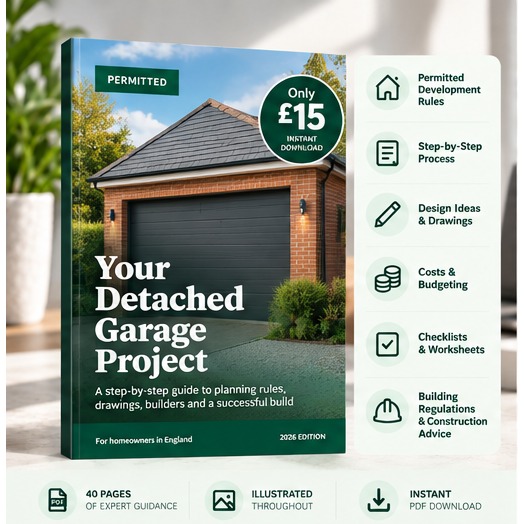
Rules, design options, costs and next steps.
View guide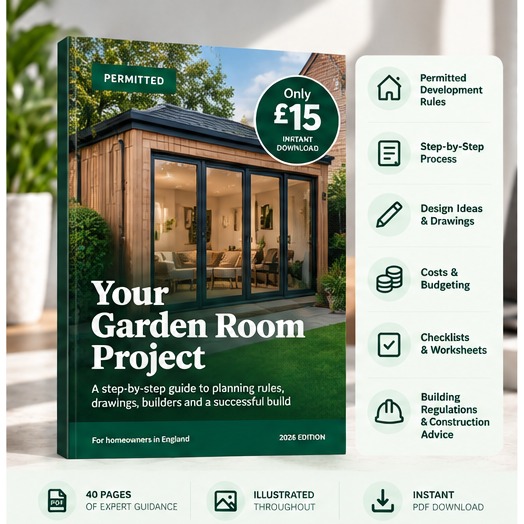
Rules, design options, costs and next steps.
View guide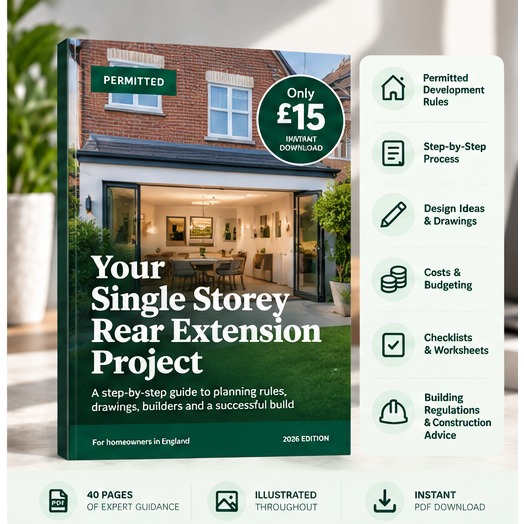
Rules, design options, costs and next steps.
View guide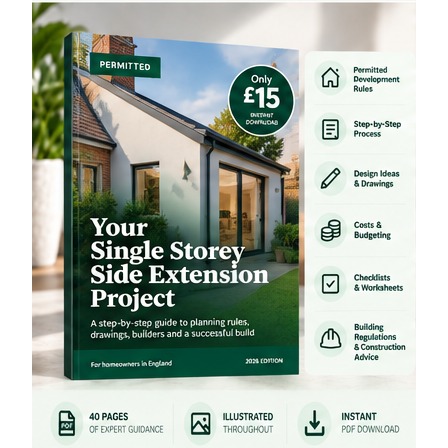
Rules, design options, costs and next steps.
View guide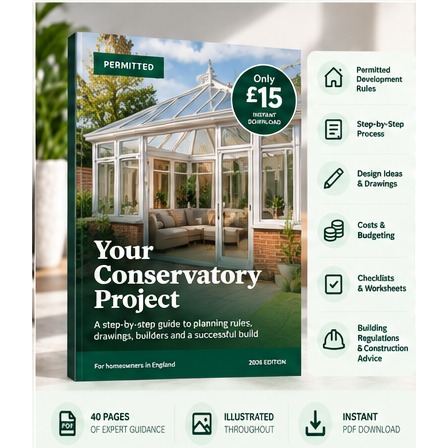
Rules, design options, costs and next steps.
View guide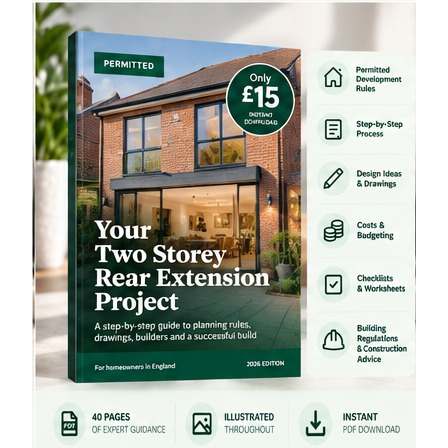
Rules, design options, costs and next steps.
View guide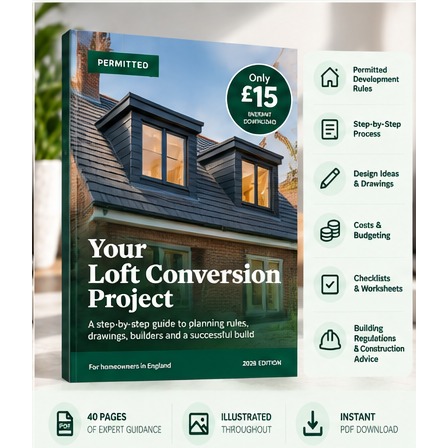
Rules, design options, costs and next steps.
View guideYou can check whether an Article 4 Direction affects your property using your LPA’s website, the Planning Portal, the Local Land Charges Register, or a pre-application enquiry. Here’s how each method works.
Most LPAs publish Article 4 Direction maps on their websites — that’s the fastest starting point. For definitive confirmation, search the Local Land Charges Register or submit a pre-application enquiry.
If you carry out work that falls within a class of PD rights that has been removed by an A4D, you will have carried out development without planning permission. This is an enforcement risk. The LPA can issue an enforcement notice requiring you to reverse the works, and any sale of the property may be complicated by the breach.
Before starting any PD works — particularly in or near a conservation area, an HMO management area, or an area your LPA has listed as subject to directions — confirm whether an A4D applies to your specific address.
This is the fastest starting point. Most LPAs publish:
Search for “[your council name] Article 4 Direction” or look under the Planning Policy or Planning Enforcement sections of the LPA’s site. Many councils also include A4D information in their adopted Local Plans.
The Planning Portal offers a property search that returns basic information about the planning history and designations affecting an address, including whether it is in a conservation area. However, the Portal does not always return full details of site-specific A4Ds — it is a useful first check but not definitive.
Article 4 Directions are registerable as local land charges under the Local Land Charges Act 1975. Searching the Local Land Charges Register (LLC1 search) will reveal any A4Ds registered against the property.
You can access this:
An LLC1 search is the most legally authoritative method and is routinely carried out as part of conveyancing searches when buying a property.
| Method | Speed | Cost | Definitive? |
|---|---|---|---|
| LPA website map | Fast | Free | Usually — but may not show all site-specific A4Ds |
| Planning Portal | Fast | Free | Partial — good for conservation area status |
| Local Land Charges (LLC1) | Hours to days | £25–£50 approx. | Yes — legally authoritative |
| Pre-application enquiry | 5–28 days | Free to £200+ | Yes — LPA written confirmation |
You can submit a pre-application enquiry to the LPA asking whether an A4D applies to your address and, if so, which rights are removed. Many councils offer a free or low-cost basic pre-application service. A written response provides the clearest confirmation and creates a record if any dispute later arises.
Area-wide A4Ds cover a defined geographic area — typically a conservation area, an Article 4 zone for HMOs, or a designated neighbourhood. All properties within the boundary are affected equally. These are the most common type and are usually easy to identify on the LPA’s GIS maps.
Site-specific A4Ds target individual properties or small groups of buildings. They may be made to protect a locally listed building, to prevent intensification of use at a specific site, or to address a known planning concern. Site-specific A4Ds may not always appear clearly on area maps — an LLC1 search is the safest way to identify these.
Since the introduction of Class L permitted development rights (C3 to C4 HMO conversion), many LPAs have made A4Ds removing those rights across parts or all of their area. These are often borough-wide or cover specific wards with high concentrations of HMOs.
Key areas with borough-wide or near-borough-wide Class L A4Ds include many London boroughs (including Camden, Islington, Southwark, and Newham), Oxford, Cambridge, Bristol, Leeds, and several other university cities and towns.
See our full guide: Article 4 Directions and HMOs: What Landlords Need to Know.
The fastest method is to check your LPA’s website for an Article 4 Direction map or schedule. For definitive confirmation, search the Local Land Charges Register (LLC1 search) or submit a pre-application enquiry to the LPA.
The Planning Portal shows some planning designations including conservation area status, but it does not always display all A4Ds — particularly site-specific directions. It is a useful first check but should not be relied upon as definitive.
The Local Land Charges Register is a public register maintained by LPAs (or, progressively, by HM Land Registry) that records legal charges and restrictions on land, including Article 4 Directions. An LLC1 official search returns the current entries against a specific property and is the legally authoritative source.
Yes. If an A4D has removed the PD right you plan to use, carrying out the work without planning permission will be a breach of planning control. The LPA can take enforcement action, including requiring you to reverse the works.
An immediate direction takes effect on the date it is made, before owners are notified. However, LPAs must then notify affected parties and allow representations before confirming the direction within 6 months. Once confirmed, it is registered as a local land charge.
Ask PERMITTED — quick answers on extensions, lofts, garages and garden rooms. If your project fits the rules, choose a fixed-price drawing package. If it doesn’t, YPDS Architectural Services, our parent practice in Leeds, can advise on planning.
Each one is already drawn. You choose the material, roof and options we actually draw, and that is the package you receive.

A practical entrance area that adds space and improves the look of your home.
£350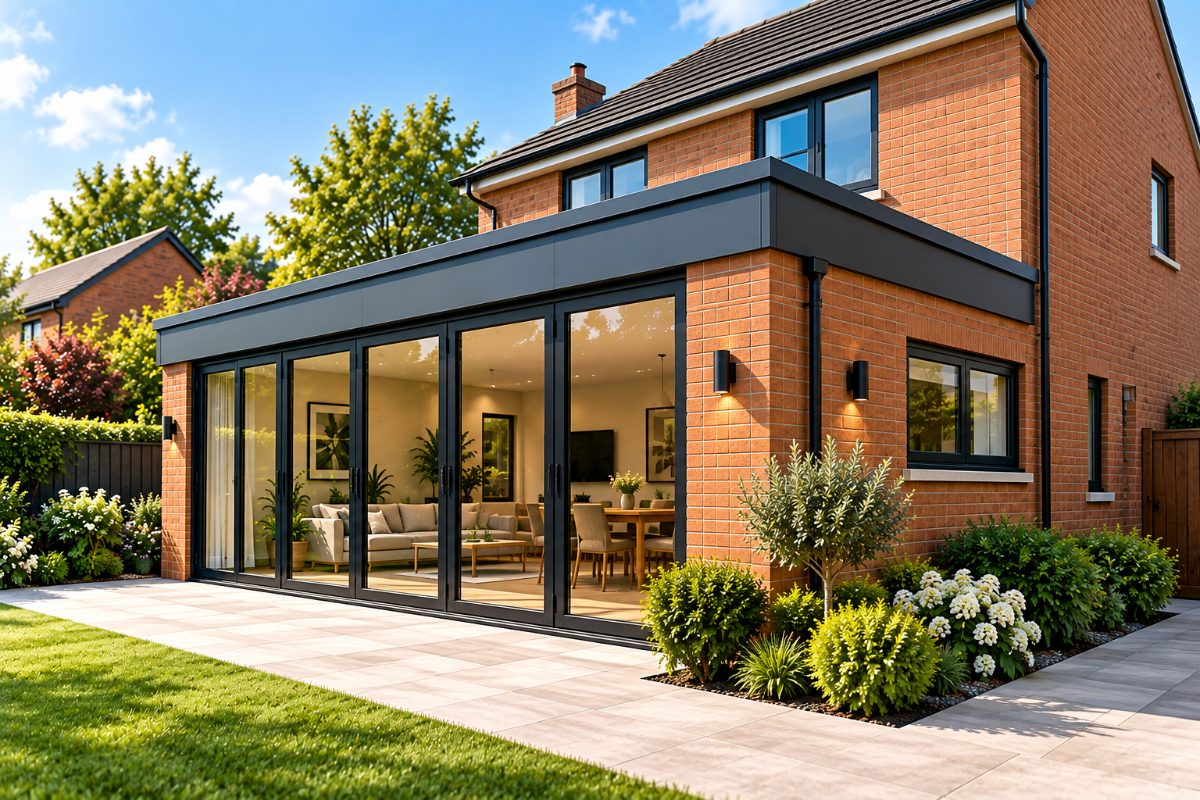
A popular way to create a larger kitchen, dining or family area.
£900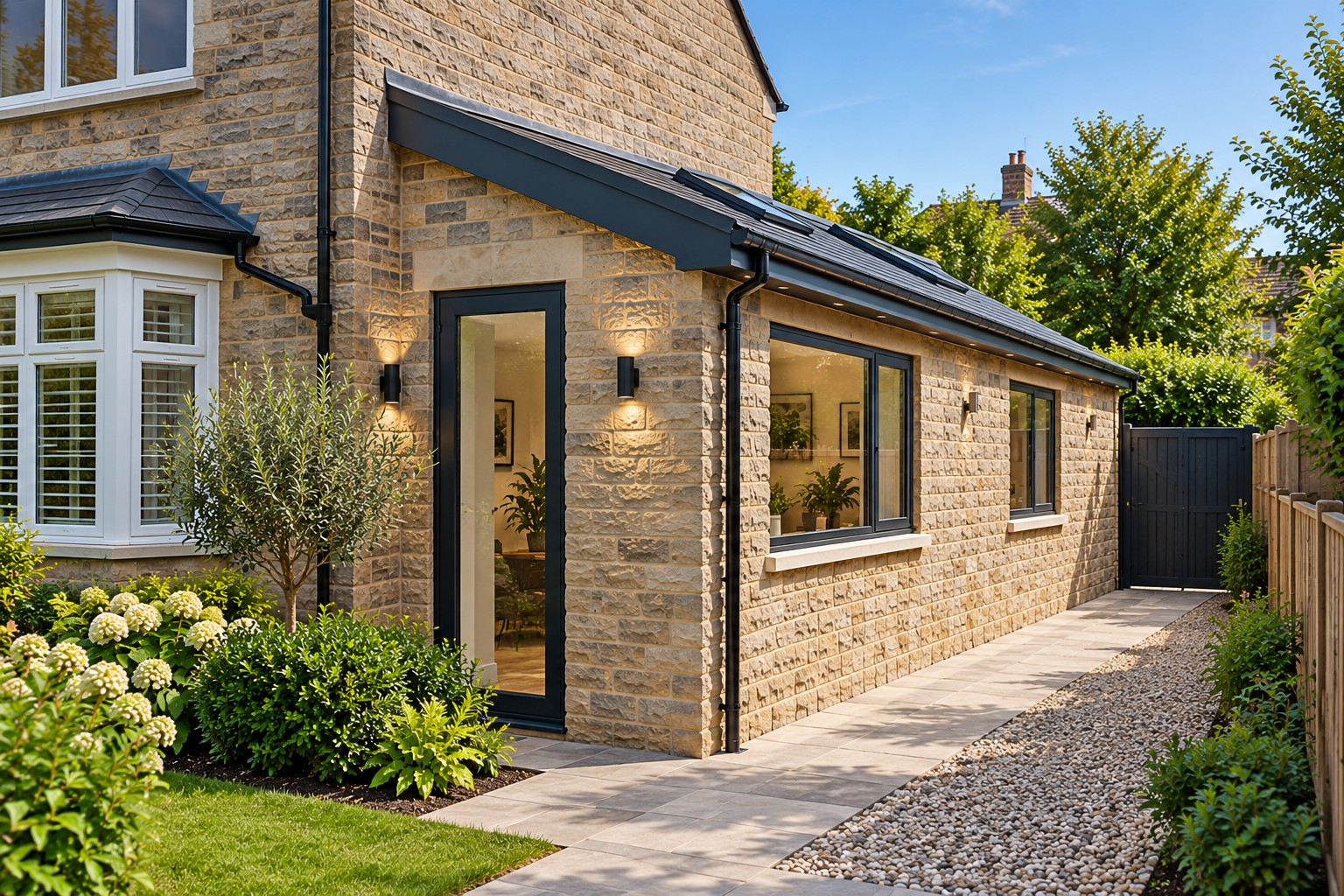
Adds valuable space to the side of your home for a kitchen or utility.
£900
Turns unused loft space into a bedroom, office or additional living area.
£1,500
A flexible, detached space for work, leisure or extra living space.
£350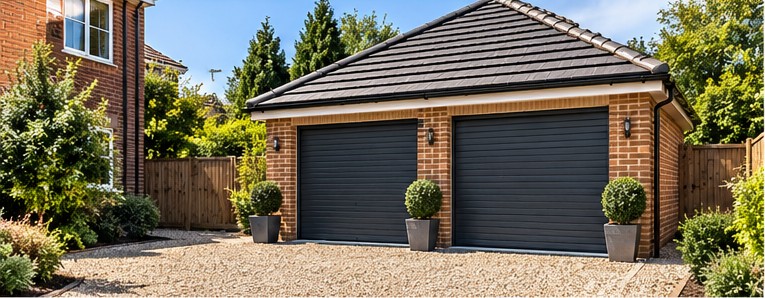
Secure parking or useful storage, single or double.
£350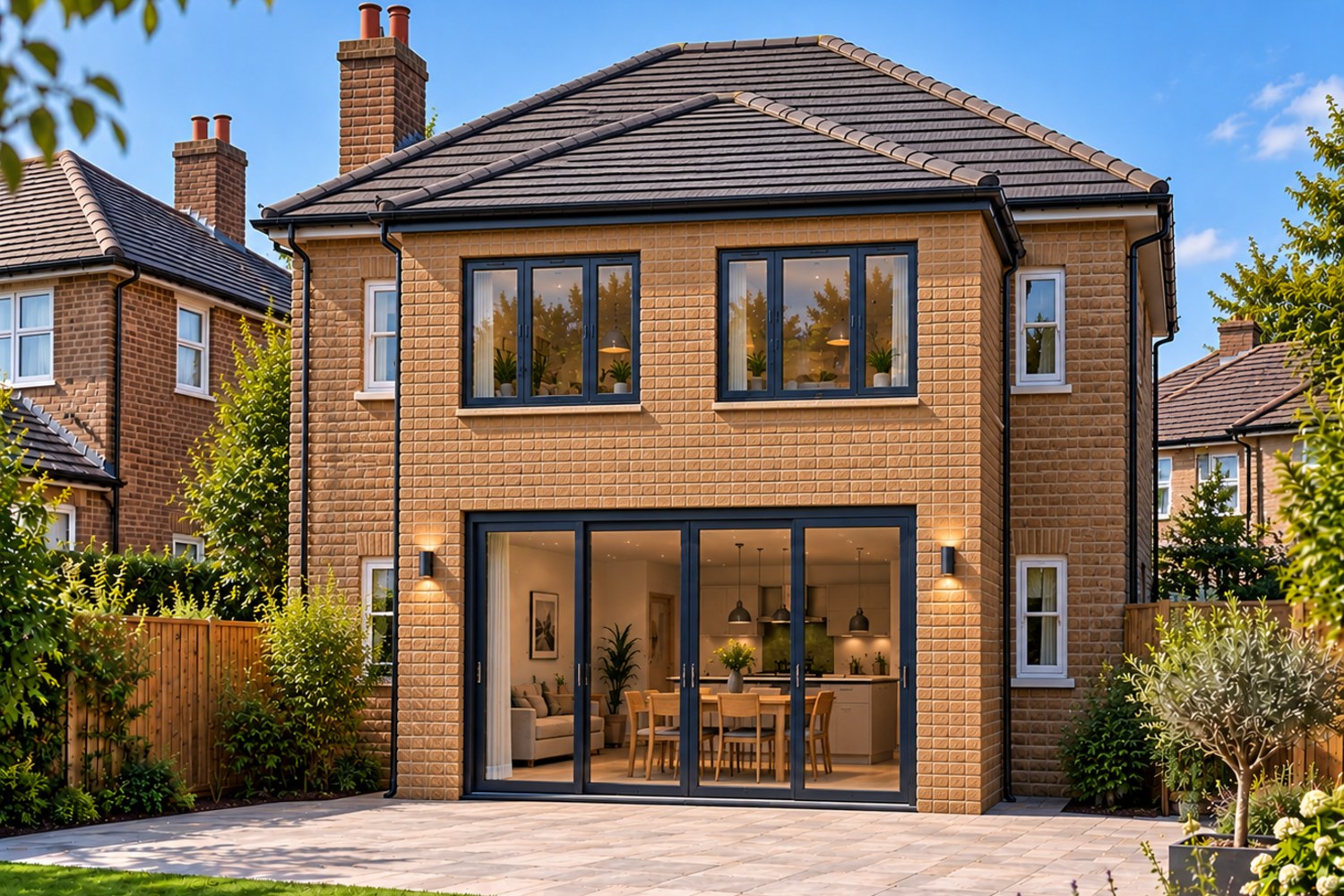
Significantly more living space across both floors.
£1,400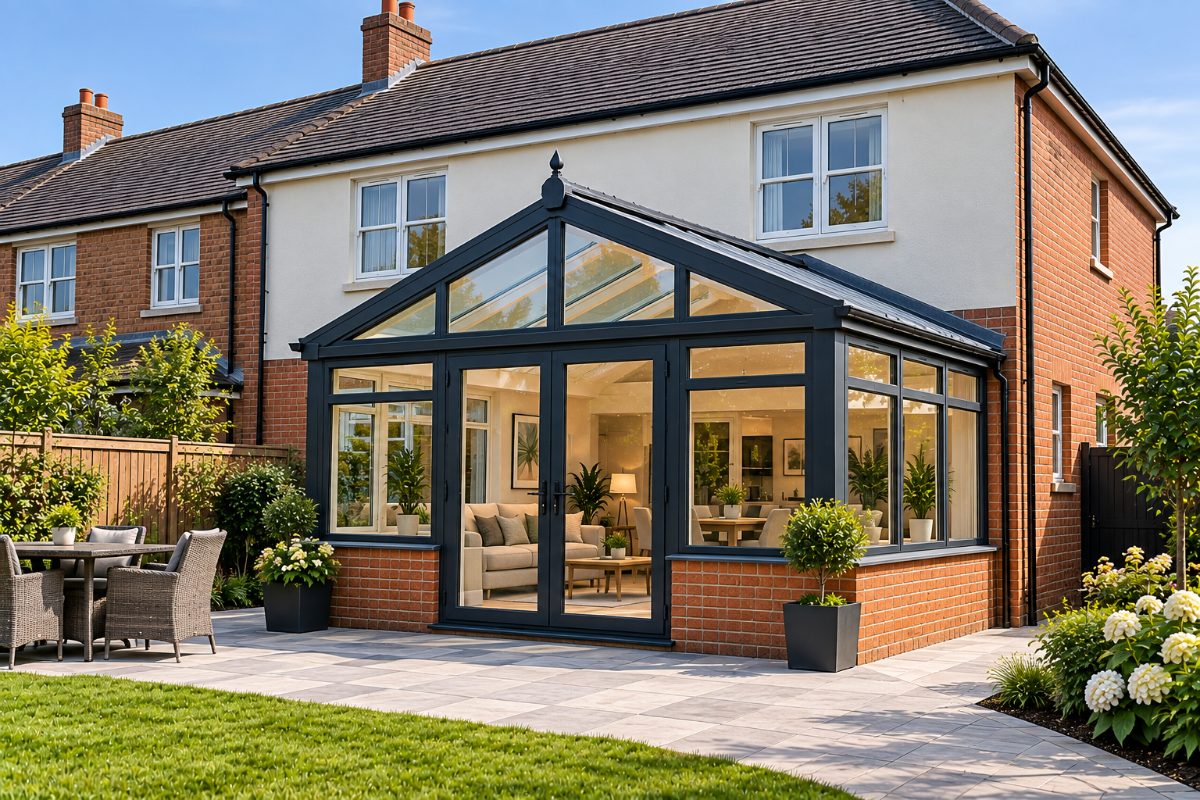
A bright, glazed room connecting your home to the garden.
£900PERMITTED HOMEOWNER GUIDES
Our illustrated, practical guides help you understand the rules, explore design options and budget with confidence — before you commit to building work.
Explore all guidesRules, design options, costs and next steps.
View guideRules, design options, costs and next steps.
View guideRules, design options, costs and next steps.
View guideRules, design options, costs and next steps.
View guideRules, design options, costs and next steps.
View guideRules, design options, costs and next steps.
View guideRules, design options, costs and next steps.
View guideRules, design options, costs and next steps.
View guideWe use cookies that are needed to run the basket and checkout. We would also like to use analytics cookies to understand how the site is used. We only do that if you say yes.

Maximize your property’s footprint with precision and ease. Permitted provides complete design for Permitted Development Rights. Our packages are designed around the Permitted Development limits, so many projects can proceed without a full planning application.
PERMITTED is operated by Yorkshire Property Design Services Limited, registered in England and Wales under company number 12698267.
Registered office: Ground Floor, Techno Centre, Station Road, Horsforth, Leeds, LS18 5BJ
Business contact address: Wira House, Ground Floor, Suite 5, Ring Road, West Park, Leeds, LS16 6EB