


Permitted Development rules





Professional, builder-ready drawing packages for extensions, lofts, porches, garages, garden rooms and more — designed to Permitted Development parameters and supplied as sold.
PERMITTED HOMEOWNER GUIDES
Our illustrated, practical guides help you understand the rules, explore design options and budget with confidence — before you commit to building work.
Explore all guides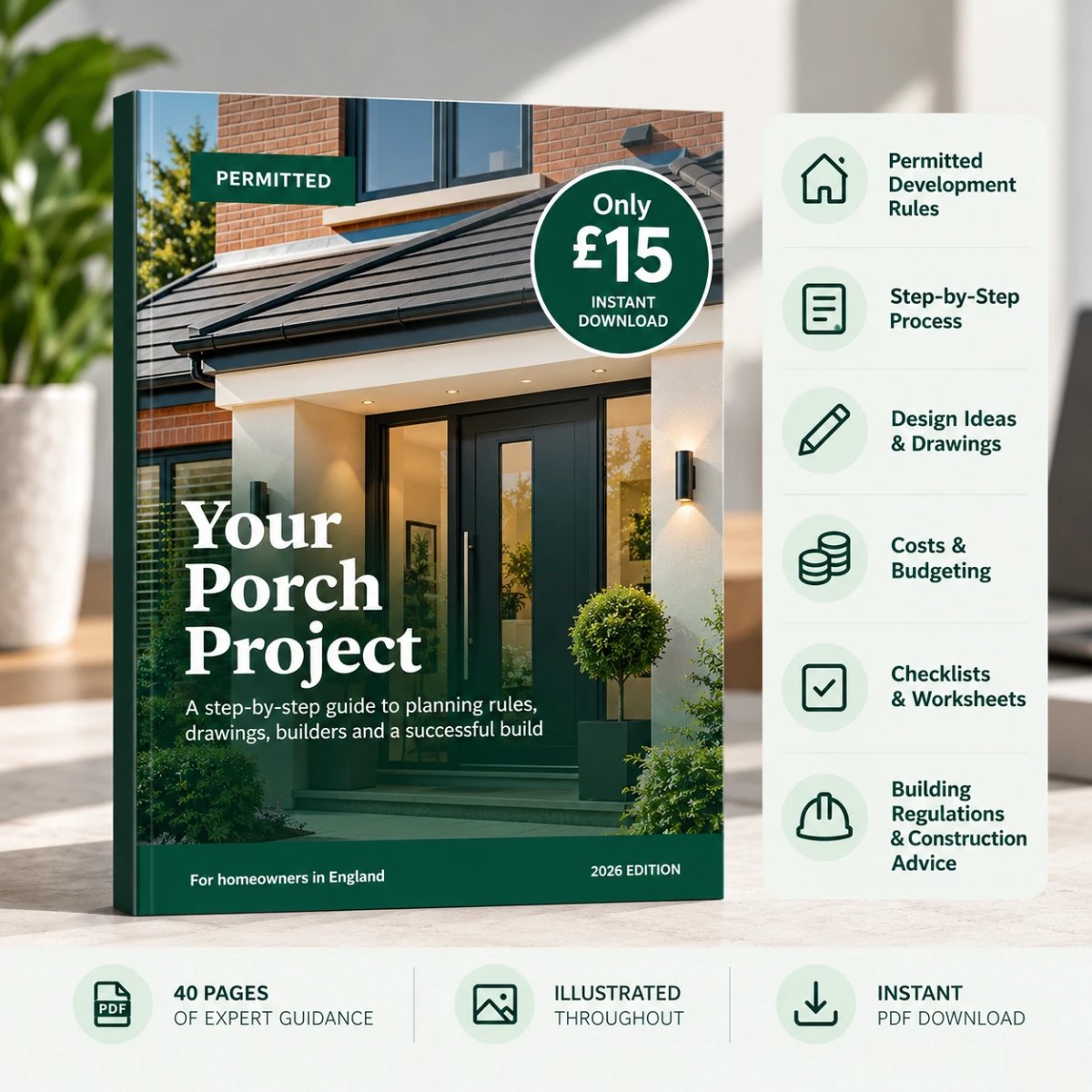
Rules, design options, costs and next steps.
View guide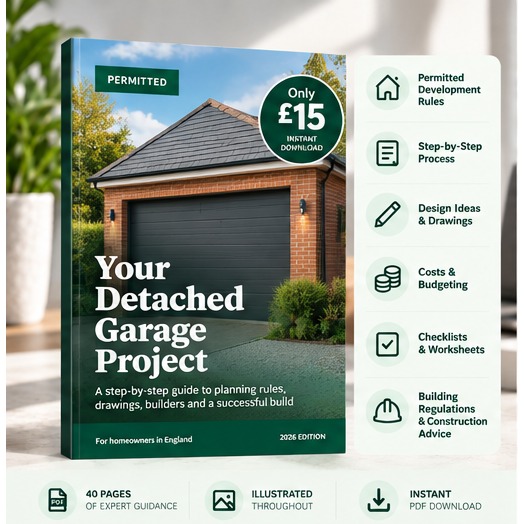
Rules, design options, costs and next steps.
View guide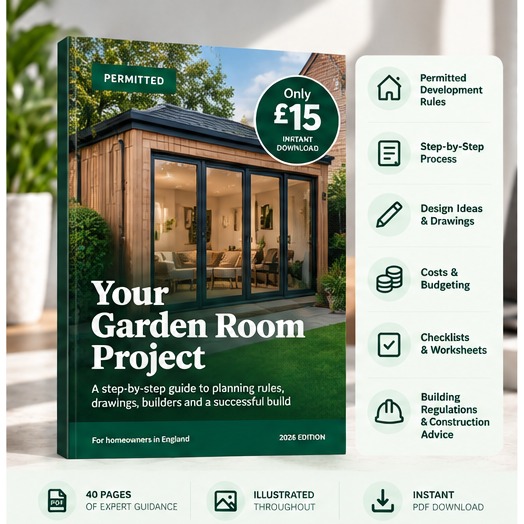
Rules, design options, costs and next steps.
View guide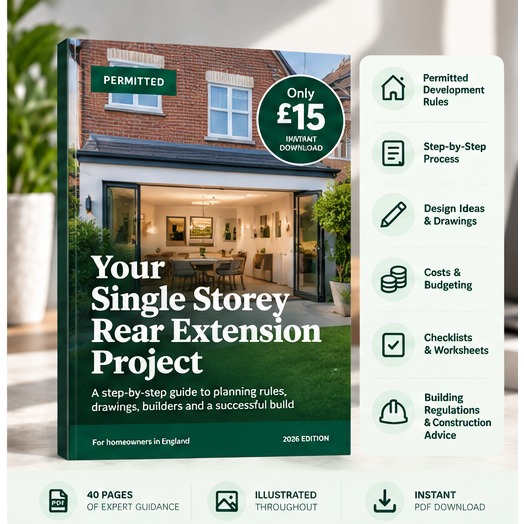
Rules, design options, costs and next steps.
View guide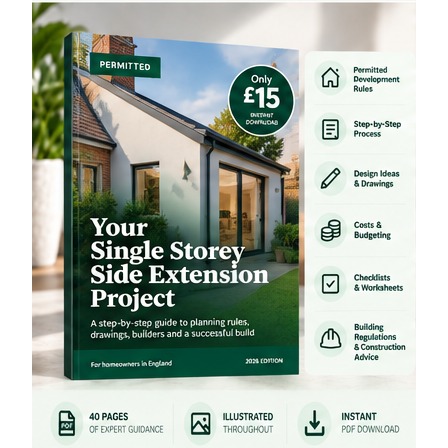
Rules, design options, costs and next steps.
View guide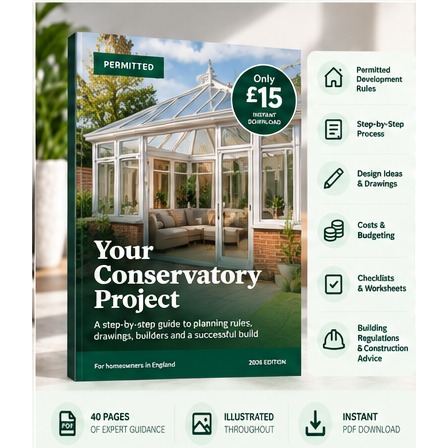
Rules, design options, costs and next steps.
View guide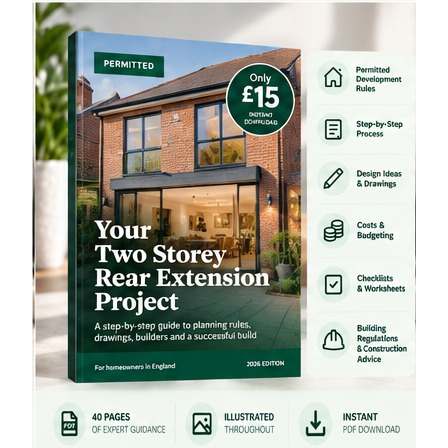
Rules, design options, costs and next steps.
View guide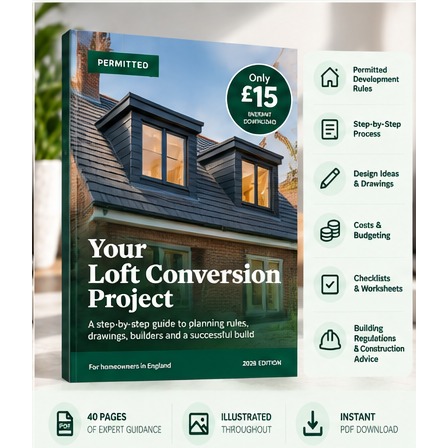
Rules, design options, costs and next steps.
View guideParty wall disputes don’t have to end in court. The Act provides a structured resolution process, and most disagreements are resolved by surveyors without any legal proceedings. Here’s what to expect, how much it costs, and how to avoid disputes escalating.
Under the Party Wall etc. Act 1996, a “dispute” arises the moment a neighbour dissents to your party wall notice — or fails to respond within 14 days. This doesn’t necessarily mean there’s a fight between neighbours; it simply means the Act’s formal resolution process kicks in.
True contentious disputes — where parties actively disagree about the terms of the Award, the cost of damage, or the scope of works — are less common, but they do happen.
A party wall “dispute” is a legal term that triggers the surveyor process. Most disputes are resolved amicably by surveyors without any court involvement. True contentious disputes are the exception.
The Party Wall Act creates a self-contained dispute resolution system that operates outside the courts. Here’s how it works:
The Third Surveyor is a crucial but often misunderstood figure in the party wall process. They are:
Either party can also apply directly to the Third Surveyor if they believe their own surveyor is acting improperly or unreasonably delaying the Award.
Either party can appeal a Party Wall Award to the County Court within 14 days of receiving it. The appeal must be made to the court for the area where the property is located.
The court can:
Court appeals are expensive (legal costs can reach £5,000–£15,000 or more for each side) and time-consuming. They are typically only worthwhile where there is a genuine point of law at issue, or where the value of the dispute is very high.
The most frequent disputes in practice relate to:
Costs vary enormously depending on how contentious the dispute becomes:
| Stage | Typical Cost |
|---|---|
| Agreed surveyor (no dispute) | £700–£1,500 |
| Two surveyors (dissent only) | £1,500–£3,000 total |
| Third Surveyor involvement | Additional £500–£2,000+ |
| County Court appeal | £5,000–£15,000+ per side |
The building owner normally pays surveyors’ fees. However, if the adjoining owner has acted unreasonably in escalating costs, the Award can require them to contribute — and the Third Surveyor or court can re-apportion costs.
The best disputes are the ones that never happen. Practical steps to reduce conflict:
No. The Party Wall Act does not give neighbours a veto over lawful building works. What they can do is require those works to proceed under the terms of a Party Wall Award that protects their interests. The Award sets conditions on the works, but it cannot prohibit them entirely.
If the adjoining owner fails to appoint a surveyor within 10 days of being asked, the building owner can appoint a surveyor on their behalf. This surveyor then acts in the same way as a party-appointed surveyor. The Act specifically provides for this to prevent the process being blocked.
Most disputes (i.e. where surveyors are needed) are resolved within 4–8 weeks of the surveyors being appointed. More contentious cases involving the Third Surveyor can take 3–6 months. County Court appeals typically take 6–18 months to resolve.
An ongoing dispute won’t necessarily prevent a sale, but buyers’ solicitors will ask about it and it may concern some buyers. Unresolved damage claims or incomplete party wall documentation can cause delays. It’s best to resolve any outstanding matters before putting your property on the market.
Extensions, loft conversions, outbuildings, solar panels — our complete guide covers everything you can build without planning permission.
Planning a project? Browse our permitted development drawing sets — fixed price, supplied exactly as sold and emailed to you as a PDF.
Each one is already drawn. You choose the material, roof and options we actually draw, and that is the package you receive.
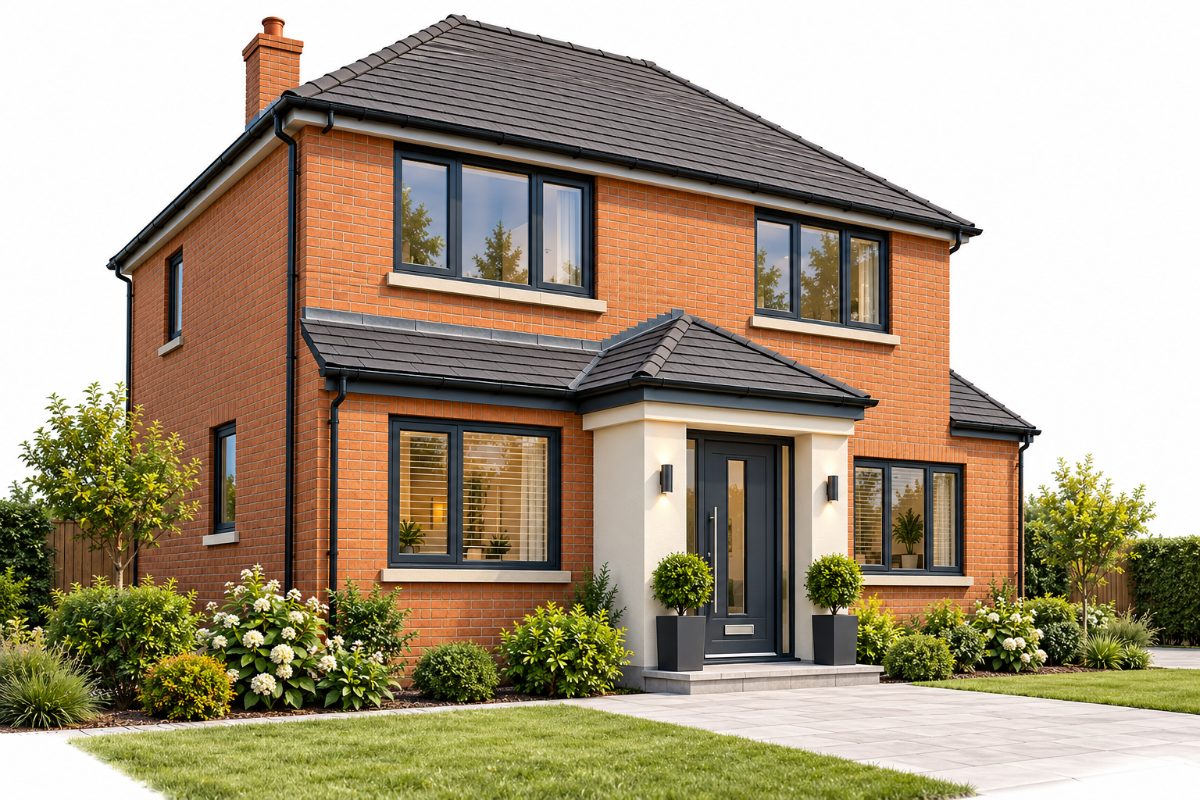
A practical entrance area that adds space and improves the look of your home.
£350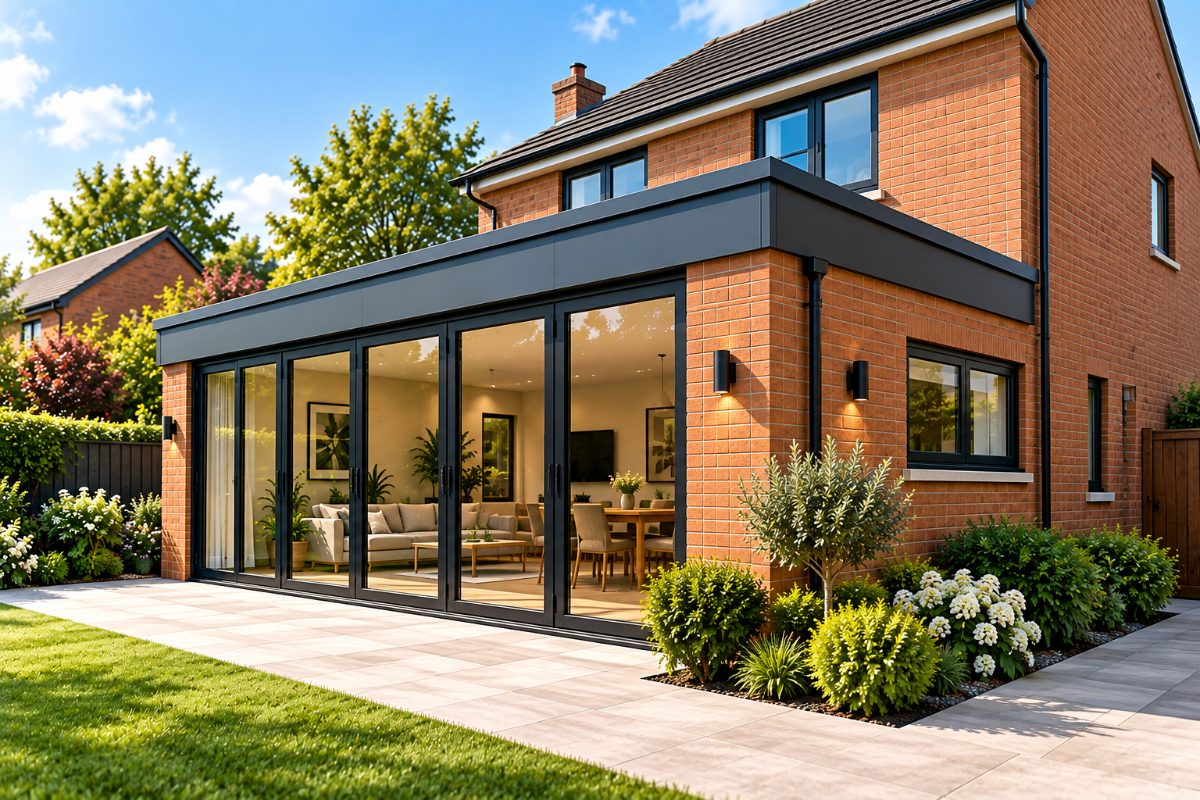
A popular way to create a larger kitchen, dining or family area.
£900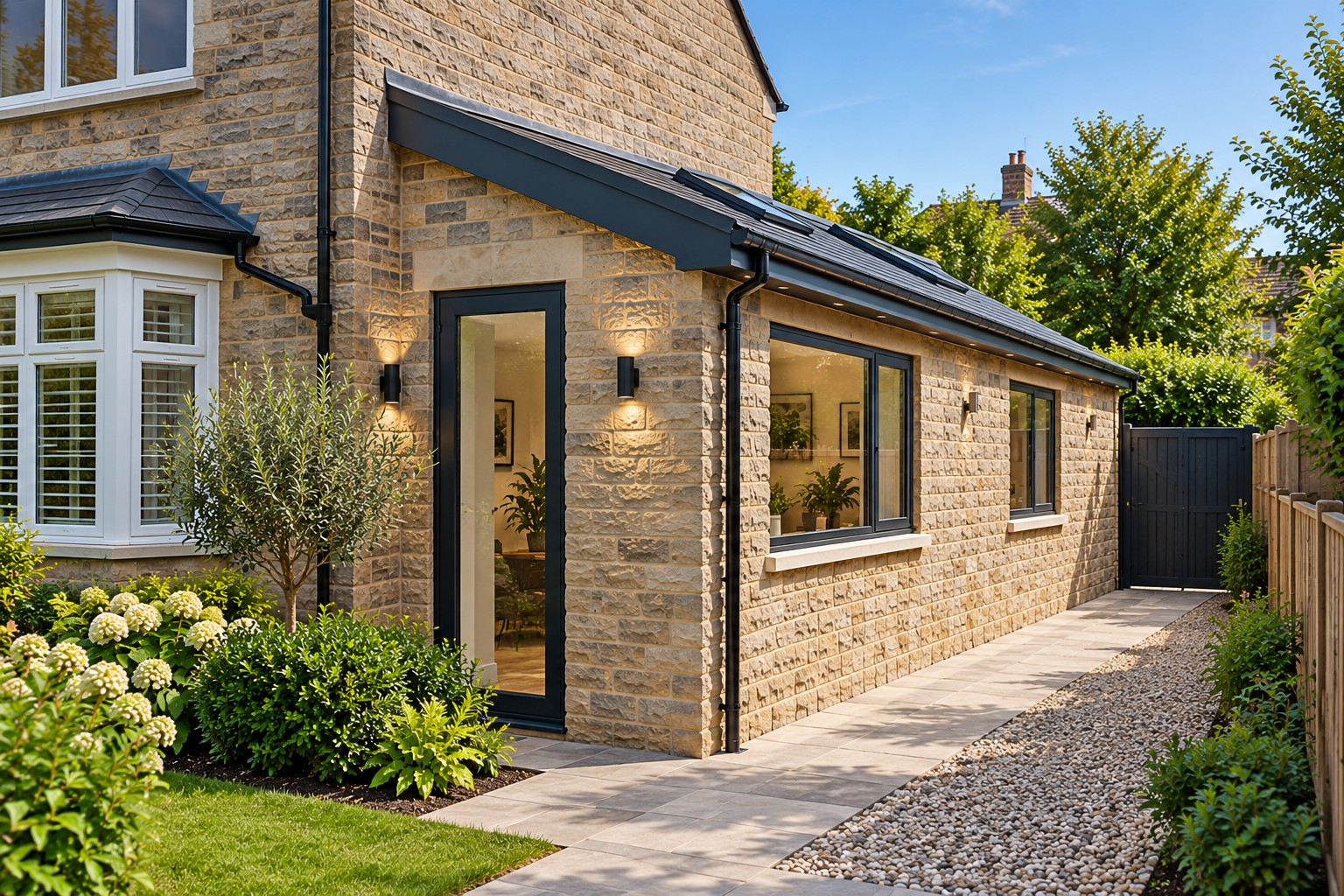
Adds valuable space to the side of your home for a kitchen or utility.
£900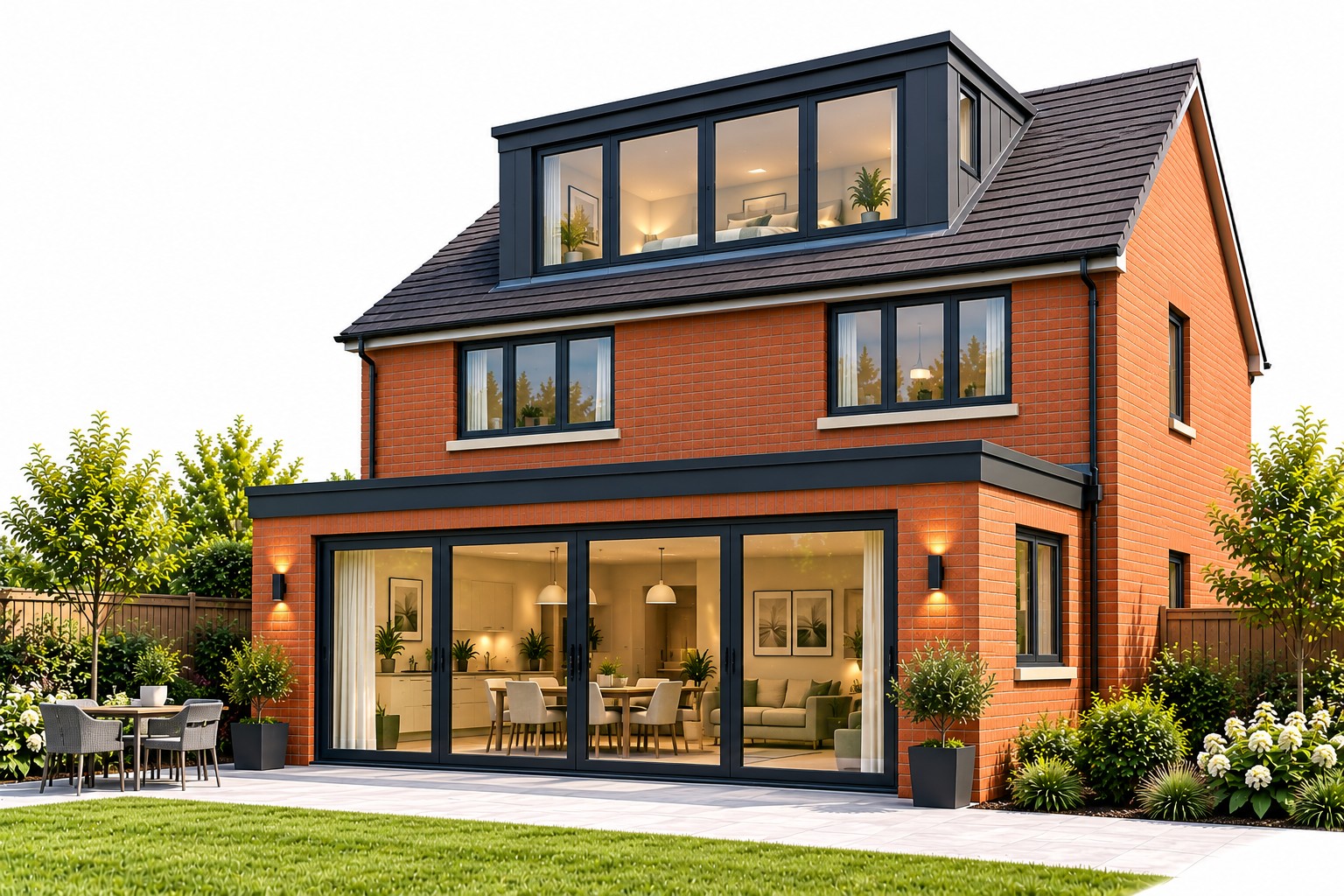
Turns unused loft space into a bedroom, office or additional living area.
£1,500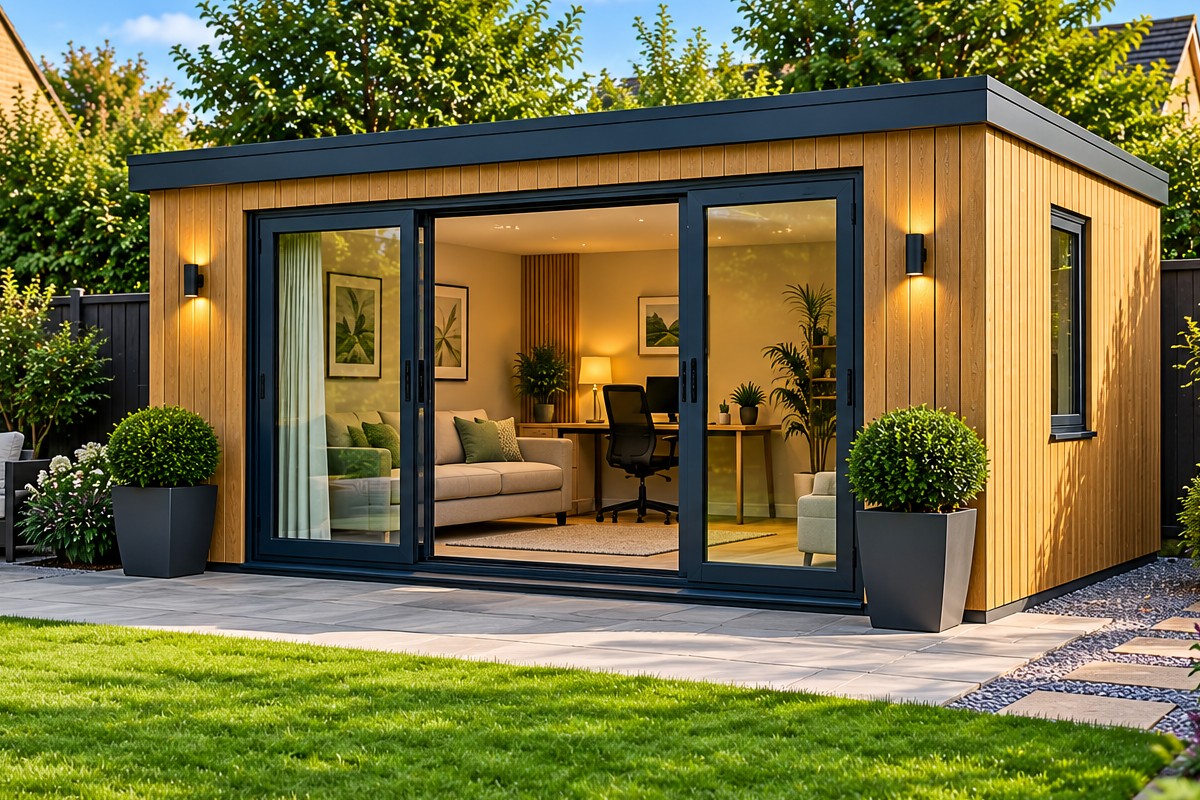
A flexible, detached space for work, leisure or extra living space.
£350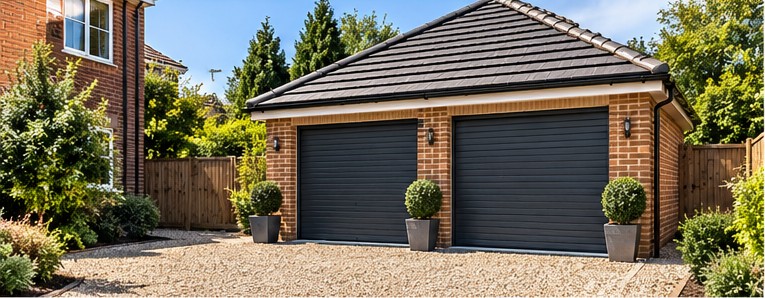
Secure parking or useful storage, single or double.
£350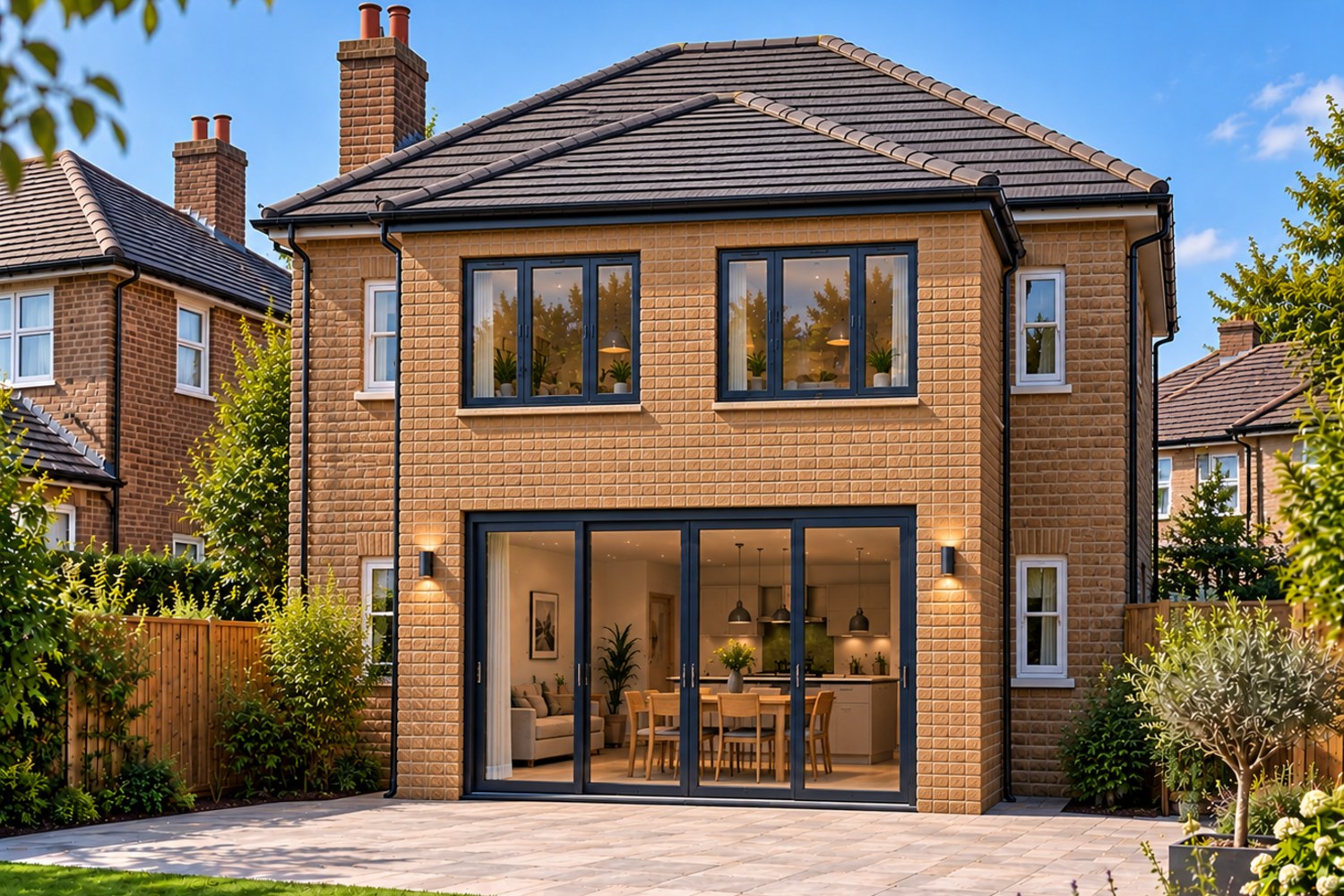
Significantly more living space across both floors.
£1,400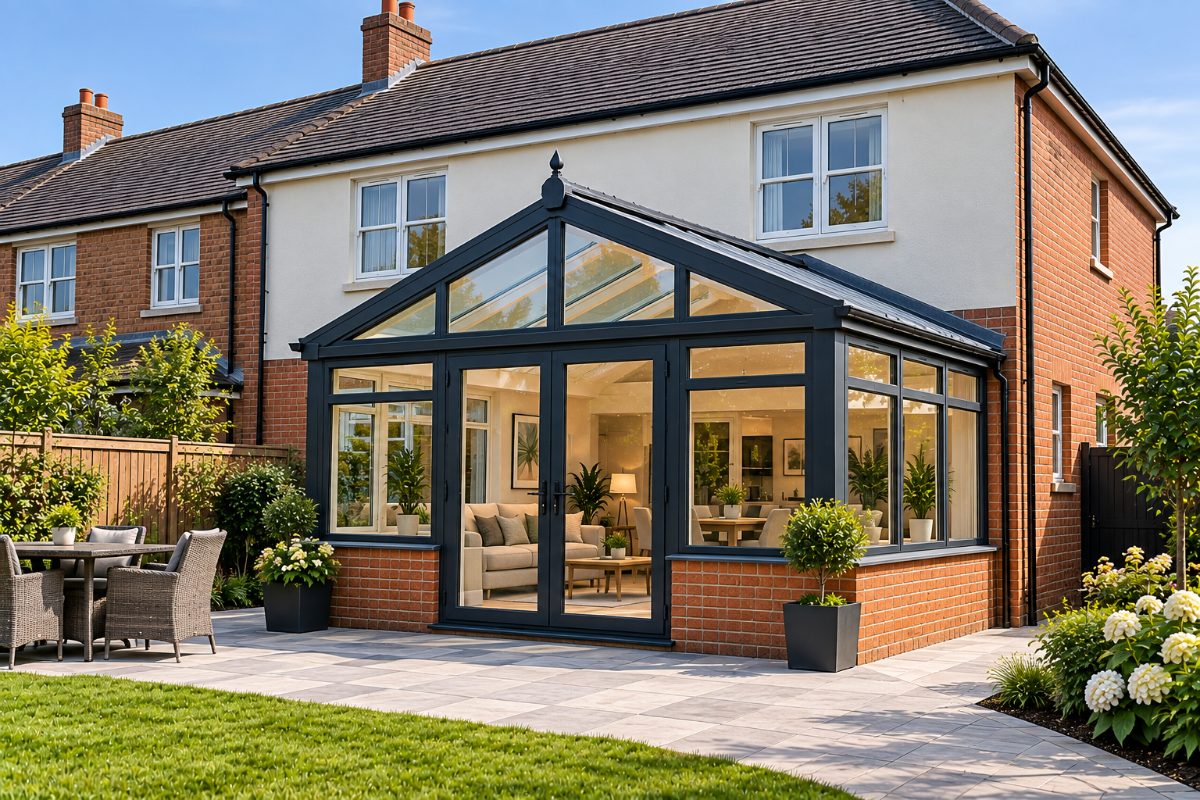
A bright, glazed room connecting your home to the garden.
£900PERMITTED HOMEOWNER GUIDES
Our illustrated, practical guides help you understand the rules, explore design options and budget with confidence — before you commit to building work.
Explore all guidesRules, design options, costs and next steps.
View guideRules, design options, costs and next steps.
View guideRules, design options, costs and next steps.
View guideRules, design options, costs and next steps.
View guideRules, design options, costs and next steps.
View guideRules, design options, costs and next steps.
View guideRules, design options, costs and next steps.
View guideRules, design options, costs and next steps.
View guideWe use cookies that are needed to run the basket and checkout. We would also like to use analytics cookies to understand how the site is used. We only do that if you say yes.

Maximize your property’s footprint with precision and ease. Permitted provides complete design for Permitted Development Rights. Our packages are designed around the Permitted Development limits, so many projects can proceed without a full planning application.
PERMITTED is operated by Yorkshire Property Design Services Limited, registered in England and Wales under company number 12698267.
Registered office: Ground Floor, Techno Centre, Station Road, Horsforth, Leeds, LS18 5BJ
Business contact address: Wira House, Ground Floor, Suite 5, Ring Road, West Park, Leeds, LS16 6EB