


Permitted Development rules





Professional, builder-ready drawing packages for extensions, lofts, porches, garages, garden rooms and more — designed to Permitted Development parameters and supplied as sold.
PERMITTED HOMEOWNER GUIDES
Our illustrated, practical guides help you understand the rules, explore design options and budget with confidence — before you commit to building work.
Explore all guides
Rules, design options, costs and next steps.
View guide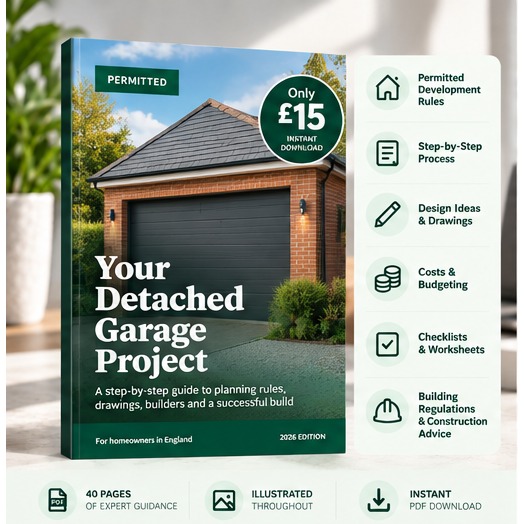
Rules, design options, costs and next steps.
View guide
Rules, design options, costs and next steps.
View guide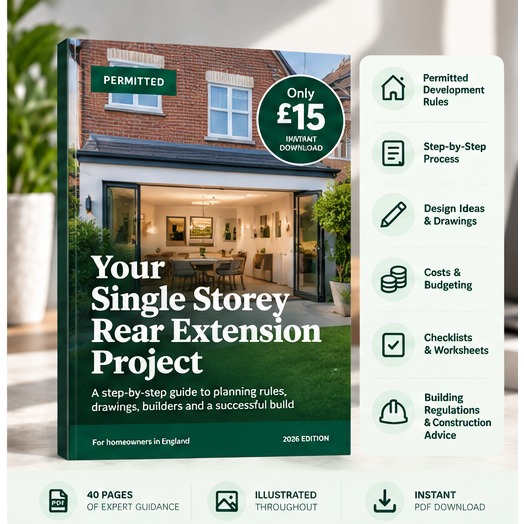
Rules, design options, costs and next steps.
View guide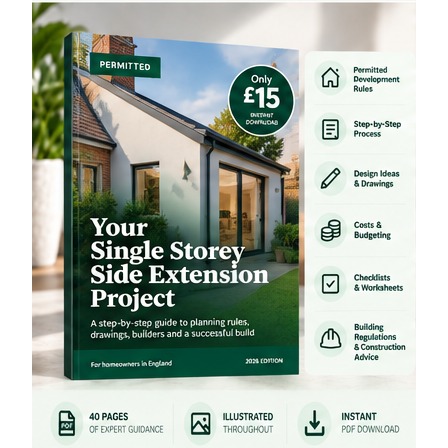
Rules, design options, costs and next steps.
View guide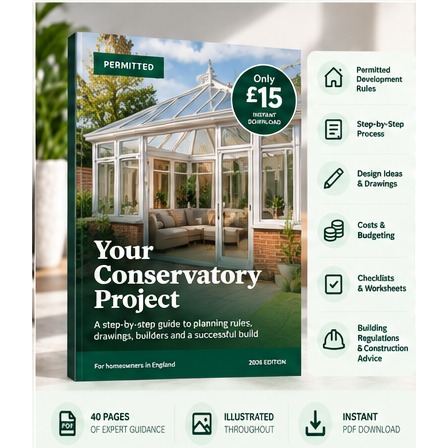
Rules, design options, costs and next steps.
View guide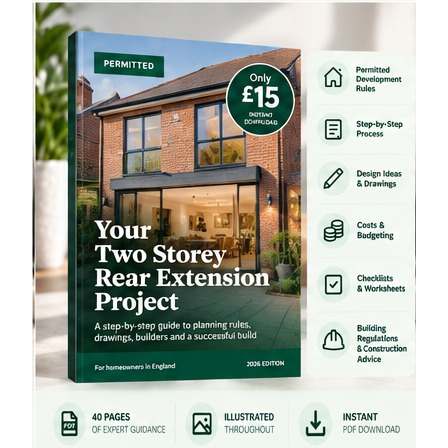
Rules, design options, costs and next steps.
View guide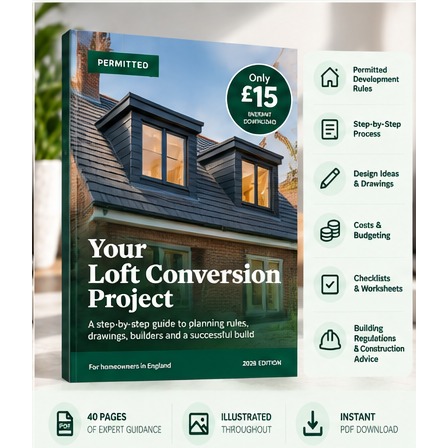
Rules, design options, costs and next steps.
View guideArticle 4 Directions can remove Class A, B, C, E, L, Q, and other permitted development rights. This guide explains which rights are most commonly removed, what triggers an A4D, and what to do if one applies to your property.
Article 4 Directions can remove any PD class under Schedule 2, Parts 1–4 of the GPDO 2015. The most commonly removed classes are A (extensions), B (roof alterations), C (re-roofing), E (outbuildings), and L (C3 to C4 HMO). Where removed, a full planning application is required.
An Article 4 Direction can remove any or all of the permitted development rights granted by the Town and Country Planning (General Permitted Development) (England) Order 2015 (GPDO 2015). In theory, a direction could remove all Schedule 2 rights in an area — though in practice, A4Ds target specific classes of most concern to the LPA.
The GPDO is divided into Parts covering different types of development. Article 4 Directions most commonly remove rights from Part 1 (works to dwellinghouses) and Part 3 (changes of use).
The following table sets out the most commonly removed PD classes and their typical context:
| GPDO Class | Description | Why typically removed |
|---|---|---|
| Part 1, Class A | Extensions to dwellinghouses | Conservation area character; suburban streetscene protection |
| Part 1, Class B | Roof extensions and dormers | Conservation area; to prevent unsympathetic dormers visible from street |
| Part 1, Class C | Re-roofing with different materials | Conservation area; to preserve traditional roofing materials |
| Part 1, Class D | Porches | Conservation area; character areas |
| Part 1, Class E | Outbuildings and garden structures | Conservation area; garden city/planned estate character |
| Part 1, Class G | Chimneys, flues (incl. boiler flues) | To prevent boiler flues on front or prominent elevations in conservation areas |
| Part 3, Class L | C3 dwelling to C4 HMO | HMO management; preventing unsustainable concentrations of HMOs |
| Part 3, Class M | Retail/mixed use to residential | To protect high street vitality and manage quality of residential conversion |
| Part 3, Class N | Hot food takeaway (A5) to residential | To protect local centre vitality |
| Part 3, Class Q | Agricultural buildings to residential | To manage rural character and housing quality |
Where an A4D removes a PD right, you cannot obtain a Lawful Development Certificate (LDC) for proposed works under that removed class — the right no longer exists for your property, so there is nothing to certify.
However, an A4D only removes the specific classes it names. Other PD rights on the same property that are not removed by the direction remain available. You can still apply for an LDC for proposed works that fall under those un-removed classes.
For example: if an A4D removes Class B (roof dormers) only, you can still apply for an LDC for a Class A rear extension (subject to the usual PD limits), because Class A has not been removed by that direction.
An Article 4 Direction can be made as an immediate direction, taking effect on the date it is made — before owners are formally notified. This prevents a rush of PD works before the direction is confirmed.
Crucially, an immediate direction must be confirmed within 6 months of the date it was made. If the LPA fails to confirm it within 6 months:
This 6-month confirmation window is a safeguard for landowners. If you are aware that an immediate direction has been made, note the date and check whether it has been confirmed.
Yes. Where an A4D removes a PD right, there is no residual presumption in favour of that type of development. The works require a full planning application and will be assessed against the development plan, national policy, and any material considerations — including the character of the area protected by the A4D.
The fact that the works would have been PD elsewhere carries very limited weight in an A4D application. The planning test is the same as for any discretionary application. However, the LPA cannot refuse an application solely because it preferred the PD right not to have been used — there must be a planning reason grounded in the development plan or national policy.
An Article 4 Direction can remove any permitted development right granted by the GPDO 2015. In practice, the most commonly removed classes are Class A (extensions), Class B (roof alterations), Class C (re-roofing), Class E (outbuildings), and Class L (C3 to C4 HMO conversions). The direction specifies exactly which classes are removed.
Yes, provided Class A rights have not also been removed. An A4D only removes the specific classes it names. If Class A is still available, a rear extension within the PD limits remains PD and you can apply for an LDC for it — the removal of Class B has no effect on Class A rights.
An immediate Article 4 Direction takes effect immediately but must be confirmed by the LPA within 6 months. If not confirmed within that period, it lapses and PD rights are restored. Once confirmed, the direction lasts indefinitely until cancelled.
A refusal of a planning application under an A4D does not affect your other permitted development rights that have not been removed by the direction. It may, however, affect the planning history of the property and could be taken into account in future applications for similar works.
No. You cannot apply for a Lawful Development Certificate for a proposed use of a PD right that has been removed by an A4D — the right no longer exists for that property. You must apply for planning permission instead. You can still use LDCs for other PD rights on the same property that have not been removed.
Ask PERMITTED — quick answers on extensions, lofts, garages and garden rooms. If your project fits the rules, choose a fixed-price drawing package. If it doesn’t, YPDS Architectural Services, our parent practice in Leeds, can advise on planning.
Each one is already drawn. You choose the material, roof and options we actually draw, and that is the package you receive.
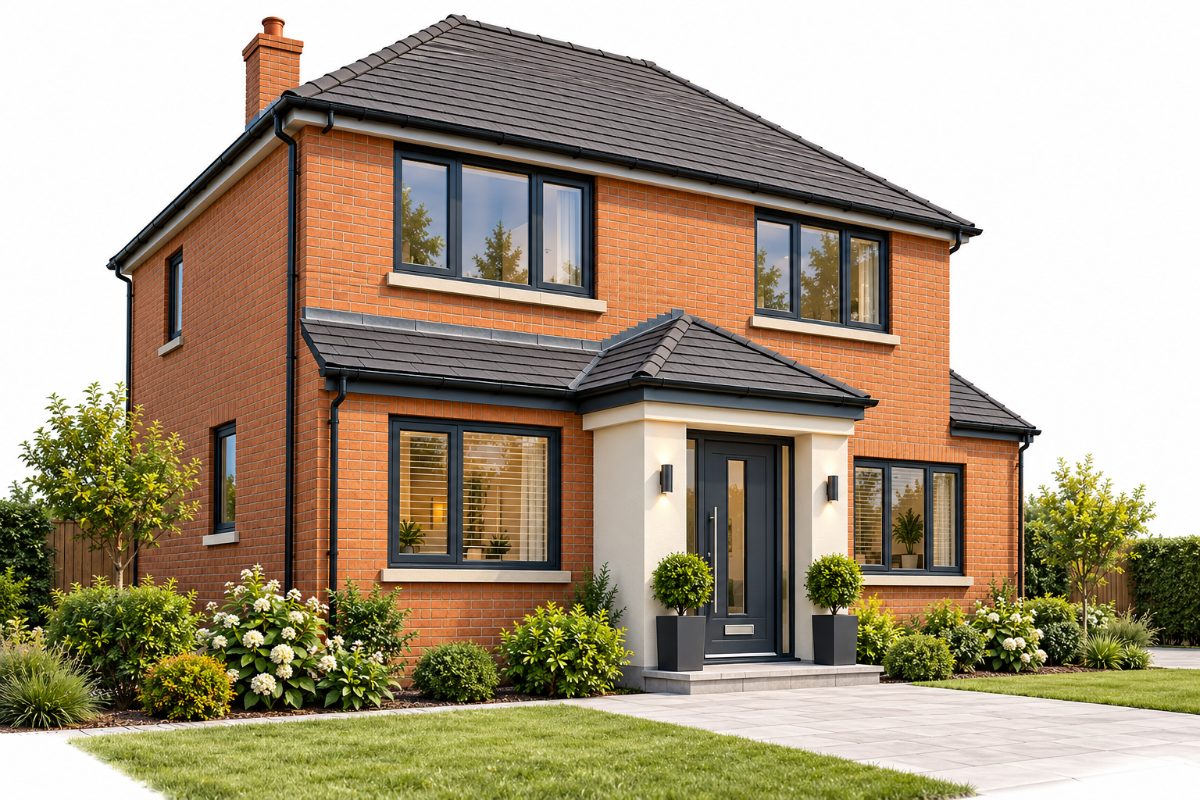
A practical entrance area that adds space and improves the look of your home.
£350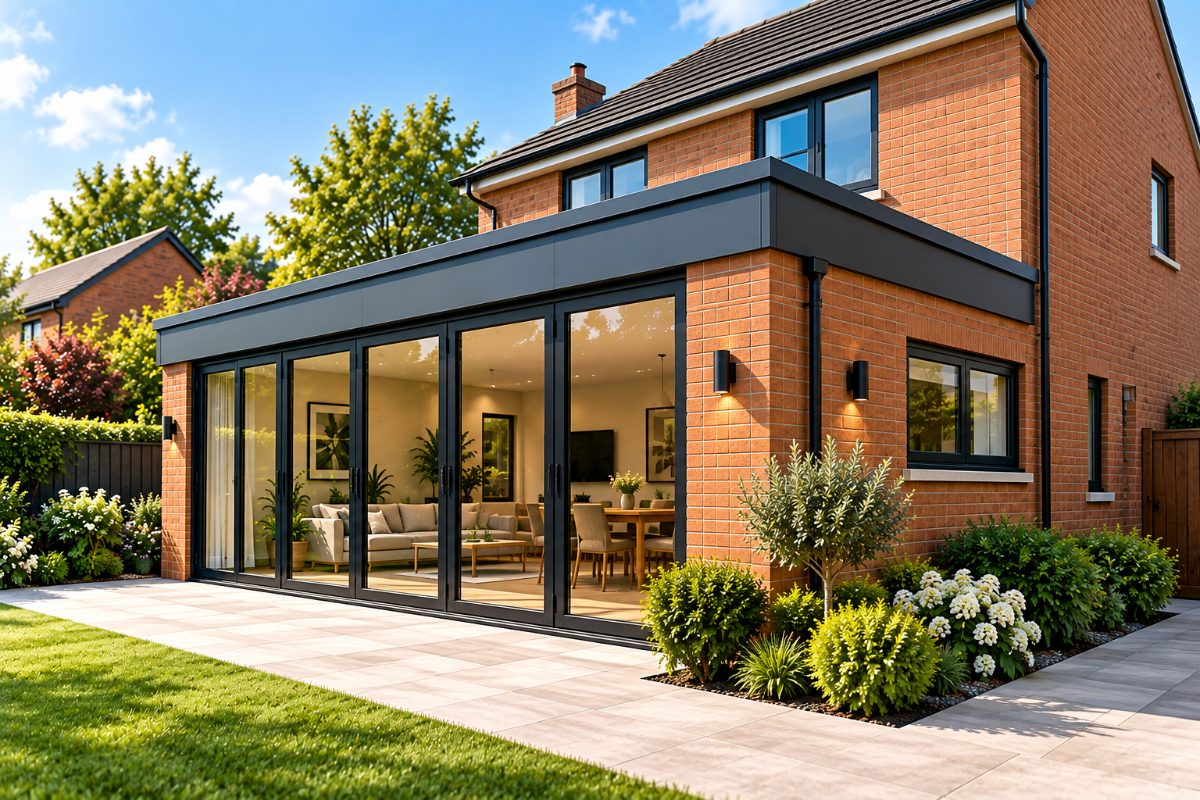
A popular way to create a larger kitchen, dining or family area.
£900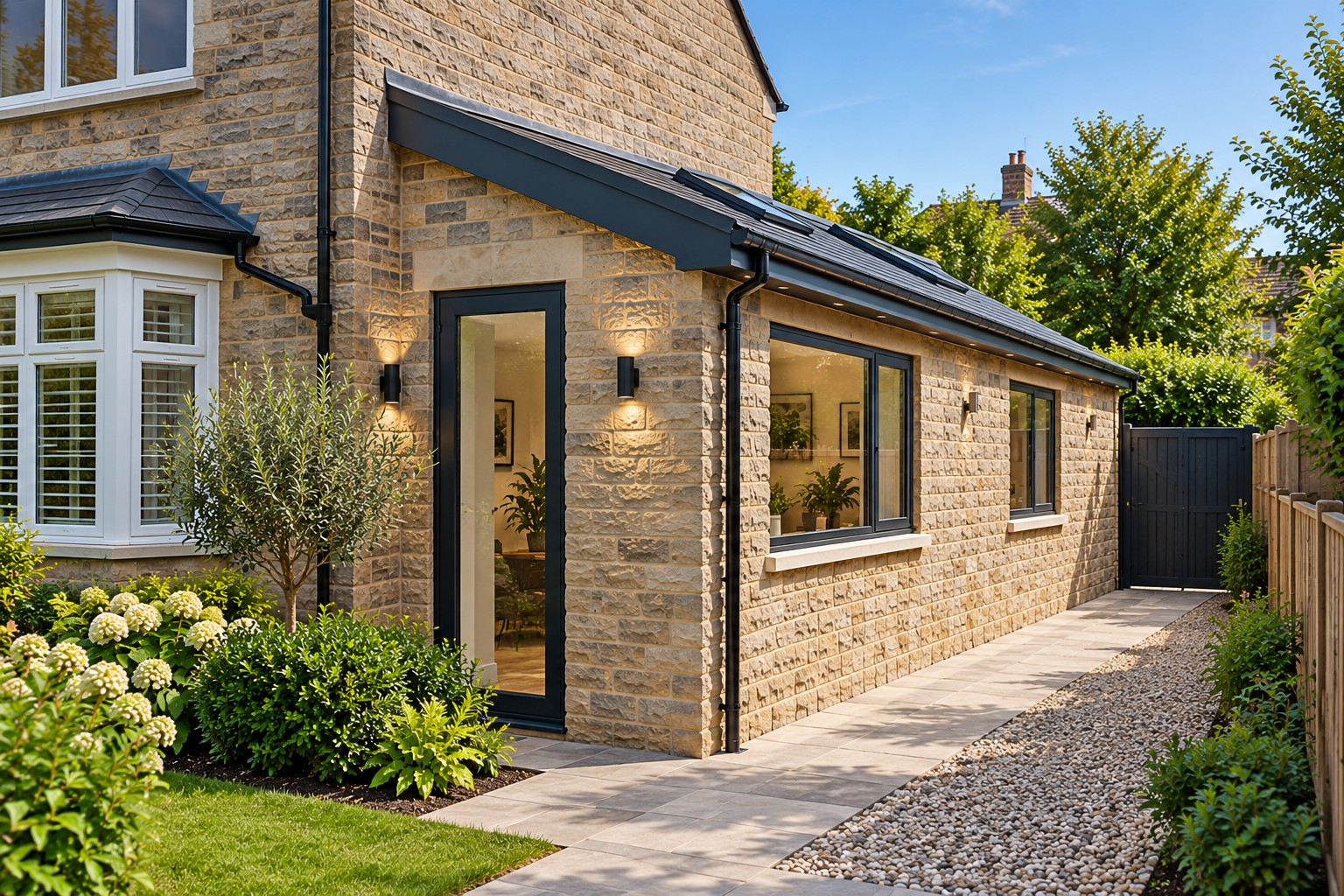
Adds valuable space to the side of your home for a kitchen or utility.
£900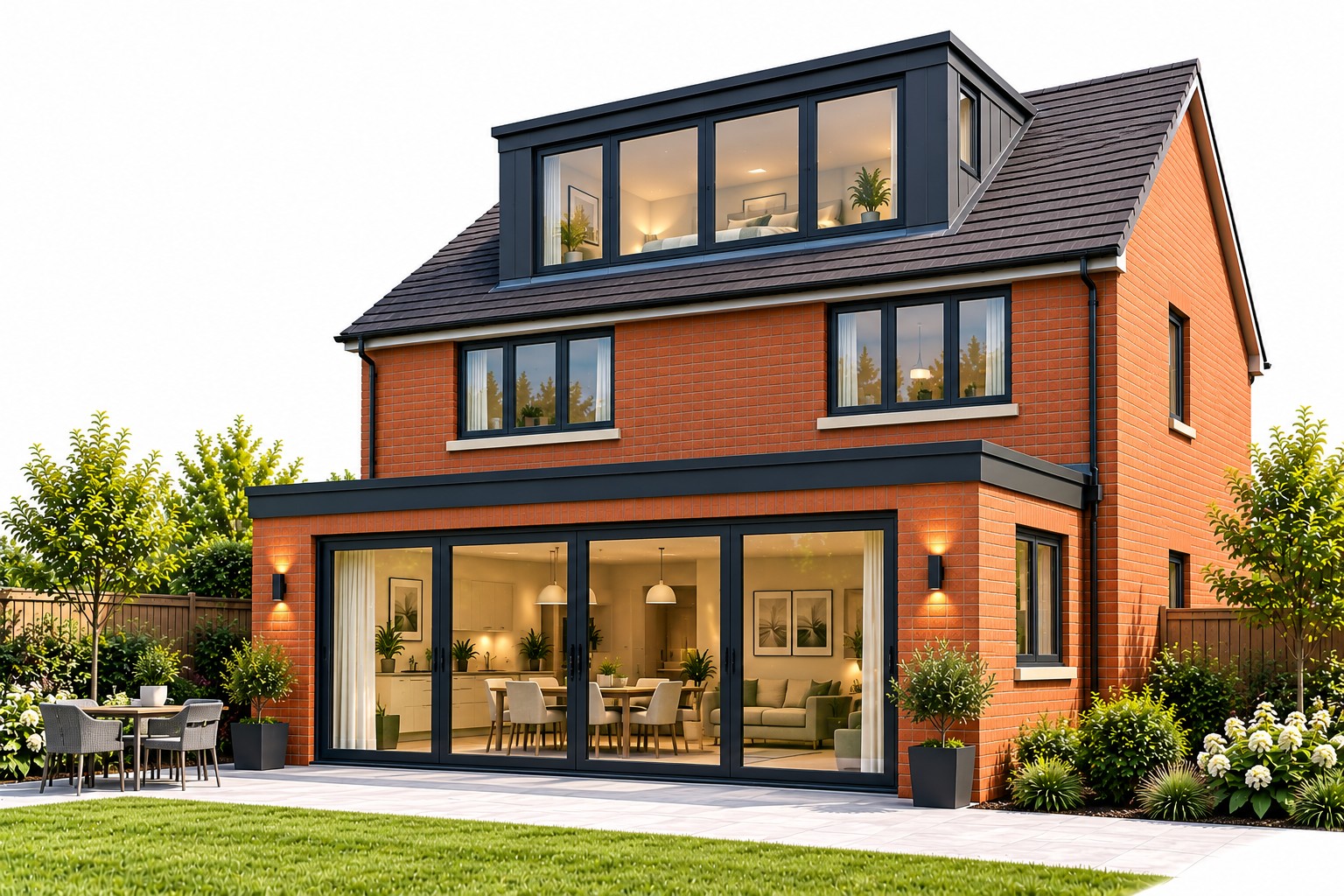
Turns unused loft space into a bedroom, office or additional living area.
£1,500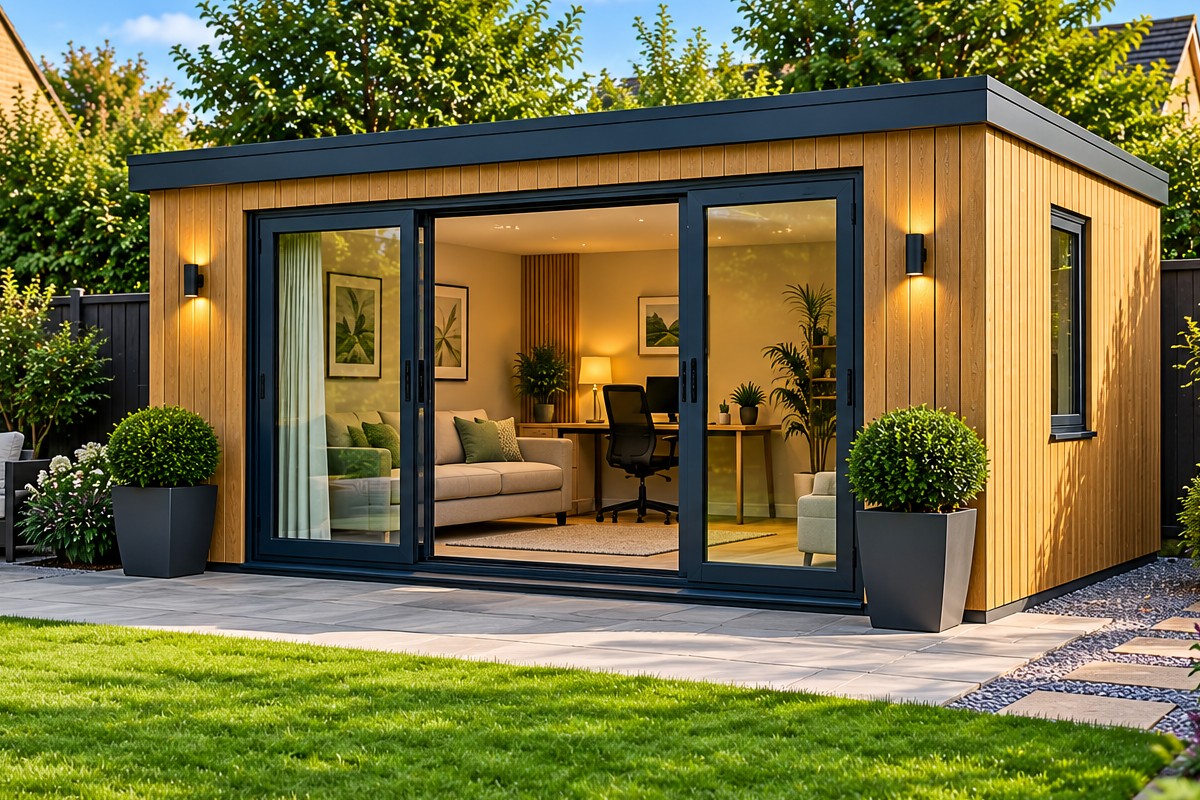
A flexible, detached space for work, leisure or extra living space.
£350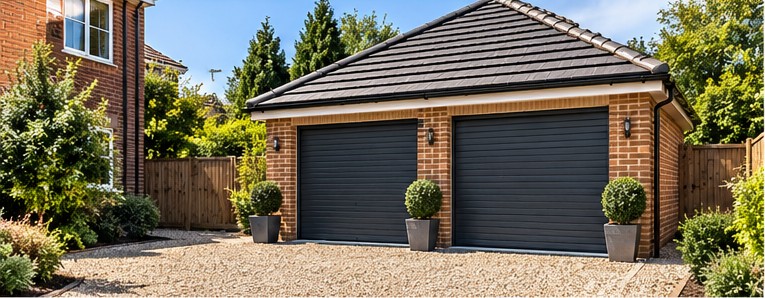
Secure parking or useful storage, single or double.
£350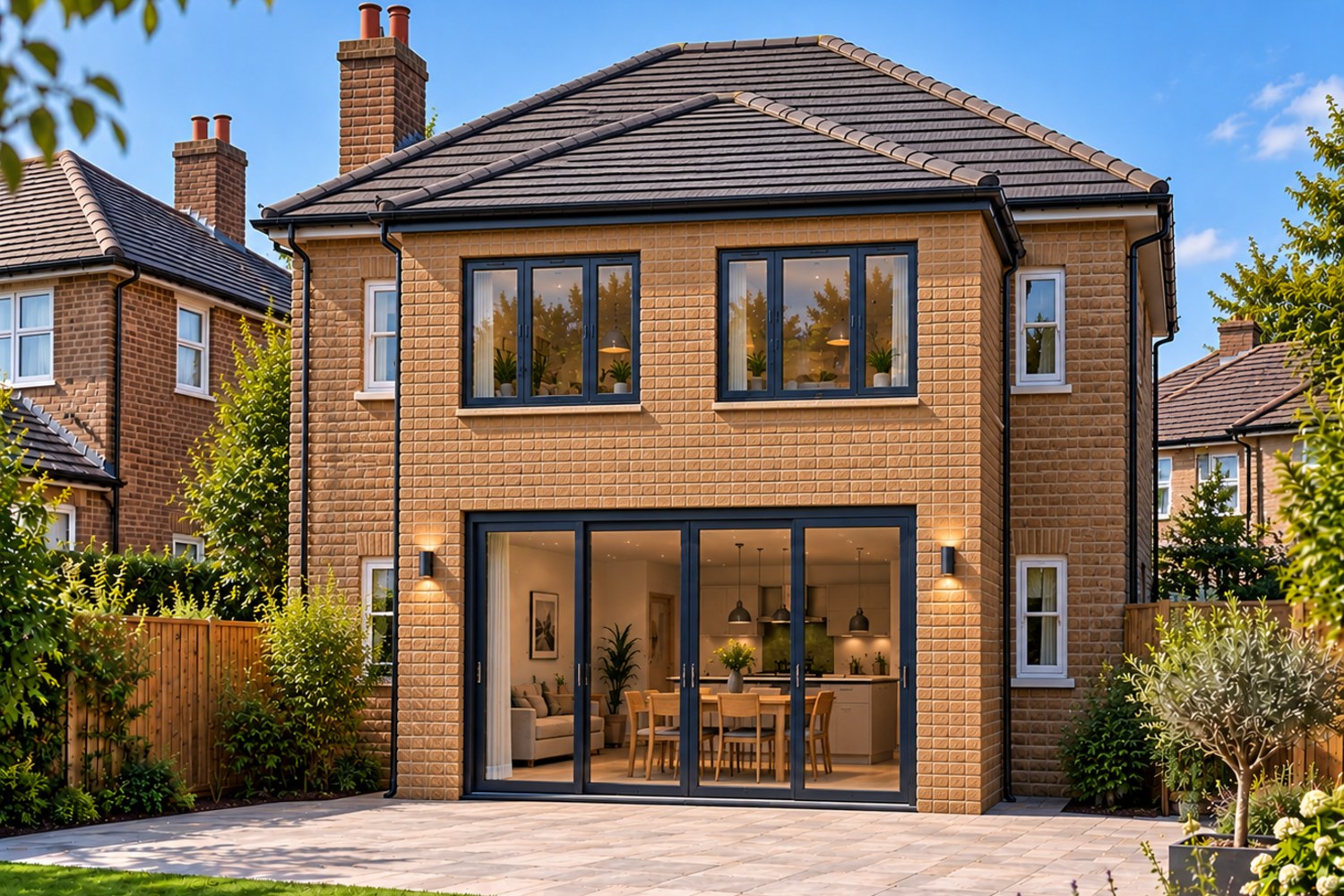
Significantly more living space across both floors.
£1,400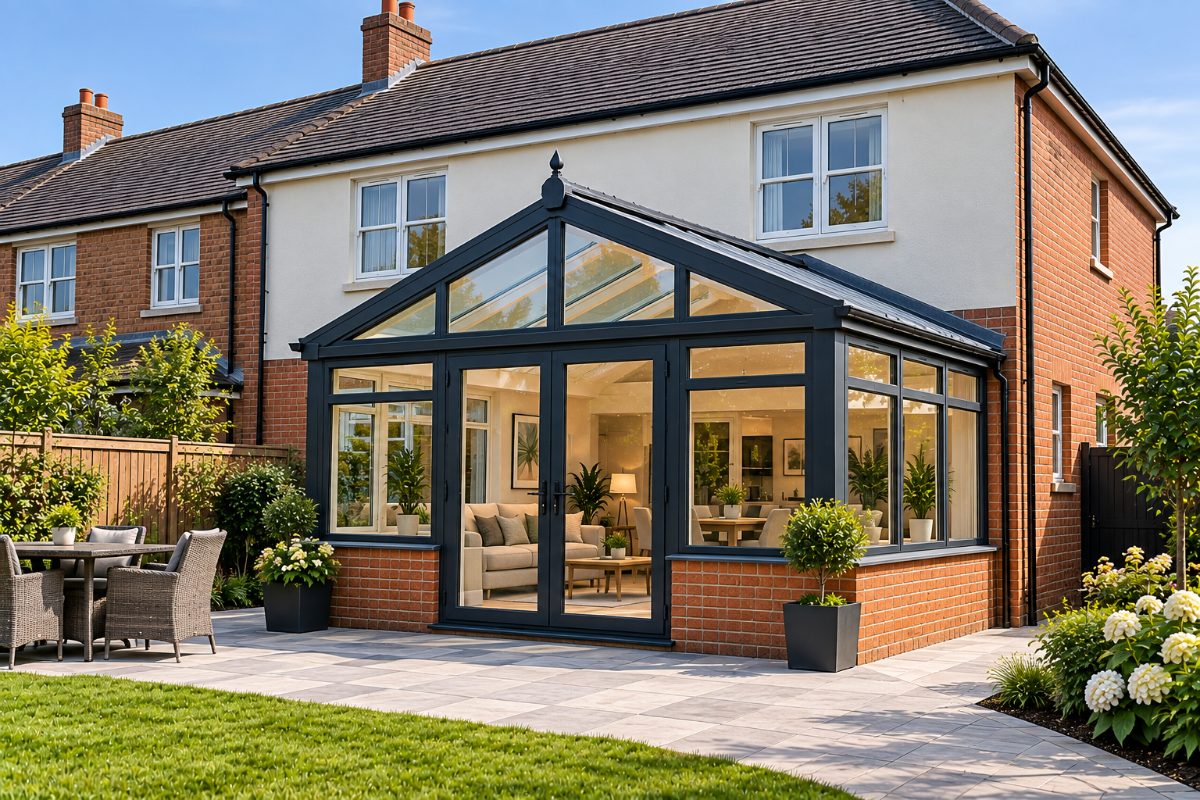
A bright, glazed room connecting your home to the garden.
£900PERMITTED HOMEOWNER GUIDES
Our illustrated, practical guides help you understand the rules, explore design options and budget with confidence — before you commit to building work.
Explore all guidesRules, design options, costs and next steps.
View guideRules, design options, costs and next steps.
View guideRules, design options, costs and next steps.
View guideRules, design options, costs and next steps.
View guideRules, design options, costs and next steps.
View guideRules, design options, costs and next steps.
View guideRules, design options, costs and next steps.
View guideRules, design options, costs and next steps.
View guideWe use cookies that are needed to run the basket and checkout. We would also like to use analytics cookies to understand how the site is used. We only do that if you say yes.

Maximize your property’s footprint with precision and ease. Permitted provides complete design for Permitted Development Rights. Our packages are designed around the Permitted Development limits, so many projects can proceed without a full planning application.
PERMITTED is operated by Yorkshire Property Design Services Limited, registered in England and Wales under company number 12698267.
Registered office: Ground Floor, Techno Centre, Station Road, Horsforth, Leeds, LS18 5BJ
Business contact address: Wira House, Ground Floor, Suite 5, Ring Road, West Park, Leeds, LS16 6EB