


Permitted Development rules





Professional, builder-ready drawing packages for extensions, lofts, porches, garages, garden rooms and more — designed to Permitted Development parameters and supplied as sold.
PERMITTED HOMEOWNER GUIDES
Our illustrated, practical guides help you understand the rules, explore design options and budget with confidence — before you commit to building work.
Explore all guides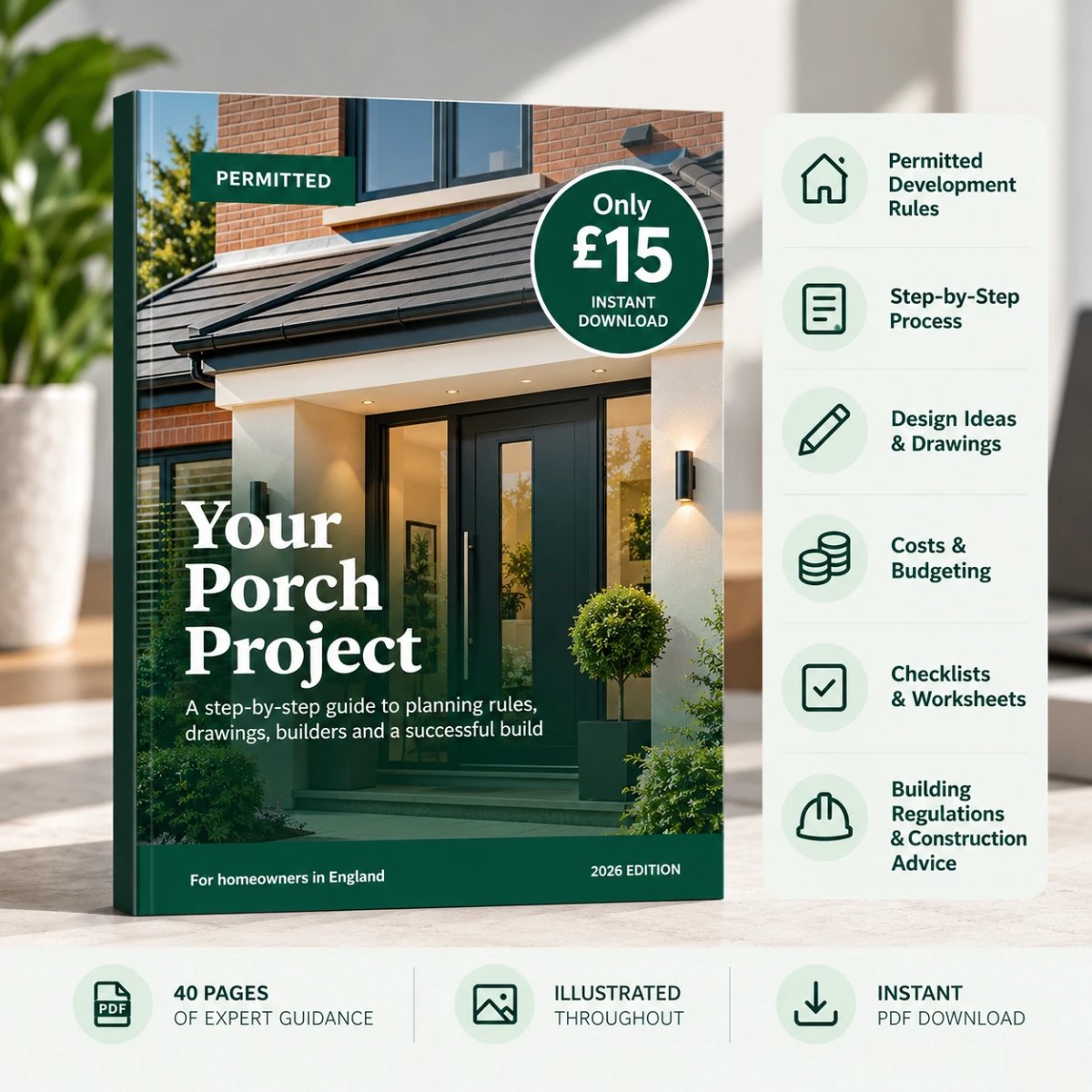
Rules, design options, costs and next steps.
View guide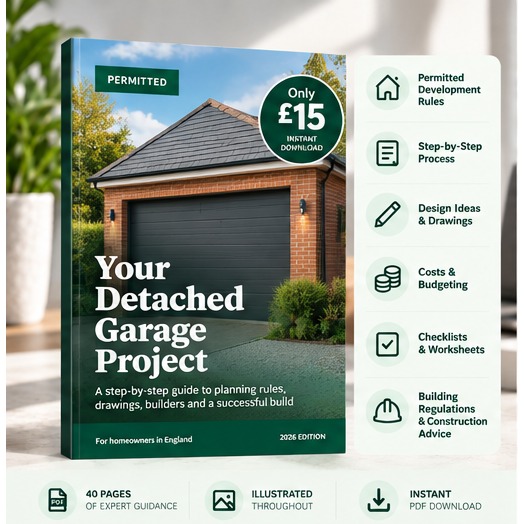
Rules, design options, costs and next steps.
View guide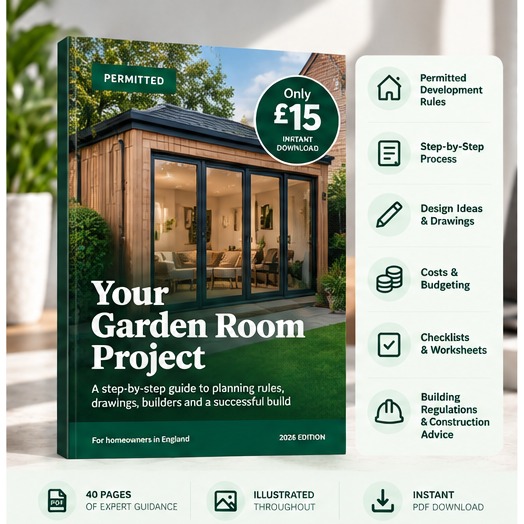
Rules, design options, costs and next steps.
View guide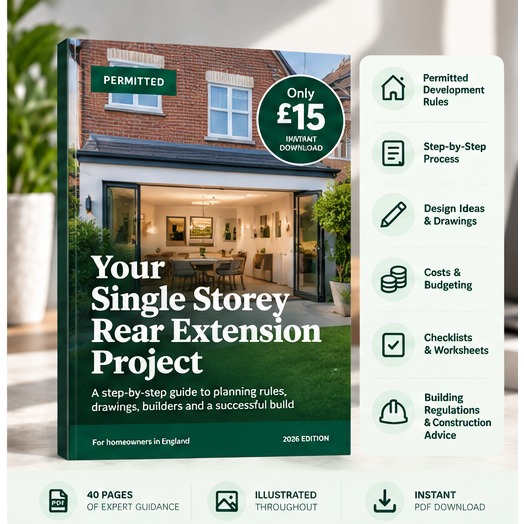
Rules, design options, costs and next steps.
View guide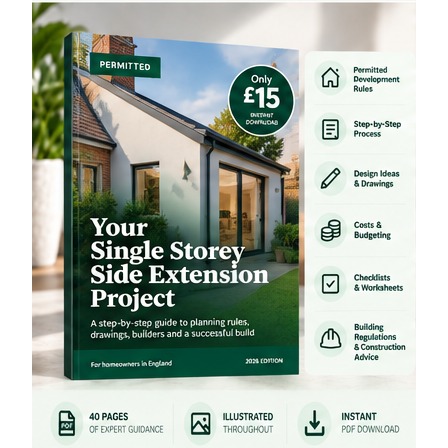
Rules, design options, costs and next steps.
View guide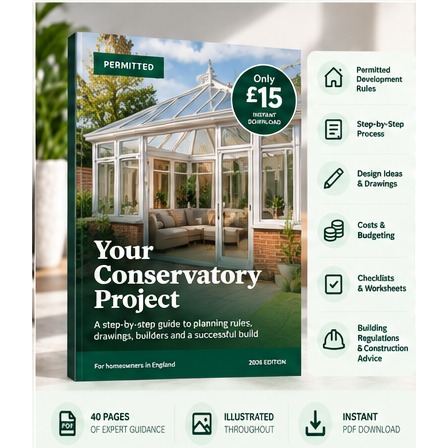
Rules, design options, costs and next steps.
View guide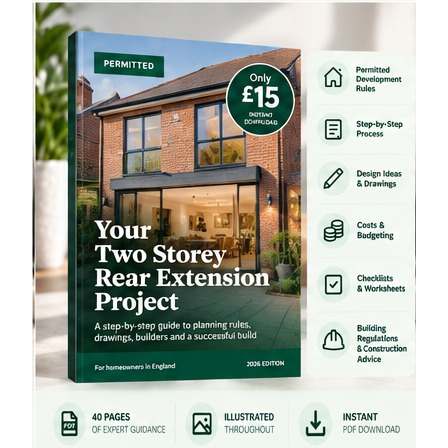
Rules, design options, costs and next steps.
View guide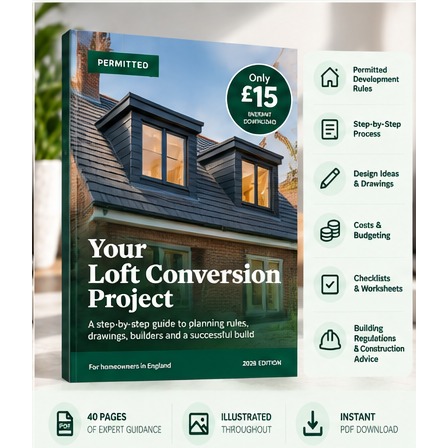
Rules, design options, costs and next steps.
View guideConservation areas already restrict some permitted development rights, but Article 4 Directions go further — removing additional classes such as extensions, roof alterations, and outbuildings that would otherwise be PD. Here’s what that means for homeowners.
Conservation areas already restrict some PD rights, but an Article 4 Direction goes further — removing additional classes such as extensions, roof alterations, and outbuildings that would otherwise be PD. Check before starting any works.
Living in a conservation area already limits your permitted development rights compared to a property outside one. Under the GPDO 2015, certain restrictions apply automatically:
These are baseline restrictions — they apply in all conservation areas without any A4D being needed. An A4D removes additional rights on top of this.
Where an LPA has made an A4D in a conservation area, it can remove any of the residential PD rights in Schedule 2, Part 1 of the GPDO 2015. The purpose is to give the LPA oversight of works that would otherwise proceed automatically — ensuring they are sympathetic to the character and appearance of the area.
The effect is that planning permission is required for works that would be PD in any other non-conservation-area location — for example, a single-storey rear extension within the permitted limits, or a loft conversion with a rear dormer.
LPAs vary in which rights they remove, but common classes removed by conservation area A4Ds include:
| Class | What it covers | Commonly removed? |
|---|---|---|
| Class A | Extensions (rear, side, wrap-around) | Yes — frequently removed |
| Class B | Roof extensions including dormers | Yes — frequently removed |
| Class C | Re-roofing with different materials | Yes — to protect traditional materials |
| Class D | Porches on front elevations | Sometimes removed |
| Class E | Outbuildings, garages, garden structures | Sometimes removed |
| Class G | Chimneys, flues, and soil/vent pipes | Yes — to prevent boiler flues on front elevations |
| Class H | Microwave antenna (satellite dishes) | Sometimes removed (already partly restricted) |
Many LPAs have introduced comprehensive conservation area A4Ds covering dozens of designated areas in their district. Examples of LPAs with well-documented conservation area A4Ds include:
This is illustrative, not exhaustive. Check your LPA’s A4D schedule for the specific rights removed in your conservation area.
When you apply for planning permission for works in a conservation area where an A4D applies, the LPA must assess the proposal against:
This is a higher bar than a standard residential planning application. The LPA will scrutinise materials, roof form, window design, and visual impact from the street more carefully than they would elsewhere.
Common reasons for refusal in conservation area A4D cases include:
If refused, you have the right to appeal to the Planning Inspectorate within 6 months. For householder applications, a fast-track written representations procedure is available. Before appealing, consider whether amendments to the design could address the LPA’s reasons for refusal.
Not necessarily — conservation areas restrict some PD rights but not all. However, where an Article 4 Direction has removed Class A (extension) rights, any extension — including one that would otherwise be PD — will require planning permission. Check whether an A4D applies to your specific address.
Only if no Article 4 Direction has removed Class B rights in your area. Conservation areas do not automatically remove Class B rights — an A4D is needed. Where Class B has been removed, any dormer window requires planning permission regardless of size or position.
LPAs usually require traditional or matching materials sympathetic to the conservation area character — for example, natural slate rather than concrete tiles, handmade brick to match existing, or timber sash windows rather than uPVC. The Conservation Area Appraisal for your area will indicate the preferred character and materials.
It can be. The LPA must apply the section 72 duty to preserve or enhance the conservation area character. Well-designed proposals using appropriate materials are regularly approved, but schemes that would harm the character of the area face a higher risk of refusal than the same proposal would outside a conservation area.
Check your LPA’s website for the Article 4 Direction schedule or map. The direction notice will specify exactly which GPDO Classes are removed. Your LPA’s planning department or conservation officer can also confirm this.
Ask PERMITTED — quick answers on extensions, lofts, garages and garden rooms. If your project fits the rules, choose a fixed-price drawing package. If it doesn’t, YPDS Architectural Services, our parent practice in Leeds, can advise on planning.
Each one is already drawn. You choose the material, roof and options we actually draw, and that is the package you receive.
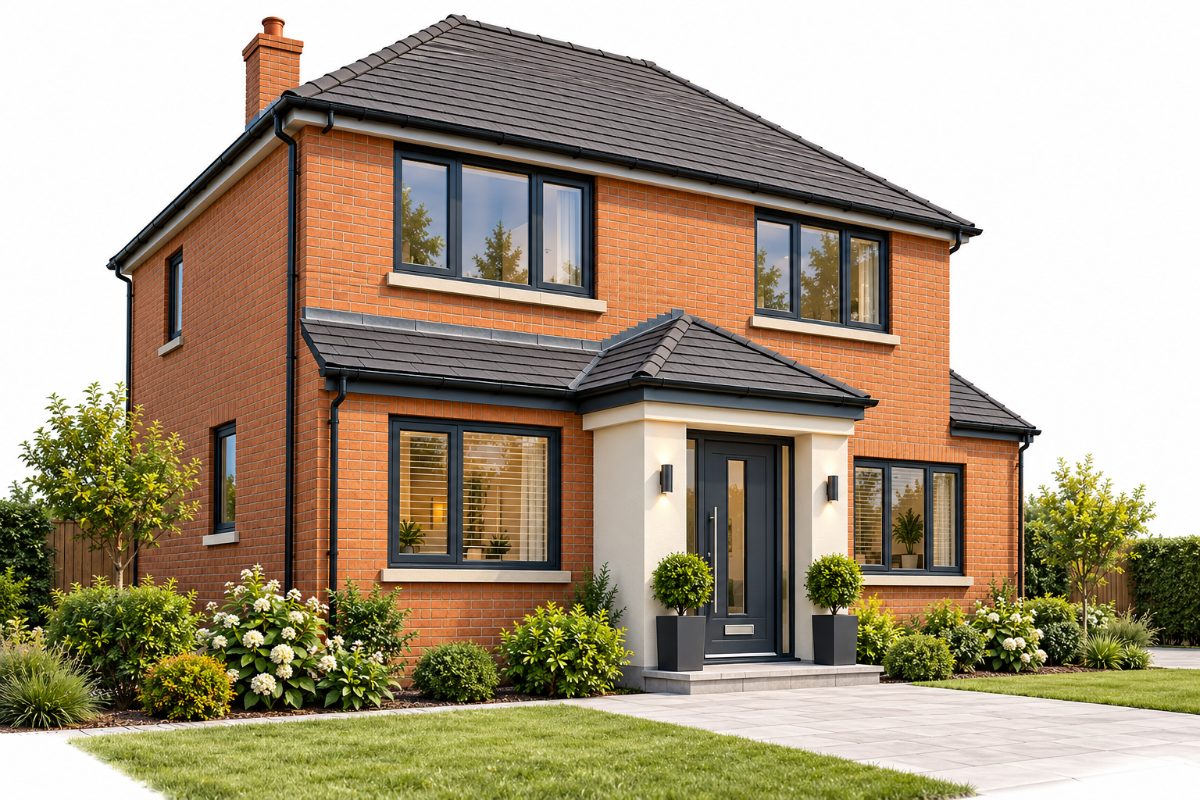
A practical entrance area that adds space and improves the look of your home.
£350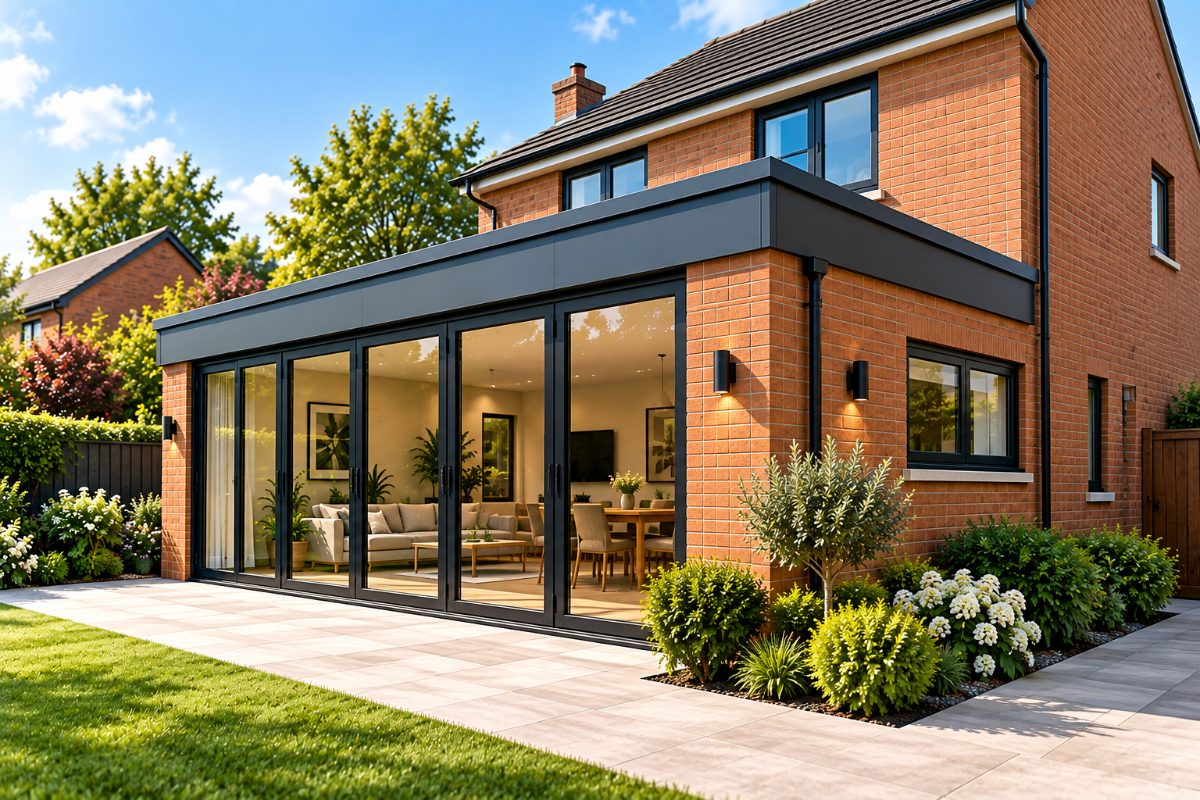
A popular way to create a larger kitchen, dining or family area.
£900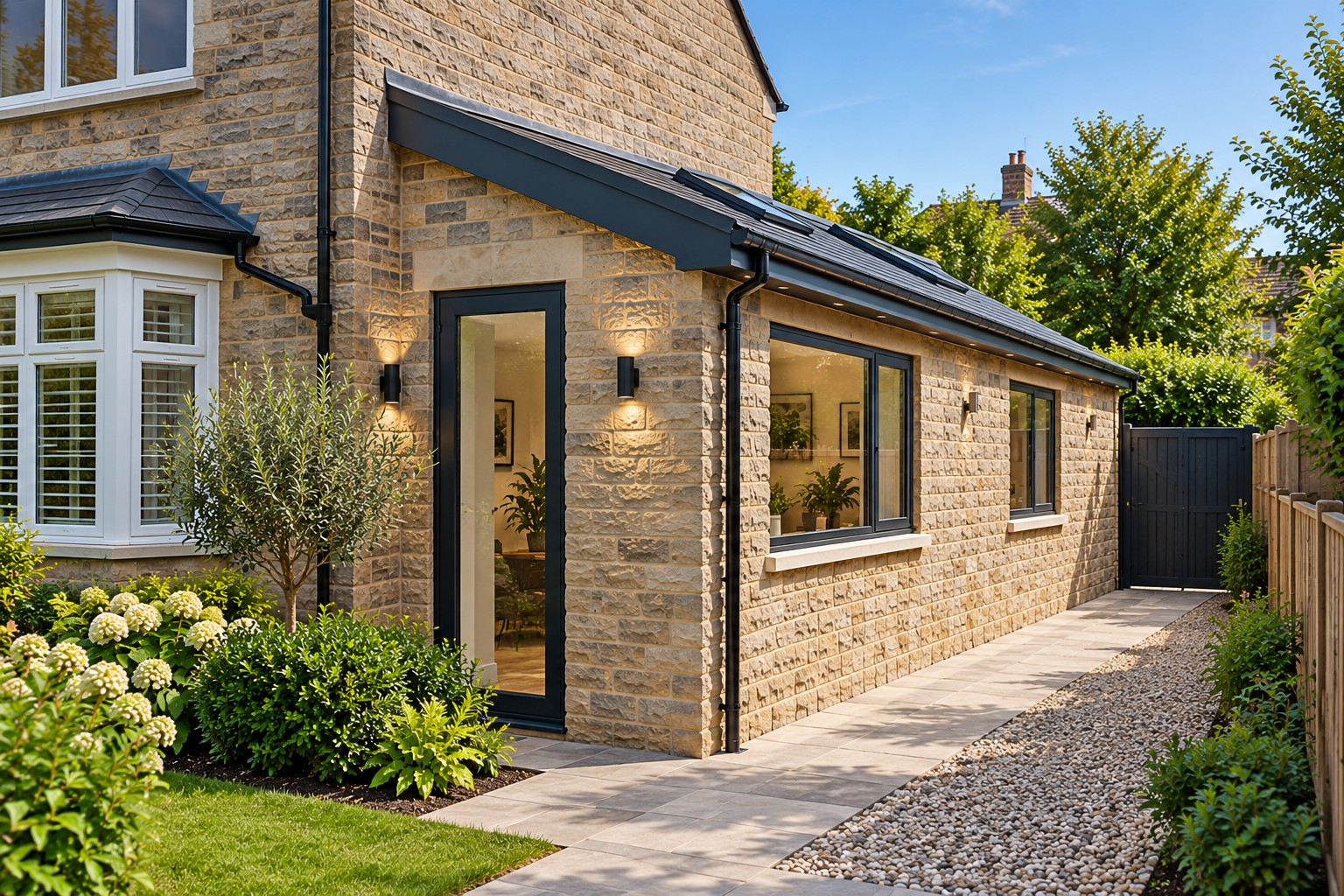
Adds valuable space to the side of your home for a kitchen or utility.
£900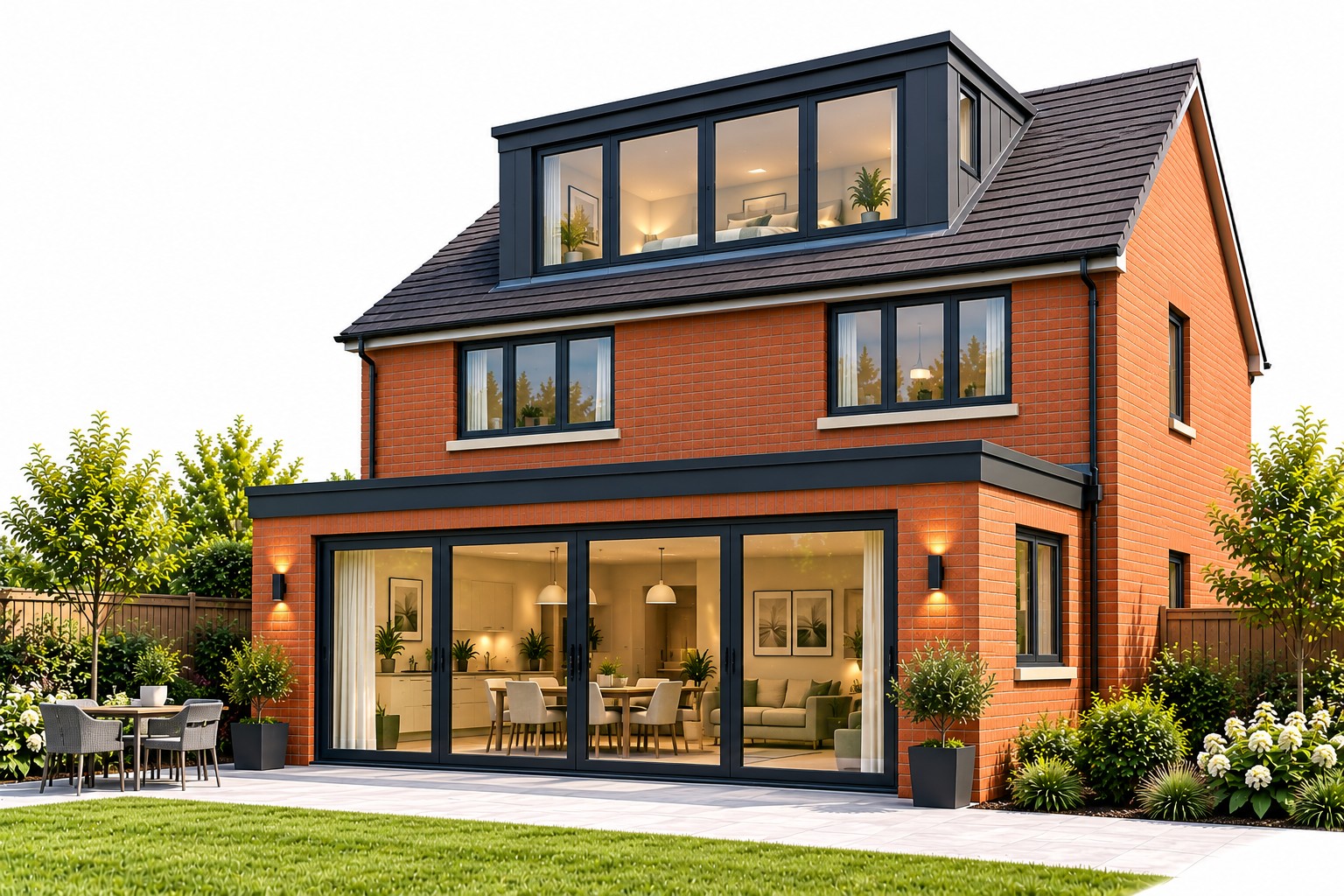
Turns unused loft space into a bedroom, office or additional living area.
£1,500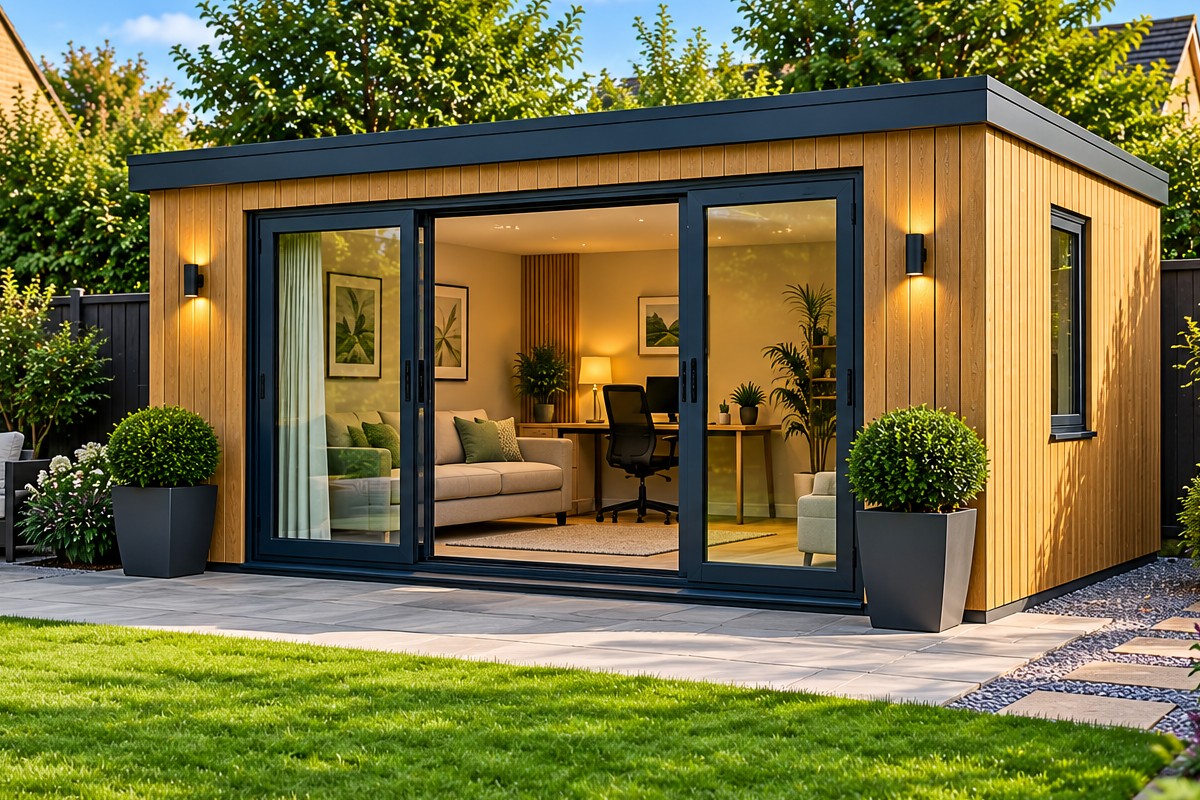
A flexible, detached space for work, leisure or extra living space.
£350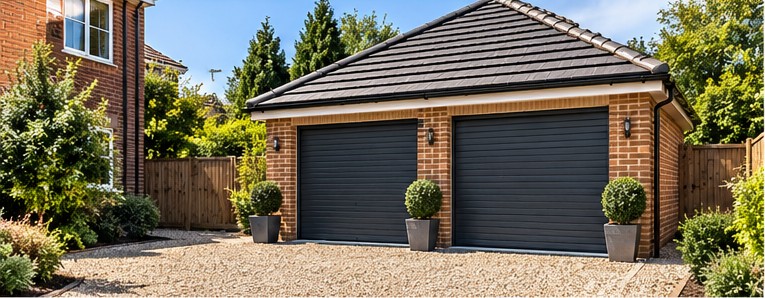
Secure parking or useful storage, single or double.
£350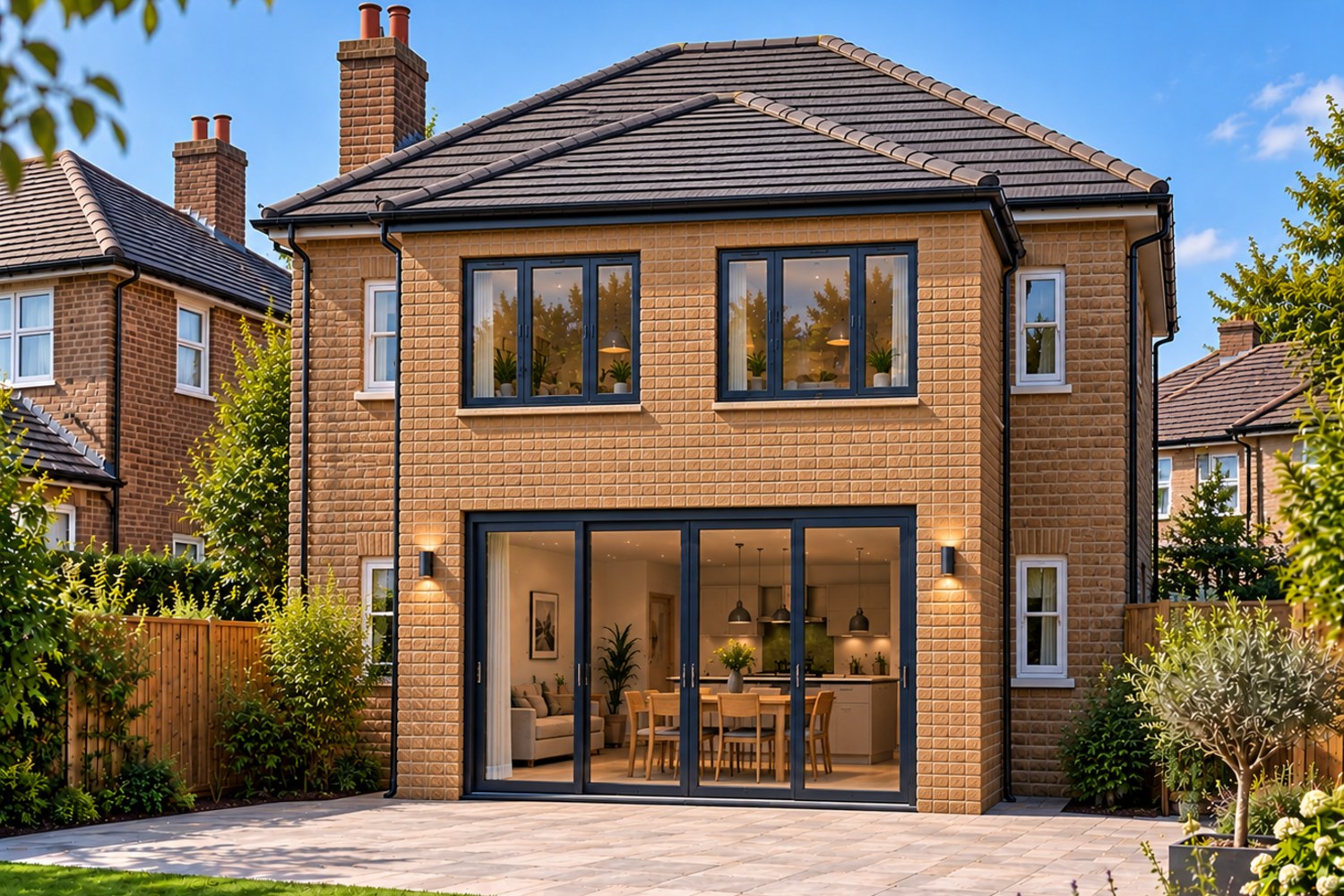
Significantly more living space across both floors.
£1,400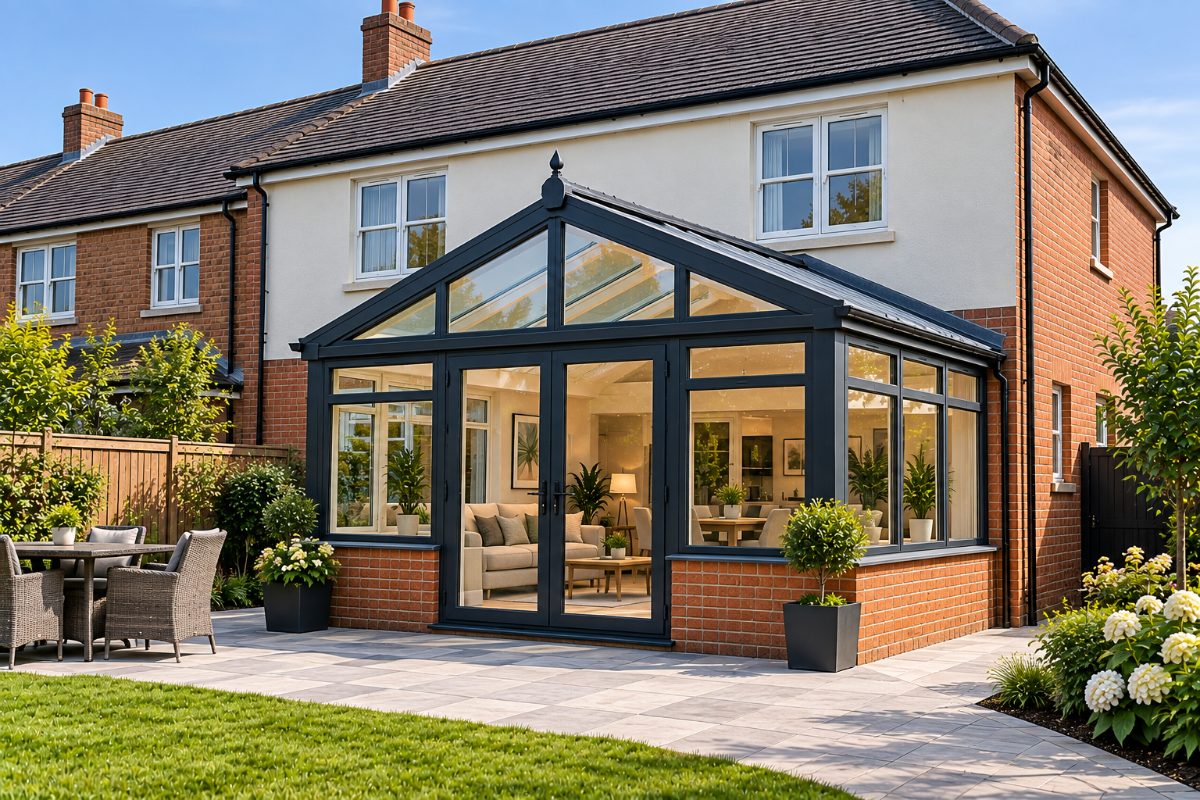
A bright, glazed room connecting your home to the garden.
£900PERMITTED HOMEOWNER GUIDES
Our illustrated, practical guides help you understand the rules, explore design options and budget with confidence — before you commit to building work.
Explore all guidesRules, design options, costs and next steps.
View guideRules, design options, costs and next steps.
View guideRules, design options, costs and next steps.
View guideRules, design options, costs and next steps.
View guideRules, design options, costs and next steps.
View guideRules, design options, costs and next steps.
View guideRules, design options, costs and next steps.
View guideRules, design options, costs and next steps.
View guideWe use cookies that are needed to run the basket and checkout. We would also like to use analytics cookies to understand how the site is used. We only do that if you say yes.

Maximize your property’s footprint with precision and ease. Permitted provides complete design for Permitted Development Rights. Our packages are designed around the Permitted Development limits, so many projects can proceed without a full planning application.
PERMITTED is operated by Yorkshire Property Design Services Limited, registered in England and Wales under company number 12698267.
Registered office: Ground Floor, Techno Centre, Station Road, Horsforth, Leeds, LS18 5BJ
Business contact address: Wira House, Ground Floor, Suite 5, Ring Road, West Park, Leeds, LS16 6EB