


Permitted Development rules





Professional, builder-ready drawing packages for extensions, lofts, porches, garages, garden rooms and more — designed to Permitted Development parameters and supplied as sold.
PERMITTED HOMEOWNER GUIDES
Our illustrated, practical guides help you understand the rules, explore design options and budget with confidence — before you commit to building work.
Explore all guides
Rules, design options, costs and next steps.
View guide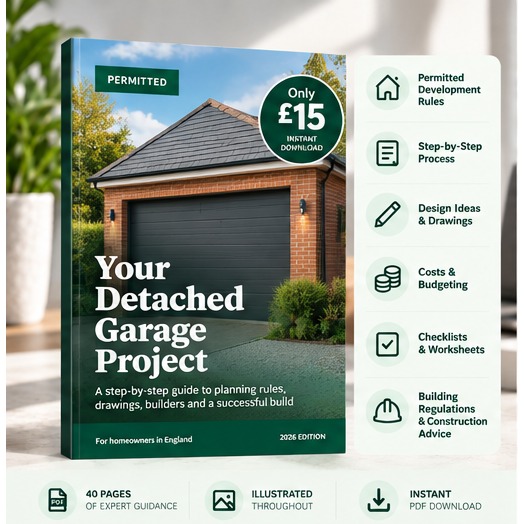
Rules, design options, costs and next steps.
View guide
Rules, design options, costs and next steps.
View guide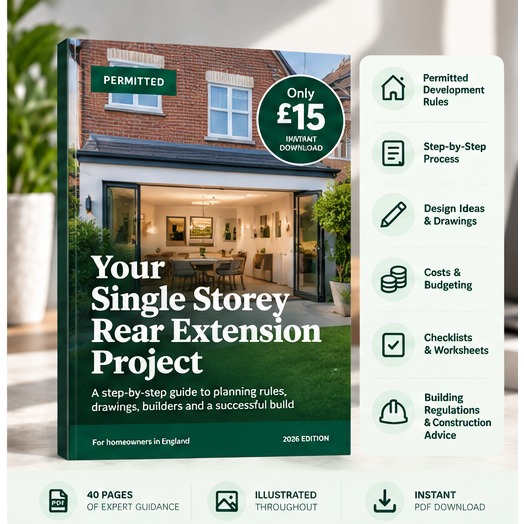
Rules, design options, costs and next steps.
View guide
Rules, design options, costs and next steps.
View guide
Rules, design options, costs and next steps.
View guide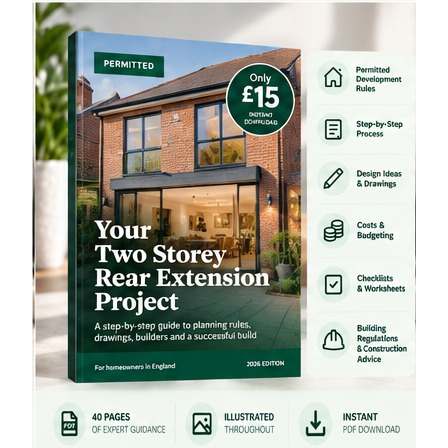
Rules, design options, costs and next steps.
View guide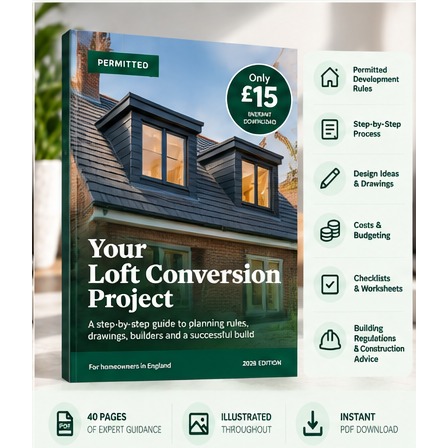
Rules, design options, costs and next steps.
View guideReceiving a planning enforcement notice is serious — but it doesn’t automatically mean the work has to be undone. Here’s how enforcement notices work, your rights, and how to respond.
A planning enforcement notice is a formal legal notice issued by a local planning authority requiring a breach of planning control to be remedied. You have 28 days from the date of service to appeal against the notice to the Planning Inspectorate. Missing this deadline means the notice takes effect and becomes legally enforceable — you can be prosecuted for failing to comply. Lodging an appeal suspends the notice while it’s being determined. You should take legal advice as soon as you receive an enforcement notice.
A planning enforcement notice (EN) is issued by a local planning authority under Section 172 of the Town and Country Planning Act 1990. It identifies a breach of planning control (such as carrying out development without planning permission, or breaching a planning condition), specifies the steps required to remedy the breach, and sets a compliance period — the time by which the steps must be completed.
The council can issue an enforcement notice when it is expedient to do so, having regard to the provisions of the development plan and any other material considerations. Not all breaches of planning control result in enforcement notices — councils have discretion about whether to take enforcement action, and many do not pursue minor breaches.
The notice will state:
An appeal against an enforcement notice can be made on any of the following statutory grounds:
| Ground | Argument |
|---|---|
| Ground (a) | Planning permission ought to be granted for the development, or the condition ought to be discharged — effectively a deemed planning application |
| Ground (b) | The alleged breach has not occurred |
| Ground (c) | The matters alleged do not constitute a breach of planning control |
| Ground (d) | The breach of planning control alleged in the notice occurred before the relevant time limit (the council is out of time to enforce) |
| Ground (e) | Copies of the notice were not served as required by law |
| Ground (f) | The steps required to remedy the breach are excessive |
| Ground (g) | The compliance period is unreasonably short |
Ground (a) is the most commonly used — it allows you to run a planning appeal alongside the enforcement appeal, effectively asking the Inspector to grant retrospective planning permission.
If you fail to comply with an enforcement notice that has taken effect (either because you didn’t appeal within 28 days, or your appeal was dismissed), you are committing a criminal offence under Section 179 of the TCPA 1990. The penalty on conviction can be an unlimited fine. Each day of continued non-compliance can be a separate offence. The council can also enter the land, carry out the required steps itself, and recover its costs from the owner.
This kind of project usually needs planning permission rather than permitted development. PERMITTED is part of YPDS Architectural Services, a Leeds architectural design practice that designs, prepares and manages planning applications.
Planning a project? Browse our permitted development drawing sets — fixed price, supplied exactly as sold and emailed to you as a PDF.
Each one is already drawn. You choose the material, roof and options we actually draw, and that is the package you receive.
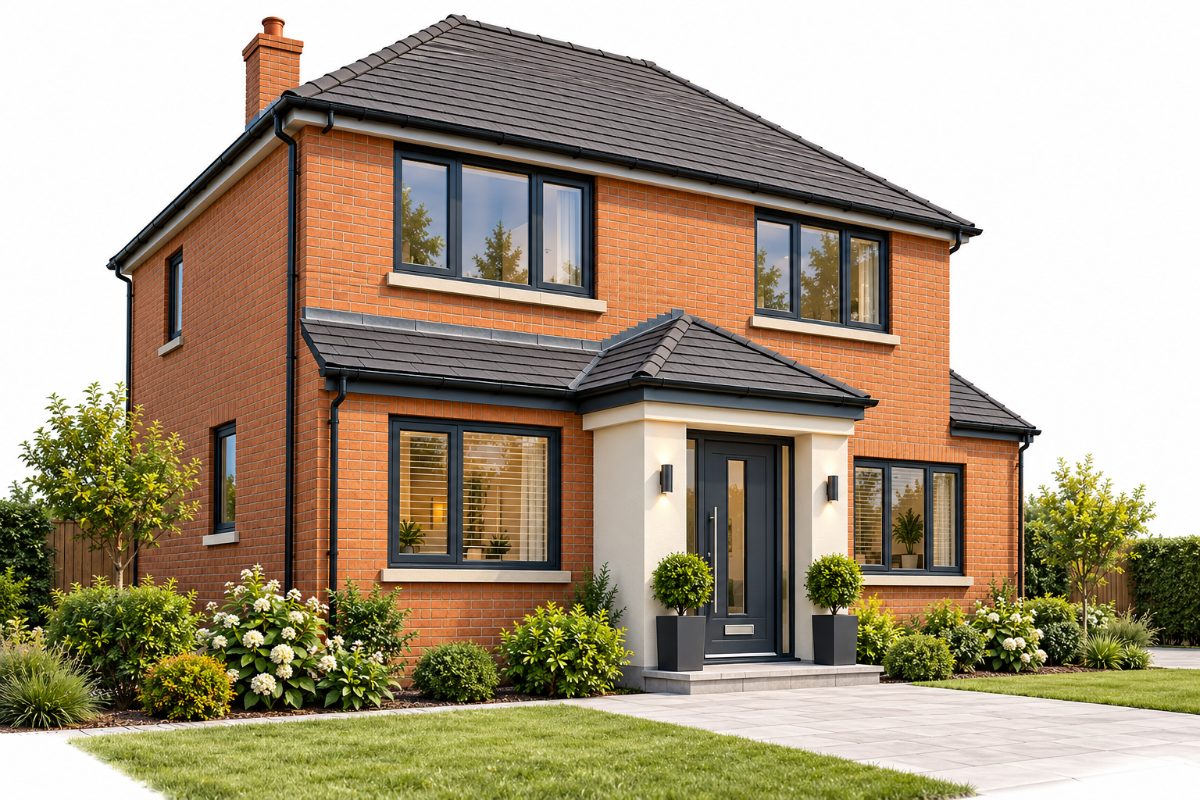
A practical entrance area that adds space and improves the look of your home.
£350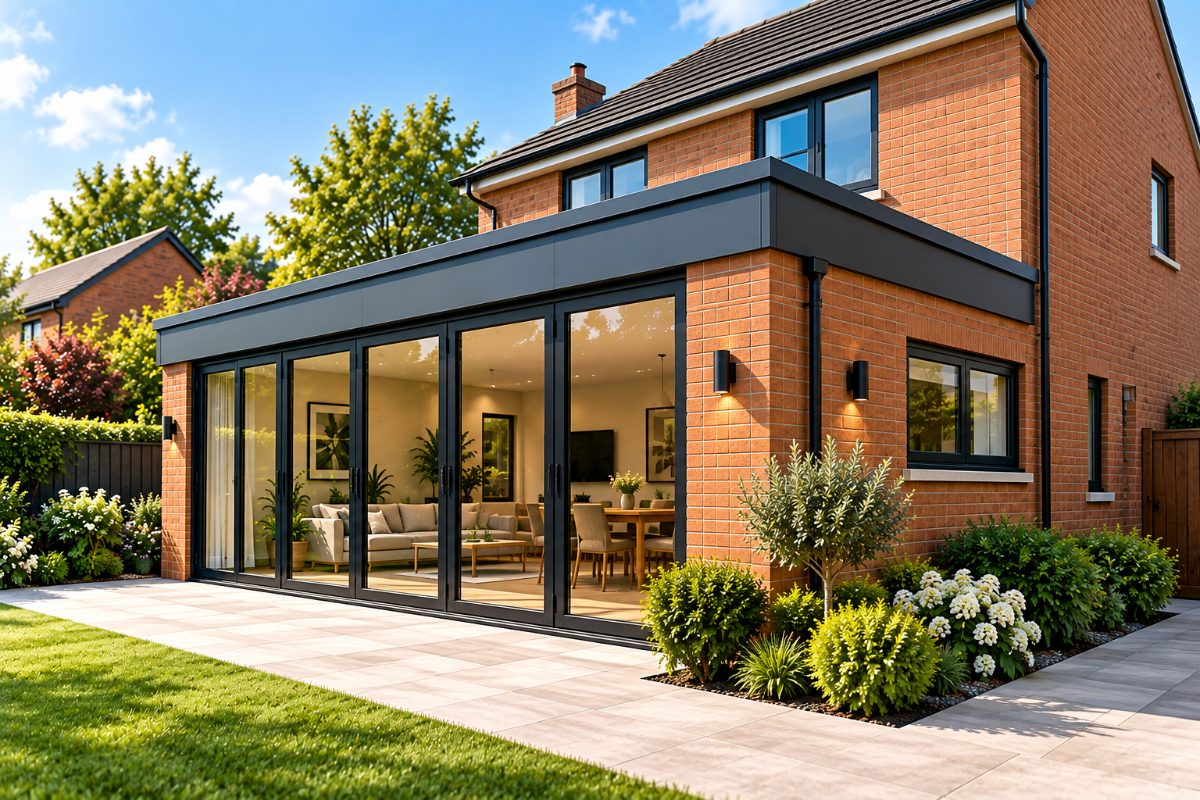
A popular way to create a larger kitchen, dining or family area.
£900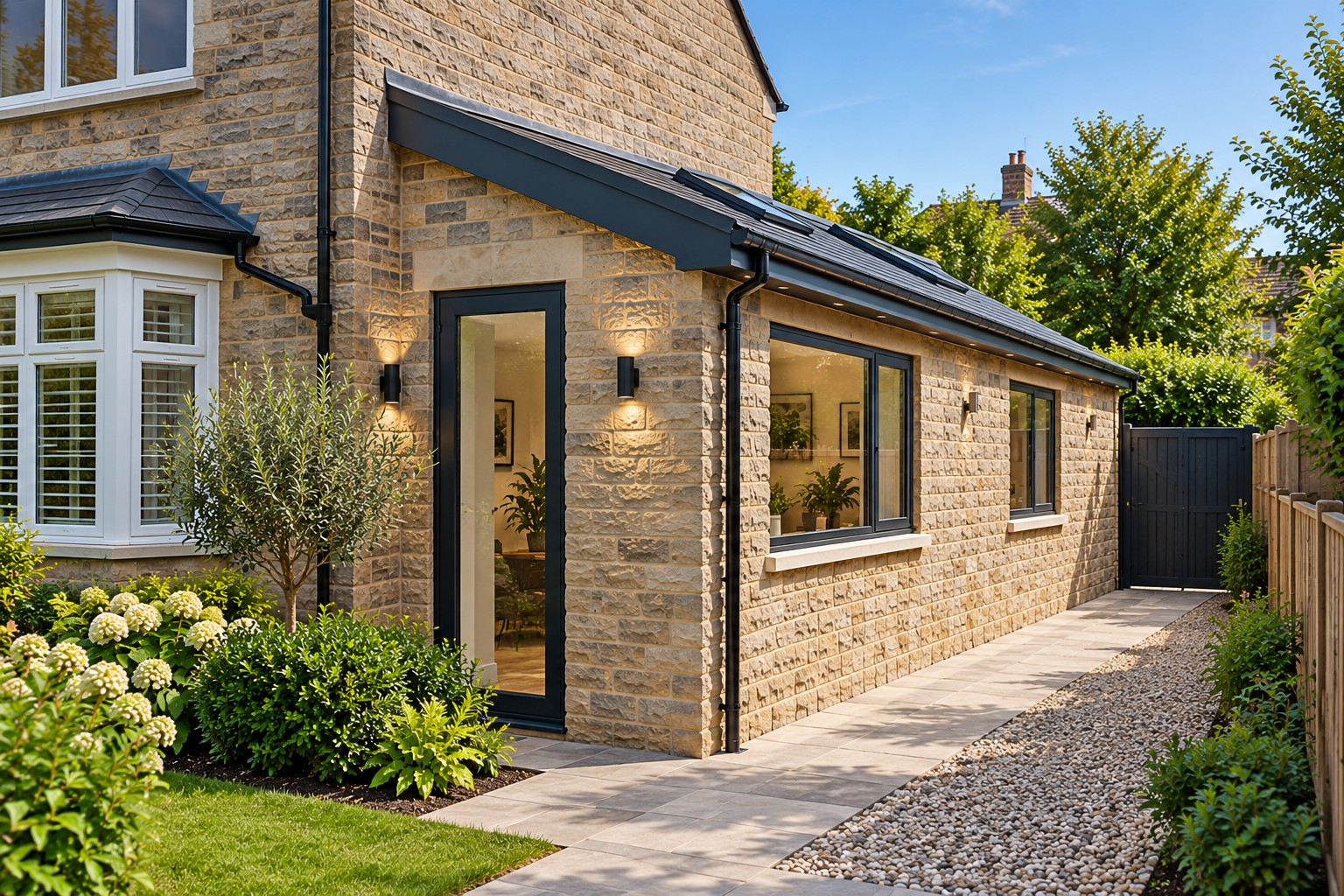
Adds valuable space to the side of your home for a kitchen or utility.
£900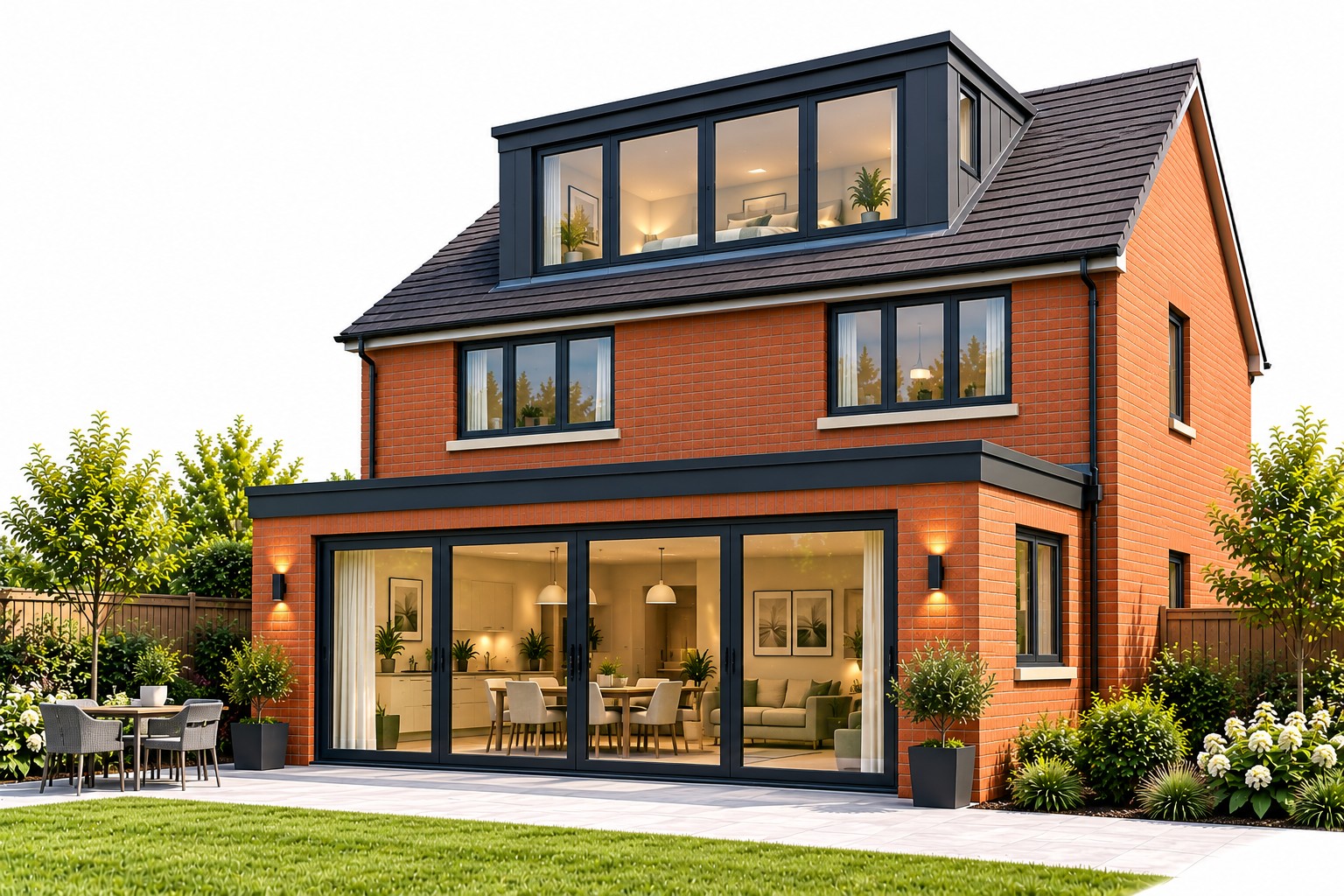
Turns unused loft space into a bedroom, office or additional living area.
£1,500
A flexible, detached space for work, leisure or extra living space.
£350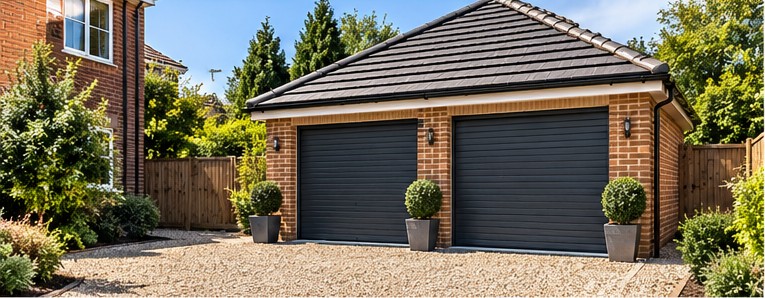
Secure parking or useful storage, single or double.
£350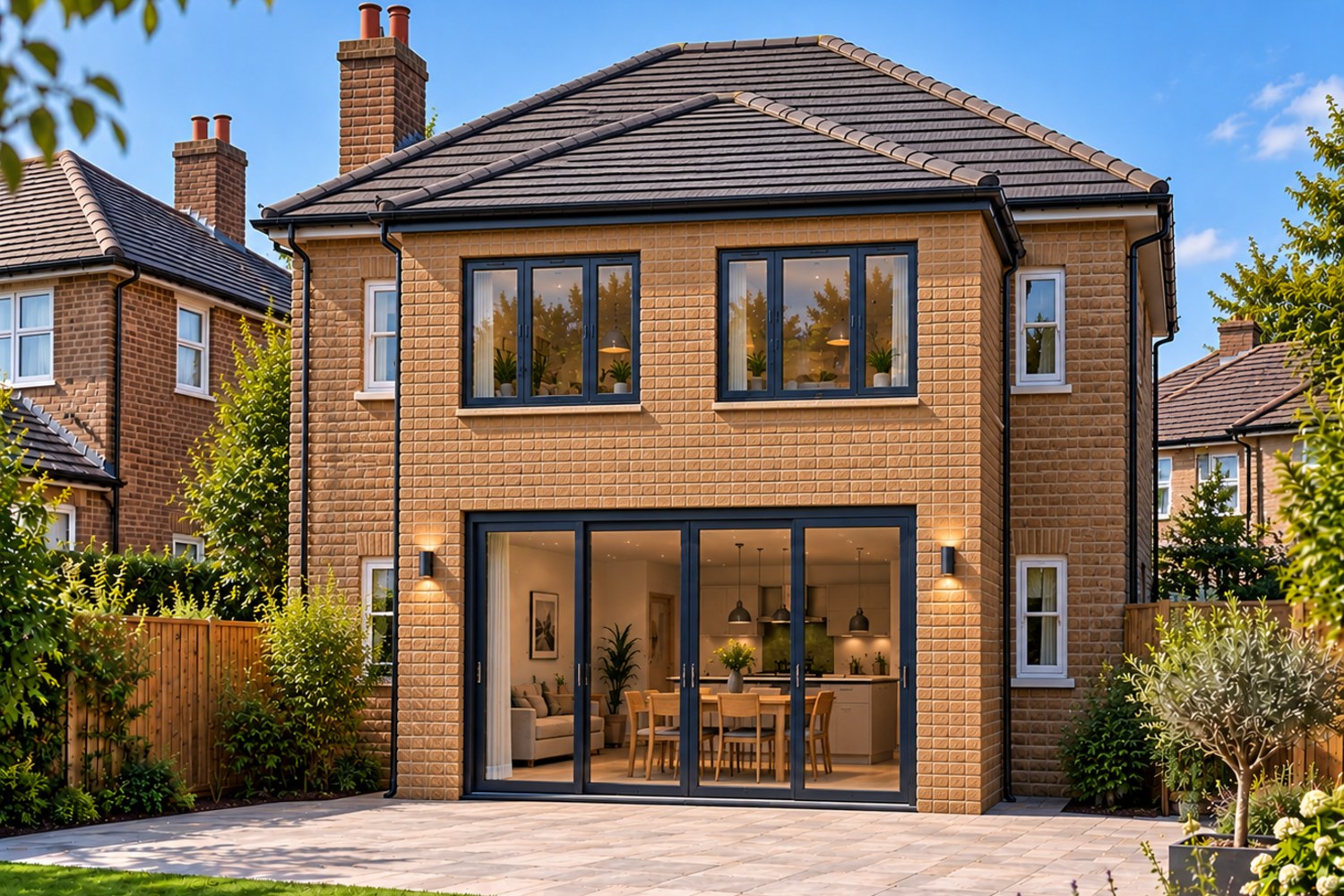
Significantly more living space across both floors.
£1,400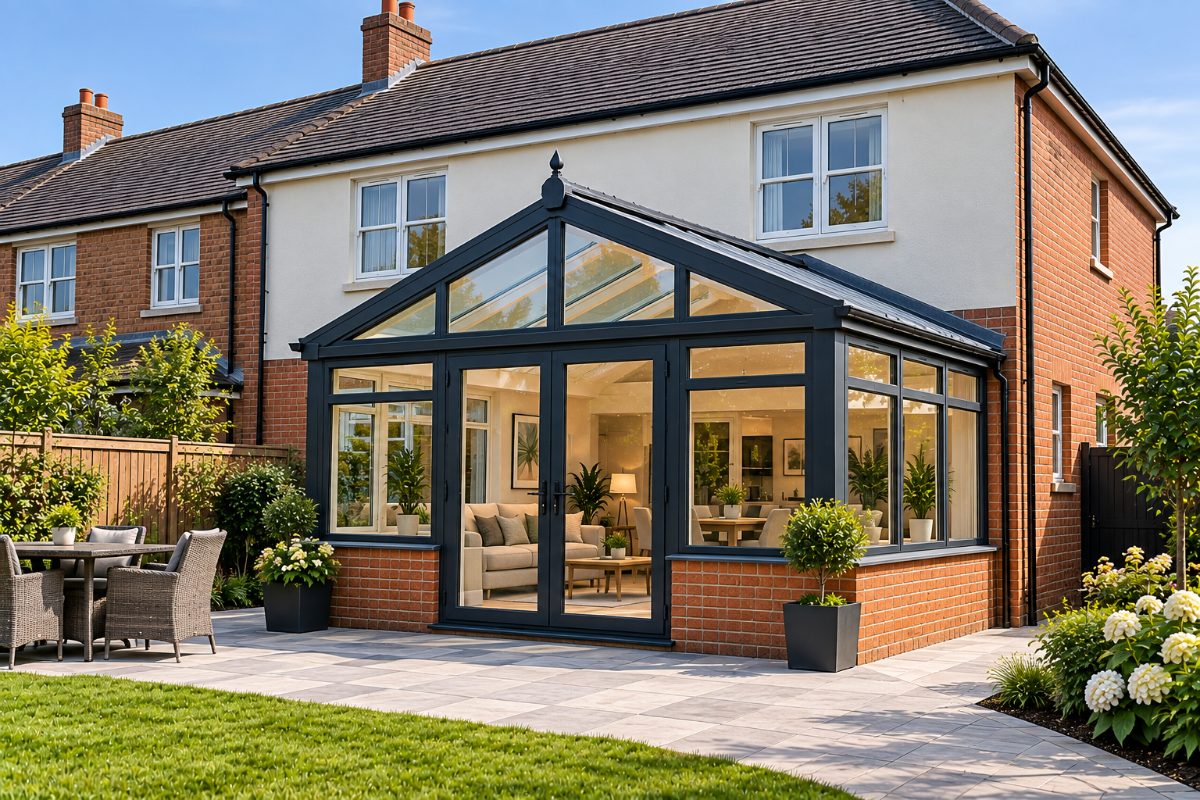
A bright, glazed room connecting your home to the garden.
£900PERMITTED HOMEOWNER GUIDES
Our illustrated, practical guides help you understand the rules, explore design options and budget with confidence — before you commit to building work.
Explore all guidesRules, design options, costs and next steps.
View guideRules, design options, costs and next steps.
View guideRules, design options, costs and next steps.
View guideRules, design options, costs and next steps.
View guideRules, design options, costs and next steps.
View guideRules, design options, costs and next steps.
View guideRules, design options, costs and next steps.
View guideRules, design options, costs and next steps.
View guideWe use cookies that are needed to run the basket and checkout. We would also like to use analytics cookies to understand how the site is used. We only do that if you say yes.

Maximize your property’s footprint with precision and ease. Permitted provides complete design for Permitted Development Rights. Our packages are designed around the Permitted Development limits, so many projects can proceed without a full planning application.
PERMITTED is operated by Yorkshire Property Design Services Limited, registered in England and Wales under company number 12698267.
Registered office: Ground Floor, Techno Centre, Station Road, Horsforth, Leeds, LS18 5BJ
Business contact address: Wira House, Ground Floor, Suite 5, Ring Road, West Park, Leeds, LS16 6EB