


Permitted Development rules





Professional, builder-ready drawing packages for extensions, lofts, porches, garages, garden rooms and more — designed to Permitted Development parameters and supplied as sold.
PERMITTED HOMEOWNER GUIDES
Our illustrated, practical guides help you understand the rules, explore design options and budget with confidence — before you commit to building work.
Explore all guides
Rules, design options, costs and next steps.
View guide
Rules, design options, costs and next steps.
View guide
Rules, design options, costs and next steps.
View guide
Rules, design options, costs and next steps.
View guide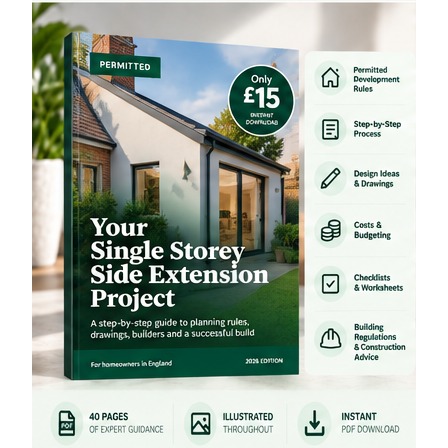
Rules, design options, costs and next steps.
View guide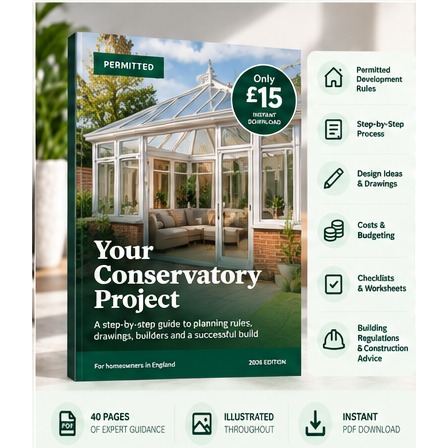
Rules, design options, costs and next steps.
View guide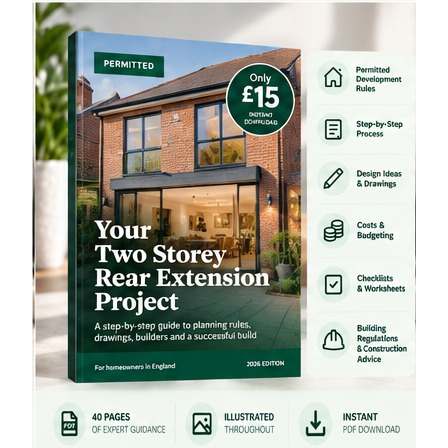
Rules, design options, costs and next steps.
View guide
Rules, design options, costs and next steps.
View guideA party wall agreement — formally called a Party Wall Award — is the legally binding document produced by surveyors that sets out the terms for building work near a shared boundary. Here’s what it covers, how it’s produced, and what it means for you and your neighbour.
Strictly speaking, a “party wall agreement” can mean two things:
In common usage, “party wall agreement” often refers to the Award — the document most people encounter when there’s any degree of formality in the process. This guide covers the Award specifically.
A Party Wall Award is a legally binding document produced by a surveyor that sets out how notifiable building work must proceed. It protects both the building owner and the adjoining owner.
A Party Wall Award typically contains:
The Award is produced by the party wall surveyor(s) after:
Both surveyors must sign the Award before it is served on both parties. If one surveyor refuses to sign, the other can serve it unilaterally — the Act specifically provides for this to prevent deliberate obstruction.
The Schedule of Condition is one of the most practically important parts of the Award process. It is a detailed photographic and written record of the state of the adjoining property — typically focusing on areas most likely to be affected by the works, such as:
After work is complete, if the adjoining owner claims damage, the condition schedule is the benchmark. Damage present before work started is excluded from any compensation claim. This protects both parties.
As the building owner: The Award authorises you to carry out the described works, subject to the conditions set out. You must comply with the hours, protective measures, and access provisions. Failure to comply can result in an injunction.
As the adjoining owner: The Award protects your property. If damage occurs during the works, you have a clear legal basis for compensation. The condition schedule is your evidence. You also have the right to ask the surveyor to re-inspect if you believe conditions are being breached.
Yes. Either party can appeal a Party Wall Award to the County Court within 14 days of being served with it. The court can confirm, modify, or rescind the Award.
Appeals are relatively rare and tend to be costly. Most issues with an Award are better resolved by asking the Third Surveyor (whose details are included in the Award) to make a determination.
Grounds for appeal typically include: the surveyor acted outside their jurisdiction, the Award contains an error of law, or the procedures required by the Act were not followed correctly.
If you carry out notifiable work without a valid Award (or without consent), you are in breach of the Party Wall Act. The consequences can include:
A Party Wall Award is tied to the specific works it describes. Once those works are complete, the Award has served its purpose. However, the condition schedule remains relevant for as long as damage claims could arise. There is no automatic expiry date on an Award itself.
Mortgage lenders don’t typically require a party wall agreement before lending, but they do require that all legal requirements have been complied with. If works were carried out in breach of the Act, this can cause problems when you remortgage or sell.
You can ask the Third Surveyor (identified in the Award) to make a determination on any disputed matter. This is faster and cheaper than a court appeal. You can also appeal the Award to the County Court within 14 days if you believe it contains an error.
Yes. If the scope of works changes materially, a supplemental Award can be produced covering the additional works. Both parties (or their surveyors) must agree to the changes, following the same process as the original Award.
Extensions, loft conversions, outbuildings, solar panels — our complete guide covers everything you can build without planning permission.
Planning a project? Browse our permitted development drawing sets — fixed price, supplied exactly as sold and emailed to you as a PDF.
Each one is already drawn. You choose the material, roof and options we actually draw, and that is the package you receive.

A practical entrance area that adds space and improves the look of your home.
£350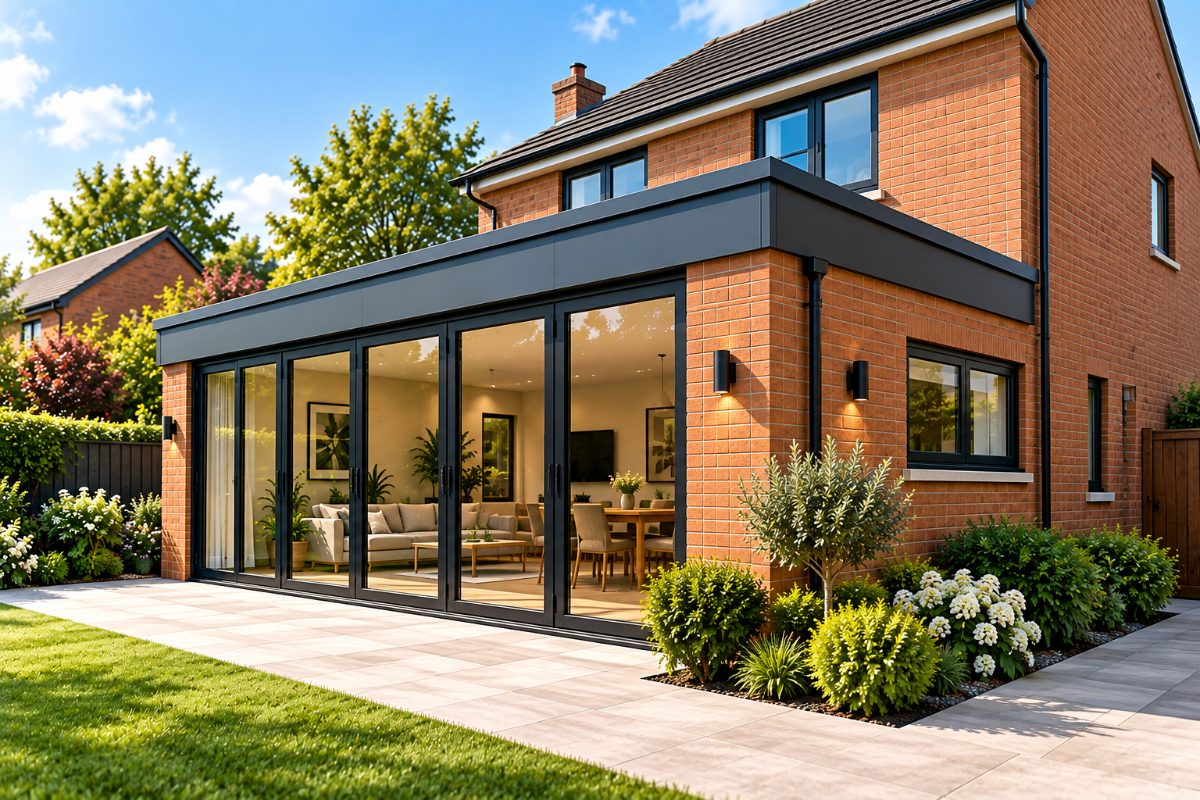
A popular way to create a larger kitchen, dining or family area.
£900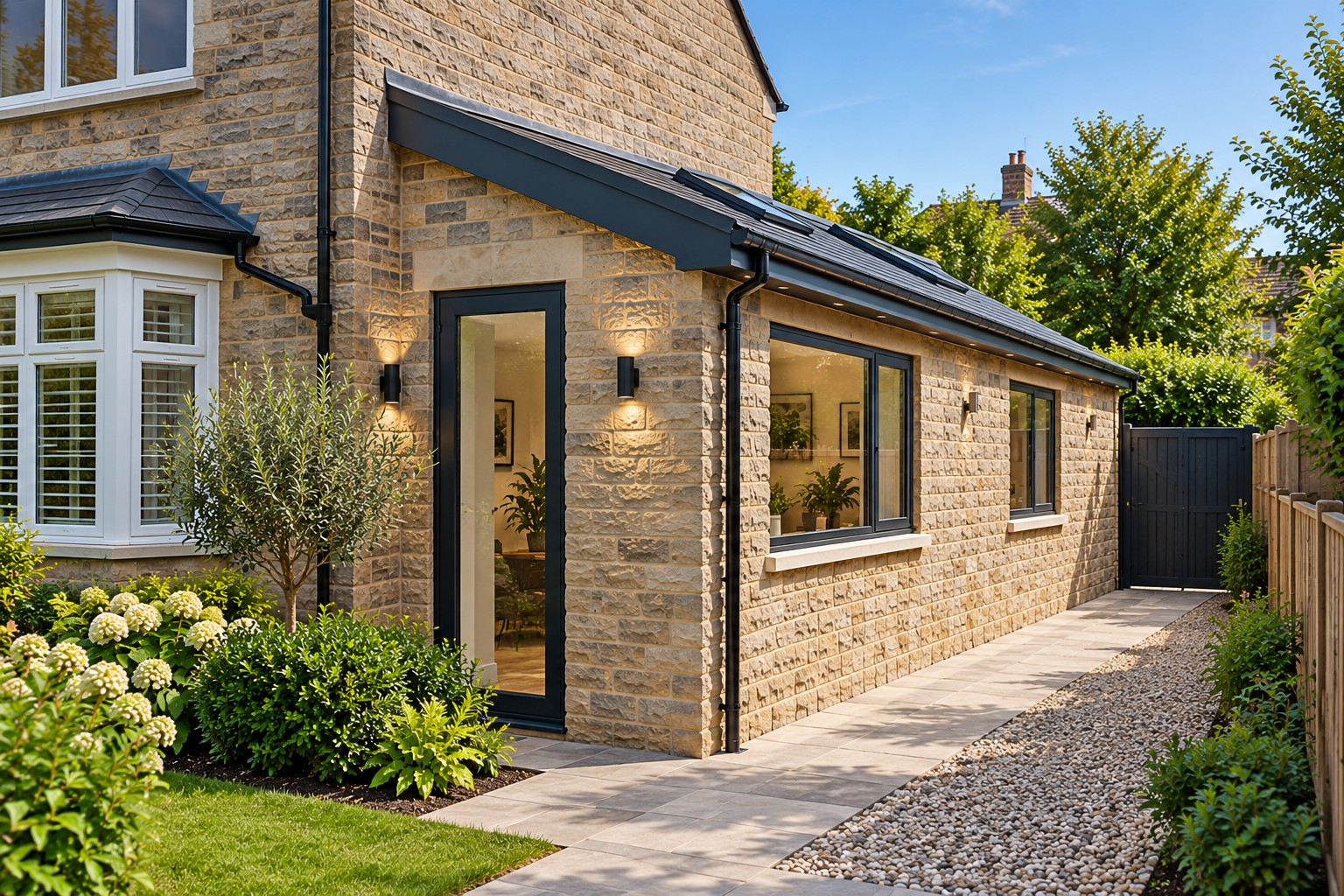
Adds valuable space to the side of your home for a kitchen or utility.
£900
Turns unused loft space into a bedroom, office or additional living area.
£1,500
A flexible, detached space for work, leisure or extra living space.
£350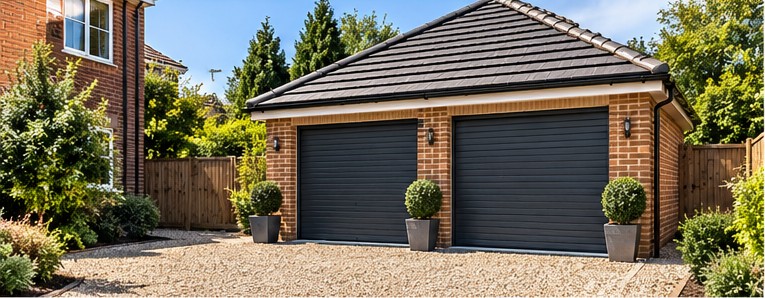
Secure parking or useful storage, single or double.
£350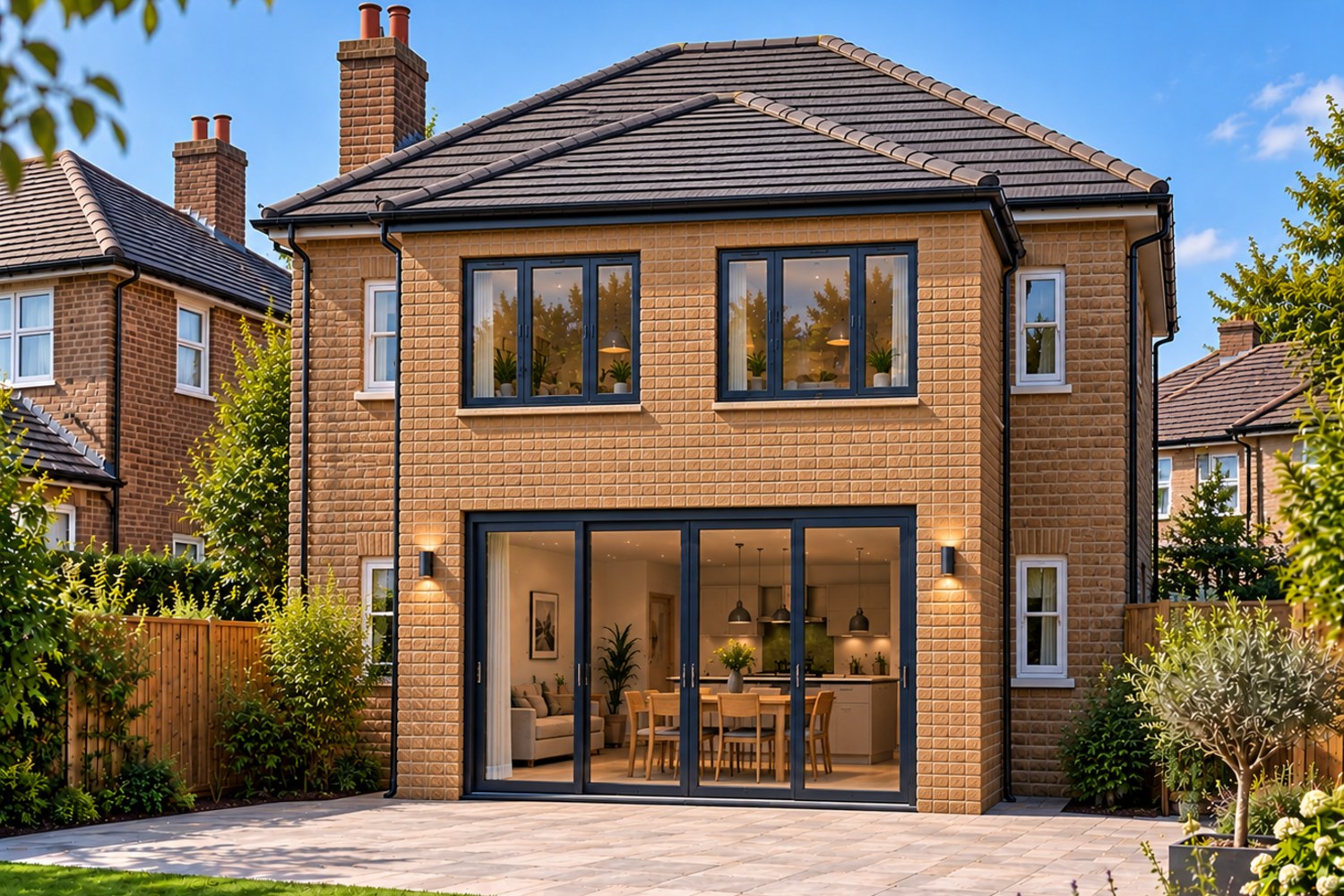
Significantly more living space across both floors.
£1,400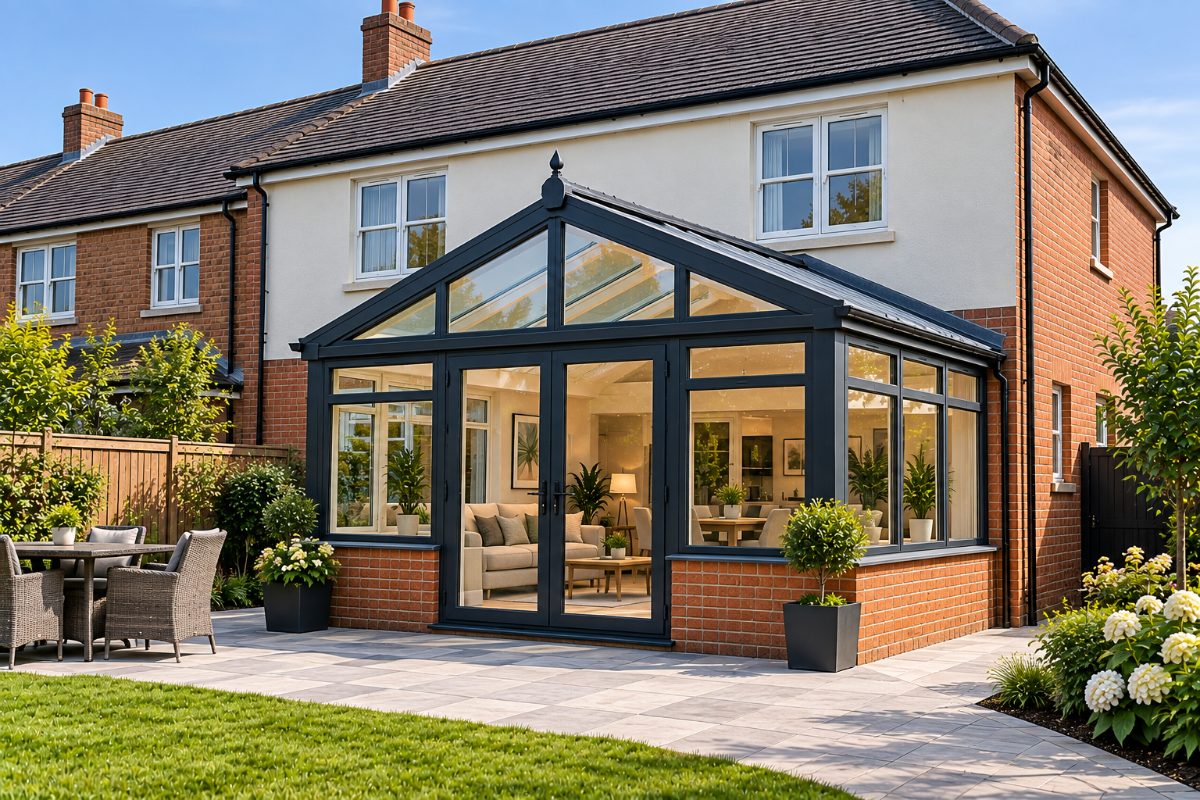
A bright, glazed room connecting your home to the garden.
£900PERMITTED HOMEOWNER GUIDES
Our illustrated, practical guides help you understand the rules, explore design options and budget with confidence — before you commit to building work.
Explore all guidesRules, design options, costs and next steps.
View guideRules, design options, costs and next steps.
View guideRules, design options, costs and next steps.
View guideRules, design options, costs and next steps.
View guideRules, design options, costs and next steps.
View guideRules, design options, costs and next steps.
View guideRules, design options, costs and next steps.
View guideRules, design options, costs and next steps.
View guideWe use cookies that are needed to run the basket and checkout. We would also like to use analytics cookies to understand how the site is used. We only do that if you say yes.

Maximize your property’s footprint with precision and ease. Permitted provides complete design for Permitted Development Rights. Our packages are designed around the Permitted Development limits, so many projects can proceed without a full planning application.
PERMITTED is operated by Yorkshire Property Design Services Limited, registered in England and Wales under company number 12698267.
Registered office: Ground Floor, Techno Centre, Station Road, Horsforth, Leeds, LS18 5BJ
Business contact address: Wira House, Ground Floor, Suite 5, Ring Road, West Park, Leeds, LS16 6EB