


Permitted Development rules





Professional, builder-ready drawing packages for extensions, lofts, porches, garages, garden rooms and more — designed to Permitted Development parameters and supplied as sold.
PERMITTED HOMEOWNER GUIDES
Our illustrated, practical guides help you understand the rules, explore design options and budget with confidence — before you commit to building work.
Explore all guides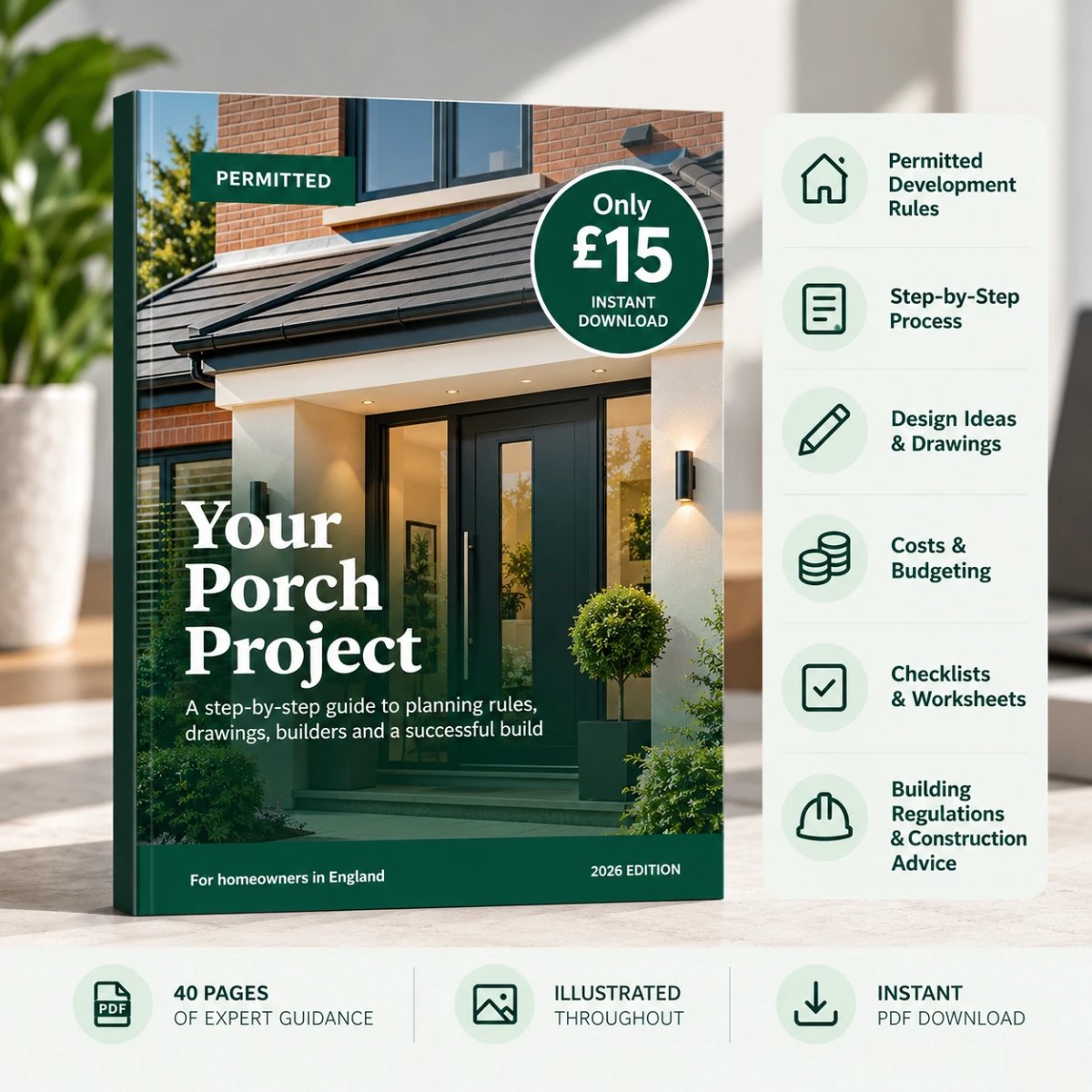
Rules, design options, costs and next steps.
View guide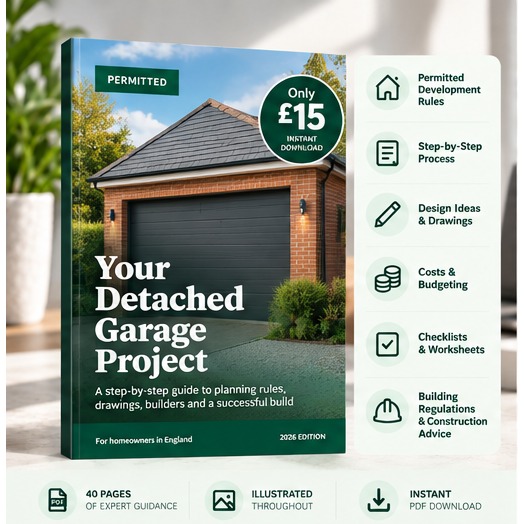
Rules, design options, costs and next steps.
View guide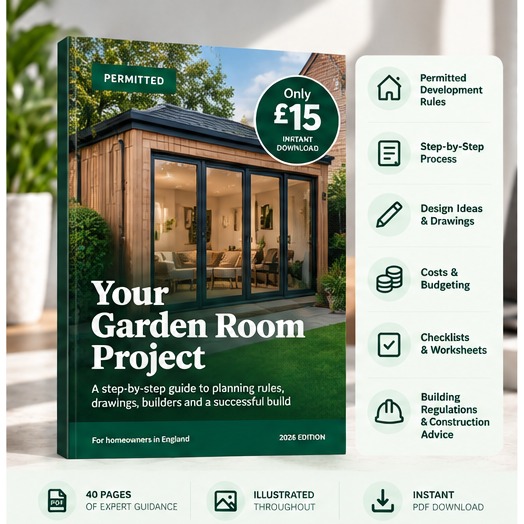
Rules, design options, costs and next steps.
View guide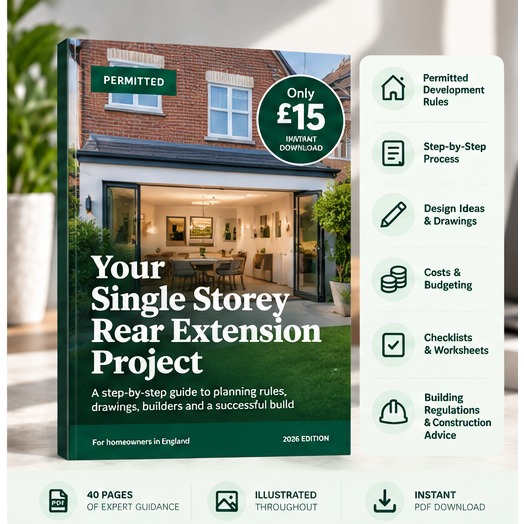
Rules, design options, costs and next steps.
View guide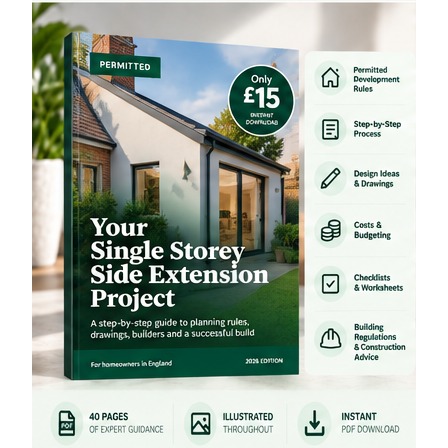
Rules, design options, costs and next steps.
View guide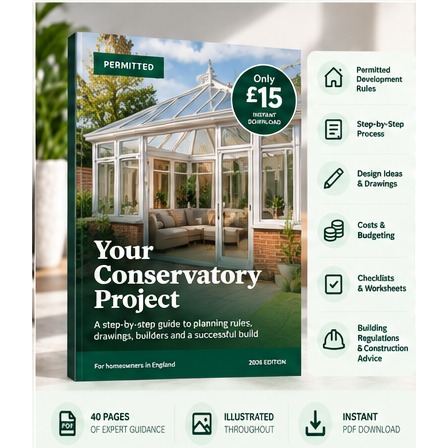
Rules, design options, costs and next steps.
View guide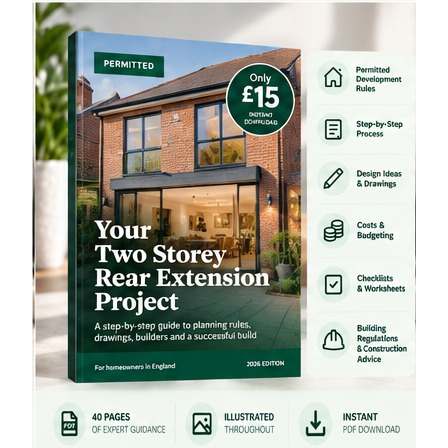
Rules, design options, costs and next steps.
View guide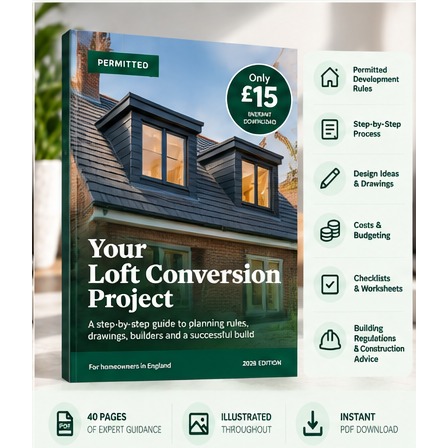
Rules, design options, costs and next steps.
View guideAdding a bay window to a house is a small extension — and like most small extensions, it’s usually permitted development. But the rules depend on which elevation it’s on, how far it projects, and whether you’re in a protected area.
A bay window is a form of extension — it projects beyond the original wall of the house and creates additional floor space inside. As such, it’s subject to the Part 1 permitted development rules for extensions. A rear bay window within the standard extension depth limits is typically permitted development. A front bay window (on the principal elevation, towards the highway) is not permitted development under Part 1, Class A. In conservation areas and for listed buildings, any new bay window requires planning permission.
A bay window is treated as an extension for planning purposes because it adds floor space and projects beyond the original external wall. The relevant permitted development class is Part 1, Class A (enlargement, improvement, or other alteration of a dwelling). For an extension to be permitted development under Class A, it must not be on the principal elevation of the house — that is, the elevation that faces the highway. This is the key restriction for front bay windows.
| Bay window position | Permitted development? |
|---|---|
| Rear elevation | Yes — subject to extension depth limits (3m on attached, 4m on detached without prior approval; 6m/8m with prior approval) |
| Side elevation (not facing highway) | Yes — subject to side extension rules (max 4m high, max half the width of the original house) |
| Front elevation / principal elevation facing highway | Not permitted development under Class A |
The most common type of bay window — the traditional Victorian or Edwardian front bay — is on the principal elevation and therefore not permitted development under Class A. Adding a new front bay window requires planning permission.
However, planning applications for front bay windows are commonly approved in areas where bay windows are characteristic of the street. On streets of Victorian and Edwardian terraces where bays are ubiquitous, a well-designed new bay window that matches the character of neighbouring properties is often supported. The key factors councils assess are whether the bay window matches the character of the street in scale and materials, and its effect on the street scene and neighbouring properties.
A bay window on the rear of the house is an extension and is subject to the standard rear extension permitted development limits. The projection of the bay from the original rear wall counts towards the extension depth limit — so a bay that projects 2 metres from the original rear wall uses 2 metres of the 3-metre (or 4-metre on a detached house) permitted development allowance for that storey.
The roof of the bay also matters — if the bay has a flat roof, it must not exceed 3 metres in height at the eaves. A side bay window (projecting from a side elevation that doesn’t face a highway) is permitted development subject to the side extension rules — it must not exceed 4 metres in height and must not have a width greater than half the width of the original house.
In conservation areas, any extension visible from a highway is not permitted development under Part 1 — this catches most front bay windows and any rear or side bays that can be seen from the street. Conservation areas therefore require planning permission for virtually any new bay window.
Applications for bay windows in conservation areas are assessed against the character of the conservation area. Traditional designs in appropriate materials (timber with sash windows, for example) are more likely to be approved. For listed buildings, any new bay window requires listed building consent in addition to planning permission.
Replacing an existing bay window (like-for-like or with similar windows) is maintenance and doesn’t require planning permission for most houses — the same rules that apply to ordinary window replacements apply here. The structure of the bay (the brickwork, the roof) is part of the house and doesn’t change.
In conservation areas, replacing bay window glazing may require planning permission if the Article 4 Direction covers windows on the principal elevation. Like-for-like repair of the timber structure would generally not need permission.
Extensions, loft conversions, outbuildings, solar panels — our complete guide covers everything you can build without planning permission.
Planning a project? Browse our permitted development drawing sets — fixed price, supplied exactly as sold and emailed to you as a PDF.
Each one is already drawn. You choose the material, roof and options we actually draw, and that is the package you receive.
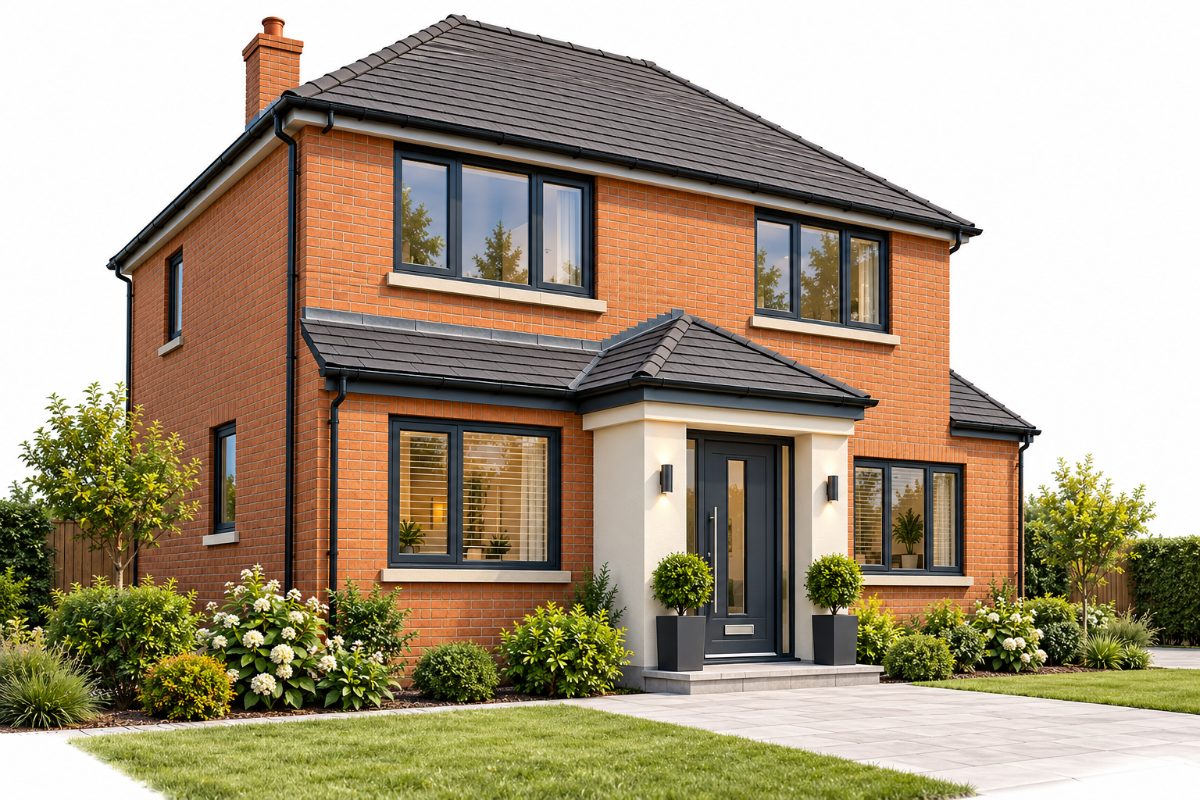
A practical entrance area that adds space and improves the look of your home.
£350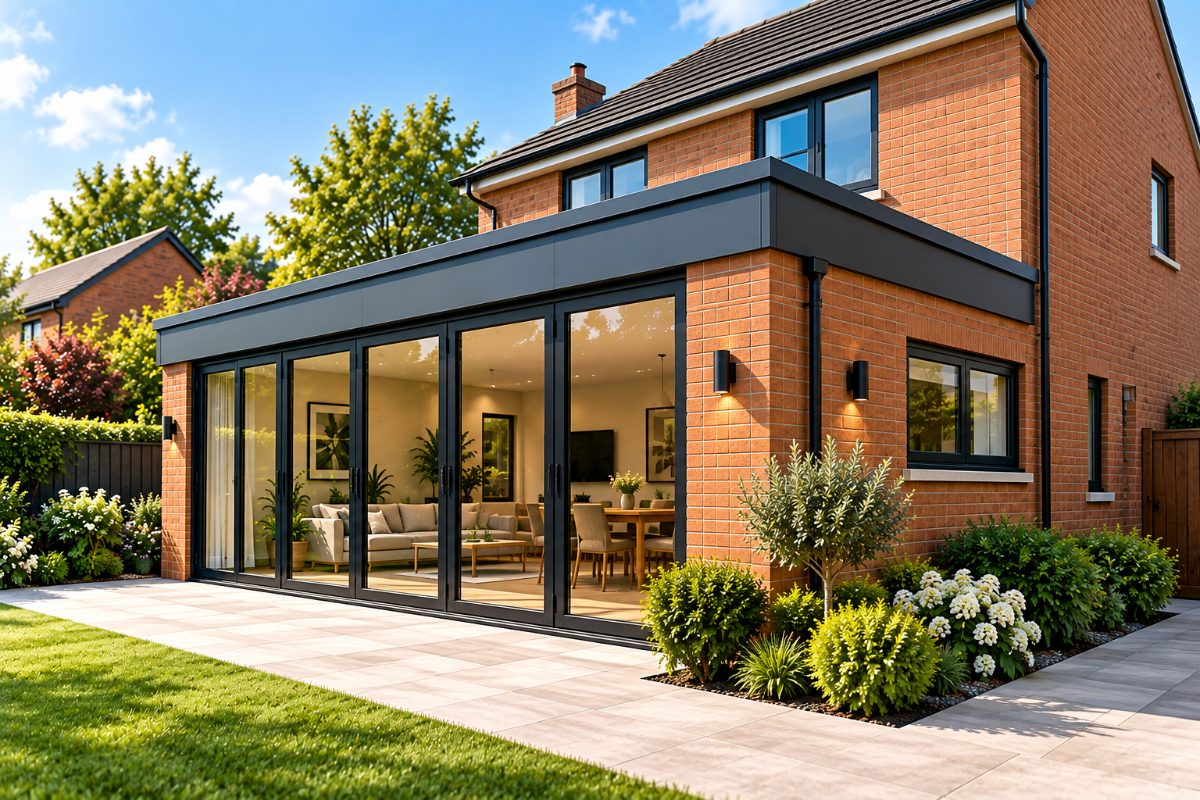
A popular way to create a larger kitchen, dining or family area.
£900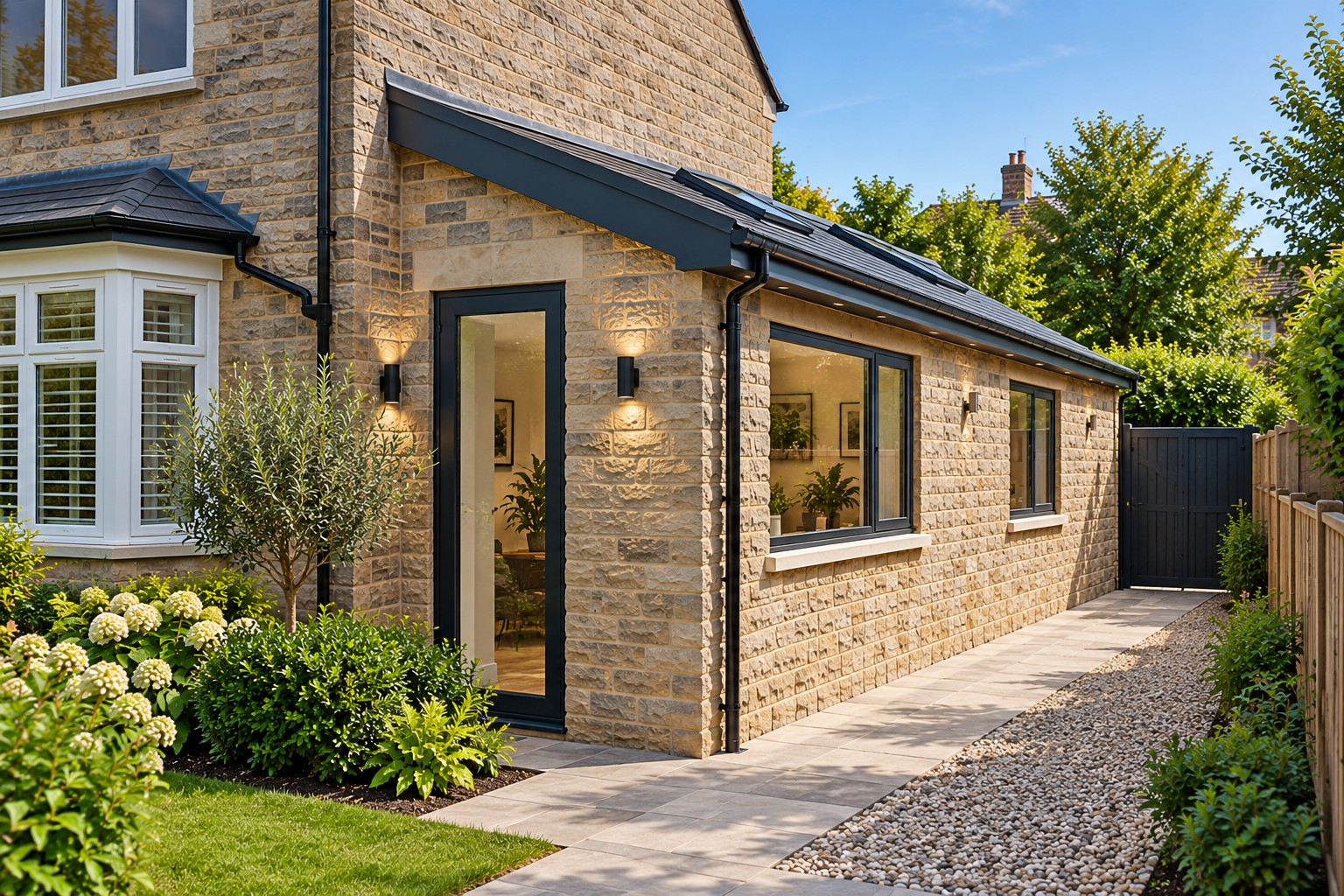
Adds valuable space to the side of your home for a kitchen or utility.
£900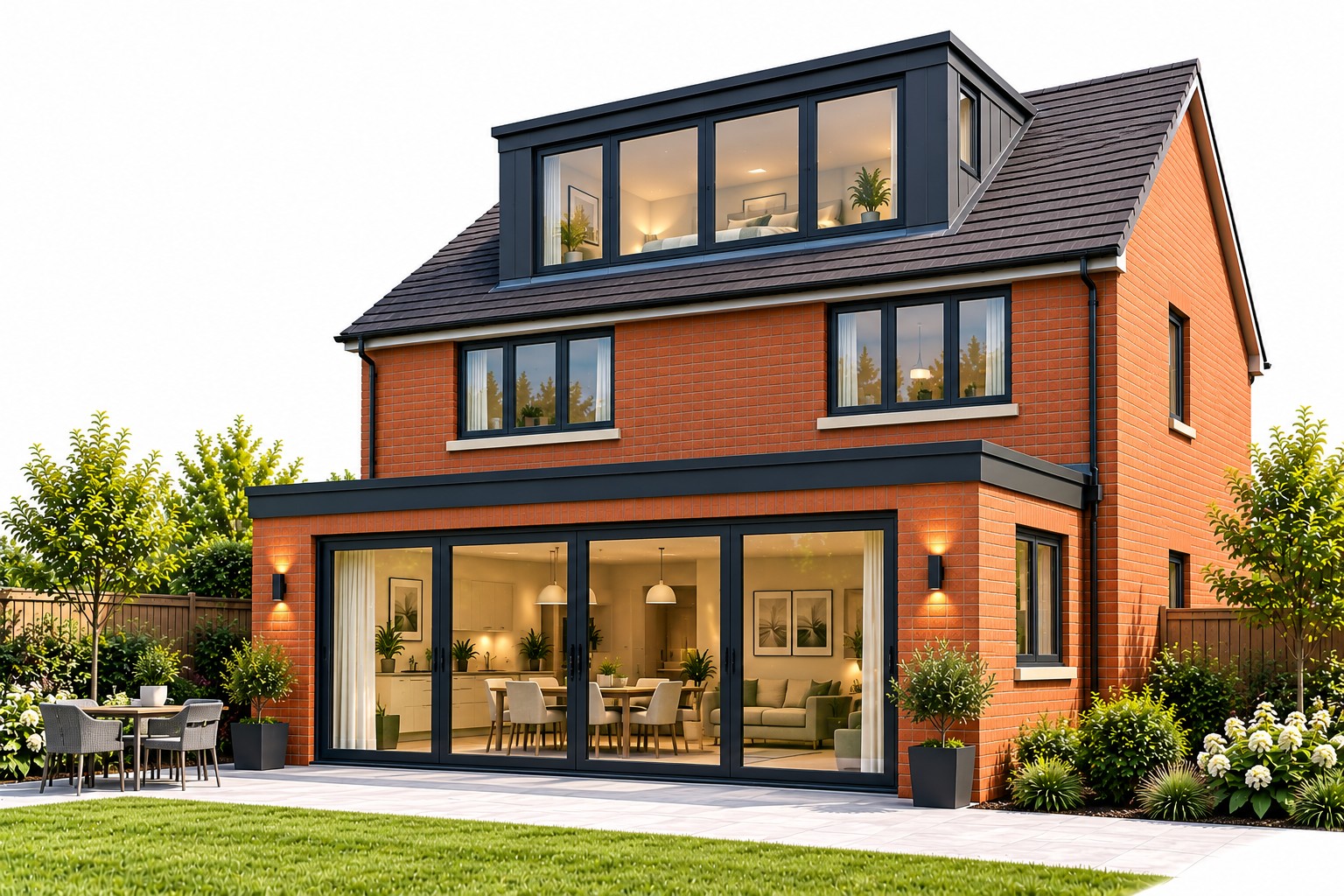
Turns unused loft space into a bedroom, office or additional living area.
£1,500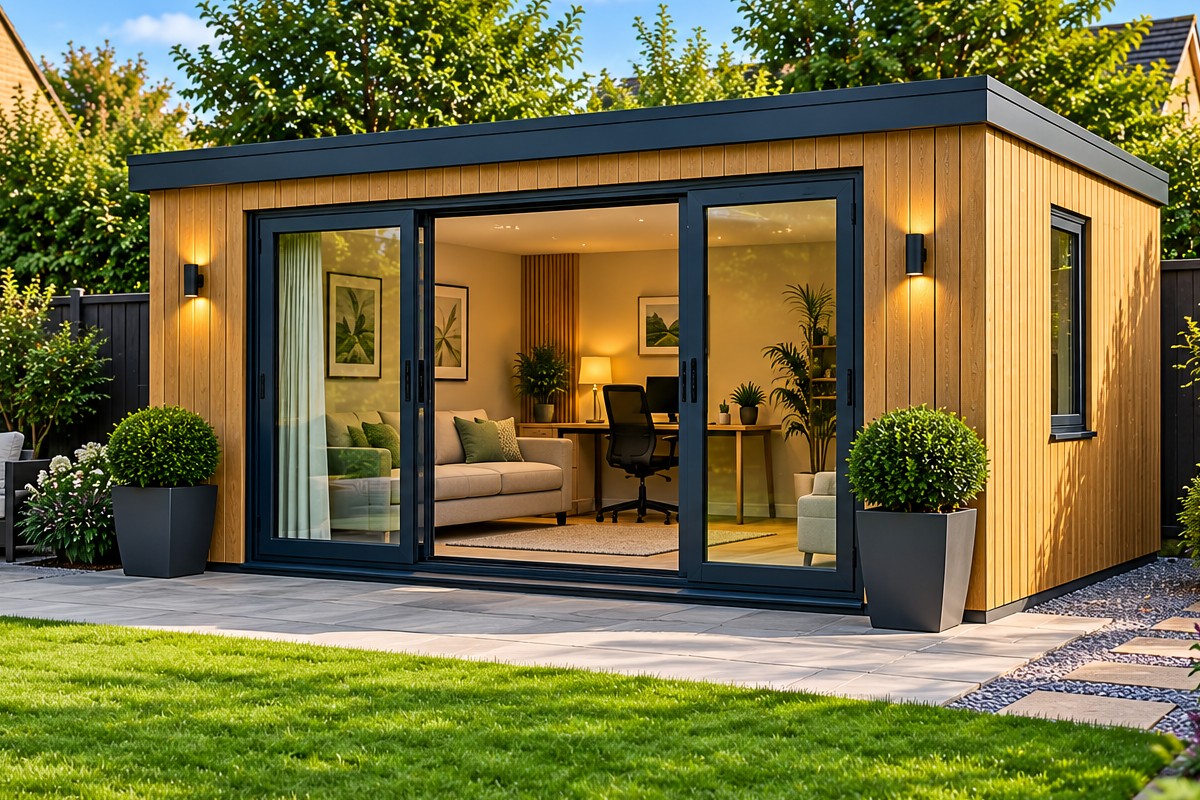
A flexible, detached space for work, leisure or extra living space.
£350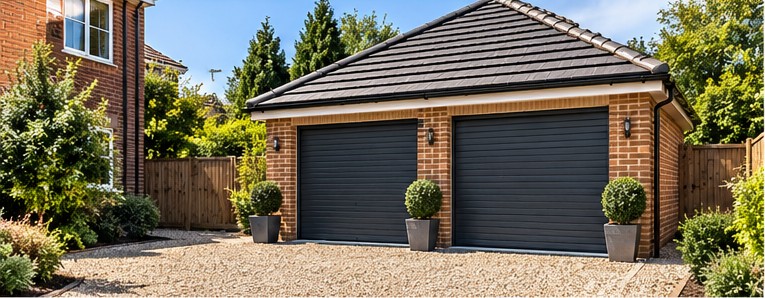
Secure parking or useful storage, single or double.
£350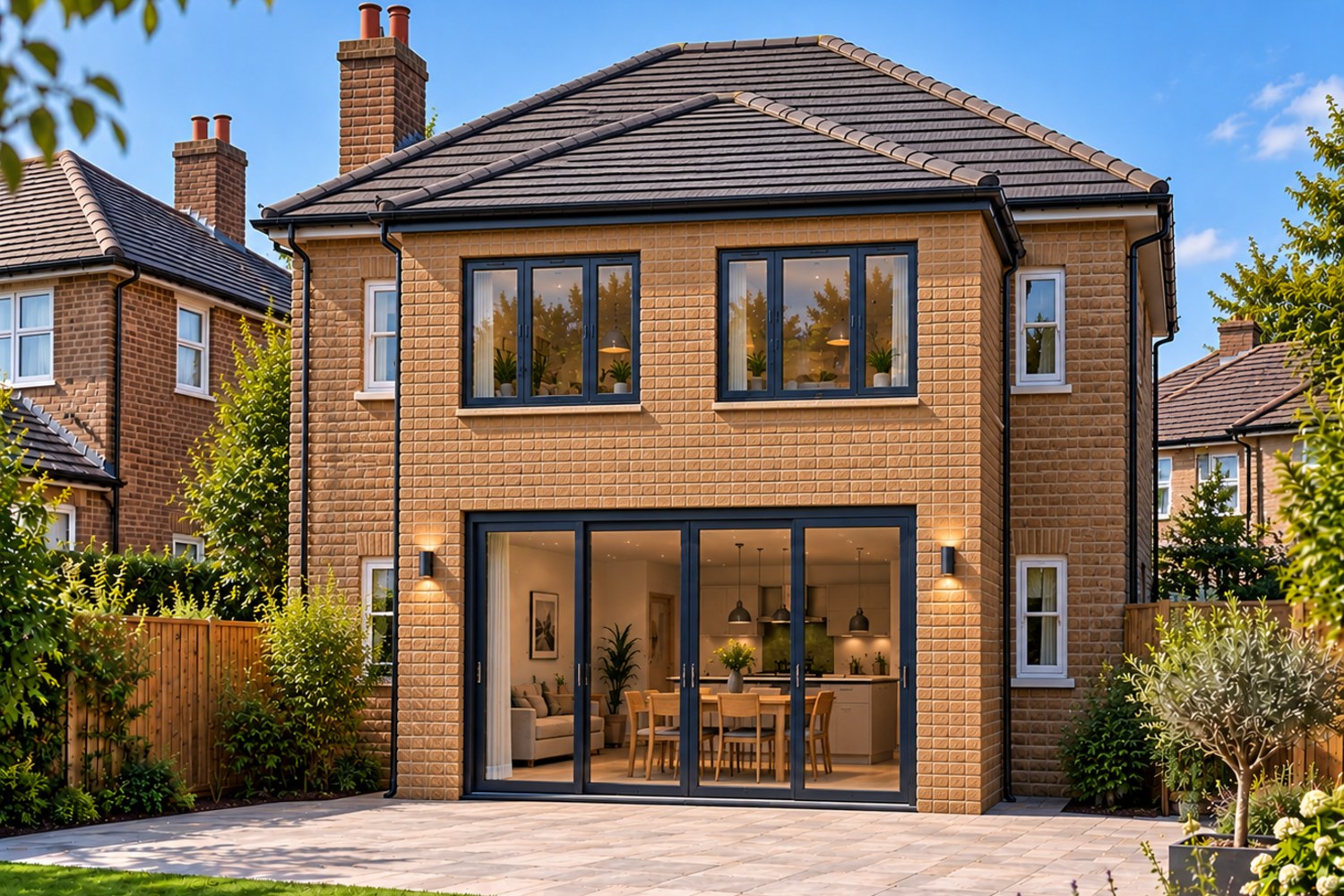
Significantly more living space across both floors.
£1,400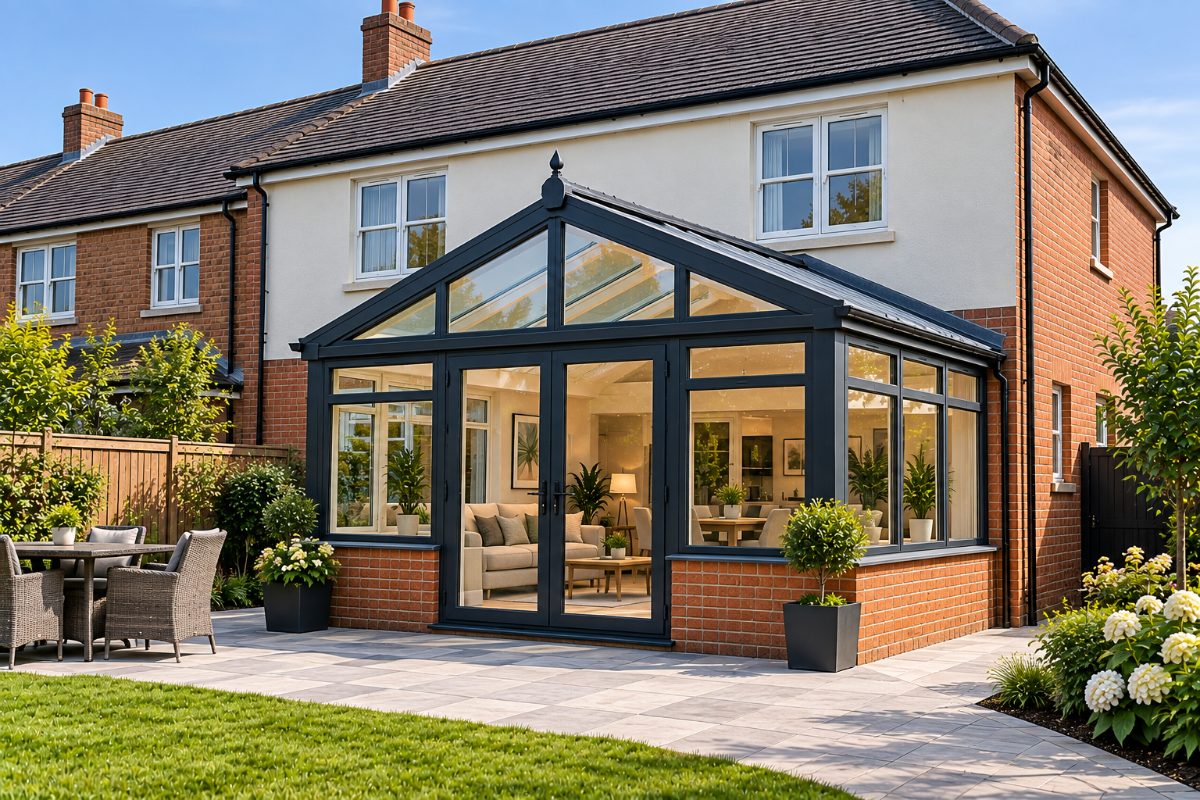
A bright, glazed room connecting your home to the garden.
£900PERMITTED HOMEOWNER GUIDES
Our illustrated, practical guides help you understand the rules, explore design options and budget with confidence — before you commit to building work.
Explore all guidesRules, design options, costs and next steps.
View guideRules, design options, costs and next steps.
View guideRules, design options, costs and next steps.
View guideRules, design options, costs and next steps.
View guideRules, design options, costs and next steps.
View guideRules, design options, costs and next steps.
View guideRules, design options, costs and next steps.
View guideRules, design options, costs and next steps.
View guideWe use cookies that are needed to run the basket and checkout. We would also like to use analytics cookies to understand how the site is used. We only do that if you say yes.

Maximize your property’s footprint with precision and ease. Permitted provides complete design for Permitted Development Rights. Our packages are designed around the Permitted Development limits, so many projects can proceed without a full planning application.
PERMITTED is operated by Yorkshire Property Design Services Limited, registered in England and Wales under company number 12698267.
Registered office: Ground Floor, Techno Centre, Station Road, Horsforth, Leeds, LS18 5BJ
Business contact address: Wira House, Ground Floor, Suite 5, Ring Road, West Park, Leeds, LS16 6EB