


Permitted Development rules





Professional, builder-ready drawing packages for extensions, lofts, porches, garages, garden rooms and more — designed to Permitted Development parameters and supplied as sold.
PERMITTED HOMEOWNER GUIDES
Our illustrated, practical guides help you understand the rules, explore design options and budget with confidence — before you commit to building work.
Explore all guides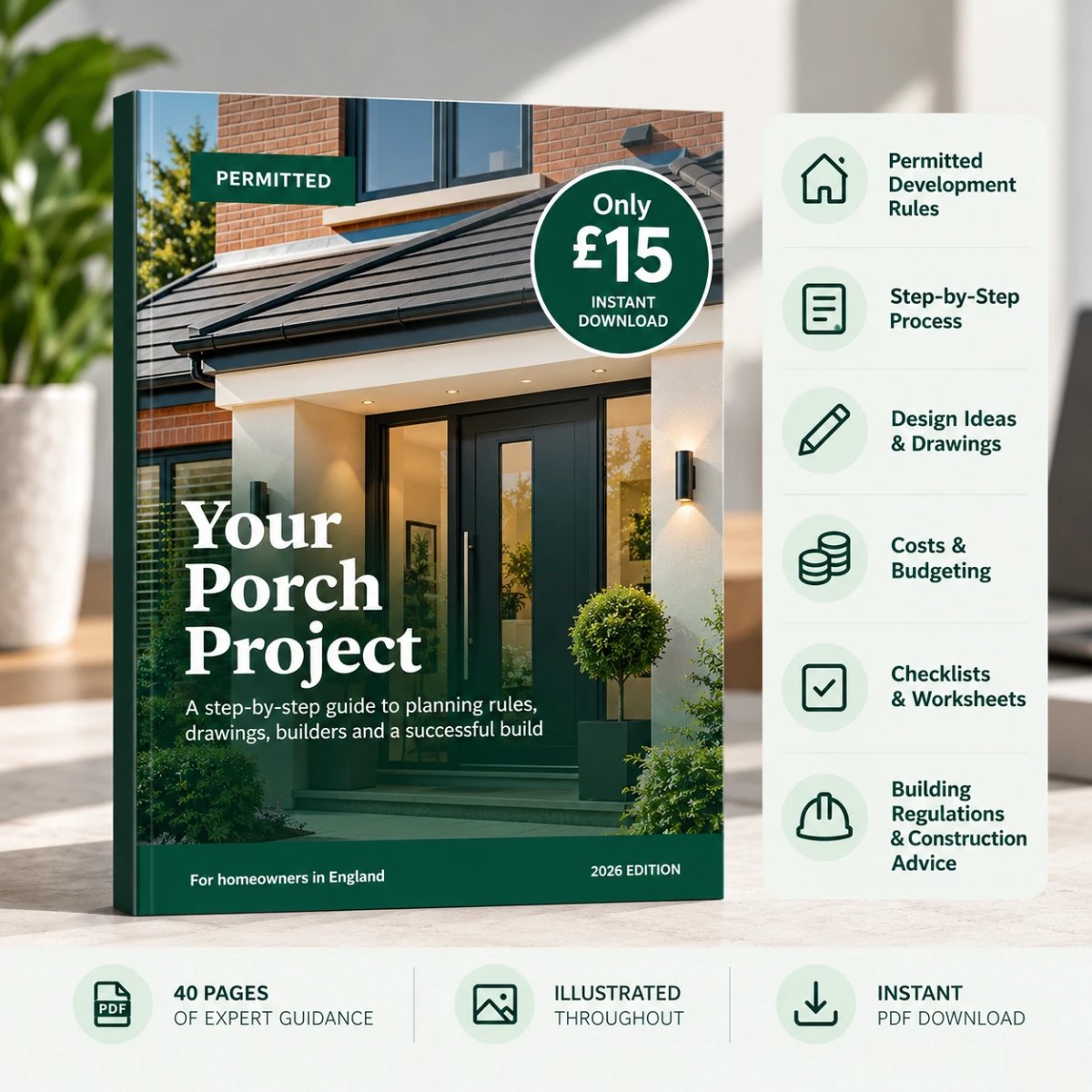
Rules, design options, costs and next steps.
View guide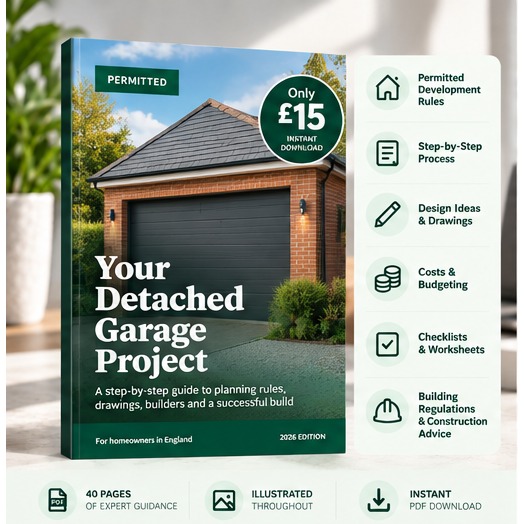
Rules, design options, costs and next steps.
View guide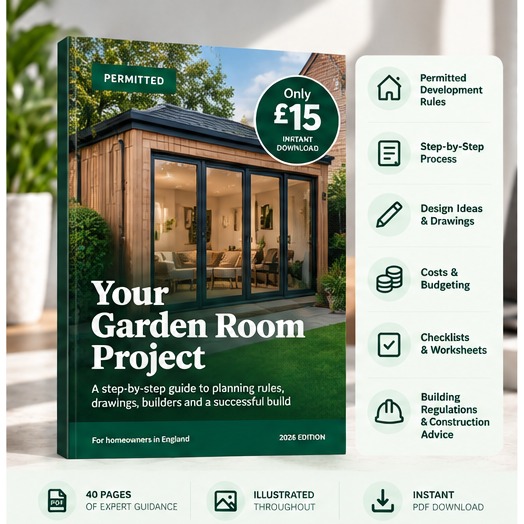
Rules, design options, costs and next steps.
View guide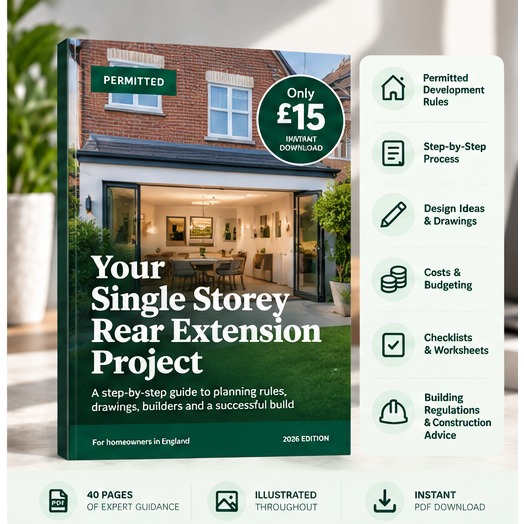
Rules, design options, costs and next steps.
View guide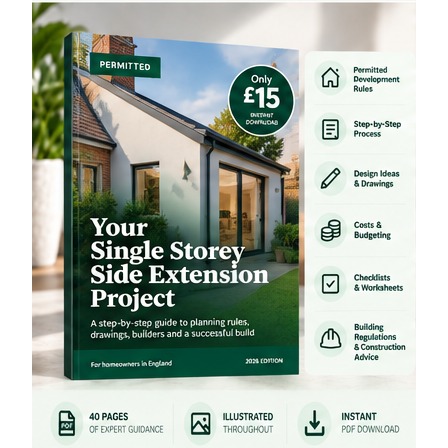
Rules, design options, costs and next steps.
View guide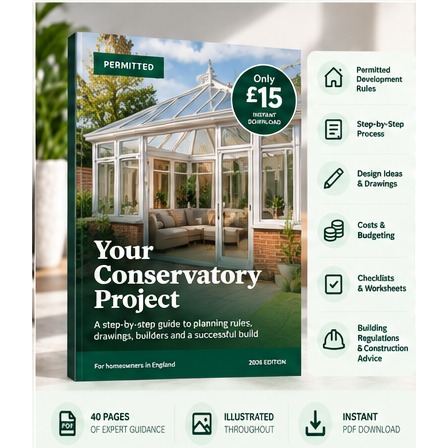
Rules, design options, costs and next steps.
View guide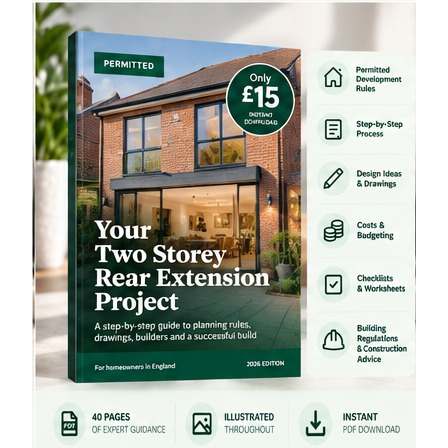
Rules, design options, costs and next steps.
View guide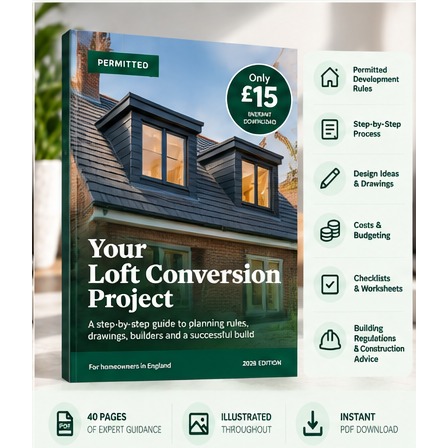
Rules, design options, costs and next steps.
View guideClass MA permitted development allows commercial, business, and service buildings to be converted to housing without a full planning application — but only where Prior Approval is granted. Here’s how it works.
Class MA of Part 3, Schedule 2 to the GPDO 2015 allows the change of use of a commercial, business, or service building (Class E) to a dwelling (Class C3) without a full planning application. You must apply for Prior Approval, which is a streamlined consent where the council can only assess specified matters — transport, contamination, flooding, noise, natural light, and whether the building has been in Class E use for at least two years. Many councils in London and other cities have used Article 4 Directions to remove Class MA rights in certain areas, particularly town centres and employment zones.
Class MA (change of use of a building in Class E use to a dwellinghouse) was introduced in August 2021, replacing the earlier Class O (office to residential) right. The key difference from Class O is that Class MA covers all Class E uses — not just offices — including shops, restaurants, gyms, health centres, and other commercial, business, and service uses.
Class E (commercial, business and service) was itself introduced in 2020 as a consolidation of many former use classes (A1 shops, A2 financial services, A3 restaurants, B1 offices, and several D1/D2 uses). Class MA has been controversial because it removes local planning authorities’ ability to resist conversions of commercial buildings to housing in town centres — hence the widespread use of Article 4 Directions to remove it in certain areas.
A Class MA Prior Approval application is submitted to the local planning authority. The council has 56 days to determine the application. If it fails to respond within this period, Prior Approval is deemed to be granted. The Prior Approval fee is currently £260 per dwelling (up to £15,000 for larger conversions).
| Assessment matter | What the council considers |
|---|---|
| Transport and highways | Impact on the local road network, parking, pedestrian and cycle access |
| Contamination | Risk of contamination from previous commercial use |
| Flooding | Risk of flooding from rivers, seas, or surface water |
| Noise from commercial premises | Impact of existing nearby commercial or industrial uses on future residents |
| Natural light | Whether habitable rooms will have adequate access to natural light |
| Class E use requirement | Whether the two-year use criterion is met |
The council cannot refuse on general planning grounds — it cannot protect commercial uses in town centres or raise matters outside the permitted scope.
Many councils — especially in London, city centres, and urban areas — have made Article 4 Directions that remove Class MA rights in specific areas. Where an Article 4 Direction removes Class MA, a full planning application is required.
There is no maximum floor area limit for Class MA. However, dwellings created under Class MA must meet the nationally described space standards (NDSS) — a minimum of 37m² for a studio flat, 50m² for a 1-bedroom flat. The natural light requirement also provides a practical limit on the depth of conversion.
Extensions, loft conversions, outbuildings, solar panels — our complete guide covers everything you can build without planning permission.
Planning a project? Browse our permitted development drawing sets — fixed price, supplied exactly as sold and emailed to you as a PDF.
Each one is already drawn. You choose the material, roof and options we actually draw, and that is the package you receive.
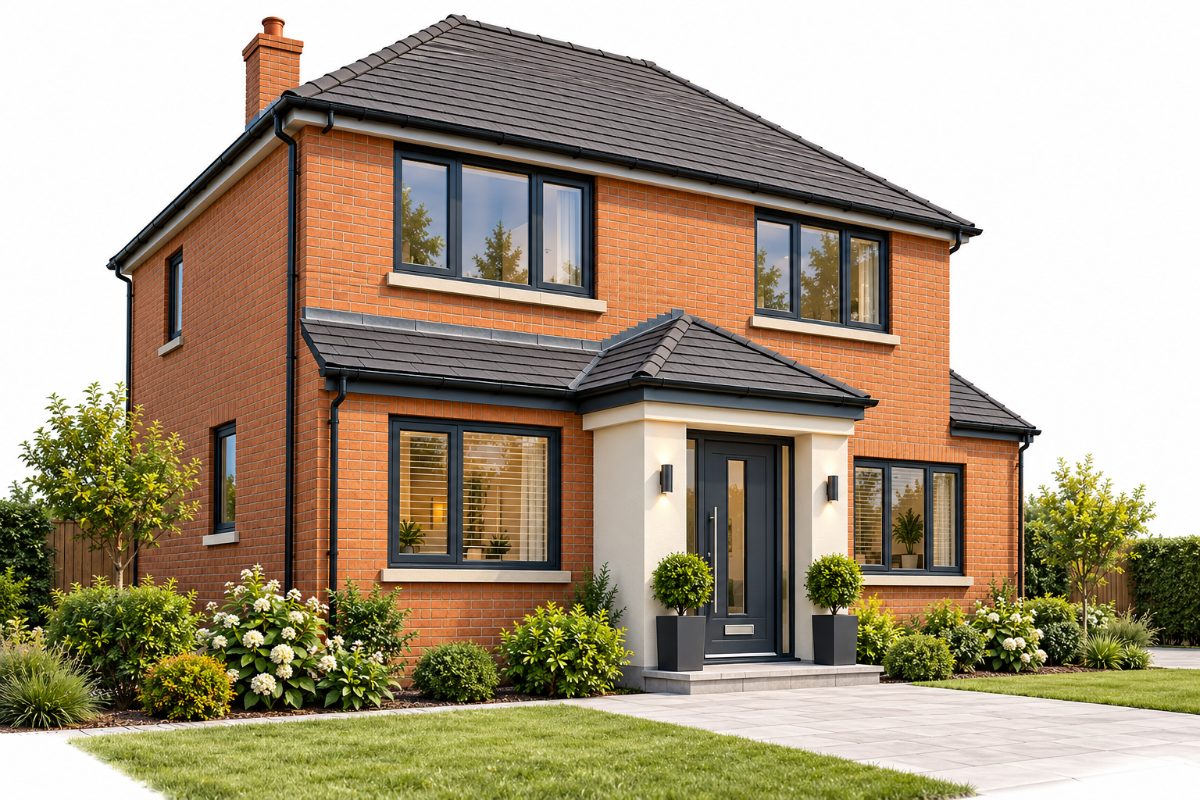
A practical entrance area that adds space and improves the look of your home.
£350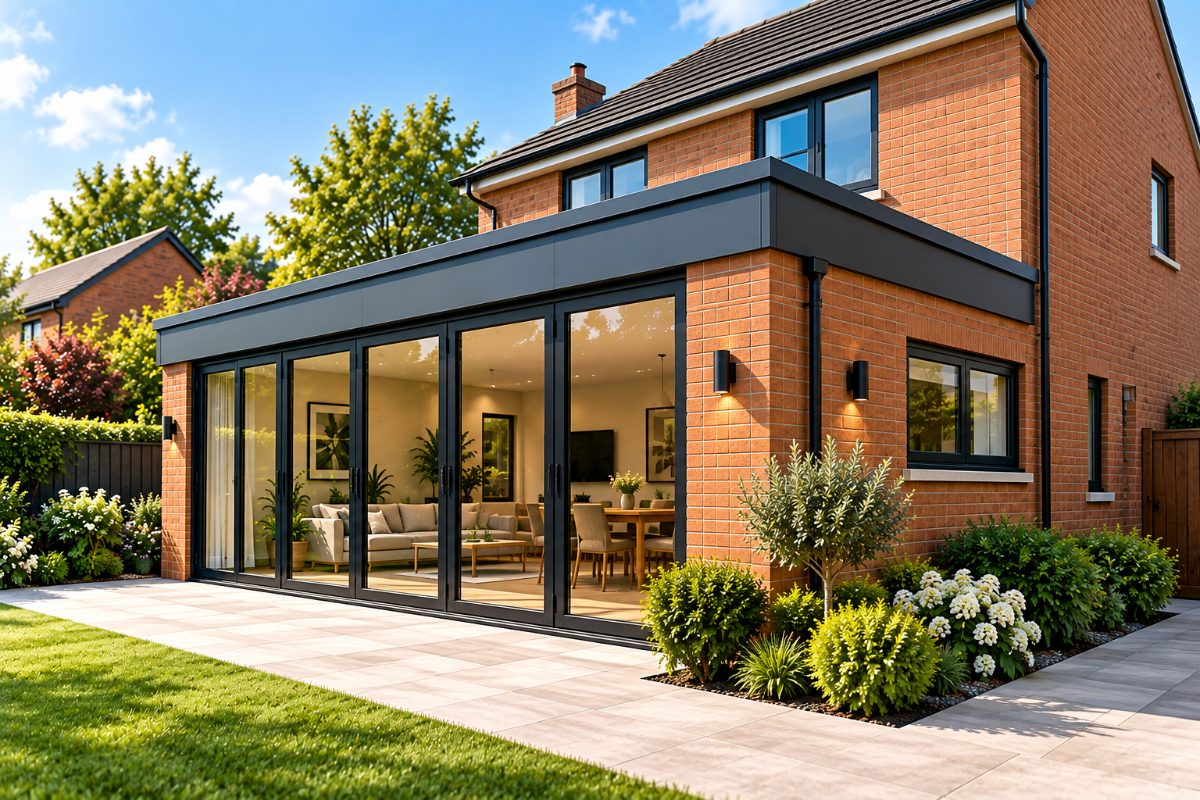
A popular way to create a larger kitchen, dining or family area.
£900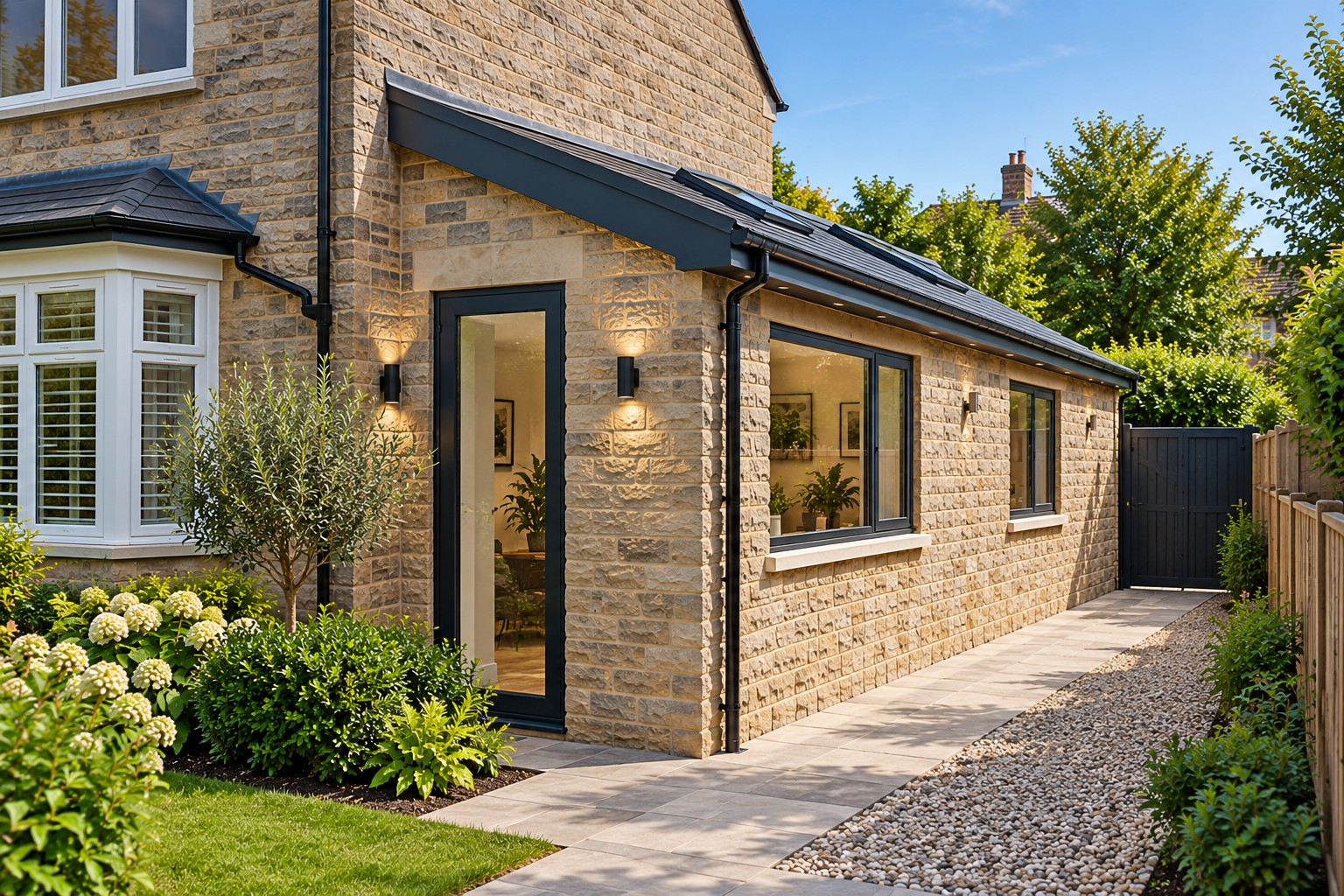
Adds valuable space to the side of your home for a kitchen or utility.
£900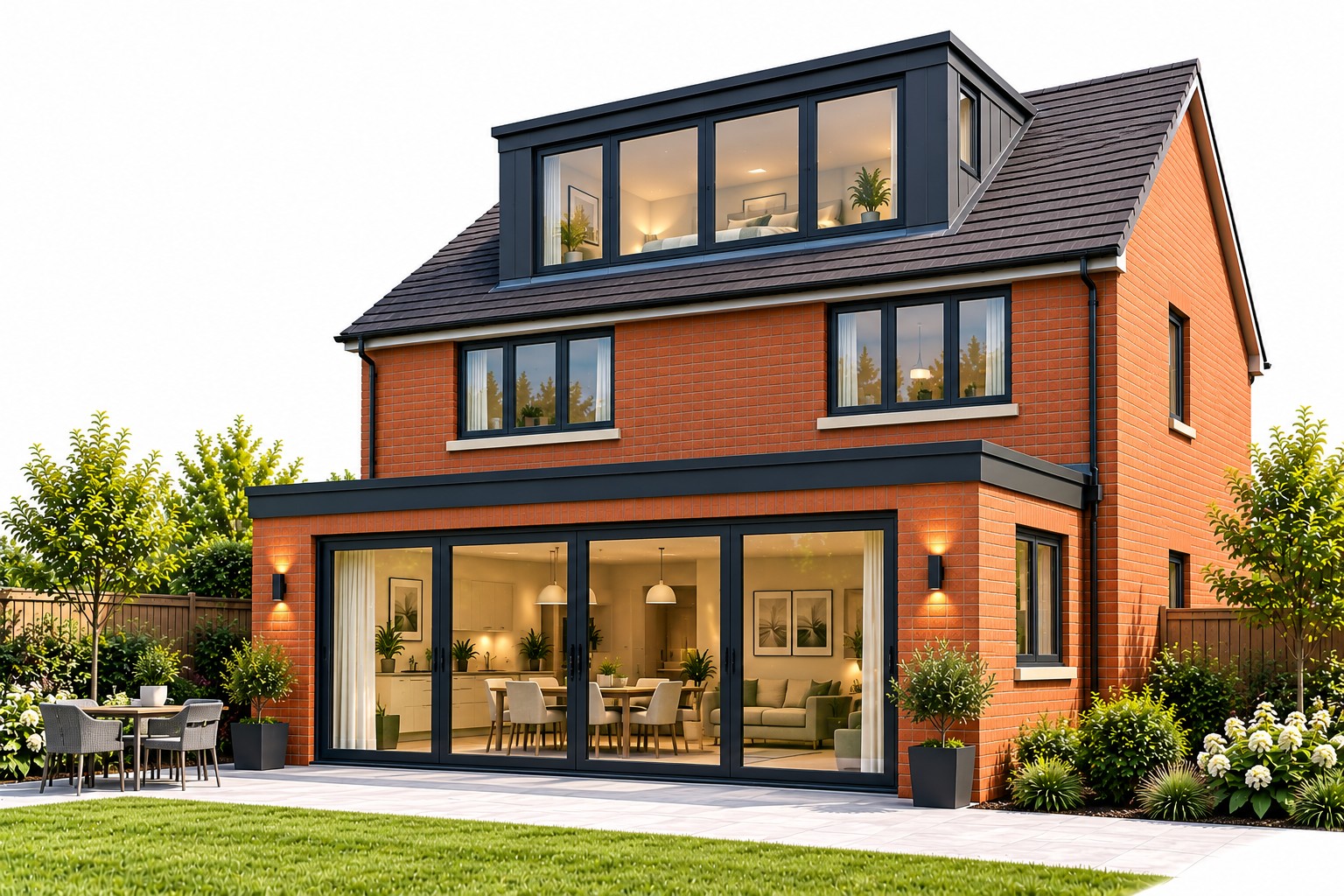
Turns unused loft space into a bedroom, office or additional living area.
£1,500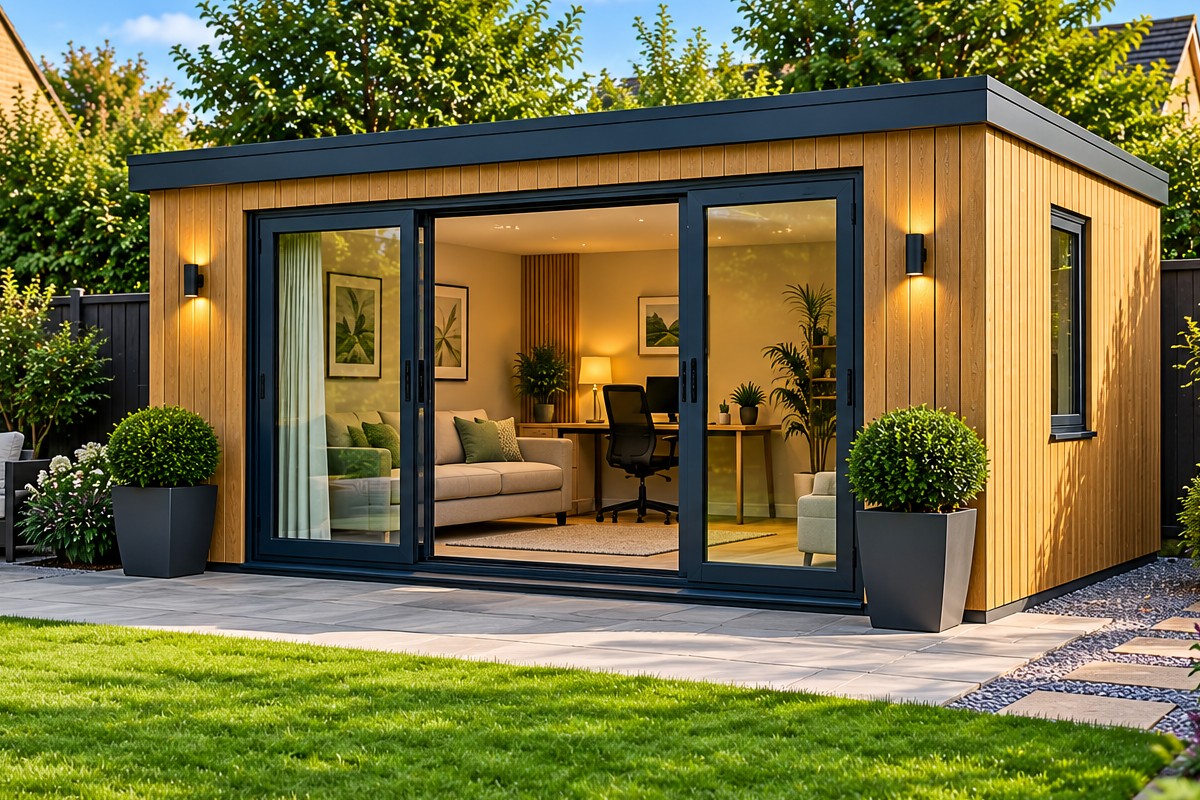
A flexible, detached space for work, leisure or extra living space.
£350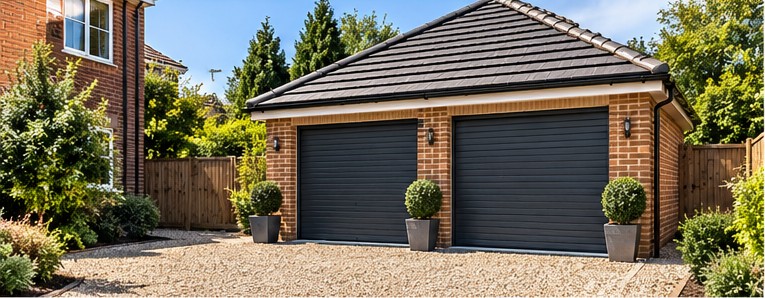
Secure parking or useful storage, single or double.
£350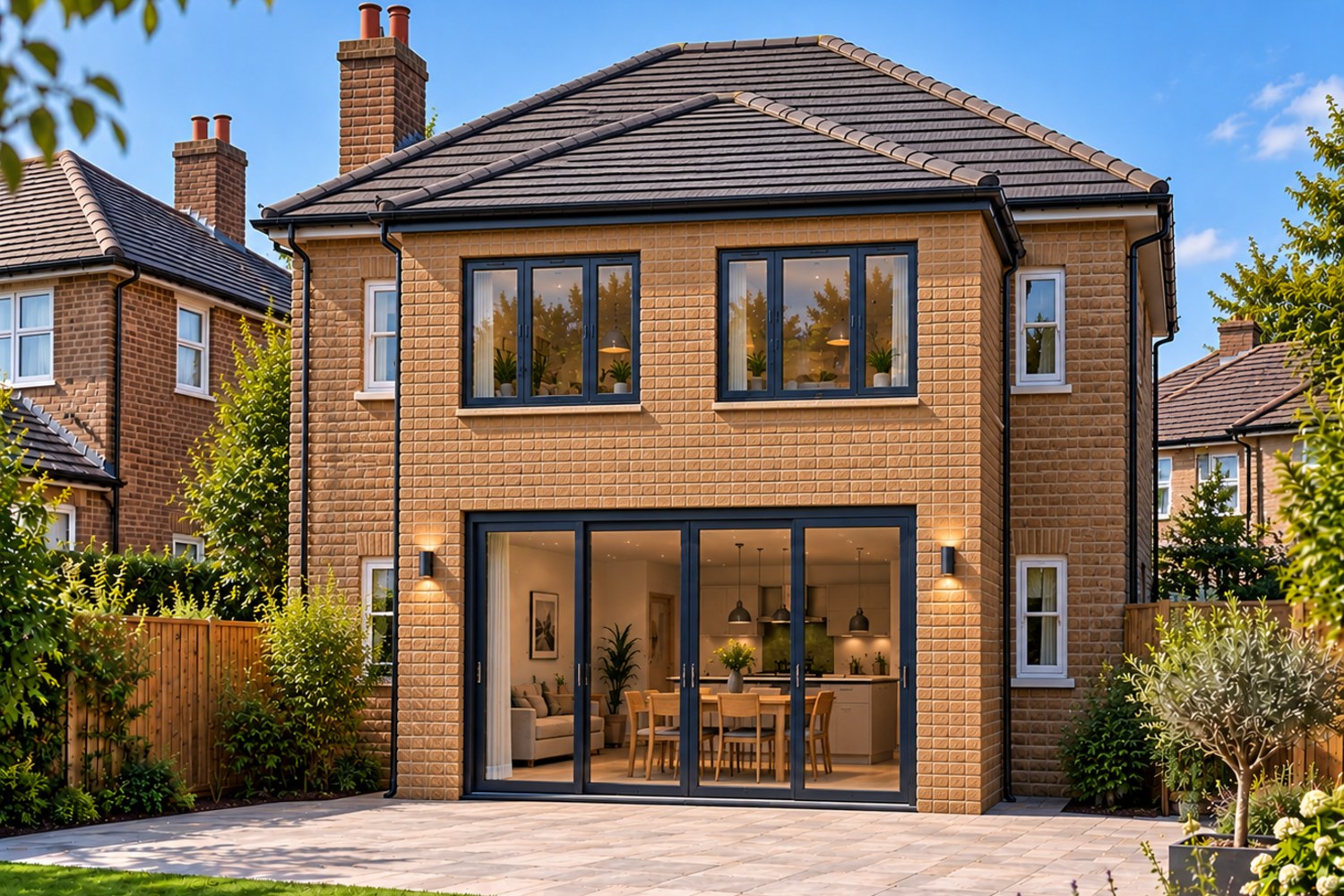
Significantly more living space across both floors.
£1,400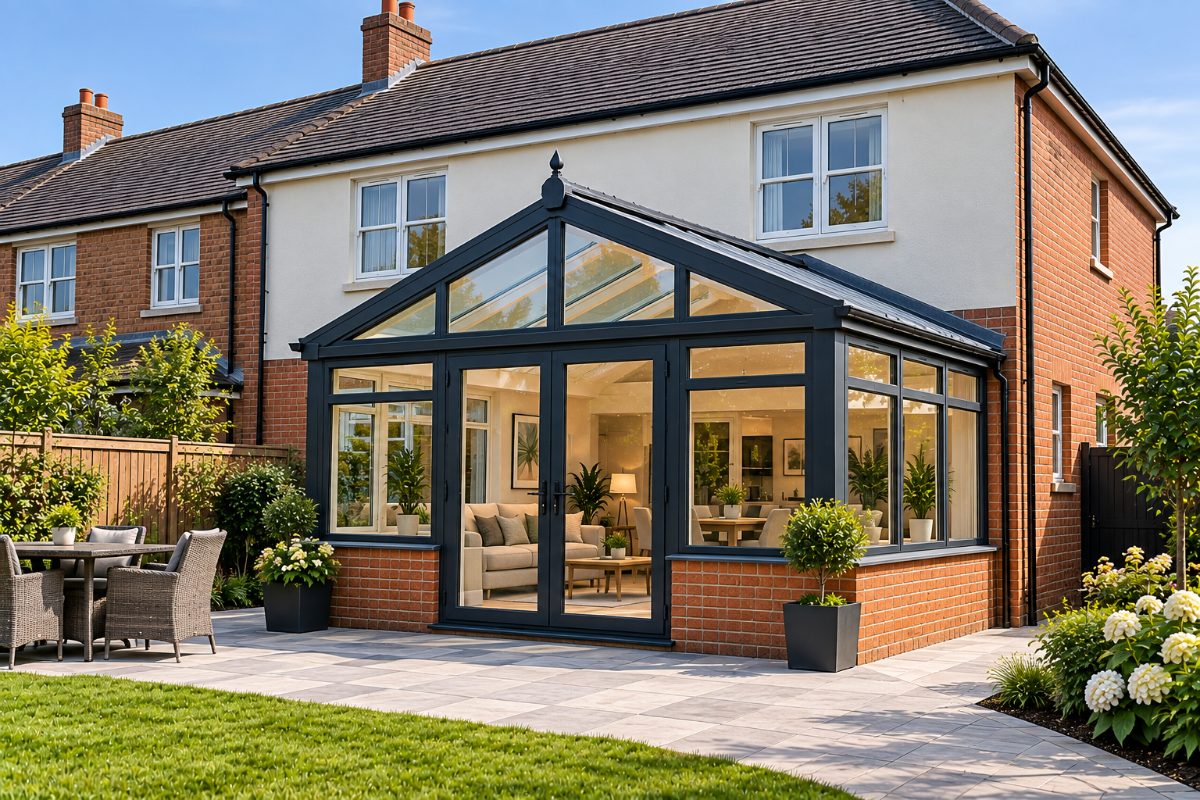
A bright, glazed room connecting your home to the garden.
£900PERMITTED HOMEOWNER GUIDES
Our illustrated, practical guides help you understand the rules, explore design options and budget with confidence — before you commit to building work.
Explore all guidesRules, design options, costs and next steps.
View guideRules, design options, costs and next steps.
View guideRules, design options, costs and next steps.
View guideRules, design options, costs and next steps.
View guideRules, design options, costs and next steps.
View guideRules, design options, costs and next steps.
View guideRules, design options, costs and next steps.
View guideRules, design options, costs and next steps.
View guideWe use cookies that are needed to run the basket and checkout. We would also like to use analytics cookies to understand how the site is used. We only do that if you say yes.

Maximize your property’s footprint with precision and ease. Permitted provides complete design for Permitted Development Rights. Our packages are designed around the Permitted Development limits, so many projects can proceed without a full planning application.
PERMITTED is operated by Yorkshire Property Design Services Limited, registered in England and Wales under company number 12698267.
Registered office: Ground Floor, Techno Centre, Station Road, Horsforth, Leeds, LS18 5BJ
Business contact address: Wira House, Ground Floor, Suite 5, Ring Road, West Park, Leeds, LS16 6EB