


Permitted Development rules





Professional, builder-ready drawing packages for extensions, lofts, porches, garages, garden rooms and more — designed to Permitted Development parameters and supplied as sold.
PERMITTED HOMEOWNER GUIDES
Our illustrated, practical guides help you understand the rules, explore design options and budget with confidence — before you commit to building work.
Explore all guides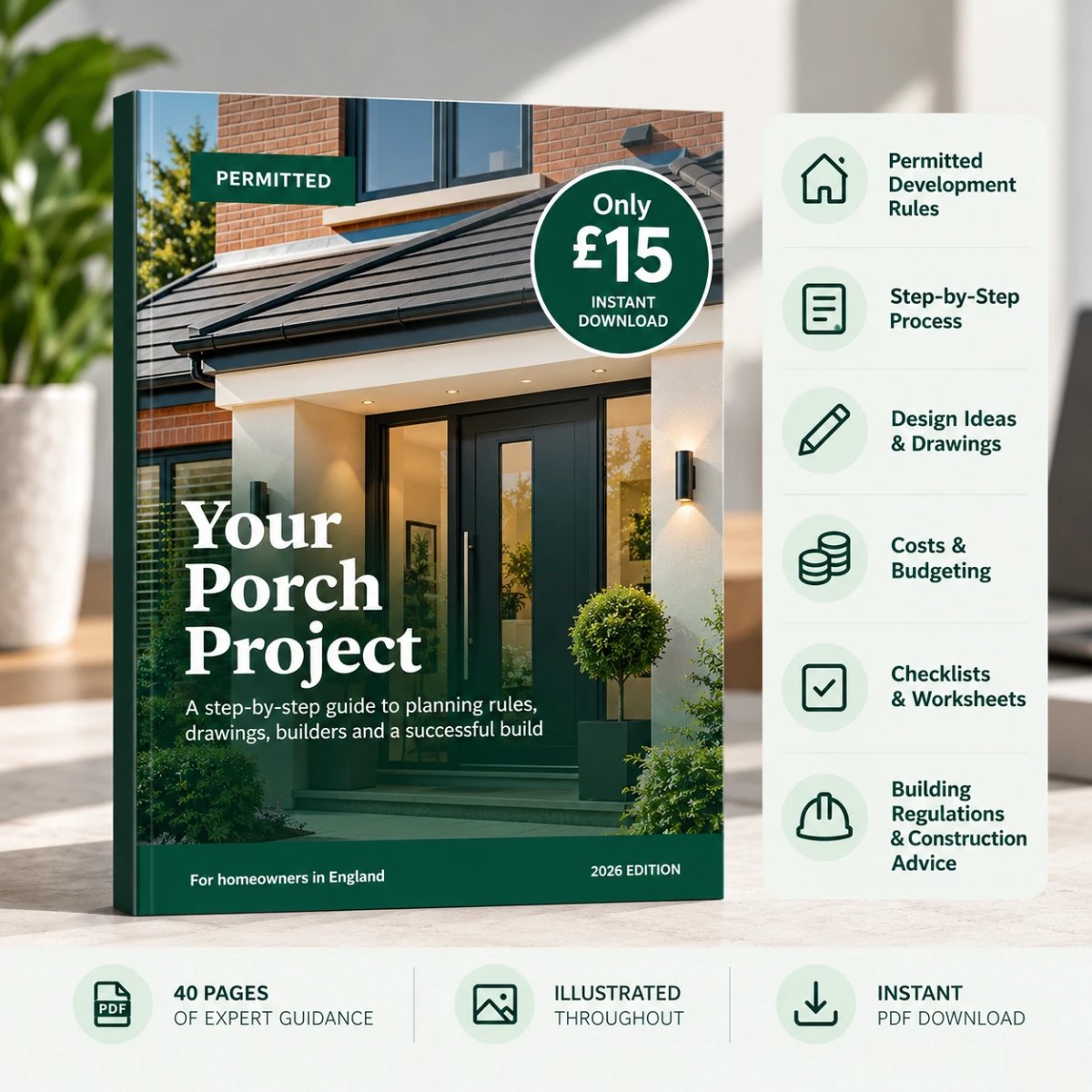
Rules, design options, costs and next steps.
View guide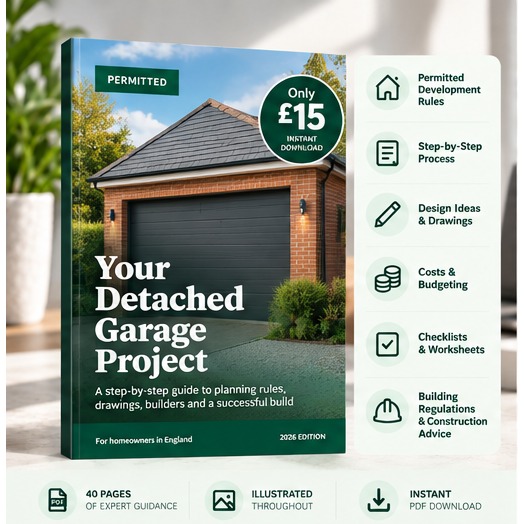
Rules, design options, costs and next steps.
View guide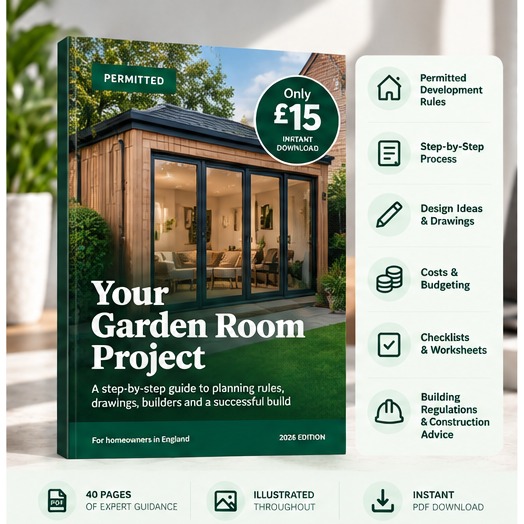
Rules, design options, costs and next steps.
View guide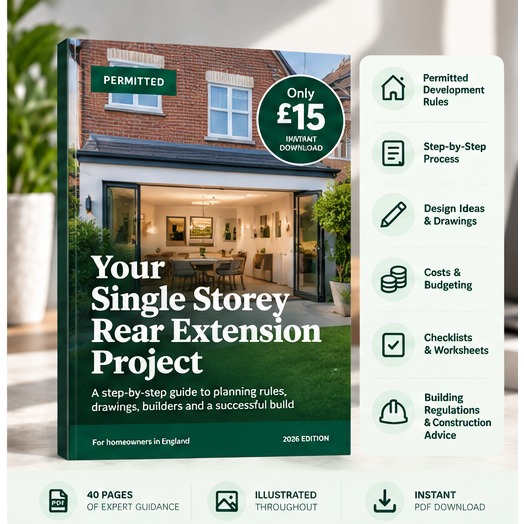
Rules, design options, costs and next steps.
View guide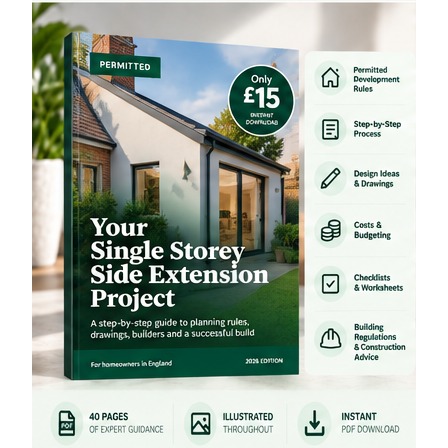
Rules, design options, costs and next steps.
View guide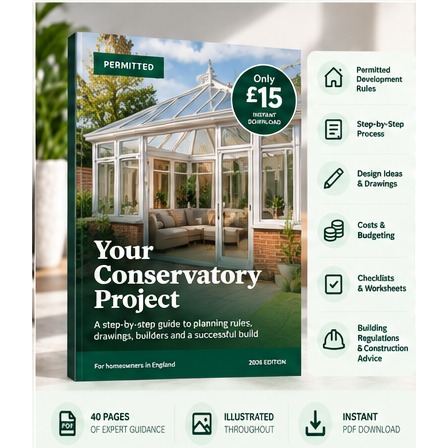
Rules, design options, costs and next steps.
View guide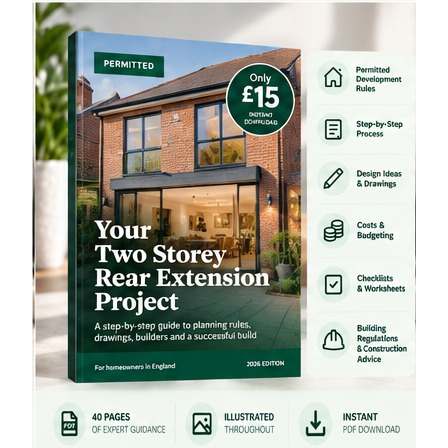
Rules, design options, costs and next steps.
View guide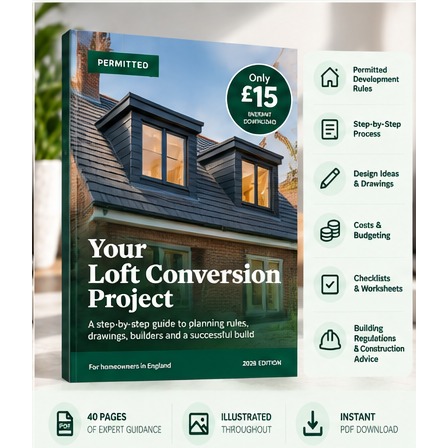
Rules, design options, costs and next steps.
View guidePlanning conditions are requirements attached to a planning permission that must be met before, during, or after development. Here is how to discharge pre-commencement conditions, the fees involved, and what happens if you breach them.
Planning conditions are requirements attached to a planning permission under section 70 of the Town and Country Planning Act 1990. They make a development acceptable which might otherwise have been refused. The classic formulation is: “permission would not have been granted but for the condition.”
| Type | When It Applies | Examples |
|---|---|---|
| Pre-commencement | Must be complied with before any development starts on site | Submit and approve materials schedule; submit archaeological watching brief; submit drainage scheme |
| Pre-occupation | Must be complied with before the development is first used or occupied | Install landscaping; complete access works; provide cycle storage |
| Ongoing / continuous | Must be complied with throughout the life of the development | No commercial use; operating hours restrictions; no external lighting above specified level |
| Timing / phasing | Works must be completed in a specified sequence or by a specific date | Affordable housing to be provided before first occupation; highway improvements before phase 2 |
Pre-commencement conditions are the most commonly encountered type for householder applications. They require you to submit specified information to the LPA and receive written approval before starting any physical work on site.
Common examples for householder applications:
To discharge a planning condition, you submit a Discharge of Planning Conditions application via the Planning Portal. The process:
The LPA must respond within 8 weeks (or 12 weeks by agreement). The response will be:
| Application Type | Fee per Application | Notes |
|---|---|---|
| Householder | £89 | Covers one or more conditions in a single request |
| Other (non-householder) | £309 | Applies to commercial, change of use, etc. |
A single discharge application can cover multiple conditions if they relate to the same development and are submitted together. It is usually more efficient to discharge related conditions in a single application.
Ongoing conditions do not require a formal discharge application — they must simply be complied with throughout the life of the development. Examples include:
Breach of an ongoing condition is a planning breach that can result in enforcement action. There is a 10-year limitation period for enforcement of conditions relating to the change of use of land (reduced to 4 years if the breach relates to operations or a dwelling).
If you breach a planning condition:
Breaching a pre-commencement condition can have the most serious consequence: it can render the entire planning permission null and void, meaning the development would have no valid consent at all.
A Grampian condition is a negative condition that prevents development until something happens off-site (e.g. until a highway improvement is completed by the highway authority). They are named after a planning appeal case (Grampian Regional Council v Secretary of State for Scotland [1984]).
Grampian conditions are lawful only where:
Yes. You can appeal against:
When appealing against a condition, the inspector can modify or remove the condition, but can also impose a different condition or — in theory — consider refusing the permission altogether if the condition was fundamental to the grant.
No — not if there are pre-commencement conditions. You must obtain written LPA approval for all pre-commencement conditions before any work starts on site. Starting work before this can breach the permission and risk enforcement action. Pre-occupation conditions can be dealt with before you move in rather than before starting work.
The LPA has 8 weeks from receipt of a complete discharge application to respond. In practice, responses within 4–6 weeks are common for householder applications. If the LPA does not respond within 8 weeks, you can appeal for non-determination.
Planning conditions run with the land and bind future owners. If you buy a property where previous conditions were breached, you may be liable for enforcement action. Always check outstanding planning conditions as part of your conveyancing searches. A solicitor will carry out local authority searches that should reveal planning history.
This kind of project usually needs planning permission rather than permitted development. PERMITTED is part of YPDS Architectural Services, a Leeds architectural design practice that designs, prepares and manages planning applications.
Planning a project? Browse our permitted development drawing sets — fixed price, supplied exactly as sold and emailed to you as a PDF.
Each one is already drawn. You choose the material, roof and options we actually draw, and that is the package you receive.
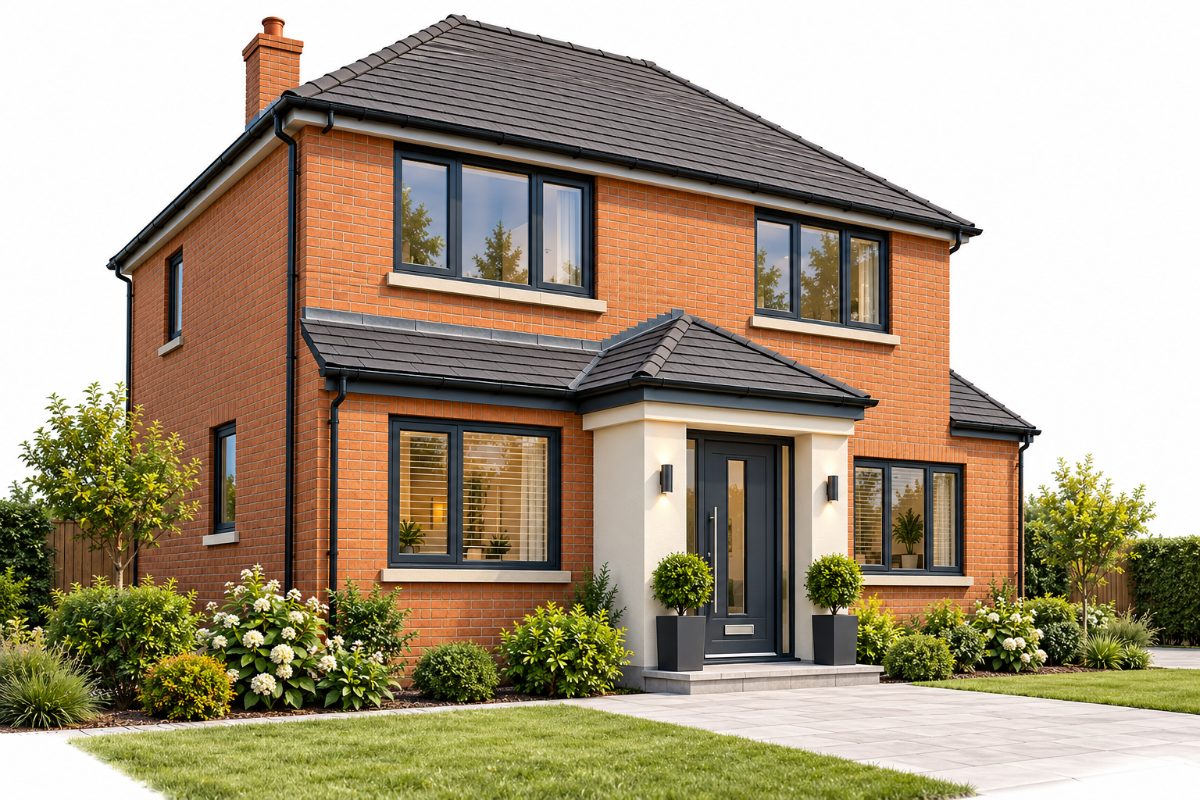
A practical entrance area that adds space and improves the look of your home.
£350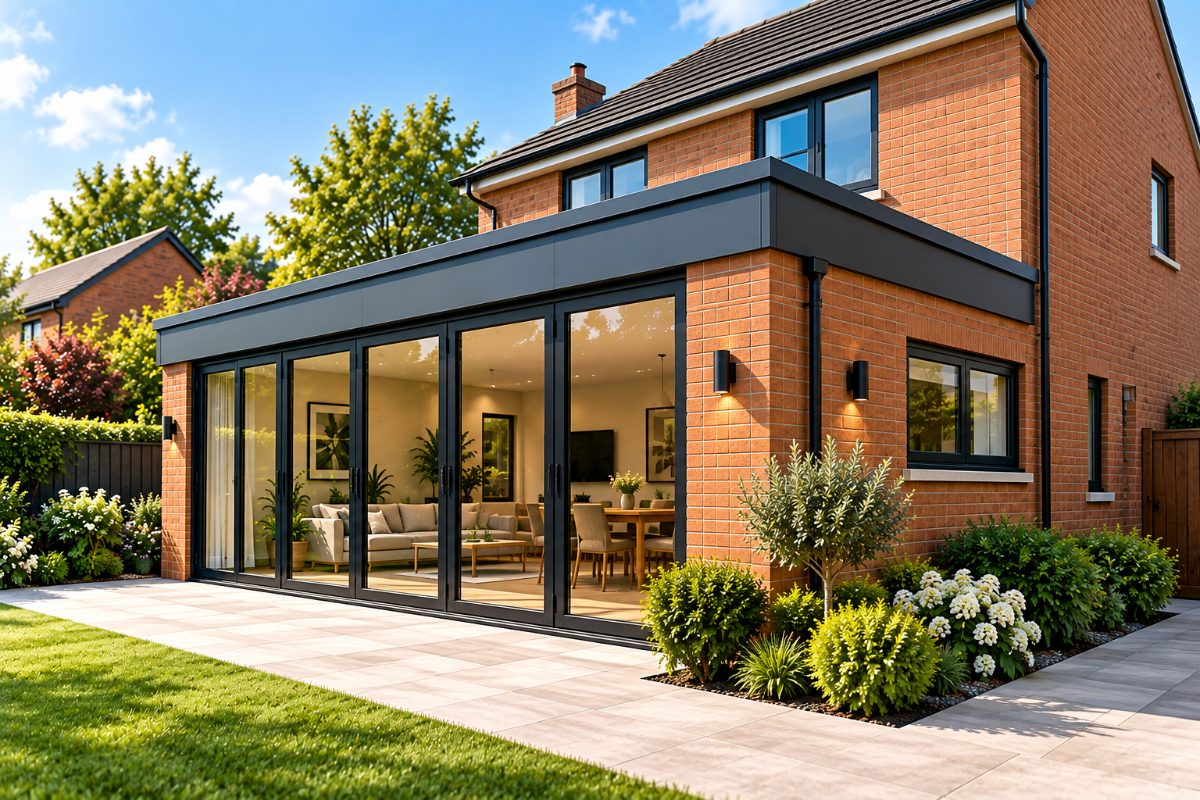
A popular way to create a larger kitchen, dining or family area.
£900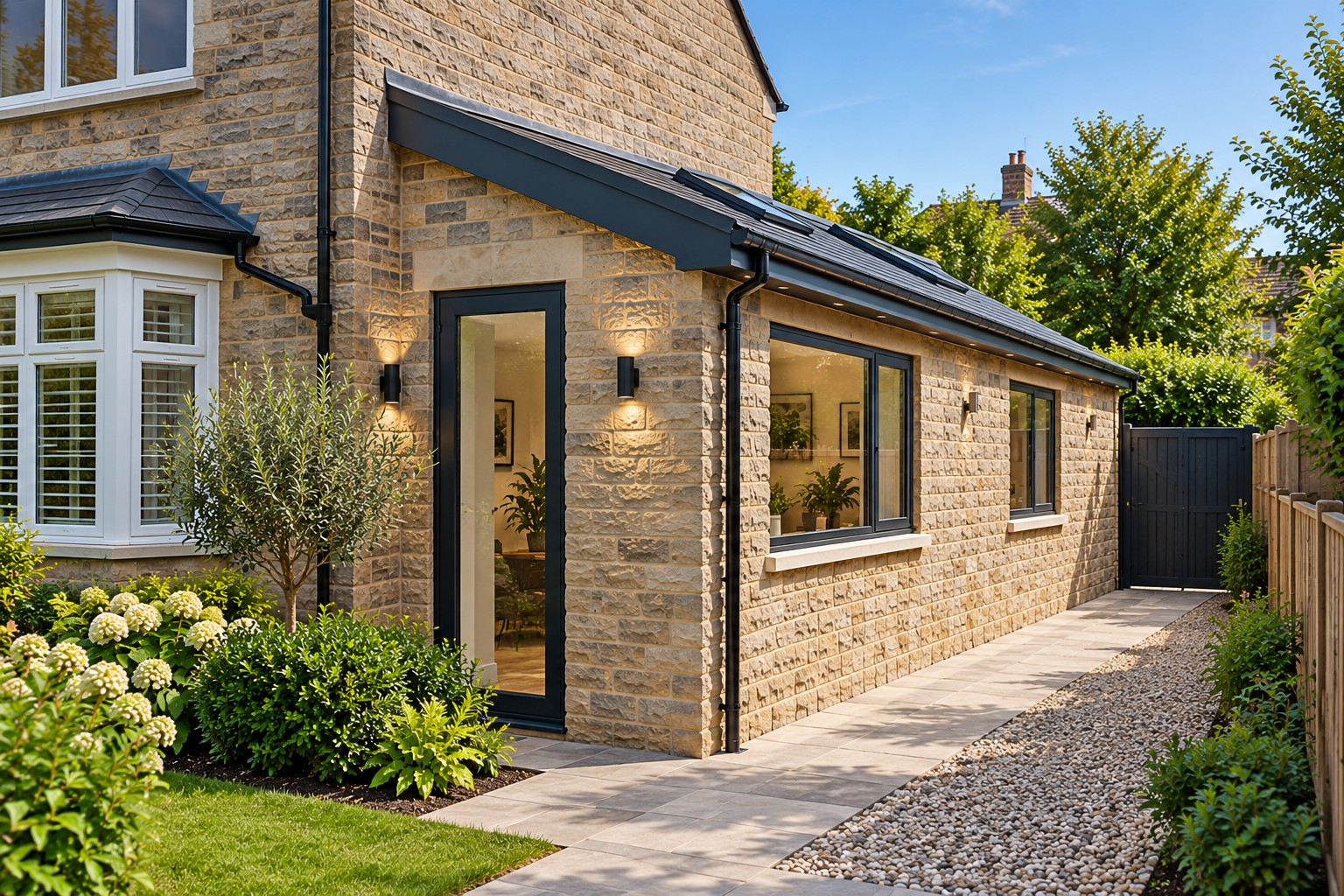
Adds valuable space to the side of your home for a kitchen or utility.
£900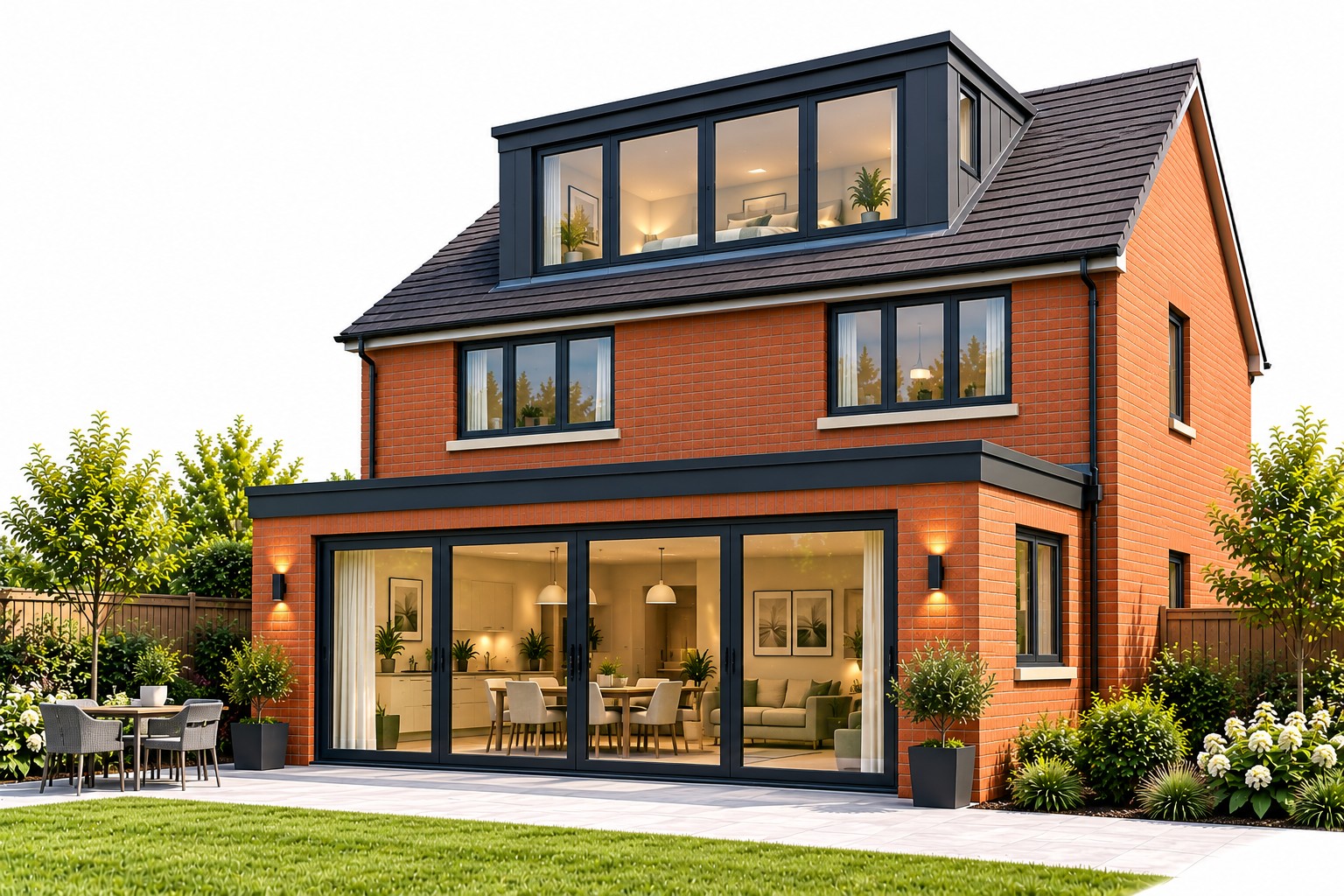
Turns unused loft space into a bedroom, office or additional living area.
£1,500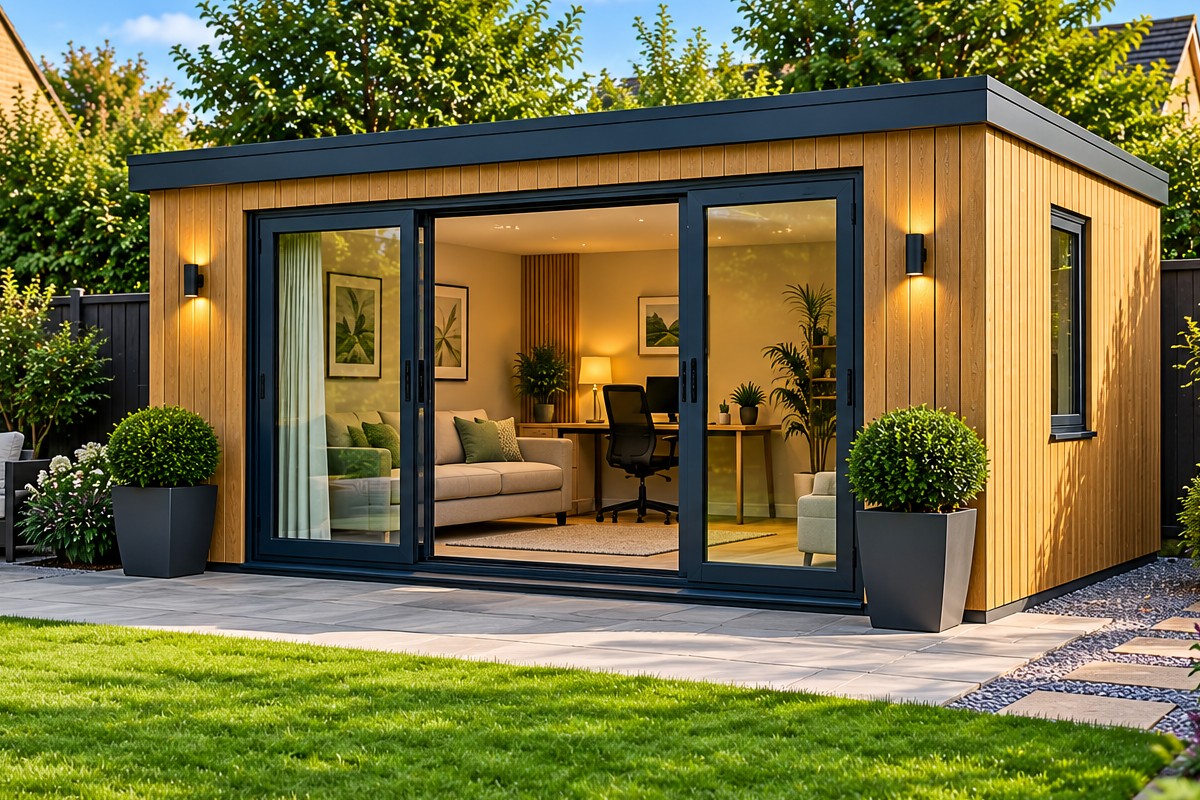
A flexible, detached space for work, leisure or extra living space.
£350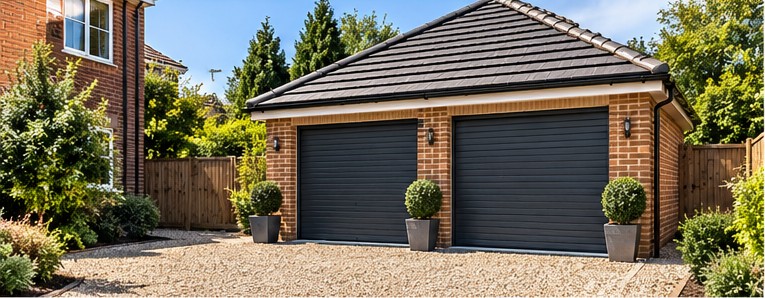
Secure parking or useful storage, single or double.
£350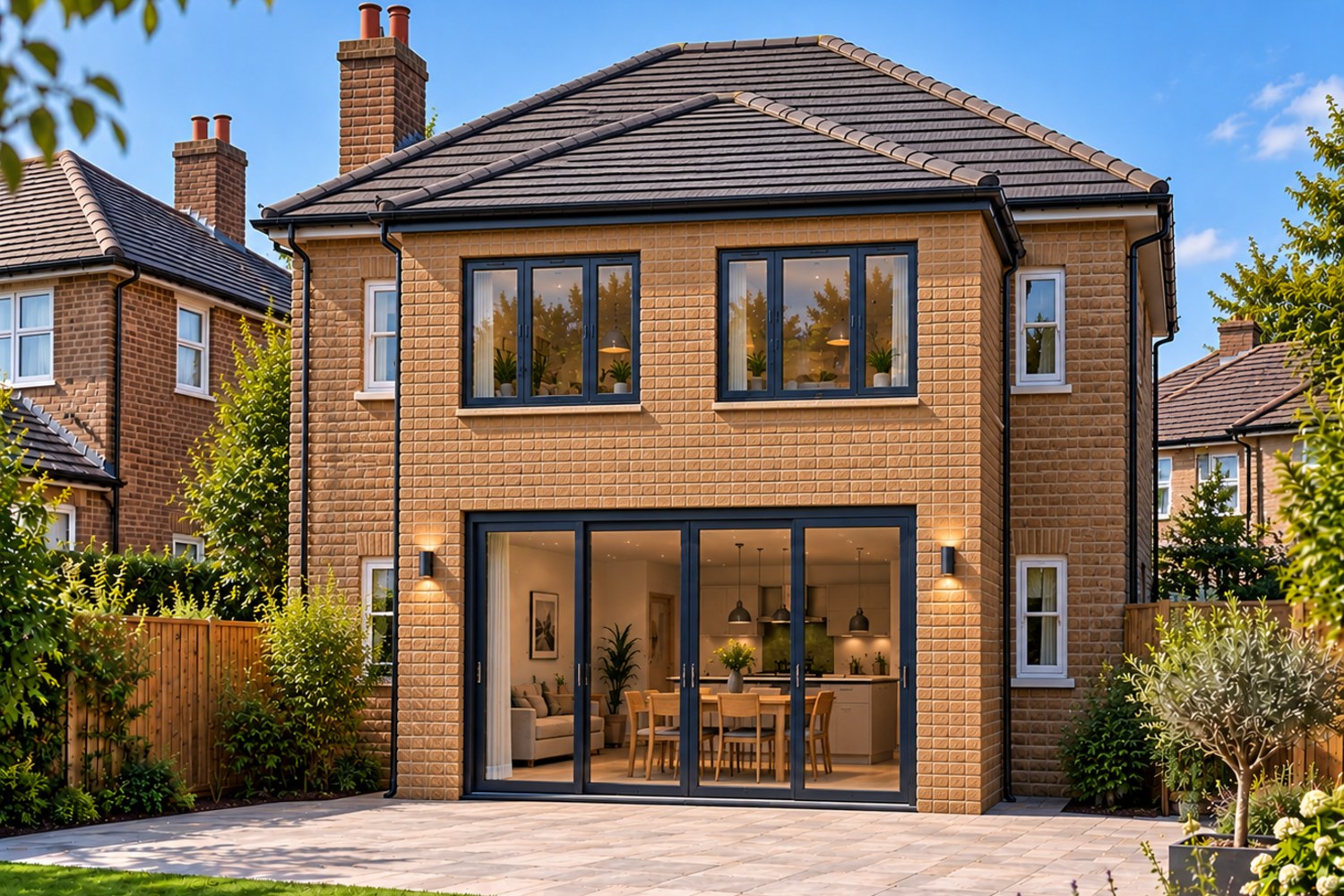
Significantly more living space across both floors.
£1,400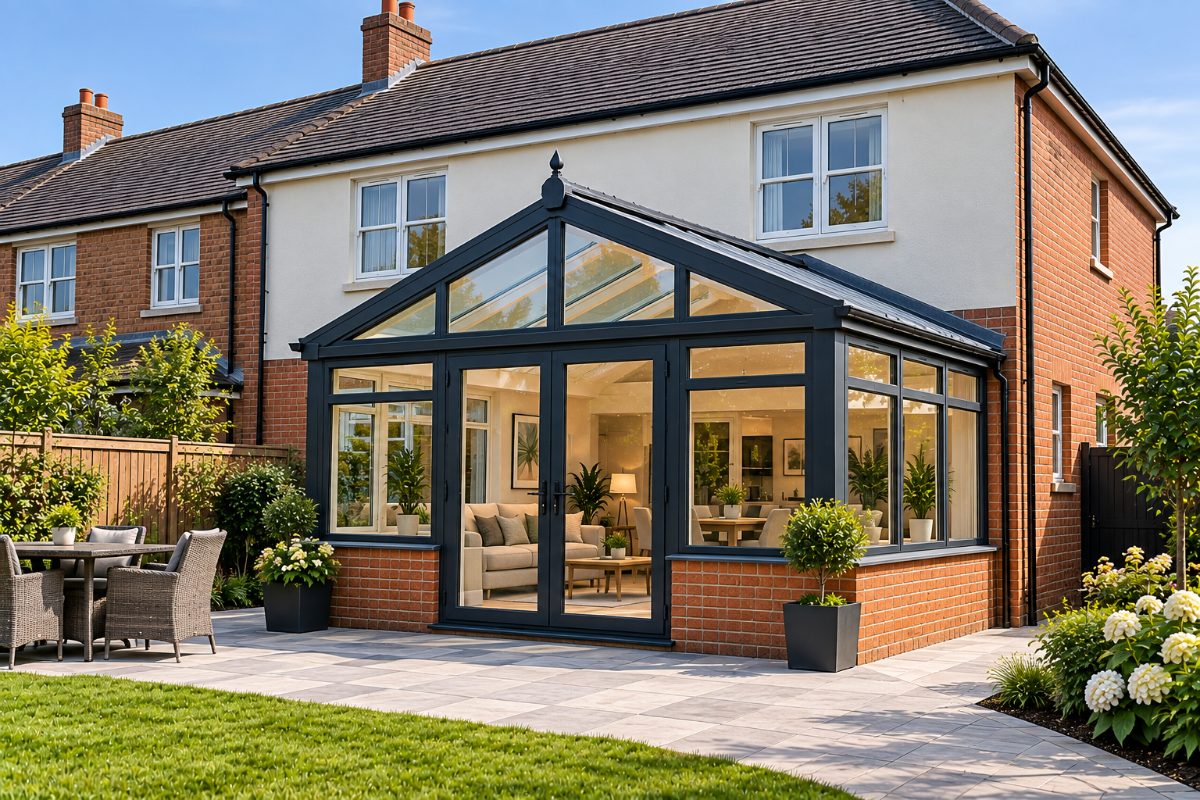
A bright, glazed room connecting your home to the garden.
£900PERMITTED HOMEOWNER GUIDES
Our illustrated, practical guides help you understand the rules, explore design options and budget with confidence — before you commit to building work.
Explore all guidesRules, design options, costs and next steps.
View guideRules, design options, costs and next steps.
View guideRules, design options, costs and next steps.
View guideRules, design options, costs and next steps.
View guideRules, design options, costs and next steps.
View guideRules, design options, costs and next steps.
View guideRules, design options, costs and next steps.
View guideRules, design options, costs and next steps.
View guideWe use cookies that are needed to run the basket and checkout. We would also like to use analytics cookies to understand how the site is used. We only do that if you say yes.

Maximize your property’s footprint with precision and ease. Permitted provides complete design for Permitted Development Rights. Our packages are designed around the Permitted Development limits, so many projects can proceed without a full planning application.
PERMITTED is operated by Yorkshire Property Design Services Limited, registered in England and Wales under company number 12698267.
Registered office: Ground Floor, Techno Centre, Station Road, Horsforth, Leeds, LS18 5BJ
Business contact address: Wira House, Ground Floor, Suite 5, Ring Road, West Park, Leeds, LS16 6EB