


Permitted Development rules





Professional, builder-ready drawing packages for extensions, lofts, porches, garages, garden rooms and more — designed to Permitted Development parameters and supplied as sold.
PERMITTED HOMEOWNER GUIDES
Our illustrated, practical guides help you understand the rules, explore design options and budget with confidence — before you commit to building work.
Explore all guides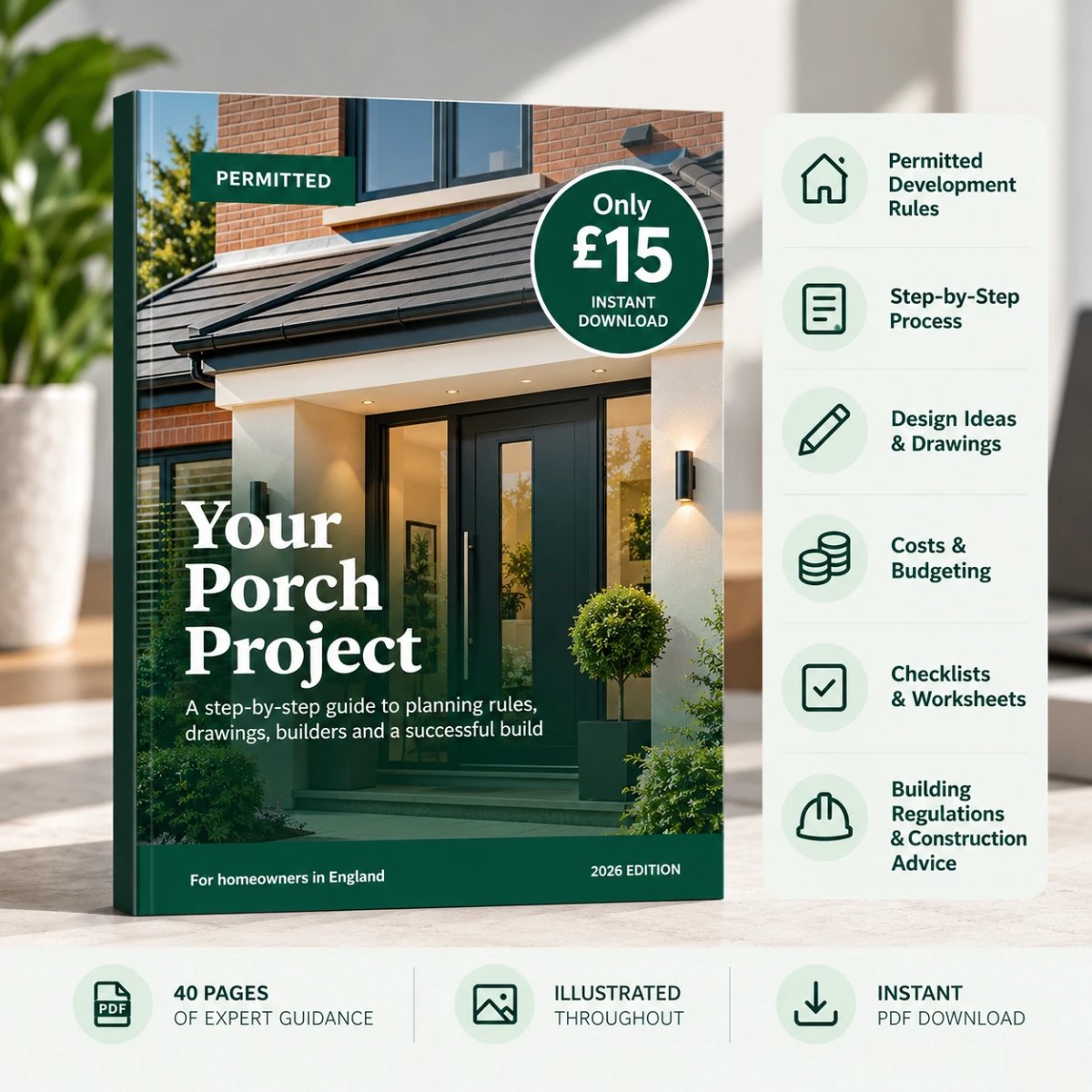
Rules, design options, costs and next steps.
View guide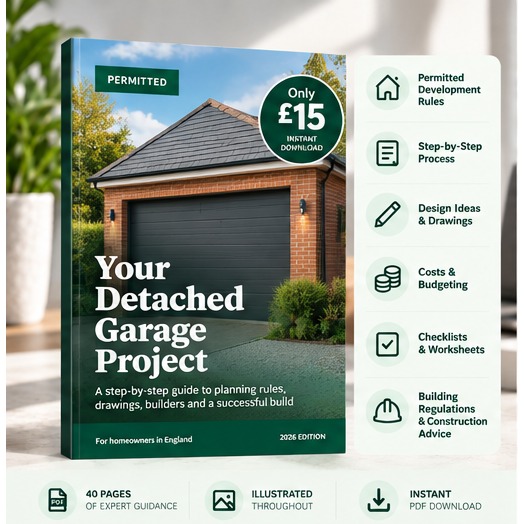
Rules, design options, costs and next steps.
View guide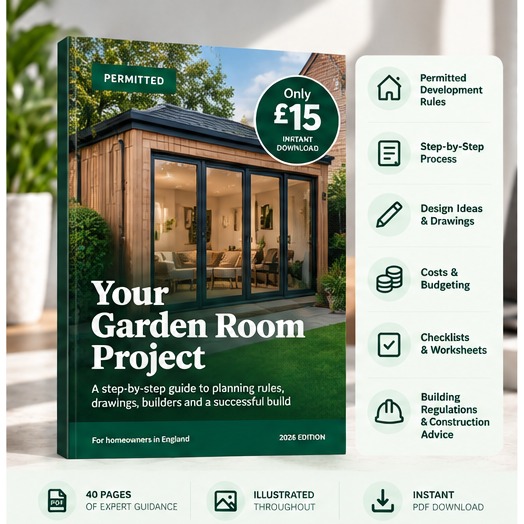
Rules, design options, costs and next steps.
View guide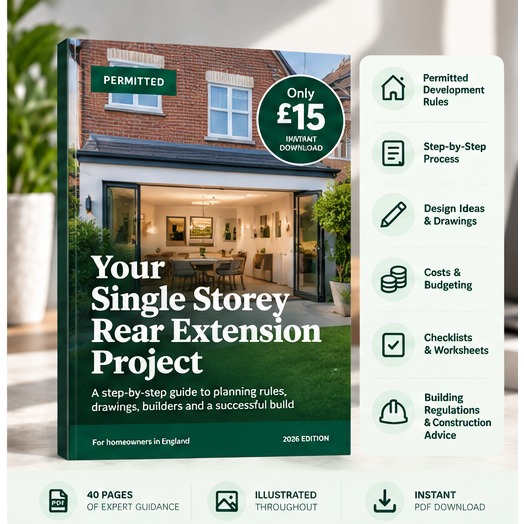
Rules, design options, costs and next steps.
View guide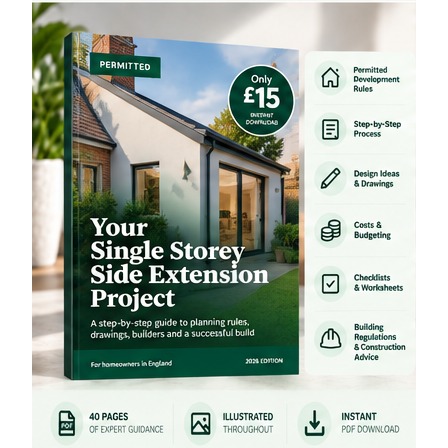
Rules, design options, costs and next steps.
View guide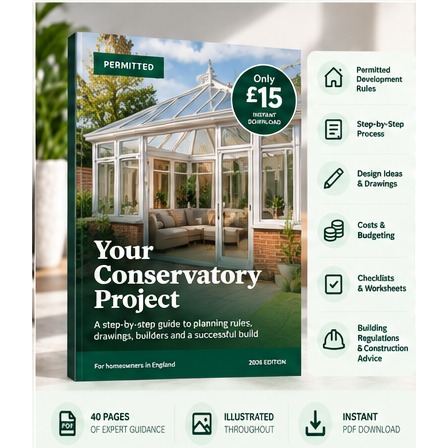
Rules, design options, costs and next steps.
View guide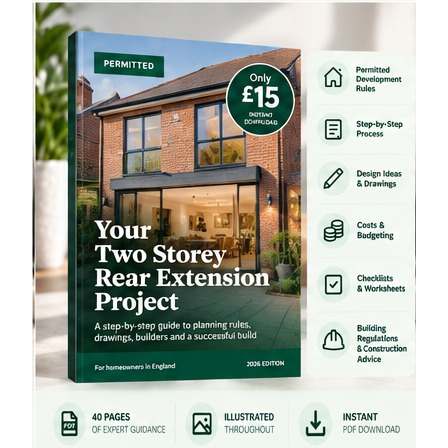
Rules, design options, costs and next steps.
View guide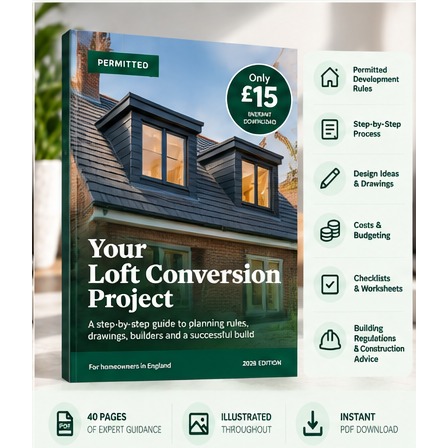
Rules, design options, costs and next steps.
View guideConverting an office to flats or houses uses Class MA permitted development rights since 2021. Here’s how the process works, what the council can assess, and where Article 4 Directions block it.
Converting an office building to residential use is permitted development under Class MA of Part 3 of the GPDO 2015 (replacing Class O in August 2021). The building must be in Class E(g)(i) office use, have been vacant for 3 months, and in office use for 2 years. Prior Approval is required — 56-day determination period. Many town centres have Article 4 Directions removing Class MA to protect commercial floorspace; in those areas a full planning application is required. Class MA does not require affordable housing or usually trigger CIL, making it financially favourable.
Office-to-residential permitted development rights have existed since 2013, originally as Class O of Part 3 of the GPDO. Class O was controversial — it allowed mass conversion of office stock in some areas without the affordable housing and design requirements that planning permission would impose.
In 2021, the government replaced Class O (and the old Class M retail-to-residential right) with the broader Class MA, which covers the whole of the new Class E commercial use class. Class MA introduced two new conditions not in Class O: the 3-month vacancy requirement and the 2-year prior use requirement. These conditions were intended to prevent Class MA being used to convert occupied offices during temporary vacancies.
To convert an office to residential under Class MA:
| Condition | Detail |
|---|---|
| Application fee | £260 per dwelling to be created |
| Determination period | 56 days from valid application acknowledgement |
| Assessment matters | Transport, contamination, flooding, noise, natural light, conservation area character |
| Affordable housing | Not required under Class MA |
| Listed building exclusion | Class MA does not apply to listed buildings |
Many councils have made Article 4 Directions removing Class MA in their town centres and commercial areas. These are particularly common in:
In areas with Article 4 Directions, a full planning application is required for office-to-residential conversion. The application will be assessed against the Local Plan’s commercial floorspace policies, which often resist loss of employment floorspace in designated employment areas.
Once an office building is converted to residential use under Class MA, the resulting dwellings are subject to the standard Part 1 permitted development rights for houses (extensions, outbuildings, solar panels) where applicable. A converted office building will have the same PD rights as any other residential building of the same type.
However, for flat conversions (which are common in office-to-residential schemes), Part 1 PD rights don’t apply in the same way as for houses — flats have more limited PD rights. Common works in flat developments (roof extensions, satellite dishes on shared buildings) are assessed under Part 1, Class H or Class E as appropriate.
Extensions, loft conversions, outbuildings, solar panels — our complete guide covers everything you can build without planning permission.
Planning a project? Browse our permitted development drawing sets — fixed price, supplied exactly as sold and emailed to you as a PDF.
Each one is already drawn. You choose the material, roof and options we actually draw, and that is the package you receive.
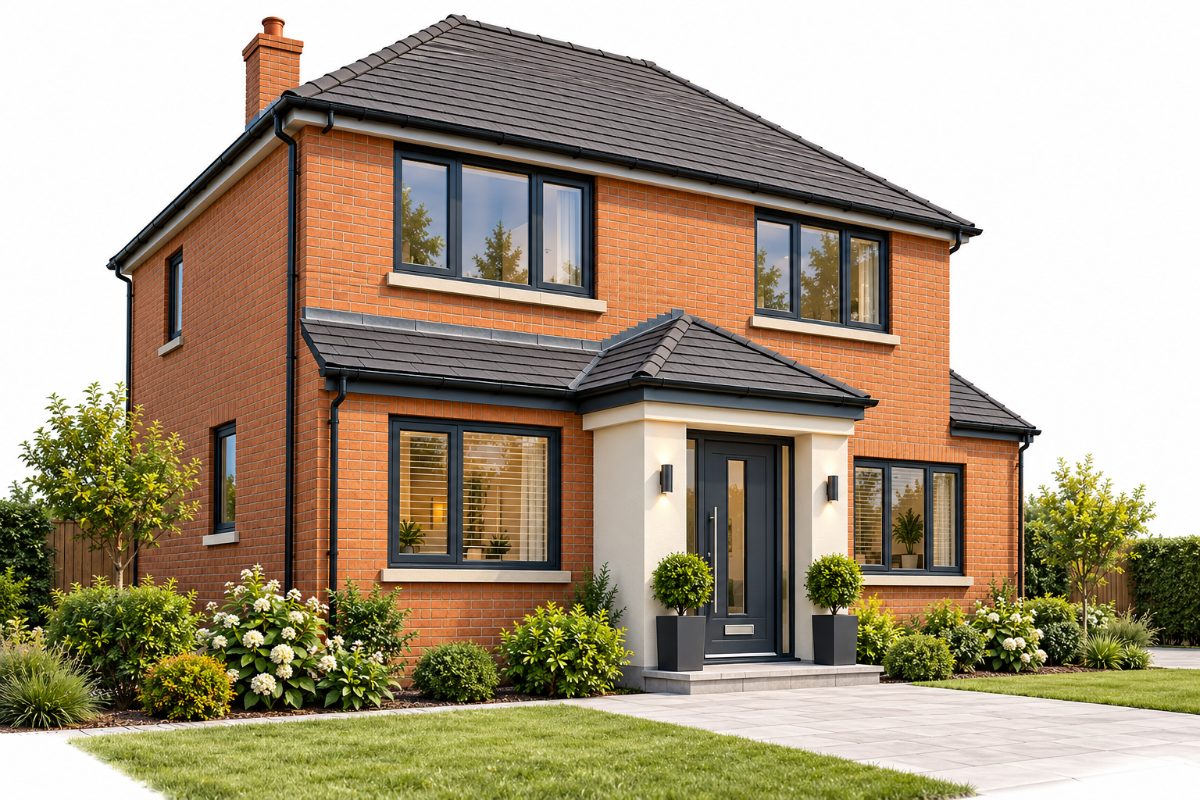
A practical entrance area that adds space and improves the look of your home.
£350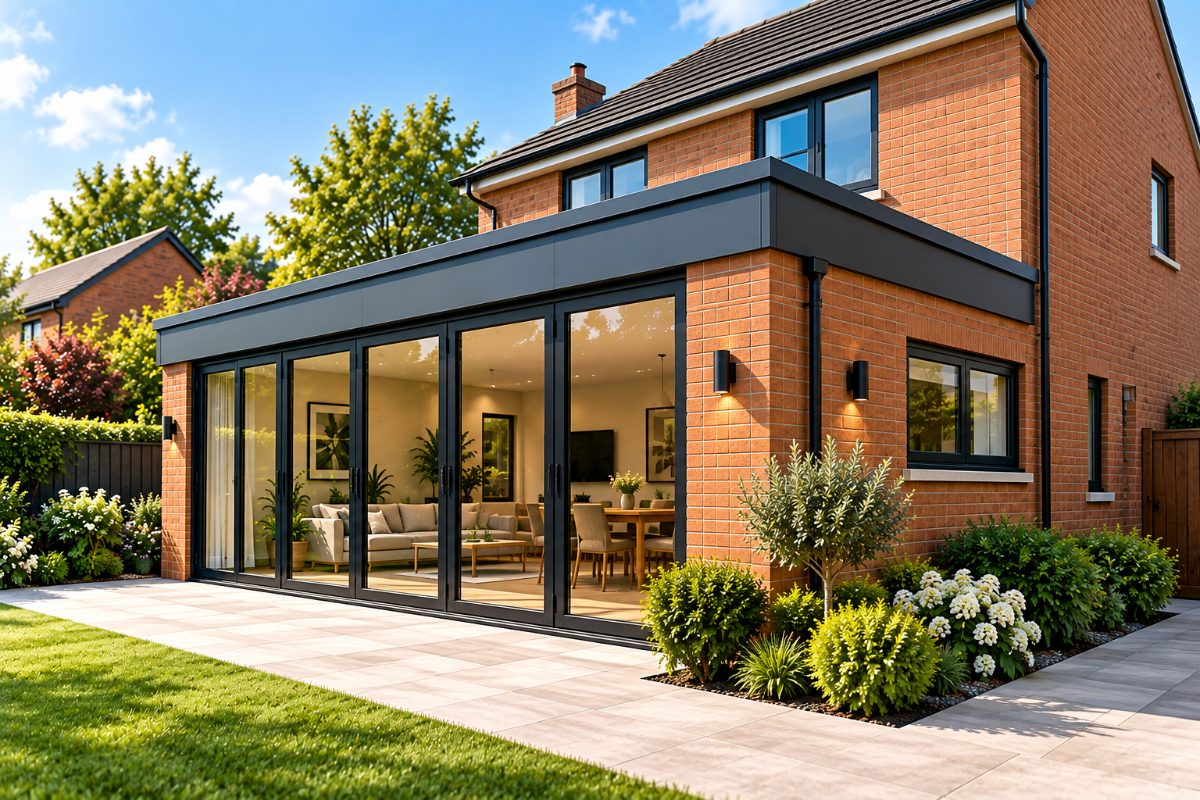
A popular way to create a larger kitchen, dining or family area.
£900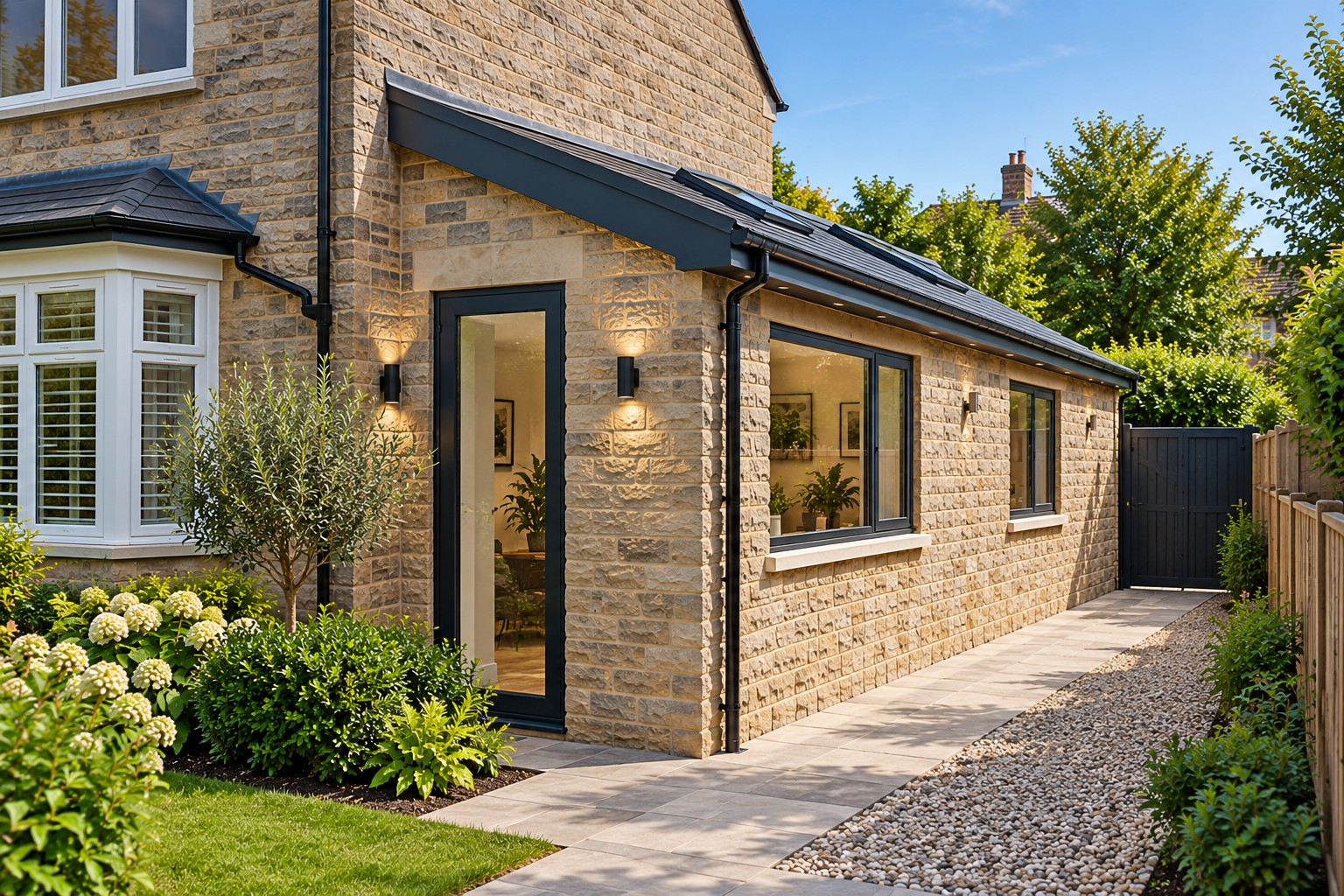
Adds valuable space to the side of your home for a kitchen or utility.
£900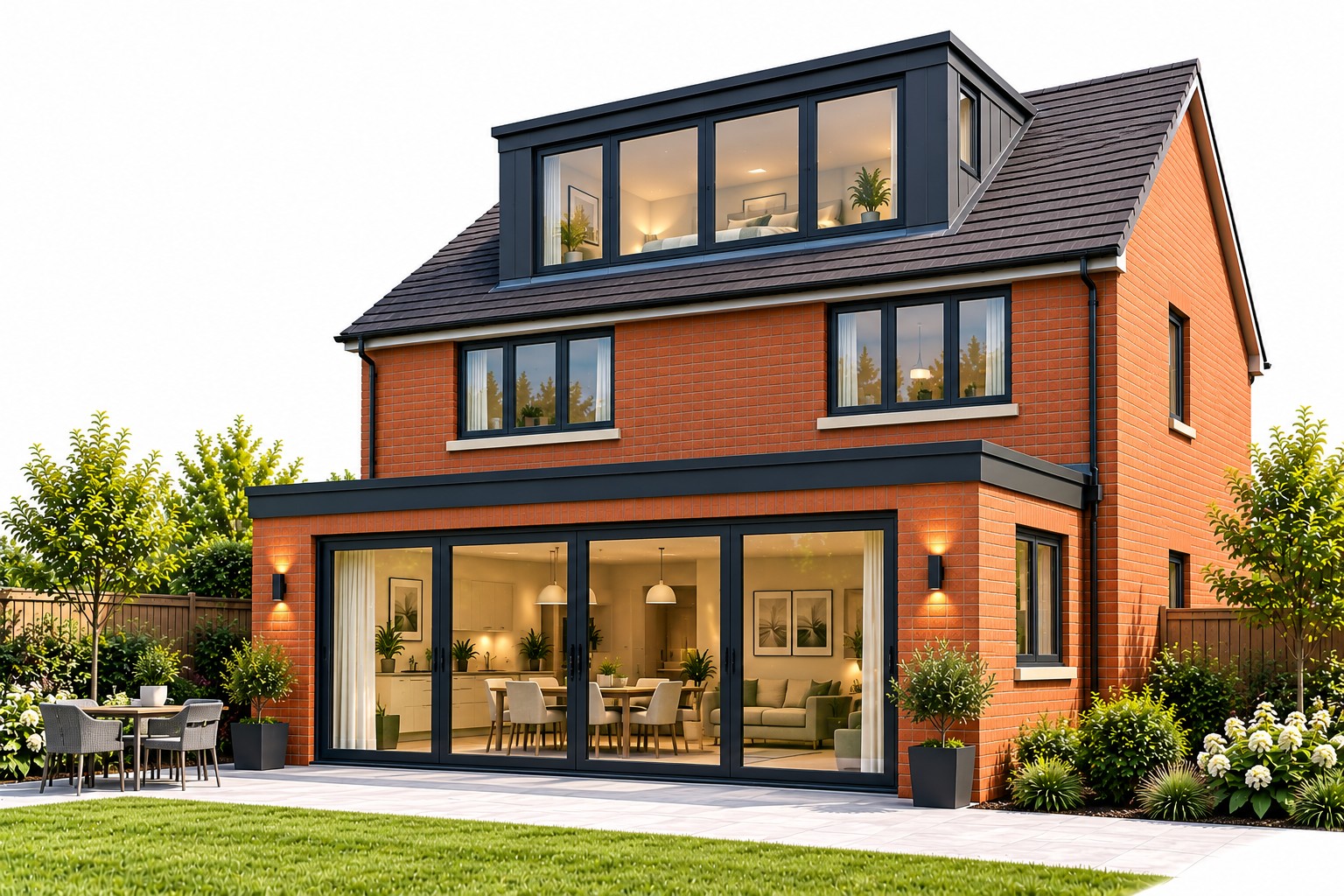
Turns unused loft space into a bedroom, office or additional living area.
£1,500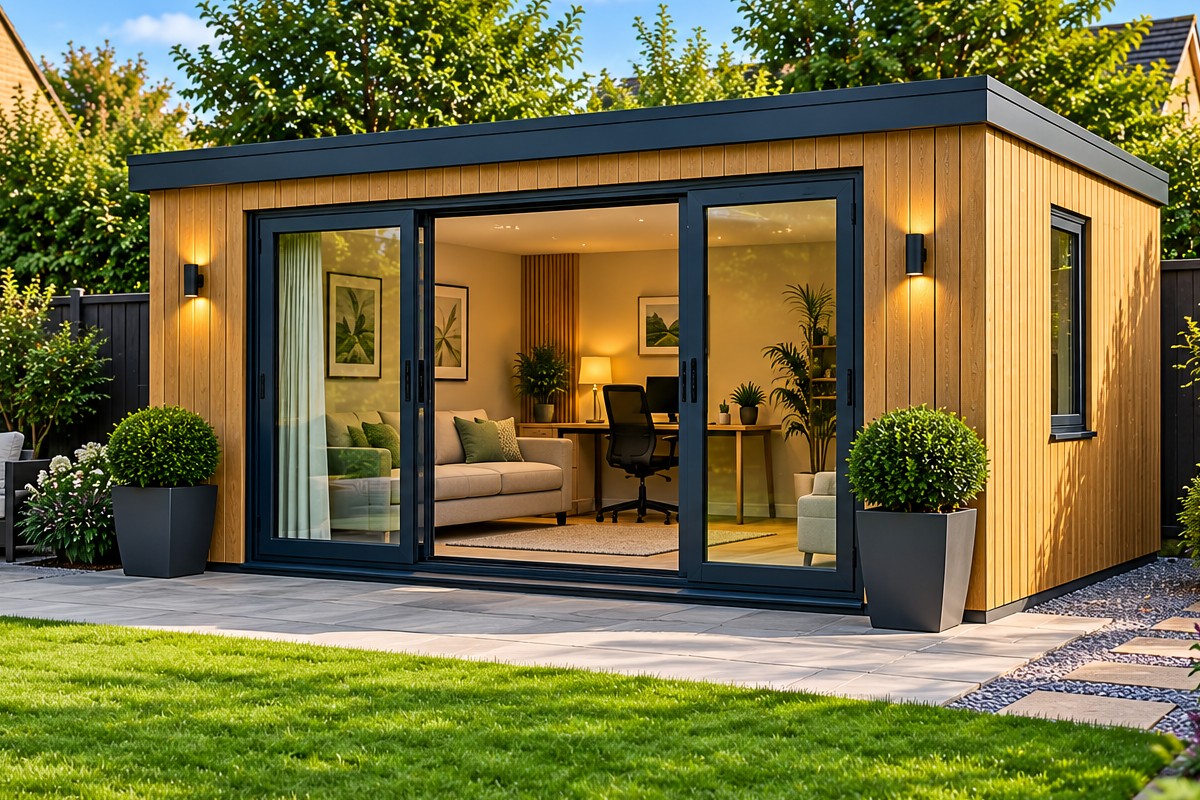
A flexible, detached space for work, leisure or extra living space.
£350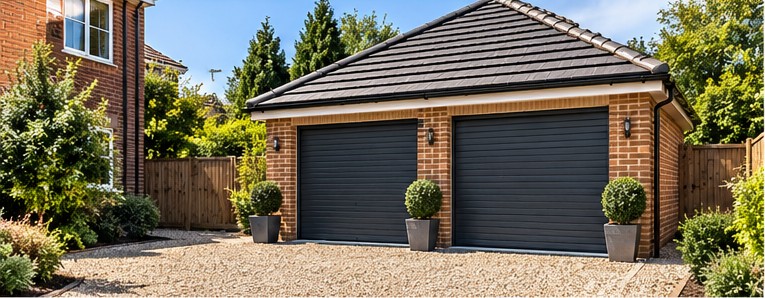
Secure parking or useful storage, single or double.
£350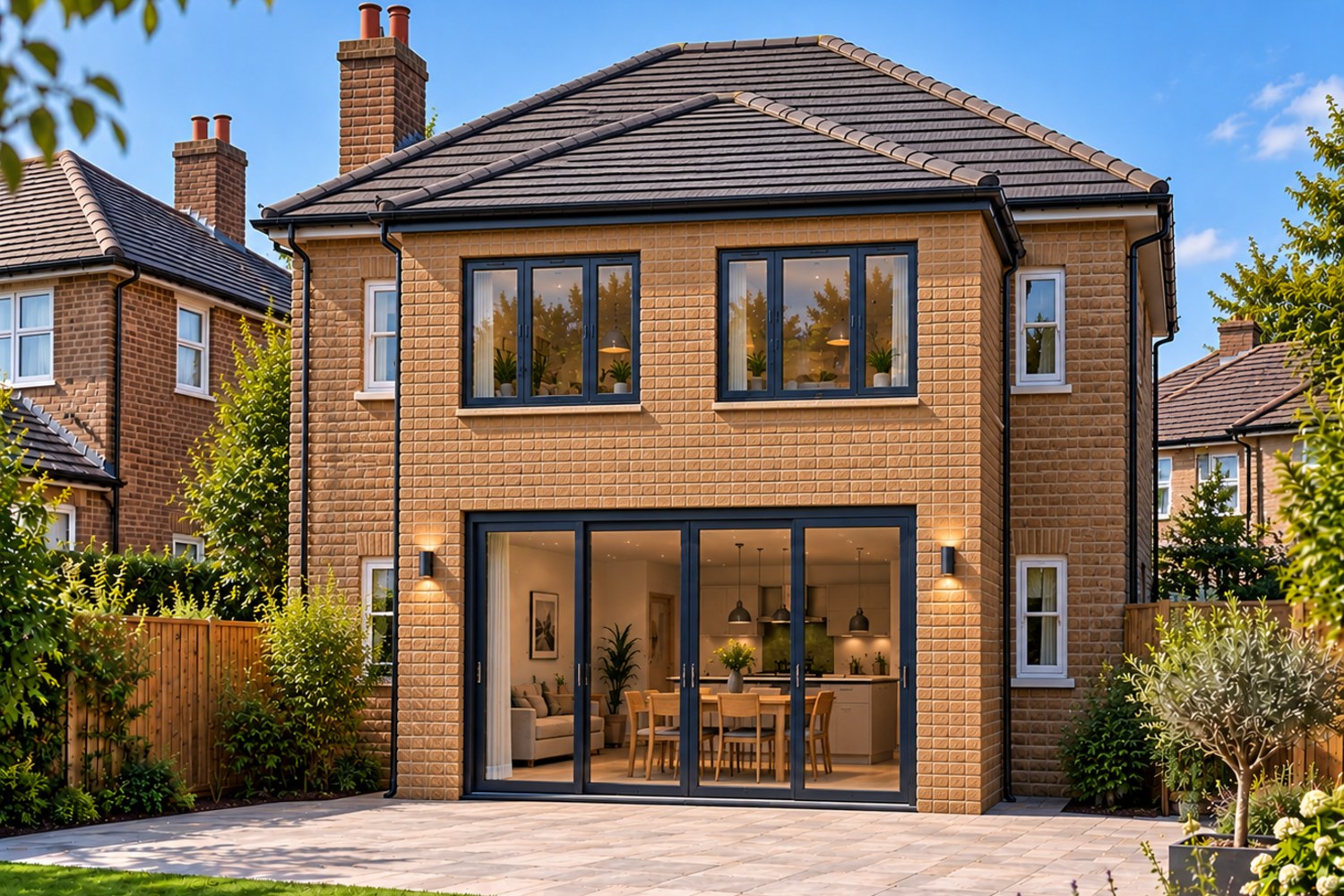
Significantly more living space across both floors.
£1,400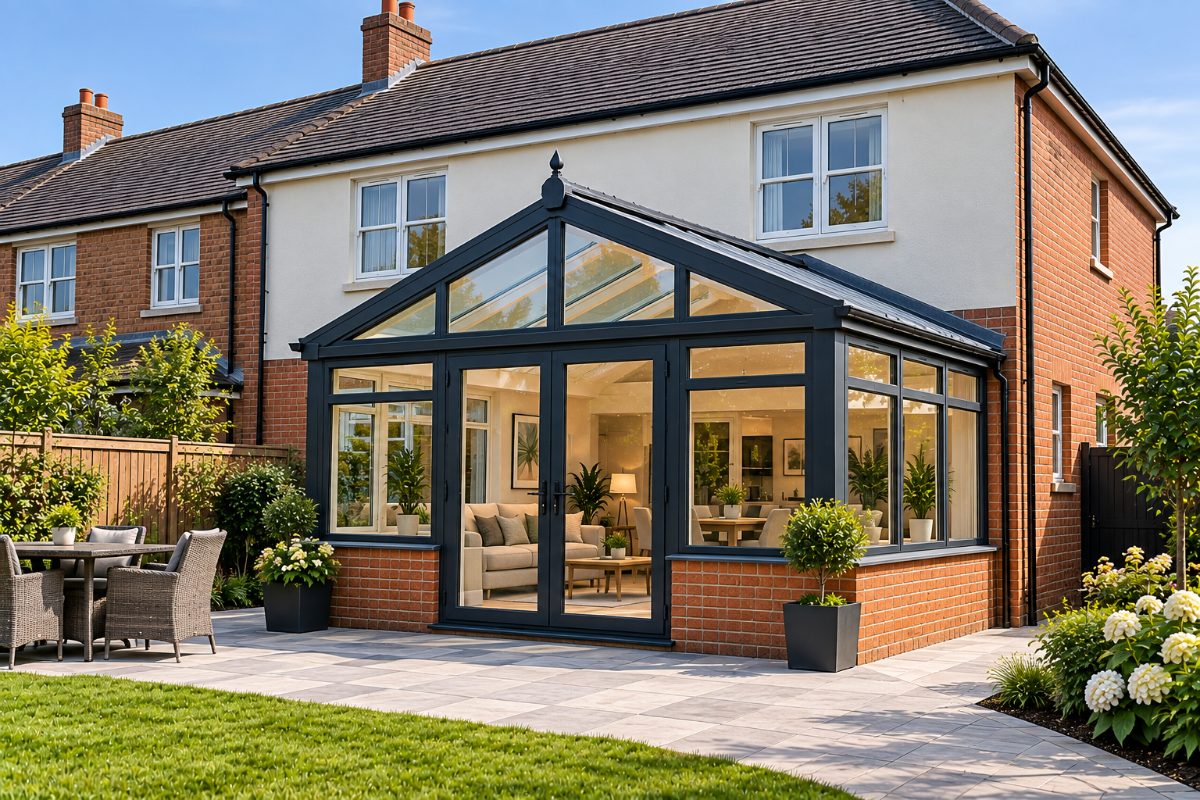
A bright, glazed room connecting your home to the garden.
£900PERMITTED HOMEOWNER GUIDES
Our illustrated, practical guides help you understand the rules, explore design options and budget with confidence — before you commit to building work.
Explore all guidesRules, design options, costs and next steps.
View guideRules, design options, costs and next steps.
View guideRules, design options, costs and next steps.
View guideRules, design options, costs and next steps.
View guideRules, design options, costs and next steps.
View guideRules, design options, costs and next steps.
View guideRules, design options, costs and next steps.
View guideRules, design options, costs and next steps.
View guideWe use cookies that are needed to run the basket and checkout. We would also like to use analytics cookies to understand how the site is used. We only do that if you say yes.

Maximize your property’s footprint with precision and ease. Permitted provides complete design for Permitted Development Rights. Our packages are designed around the Permitted Development limits, so many projects can proceed without a full planning application.
PERMITTED is operated by Yorkshire Property Design Services Limited, registered in England and Wales under company number 12698267.
Registered office: Ground Floor, Techno Centre, Station Road, Horsforth, Leeds, LS18 5BJ
Business contact address: Wira House, Ground Floor, Suite 5, Ring Road, West Park, Leeds, LS16 6EB