


Permitted Development rules





Professional, builder-ready drawing packages for extensions, lofts, porches, garages, garden rooms and more — designed to Permitted Development parameters and supplied as sold.
PERMITTED HOMEOWNER GUIDES
Our illustrated, practical guides help you understand the rules, explore design options and budget with confidence — before you commit to building work.
Explore all guides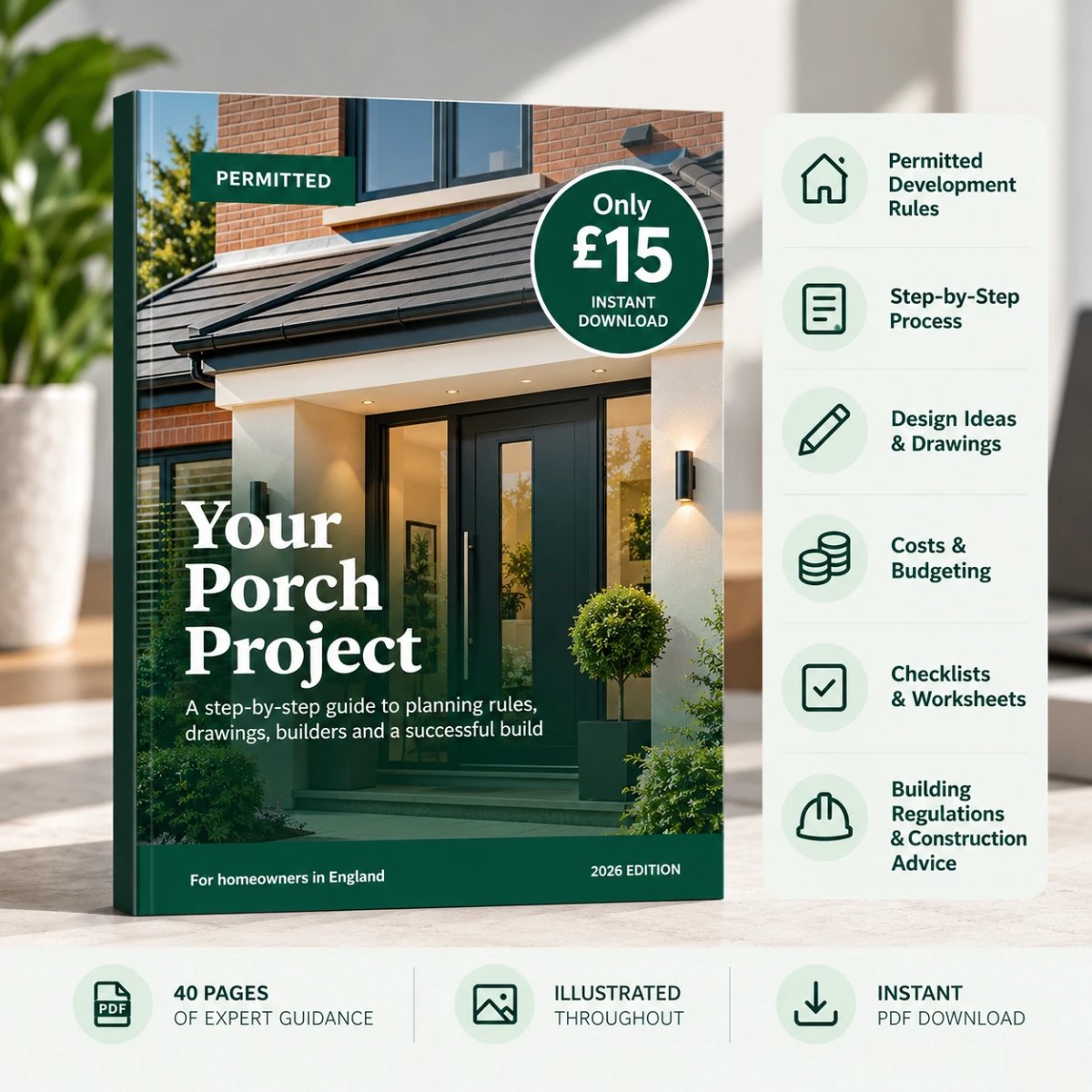
Rules, design options, costs and next steps.
View guide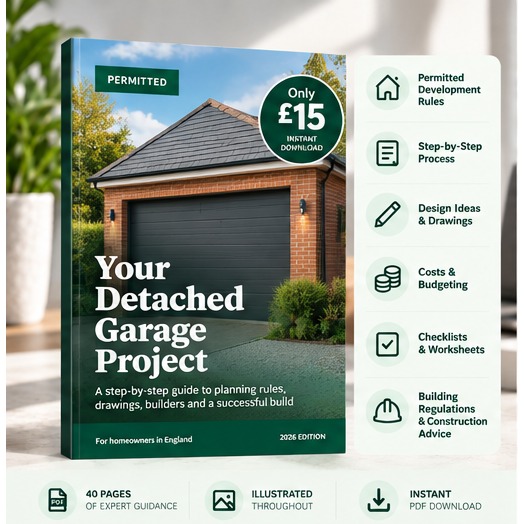
Rules, design options, costs and next steps.
View guide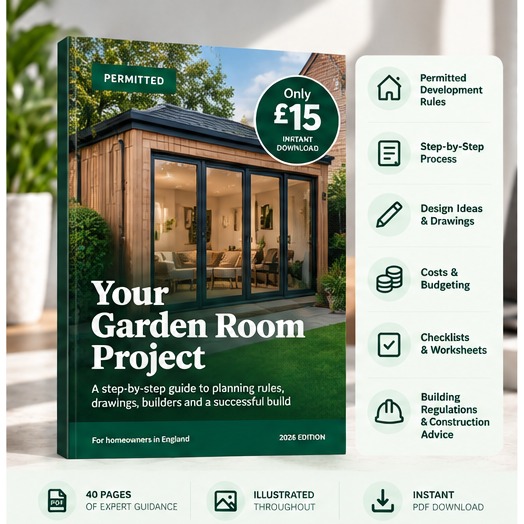
Rules, design options, costs and next steps.
View guide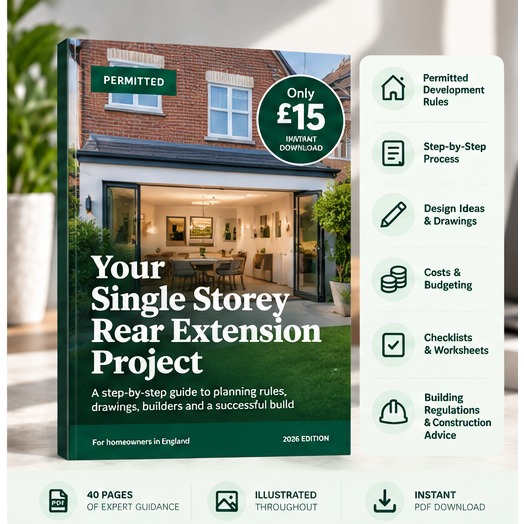
Rules, design options, costs and next steps.
View guide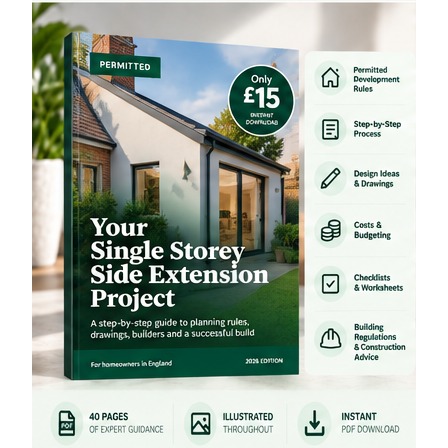
Rules, design options, costs and next steps.
View guide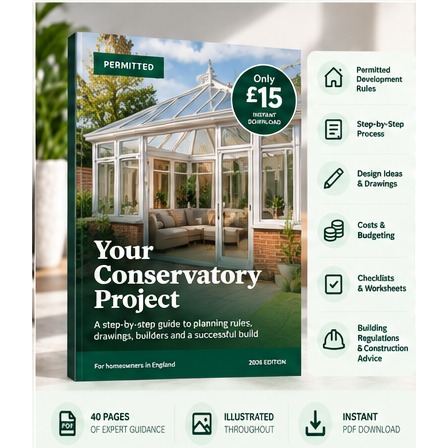
Rules, design options, costs and next steps.
View guide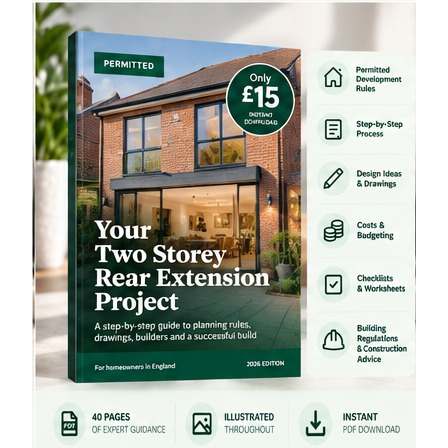
Rules, design options, costs and next steps.
View guide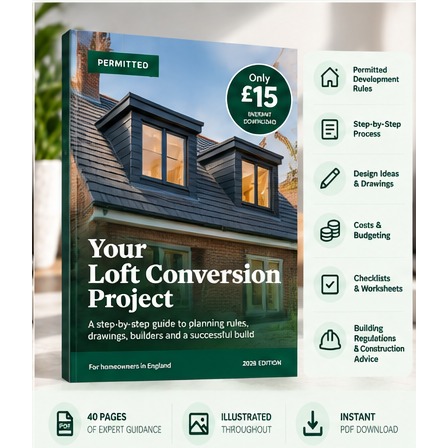
Rules, design options, costs and next steps.
View guideAlmost any physical work on a listed building could require listed building consent — the test is whether it affects the building’s special interest. Here is what requires LBC and what does not.
The test for whether listed building consent is required is set by section 7 of the Planning (Listed Buildings and Conservation Areas) Act 1990. LBC is needed for any works that would affect the character of a listed building as a building of special architectural or historic interest.
| Category | Examples |
|---|---|
| Extensions | Any addition to the building, regardless of size |
| Structural alterations | Removing or altering load-bearing walls, inserting steel beams |
| Roof alterations | New dormers, velux windows, re-roofing in different materials |
| Chimney works | Removing, altering, or rebuilding chimneys or chimney stacks |
| New openings | New windows, doors, or rooflights |
| Demolition | Partial or full demolition of the building or outbuildings |
| External cladding | Rendering, timber cladding, or other surface treatments |
| Painting previously unpainted masonry | Painting external brickwork or stonework for the first time |
Window and door works are among the most commonly contested areas. The key points are:
Original windows are generally considered part of the special interest of a listed building. LPAs will usually require retention and repair rather than replacement.
Unlike planning permission, LBC covers internal works. The following almost always require LBC:
Modern services and insulation present particular challenges in listed buildings:
Permitted development rights for solar panels are disapplied for listed buildings. Solar panels on a listed building therefore require:
LPAs and Historic England are generally sceptical about roof-mounted panels on listed buildings, particularly where they are visible from public vantage points. Ground-mounted panels in the garden may be more acceptable. Each case is decided on its merits.
LBC also applies to structures within the curtilage of a listed building — provided those structures predate 1 July 1948. This means:
Structures built after 1948 are not curtilage listed and do not require LBC (though planning permission may still be needed for works to them).
Not all works to a listed building require LBC. The key question is always whether the works affect the special interest. Works less likely to need LBC include:
Genuinely like-for-like maintenance using matching traditional materials and methods may not require LBC — for example, repointing with matching lime mortar to repair failed joints. However:
Yes, almost always. Replacing windows — even like-for-like — in a listed building requires listed building consent because it affects the building’s fabric. In practice, LPAs will often approve sympathetic replacement where the original is beyond repair, provided the replacement faithfully replicates the original design, materials, and detailing.
Almost certainly not. uPVC windows are virtually never approved in listed buildings because they are visually incompatible with historic buildings, cannot be repaired (only replaced), and are not reversible. Timber windows — including double-glazed slim-profile versions — are the expected solution for listed buildings.
It depends. Replacing a modern (non-original) kitchen or bathroom with another modern kitchen or bathroom may not require LBC if the works do not affect original fabric. However, if the works involve altering original walls, floors, joinery, or other historic elements, LBC will be required. Always seek advice from your LPA conservation officer first.
This kind of project usually needs planning permission rather than permitted development. PERMITTED is part of YPDS Architectural Services, a Leeds architectural design practice that designs, prepares and manages planning applications.
Each one is already drawn. You choose the material, roof and options we actually draw, and that is the package you receive.
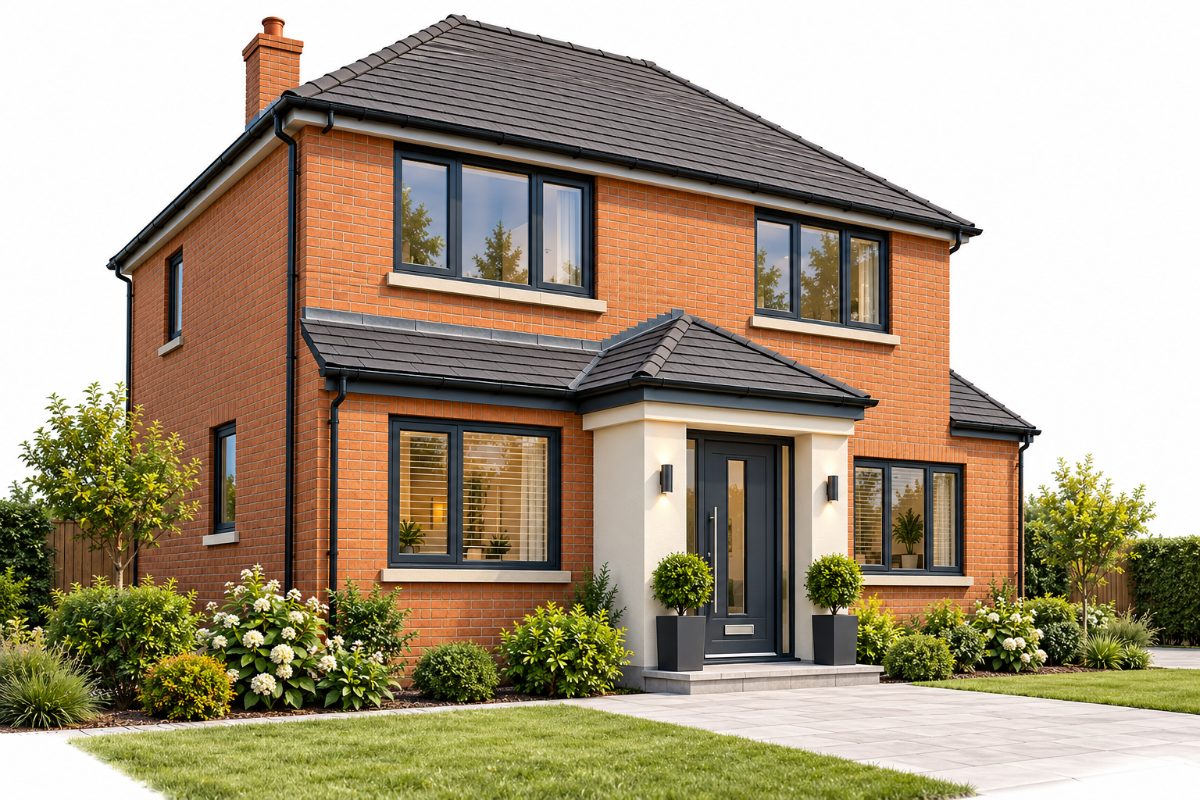
A practical entrance area that adds space and improves the look of your home.
£350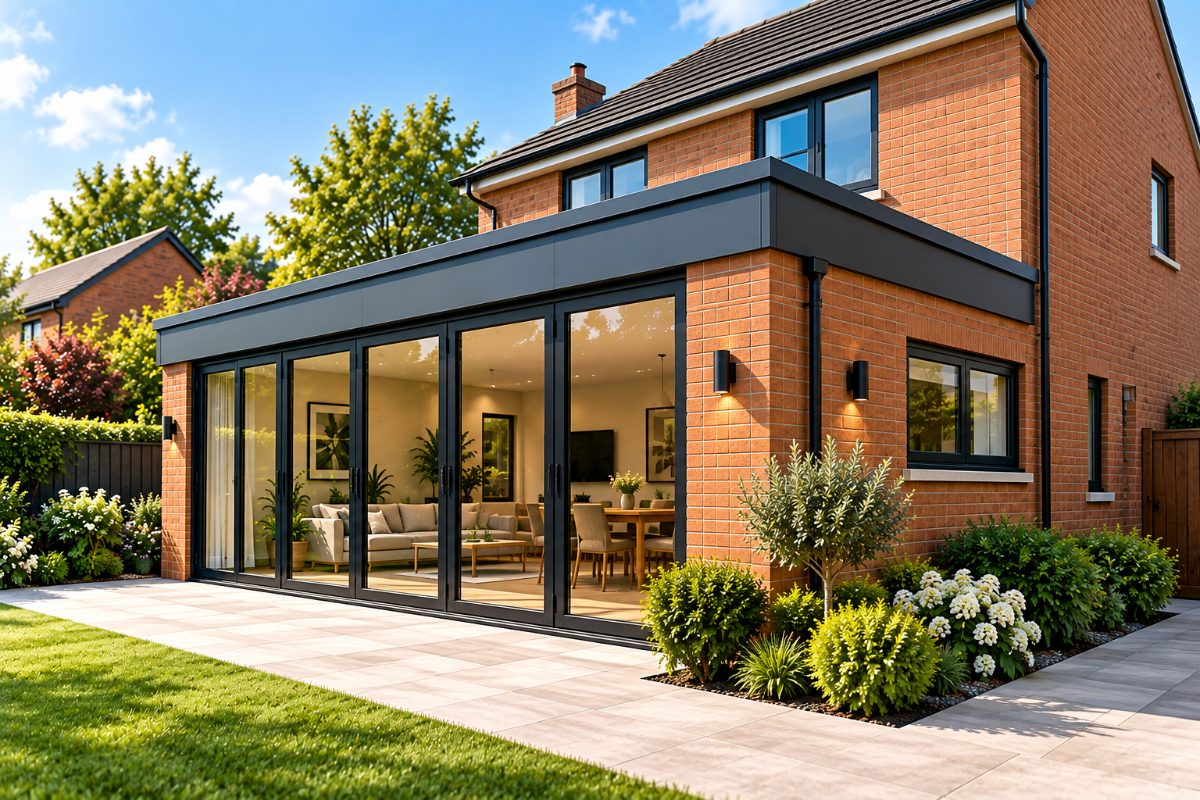
A popular way to create a larger kitchen, dining or family area.
£900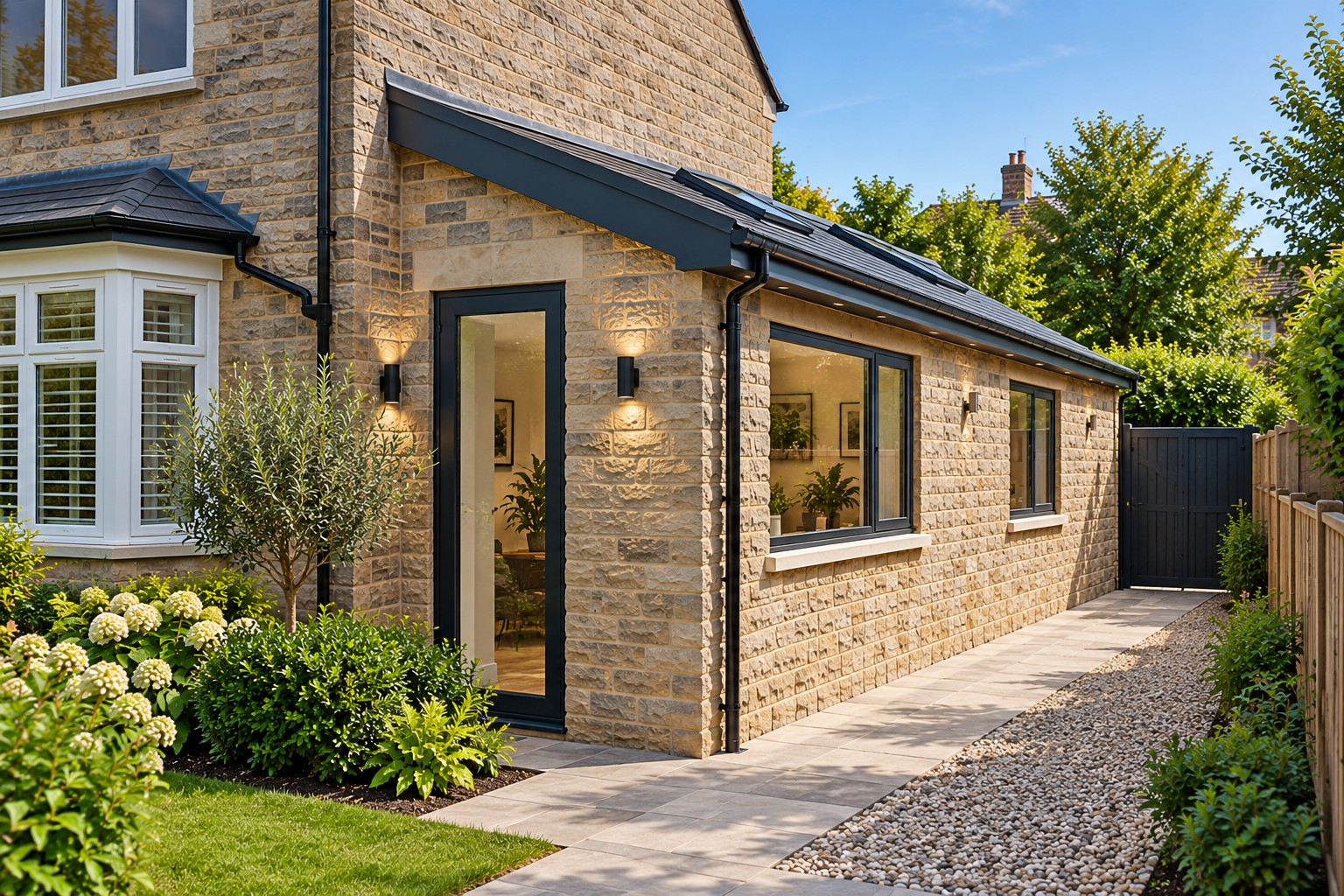
Adds valuable space to the side of your home for a kitchen or utility.
£900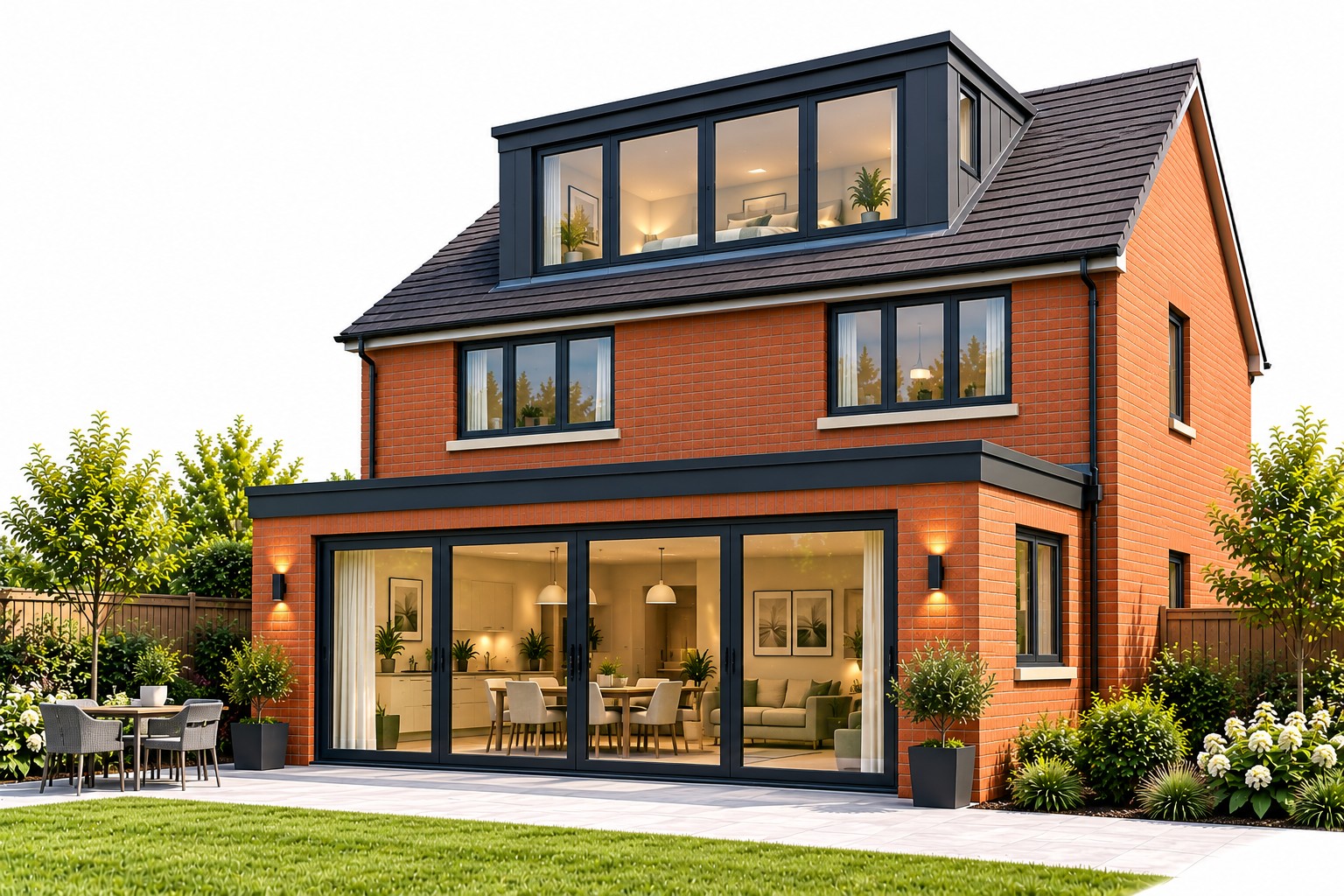
Turns unused loft space into a bedroom, office or additional living area.
£1,500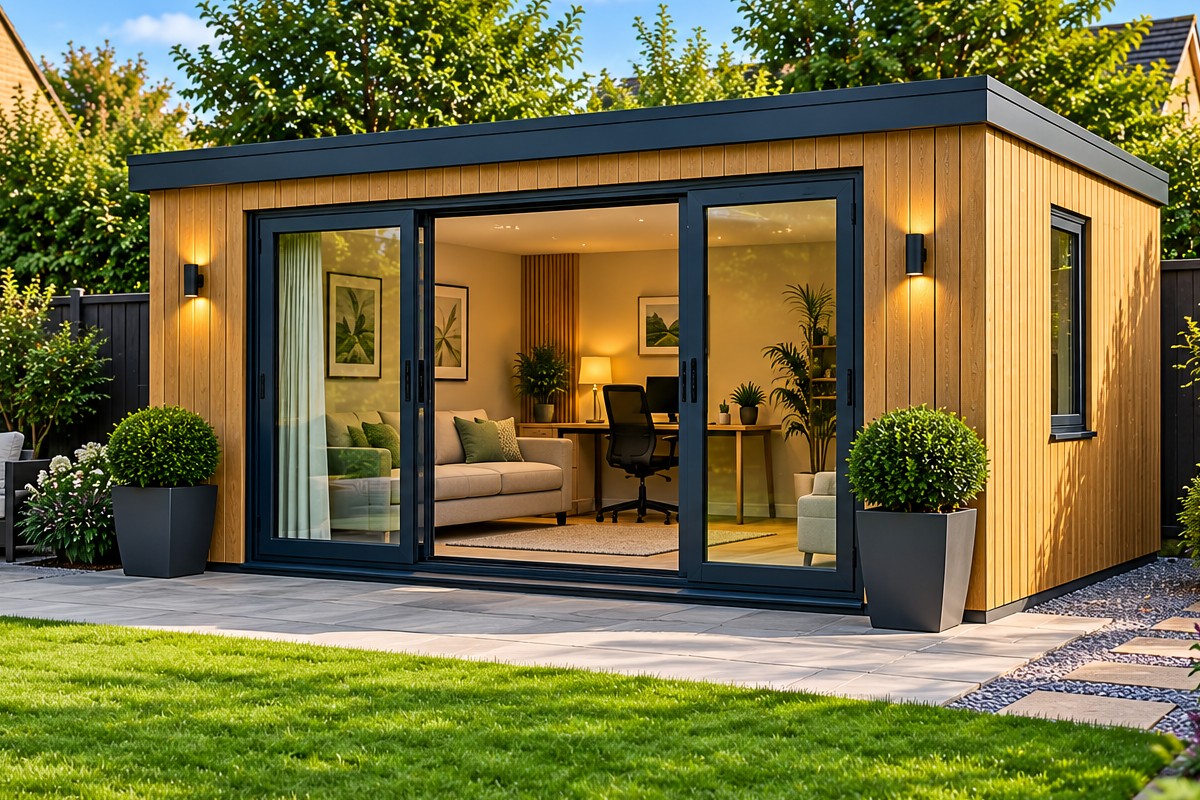
A flexible, detached space for work, leisure or extra living space.
£350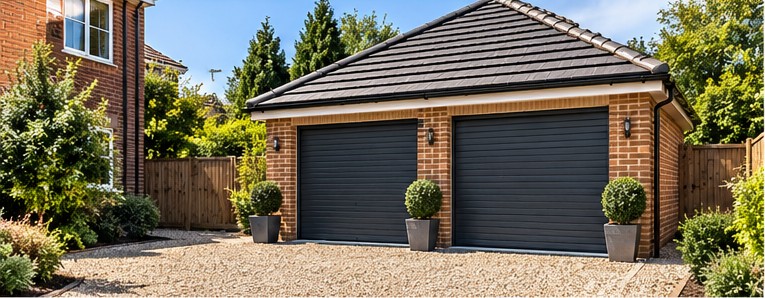
Secure parking or useful storage, single or double.
£350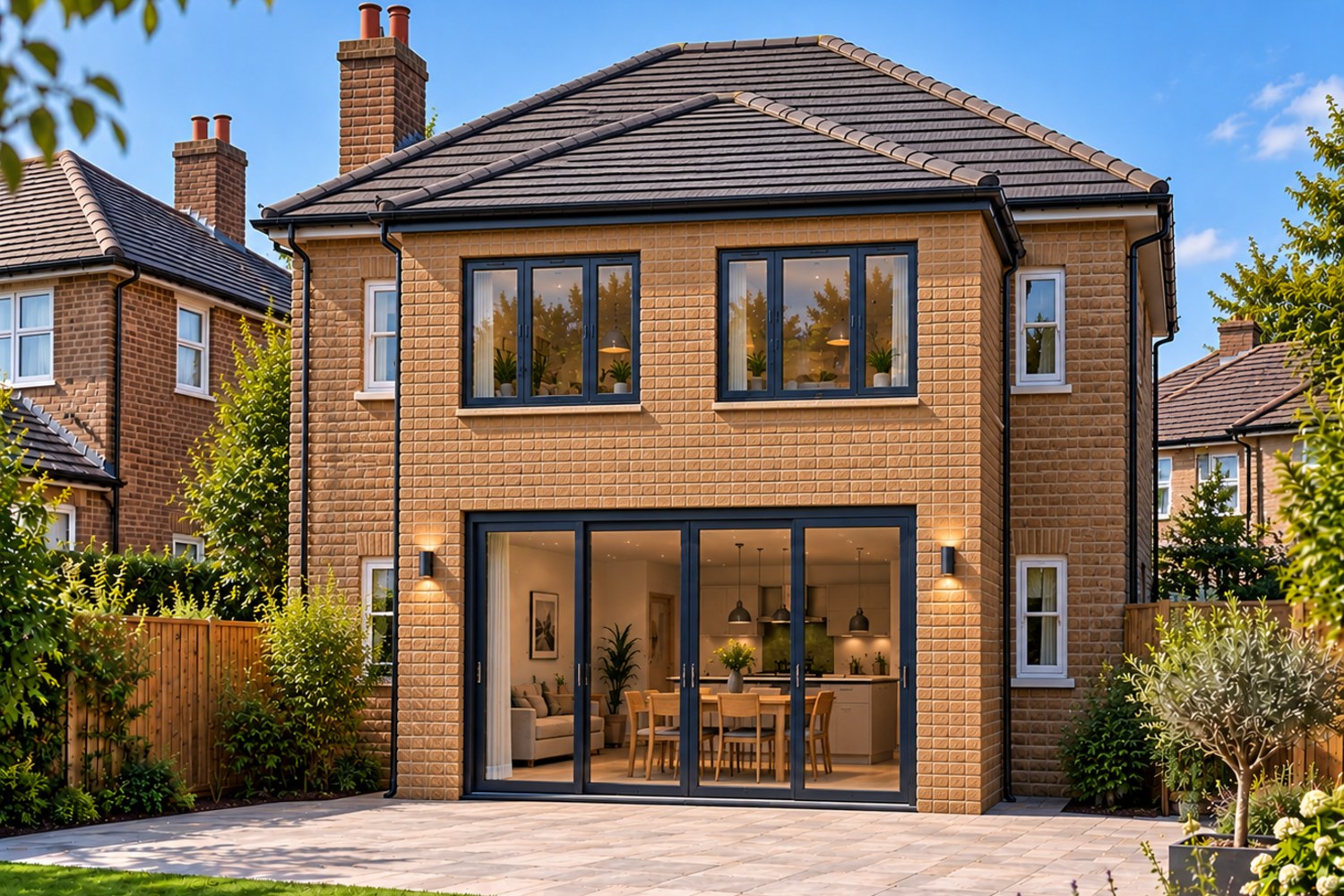
Significantly more living space across both floors.
£1,400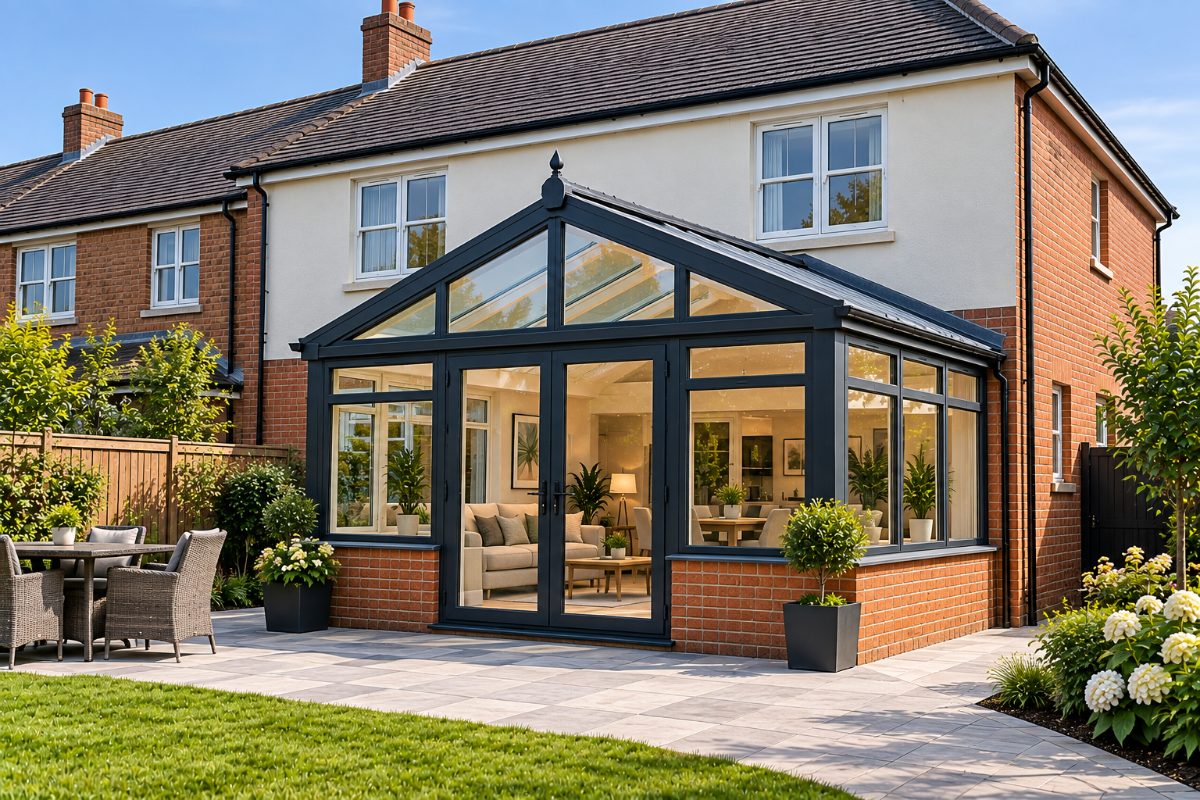
A bright, glazed room connecting your home to the garden.
£900PERMITTED HOMEOWNER GUIDES
Our illustrated, practical guides help you understand the rules, explore design options and budget with confidence — before you commit to building work.
Explore all guidesRules, design options, costs and next steps.
View guideRules, design options, costs and next steps.
View guideRules, design options, costs and next steps.
View guideRules, design options, costs and next steps.
View guideRules, design options, costs and next steps.
View guideRules, design options, costs and next steps.
View guideRules, design options, costs and next steps.
View guideRules, design options, costs and next steps.
View guideWe use cookies that are needed to run the basket and checkout. We would also like to use analytics cookies to understand how the site is used. We only do that if you say yes.

Maximize your property’s footprint with precision and ease. Permitted provides complete design for Permitted Development Rights. Our packages are designed around the Permitted Development limits, so many projects can proceed without a full planning application.
PERMITTED is operated by Yorkshire Property Design Services Limited, registered in England and Wales under company number 12698267.
Registered office: Ground Floor, Techno Centre, Station Road, Horsforth, Leeds, LS18 5BJ
Business contact address: Wira House, Ground Floor, Suite 5, Ring Road, West Park, Leeds, LS16 6EB