


Permitted Development rules





Professional, builder-ready drawing packages for extensions, lofts, porches, garages, garden rooms and more — designed to Permitted Development parameters and supplied as sold.
PERMITTED HOMEOWNER GUIDES
Our illustrated, practical guides help you understand the rules, explore design options and budget with confidence — before you commit to building work.
Explore all guides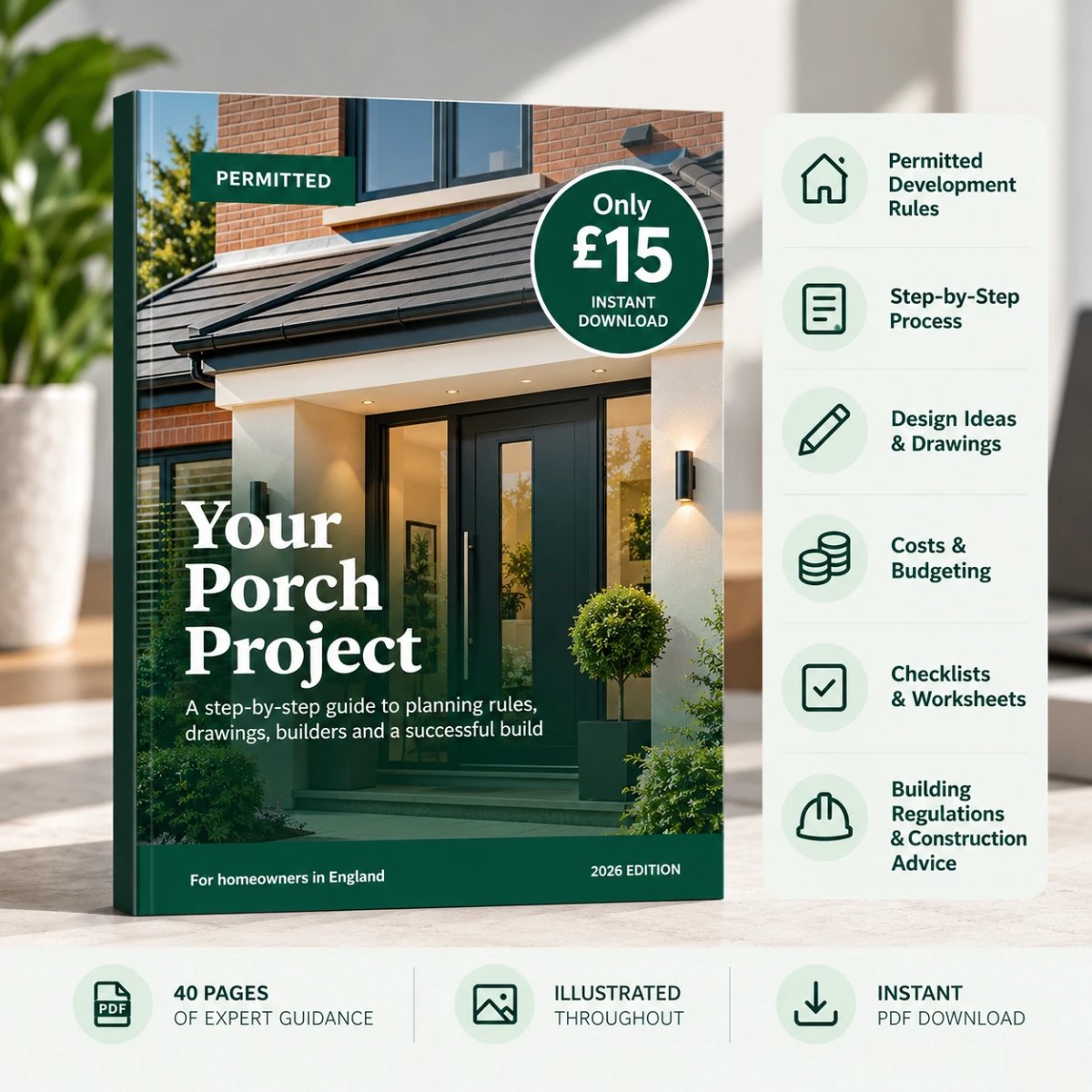
Rules, design options, costs and next steps.
View guide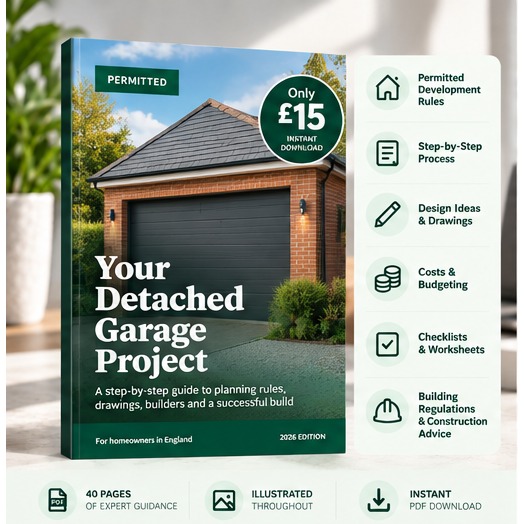
Rules, design options, costs and next steps.
View guide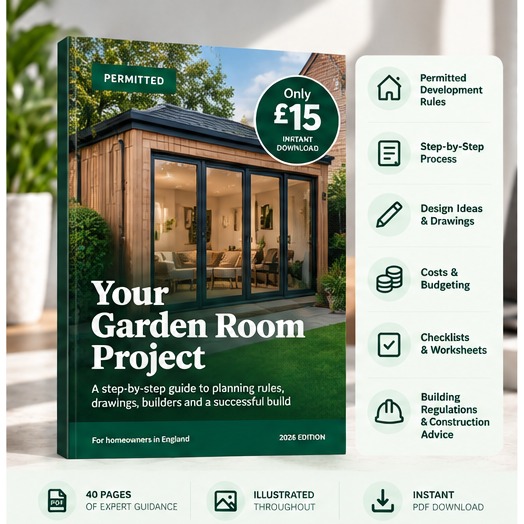
Rules, design options, costs and next steps.
View guide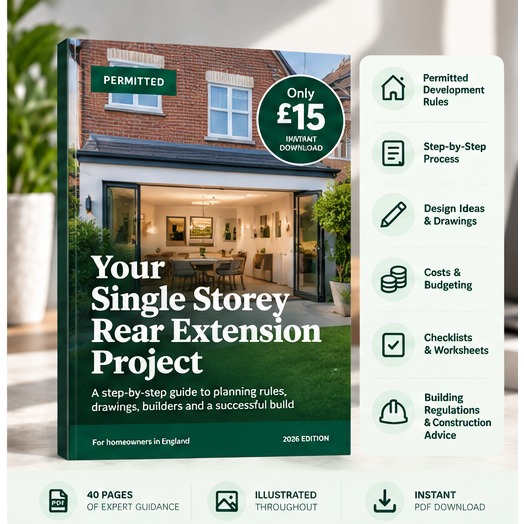
Rules, design options, costs and next steps.
View guide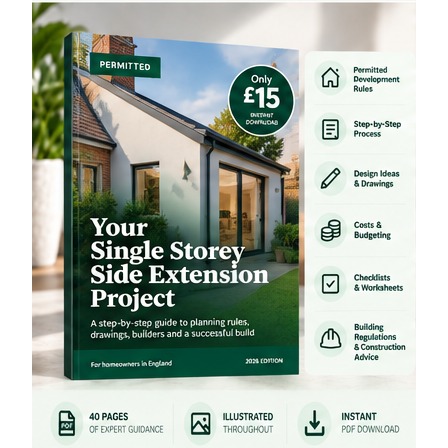
Rules, design options, costs and next steps.
View guide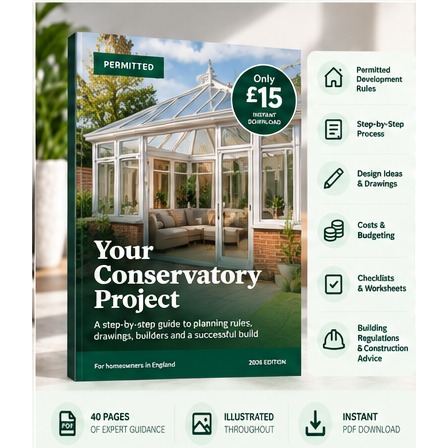
Rules, design options, costs and next steps.
View guide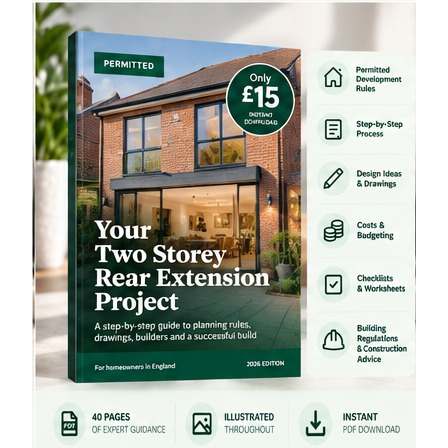
Rules, design options, costs and next steps.
View guide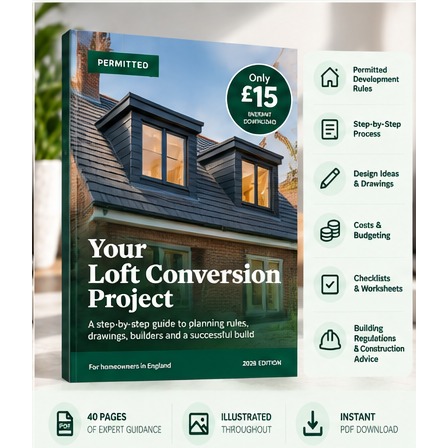
Rules, design options, costs and next steps.
View guideThe rules for paving a front garden changed in 2008. Here’s the full explanation of what’s permitted development, why the rule exists, and what your options are if you want impermeable paving.
Since 1 October 2008, permitted development rights for hard surfaces in front gardens require those surfaces to be permeable — or to direct run-off to a lawn or border. Any non-permeable hard surface over 5m² in the front garden requires planning permission.
By 2008, over half of front gardens in cities were covered with hard surfaces, overloading urban drainage systems and contributing to flash flooding. The government introduced the permeable surfacing requirement as an amendment to permitted development rights rather than creating a new planning application category.
5m² is approximately 2m × 2.5m — too small for a car parking space. In practice, the exception only benefits very small paved areas such as paths. Any driveway will exceed this threshold.
Popular permeable options: gravel (£15–40/m²), resin-bound gravel (£50–120/m², most popular for driveways), permeable block paving (£60–100/m²), grass reinforcement mesh (£20–50/m²).
Submit a householder planning application via planningportal.co.uk. Fee: £548 (from 1 April 2026). Typically determined within 8 weeks. Most straightforward applications in non-sensitive areas are approved.
No. The rule only applies to new surfaces laid after October 2008. Existing non-permeable driveways do not need to be changed. However, complete replacement of an existing driveway is treated as new construction and the permeable rules apply.
Extensions, loft conversions, outbuildings, solar panels — our complete guide covers everything you can build without planning permission.
Planning a project? Browse our permitted development drawing sets — fixed price, supplied exactly as sold and emailed to you as a PDF.
Each one is already drawn. You choose the material, roof and options we actually draw, and that is the package you receive.
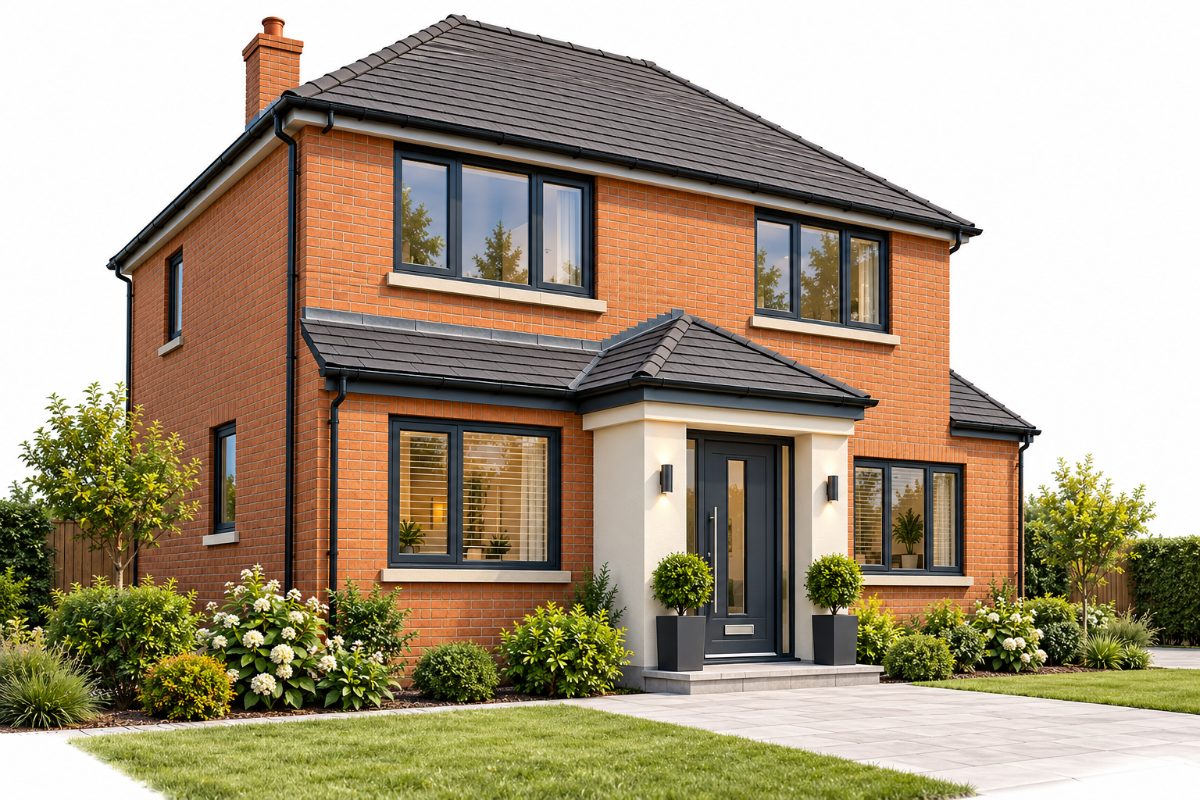
A practical entrance area that adds space and improves the look of your home.
£350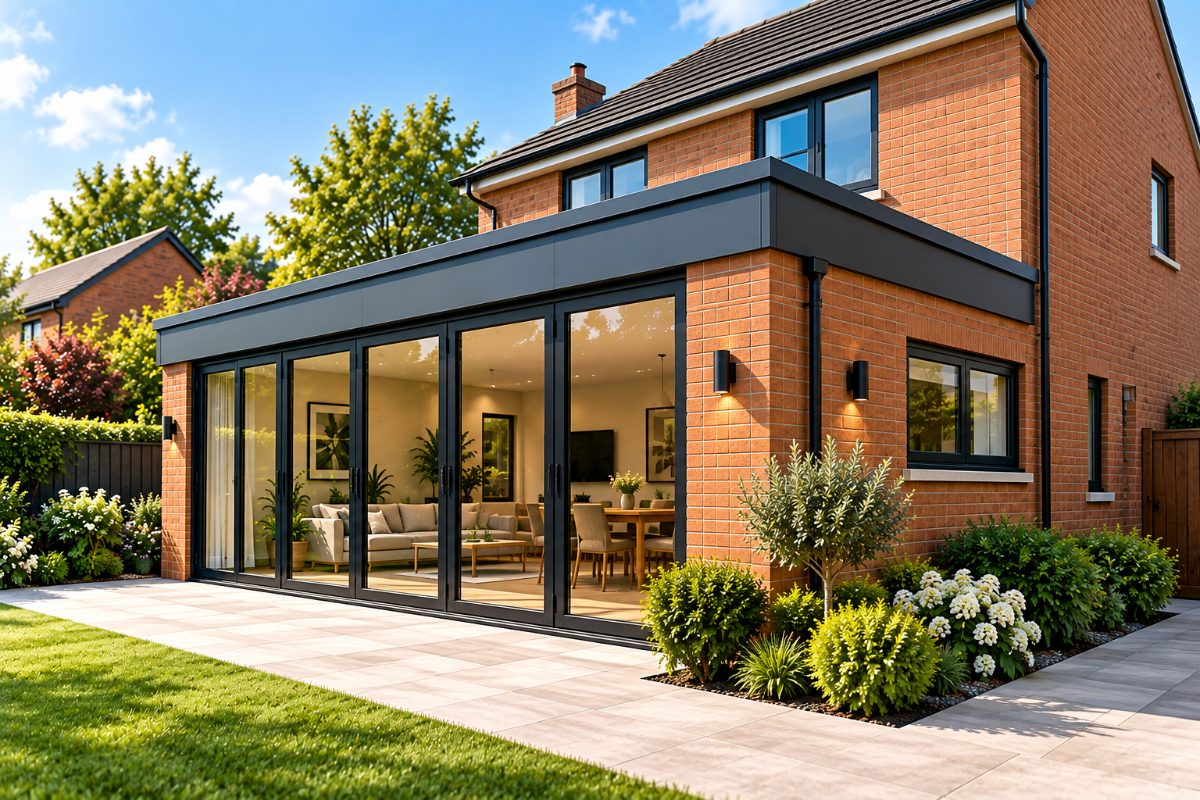
A popular way to create a larger kitchen, dining or family area.
£900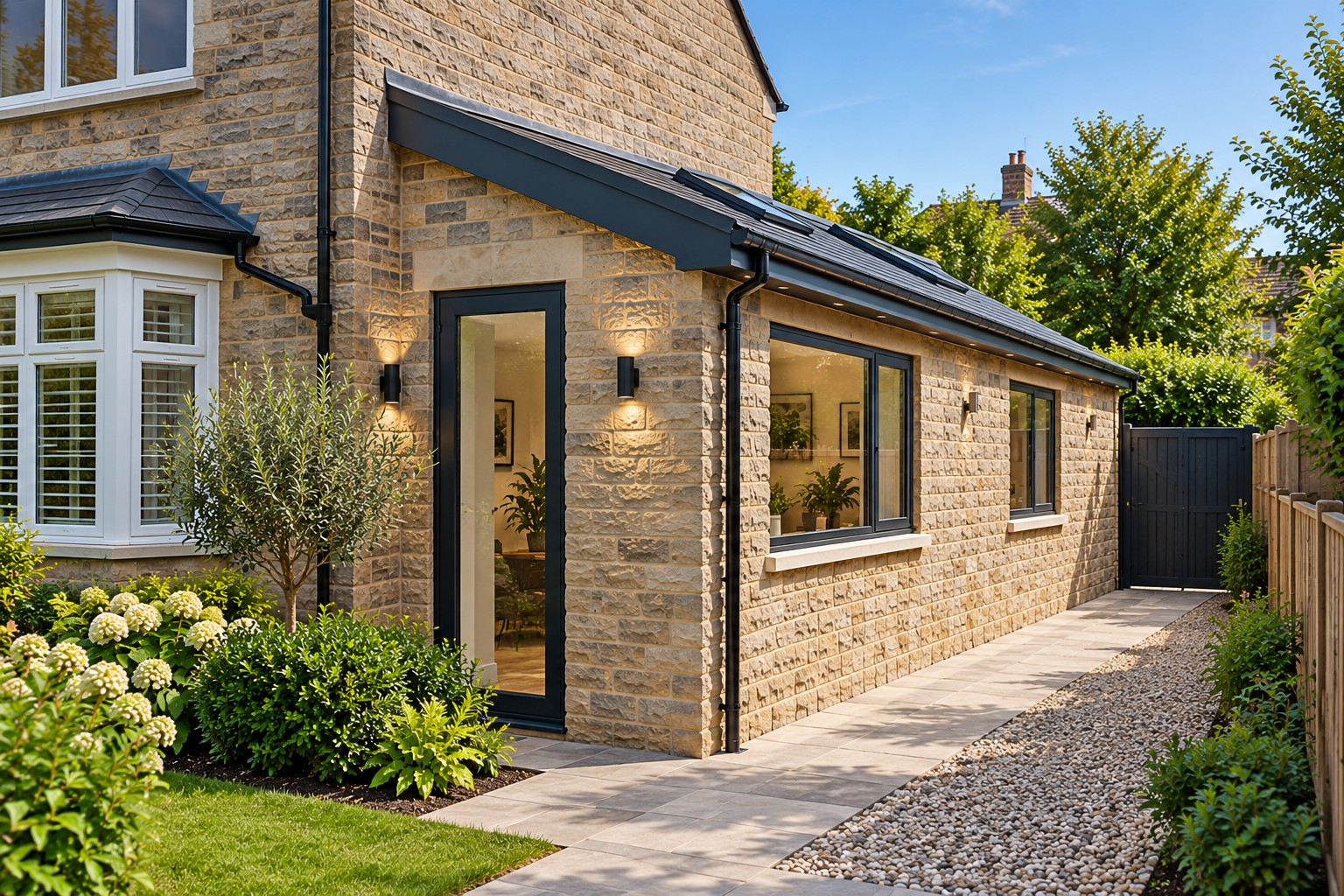
Adds valuable space to the side of your home for a kitchen or utility.
£900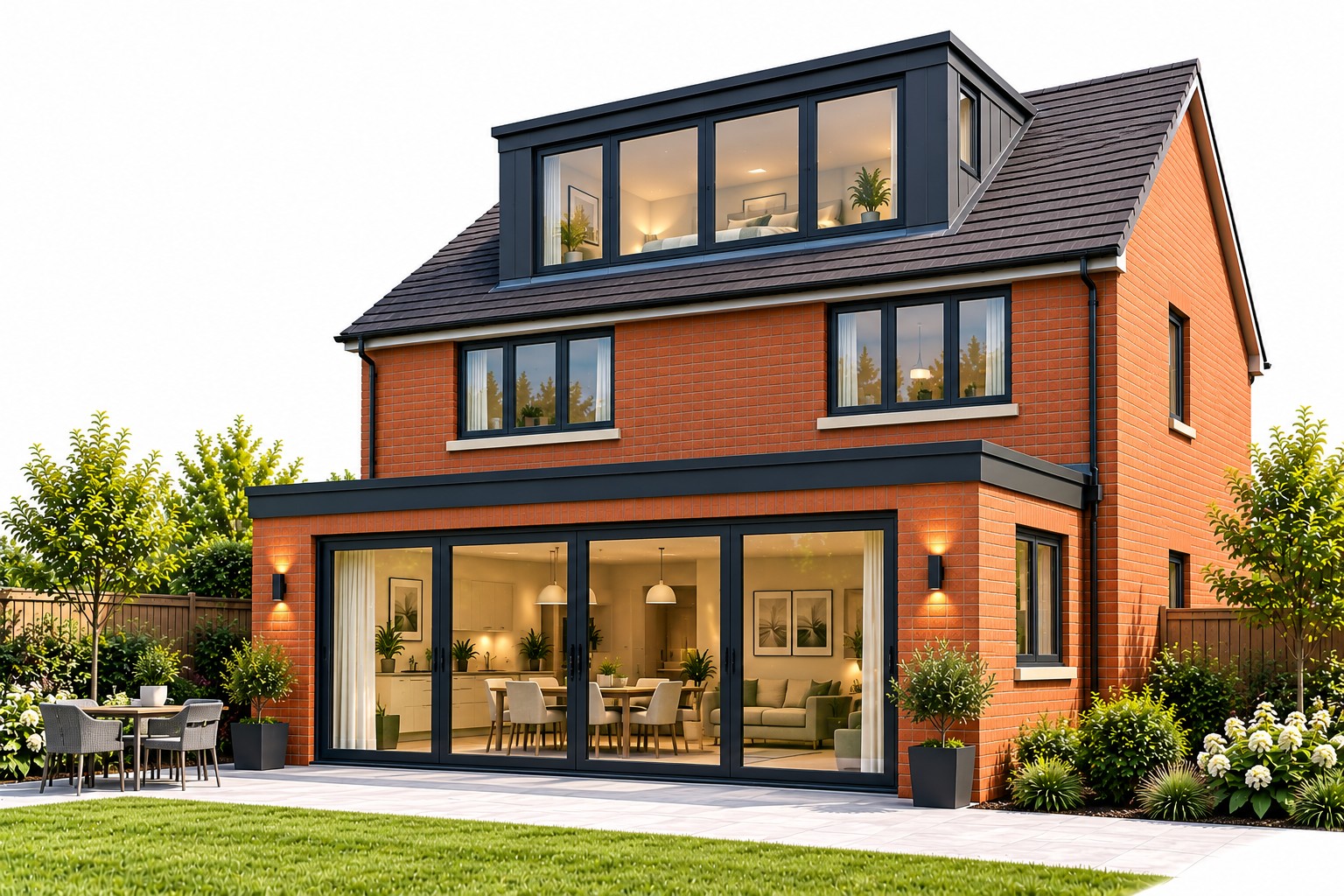
Turns unused loft space into a bedroom, office or additional living area.
£1,500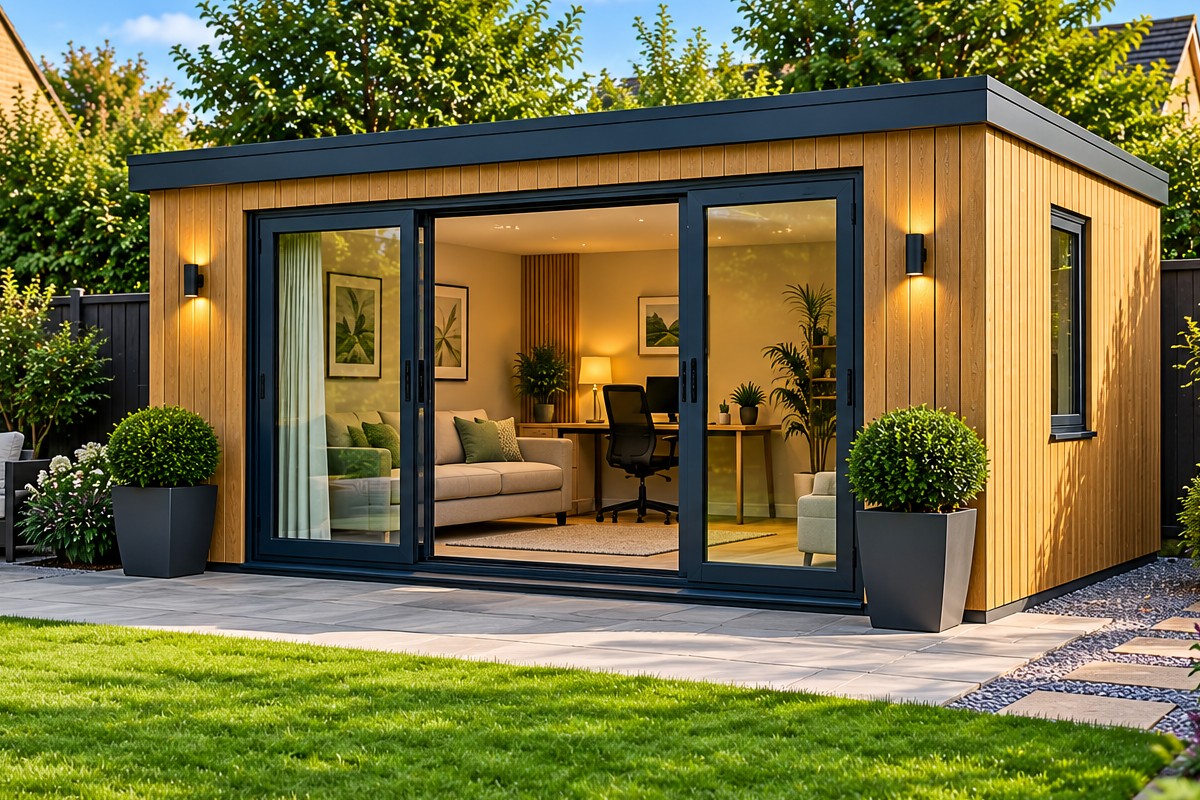
A flexible, detached space for work, leisure or extra living space.
£350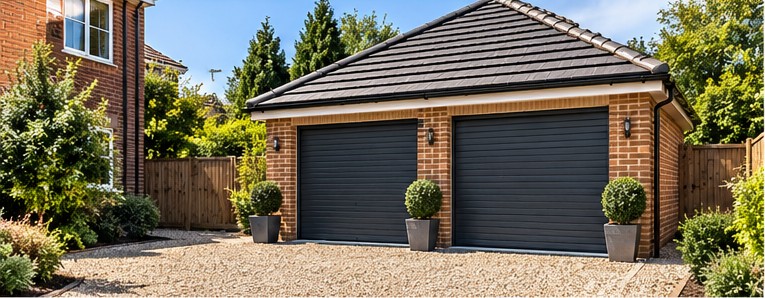
Secure parking or useful storage, single or double.
£350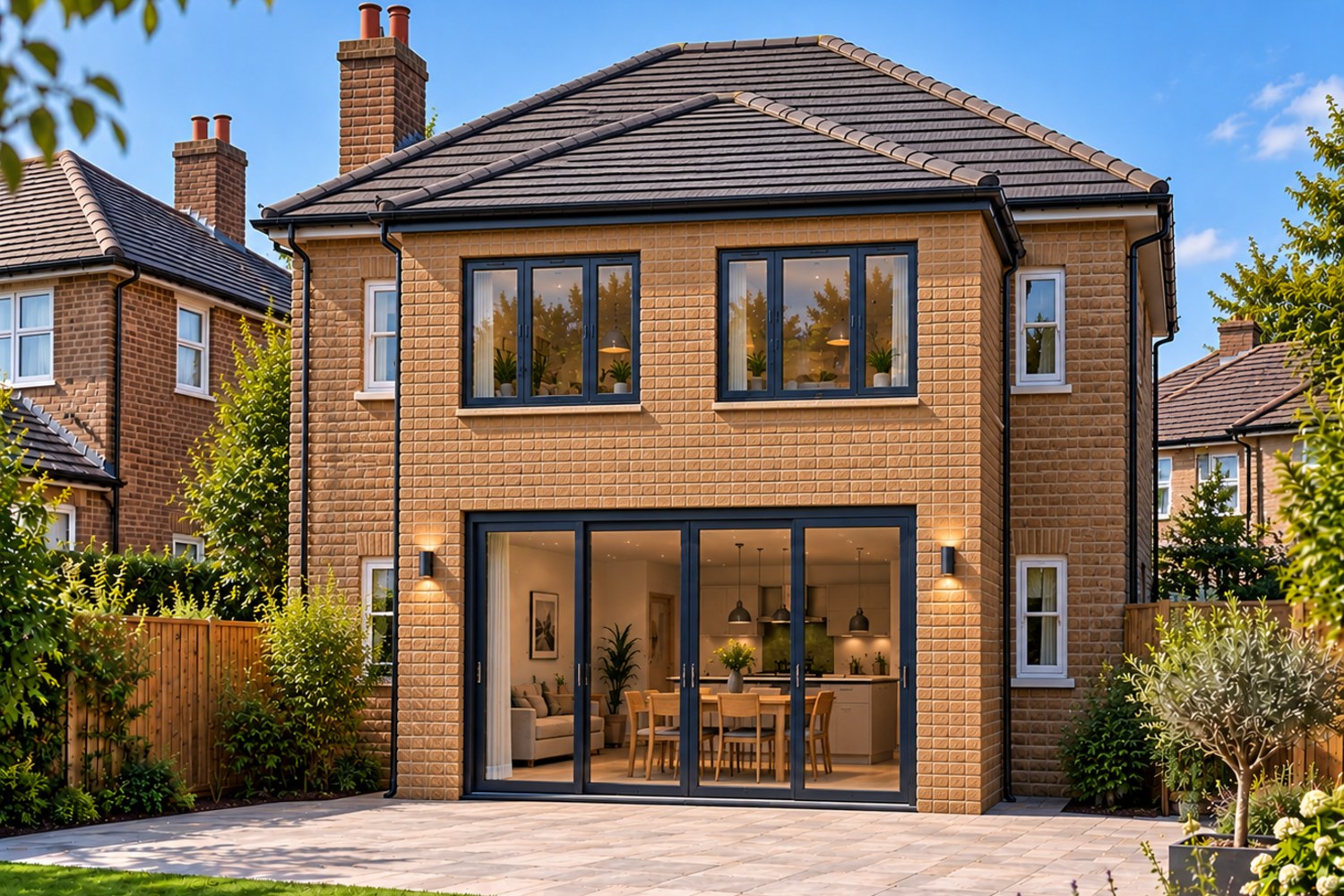
Significantly more living space across both floors.
£1,400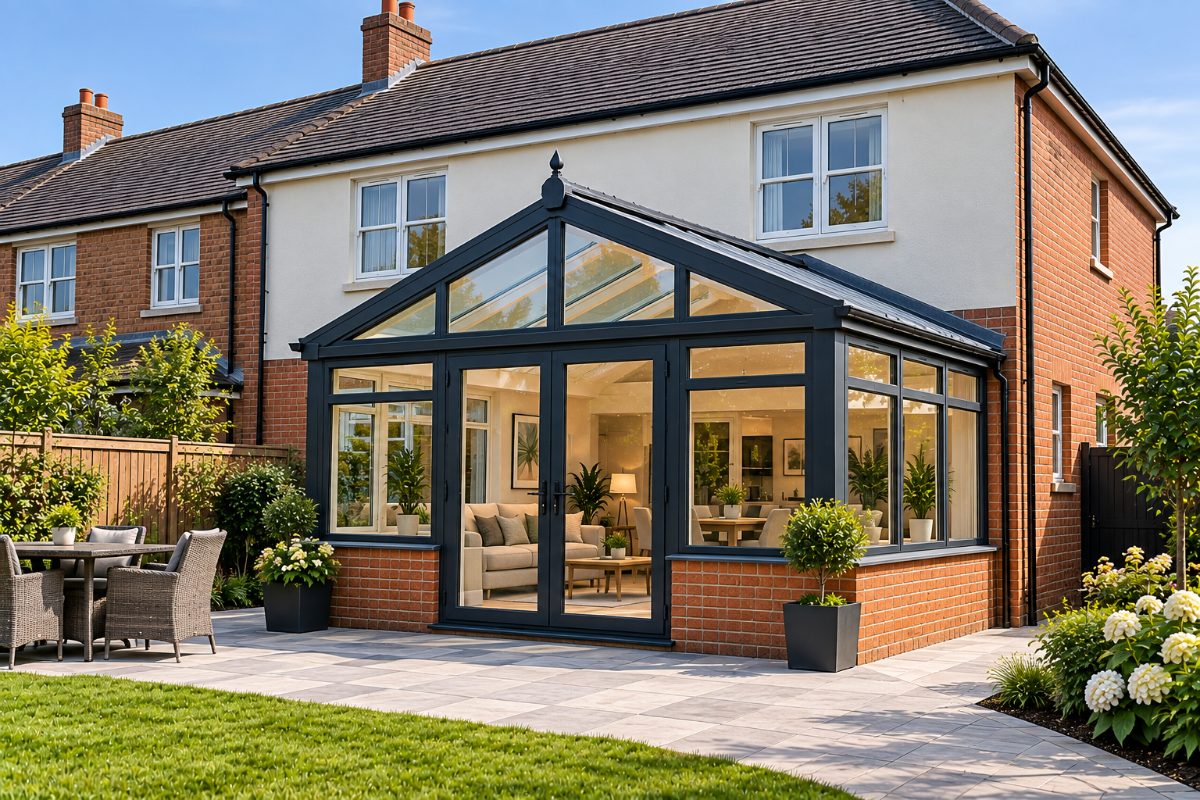
A bright, glazed room connecting your home to the garden.
£900PERMITTED HOMEOWNER GUIDES
Our illustrated, practical guides help you understand the rules, explore design options and budget with confidence — before you commit to building work.
Explore all guidesRules, design options, costs and next steps.
View guideRules, design options, costs and next steps.
View guideRules, design options, costs and next steps.
View guideRules, design options, costs and next steps.
View guideRules, design options, costs and next steps.
View guideRules, design options, costs and next steps.
View guideRules, design options, costs and next steps.
View guideRules, design options, costs and next steps.
View guideWe use cookies that are needed to run the basket and checkout. We would also like to use analytics cookies to understand how the site is used. We only do that if you say yes.

Maximize your property’s footprint with precision and ease. Permitted provides complete design for Permitted Development Rights. Our packages are designed around the Permitted Development limits, so many projects can proceed without a full planning application.
PERMITTED is operated by Yorkshire Property Design Services Limited, registered in England and Wales under company number 12698267.
Registered office: Ground Floor, Techno Centre, Station Road, Horsforth, Leeds, LS18 5BJ
Business contact address: Wira House, Ground Floor, Suite 5, Ring Road, West Park, Leeds, LS16 6EB