


Permitted Development rules





Professional, builder-ready drawing packages for extensions, lofts, porches, garages, garden rooms and more — designed to Permitted Development parameters and supplied as sold.
PERMITTED HOMEOWNER GUIDES
Our illustrated, practical guides help you understand the rules, explore design options and budget with confidence — before you commit to building work.
Explore all guides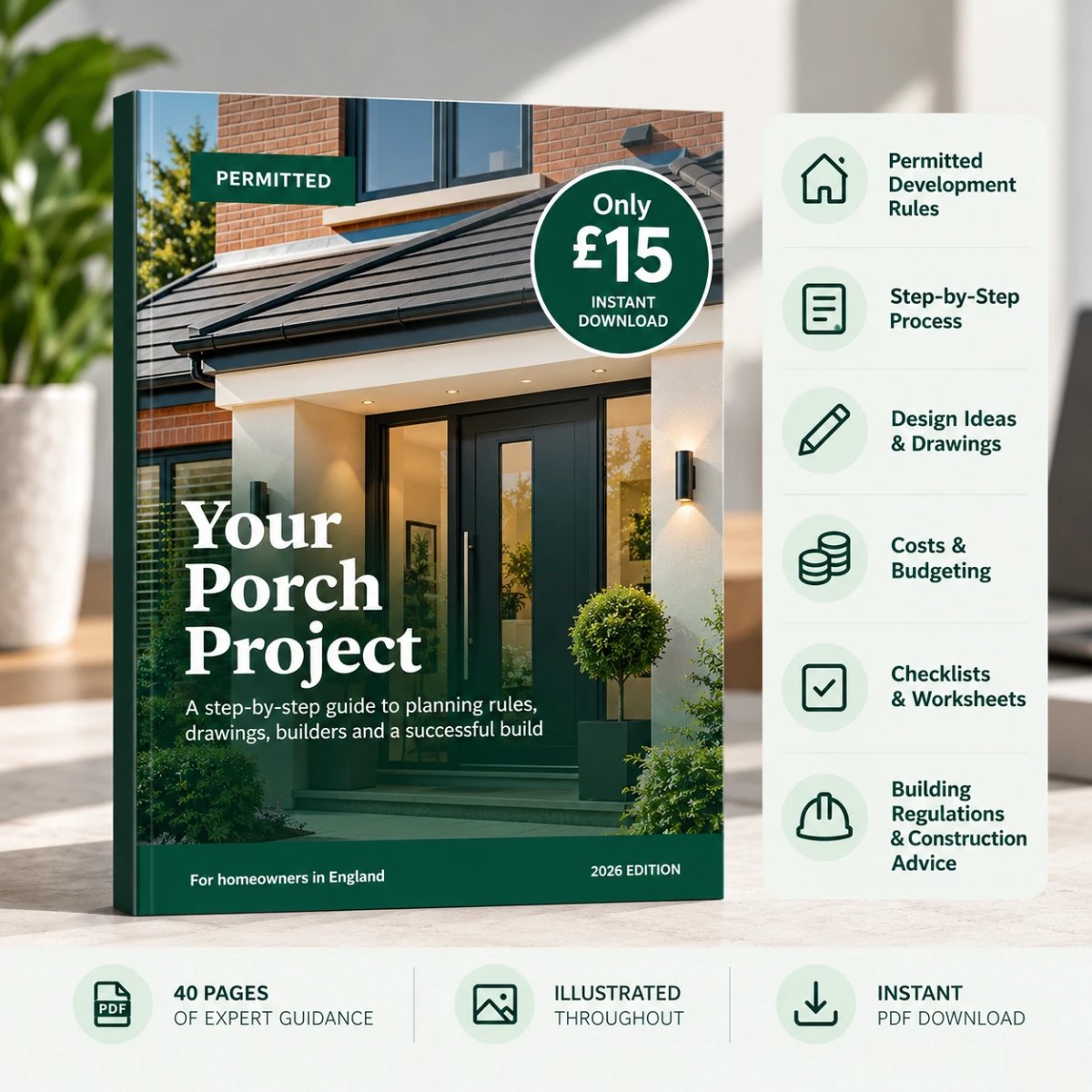
Rules, design options, costs and next steps.
View guide
Rules, design options, costs and next steps.
View guide
Rules, design options, costs and next steps.
View guide
Rules, design options, costs and next steps.
View guide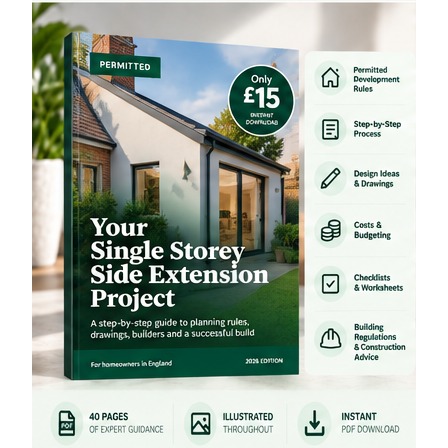
Rules, design options, costs and next steps.
View guide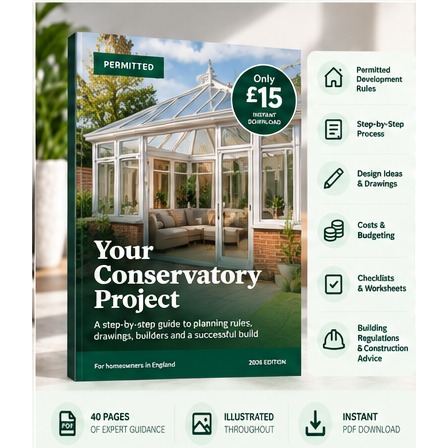
Rules, design options, costs and next steps.
View guide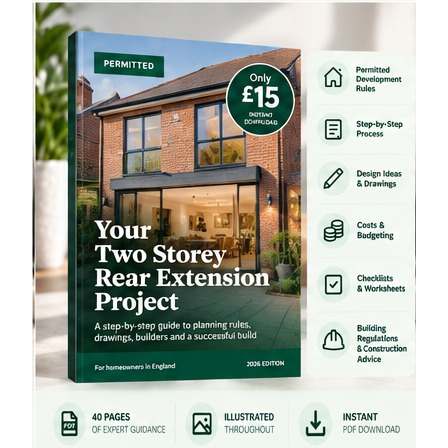
Rules, design options, costs and next steps.
View guide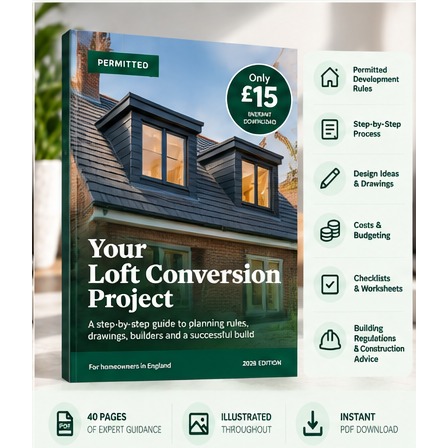
Rules, design options, costs and next steps.
View guideA planning application requires a location plan, site plan, and existing and proposed floor plans and elevations. Here is exactly what is required, what each drawing must show, and who can prepare them.
Every householder planning application in England requires a minimum set of drawings. Submitting without these will result in the LPA invalidating your application — meaning the clock does not start and you will need to resubmit.
The location plan places the application site in its wider context. It must be:
You cannot use Google Maps or similar for a location plan — it must be an OS-based map. The Planning Portal sells location plans directly. Expect to pay £5–£30 depending on the site area and supplier.
The site plan (sometimes called a block plan) shows the application site in detail. It must be drawn at 1:500 scale and show:
Floor plans must be drawn at 1:50 or 1:100 scale and show:
For an extension, you will need plans of the ground floor (and any upper floors affected) showing both the current layout and the proposed new layout. The two plans must be at the same scale.
Elevations show the external faces of the building. You need:
| Drawing | When Required |
|---|---|
| Roof plan | When the roof form changes (new ridge, dormer, flat roof extension) |
| Sections | Complex changes in level; loft conversions; basements |
| Materials schedule | Some LPAs require this as a standalone document |
| Landscaping plan | Applications with significant hard/soft landscaping changes |
| Tree survey / AIA | Where protected trees or trees on the boundary are affected |
| Street scene elevation | Some LPAs request this for prominent locations |
Regardless of drawing type, all planning drawings must include:
Drawings submitted without a title block or scale bar are commonly returned as invalid.
Planning drawings can be prepared by:
| Provider | Typical Cost (drawings only) | Notes |
|---|---|---|
| Online drawing service | £150–£350 | Basic drawings; you provide dimensions |
| Architectural technician | £300–£700 | Site visit included; good for standard extensions |
| Architectural technologist | £500–£1,000 | More detailed; often includes design advice |
| RIBA architect | £800–£2,500+ | Full design service; appropriate for complex schemes |
These figures are for planning drawings only and do not include building regulations drawings, which are a separate cost if you need them.
No. Location plans must be based on an Ordnance Survey map. The Planning Portal sells OS-based location plans directly for a few pounds. Using Google Maps or similar will result in the application being invalidated.
You need existing and proposed drawings for all affected elevations. For a rear extension, this typically means the rear elevation and both side elevations. The front elevation is usually not needed unless the works affect it. Some LPAs ask for all four elevations — check their local validation checklist.
Floor plans and elevations should be at 1:50 or 1:100 scale. The location plan must be 1:1250 (or 1:2500 for rural sites). The site/block plan must be 1:500. All drawings must include a scale bar.
This kind of project usually needs planning permission rather than permitted development. PERMITTED is part of YPDS Architectural Services, a Leeds architectural design practice that designs, prepares and manages planning applications.
Planning a project? Browse our permitted development drawing sets — fixed price, supplied exactly as sold and emailed to you as a PDF.
Each one is already drawn. You choose the material, roof and options we actually draw, and that is the package you receive.
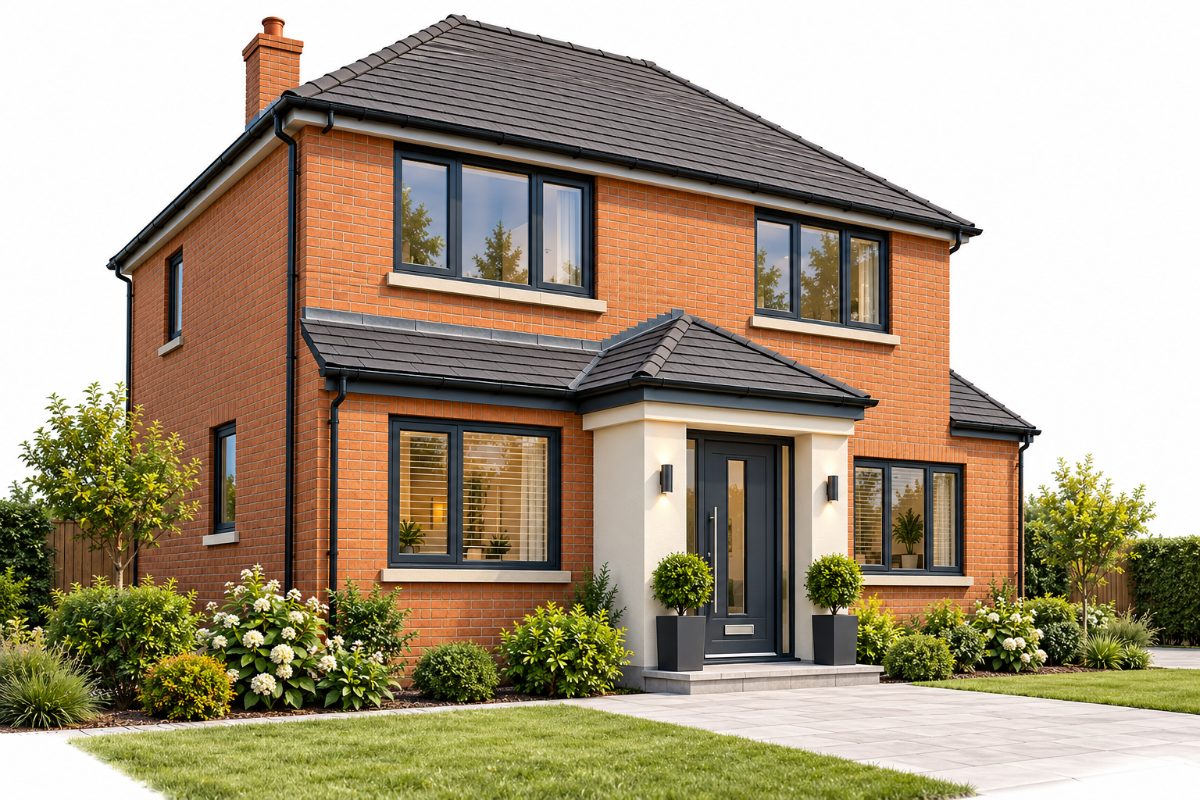
A practical entrance area that adds space and improves the look of your home.
£350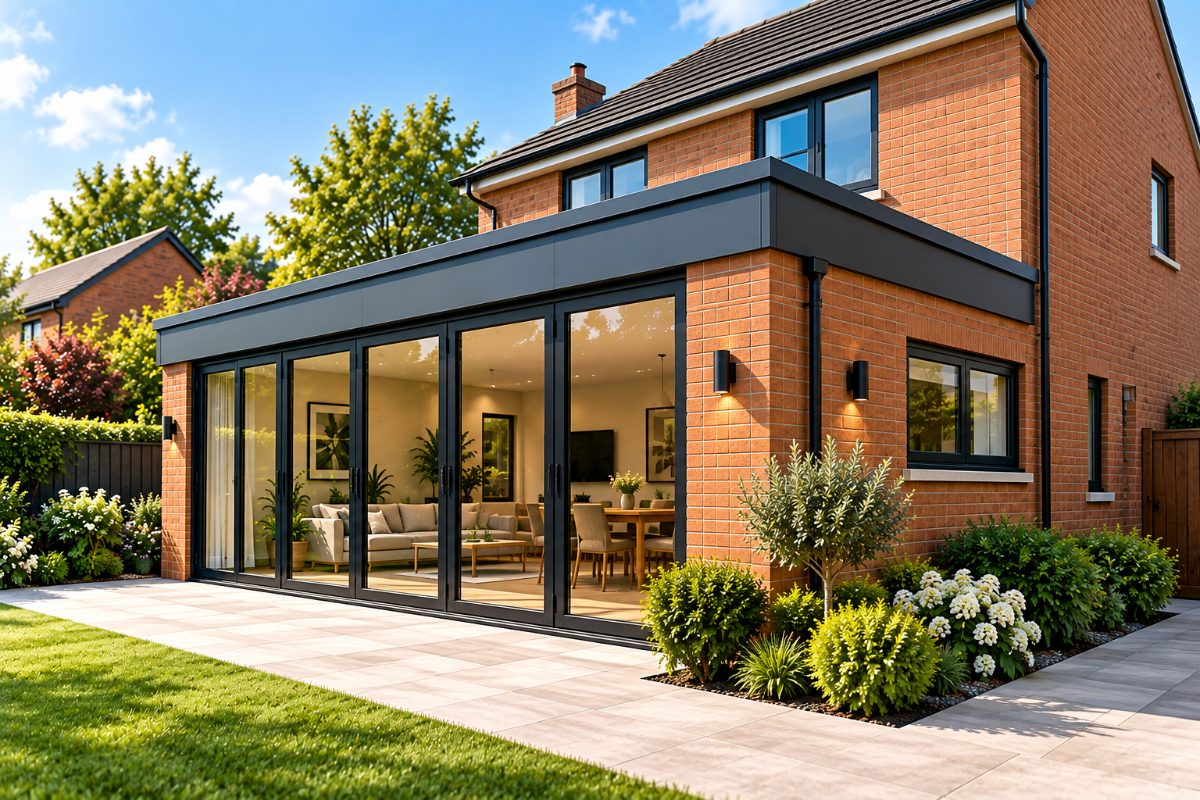
A popular way to create a larger kitchen, dining or family area.
£900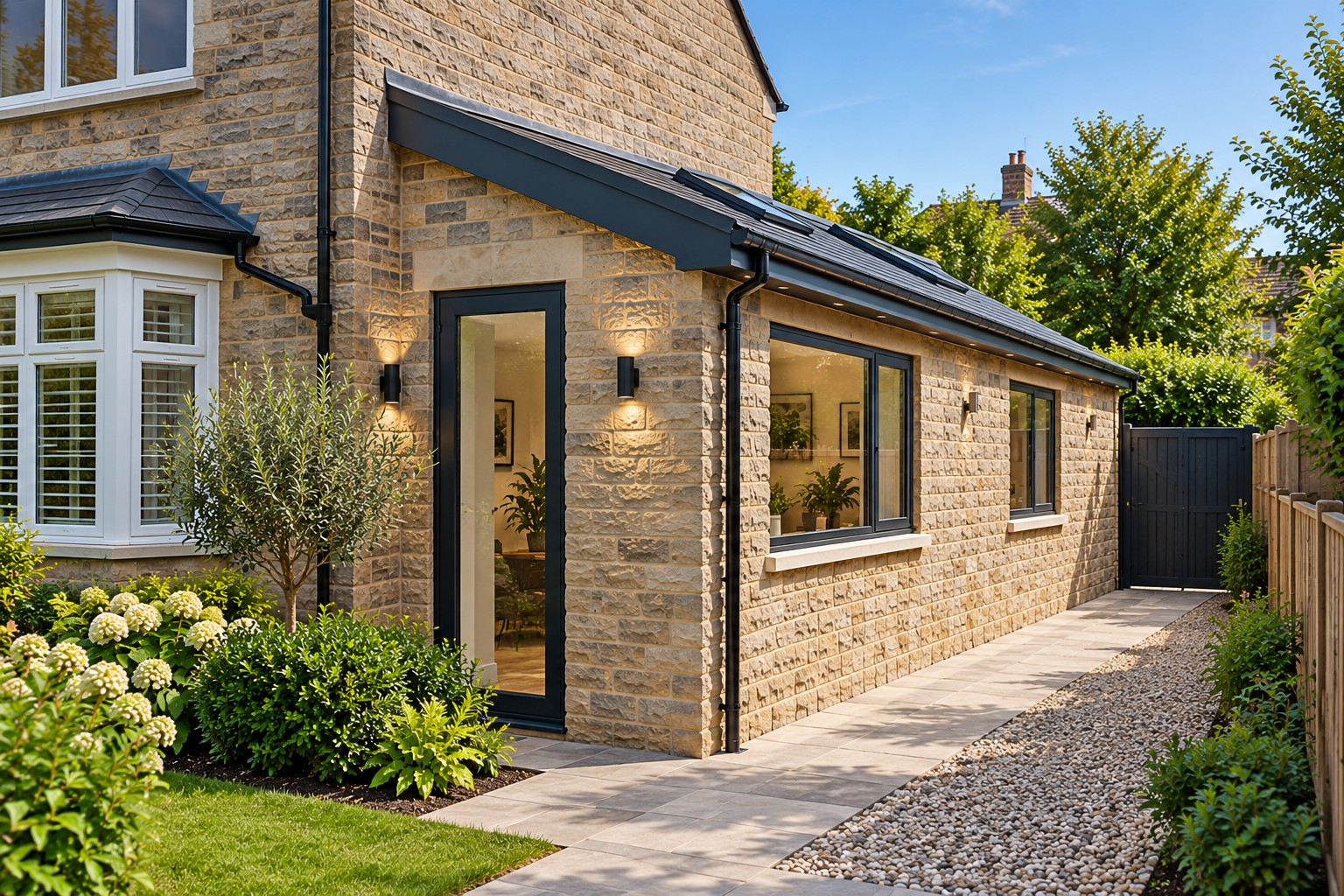
Adds valuable space to the side of your home for a kitchen or utility.
£900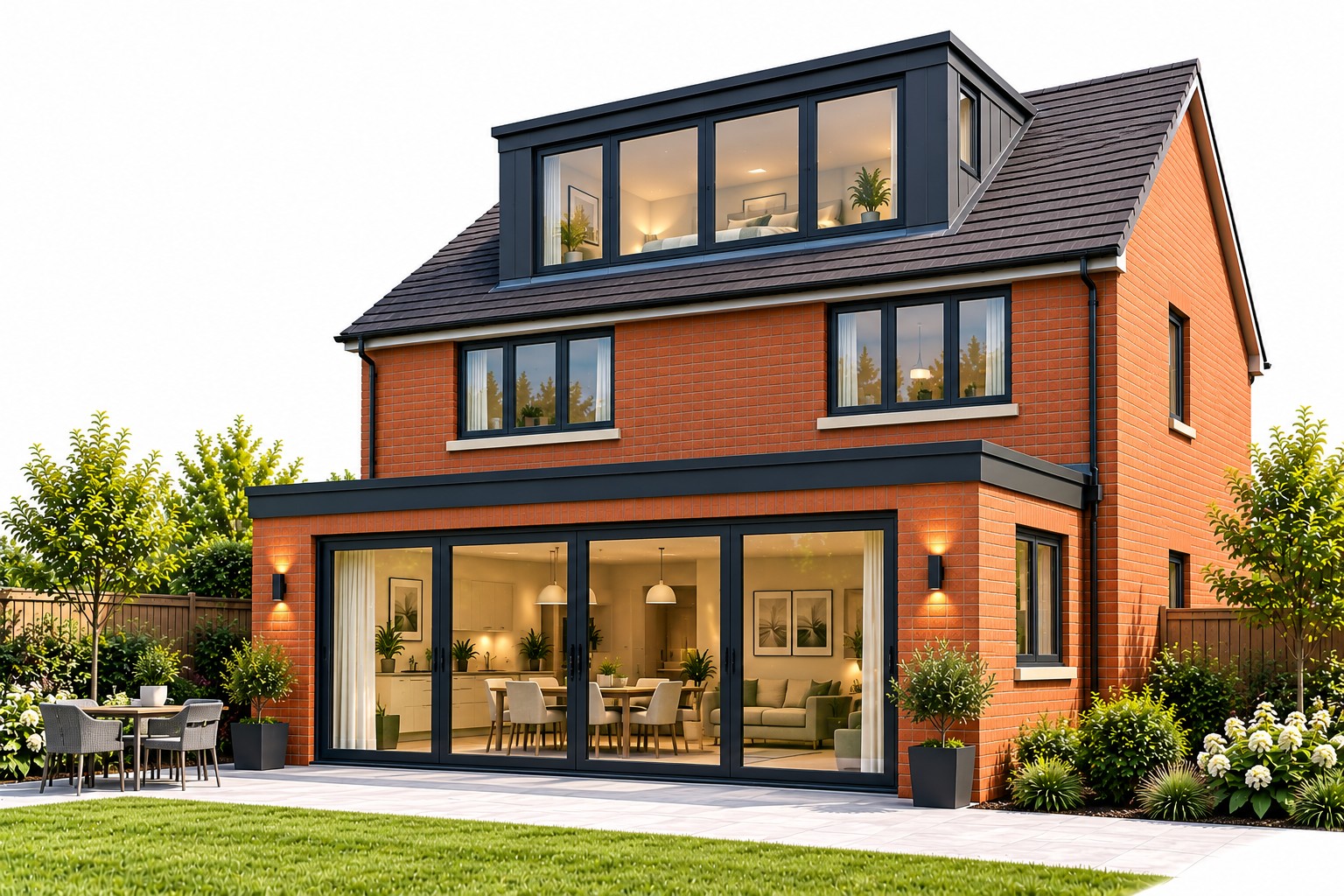
Turns unused loft space into a bedroom, office or additional living area.
£1,500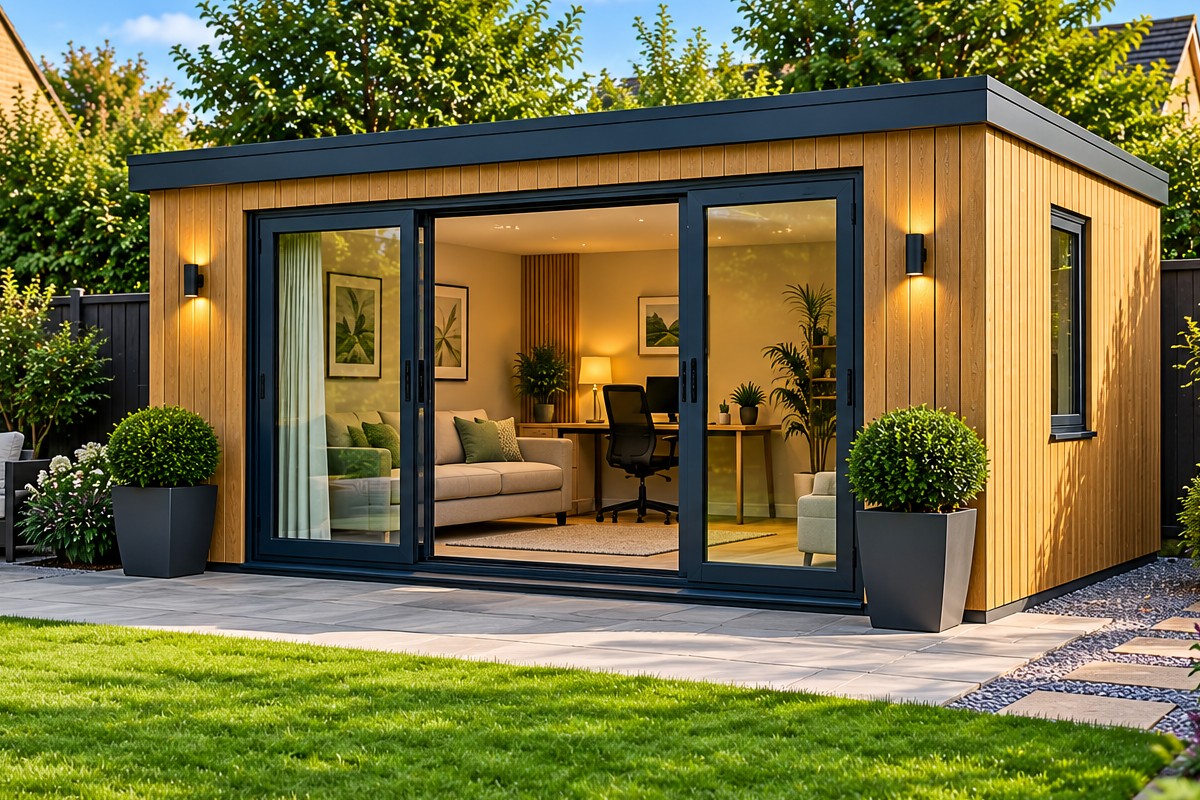
A flexible, detached space for work, leisure or extra living space.
£350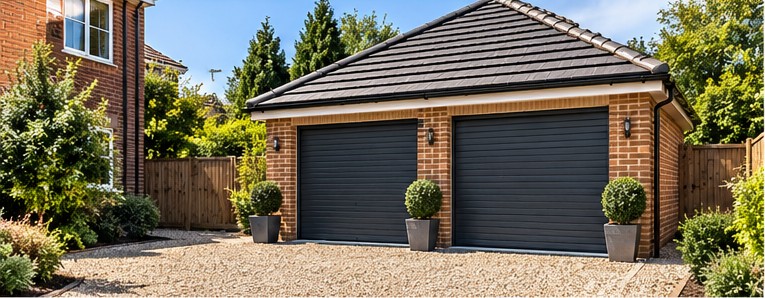
Secure parking or useful storage, single or double.
£350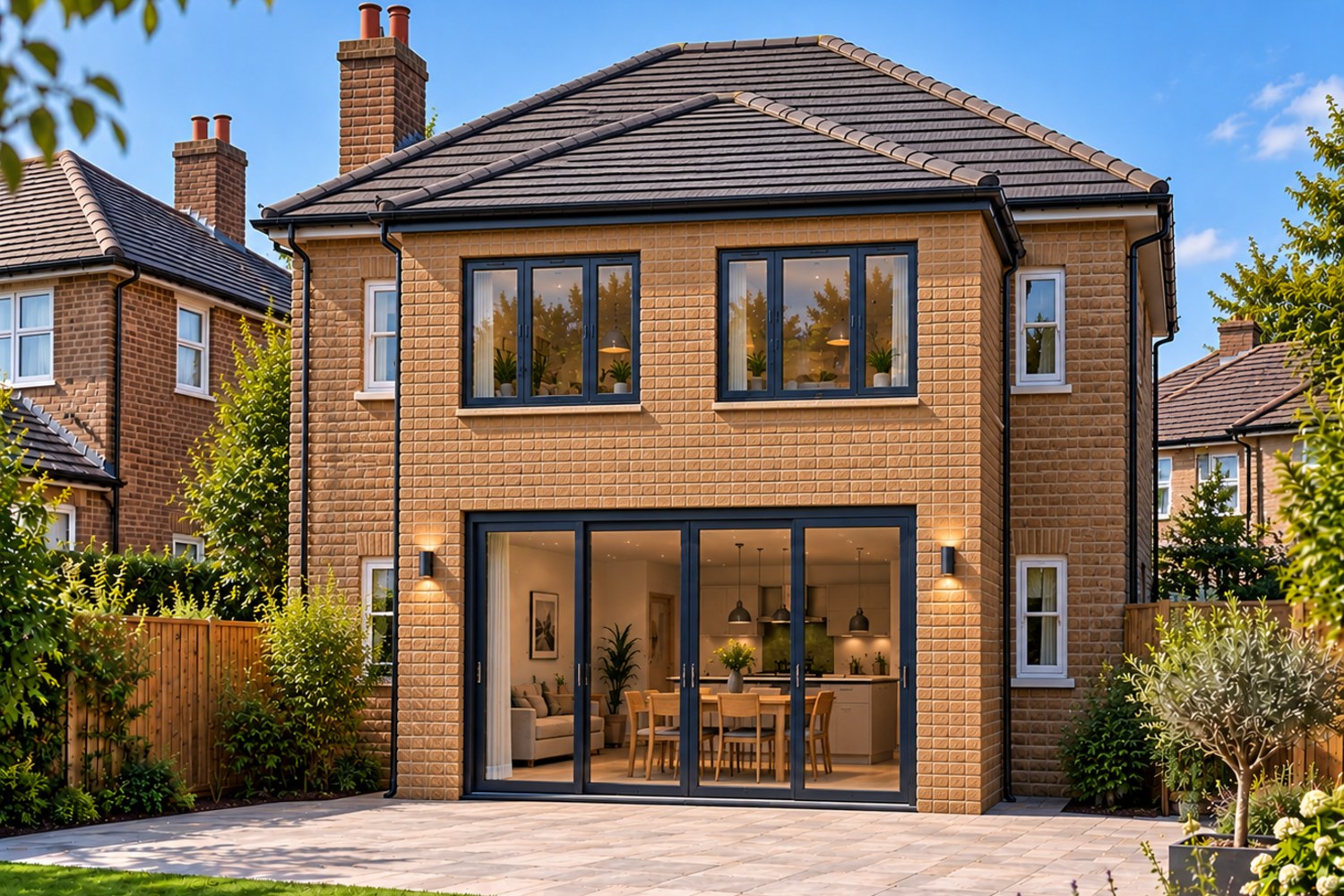
Significantly more living space across both floors.
£1,400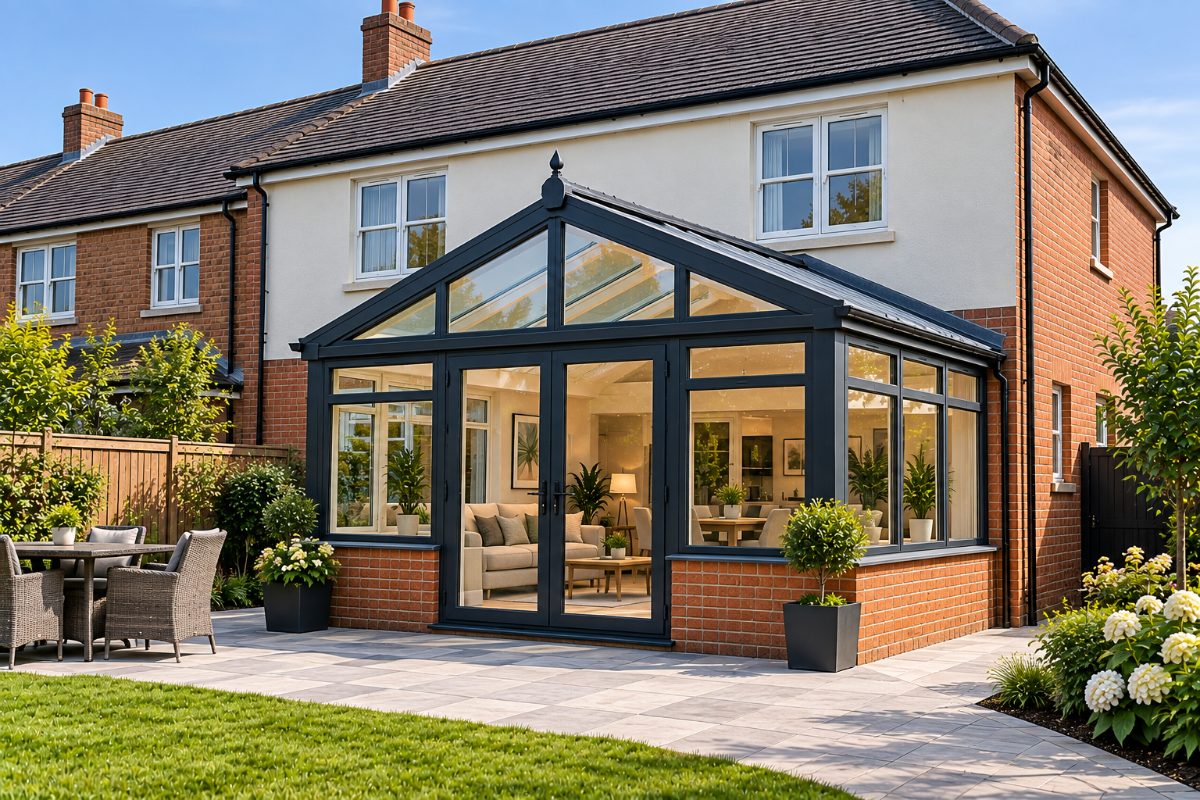
A bright, glazed room connecting your home to the garden.
£900PERMITTED HOMEOWNER GUIDES
Our illustrated, practical guides help you understand the rules, explore design options and budget with confidence — before you commit to building work.
Explore all guidesRules, design options, costs and next steps.
View guideRules, design options, costs and next steps.
View guideRules, design options, costs and next steps.
View guideRules, design options, costs and next steps.
View guideRules, design options, costs and next steps.
View guideRules, design options, costs and next steps.
View guideRules, design options, costs and next steps.
View guideRules, design options, costs and next steps.
View guideWe use cookies that are needed to run the basket and checkout. We would also like to use analytics cookies to understand how the site is used. We only do that if you say yes.

Maximize your property’s footprint with precision and ease. Permitted provides complete design for Permitted Development Rights. Our packages are designed around the Permitted Development limits, so many projects can proceed without a full planning application.
PERMITTED is operated by Yorkshire Property Design Services Limited, registered in England and Wales under company number 12698267.
Registered office: Ground Floor, Techno Centre, Station Road, Horsforth, Leeds, LS18 5BJ
Business contact address: Wira House, Ground Floor, Suite 5, Ring Road, West Park, Leeds, LS16 6EB