


Permitted Development rules





Professional, builder-ready drawing packages for extensions, lofts, porches, garages, garden rooms and more — designed to Permitted Development parameters and supplied as sold.
PERMITTED HOMEOWNER GUIDES
Our illustrated, practical guides help you understand the rules, explore design options and budget with confidence — before you commit to building work.
Explore all guides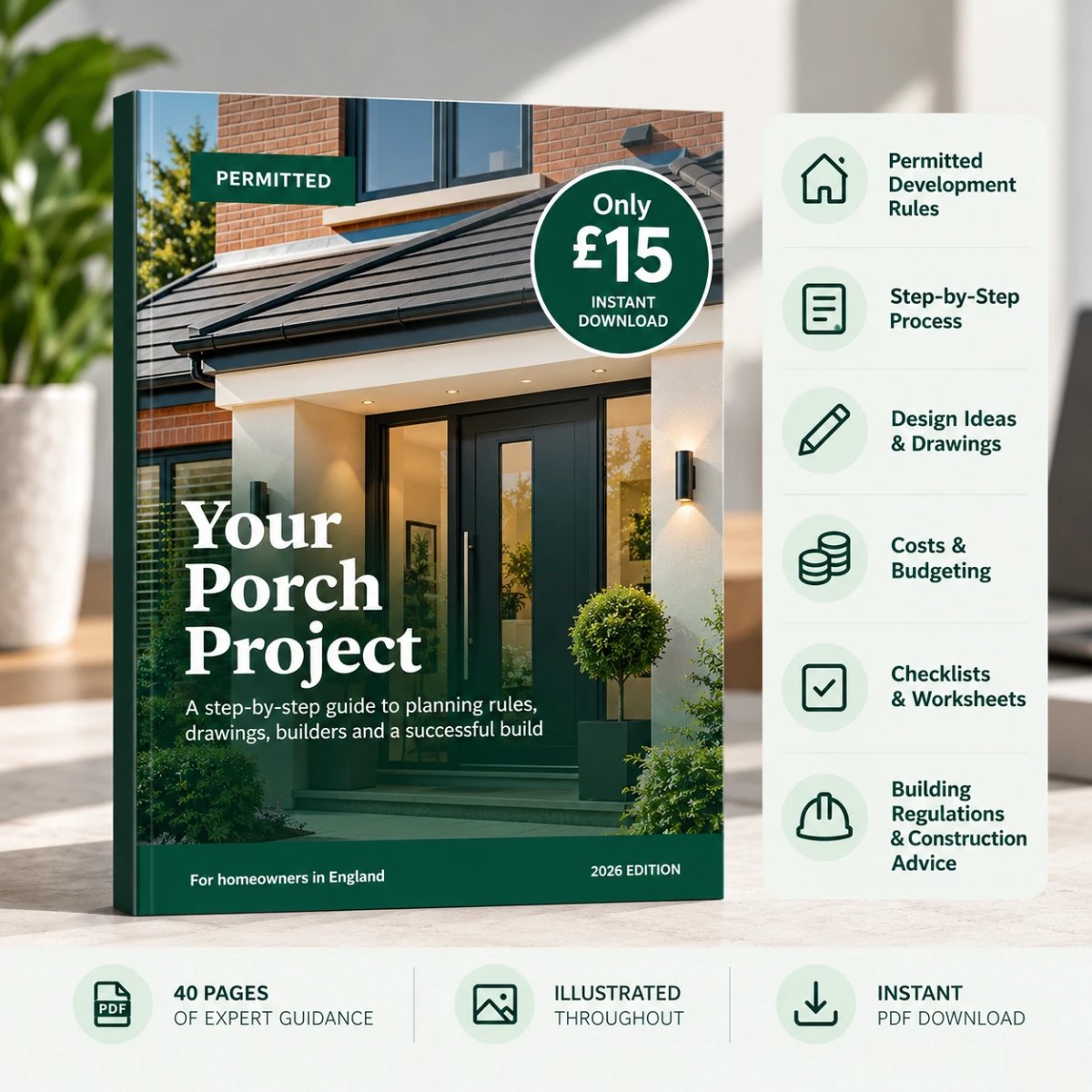
Rules, design options, costs and next steps.
View guide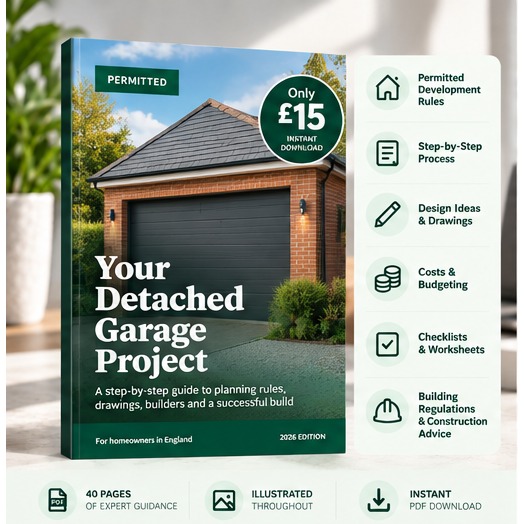
Rules, design options, costs and next steps.
View guide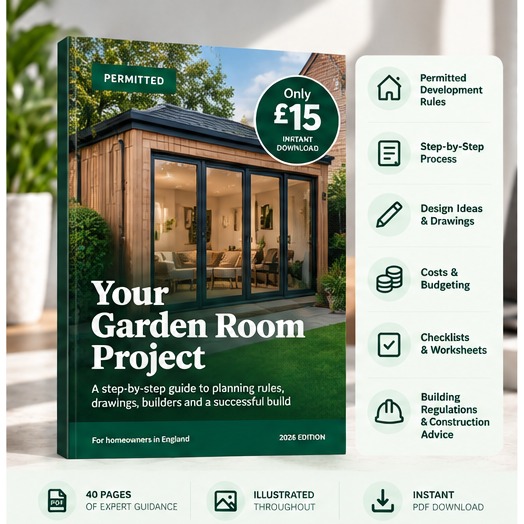
Rules, design options, costs and next steps.
View guide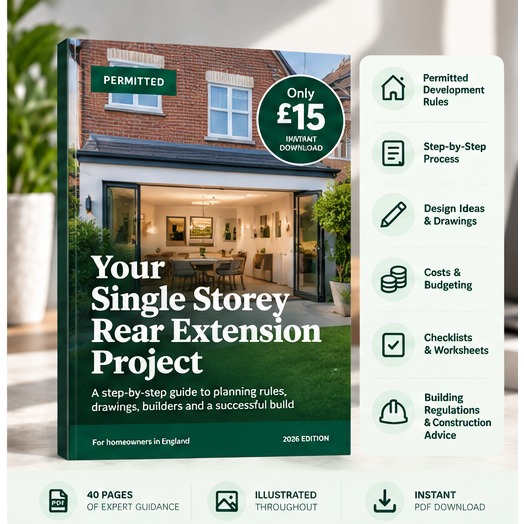
Rules, design options, costs and next steps.
View guide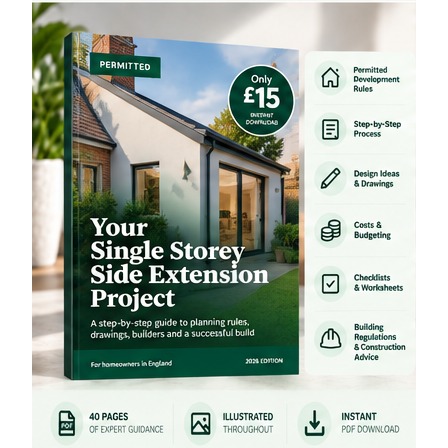
Rules, design options, costs and next steps.
View guide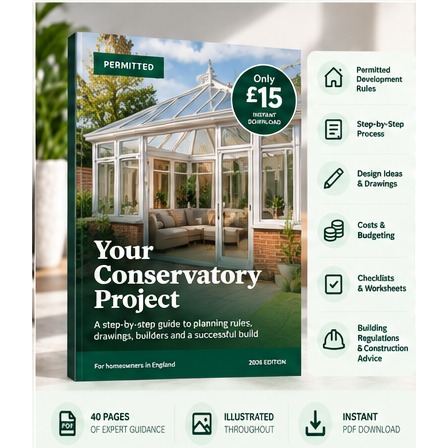
Rules, design options, costs and next steps.
View guide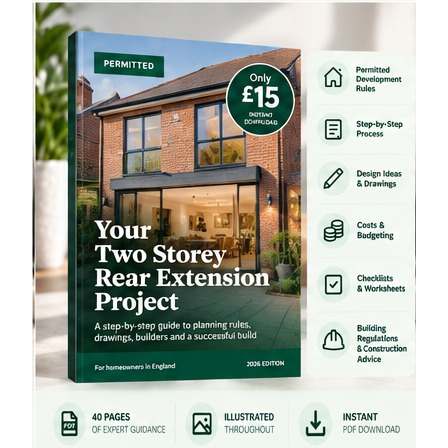
Rules, design options, costs and next steps.
View guide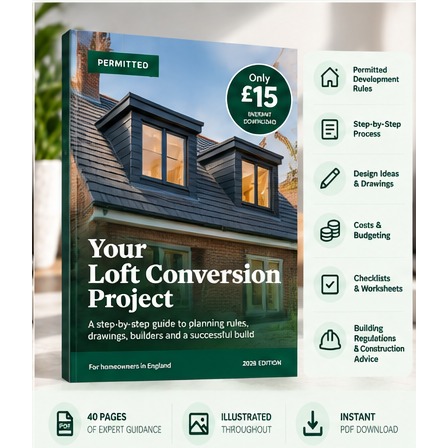
Rules, design options, costs and next steps.
View guideThe distinction between a self-contained annexe and ancillary accommodation determines whether you need planning permission. Here is how councils draw the line.
A self-contained annexe capable of independent occupation is a new dwelling and needs planning permission. Ancillary accommodation that remains subsidiary to the main house may be permitted development as an outbuilding.
This is the most important planning distinction for anyone considering building or converting a structure into accommodation for a family member. Getting it wrong can result in enforcement action, expensive retrospective applications, or problems when selling the property.
A self-contained annexe is a building or space that has all the facilities needed to function as an independent home:
Self-contained annexes are, in planning law, new dwellings. They require planning permission under the C3 use class regardless of their size, their occupant, or how they are built. Planning permission for a new dwelling considers matters such as the impact on the local area, infrastructure, and housing land supply.
Ancillary accommodation is space that is subsidiary to and used in connection with the main dwelling. It cannot be occupied independently — its use depends on the main house. Examples include:
Ancillary accommodation does not require planning permission as it falls within Part 1 Class E permitted development rights for outbuildings (subject to the relevant size and location conditions).
Councils do not take your word for it when you describe a building as “ancillary.” They assess the planning position based on objective physical and use characteristics:
| Factor | Suggests self-contained dwelling | Suggests ancillary |
|---|---|---|
| Kitchen | Full cooking facilities | None or tea point only |
| Bathroom | Own full bathroom | Shared or none |
| Entrance | Separate external door | Through main house or garden only |
| Postal address | Could be separately addressed | Part of main house address |
| Council tax | Separately assessed | Part of main property |
| Pattern of use | Occupied independently | Used by household members |
Physical connectivity between the annexe and the main house is relevant but not determinative. A building connected to the main house by an internal door is more likely to be treated as ancillary than a fully detached structure with its own external entrance. However, even a connected building can be self-contained if it has its own facilities and the door between them is consistently locked.
External appearance also plays a role. A building that looks like a small house — with windows, a door, a letterbox and visible household activity — is more likely to be treated as a separate dwelling than a garden shed or studio.
Separate utility connections — particularly a separate electricity meter or registered gas supply — suggest independent occupation. Councils sometimes use council tax records to identify separate dwellings. If the annexe has been separately assessed for council tax (even for a council tax discount), this is evidence that it constitutes a separate dwelling.
If there is any ambiguity about whether an existing or proposed annexe is self-contained or ancillary, the safest step is to apply for a Lawful Development Certificate (LDC) from the local planning authority. An LDC:
If the LPA decides that the building is a separate dwelling requiring permission, an LDC application will be refused — but a refusal is not an enforcement notice. You can then decide whether to apply for planning permission or to modify the building to remove self-contained facilities.
This kind of project usually needs planning permission rather than permitted development. PERMITTED is part of YPDS Architectural Services, a Leeds architectural design practice that designs, prepares and manages planning applications.
Planning a project? Browse our permitted development drawing sets — fixed price, supplied exactly as sold and emailed to you as a PDF.
Each one is already drawn. You choose the material, roof and options we actually draw, and that is the package you receive.
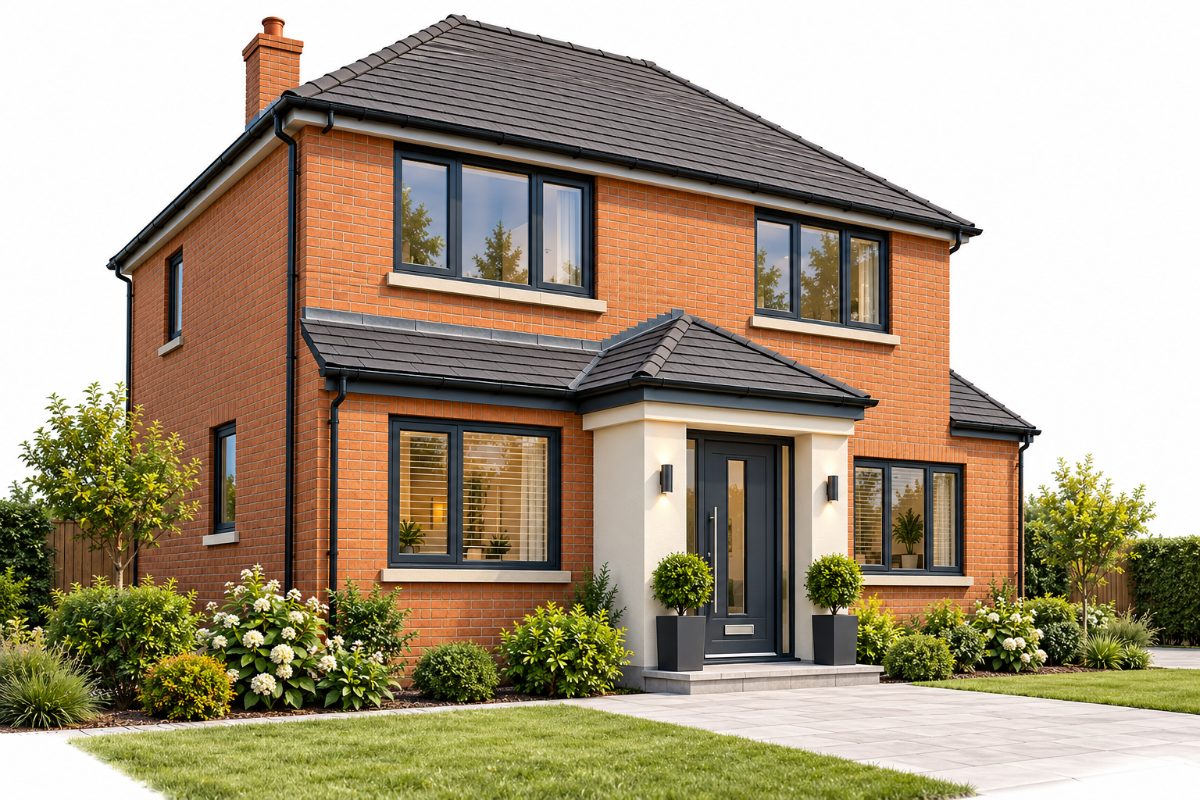
A practical entrance area that adds space and improves the look of your home.
£350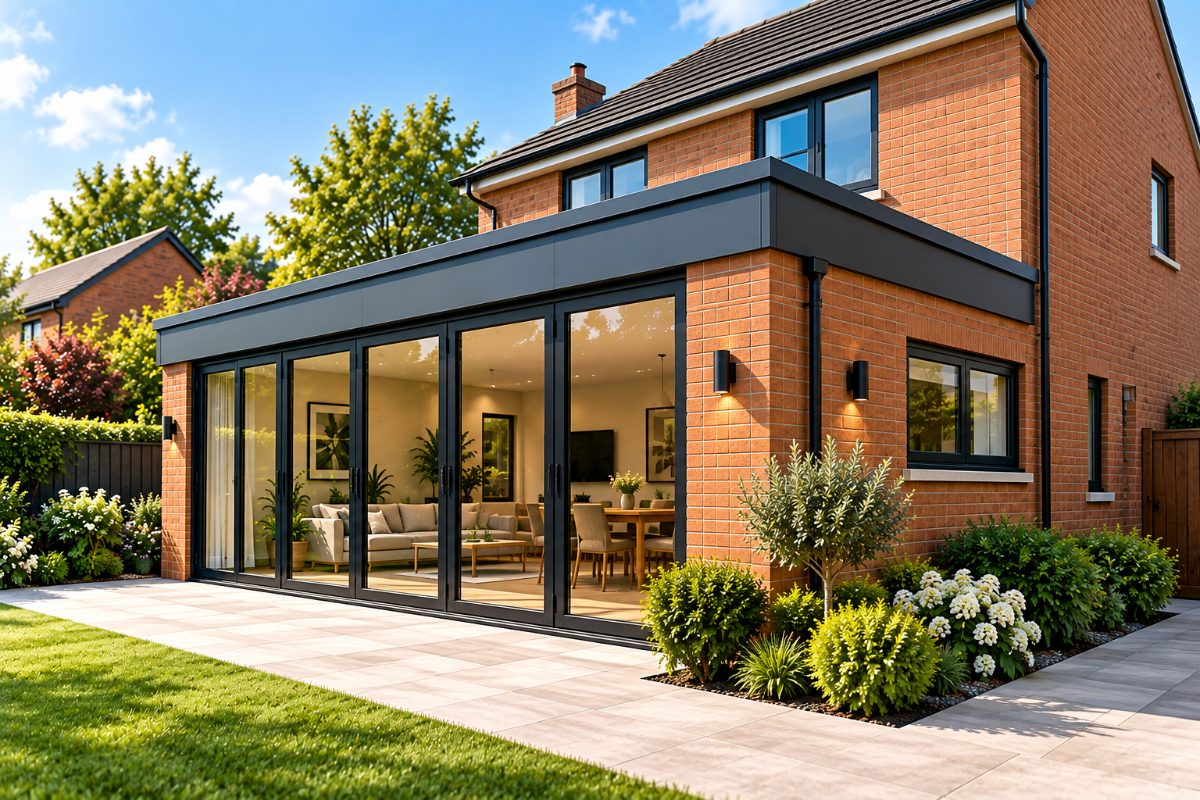
A popular way to create a larger kitchen, dining or family area.
£900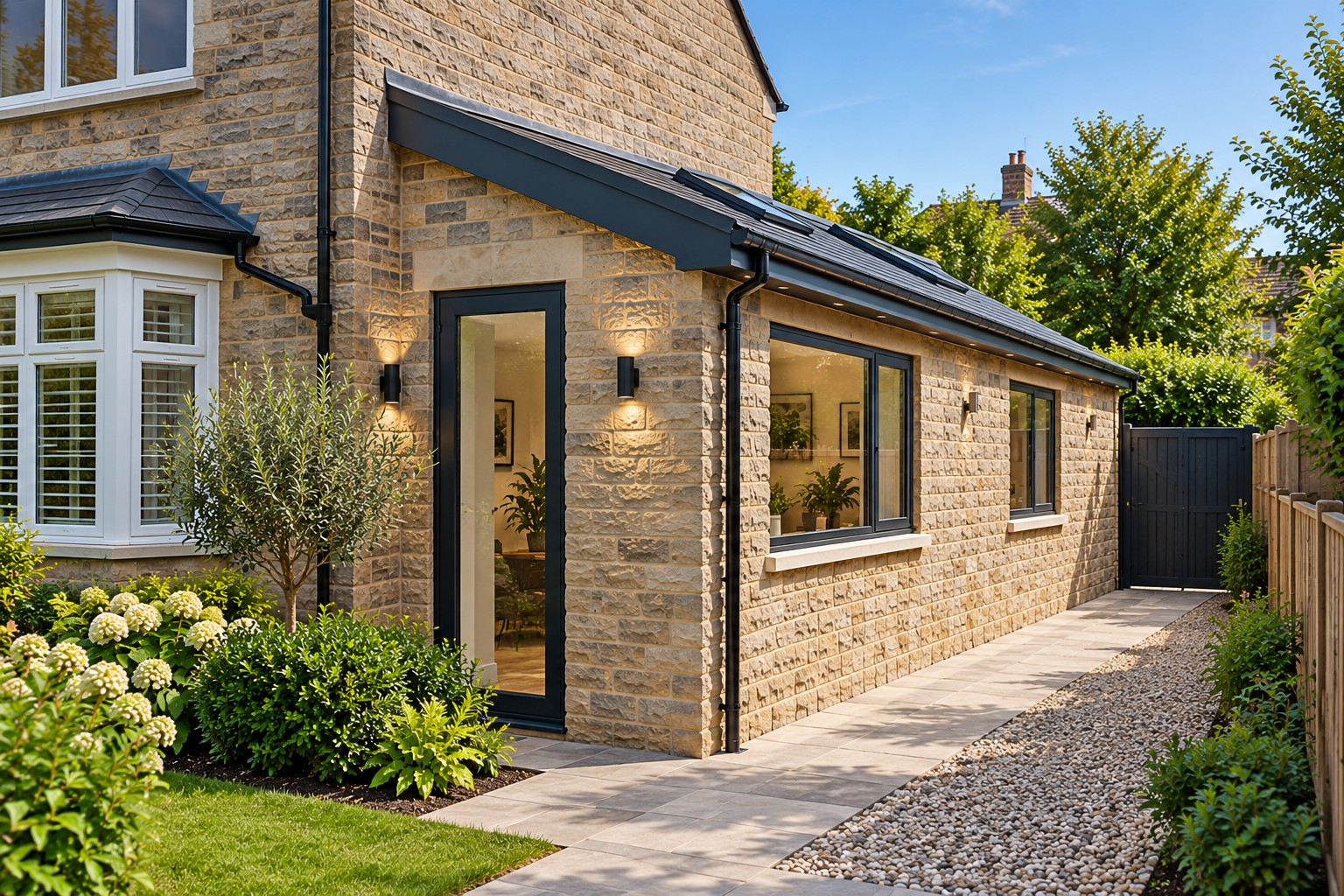
Adds valuable space to the side of your home for a kitchen or utility.
£900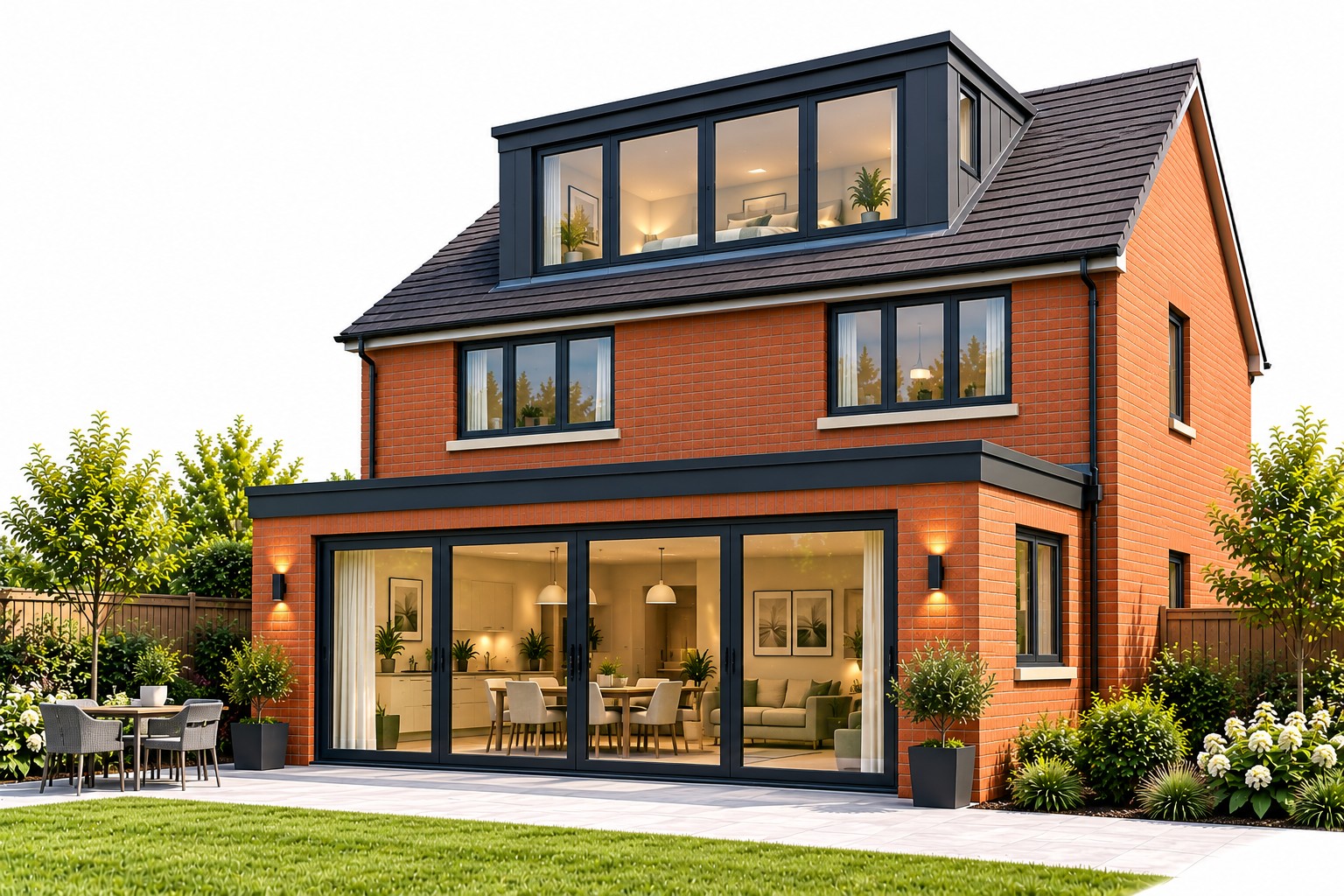
Turns unused loft space into a bedroom, office or additional living area.
£1,500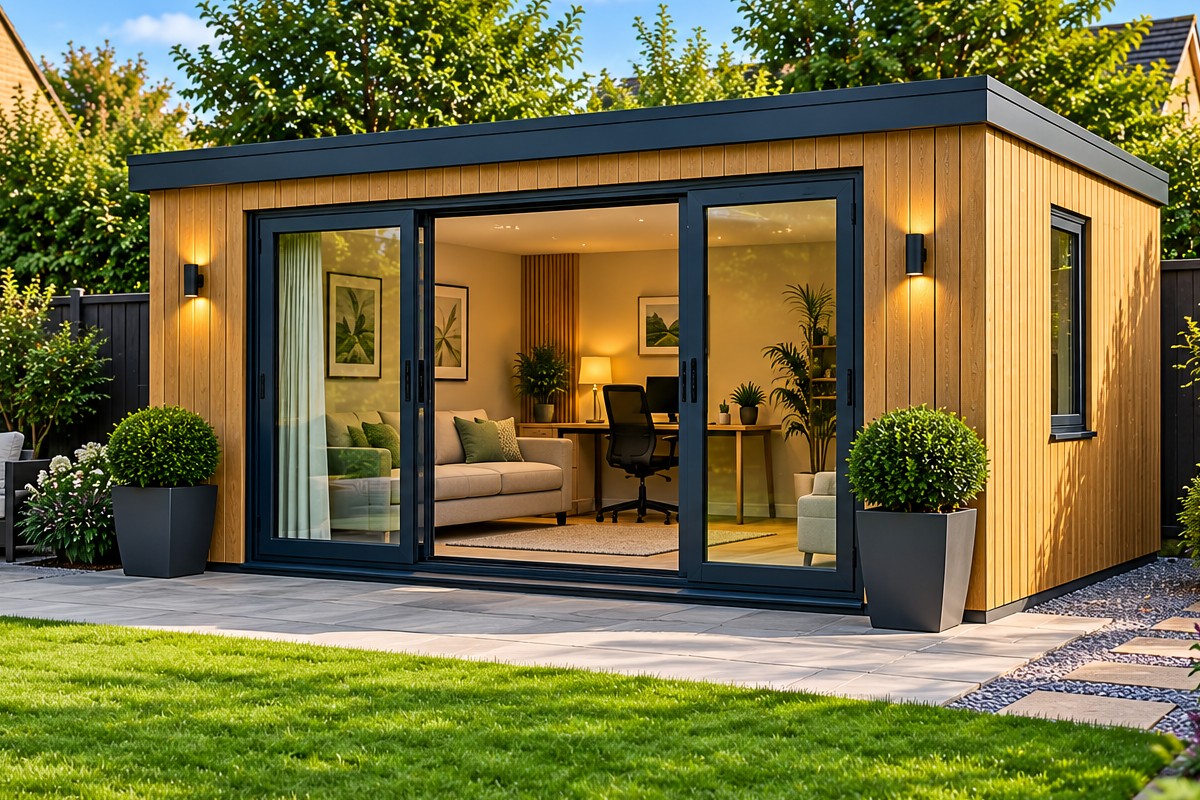
A flexible, detached space for work, leisure or extra living space.
£350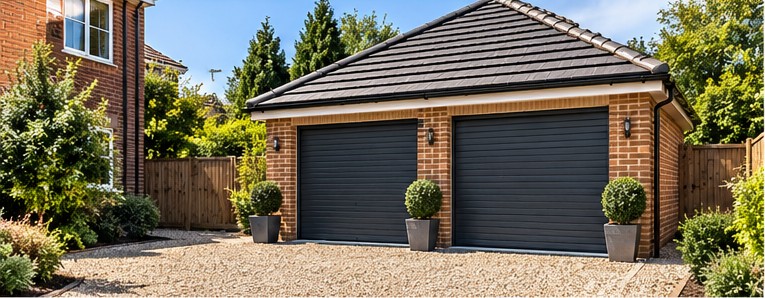
Secure parking or useful storage, single or double.
£350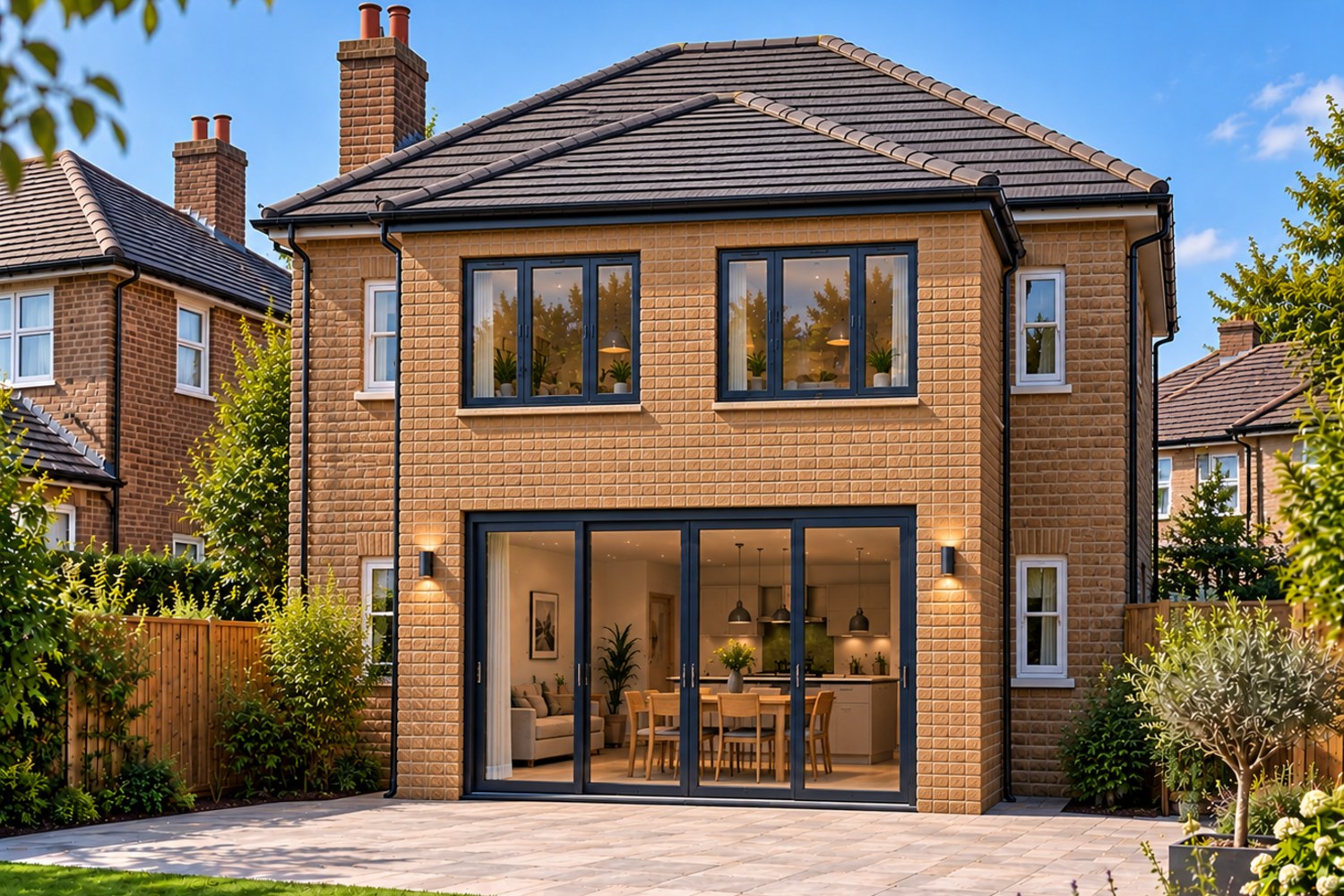
Significantly more living space across both floors.
£1,400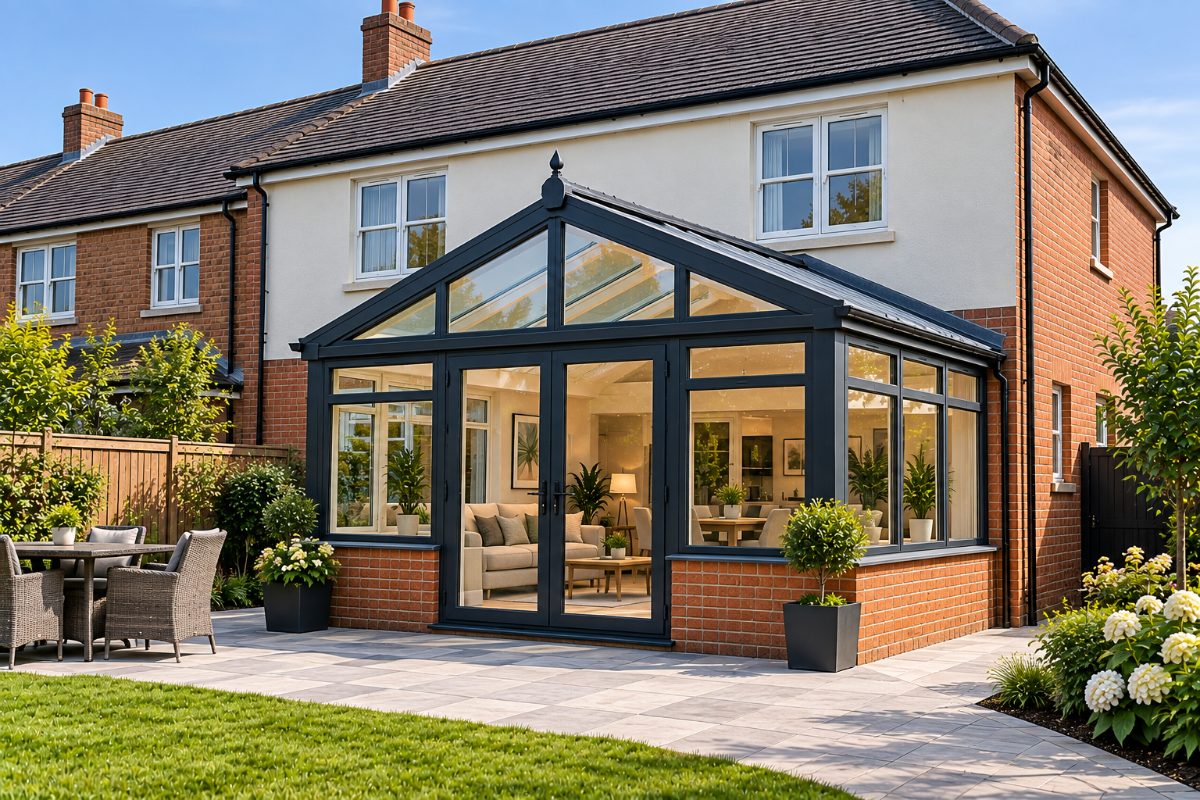
A bright, glazed room connecting your home to the garden.
£900PERMITTED HOMEOWNER GUIDES
Our illustrated, practical guides help you understand the rules, explore design options and budget with confidence — before you commit to building work.
Explore all guidesRules, design options, costs and next steps.
View guideRules, design options, costs and next steps.
View guideRules, design options, costs and next steps.
View guideRules, design options, costs and next steps.
View guideRules, design options, costs and next steps.
View guideRules, design options, costs and next steps.
View guideRules, design options, costs and next steps.
View guideRules, design options, costs and next steps.
View guideWe use cookies that are needed to run the basket and checkout. We would also like to use analytics cookies to understand how the site is used. We only do that if you say yes.

Maximize your property’s footprint with precision and ease. Permitted provides complete design for Permitted Development Rights. Our packages are designed around the Permitted Development limits, so many projects can proceed without a full planning application.
PERMITTED is operated by Yorkshire Property Design Services Limited, registered in England and Wales under company number 12698267.
Registered office: Ground Floor, Techno Centre, Station Road, Horsforth, Leeds, LS18 5BJ
Business contact address: Wira House, Ground Floor, Suite 5, Ring Road, West Park, Leeds, LS16 6EB