


Permitted Development rules





Professional, builder-ready drawing packages for extensions, lofts, porches, garages, garden rooms and more — designed to Permitted Development parameters and supplied as sold.
PERMITTED HOMEOWNER GUIDES
Our illustrated, practical guides help you understand the rules, explore design options and budget with confidence — before you commit to building work.
Explore all guides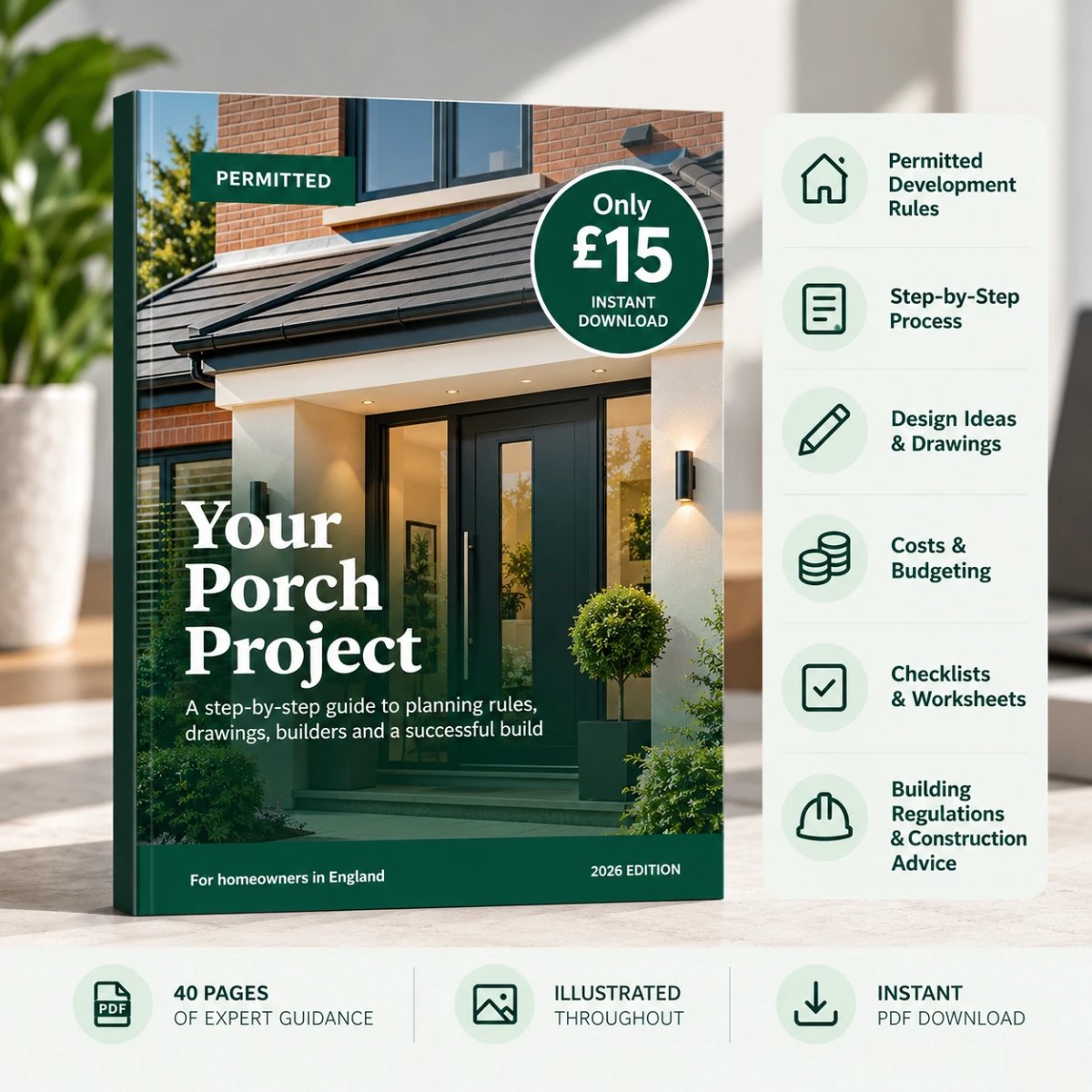
Rules, design options, costs and next steps.
View guide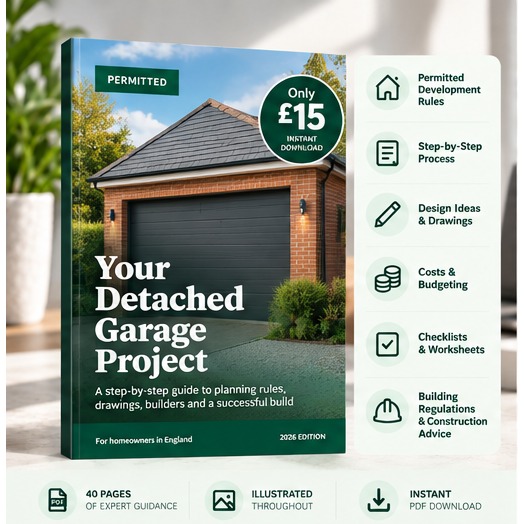
Rules, design options, costs and next steps.
View guide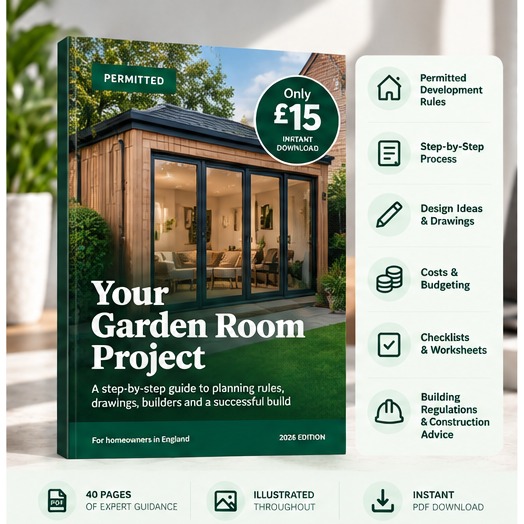
Rules, design options, costs and next steps.
View guide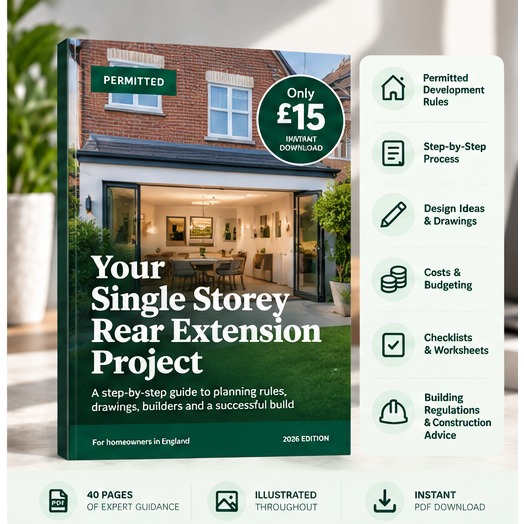
Rules, design options, costs and next steps.
View guide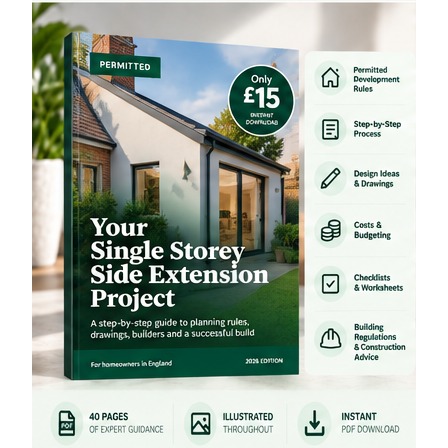
Rules, design options, costs and next steps.
View guide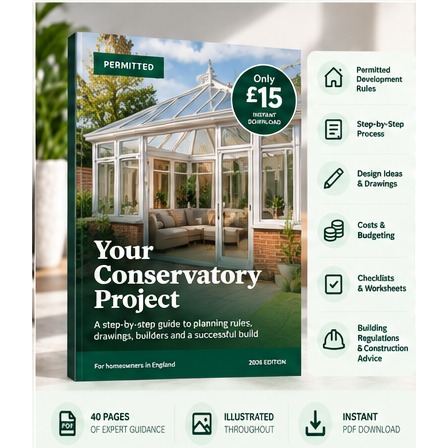
Rules, design options, costs and next steps.
View guide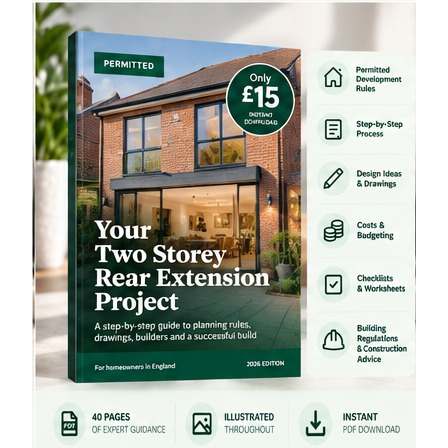
Rules, design options, costs and next steps.
View guide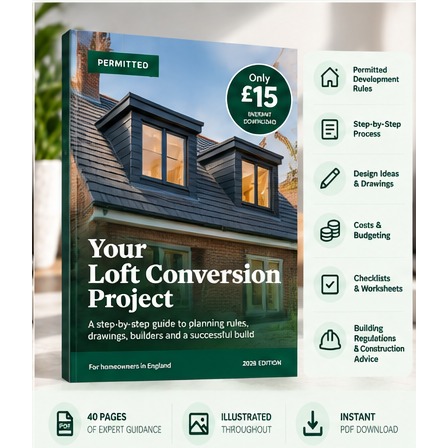
Rules, design options, costs and next steps.
View guideAreas of Outstanding Natural Beauty have restricted permitted development rights compared to ordinary countryside. Side extensions, larger home extensions and some other works require planning permission that would be PD elsewhere.
In Areas of Outstanding Natural Beauty (AONBs) — now being renamed National Landscapes — some permitted development rights that apply elsewhere in England are restricted or removed. The key restrictions are: side extensions require planning permission (not PD); cladding the exterior of a house in stone, artificial stone, pebble dash, render, timber, plastic or tiles requires planning permission; and the larger home extension Prior Approval scheme (allowing extensions up to 8m/6m) does not apply. The standard rear extensions (up to 4m/3m), loft conversions, and outbuildings are still permitted development in AONBs.
An Area of Outstanding Natural Beauty (AONB) is a landscape designation for areas of countryside in England, Wales, and Northern Ireland that have significant landscape value. There are 34 AONBs in England, covering around 18% of the country. Well-known examples include the Cotswolds, the Chilterns, the High Weald, the Surrey Hills, and the Peak District fringes.
In 2023, the Levelling Up and Regeneration Act renamed AONBs to “National Landscapes” — though many areas still use the AONB name and both terms refer to the same designation. National Parks are a separate, stronger designation with their own National Park Authority.
| PD Class | Restriction in AONB |
|---|---|
| Part 1 Class A — Side extensions | Not permitted development in AONBs — planning permission required |
| Part 1 Class A — Cladding | Not permitted development in AONBs — planning permission required for exterior cladding |
| Larger Home Extension (Prior Approval up to 8m/6m) | Does not apply in AONBs — maximum remains 4m (detached) / 3m (other houses) |
| Part 1 Class B — Loft conversions with side dormer | Side-facing dormers require planning permission in AONBs |
| Part 2 Class A — Gates, fences, walls | Same as elsewhere — up to 1m fronting a highway, 2m elsewhere |
Despite the restrictions, the following works remain permitted development in AONBs:
When PD rights don’t apply in an AONB, you need a planning application. Applications within AONBs are assessed with particular regard to the impact on the natural beauty and character of the landscape. The relevant policy test is in the NPPF: great weight should be given to conserving and enhancing landscape and scenic beauty in AONBs, and development that would have an adverse effect on the designated area should be refused.
In practice, planning applications for modest house extensions within AONBs are often approved where the design is sympathetic to the local vernacular — traditional materials, appropriate massing, and a design that doesn’t jar with the character of the area. Councils are more likely to refuse applications that introduce materials or forms inconsistent with the local building traditions.
Ask PERMITTED — quick answers on extensions, lofts, garages and garden rooms. If your project fits the rules, choose a fixed-price drawing package. If it doesn’t, YPDS Architectural Services, our parent practice in Leeds, can advise on planning.
Planning a project? Browse our permitted development drawing sets — fixed price, supplied exactly as sold and emailed to you as a PDF.
Each one is already drawn. You choose the material, roof and options we actually draw, and that is the package you receive.
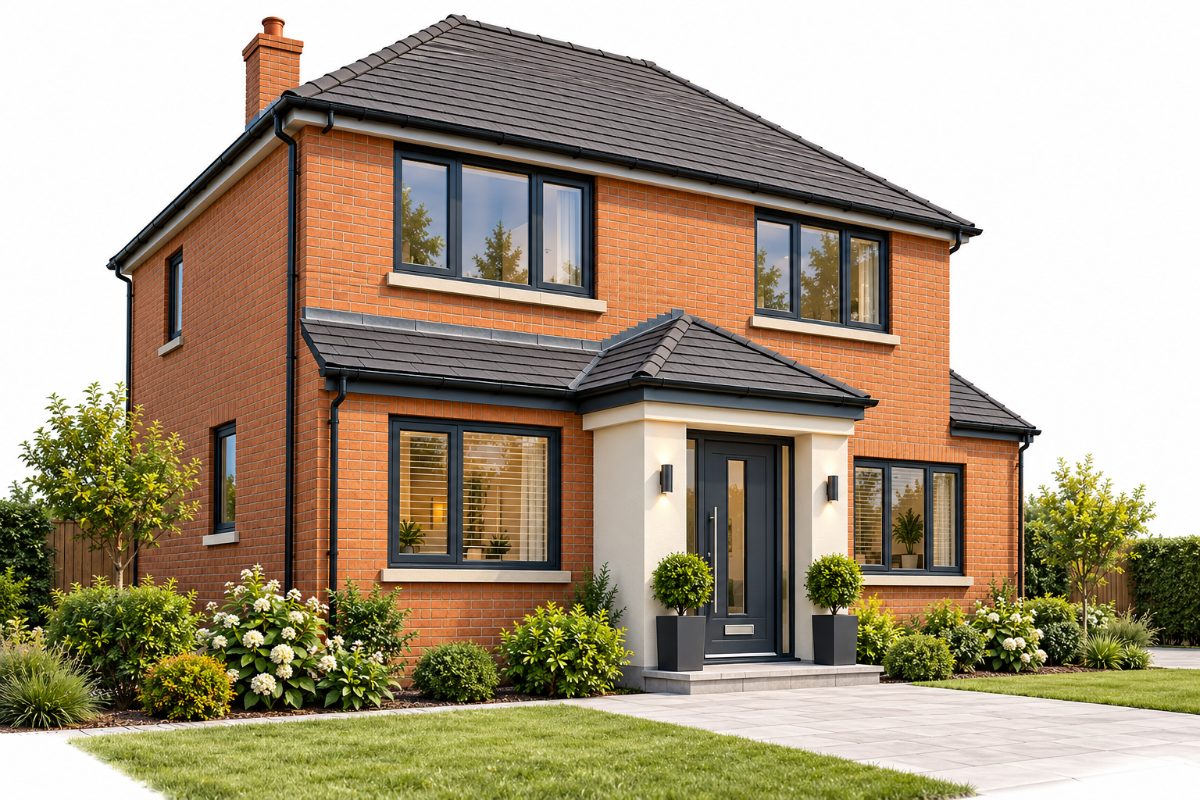
A practical entrance area that adds space and improves the look of your home.
£350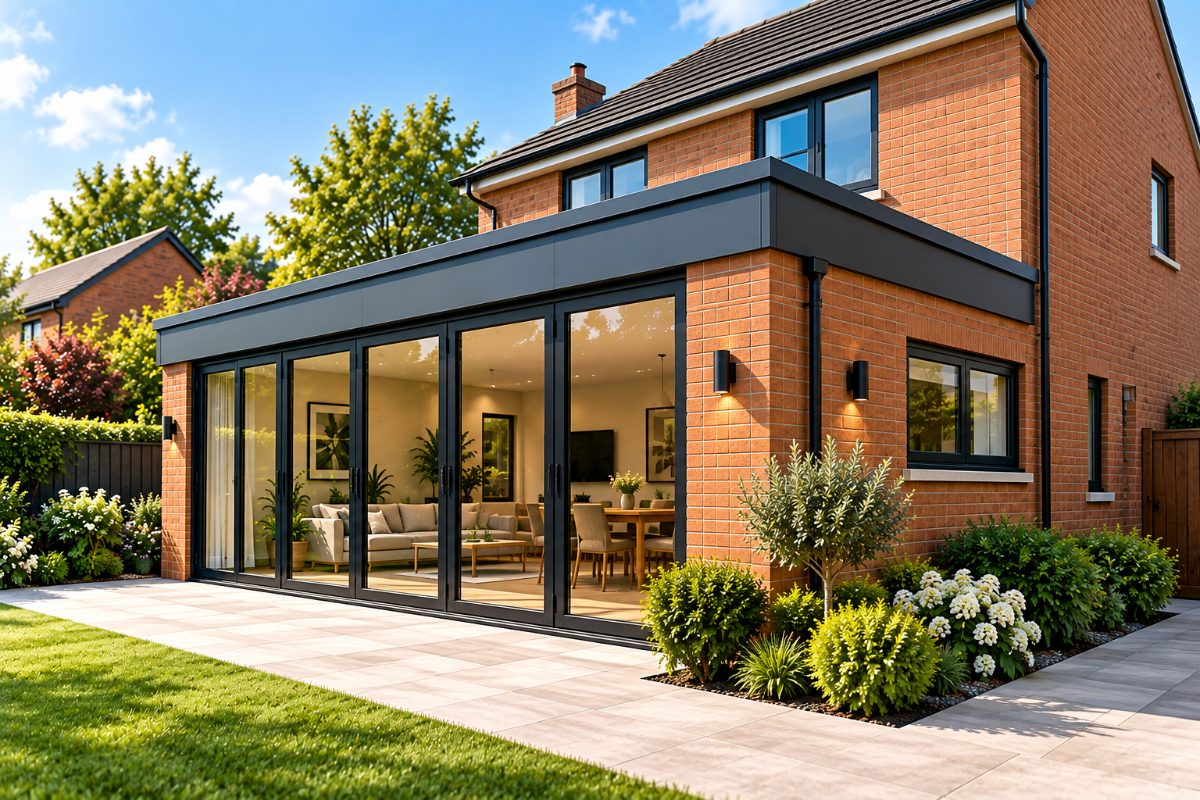
A popular way to create a larger kitchen, dining or family area.
£900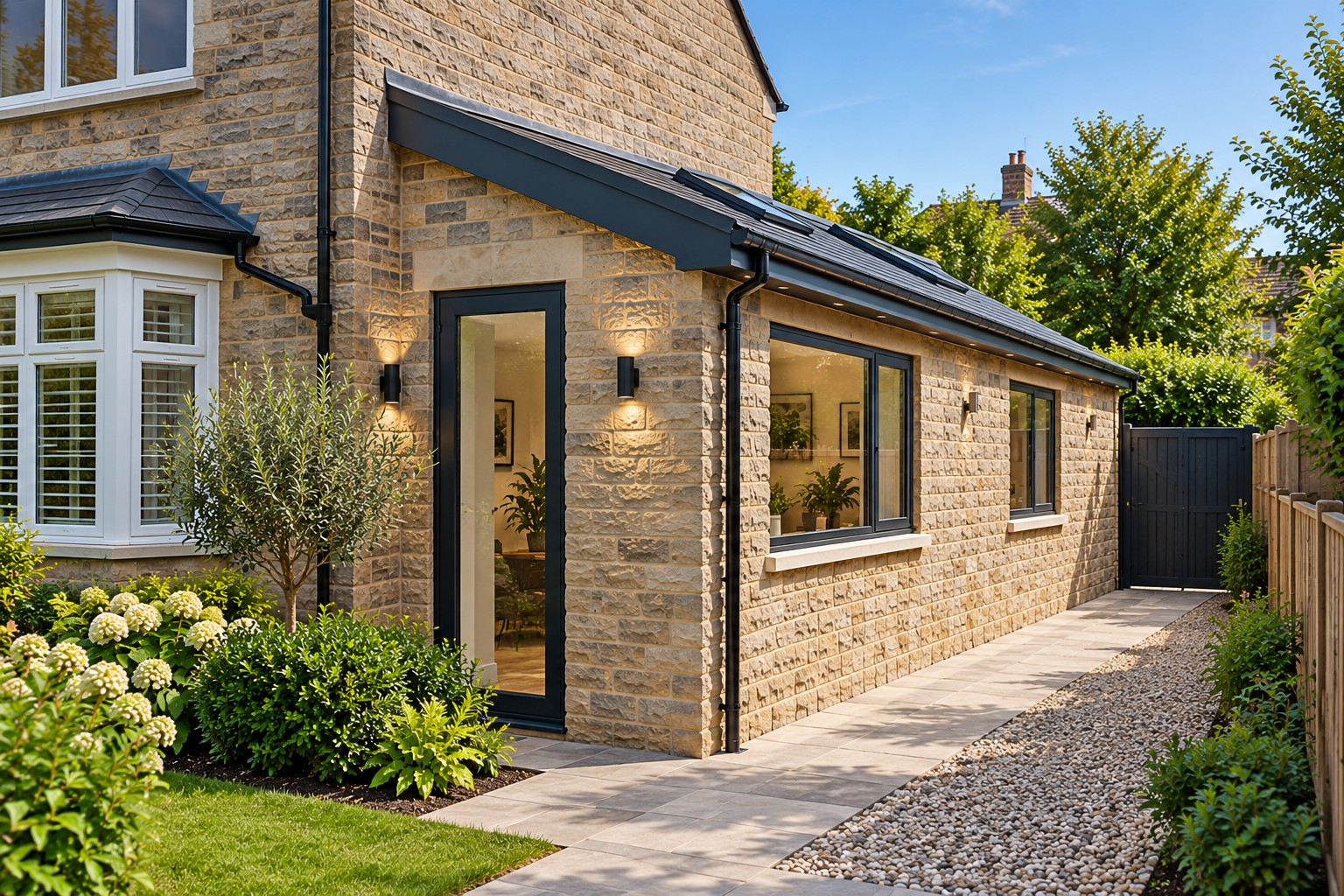
Adds valuable space to the side of your home for a kitchen or utility.
£900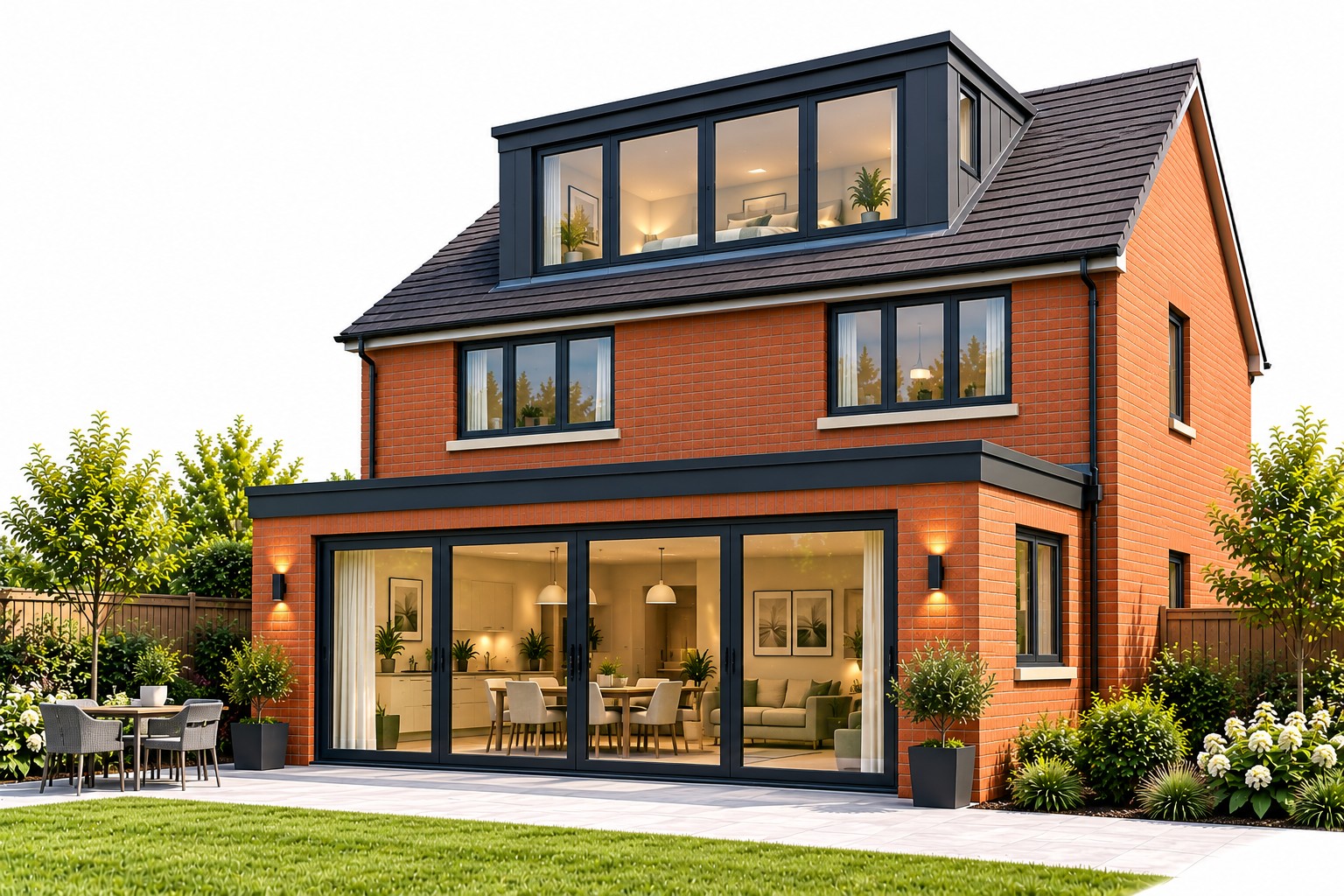
Turns unused loft space into a bedroom, office or additional living area.
£1,500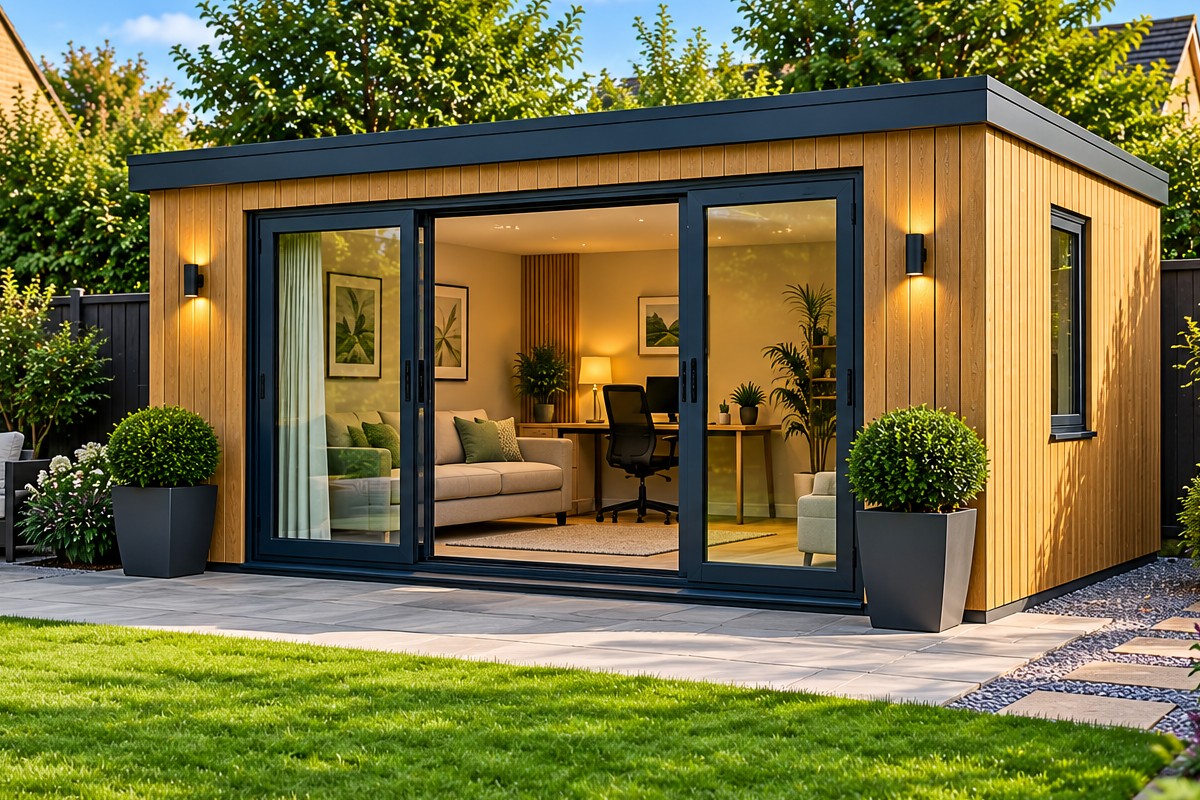
A flexible, detached space for work, leisure or extra living space.
£350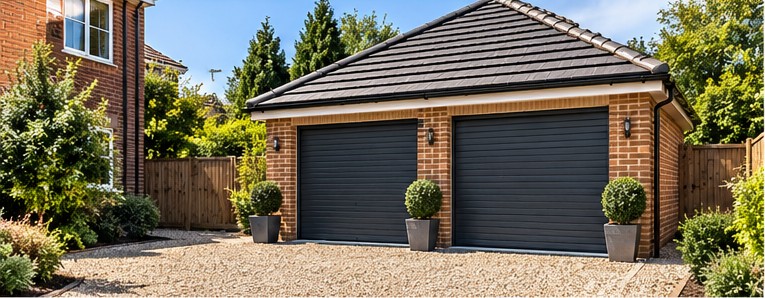
Secure parking or useful storage, single or double.
£350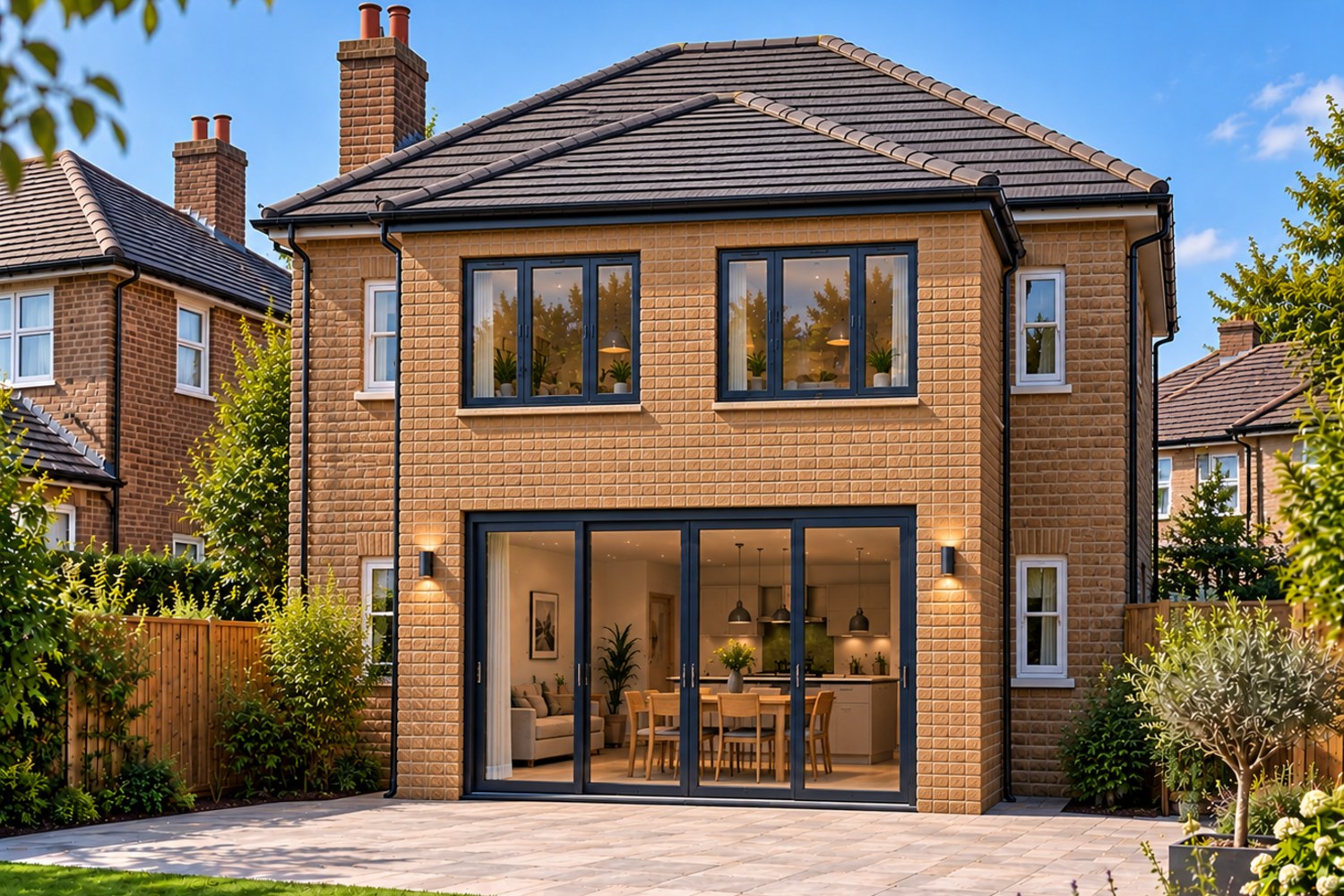
Significantly more living space across both floors.
£1,400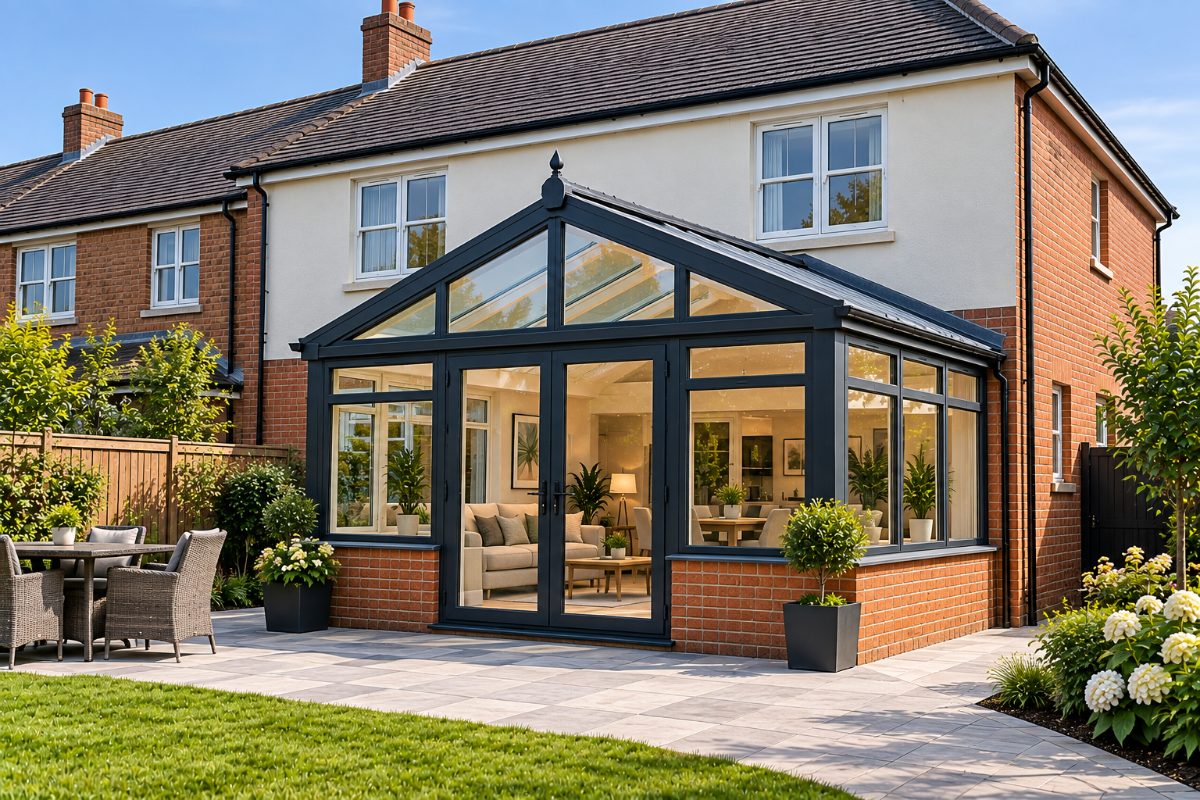
A bright, glazed room connecting your home to the garden.
£900PERMITTED HOMEOWNER GUIDES
Our illustrated, practical guides help you understand the rules, explore design options and budget with confidence — before you commit to building work.
Explore all guidesRules, design options, costs and next steps.
View guideRules, design options, costs and next steps.
View guideRules, design options, costs and next steps.
View guideRules, design options, costs and next steps.
View guideRules, design options, costs and next steps.
View guideRules, design options, costs and next steps.
View guideRules, design options, costs and next steps.
View guideRules, design options, costs and next steps.
View guideWe use cookies that are needed to run the basket and checkout. We would also like to use analytics cookies to understand how the site is used. We only do that if you say yes.

Maximize your property’s footprint with precision and ease. Permitted provides complete design for Permitted Development Rights. Our packages are designed around the Permitted Development limits, so many projects can proceed without a full planning application.
PERMITTED is operated by Yorkshire Property Design Services Limited, registered in England and Wales under company number 12698267.
Registered office: Ground Floor, Techno Centre, Station Road, Horsforth, Leeds, LS18 5BJ
Business contact address: Wira House, Ground Floor, Suite 5, Ring Road, West Park, Leeds, LS16 6EB