


Permitted Development rules





Professional, builder-ready drawing packages for extensions, lofts, porches, garages, garden rooms and more — designed to Permitted Development parameters and supplied as sold.
PERMITTED HOMEOWNER GUIDES
Our illustrated, practical guides help you understand the rules, explore design options and budget with confidence — before you commit to building work.
Explore all guides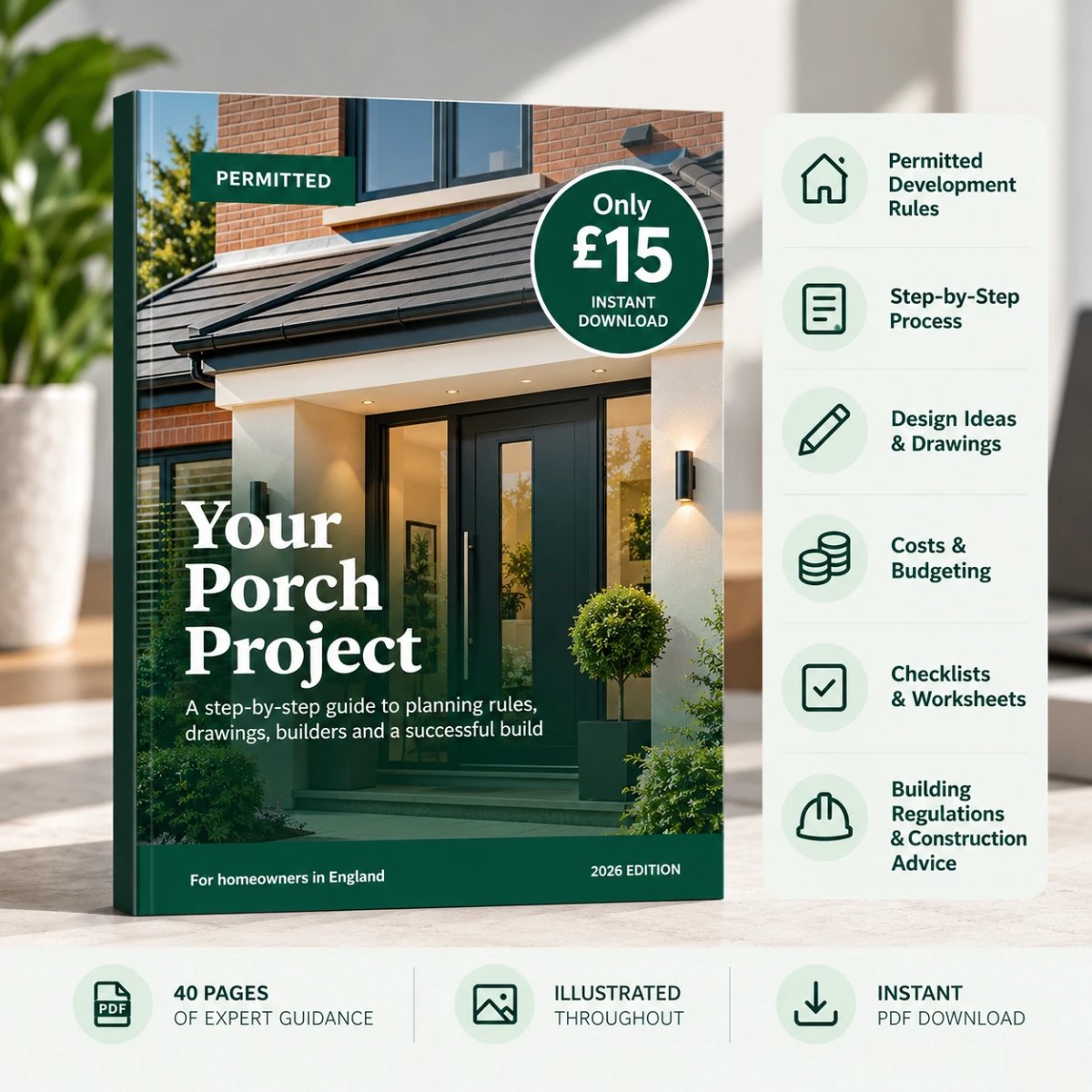
Rules, design options, costs and next steps.
View guide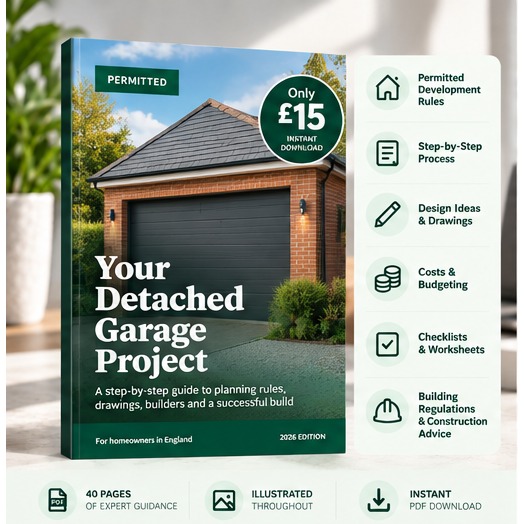
Rules, design options, costs and next steps.
View guide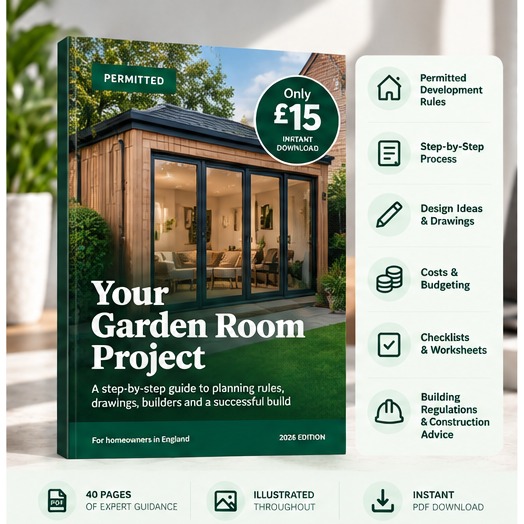
Rules, design options, costs and next steps.
View guide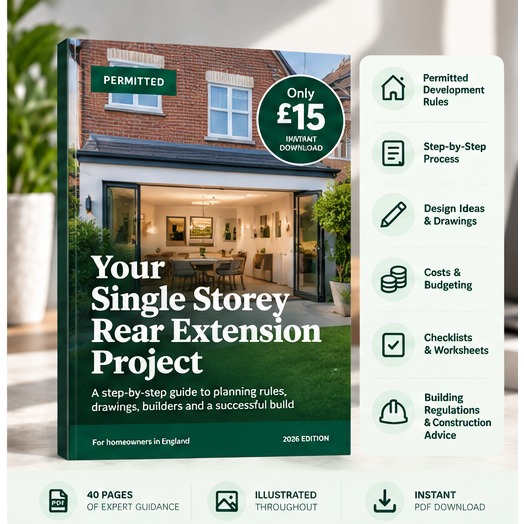
Rules, design options, costs and next steps.
View guide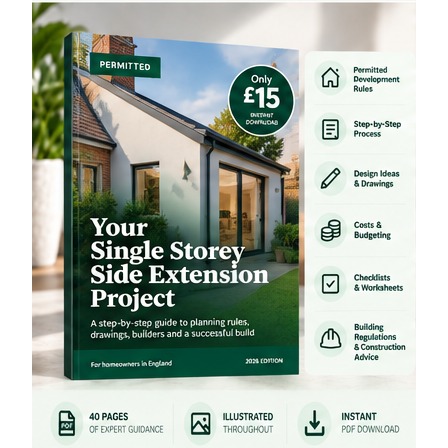
Rules, design options, costs and next steps.
View guide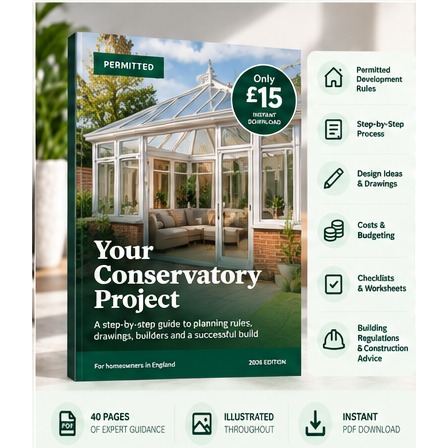
Rules, design options, costs and next steps.
View guide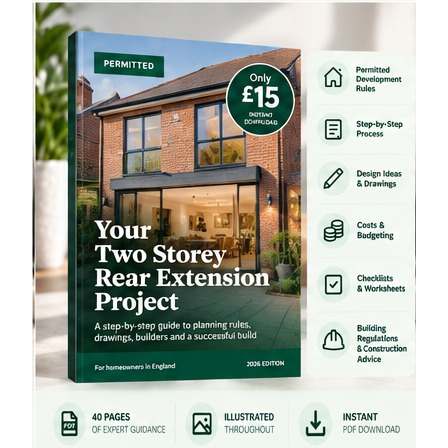
Rules, design options, costs and next steps.
View guide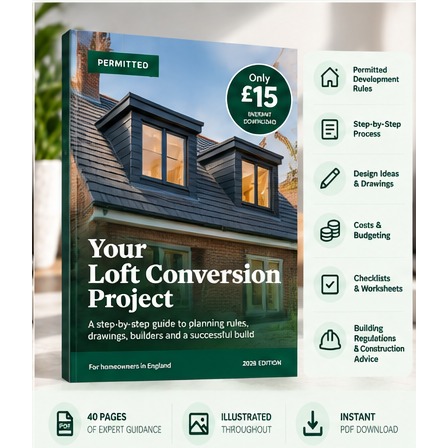
Rules, design options, costs and next steps.
View guideFlat owners have significantly fewer permitted development rights than house owners. Many of the most common PD rights — extensions, outbuildings, loft conversions — don’t apply to flats at all.
The Part 1 permitted development rights (extensions, loft conversions, outbuildings, porches) apply only to “dwellinghouses” — a term that specifically excludes flats, maisonettes, and apartments. Flat owners cannot use these rights. If you want to extend your flat, add an outbuilding, or alter the roof, you need planning permission. Some works that are purely internal (internal layout changes) don’t require planning permission regardless of property type, but any structural alteration or change to the exterior requires consent for a flat.
The main Part 1 and Part 2 permitted development rights that house owners enjoy are all restricted to “dwellinghouses” — a legal term that means a self-contained house used as a single dwelling. Flats, maisonettes, and apartments are specifically excluded from these rights.
| Right | Houses | Flats |
|---|---|---|
| Rear extensions (Part 1 Class A) | Permitted development | Not available — planning needed |
| Side extensions (Part 1 Class A) | Permitted development | Not available — planning needed |
| Loft conversions (Part 1 Class B) | Permitted development | Not available — planning needed |
| Outbuildings and garden offices (Part 1 Class E) | Permitted development | Not available — planning needed |
| Porches (Part 1 Class D) | Permitted development | Not available — planning needed |
| Solar panels (Part 14) | Permitted development | Limited — depends on roof ownership and building type |
| Satellite dishes (Part 16) | Permitted development (with limits) | Very limited — one dish per building |
While flat owners miss out on most PD rights, several things are still possible without planning permission:
If you want to extend your flat, alter the exterior, or add outbuildings, you need to apply for planning permission. Planning applications for flats are assessed like any other application — on their merits against the development plan. Common issues with flat extension applications include: impact on the shared structure, impact on neighbours in the block, the appearance of the building as a whole, and whether the leaseholder has sufficient legal interest to make the application.
Note that planning permission doesn’t override the terms of your lease. Even with planning permission, you’ll still need your freeholder’s consent for works that affect the shared structure or exterior of the building.
Most flats are leasehold, which adds an additional layer of consent requirements. The lease typically restricts alterations to the flat — you usually need the freeholder’s consent (a Licence to Alter) for structural works, changes to the exterior, and sometimes even internal alterations. The freeholder can withhold consent only on reasonable grounds. Undertaking works without the required lease consent can be a breach of lease and may result in forfeiture proceedings in extreme cases.
This kind of project usually needs planning permission rather than permitted development. PERMITTED is part of YPDS Architectural Services, a Leeds architectural design practice that designs, prepares and manages planning applications.
Each one is already drawn. You choose the material, roof and options we actually draw, and that is the package you receive.
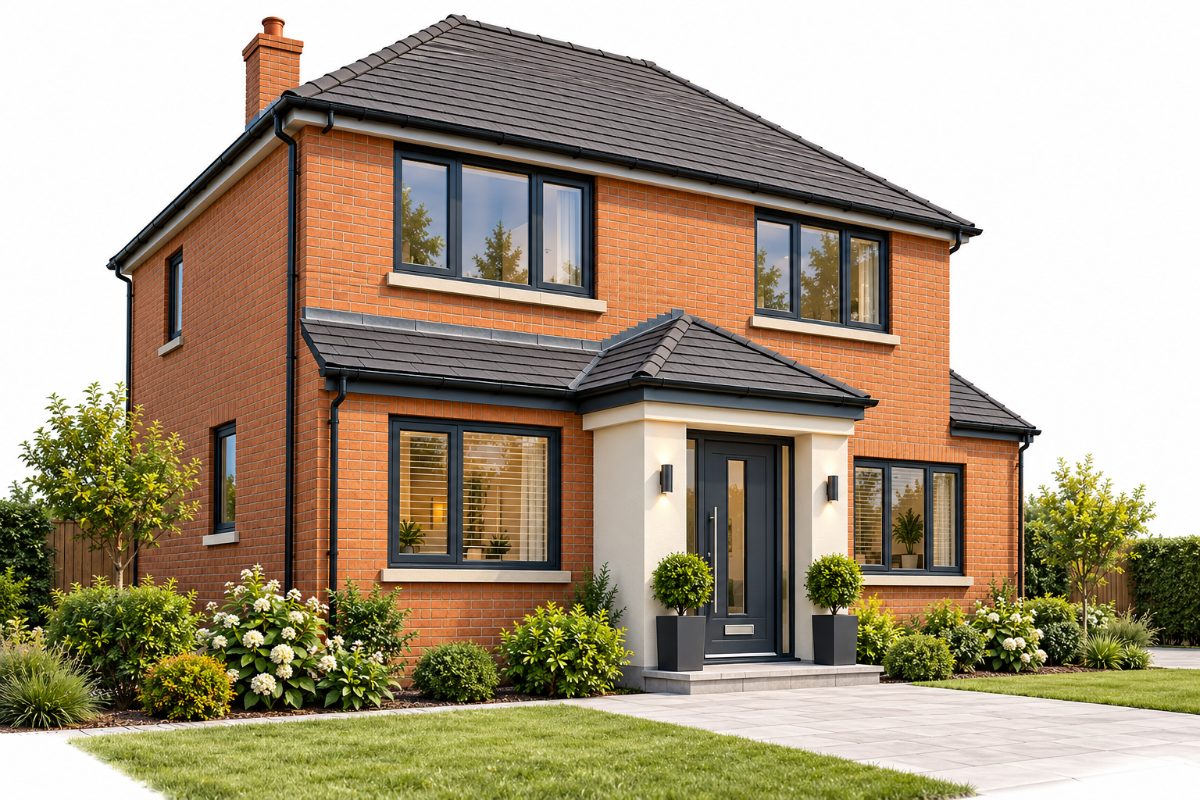
A practical entrance area that adds space and improves the look of your home.
£350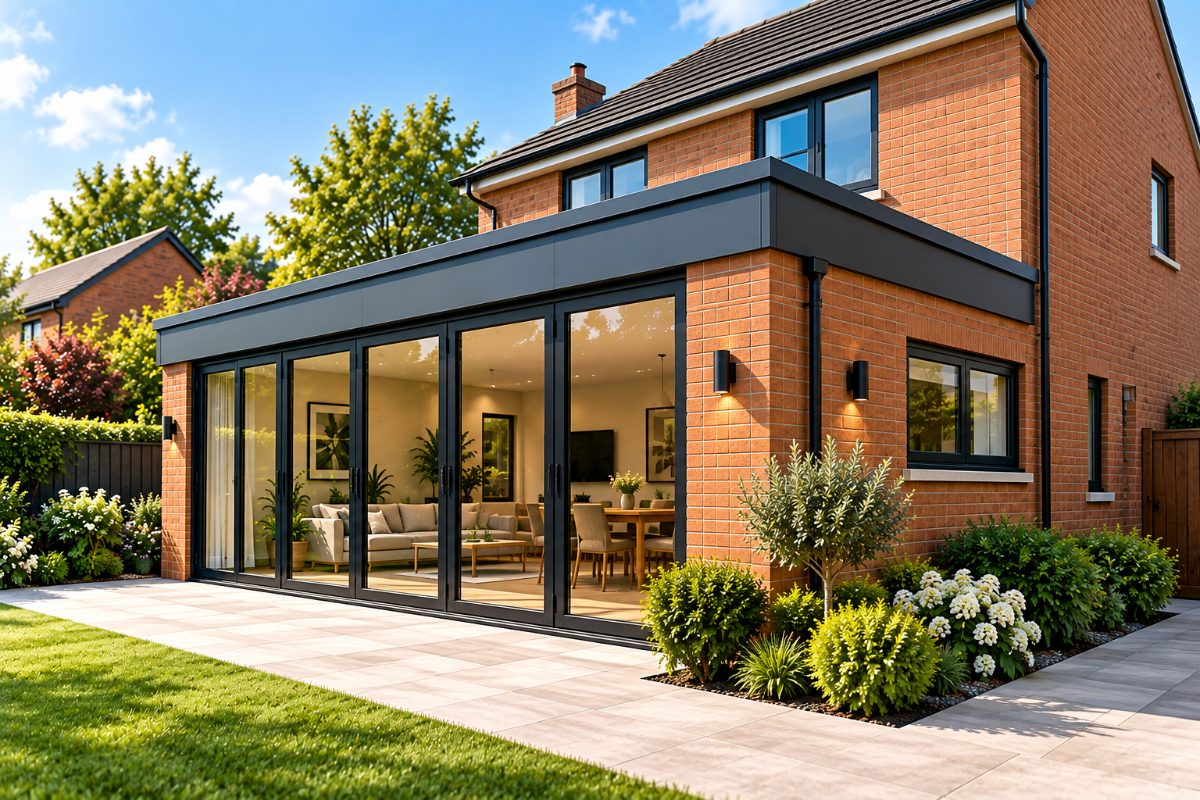
A popular way to create a larger kitchen, dining or family area.
£900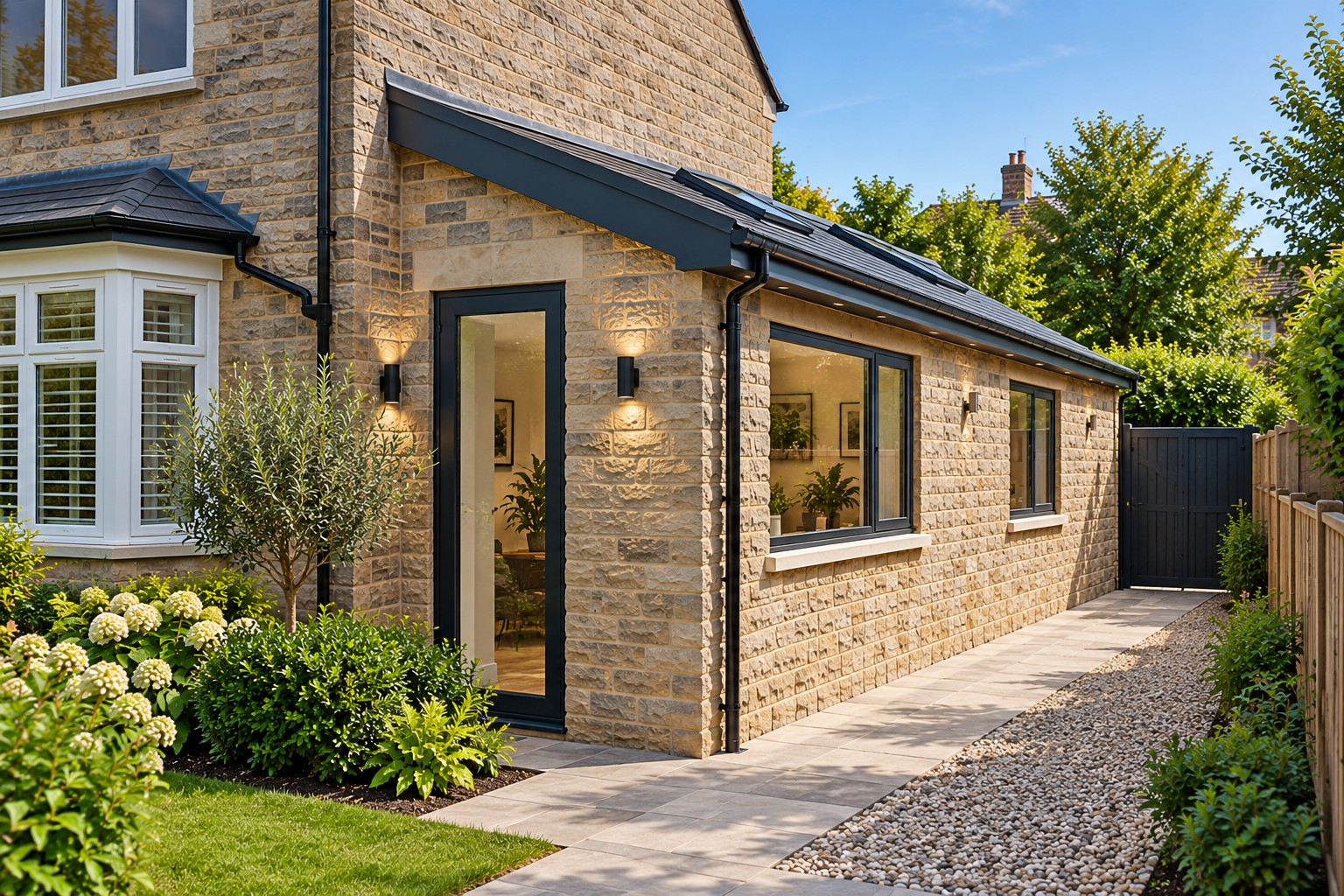
Adds valuable space to the side of your home for a kitchen or utility.
£900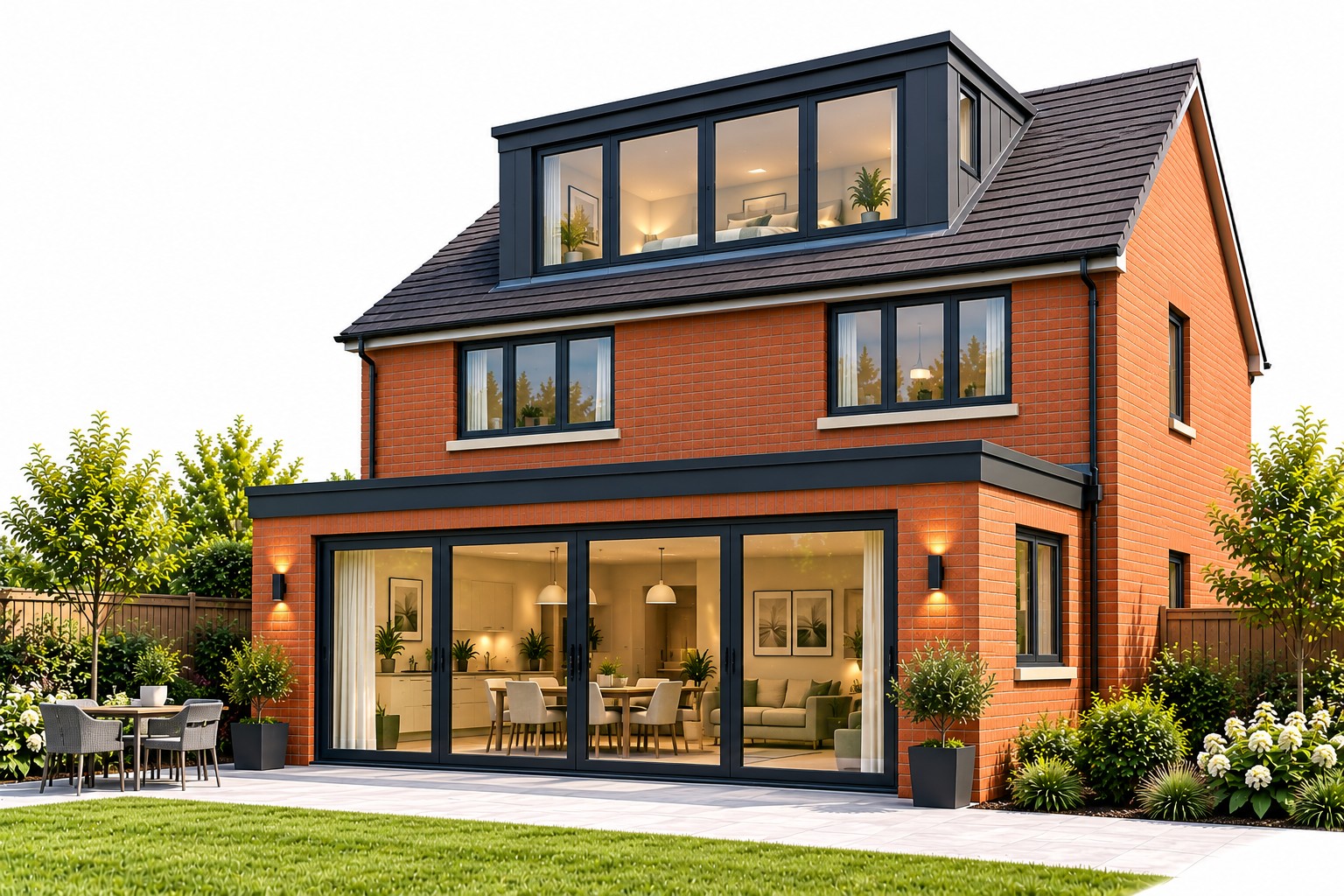
Turns unused loft space into a bedroom, office or additional living area.
£1,500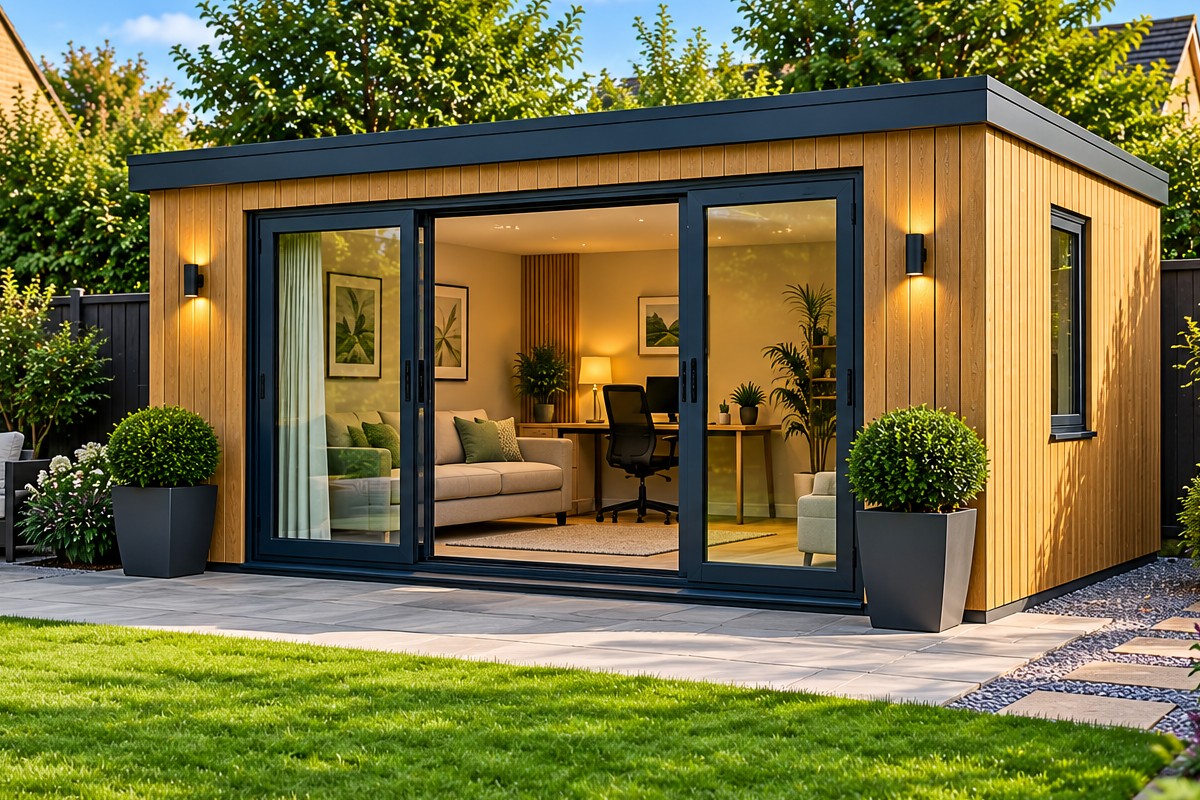
A flexible, detached space for work, leisure or extra living space.
£350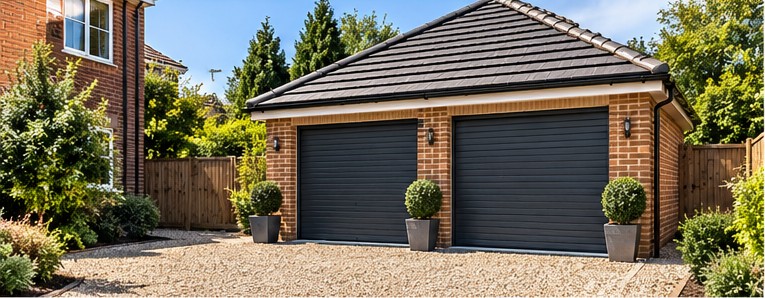
Secure parking or useful storage, single or double.
£350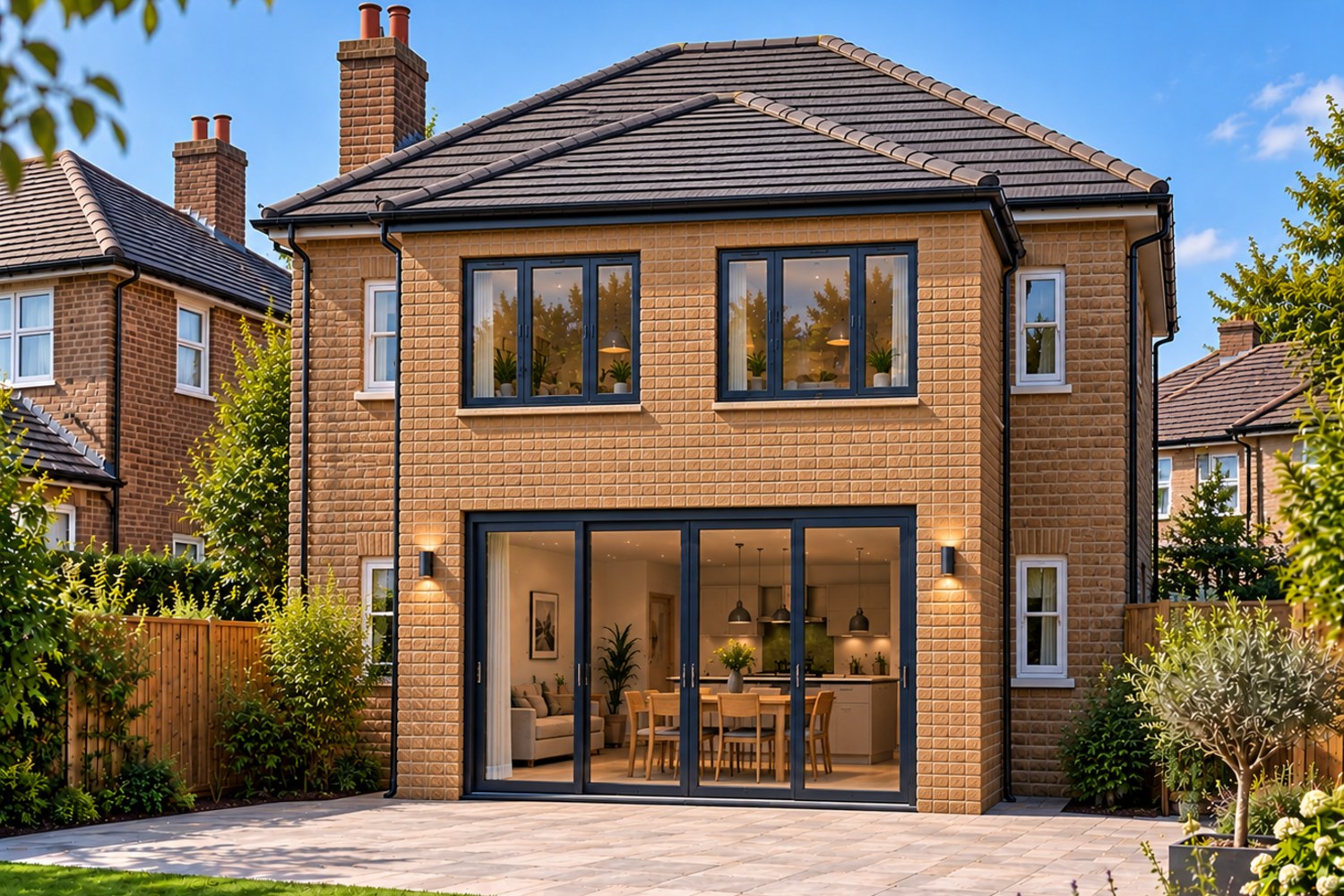
Significantly more living space across both floors.
£1,400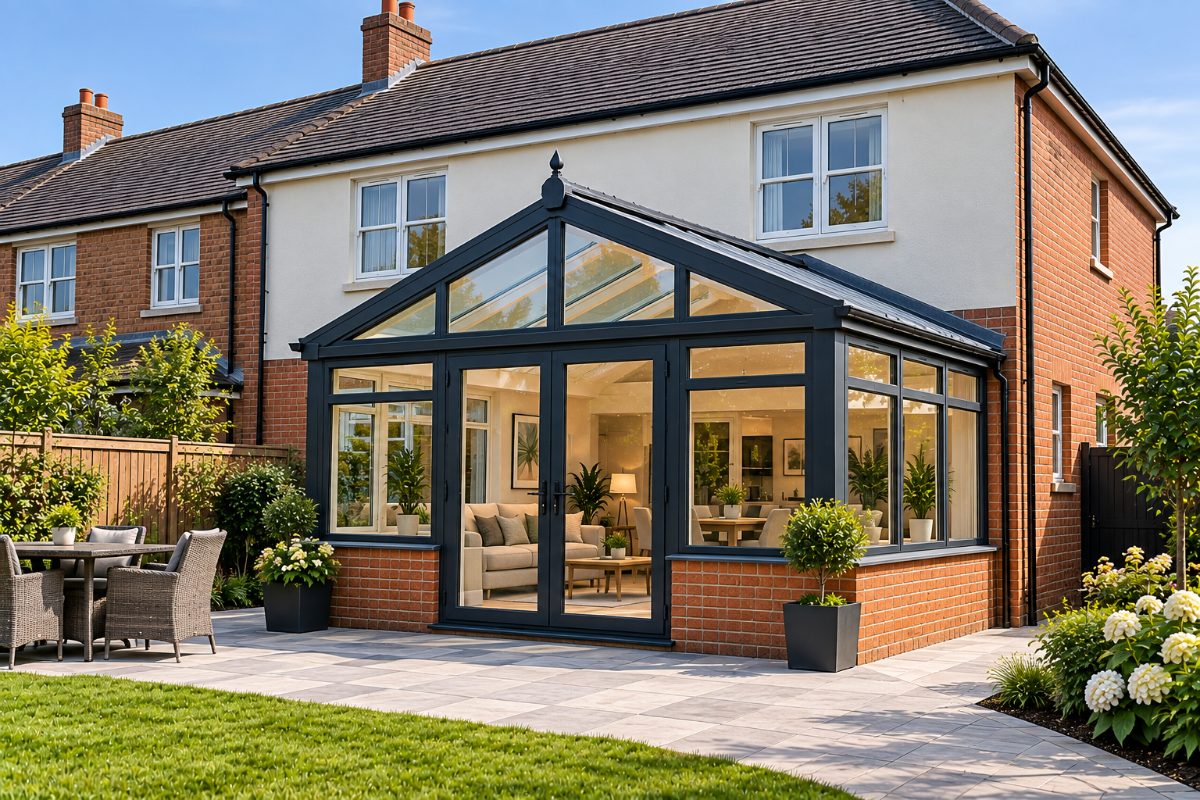
A bright, glazed room connecting your home to the garden.
£900PERMITTED HOMEOWNER GUIDES
Our illustrated, practical guides help you understand the rules, explore design options and budget with confidence — before you commit to building work.
Explore all guidesRules, design options, costs and next steps.
View guideRules, design options, costs and next steps.
View guideRules, design options, costs and next steps.
View guideRules, design options, costs and next steps.
View guideRules, design options, costs and next steps.
View guideRules, design options, costs and next steps.
View guideRules, design options, costs and next steps.
View guideRules, design options, costs and next steps.
View guideWe use cookies that are needed to run the basket and checkout. We would also like to use analytics cookies to understand how the site is used. We only do that if you say yes.

Maximize your property’s footprint with precision and ease. Permitted provides complete design for Permitted Development Rights. Our packages are designed around the Permitted Development limits, so many projects can proceed without a full planning application.
PERMITTED is operated by Yorkshire Property Design Services Limited, registered in England and Wales under company number 12698267.
Registered office: Ground Floor, Techno Centre, Station Road, Horsforth, Leeds, LS18 5BJ
Business contact address: Wira House, Ground Floor, Suite 5, Ring Road, West Park, Leeds, LS16 6EB