


Permitted Development rules





Professional, builder-ready drawing packages for extensions, lofts, porches, garages, garden rooms and more — designed to Permitted Development parameters and supplied as sold.
PERMITTED HOMEOWNER GUIDES
Our illustrated, practical guides help you understand the rules, explore design options and budget with confidence — before you commit to building work.
Explore all guides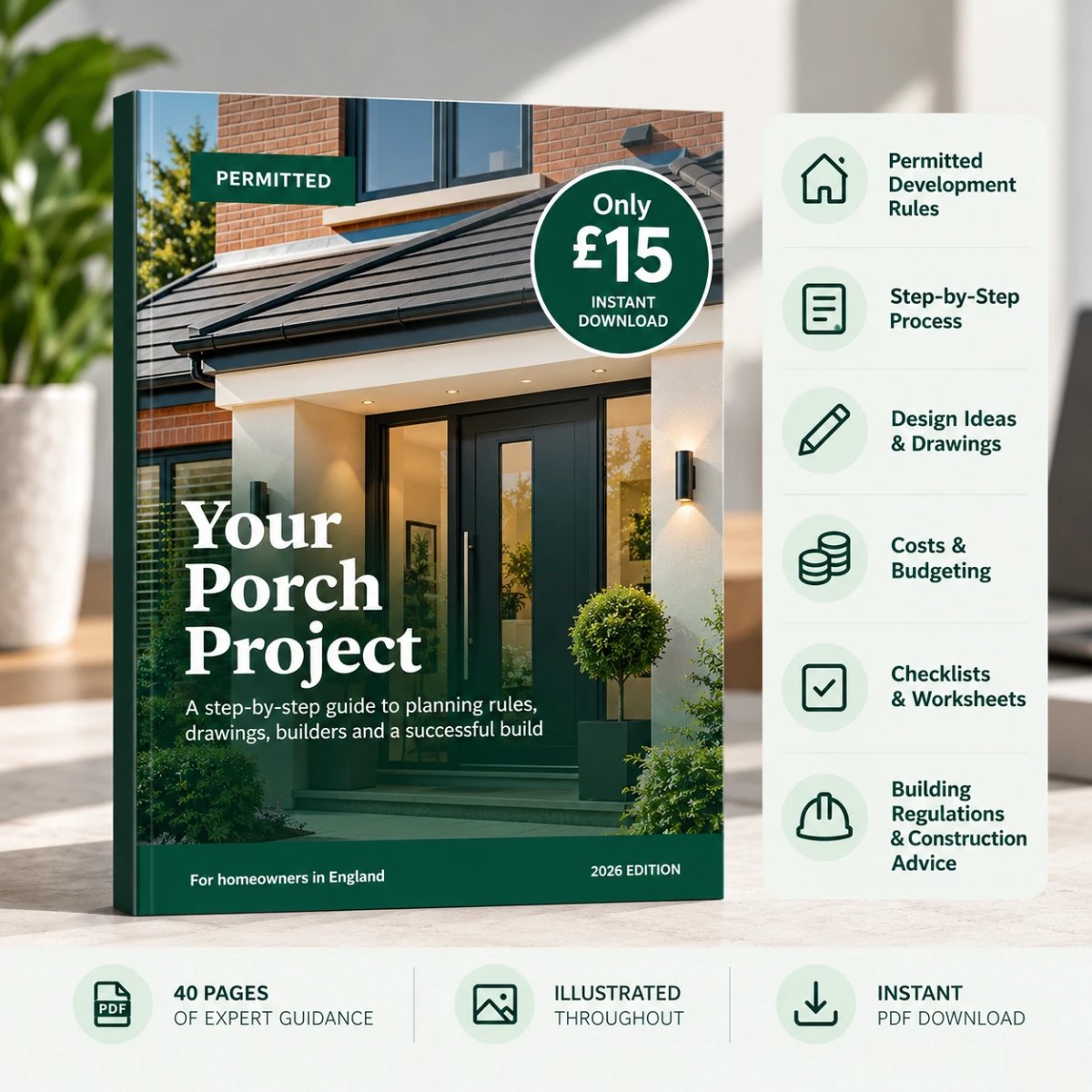
Rules, design options, costs and next steps.
View guide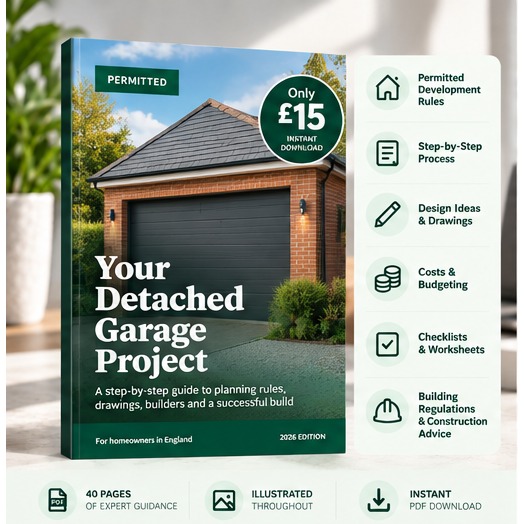
Rules, design options, costs and next steps.
View guide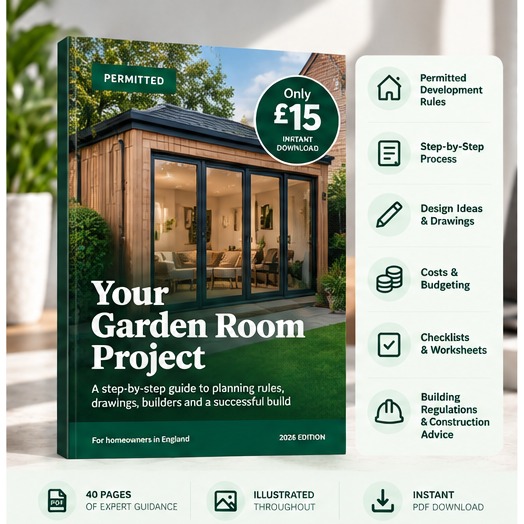
Rules, design options, costs and next steps.
View guide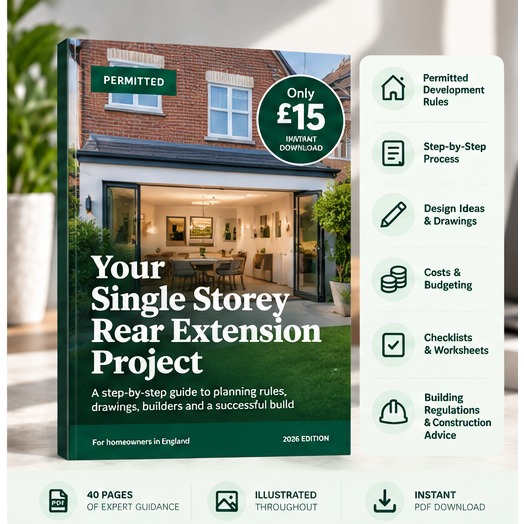
Rules, design options, costs and next steps.
View guide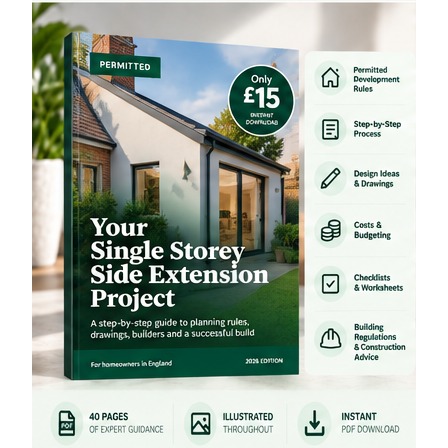
Rules, design options, costs and next steps.
View guide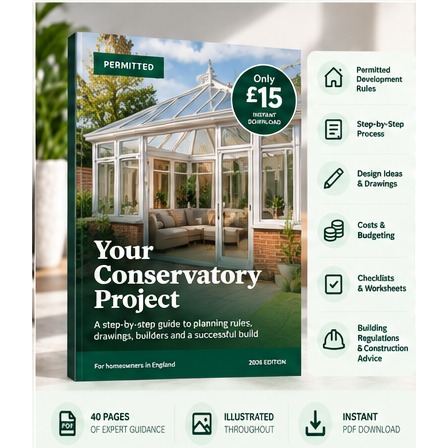
Rules, design options, costs and next steps.
View guide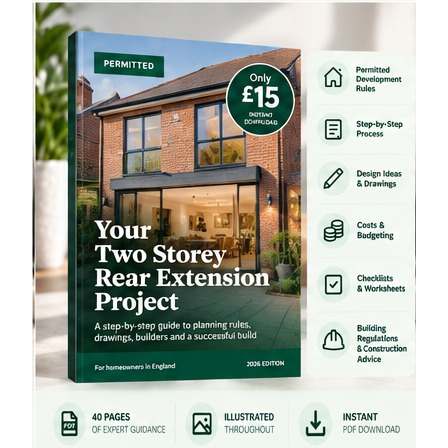
Rules, design options, costs and next steps.
View guide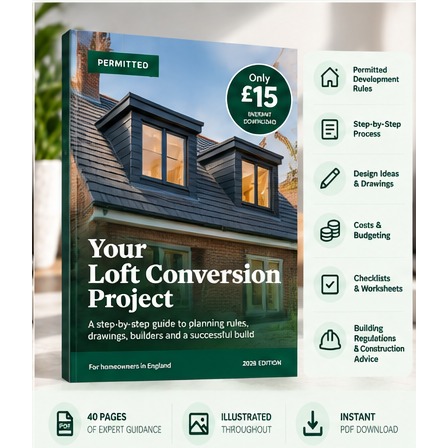
Rules, design options, costs and next steps.
View guideListed building consent is required for any works that affect the character of a listed building — but the rules are more nuanced than a blanket prohibition. Here’s what you can and can’t do.
A listed building is protected under the Planning (Listed Buildings and Conservation Areas) Act 1990. Listed building consent (LBC) is required for any works that would affect the character of the building as a building of special architectural or historic interest — including most internal alterations, external alterations, and works within the curtilage. Permitted development rights under the GPDO 2015 are significantly restricted for listed buildings: many PD rights that apply to ordinary houses simply don’t apply to listed buildings. Extensions, outbuildings, and many other works that would be PD for a normal house require both planning permission and listed building consent for a listed building.
A listed building is a building, structure, or object included on the National Heritage List for England (NHLE) because of its special architectural or historic interest. There are approximately 400,000 listed buildings in England.
Listed buildings are classified in three grades:
All three grades carry the same legal protections — the grade affects how Historic England and councils approach consent applications, not whether consent is required.
Listed building consent is required for works that would affect the character of the listed building as a building of special architectural or historic interest. This is a broad test and covers:
Most of the permitted development rights that apply to ordinary houses do not apply to listed buildings. The GPDO 2015 explicitly excludes listed buildings from many PD classes:
| PD class | Applies to listed buildings? |
|---|---|
| Part 1 Class A (rear extensions) | No — planning permission needed |
| Part 1 Class B (roof alterations) | No — planning permission needed |
| Part 1 Class C (roof coverings) | No — LBC required |
| Part 1 Class D (porches) | No — planning permission needed |
| Part 1 Class E (outbuildings) | No — planning permission needed |
| Part 2 Class A (gates, fences, walls) | No — planning permission needed |
| Part 2 Class C (painting) | Not applicable where painting affects character |
In practice, most works that would be PD for a non-listed house require both planning permission and listed building consent for a listed building.
Some works to listed buildings don’t require consent:
Listed building consent applications are made to the local planning authority, usually alongside a planning application where one is also needed. LBC applications are free of charge. The council has 8 weeks to determine the application. For significant works, Historic England is a statutory consultee.
A well-prepared application typically includes existing and proposed drawings, a heritage statement explaining how the works preserve or enhance the significance of the building, and a method statement for the proposed works (materials, fixings, reversibility).
Conservation officers value reversibility — works that can be undone without damaging the fabric of the building are looked on more favourably. Where modern interventions are needed (damp-proofing, insulation), breathable and reversible methods are preferred over impermeable modern materials.
This kind of project usually needs planning permission rather than permitted development. PERMITTED is part of YPDS Architectural Services, a Leeds architectural design practice that designs, prepares and manages planning applications.
Each one is already drawn. You choose the material, roof and options we actually draw, and that is the package you receive.
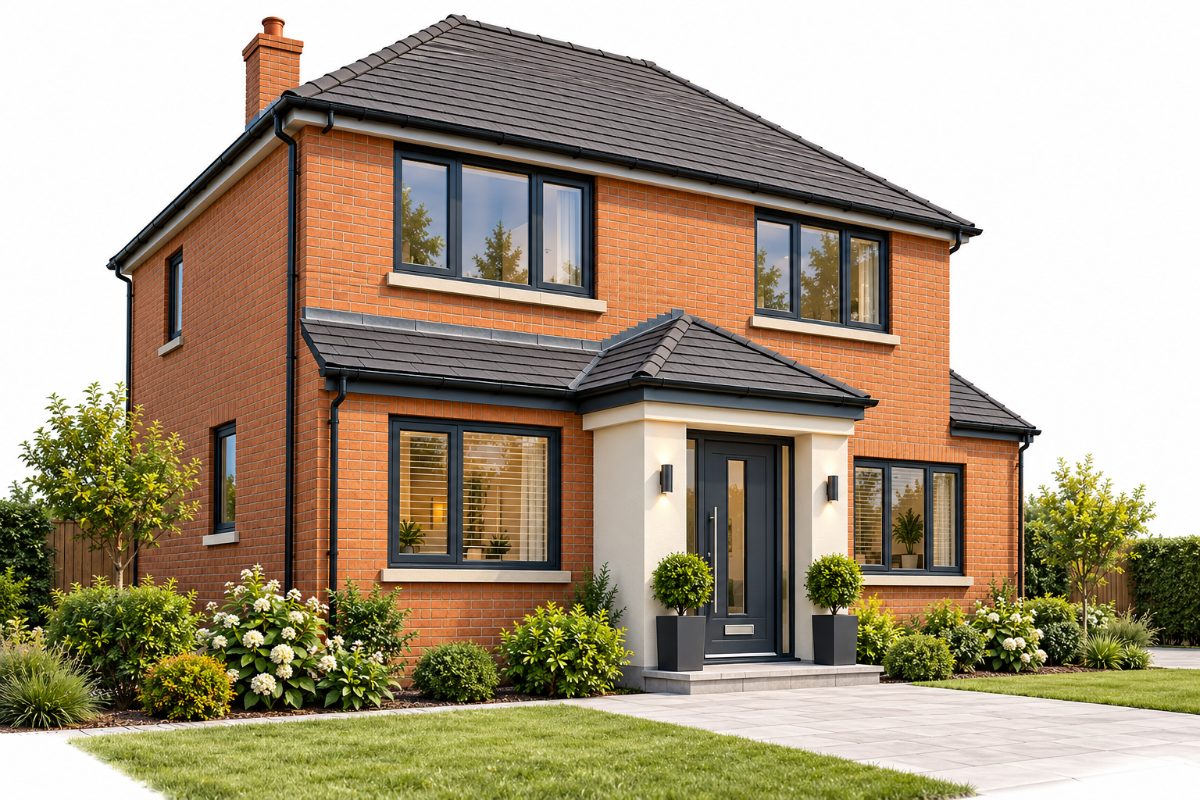
A practical entrance area that adds space and improves the look of your home.
£350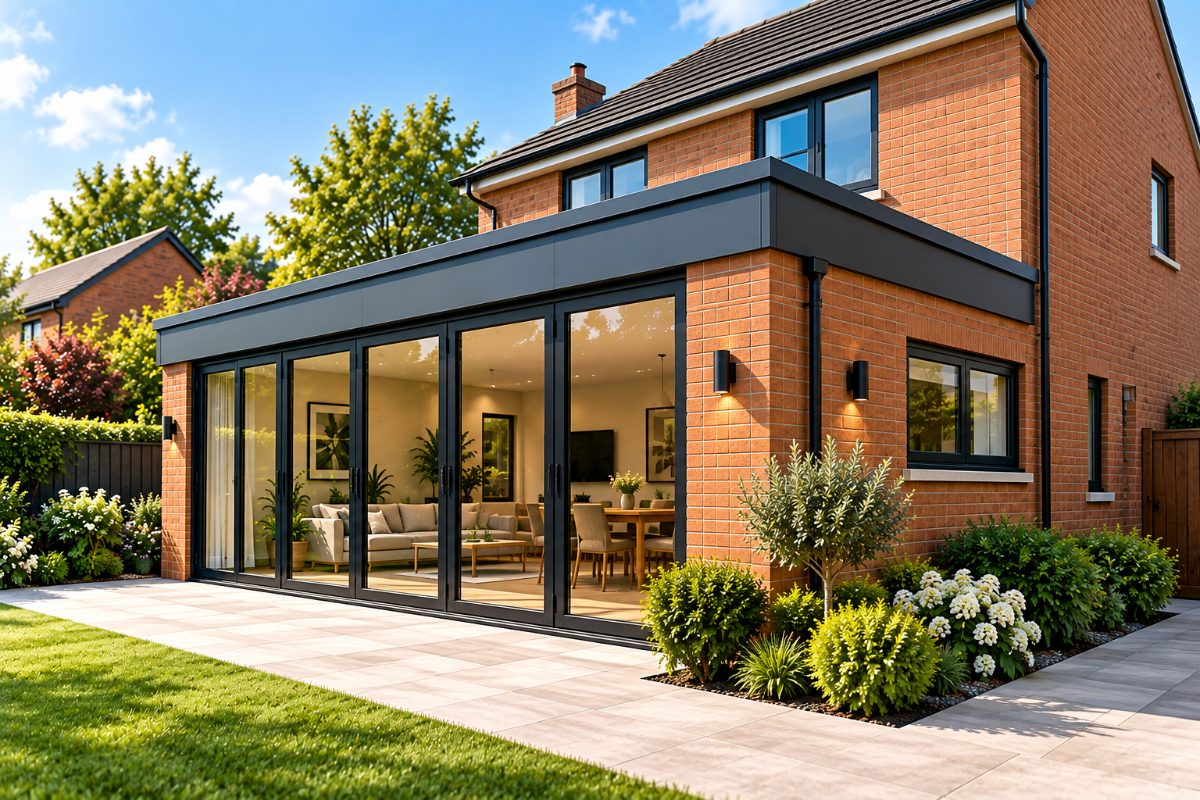
A popular way to create a larger kitchen, dining or family area.
£900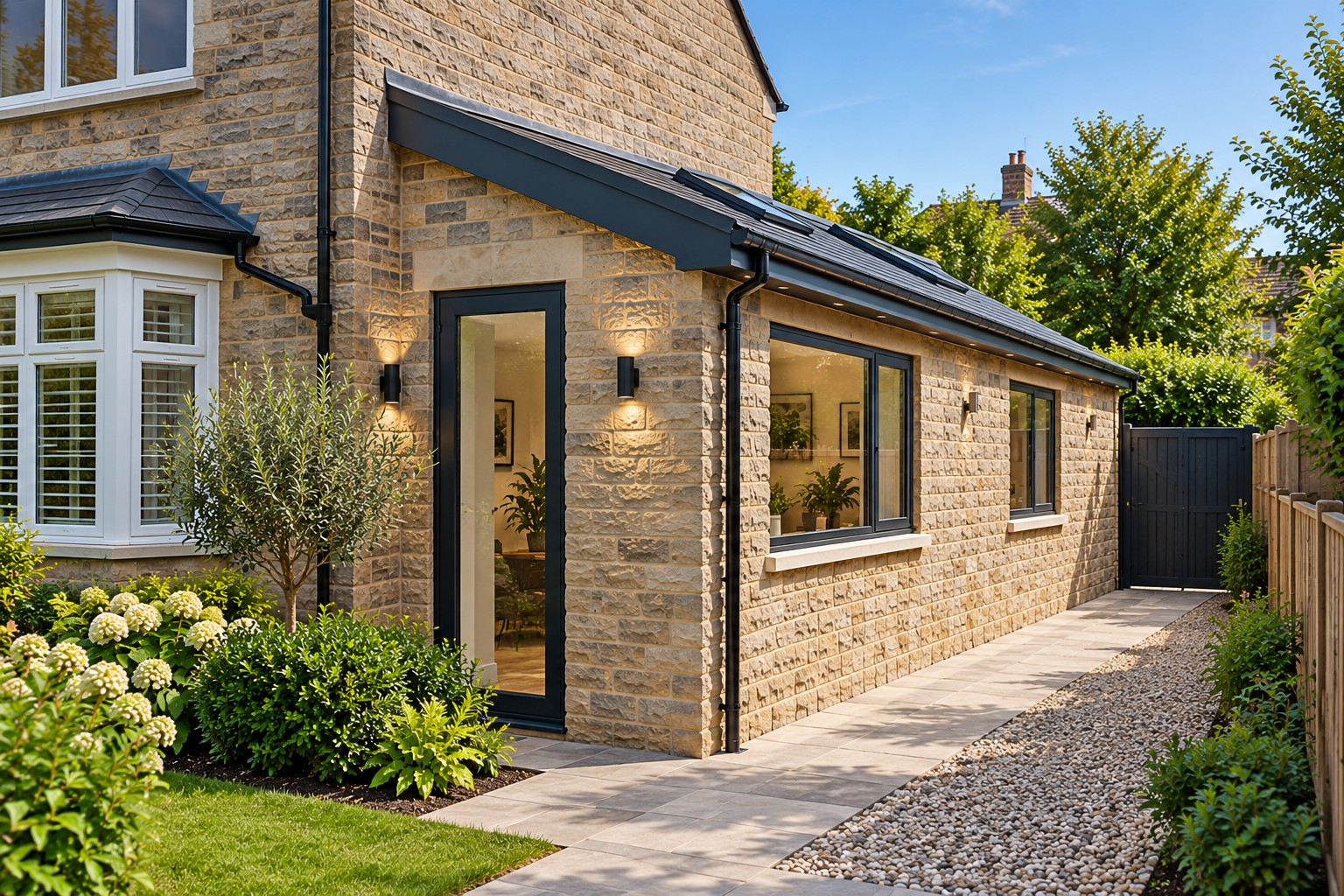
Adds valuable space to the side of your home for a kitchen or utility.
£900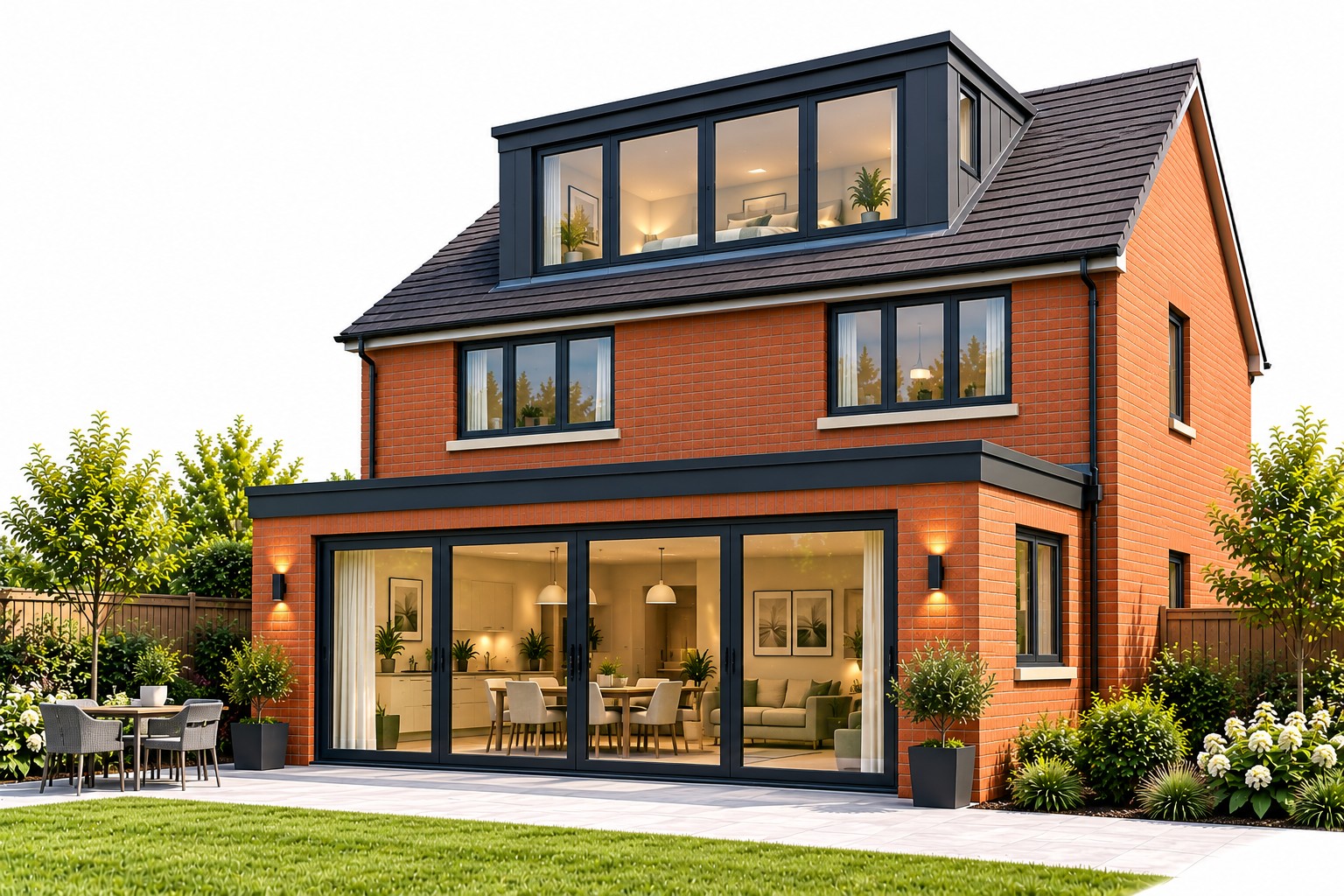
Turns unused loft space into a bedroom, office or additional living area.
£1,500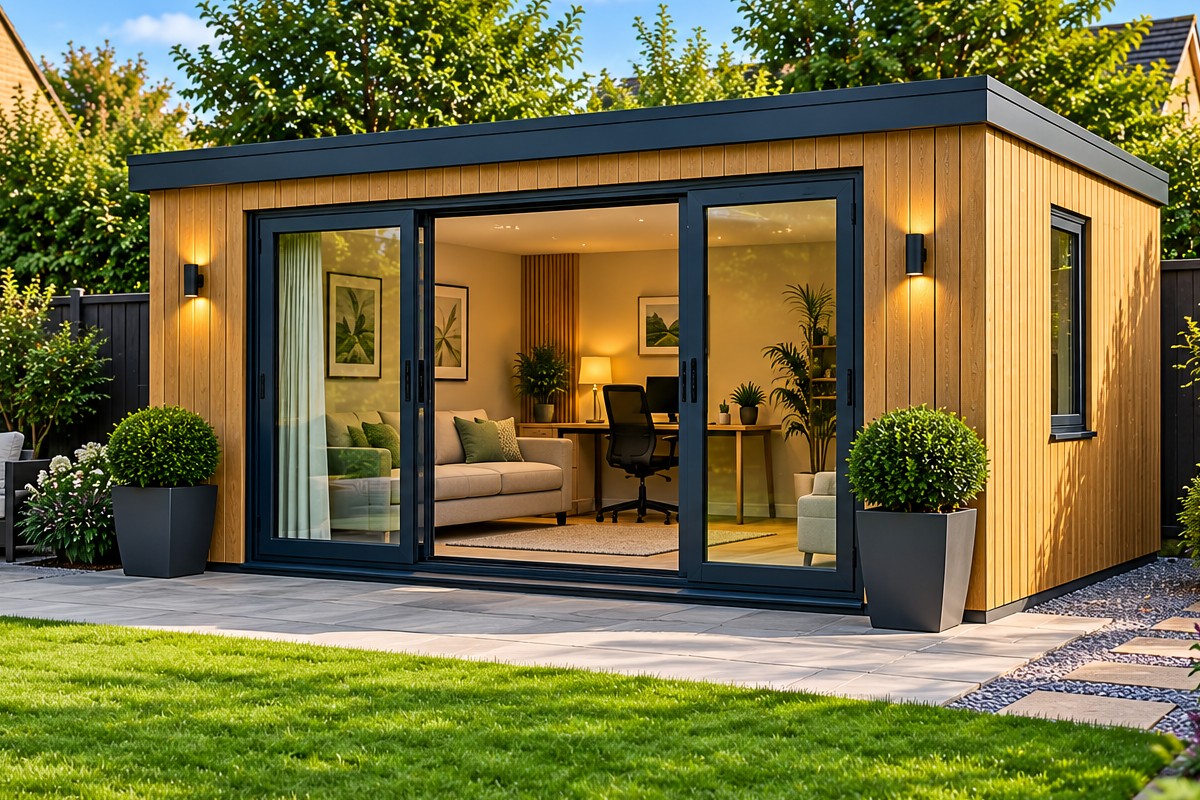
A flexible, detached space for work, leisure or extra living space.
£350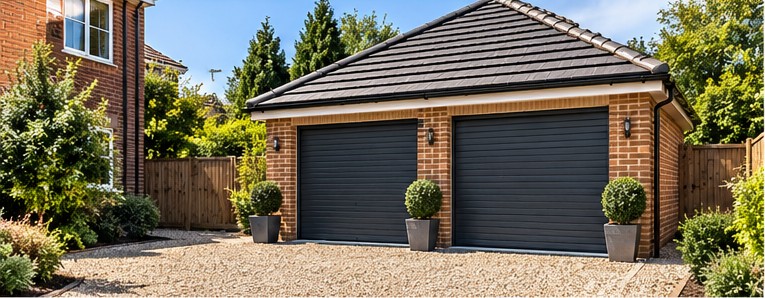
Secure parking or useful storage, single or double.
£350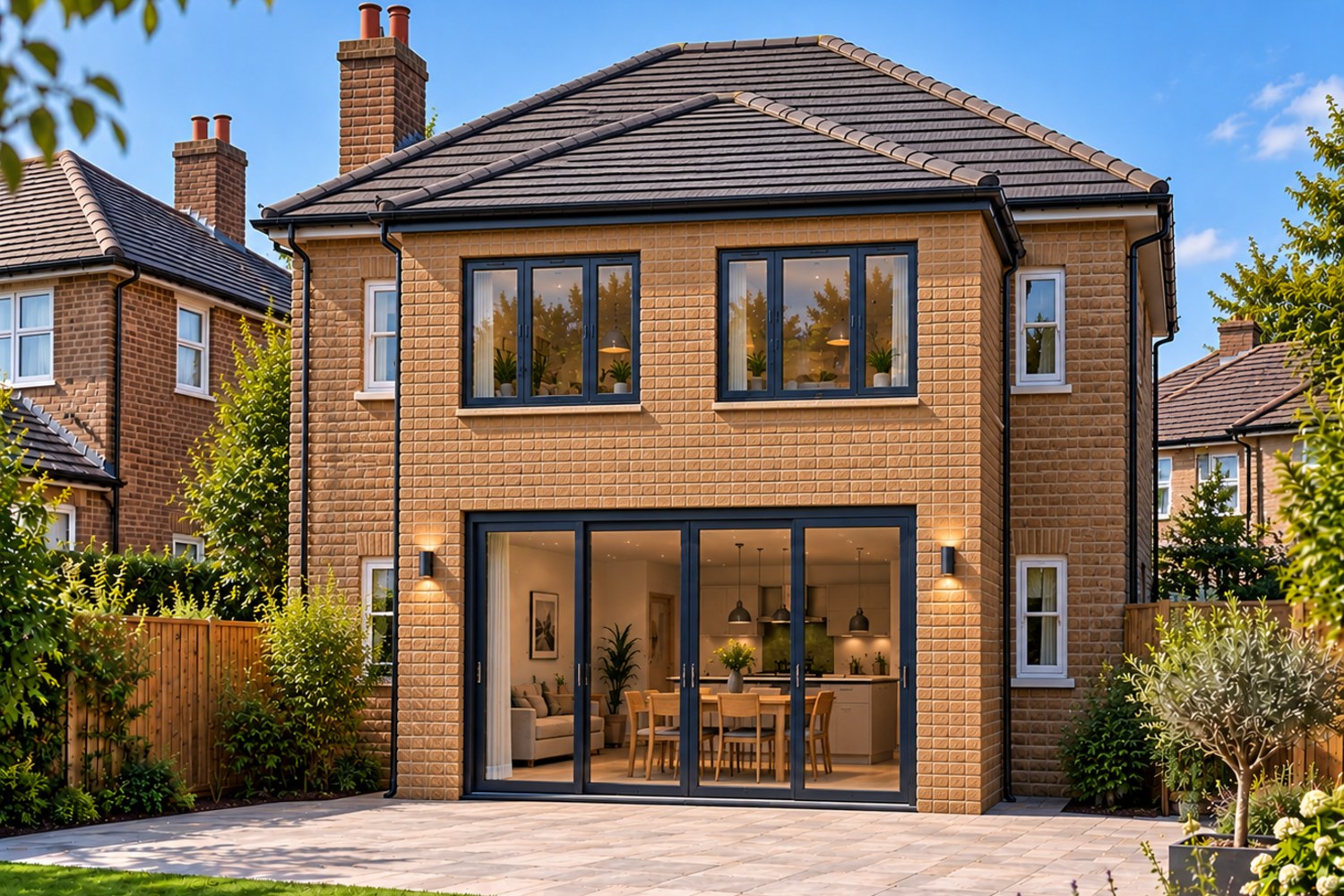
Significantly more living space across both floors.
£1,400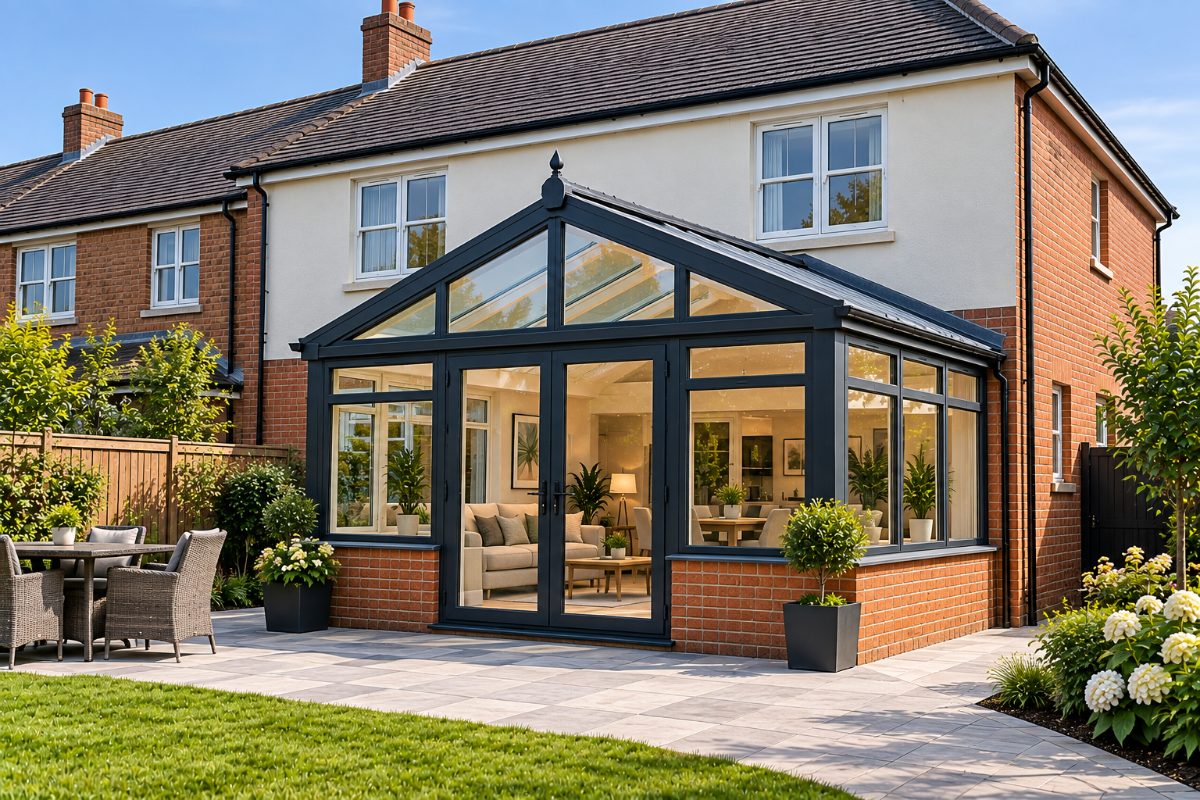
A bright, glazed room connecting your home to the garden.
£900PERMITTED HOMEOWNER GUIDES
Our illustrated, practical guides help you understand the rules, explore design options and budget with confidence — before you commit to building work.
Explore all guidesRules, design options, costs and next steps.
View guideRules, design options, costs and next steps.
View guideRules, design options, costs and next steps.
View guideRules, design options, costs and next steps.
View guideRules, design options, costs and next steps.
View guideRules, design options, costs and next steps.
View guideRules, design options, costs and next steps.
View guideRules, design options, costs and next steps.
View guideWe use cookies that are needed to run the basket and checkout. We would also like to use analytics cookies to understand how the site is used. We only do that if you say yes.

Maximize your property’s footprint with precision and ease. Permitted provides complete design for Permitted Development Rights. Our packages are designed around the Permitted Development limits, so many projects can proceed without a full planning application.
PERMITTED is operated by Yorkshire Property Design Services Limited, registered in England and Wales under company number 12698267.
Registered office: Ground Floor, Techno Centre, Station Road, Horsforth, Leeds, LS18 5BJ
Business contact address: Wira House, Ground Floor, Suite 5, Ring Road, West Park, Leeds, LS16 6EB