


Permitted Development rules





Professional, builder-ready drawing packages for extensions, lofts, porches, garages, garden rooms and more — designed to Permitted Development parameters and supplied as sold.
PERMITTED HOMEOWNER GUIDES
Our illustrated, practical guides help you understand the rules, explore design options and budget with confidence — before you commit to building work.
Explore all guides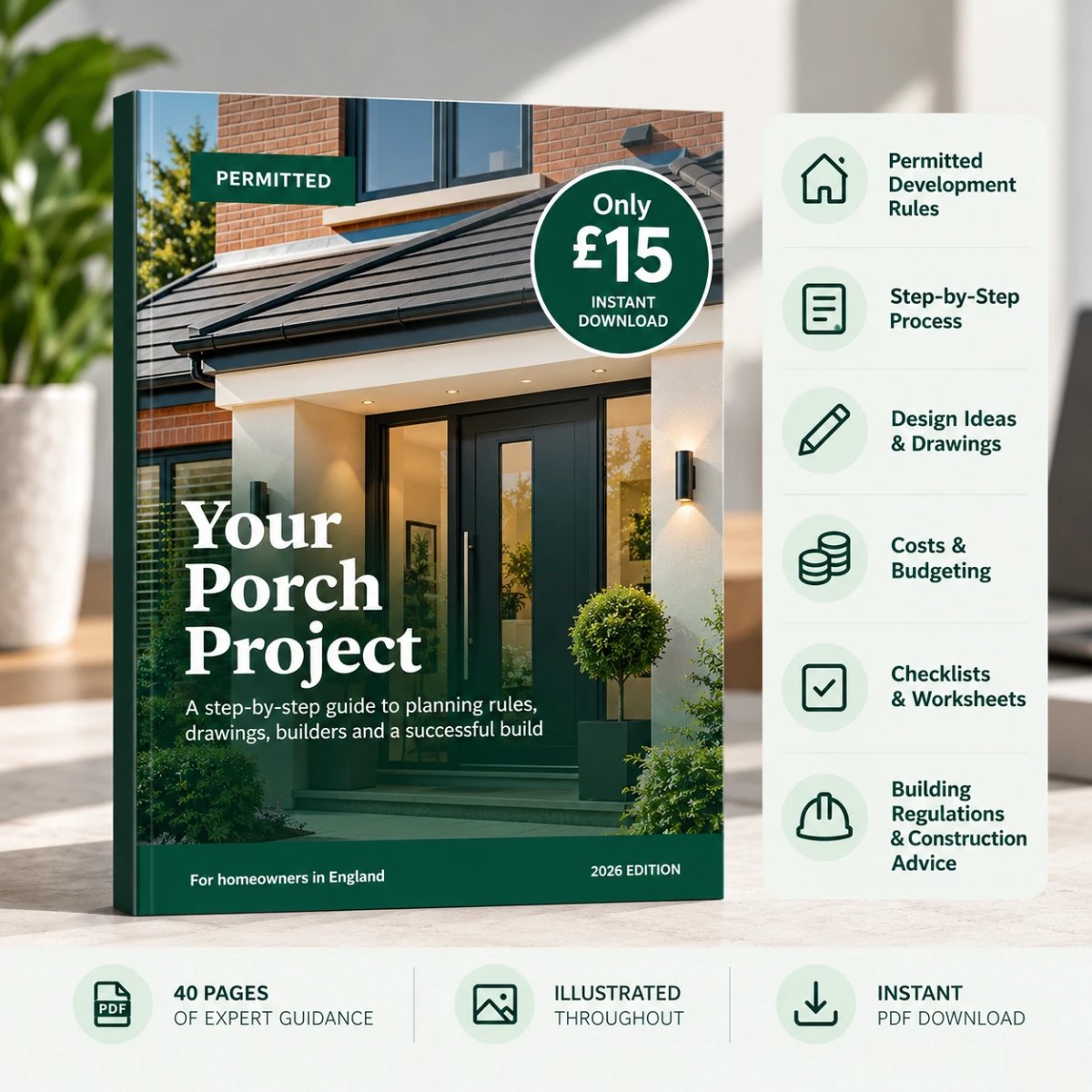
Rules, design options, costs and next steps.
View guide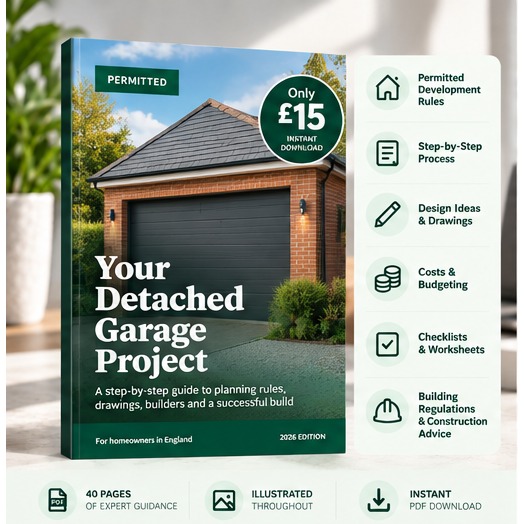
Rules, design options, costs and next steps.
View guide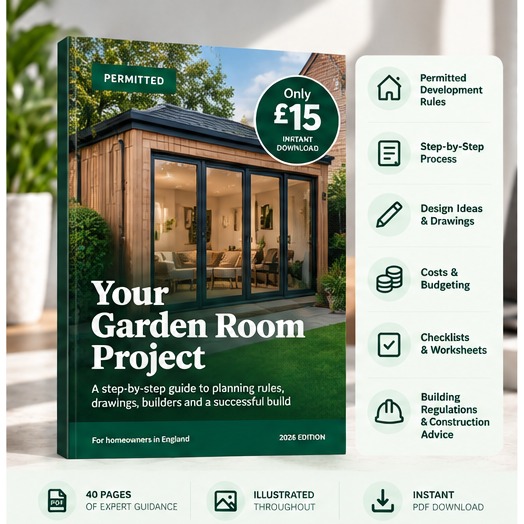
Rules, design options, costs and next steps.
View guide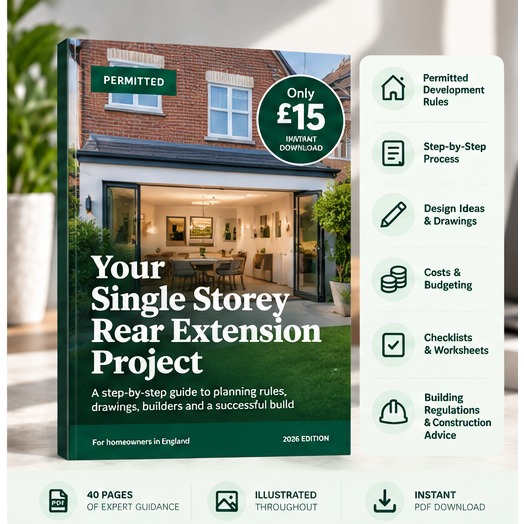
Rules, design options, costs and next steps.
View guide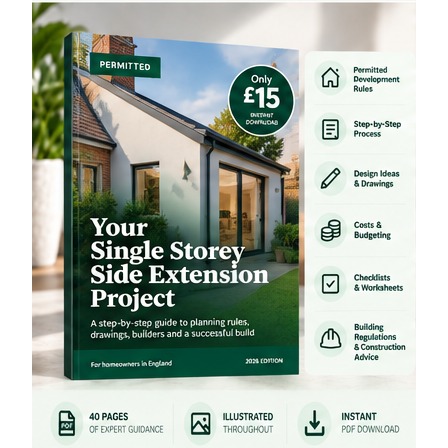
Rules, design options, costs and next steps.
View guide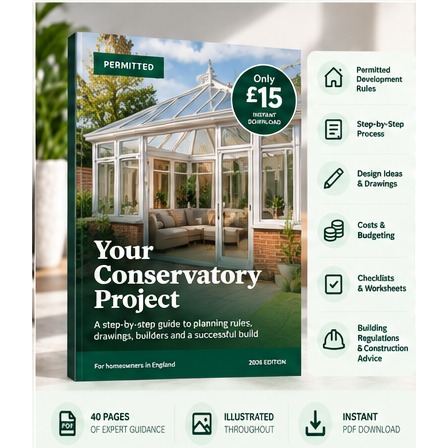
Rules, design options, costs and next steps.
View guide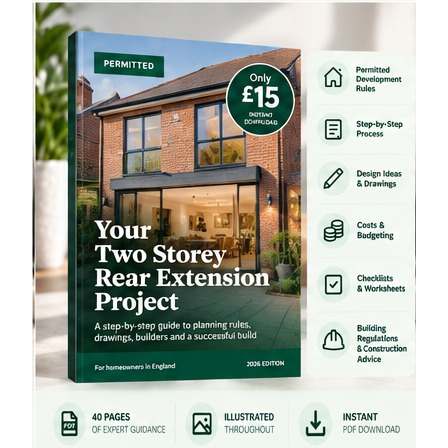
Rules, design options, costs and next steps.
View guide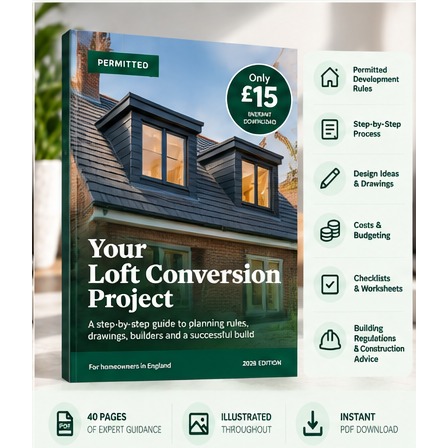
Rules, design options, costs and next steps.
View guideMost garden fences don’t need planning permission — but height limits, front garden rules, and conservation area restrictions all affect what’s allowed. Here’s the complete guide.
Under Class A of Part 2, Schedule 2 to the GPDO 2015, the erection, construction, maintenance, improvement, or alteration of a gate, fence, wall, or other means of enclosure is permitted development subject to height limits:
| Location | Maximum Height (Permitted Development) |
|---|---|
| Adjacent to a highway used by vehicles (front garden / roadside) | 1 metre |
| Elsewhere (rear and side garden boundaries) | 2 metres |
Height is measured from the natural ground level at the base of the fence or wall. If you’re building on a slope, measure from the lowest adjacent ground level.
The 1-metre height limit for front garden fences is often the most contentious rule. It applies to any fence, wall, or gate that borders a highway — meaning the road, pavement, or public right of way.
Common situations where the 1-metre limit applies:
To build a front fence higher than 1 metre, you need planning permission. Applications for taller front fences are often refused if the council considers they would harm the character of the street or cause highway safety issues.
Rear and side garden boundary fences can be up to 2 metres high without planning permission, provided they don’t adjoin a highway. This covers most typical garden fence scenarios — solid panel fencing, picket fences, close-board fencing, and trellis up to 2 metres are all permitted development.
Things to watch:
Garden walls are covered by the same permitted development rules as fences. A brick, stone, or block wall can be up to 1 metre on a road boundary and up to 2 metres elsewhere, without planning permission. The material doesn’t change the limit — it’s all about height and position.
Note that garden walls may also need Building Regulations approval if they are structural or potentially dangerous — a high brick wall could require engineer certification regardless of planning status. This is separate from planning permission.
You need planning permission for a fence or wall if:
Conservation areas do not automatically remove PD rights for fencing — the 1m/2m rules still apply unless the local council has served an Article 4 Direction specifically removing Class A Part 2 rights. However, many conservation areas do have such directions in place, particularly to protect open frontages or characteristic railings.
For listed buildings, any fence or wall within the curtilage of the listing may require listed building consent, regardless of height. The listing extends to the grounds and any structures within the curtilage, so even a small garden fence could be caught. Always check before starting work on a listed property.
Planning permission and boundary ownership are entirely separate matters. Planning permission (or its absence) says nothing about who owns a boundary or has the right to build on it. Before erecting any fence on or near a boundary, confirm ownership through the title deeds. Disputes about boundary ownership are a civil matter between neighbours, not a planning matter.
Generally: you can only build a fence on land you own. If the boundary line is disputed, resolve ownership before starting construction. Your solicitor or a land surveyor can advise.
From extensions to loft conversions, our complete guide covers every aspect of permitted development rights.
Planning a project? Browse our permitted development drawing sets — fixed price, supplied exactly as sold and emailed to you as a PDF.
Each one is already drawn. You choose the material, roof and options we actually draw, and that is the package you receive.
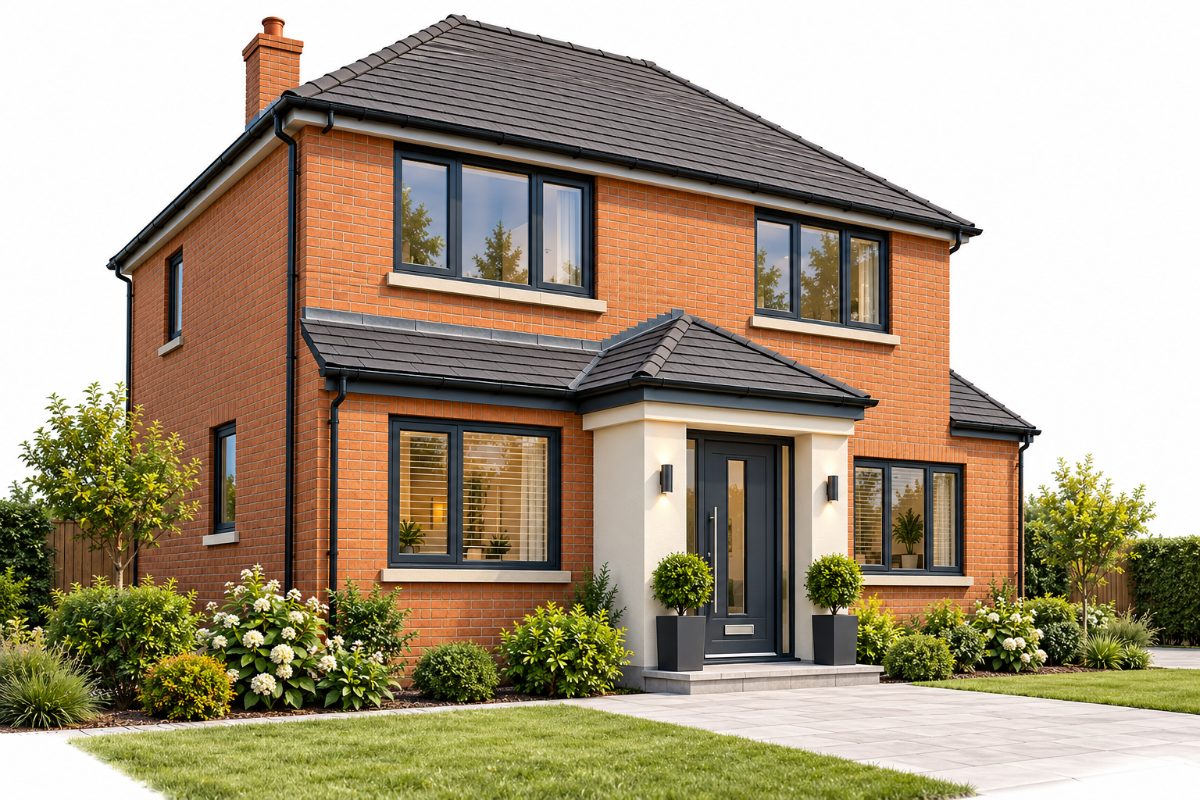
A practical entrance area that adds space and improves the look of your home.
£350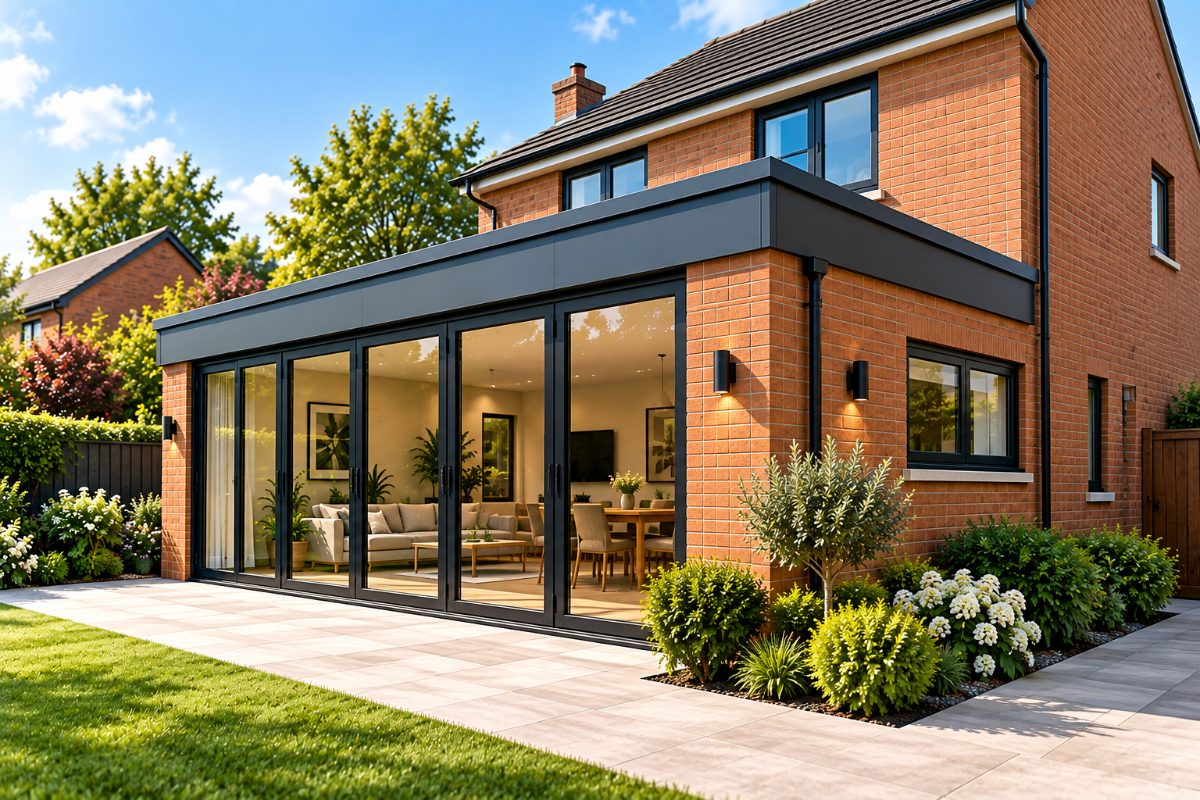
A popular way to create a larger kitchen, dining or family area.
£900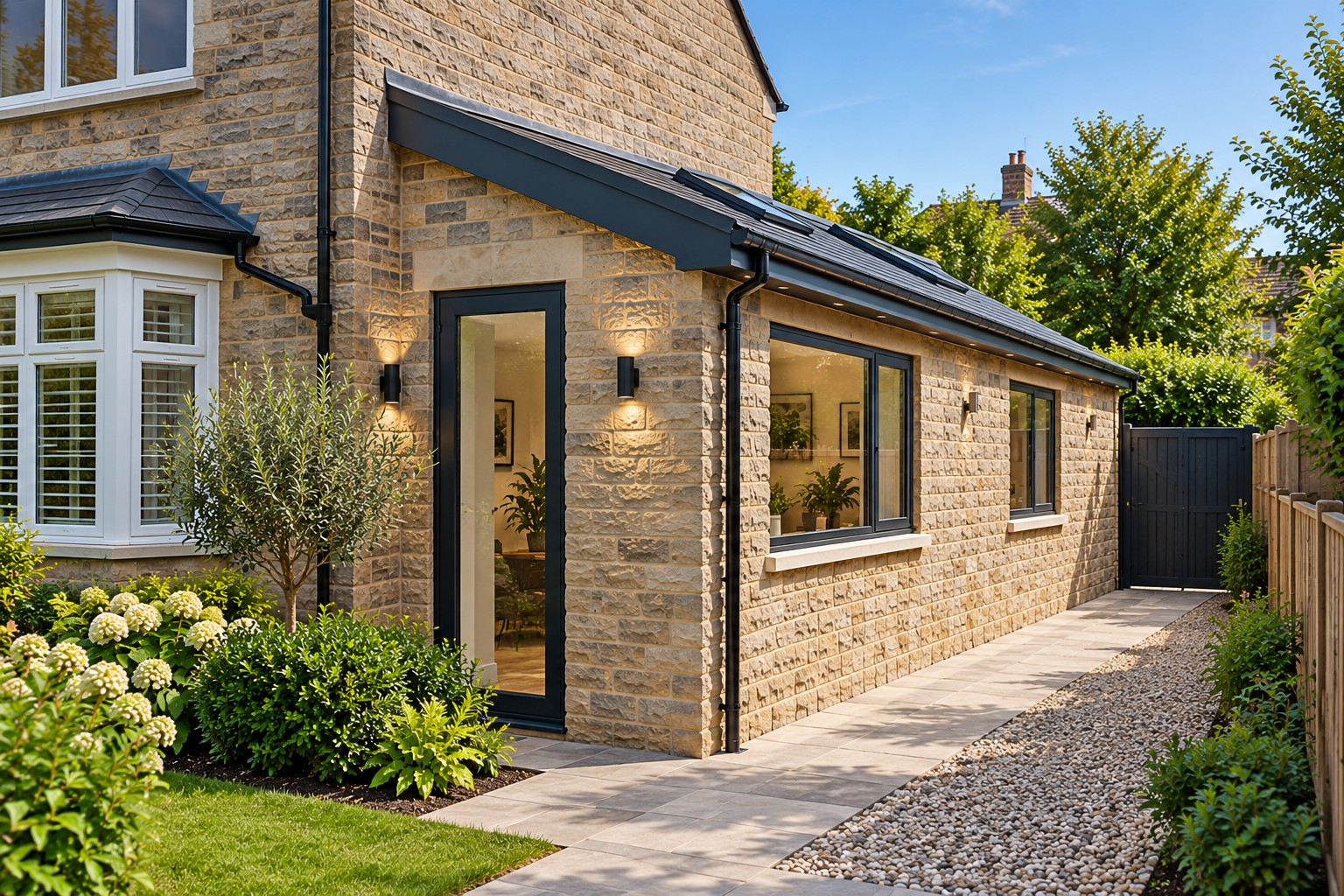
Adds valuable space to the side of your home for a kitchen or utility.
£900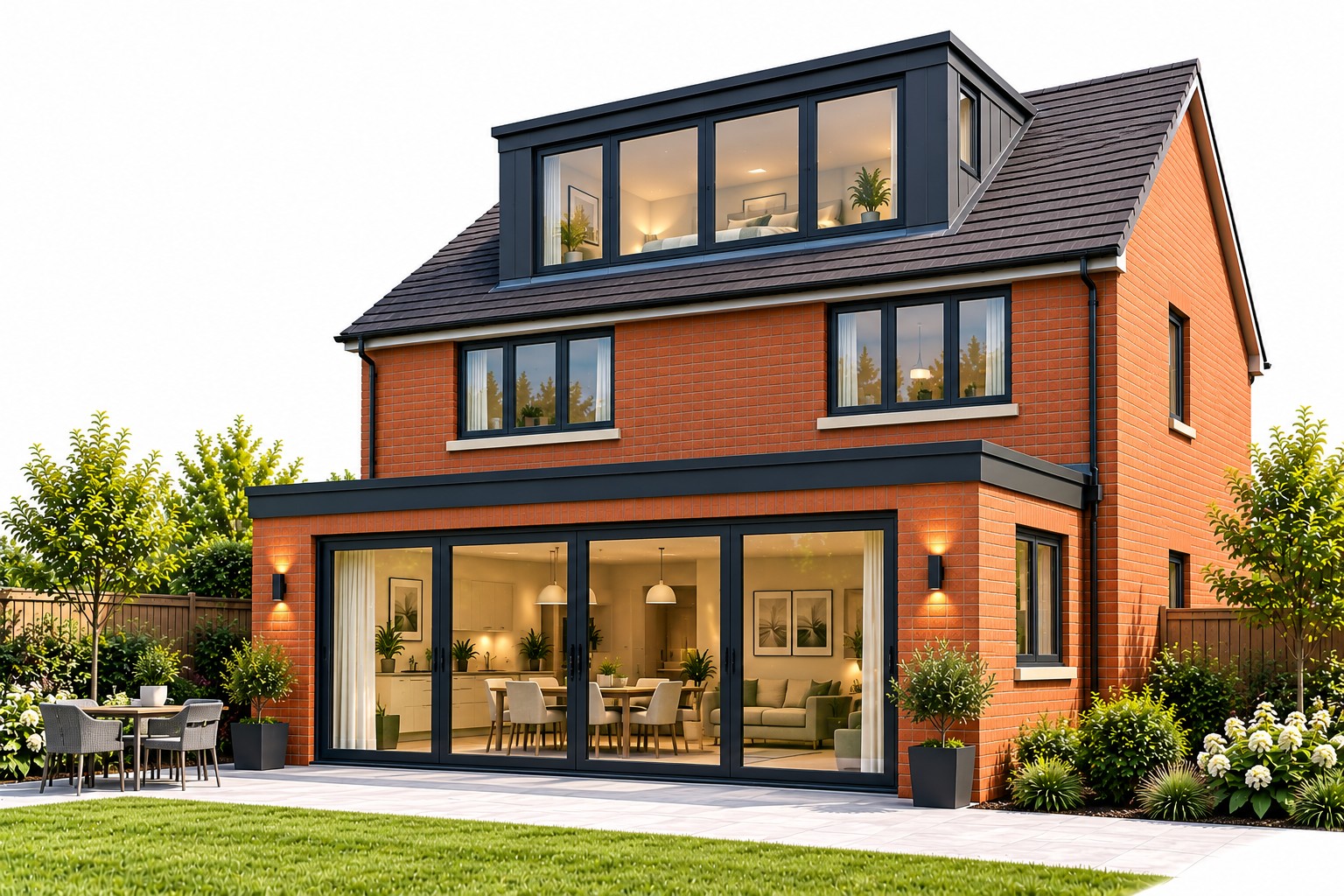
Turns unused loft space into a bedroom, office or additional living area.
£1,500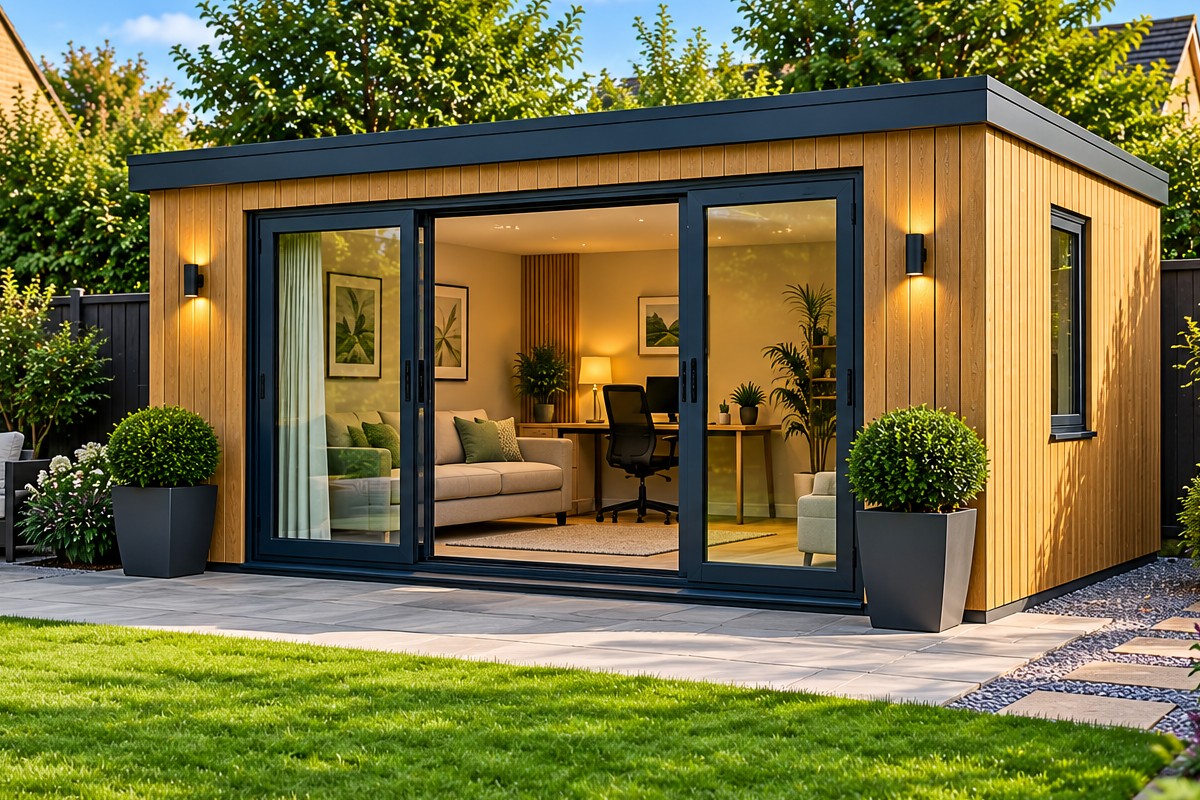
A flexible, detached space for work, leisure or extra living space.
£350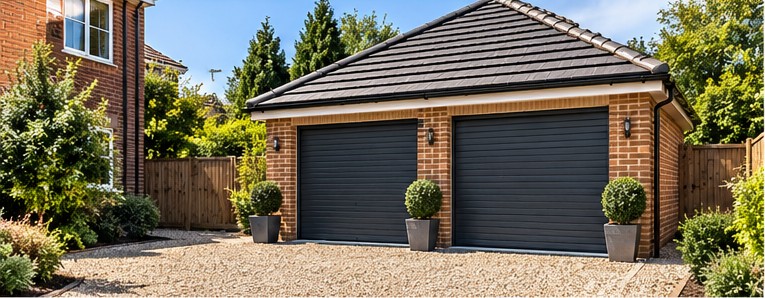
Secure parking or useful storage, single or double.
£350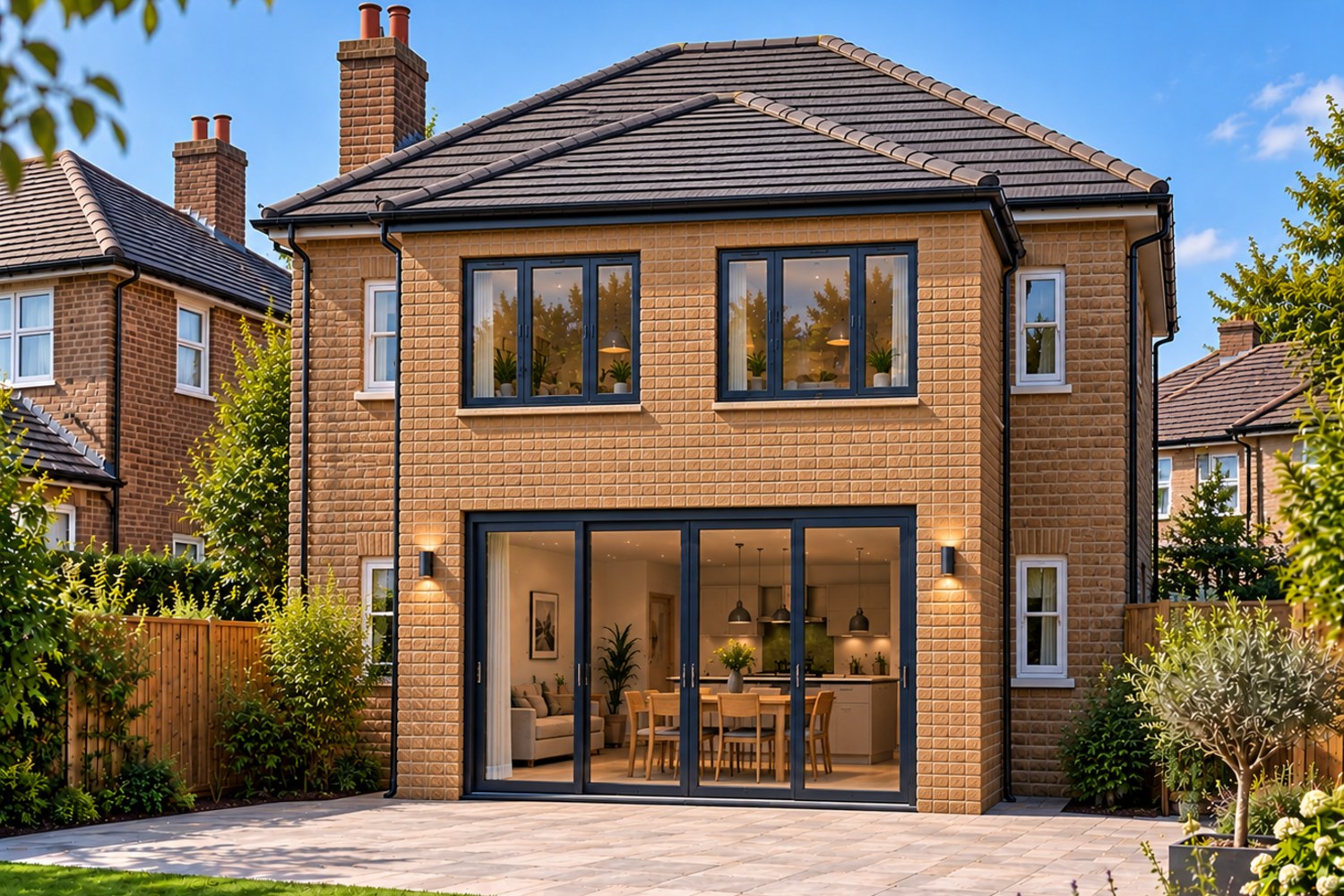
Significantly more living space across both floors.
£1,400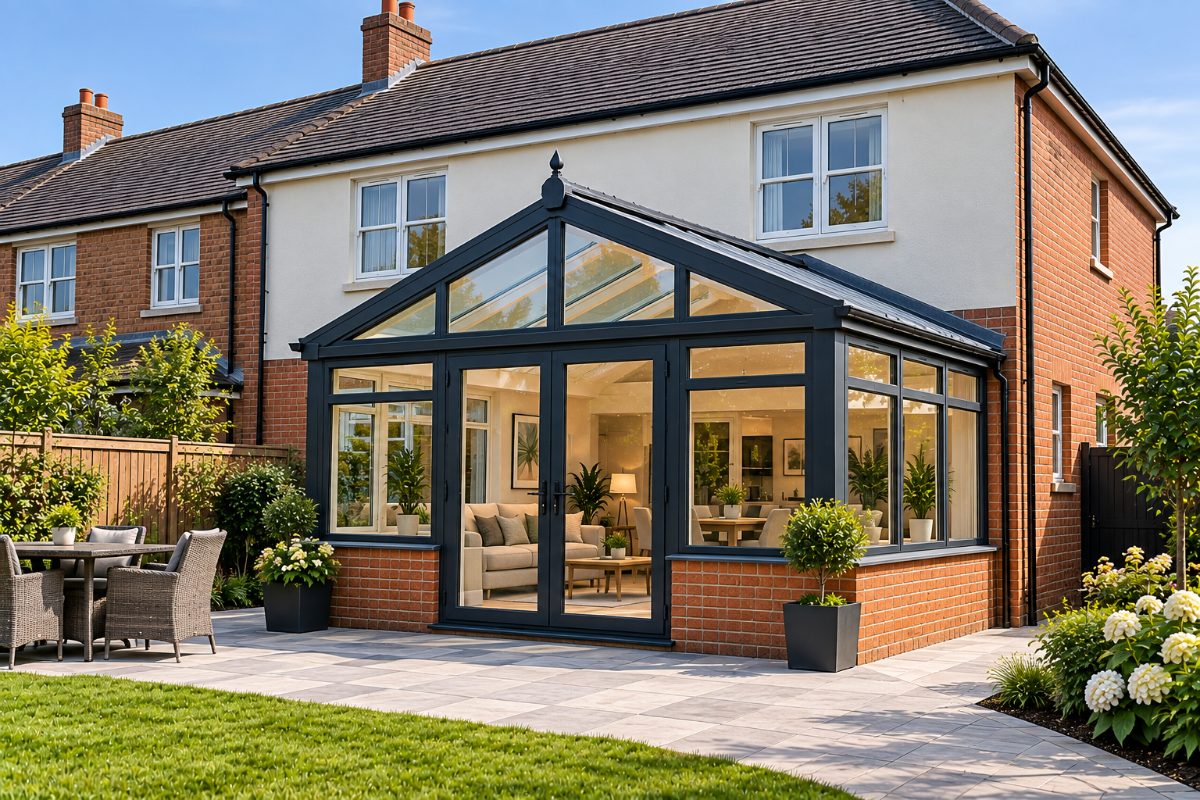
A bright, glazed room connecting your home to the garden.
£900PERMITTED HOMEOWNER GUIDES
Our illustrated, practical guides help you understand the rules, explore design options and budget with confidence — before you commit to building work.
Explore all guidesRules, design options, costs and next steps.
View guideRules, design options, costs and next steps.
View guideRules, design options, costs and next steps.
View guideRules, design options, costs and next steps.
View guideRules, design options, costs and next steps.
View guideRules, design options, costs and next steps.
View guideRules, design options, costs and next steps.
View guideRules, design options, costs and next steps.
View guideWe use cookies that are needed to run the basket and checkout. We would also like to use analytics cookies to understand how the site is used. We only do that if you say yes.

Maximize your property’s footprint with precision and ease. Permitted provides complete design for Permitted Development Rights. Our packages are designed around the Permitted Development limits, so many projects can proceed without a full planning application.
PERMITTED is operated by Yorkshire Property Design Services Limited, registered in England and Wales under company number 12698267.
Registered office: Ground Floor, Techno Centre, Station Road, Horsforth, Leeds, LS18 5BJ
Business contact address: Wira House, Ground Floor, Suite 5, Ring Road, West Park, Leeds, LS16 6EB