


Permitted Development rules





Professional, builder-ready drawing packages for extensions, lofts, porches, garages, garden rooms and more — designed to Permitted Development parameters and supplied as sold.
PERMITTED HOMEOWNER GUIDES
Our illustrated, practical guides help you understand the rules, explore design options and budget with confidence — before you commit to building work.
Explore all guides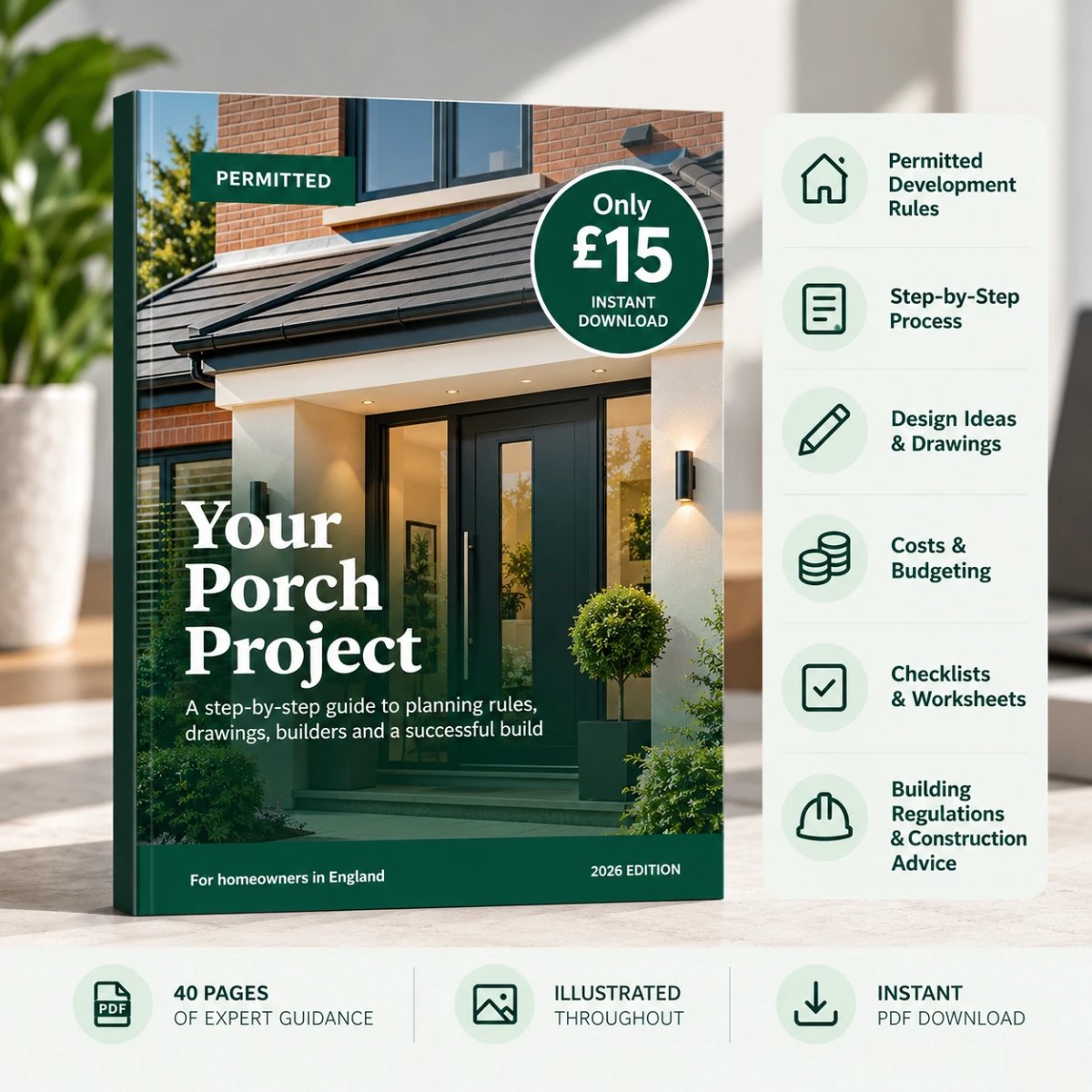
Rules, design options, costs and next steps.
View guide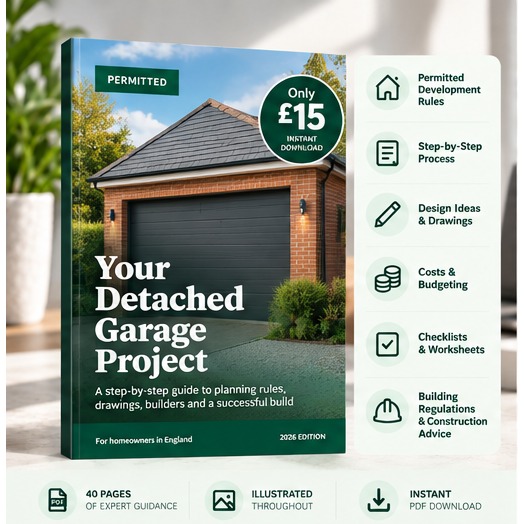
Rules, design options, costs and next steps.
View guide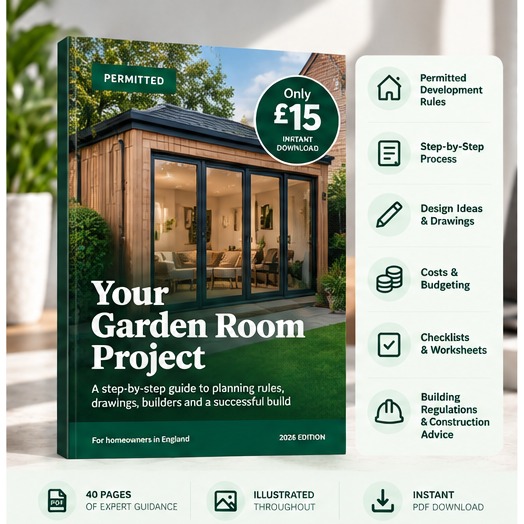
Rules, design options, costs and next steps.
View guide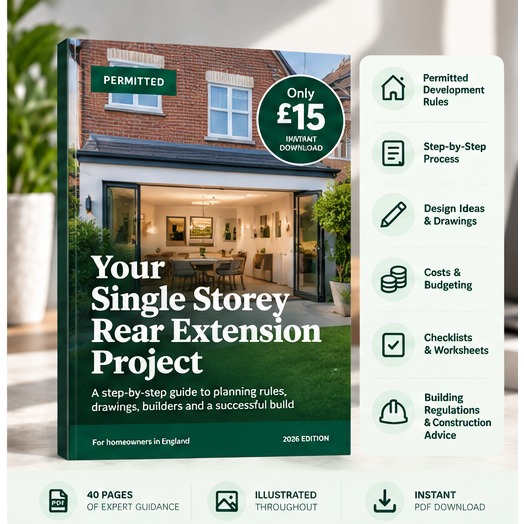
Rules, design options, costs and next steps.
View guide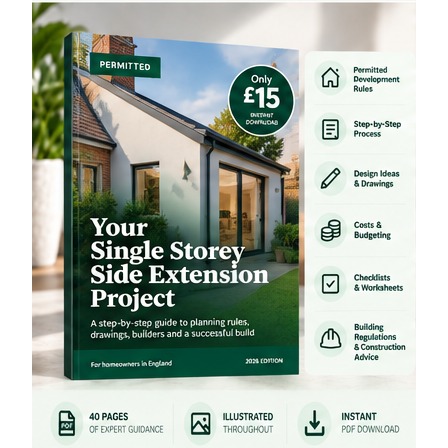
Rules, design options, costs and next steps.
View guide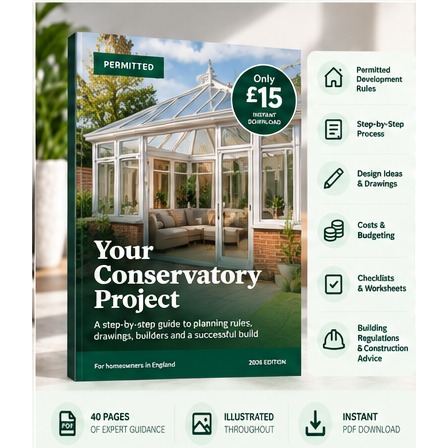
Rules, design options, costs and next steps.
View guide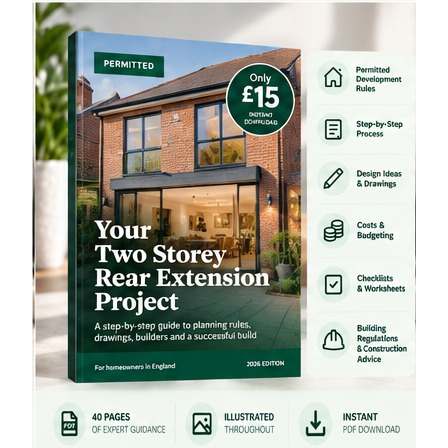
Rules, design options, costs and next steps.
View guide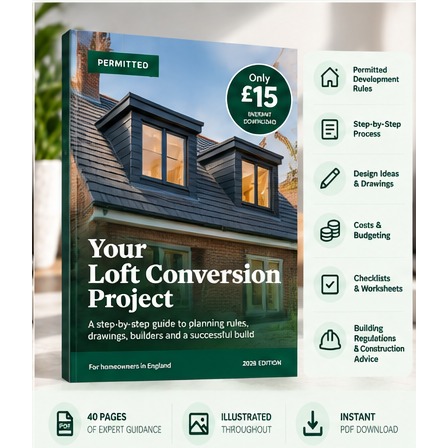
Rules, design options, costs and next steps.
View guideConverting a shop to residential use is possible without a full planning application in many cases — but Class MA permitted development only applies where the building has been in Class E use, and many high streets are protected by Article 4 Directions.
A shop in Class E use can be converted to residential via Class MA Prior Approval, provided the building has been in Class E use for at least two years and no Article 4 Direction removes the Class MA right. Many town centre and high street areas have Article 4 Directions specifically to prevent the conversion of ground-floor commercial units to housing. Where an Article 4 applies, a full planning application is needed, and the council can refuse to protect commercial uses.
Class E (commercial, business and service) was introduced in 2020 and covers most retail shops (formerly A1), financial and professional services, food and drink establishments, offices, light industrial uses, gyms, creches, and health centres.
Uses that are not Class E include hot food takeaways (sui generis), pubs, bars and drinking establishments (sui generis), and various other sui generis uses. These cannot use Class MA.
If the building is in Class E use and the two-year use requirement is met, you can submit a Class MA Prior Approval application. The council has 56 days to decide and can only refuse on specific permitted grounds. The natural light requirement is often the most contested issue for shop conversions — many ground-floor shops have limited window area, and demonstrating adequate natural light for habitable rooms can require careful layout design.
Article 4 Directions removing Class MA rights are very common on town centres, high streets, and designated shopping frontages. Where an Article 4 Direction removes Class MA, a full planning application is required and the council can apply its shopping frontage policies.
Shop-to-residential conversions raise practical issues including Building Regulations requirements (thermal insulation, fire safety, sound insulation), limited natural light penetration in ground-floor shops, noise from neighbouring commercial uses, and creating a separate residential entrance.
Extensions, loft conversions, outbuildings, solar panels — our complete guide covers everything you can build without planning permission.
Planning a project? Browse our permitted development drawing sets — fixed price, supplied exactly as sold and emailed to you as a PDF.
Each one is already drawn. You choose the material, roof and options we actually draw, and that is the package you receive.
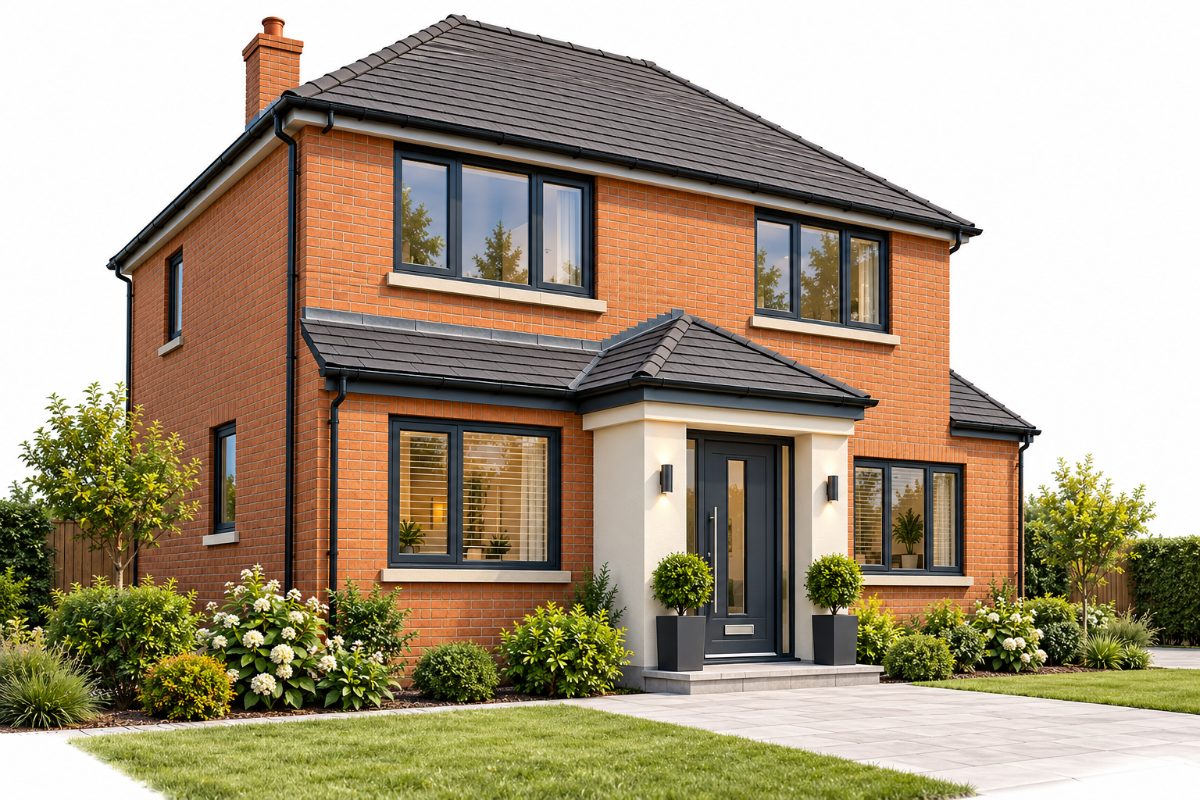
A practical entrance area that adds space and improves the look of your home.
£350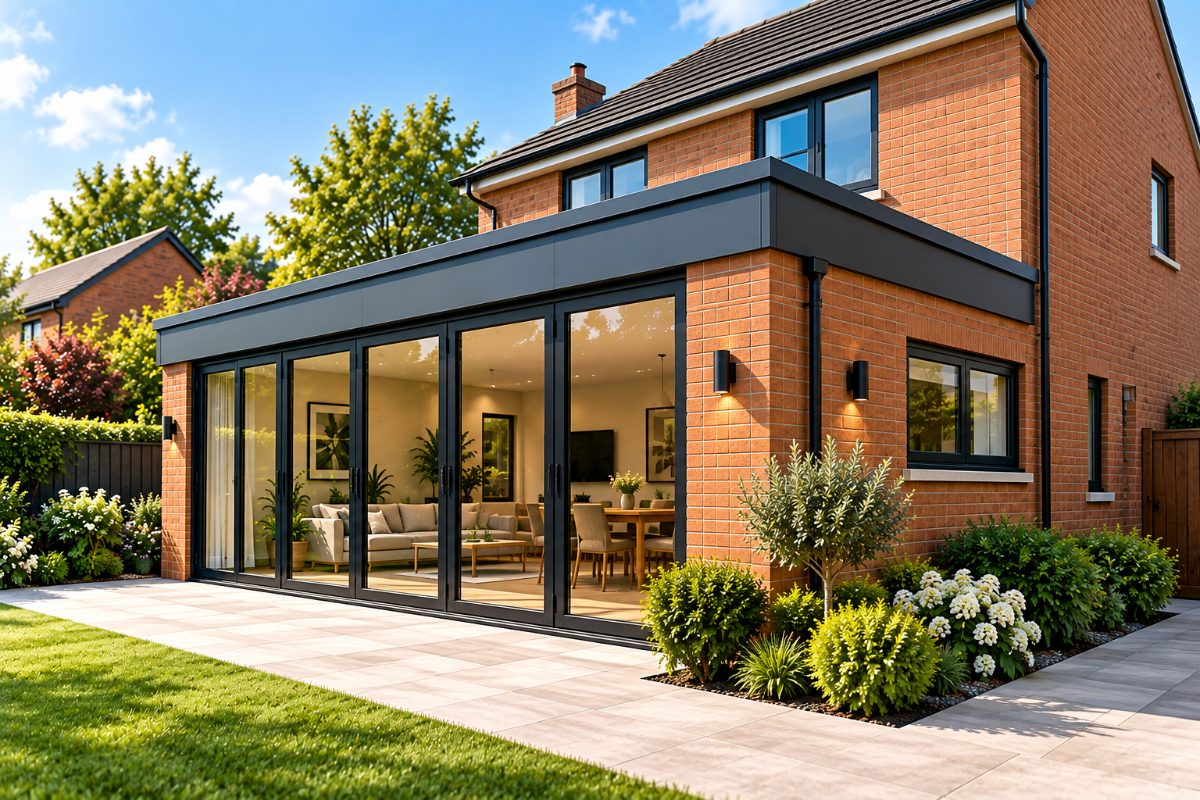
A popular way to create a larger kitchen, dining or family area.
£900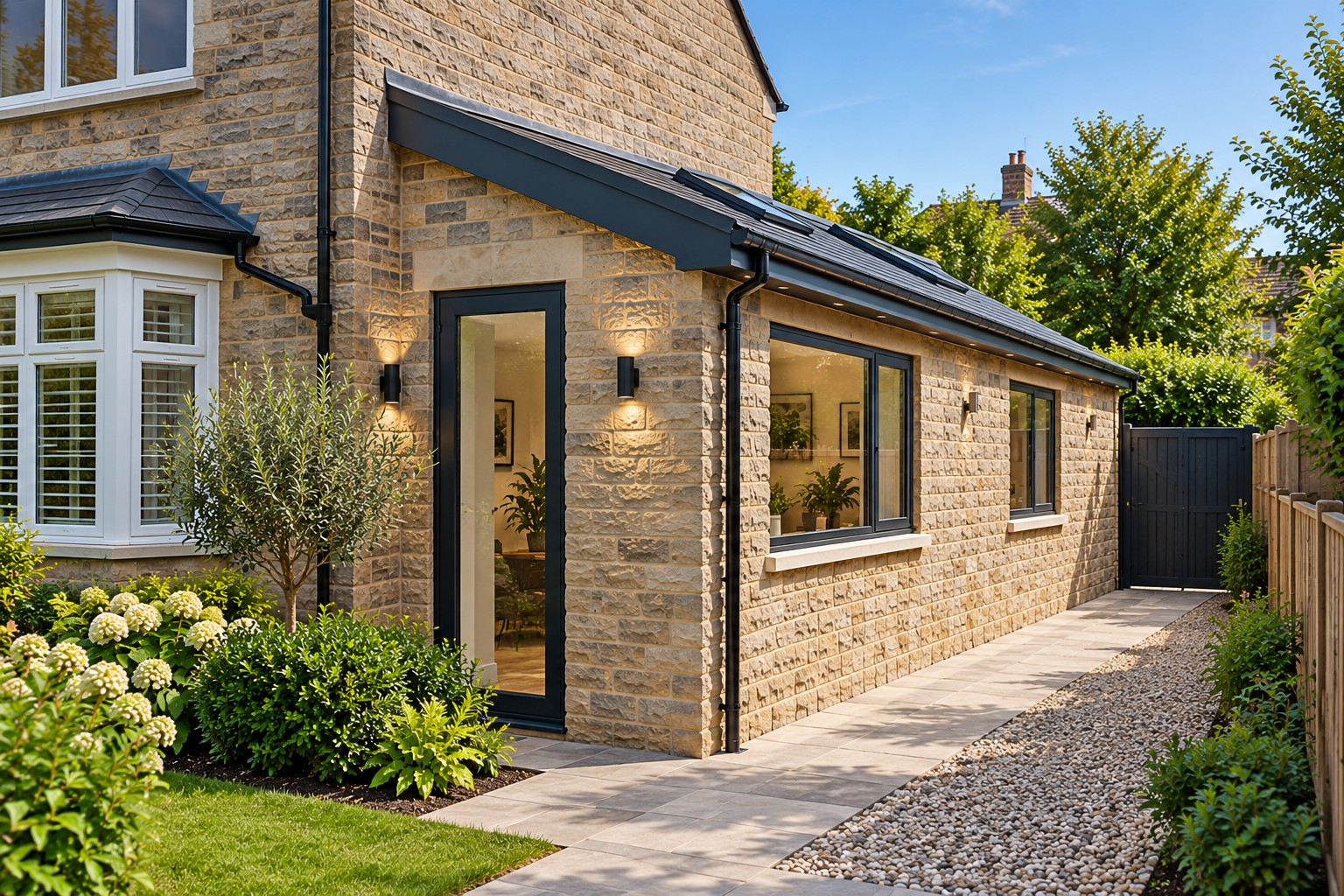
Adds valuable space to the side of your home for a kitchen or utility.
£900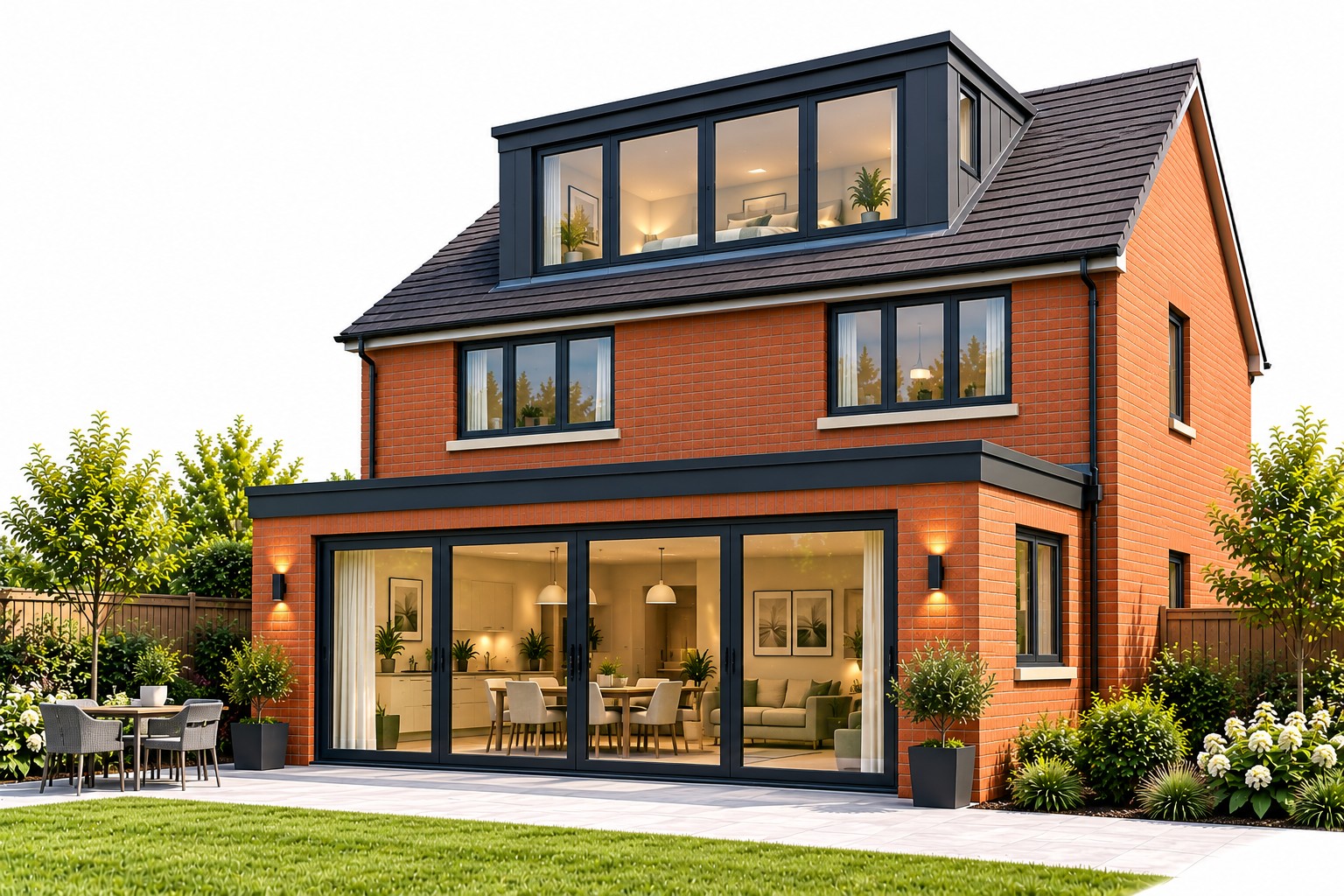
Turns unused loft space into a bedroom, office or additional living area.
£1,500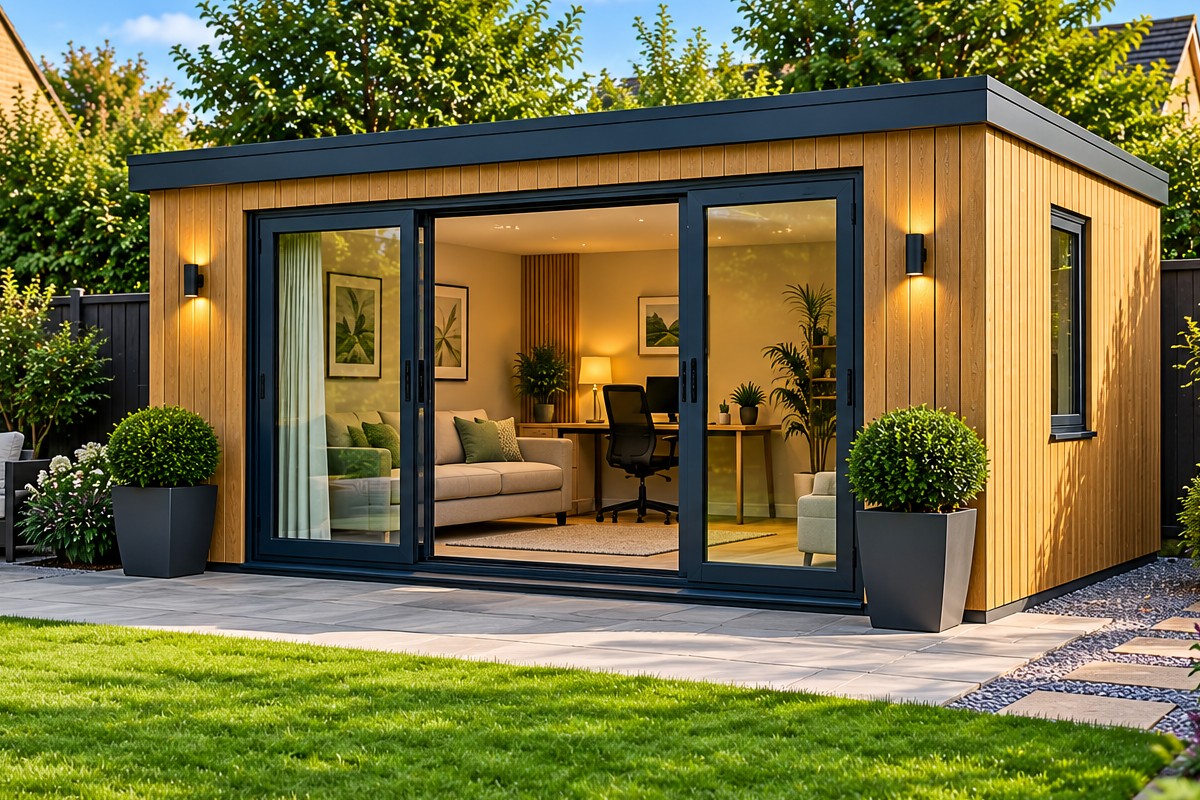
A flexible, detached space for work, leisure or extra living space.
£350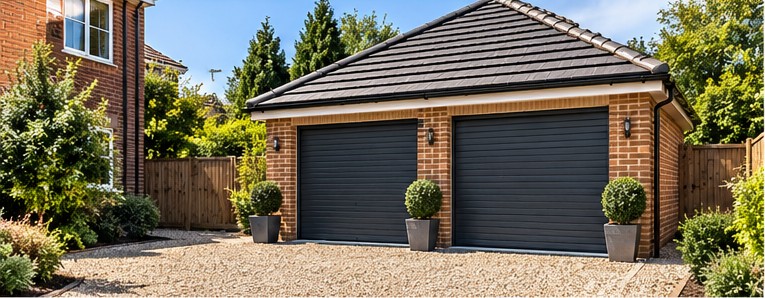
Secure parking or useful storage, single or double.
£350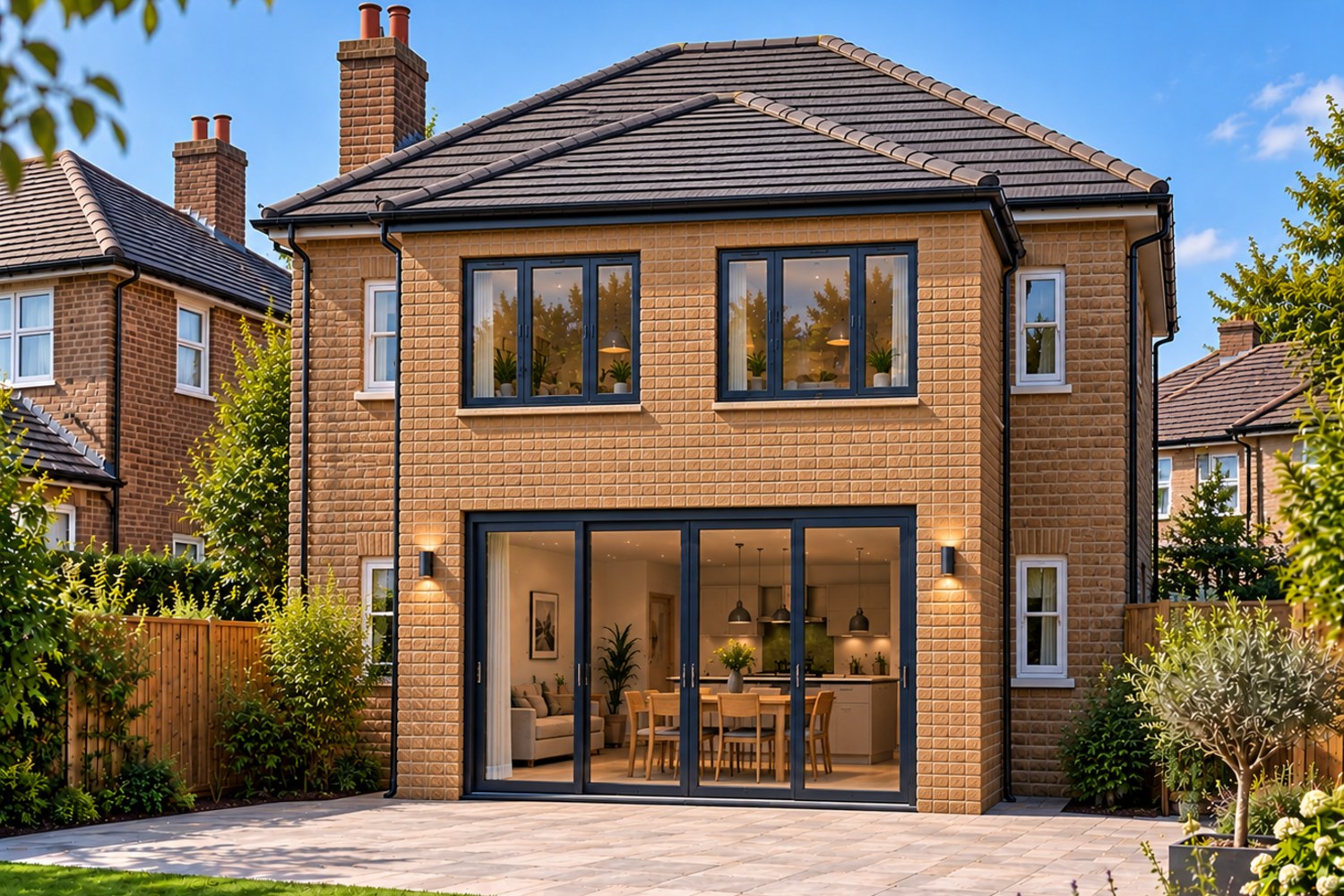
Significantly more living space across both floors.
£1,400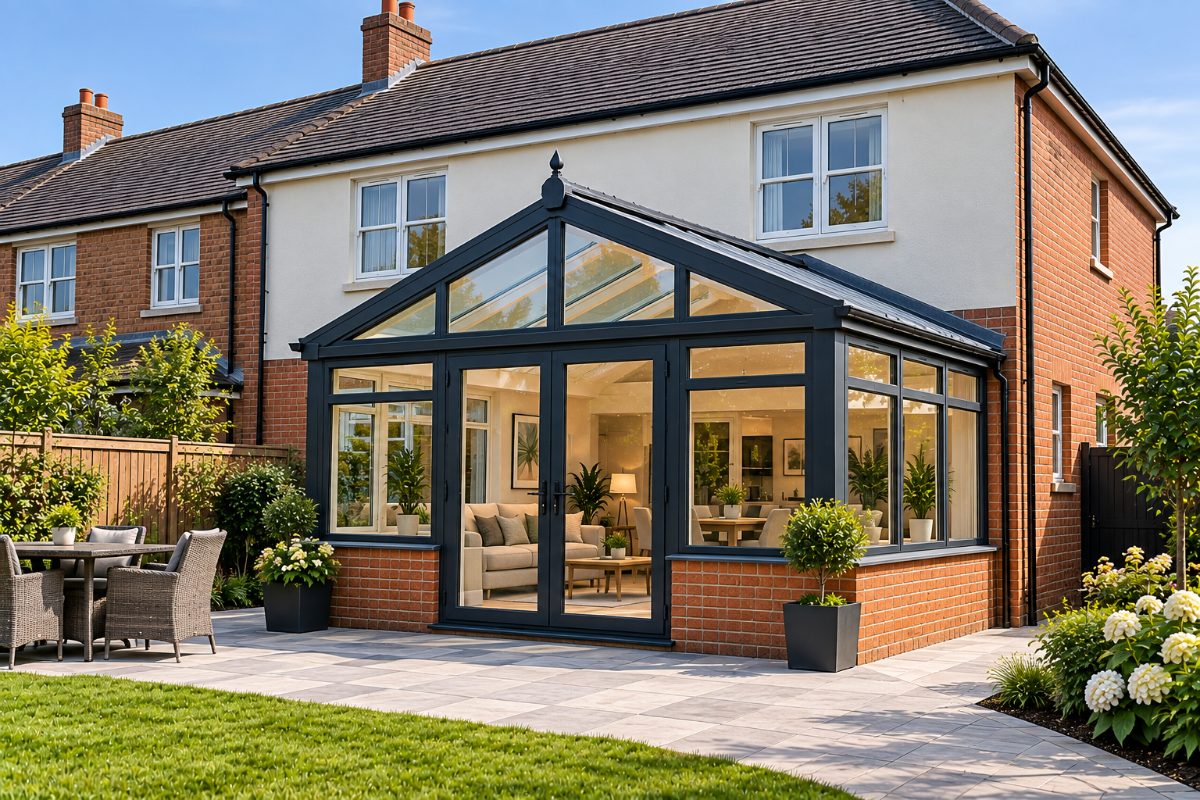
A bright, glazed room connecting your home to the garden.
£900PERMITTED HOMEOWNER GUIDES
Our illustrated, practical guides help you understand the rules, explore design options and budget with confidence — before you commit to building work.
Explore all guidesRules, design options, costs and next steps.
View guideRules, design options, costs and next steps.
View guideRules, design options, costs and next steps.
View guideRules, design options, costs and next steps.
View guideRules, design options, costs and next steps.
View guideRules, design options, costs and next steps.
View guideRules, design options, costs and next steps.
View guideRules, design options, costs and next steps.
View guideWe use cookies that are needed to run the basket and checkout. We would also like to use analytics cookies to understand how the site is used. We only do that if you say yes.

Maximize your property’s footprint with precision and ease. Permitted provides complete design for Permitted Development Rights. Our packages are designed around the Permitted Development limits, so many projects can proceed without a full planning application.
PERMITTED is operated by Yorkshire Property Design Services Limited, registered in England and Wales under company number 12698267.
Registered office: Ground Floor, Techno Centre, Station Road, Horsforth, Leeds, LS18 5BJ
Business contact address: Wira House, Ground Floor, Suite 5, Ring Road, West Park, Leeds, LS16 6EB