


Permitted Development rules





Professional, builder-ready drawing packages for extensions, lofts, porches, garages, garden rooms and more — designed to Permitted Development parameters and supplied as sold.
PERMITTED HOMEOWNER GUIDES
Our illustrated, practical guides help you understand the rules, explore design options and budget with confidence — before you commit to building work.
Explore all guides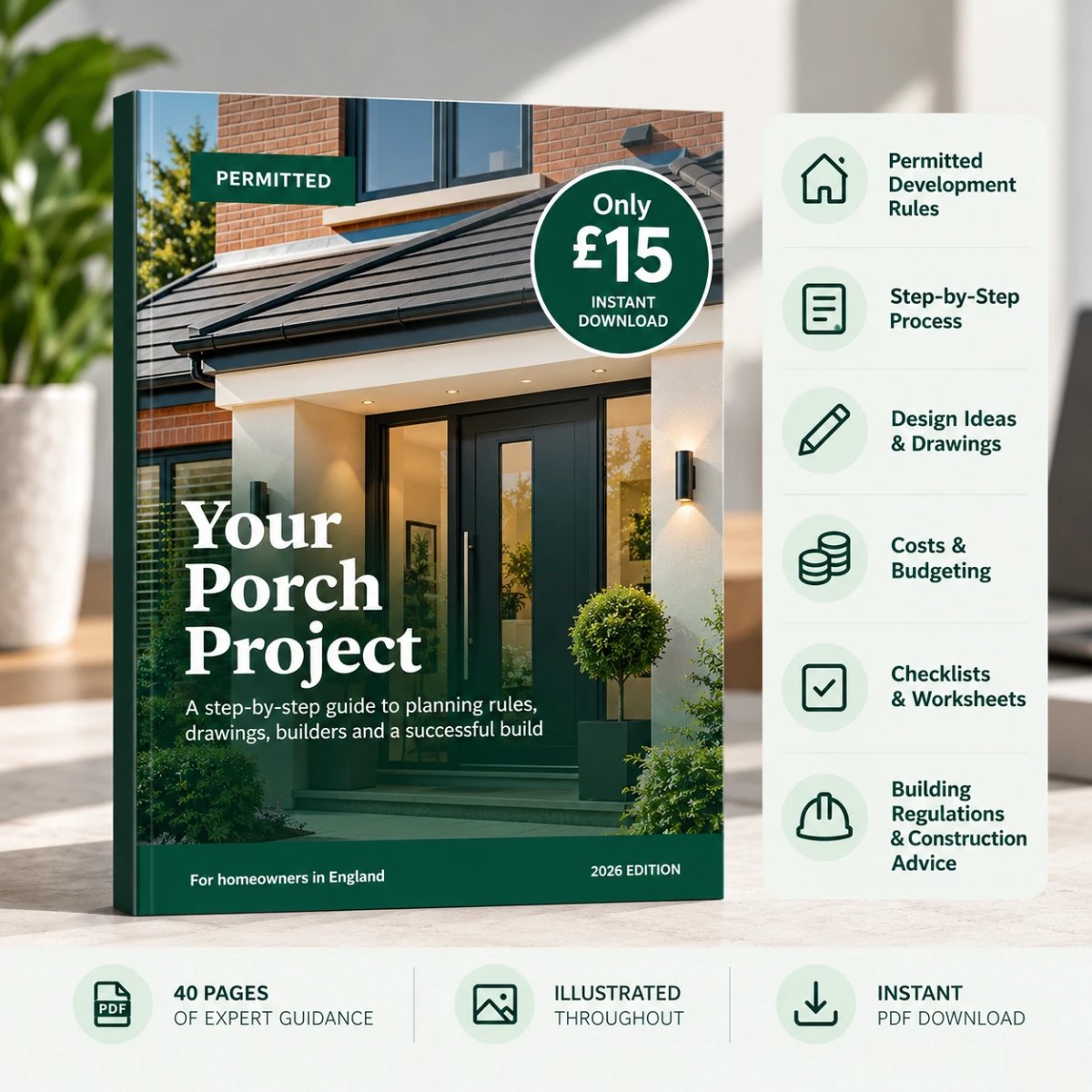
Rules, design options, costs and next steps.
View guide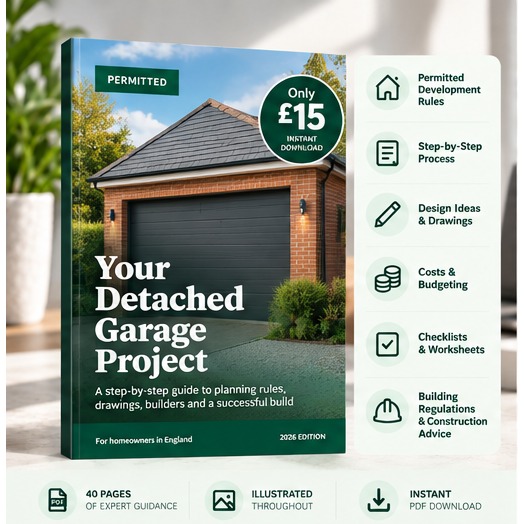
Rules, design options, costs and next steps.
View guide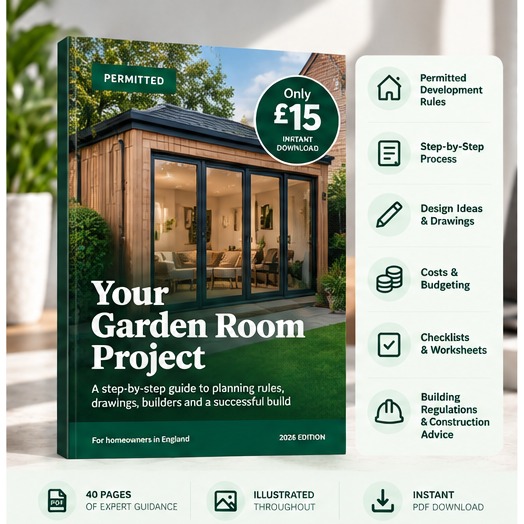
Rules, design options, costs and next steps.
View guide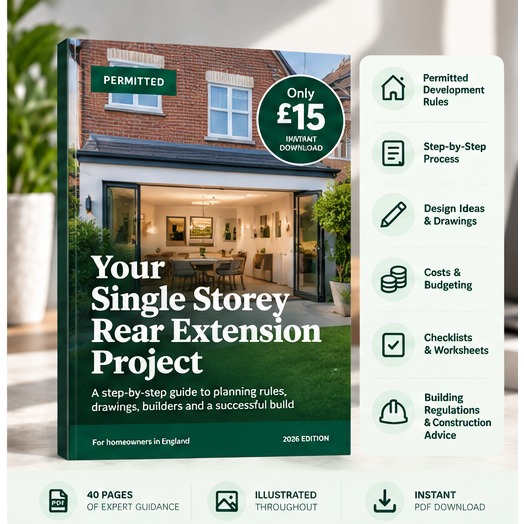
Rules, design options, costs and next steps.
View guide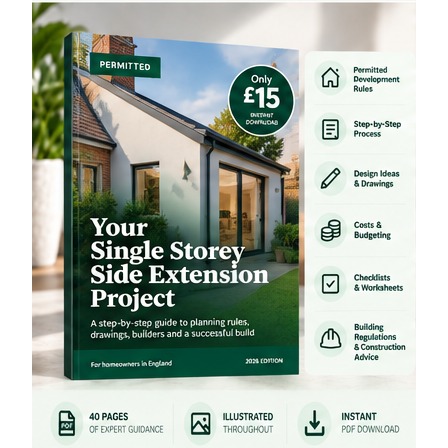
Rules, design options, costs and next steps.
View guide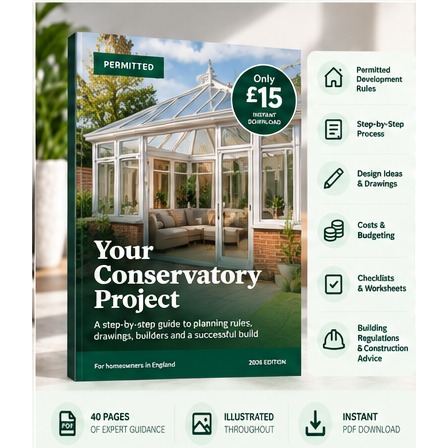
Rules, design options, costs and next steps.
View guide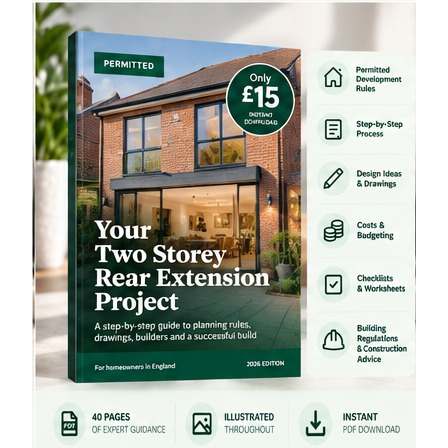
Rules, design options, costs and next steps.
View guide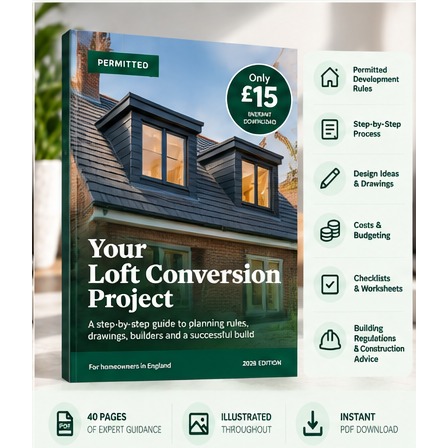
Rules, design options, costs and next steps.
View guideLocal authorities have limited time to take enforcement action against breaches of planning control. Once the time limit passes, the development becomes immune from enforcement — but the rules are more complex than a simple countdown.
The main enforcement time limits are: 4 years for operational development (buildings, extensions, engineering operations) from the date the development was substantially completed; and 10 years for a change of use of land, and for any breach of a planning condition. Once these time limits expire, the council can no longer serve an enforcement notice for that breach. However, concealment of the breach can “stop the clock” and there are rules about what counts as substantially completed. The Levelling Up and Regeneration Act 2023 introduced a single 10-year time limit for all breaches of planning control from August 2024 for new breaches — this is being phased in.
For breaches of planning control that occurred before August 2024 (when the Levelling Up and Regeneration Act changes came into force), the following time limits apply:
| Type of breach | Enforcement time limit |
|---|---|
| Operational development (building an extension, house, outbuilding, engineering works) | 4 years from substantial completion |
| Change of use of a building to a dwellinghouse | 4 years from the date of the change of use |
| Any other change of use of land | 10 years from the date of the change of use |
| Breach of a planning condition | 10 years from the date of the breach |
The Levelling Up and Regeneration Act 2023 abolished the 4-year time limits and replaced them with a single 10-year time limit for all breaches of planning control. This change applies to breaches that occur on or after 25 April 2024. For breaches that occurred before this date, the old limits still apply.
The clock for operational development starts running from the date the development was substantially completed — not from when it started. A building is substantially completed when it is capable of being used for its intended purpose, even if finishing works remain. If you built an extension but left it unplastered and uninhabitable for 3 years, the clock would start running from when it was substantially completed, not when it was started.
Proving the date of substantial completion is the key evidentiary challenge for Section 191 LDC applications based on time limits.
The council can apply to a magistrates’ court for an injunction to stop the enforcement time limit running where the breach has been deliberately concealed. The Levelling Up and Regeneration Act 2023 also introduced a new power allowing councils to apply for a “planning injunction” where concealment is found, effectively removing the time limit protection. This means deliberate concealment of development is risky — not only does it not reliably protect you, it can make your position worse.
This kind of project usually needs planning permission rather than permitted development. PERMITTED is part of YPDS Architectural Services, a Leeds architectural design practice that designs, prepares and manages planning applications.
Planning a project? Browse our permitted development drawing sets — fixed price, supplied exactly as sold and emailed to you as a PDF.
Each one is already drawn. You choose the material, roof and options we actually draw, and that is the package you receive.
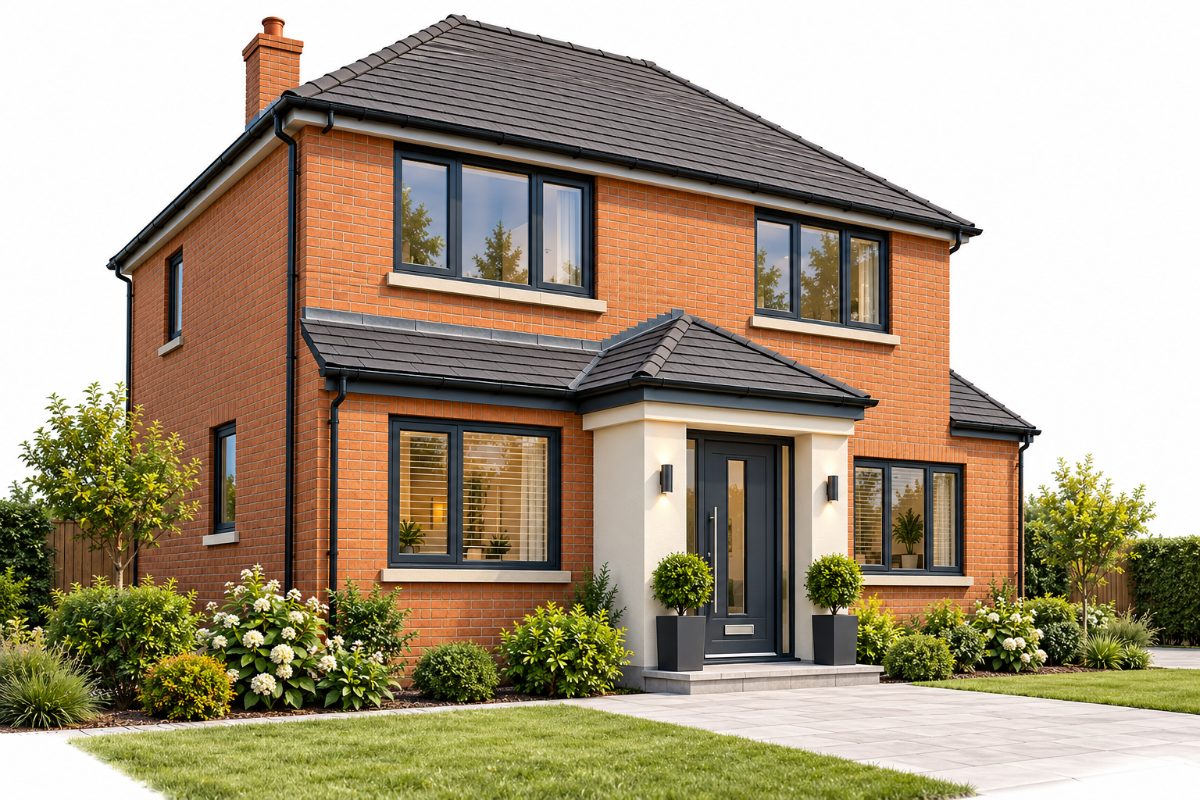
A practical entrance area that adds space and improves the look of your home.
£350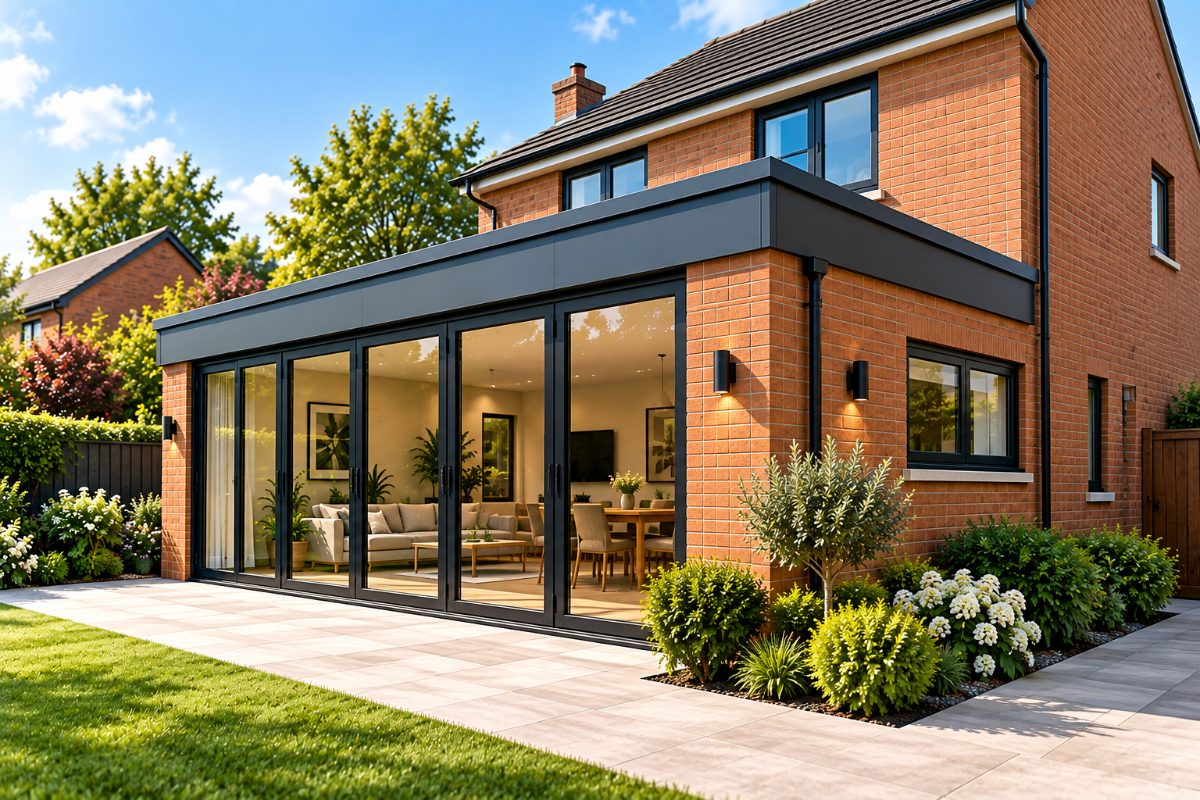
A popular way to create a larger kitchen, dining or family area.
£900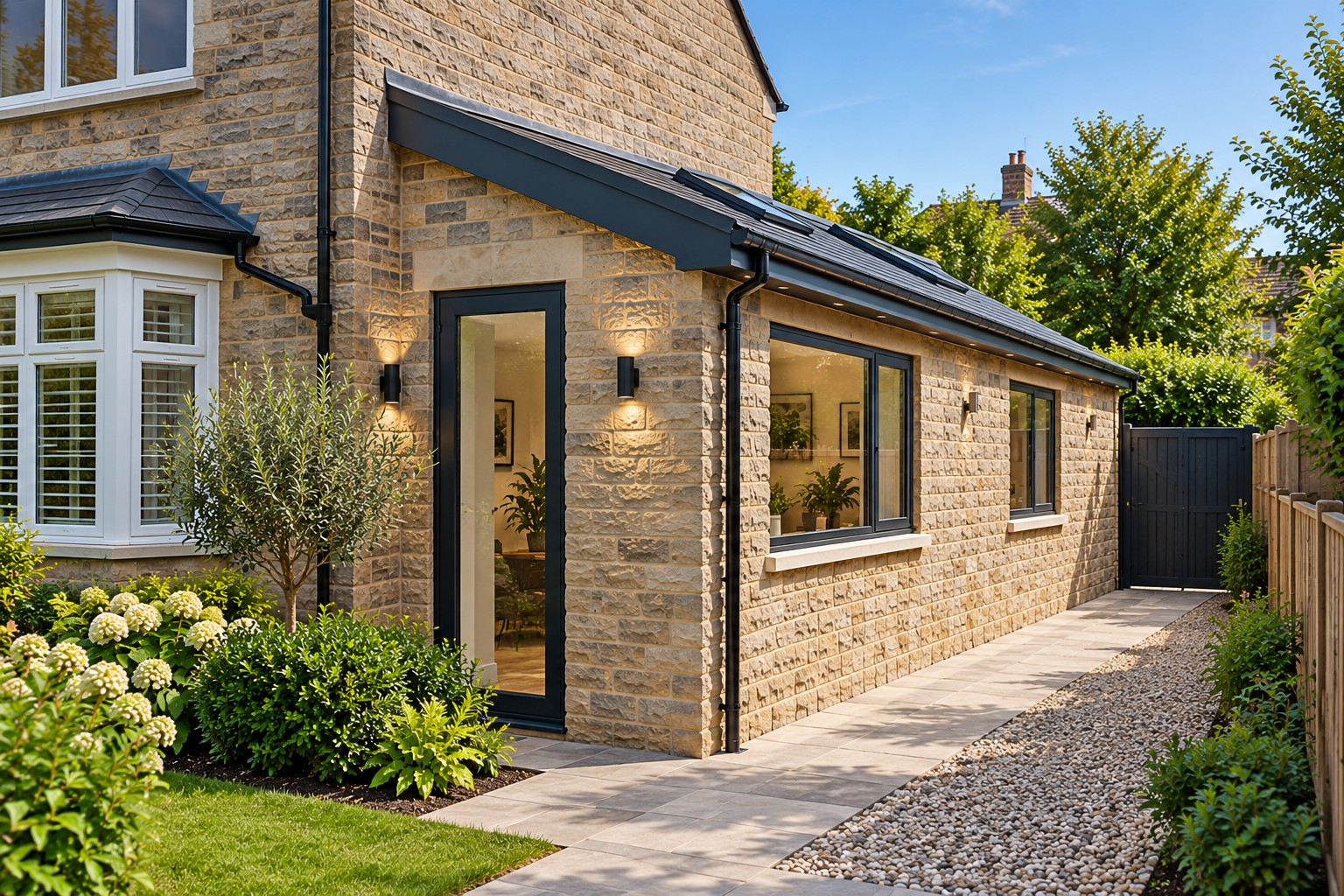
Adds valuable space to the side of your home for a kitchen or utility.
£900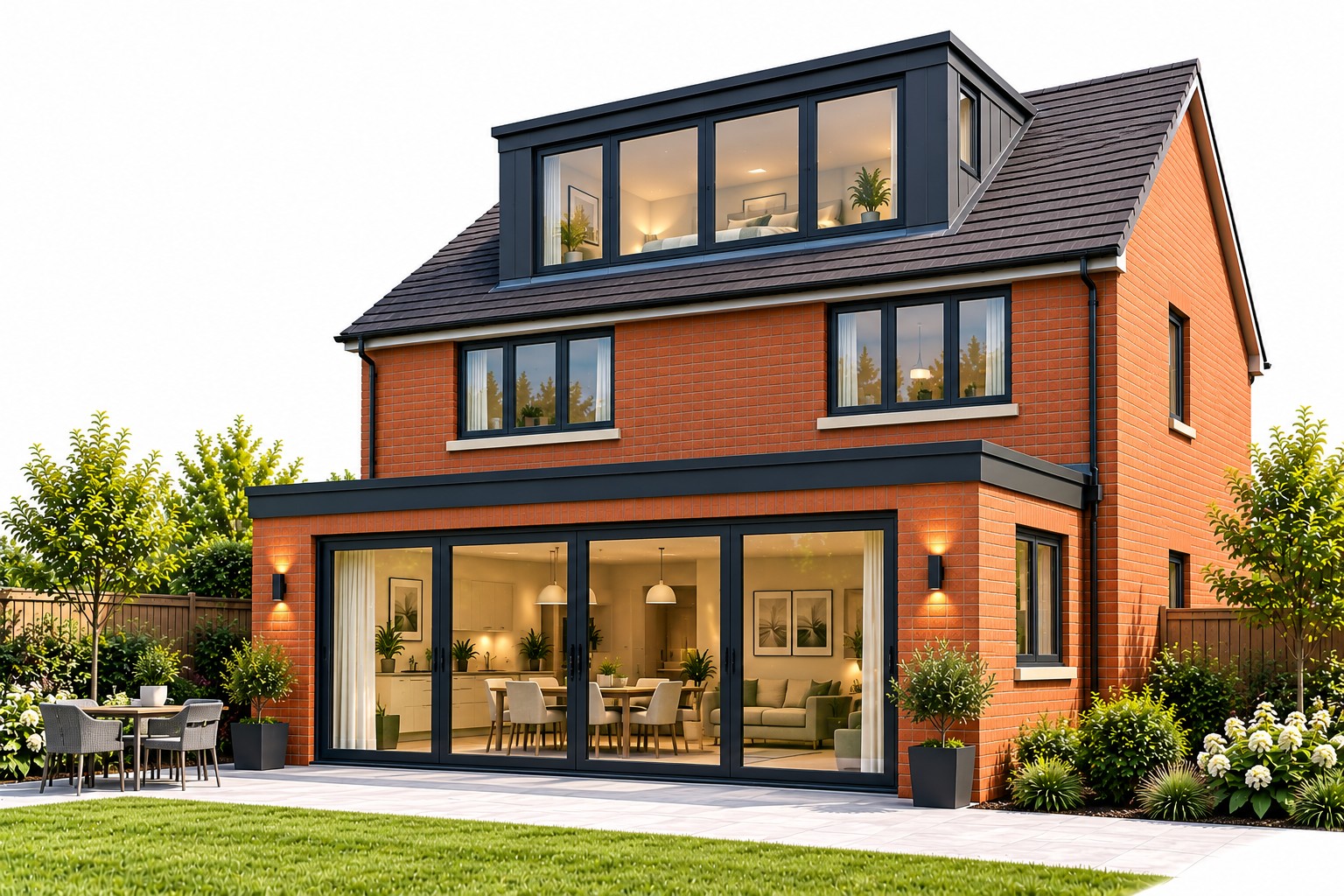
Turns unused loft space into a bedroom, office or additional living area.
£1,500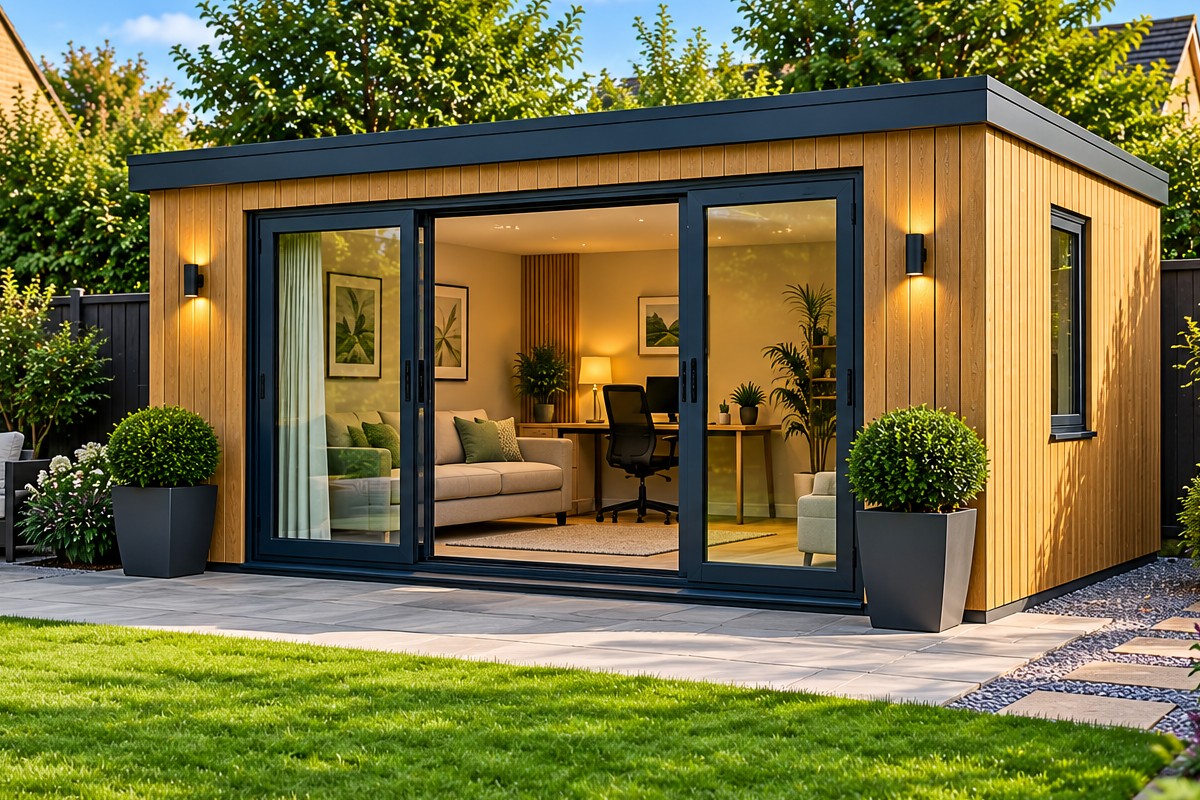
A flexible, detached space for work, leisure or extra living space.
£350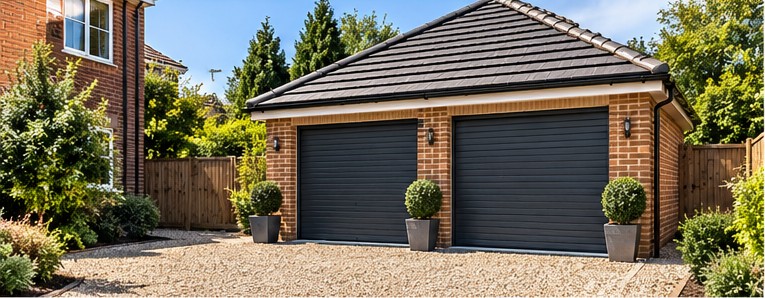
Secure parking or useful storage, single or double.
£350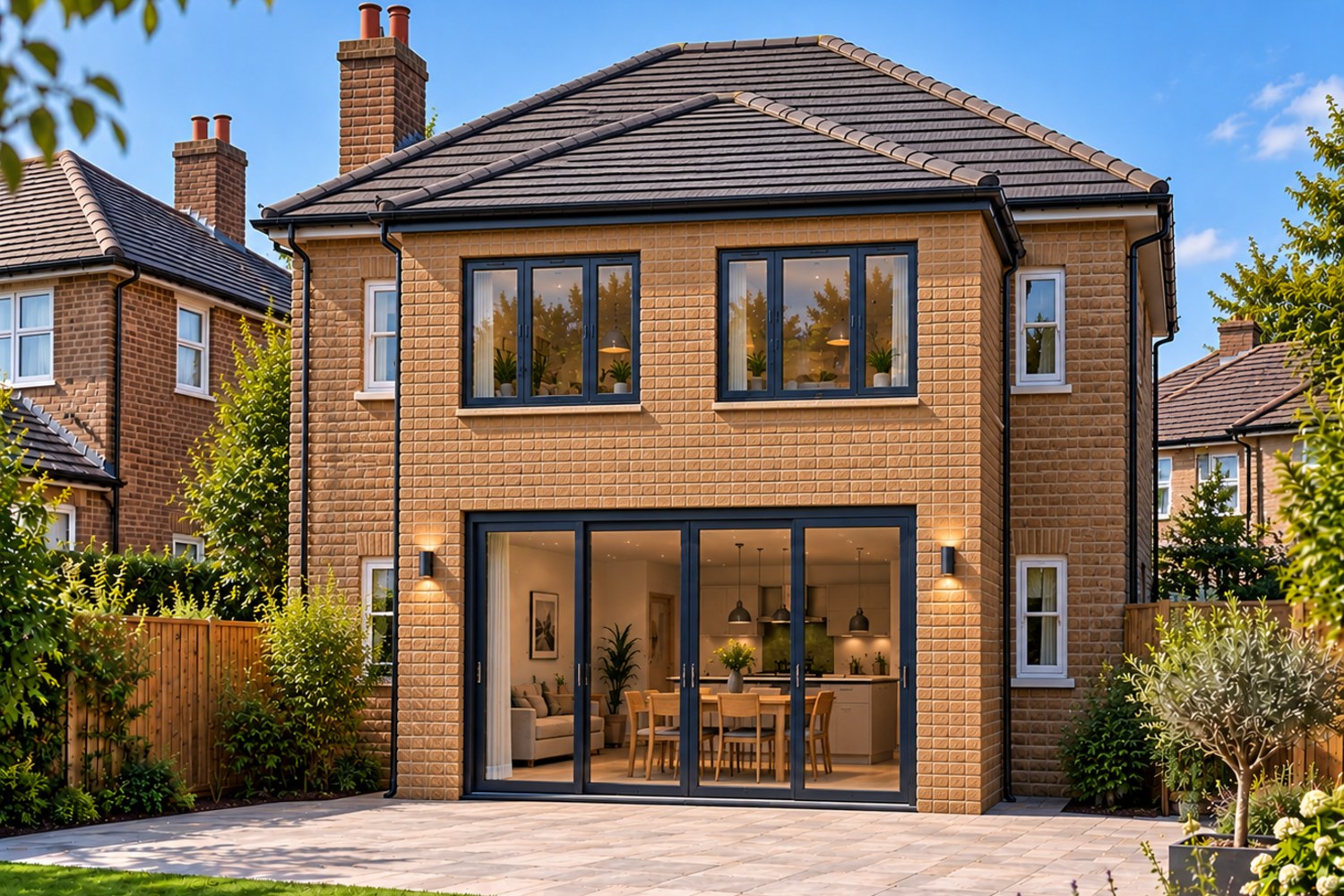
Significantly more living space across both floors.
£1,400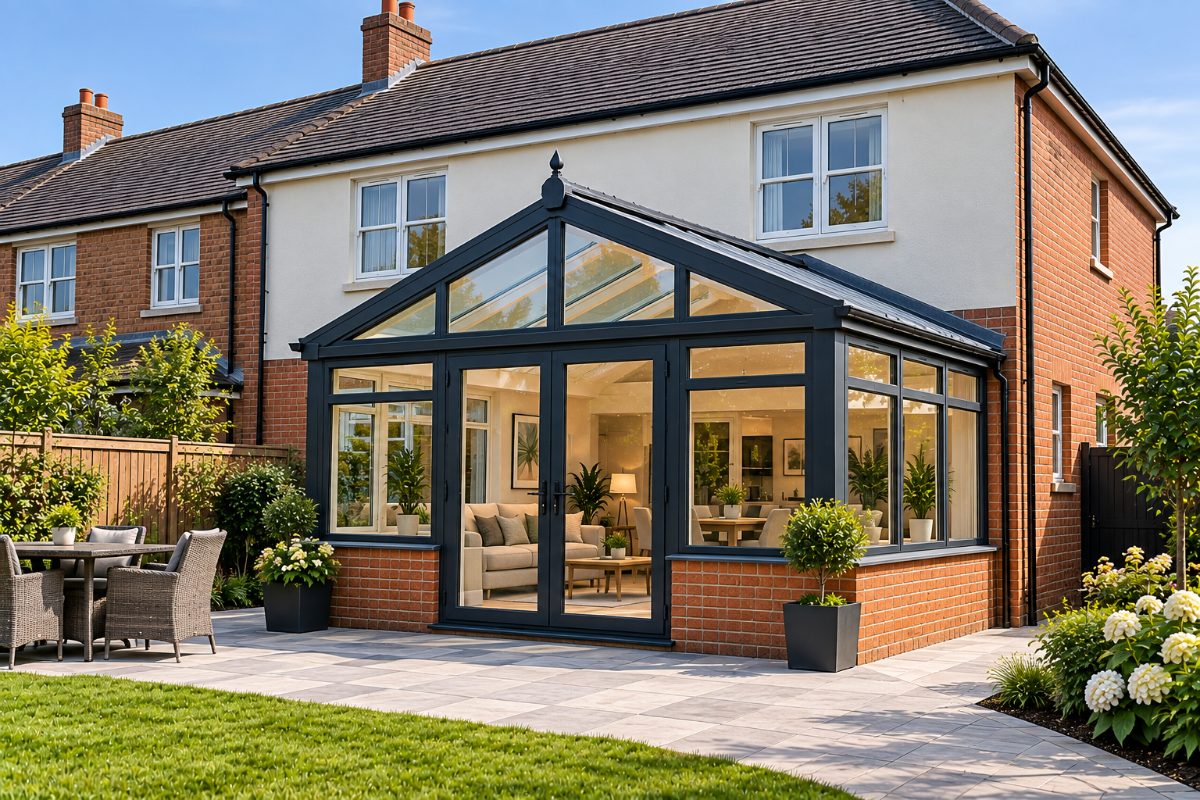
A bright, glazed room connecting your home to the garden.
£900PERMITTED HOMEOWNER GUIDES
Our illustrated, practical guides help you understand the rules, explore design options and budget with confidence — before you commit to building work.
Explore all guidesRules, design options, costs and next steps.
View guideRules, design options, costs and next steps.
View guideRules, design options, costs and next steps.
View guideRules, design options, costs and next steps.
View guideRules, design options, costs and next steps.
View guideRules, design options, costs and next steps.
View guideRules, design options, costs and next steps.
View guideRules, design options, costs and next steps.
View guideWe use cookies that are needed to run the basket and checkout. We would also like to use analytics cookies to understand how the site is used. We only do that if you say yes.

Maximize your property’s footprint with precision and ease. Permitted provides complete design for Permitted Development Rights. Our packages are designed around the Permitted Development limits, so many projects can proceed without a full planning application.
PERMITTED is operated by Yorkshire Property Design Services Limited, registered in England and Wales under company number 12698267.
Registered office: Ground Floor, Techno Centre, Station Road, Horsforth, Leeds, LS18 5BJ
Business contact address: Wira House, Ground Floor, Suite 5, Ring Road, West Park, Leeds, LS16 6EB