


Permitted Development rules





Professional, builder-ready drawing packages for extensions, lofts, porches, garages, garden rooms and more — designed to Permitted Development parameters and supplied as sold.
PERMITTED HOMEOWNER GUIDES
Our illustrated, practical guides help you understand the rules, explore design options and budget with confidence — before you commit to building work.
Explore all guides
Rules, design options, costs and next steps.
View guide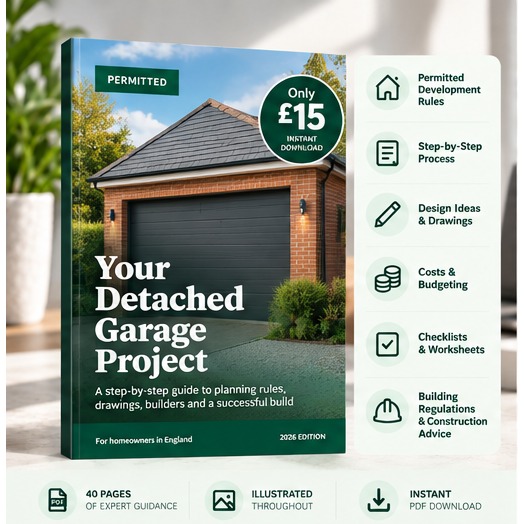
Rules, design options, costs and next steps.
View guide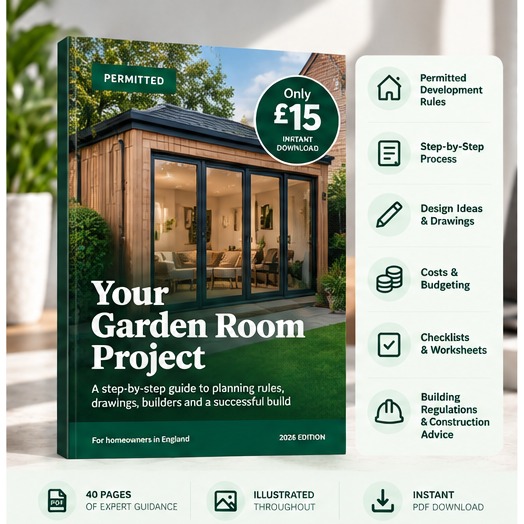
Rules, design options, costs and next steps.
View guide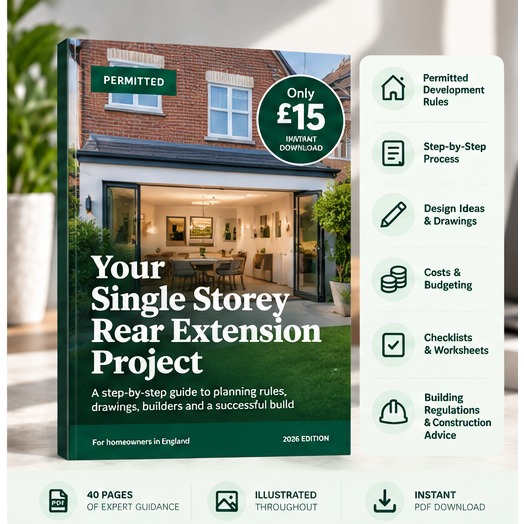
Rules, design options, costs and next steps.
View guide
Rules, design options, costs and next steps.
View guide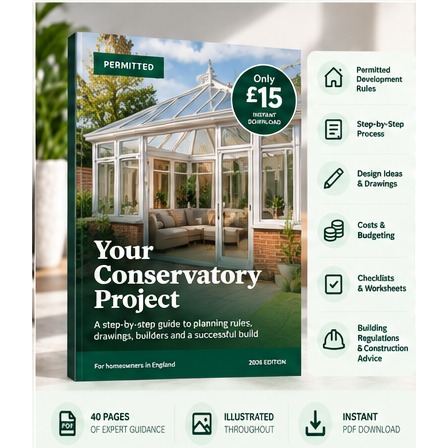
Rules, design options, costs and next steps.
View guide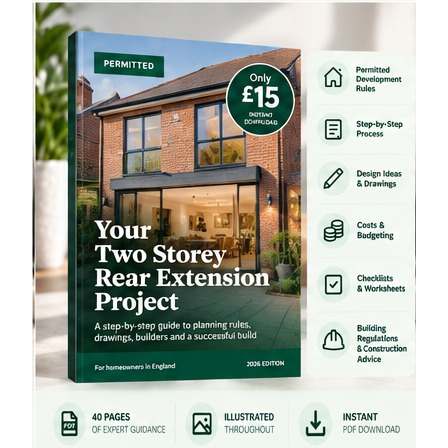
Rules, design options, costs and next steps.
View guide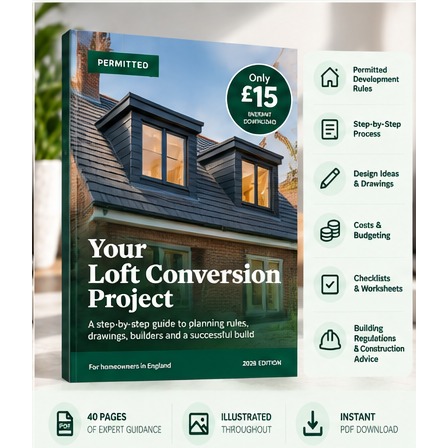
Rules, design options, costs and next steps.
View guideGround source heat pumps are permitted development in England — but the underground works (boreholes or horizontal loops) have their own permissions and environmental consents. Here’s the complete picture.
The ground source heat pump unit itself (the indoor heat exchanger and pump) is permitted development and doesn’t need planning permission. The underground collector system — whether a horizontal ground loop or a vertical borehole — is where complexity arises. Boreholes may require consent from the Environment Agency (EA) in addition to planning permission. Horizontal loops are generally simpler, but both require careful assessment of site suitability.
Air source heat pumps take heat from the air outside. Ground source heat pumps take heat from the ground — either via horizontal loops buried in your garden or vertical boreholes drilled 50–150 metres down. The planning and consent regime reflects this difference.
Ground source heat pumps are covered by Class H of Part 14, Schedule 2 to the GPDO 2015. The conditions are:
The underground works for a GSHP come in two main types:
Pipes are buried in trenches about 1.2–1.5 metres deep across your garden. The area needed depends on the heat output required — as a rough guide, 1–2kW of heat output requires approximately 10m of trench. A typical 8kW system needs 80–160 metres of trench, which requires a reasonably large garden.
Horizontal loops don’t involve drilling into the water table or deep rock, so Environment Agency consent is generally not required. The trenching work is disruptive but temporary, and the ground can be reinstated and re-grassed after installation.
Where garden space is limited, vertical boreholes can be drilled 50–200 metres down. A single borehole can support a 3–5kW system; a larger home may need multiple boreholes. Boreholes require specialist drilling equipment and are more expensive, but have minimal surface footprint once complete.
Vertical boreholes for ground source heat pumps may require consent from the Environment Agency, depending on:
The EA has published specific guidance on ground source heat pumps, which your installer should be familiar with. MCS-certified GSHP installers are trained to handle EA compliance as part of the installation process.
| Installation type | EA consent typically needed? |
|---|---|
| Horizontal ground loops | Usually not |
| Vertical boreholes (shallow, away from aquifers) | Registration may be required |
| Vertical boreholes (near aquifers or SPZs) | Yes — full EA consent required |
For most domestic installations on standard properties outside designated areas, planning permission is not required — but Environment Agency compliance is a separate and important matter.
GSHP installations are subject to Building Regulations Part L (thermal performance). MCS-certified installers handle Building Regulations compliance as part of their service.
The Boiler Upgrade Scheme (BUS) provides a grant of up to £7,500 for ground source heat pumps — the same amount as for air source heat pumps. You must use an MCS-certified installer to access the grant. The grant significantly offsets the higher installation cost of a GSHP (typically £15,000–£35,000) compared to an ASHP.
Solar panels, air source heat pumps, EV chargers, extensions — our complete guide covers everything you can do without full planning permission.
Planning a project? Browse our permitted development drawing sets — fixed price, supplied exactly as sold and emailed to you as a PDF.
Each one is already drawn. You choose the material, roof and options we actually draw, and that is the package you receive.
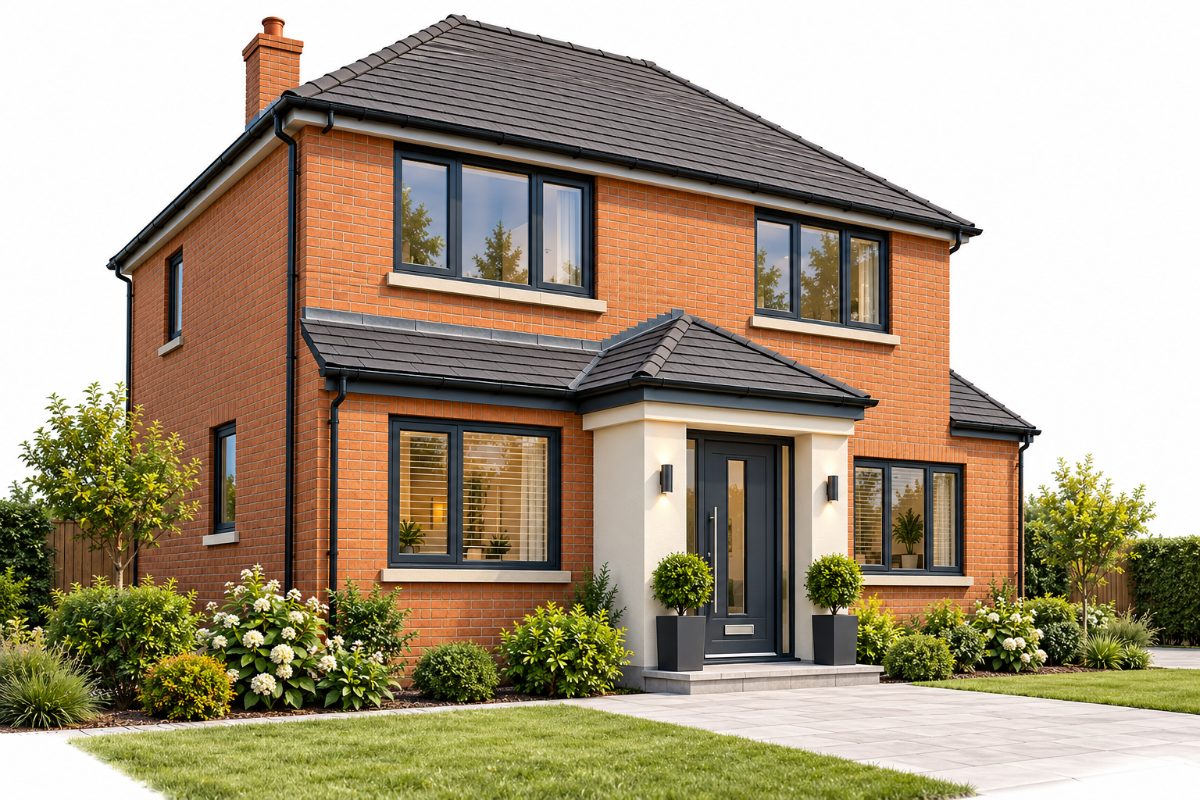
A practical entrance area that adds space and improves the look of your home.
£350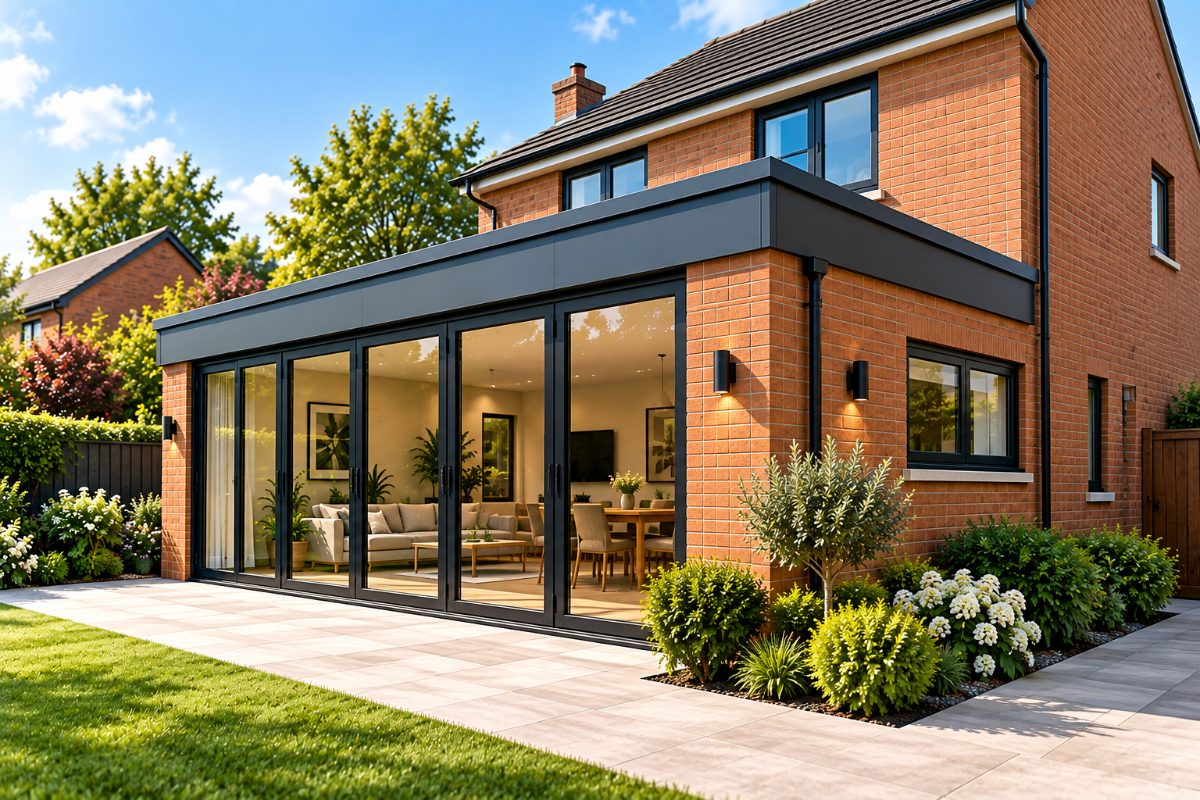
A popular way to create a larger kitchen, dining or family area.
£900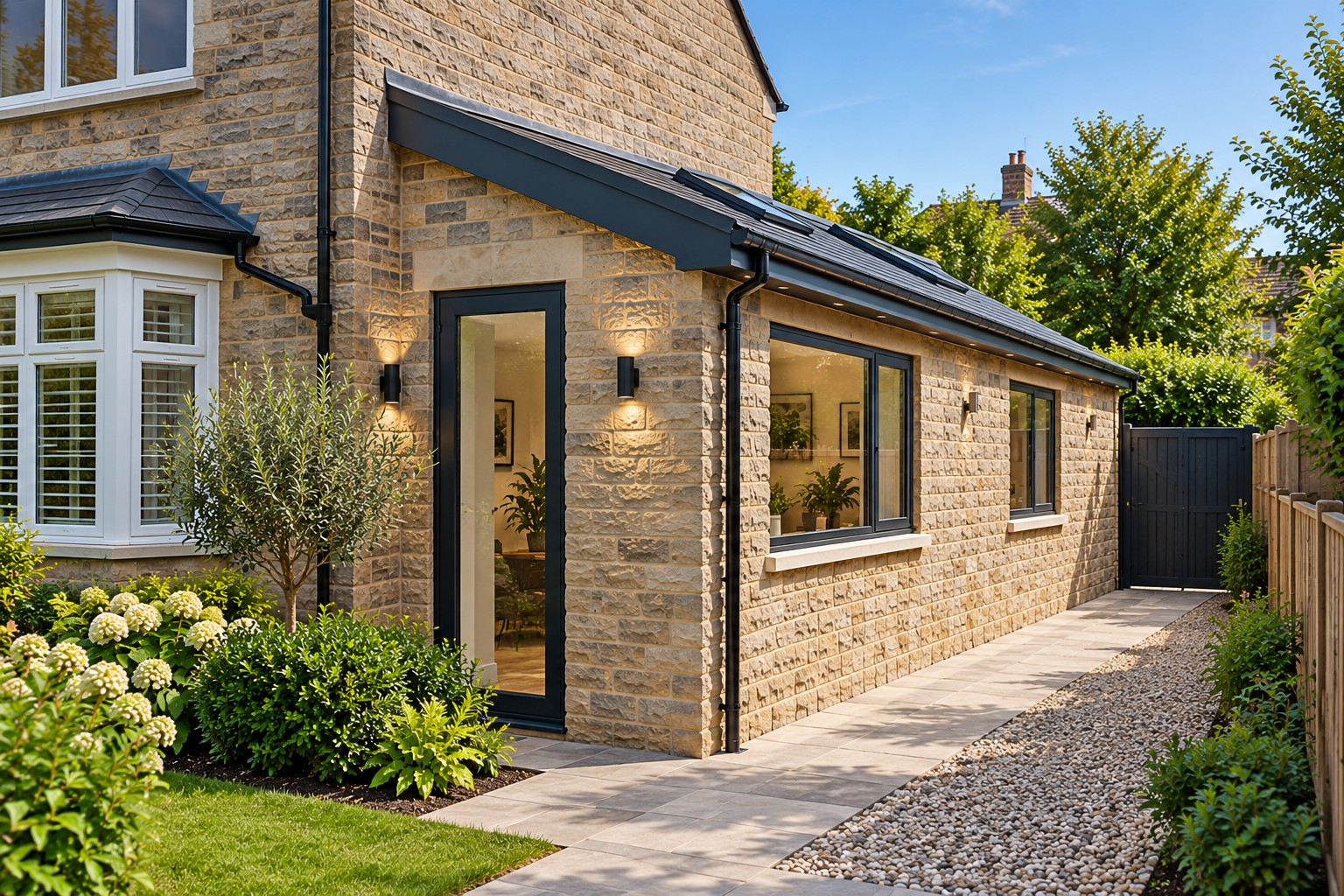
Adds valuable space to the side of your home for a kitchen or utility.
£900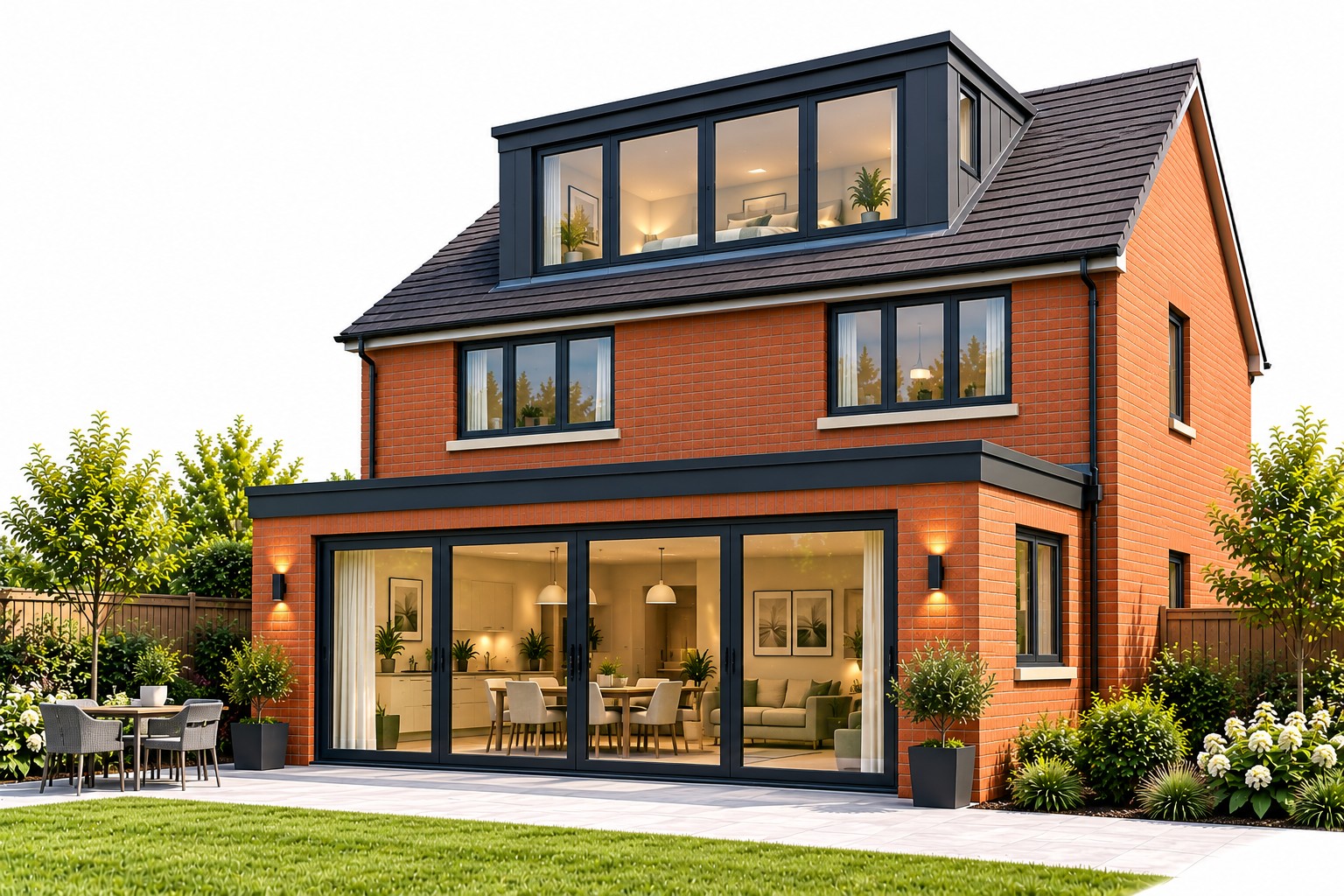
Turns unused loft space into a bedroom, office or additional living area.
£1,500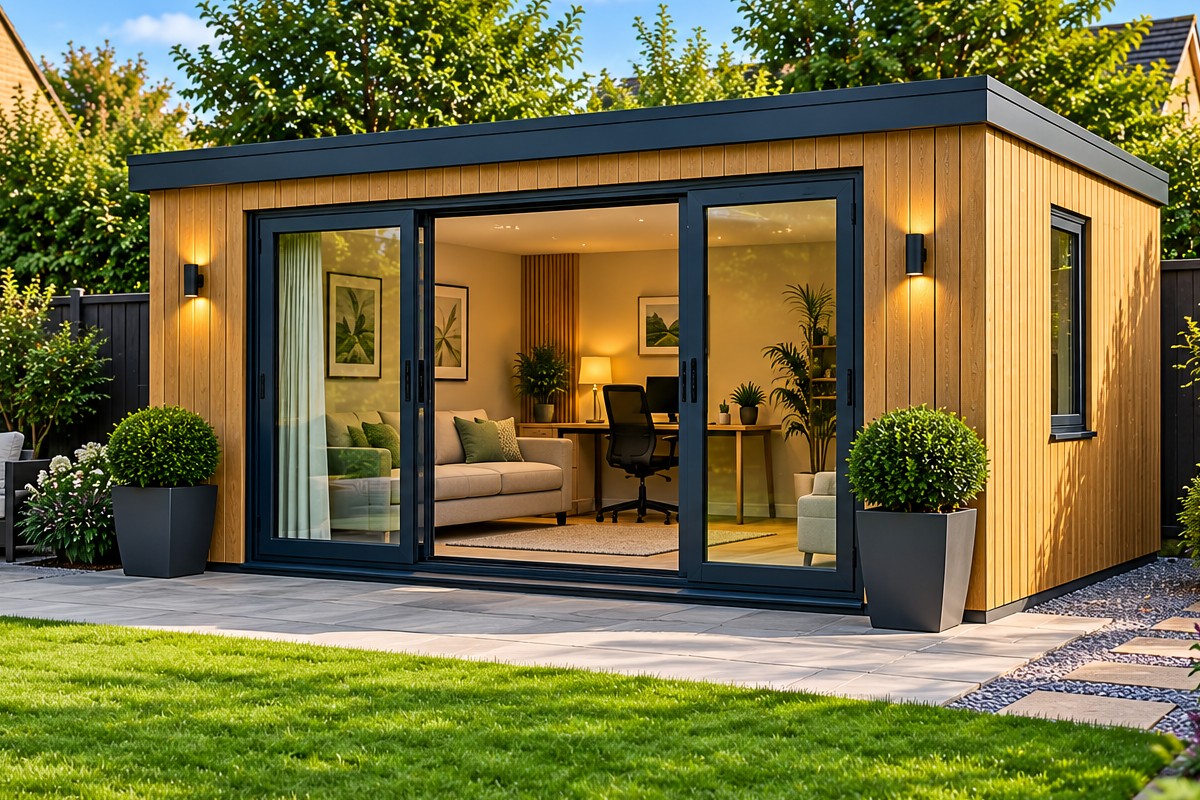
A flexible, detached space for work, leisure or extra living space.
£350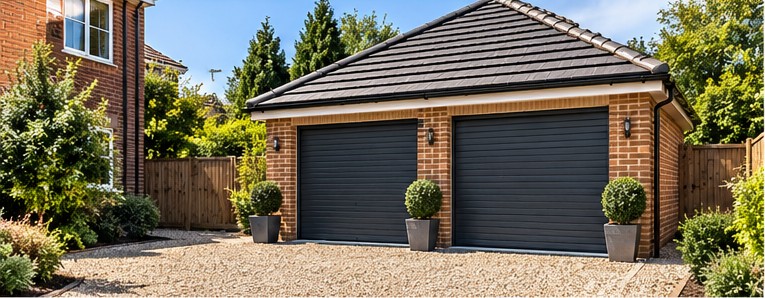
Secure parking or useful storage, single or double.
£350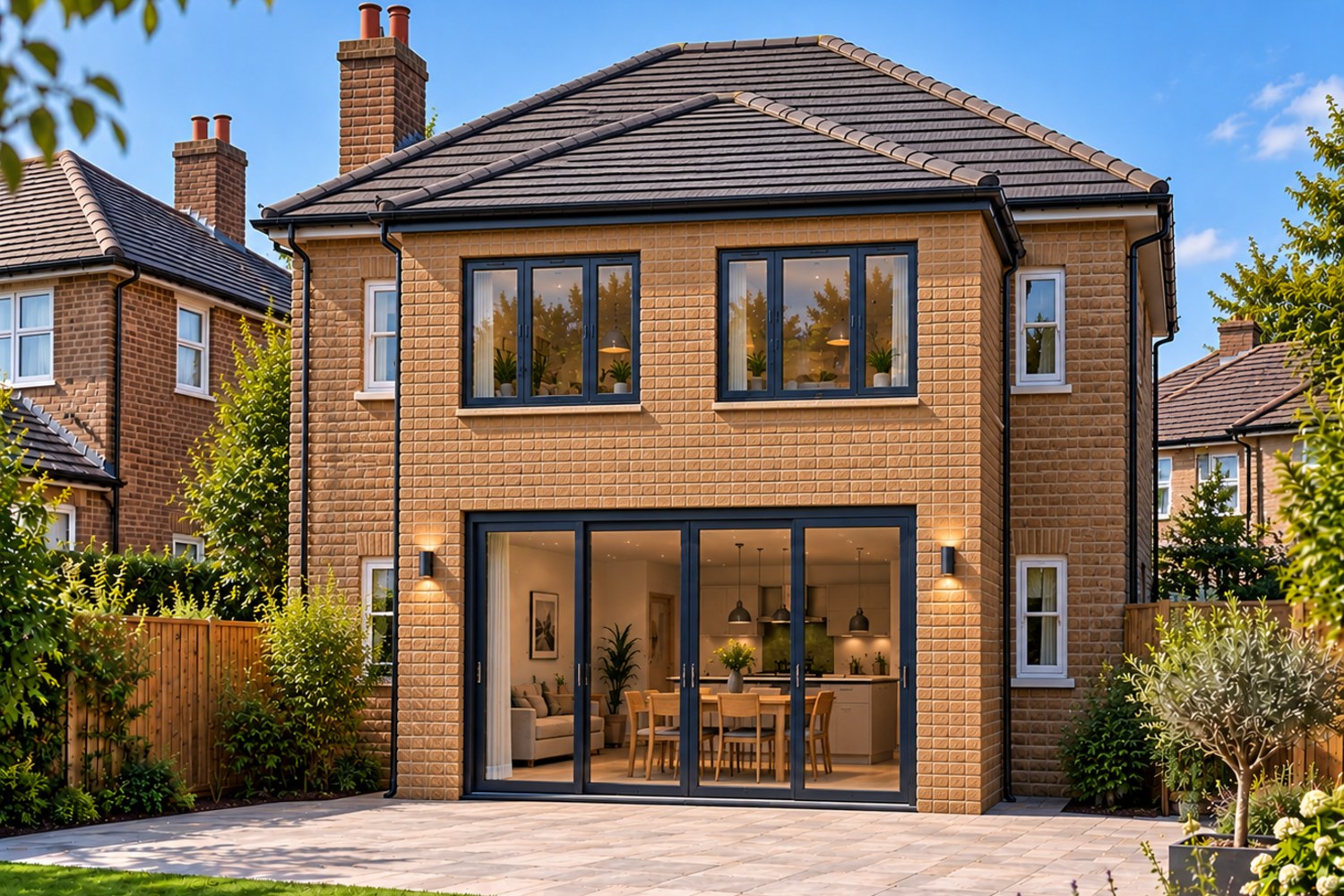
Significantly more living space across both floors.
£1,400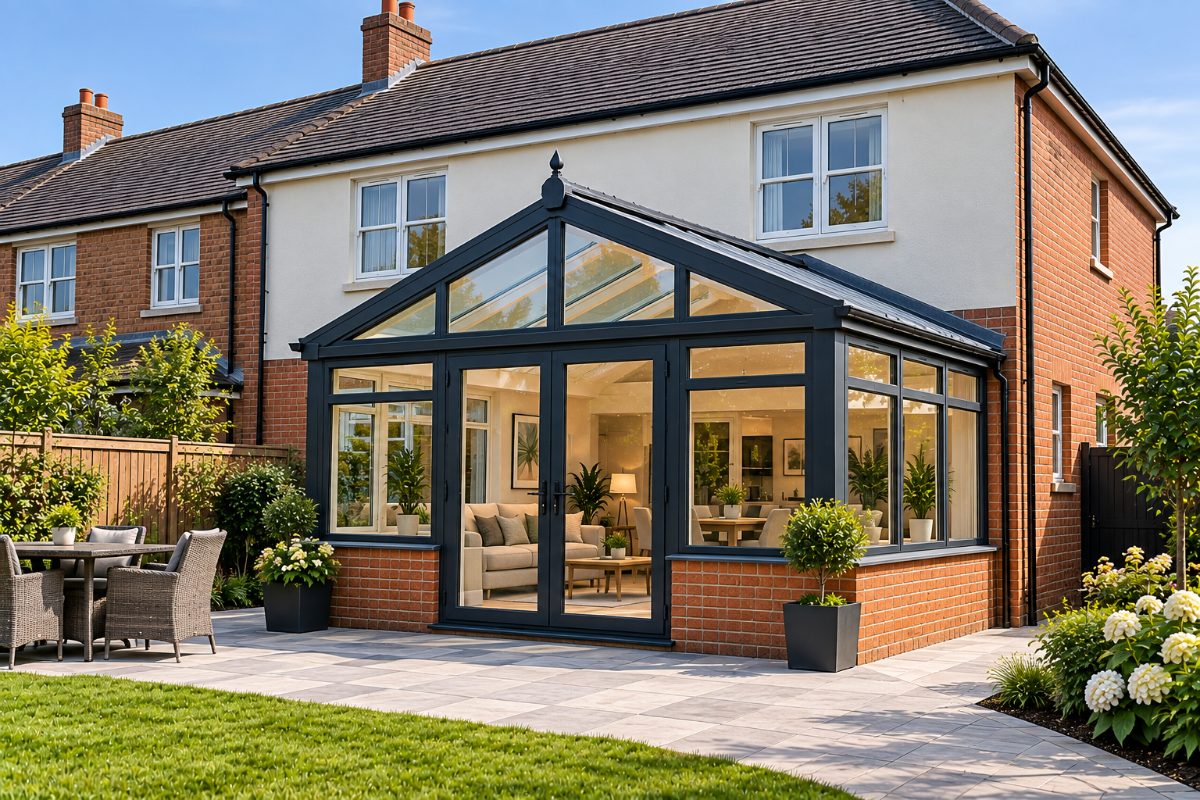
A bright, glazed room connecting your home to the garden.
£900PERMITTED HOMEOWNER GUIDES
Our illustrated, practical guides help you understand the rules, explore design options and budget with confidence — before you commit to building work.
Explore all guidesRules, design options, costs and next steps.
View guideRules, design options, costs and next steps.
View guideRules, design options, costs and next steps.
View guideRules, design options, costs and next steps.
View guideRules, design options, costs and next steps.
View guideRules, design options, costs and next steps.
View guideRules, design options, costs and next steps.
View guideRules, design options, costs and next steps.
View guideWe use cookies that are needed to run the basket and checkout. We would also like to use analytics cookies to understand how the site is used. We only do that if you say yes.

Maximize your property’s footprint with precision and ease. Permitted provides complete design for Permitted Development Rights. Our packages are designed around the Permitted Development limits, so many projects can proceed without a full planning application.
PERMITTED is operated by Yorkshire Property Design Services Limited, registered in England and Wales under company number 12698267.
Registered office: Ground Floor, Techno Centre, Station Road, Horsforth, Leeds, LS18 5BJ
Business contact address: Wira House, Ground Floor, Suite 5, Ring Road, West Park, Leeds, LS16 6EB