


Permitted Development rules





Professional, builder-ready drawing packages for extensions, lofts, porches, garages, garden rooms and more — designed to Permitted Development parameters and supplied as sold.
PERMITTED HOMEOWNER GUIDES
Our illustrated, practical guides help you understand the rules, explore design options and budget with confidence — before you commit to building work.
Explore all guides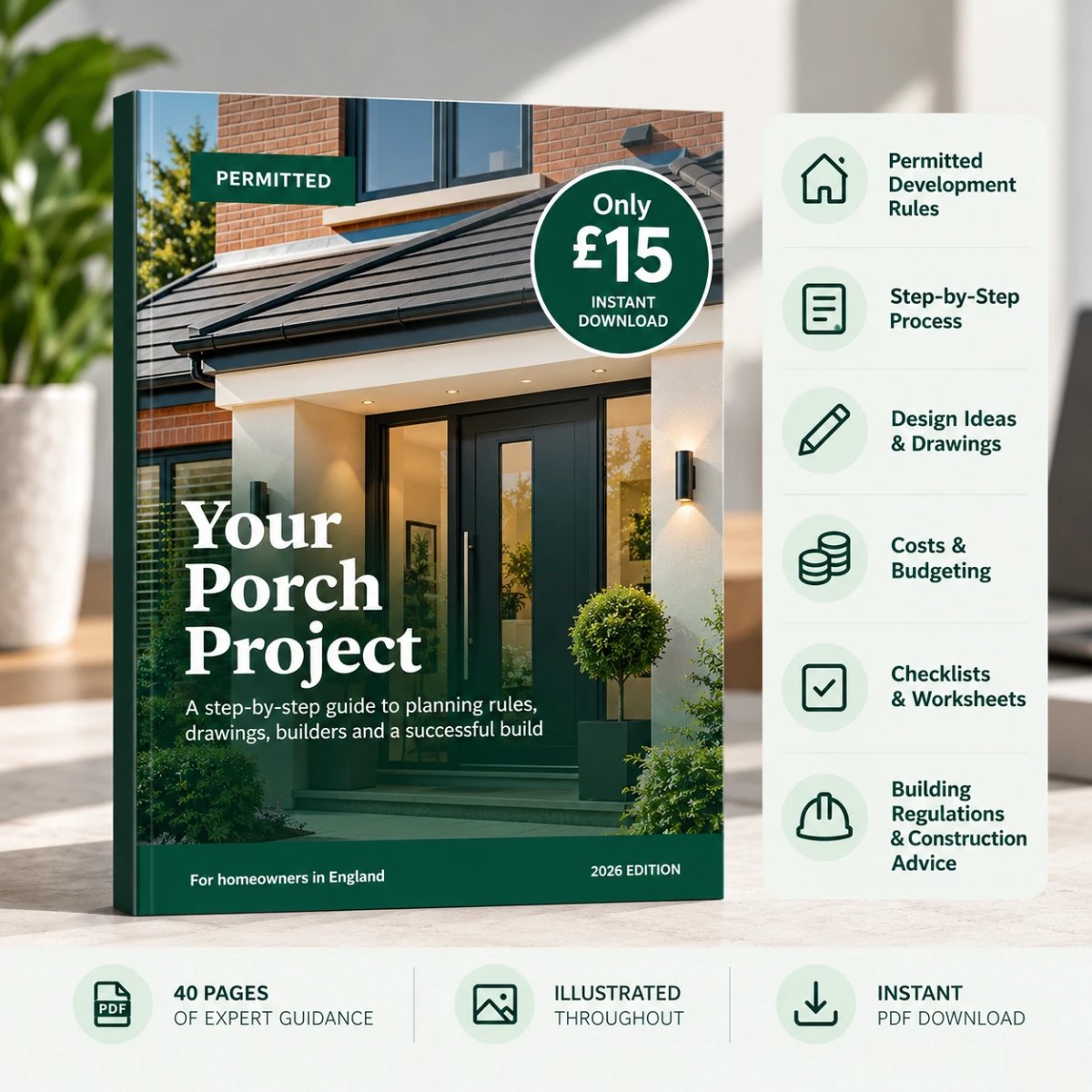
Rules, design options, costs and next steps.
View guide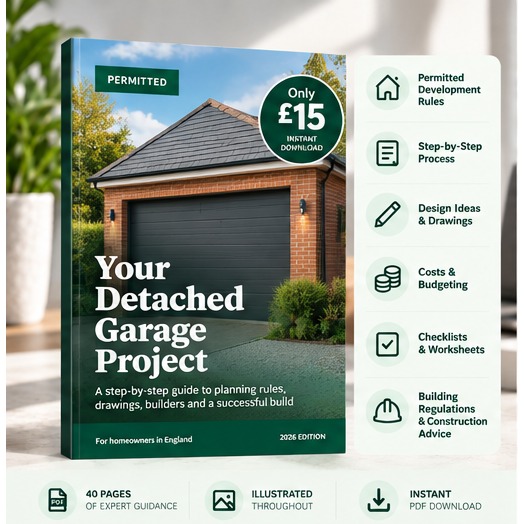
Rules, design options, costs and next steps.
View guide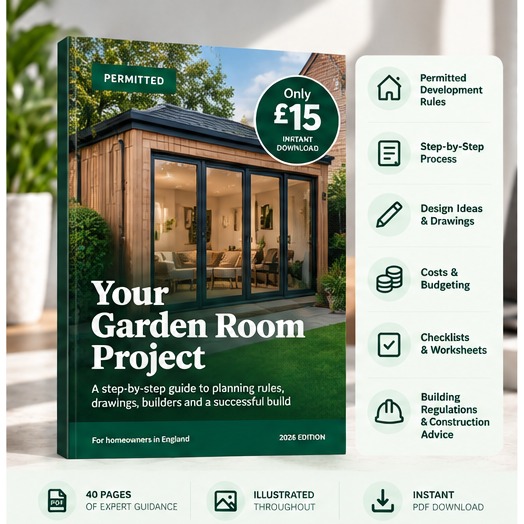
Rules, design options, costs and next steps.
View guide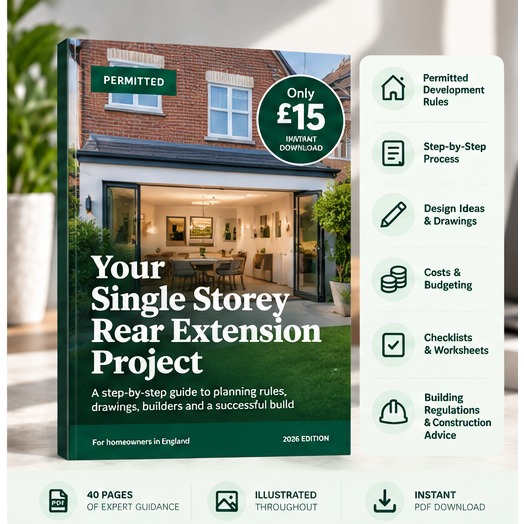
Rules, design options, costs and next steps.
View guide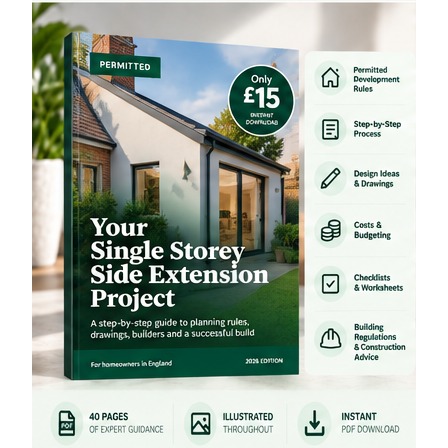
Rules, design options, costs and next steps.
View guide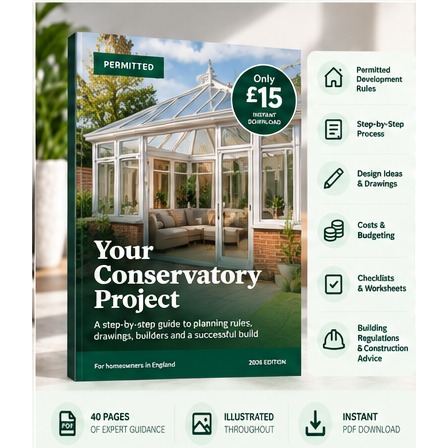
Rules, design options, costs and next steps.
View guide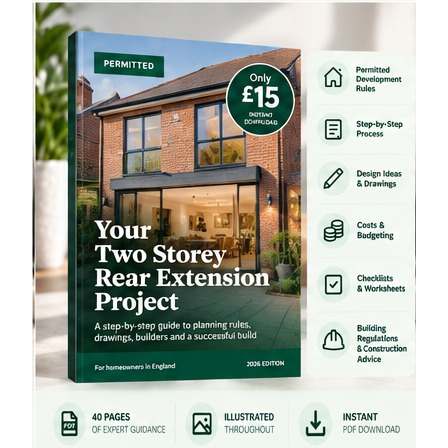
Rules, design options, costs and next steps.
View guide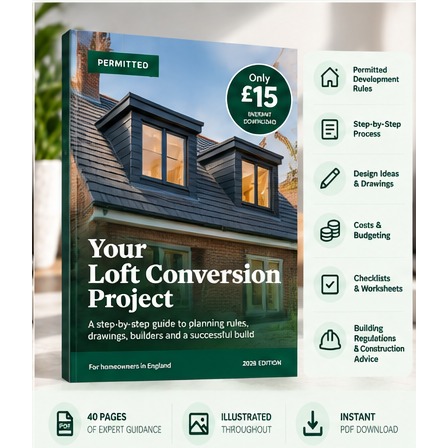
Rules, design options, costs and next steps.
View guideRear dormer windows are permitted development for most houses in England — but there are strict volume limits, setback rules, and material requirements. Front dormers almost always need planning permission. Here’s the complete guide.
A rear dormer window — including a large “L-shaped” or “box” dormer — is permitted development under Class B of Part 1, Schedule 2 to the GPDO 2015, provided it stays within the volume allowance (40m³ for terraced houses, 50m³ for detached and semi-detached) and meets the setback requirements. Dormers or roof alterations on the principal elevation (front of the house) or on roof slopes facing a highway are not permitted development and always need planning permission.
Dormer windows are roof extensions and fall under Class B of Part 1, Schedule 2 to the Town and Country Planning (General Permitted Development) (England) Order 2015. This covers “any alteration to the roof of a dwellinghouse.”
The key conditions for permitted development dormers are:
The volume allowance is one of the most practically important constraints. The limit is:
This is the total additional roof volume added by all roof alterations (not just dormers) since the original house was built. If a previous owner has already added dormer windows or a loft room, that volume counts towards the allowance and may reduce or eliminate your permitted development entitlement.
The volume is measured as the additional enclosed space created above the original roof plane. For a simple rectangular box dormer, this is approximately: width × depth × height of the dormer box. A typical full-width rear box dormer on a semi-detached house adds around 20–35m³ of volume, so it usually fits within the 50m³ limit — but always calculate carefully.
A dormer must be set back at least 20cm from the eaves of the roof. The eaves are where the roof slope meets the external wall. This setback requirement prevents dormers that run flush to the wall face, which would effectively create an extra storey.
The dormer cannot exceed the highest point of the existing roof. This means the dormer’s roof must sit below the existing ridge. In practice, most box dormers are designed with a flat or very shallow pitched roof well below the ridge.
The materials used for the dormer must be “similar in appearance” to the existing house. This is commonly interpreted as meaning roof tiles that match the existing roof and cladding (if used) that matches the house. Planning authorities can enforce this condition — a dormer with mismatched tiles or unexpected zinc cladding may be challenged if it doesn’t appear similar to the existing materials.
Windows in the side walls of a dormer (not the main front face of the dormer, but any windows in the cheeks on the side) must be obscure-glazed and non-opening below 1.7m above the floor level of the room. This prevents overlooking of neighbours’ properties.
Dormers on the front of the house — on a roof slope that faces the highway — are not permitted development. The Class B rules specifically state that a roof alteration that would “extend beyond the plane of any existing roof slope which forms the principal elevation of the dwellinghouse and fronts a highway” is not permitted development.
A front dormer therefore always requires a planning application. Councils vary considerably in their attitude to front dormers. In many areas, they are acceptable in principle if they match the character of the street. In conservation areas and areas with Article 4 Directions removing permitted development rights, they may be very difficult to get approved.
In conservation areas, the Class B permitted development right for roof alterations is removed entirely. Any dormer window — even a rear dormer that would otherwise be straightforward permitted development — requires planning permission in a conservation area.
This doesn’t mean you can’t get a dormer in a conservation area — it means you need to apply. Conservation area applications for dormers are assessed on their impact on the character and appearance of the conservation area. Rear dormers are generally more likely to be approved than front dormers; in either case, the materials, proportions, and design will be scrutinised.
All dormer loft conversions require Building Regulations approval — this is separate from planning permission and applies regardless of whether planning permission is needed. Building Regulations cover:
A competent structural engineer or architect should be involved in the design and Building Regulations submission. The Building Regulations application is made to either the local authority building control or an approved inspector.
Our Loft Conversion drawing package is pre-designed to the permitted development limits and supplied exactly as sold — £1,500 fixed price, emailed to you as a PDF.
See the Loft Conversion package →
Check my property and start my project · Read the loft conversion rules
Need the drawings? See our loft conversion drawing set — supplied exactly as sold and emailed to you as a PDF.
Each one is already drawn. You choose the material, roof and options we actually draw, and that is the package you receive.
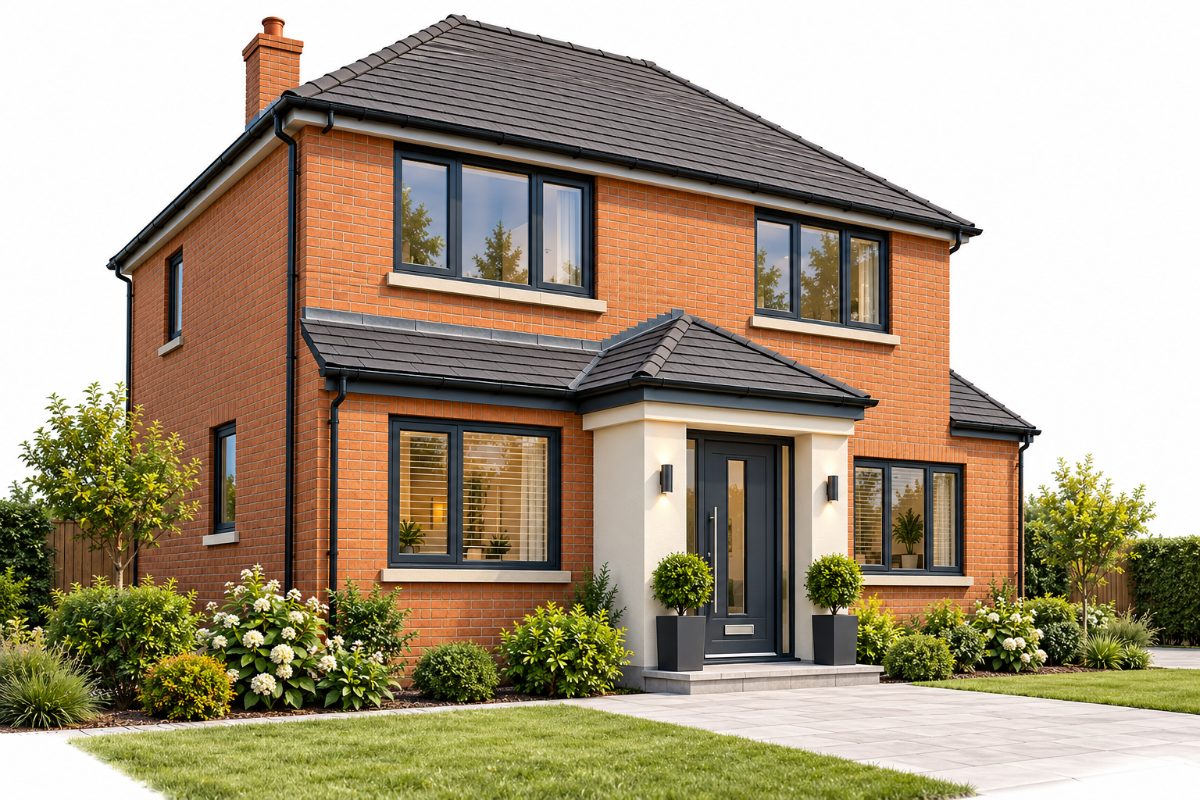
A practical entrance area that adds space and improves the look of your home.
£350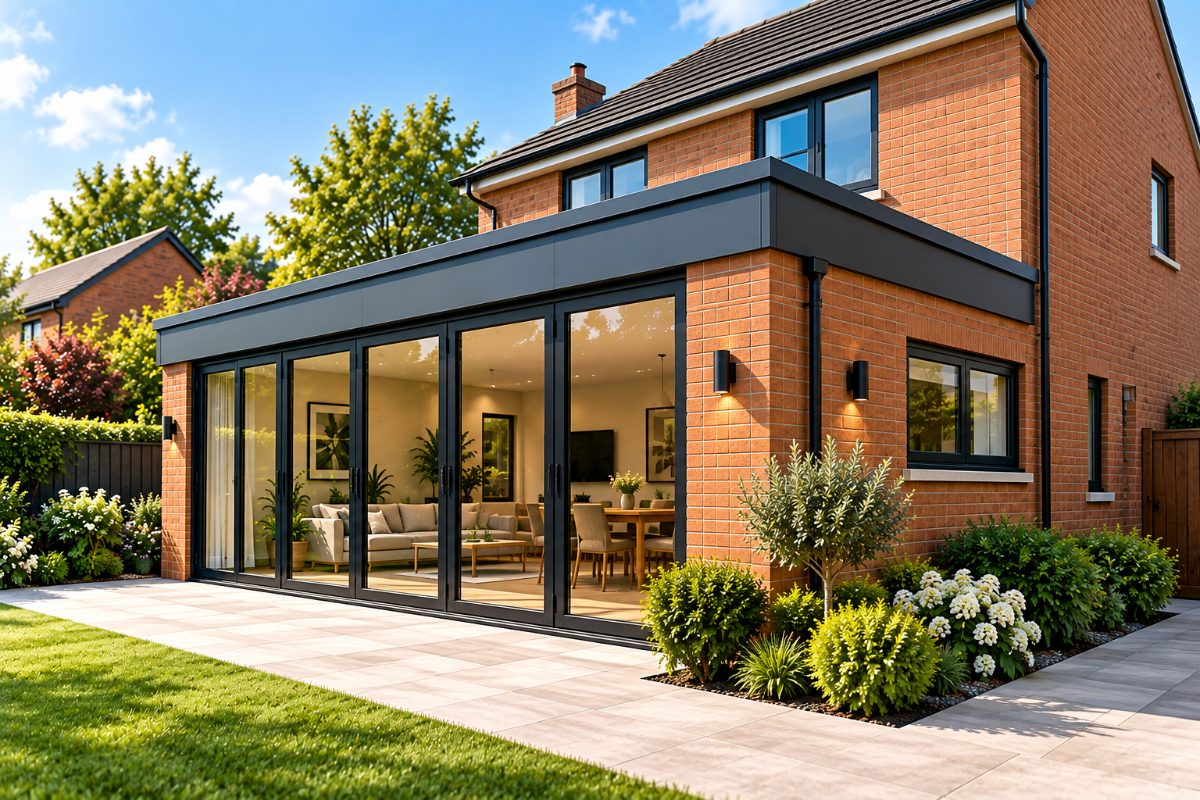
A popular way to create a larger kitchen, dining or family area.
£900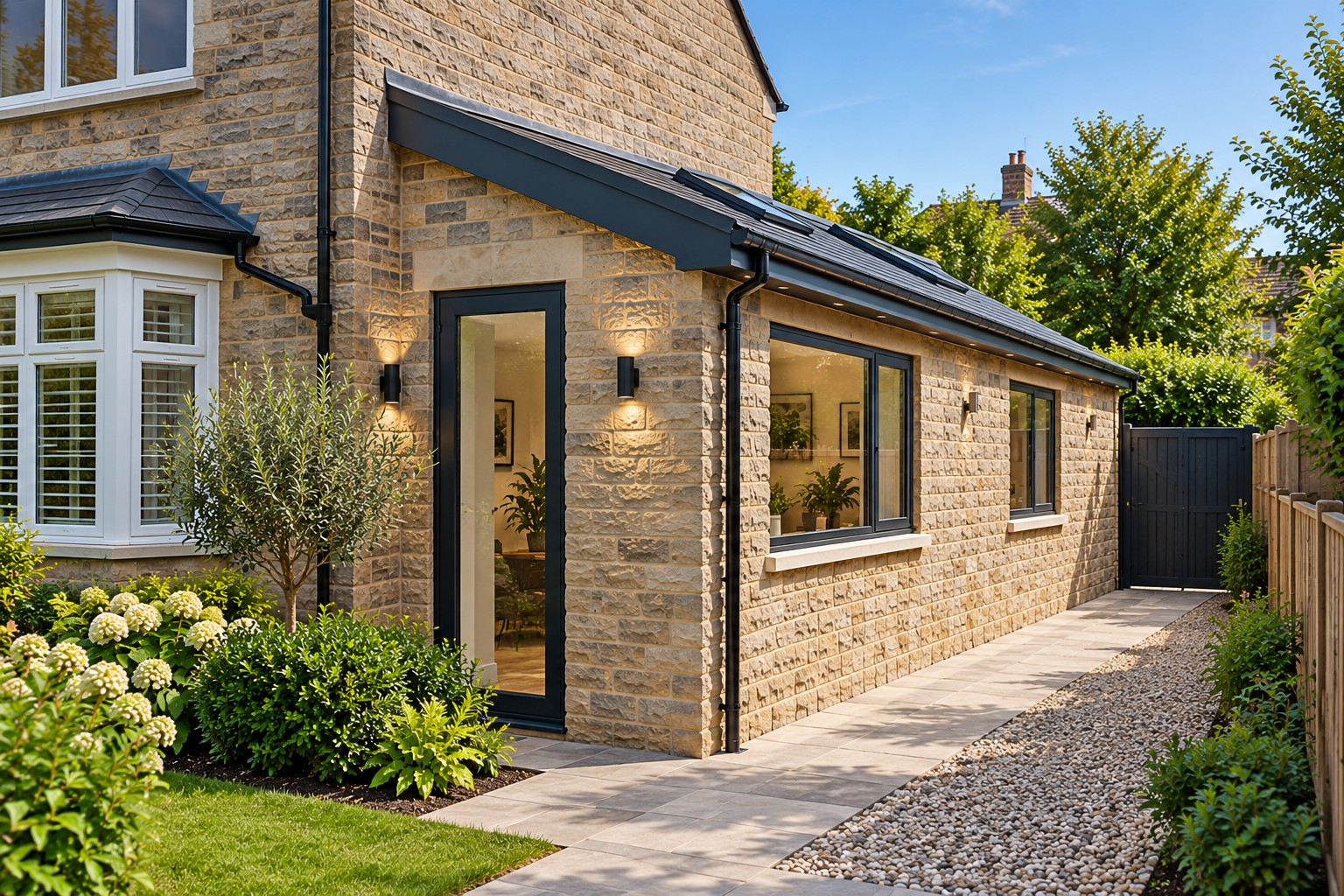
Adds valuable space to the side of your home for a kitchen or utility.
£900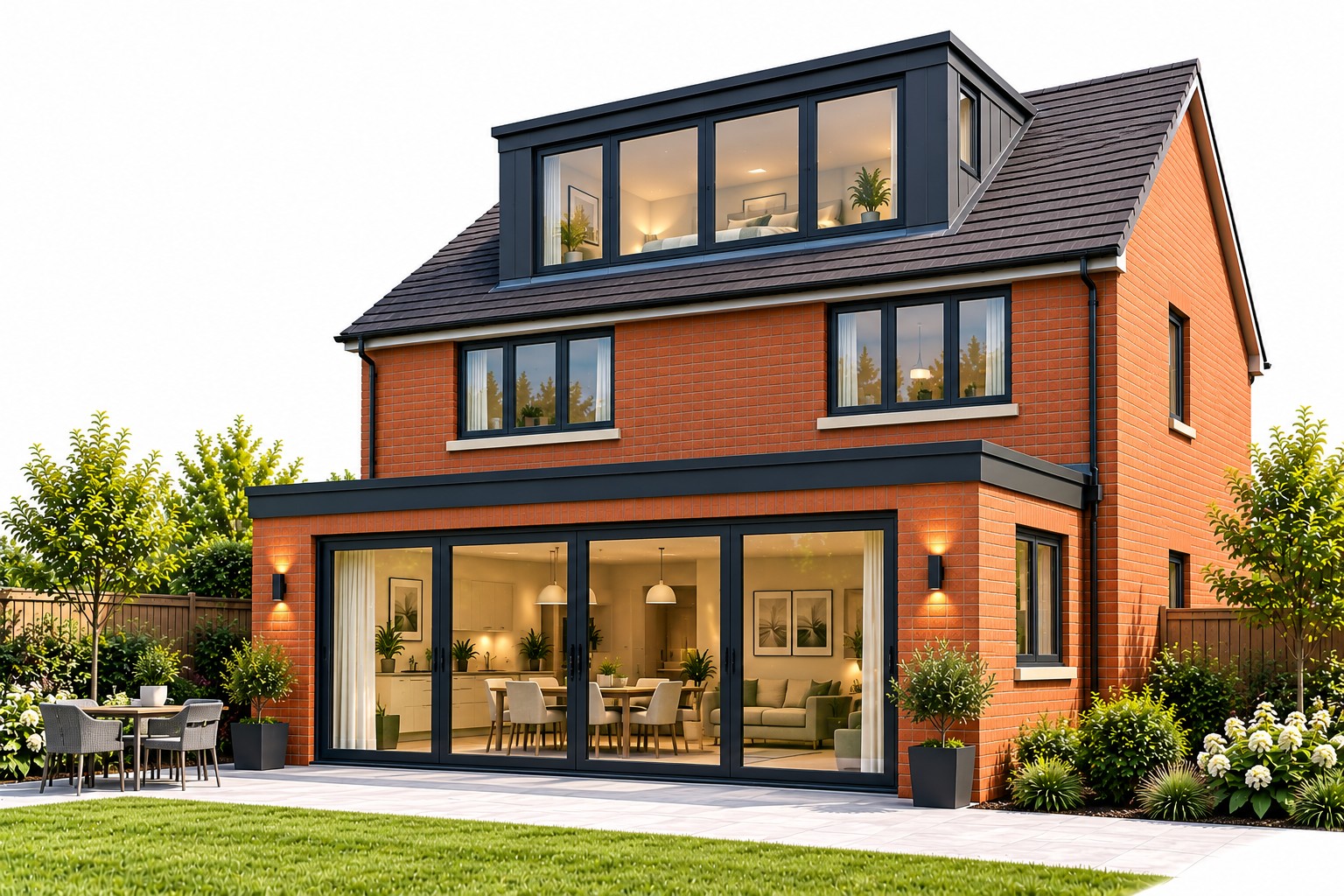
Turns unused loft space into a bedroom, office or additional living area.
£1,500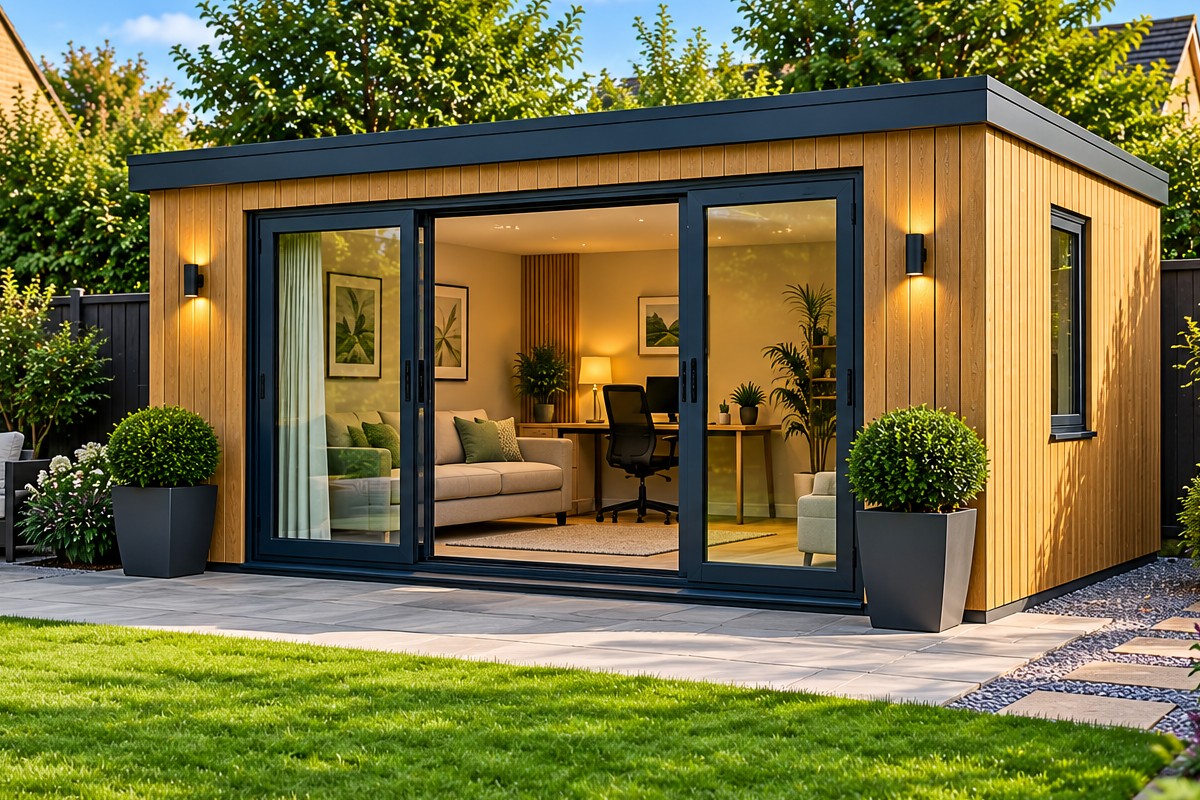
A flexible, detached space for work, leisure or extra living space.
£350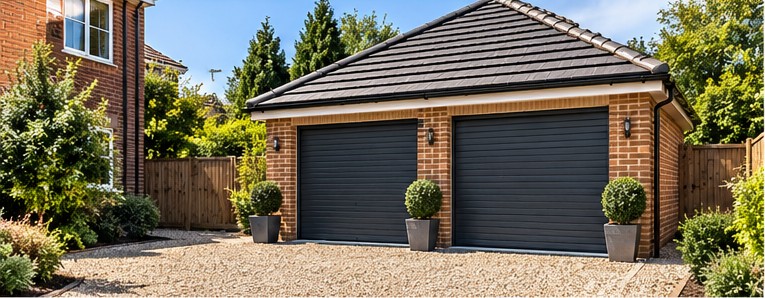
Secure parking or useful storage, single or double.
£350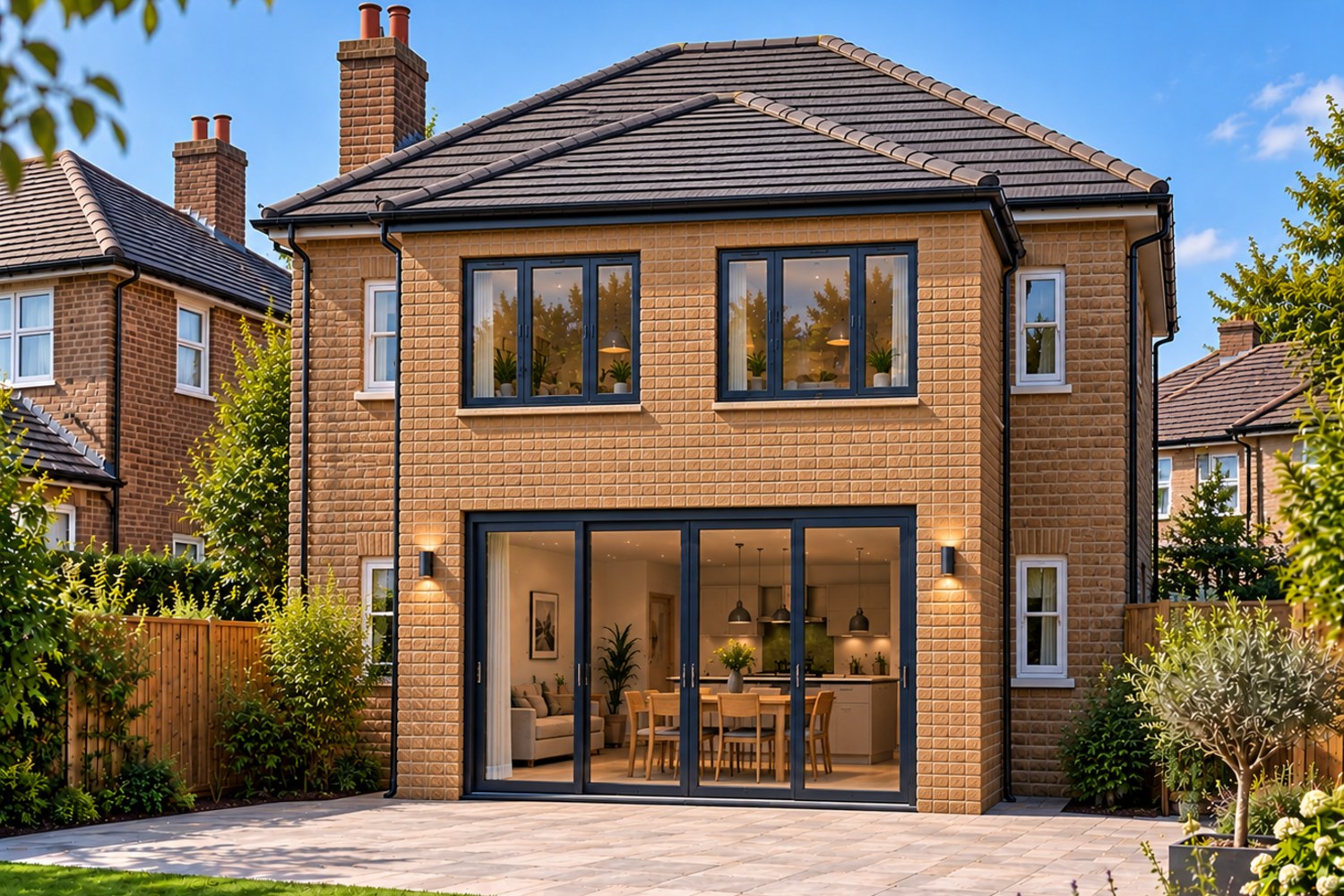
Significantly more living space across both floors.
£1,400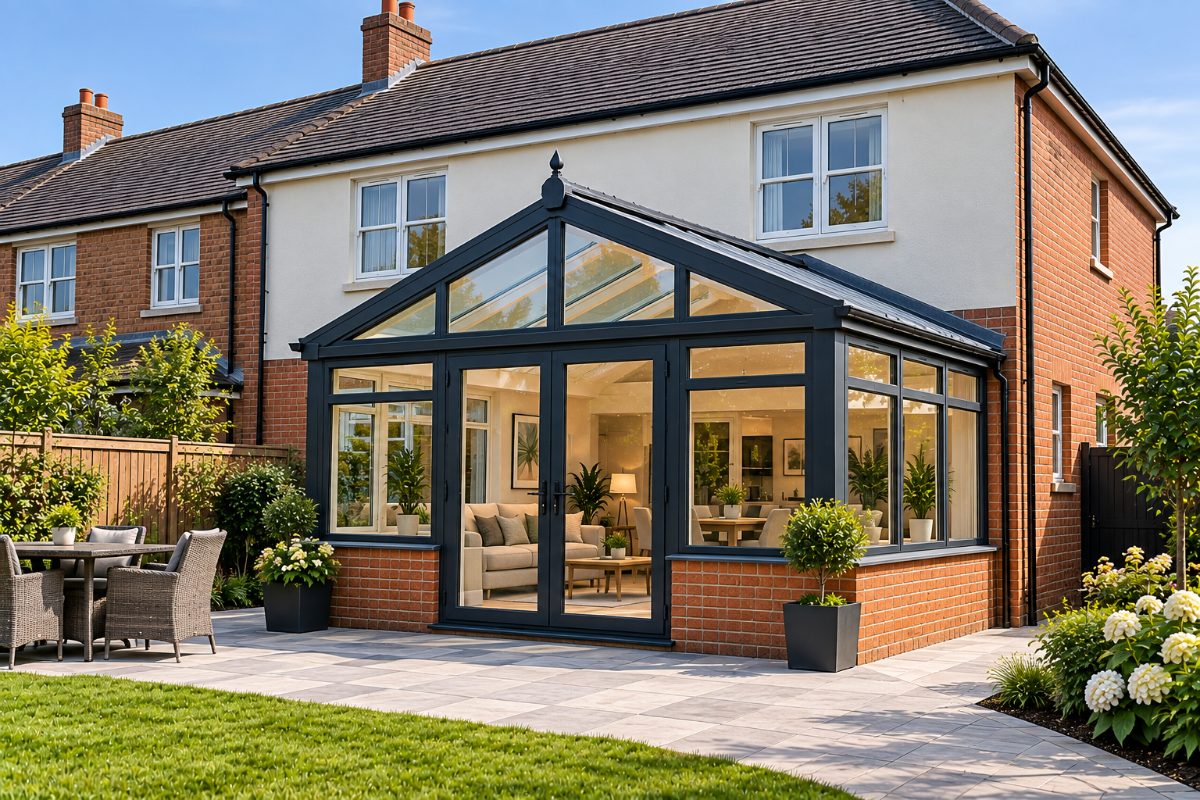
A bright, glazed room connecting your home to the garden.
£900PERMITTED HOMEOWNER GUIDES
Our illustrated, practical guides help you understand the rules, explore design options and budget with confidence — before you commit to building work.
Explore all guidesRules, design options, costs and next steps.
View guideRules, design options, costs and next steps.
View guideRules, design options, costs and next steps.
View guideRules, design options, costs and next steps.
View guideRules, design options, costs and next steps.
View guideRules, design options, costs and next steps.
View guideRules, design options, costs and next steps.
View guideRules, design options, costs and next steps.
View guideWe use cookies that are needed to run the basket and checkout. We would also like to use analytics cookies to understand how the site is used. We only do that if you say yes.

Maximize your property’s footprint with precision and ease. Permitted provides complete design for Permitted Development Rights. Our packages are designed around the Permitted Development limits, so many projects can proceed without a full planning application.
PERMITTED is operated by Yorkshire Property Design Services Limited, registered in England and Wales under company number 12698267.
Registered office: Ground Floor, Techno Centre, Station Road, Horsforth, Leeds, LS18 5BJ
Business contact address: Wira House, Ground Floor, Suite 5, Ring Road, West Park, Leeds, LS16 6EB