


Permitted Development rules





Professional, builder-ready drawing packages for extensions, lofts, porches, garages, garden rooms and more — designed to Permitted Development parameters and supplied as sold.
PERMITTED HOMEOWNER GUIDES
Our illustrated, practical guides help you understand the rules, explore design options and budget with confidence — before you commit to building work.
Explore all guides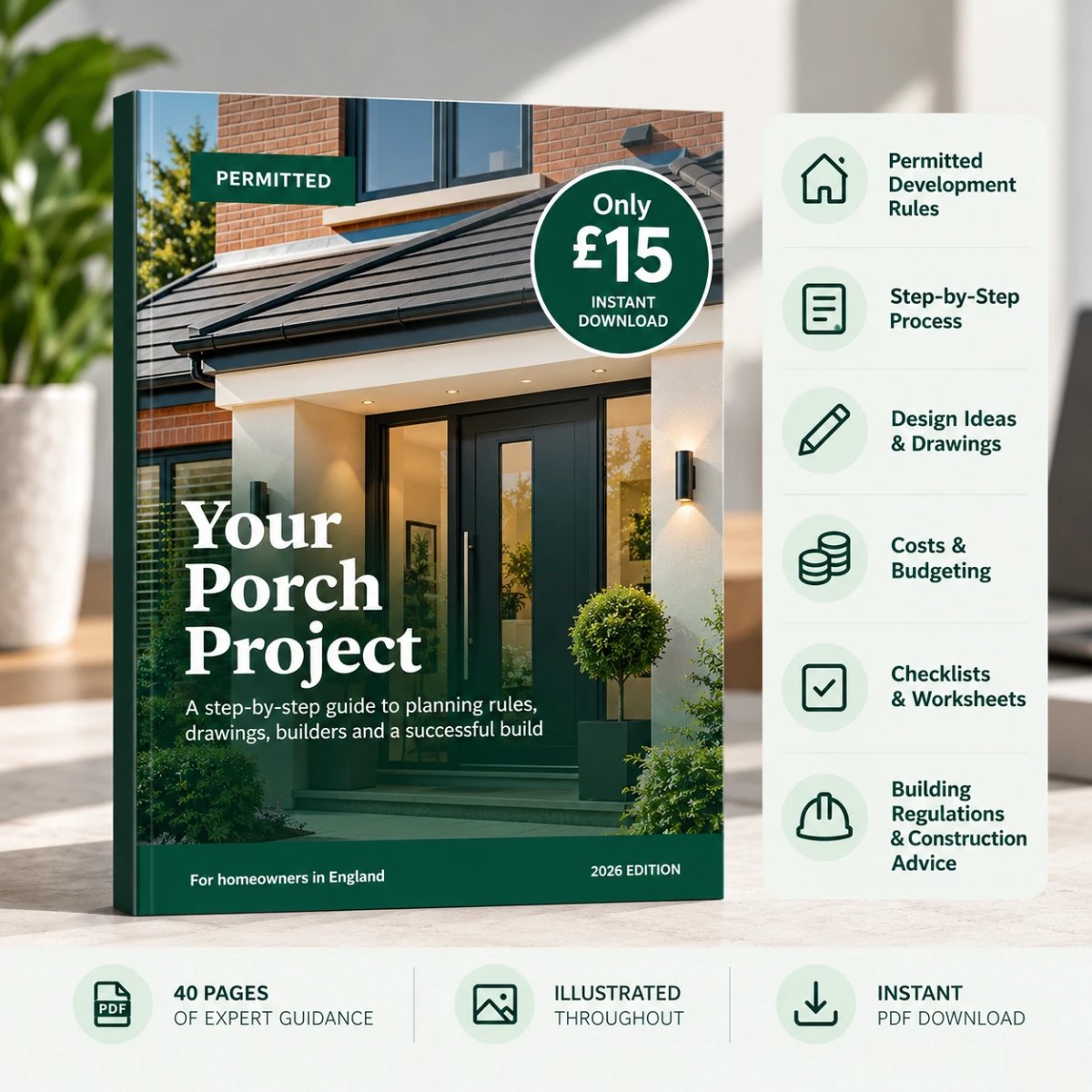
Rules, design options, costs and next steps.
View guide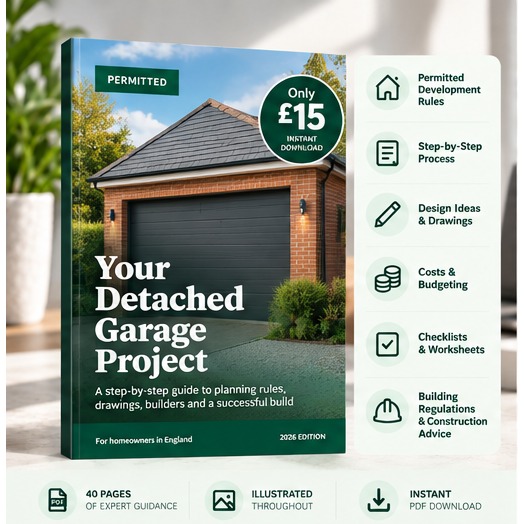
Rules, design options, costs and next steps.
View guide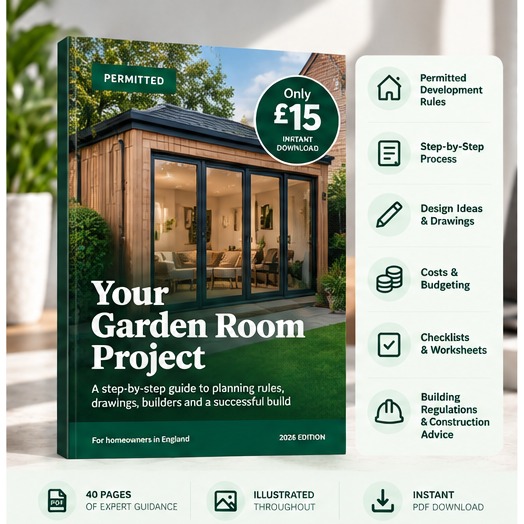
Rules, design options, costs and next steps.
View guide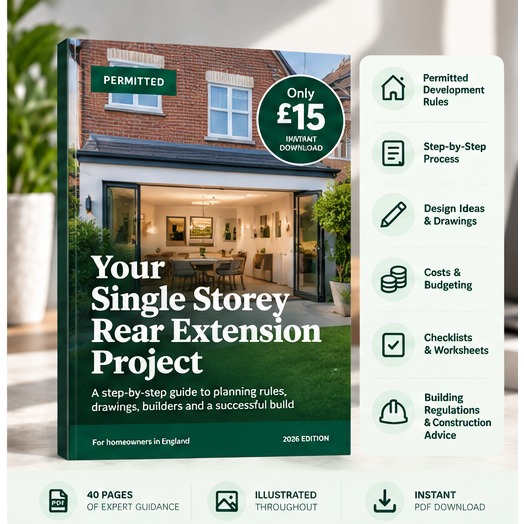
Rules, design options, costs and next steps.
View guide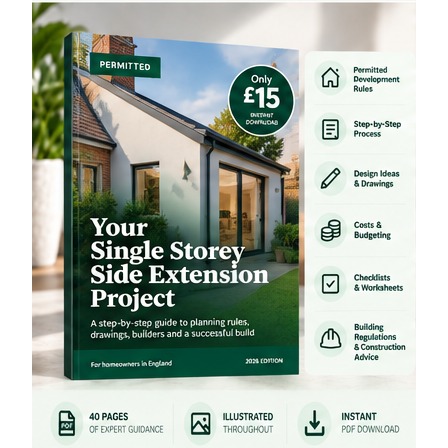
Rules, design options, costs and next steps.
View guide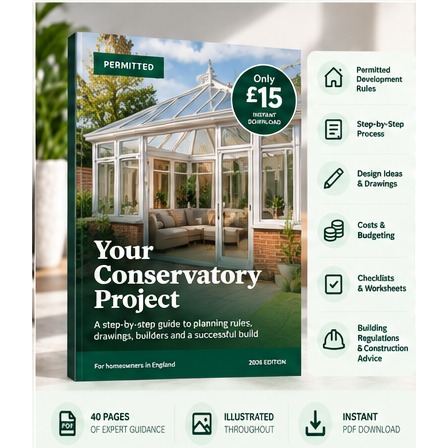
Rules, design options, costs and next steps.
View guide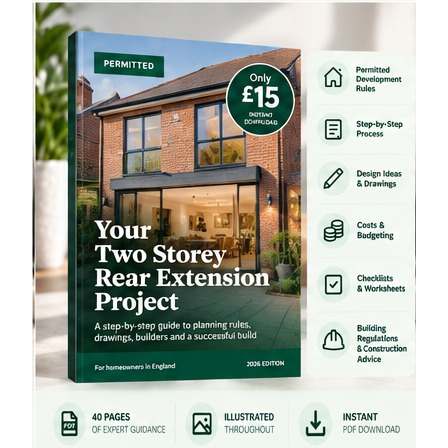
Rules, design options, costs and next steps.
View guide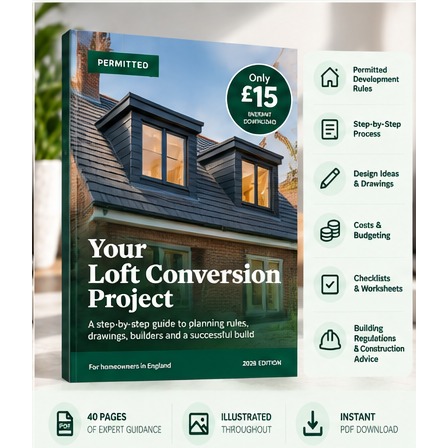
Rules, design options, costs and next steps.
View guideAn Article 4 Direction is a council decision to remove some or all permitted development rights from an area. Here’s how they work, where they apply, and how to find out if one affects your property.
An Article 4 Direction is made by the local planning authority (LPA) under Article 4 of the Town and Country Planning (General Permitted Development) (England) Order 2015. It withdraws specified permitted development rights from a defined area or specific properties. Once an Article 4 Direction is in place, works that would normally be permitted development require a planning application — but the council must still determine the application on its merits. Article 4 Directions are most common in conservation areas, HMO management areas, and other sensitive locations. Finding out whether one affects your property is essential before assuming you can rely on PD rights.
Permitted development rights are granted by the Town and Country Planning (General Permitted Development) (England) Order 2015 (the GPDO). Article 4 of the GPDO allows local planning authorities to make “Article 4 Directions” that withdraw specified PD rights in defined areas. The effect is that the specified development, which would otherwise be PD, requires a planning application.
Making an Article 4 Direction requires the council to follow a specific procedure: consultation, a consideration period, and (for non-immediate directions) a 28-day notice period. Immediate Article 4 Directions (which can take effect immediately without the notice period) can only be made where the council considers it necessary to protect amenity or safety. In practice, most Article 4 Directions go through the full process.
Article 4 Directions are most commonly made in:
An Article 4 Direction can only remove rights that are granted by the GPDO. It cannot remove rights granted by other legislation, and it cannot grant planning permission for development that wouldn’t otherwise be permitted. The most commonly removed PD rights include:
Where an Article 4 Direction removes PD rights, the council can be liable to pay compensation to a landowner who is refused planning permission for works that would previously have been PD, or who is granted permission subject to conditions more onerous than necessary. Compensation claims are rare in practice because: (1) most applications in Article 4 areas are approved; and (2) the compensation rules are complex and the amounts are typically modest.
Ask PERMITTED — quick answers on extensions, lofts, garages and garden rooms. If your project fits the rules, choose a fixed-price drawing package. If it doesn’t, YPDS Architectural Services, our parent practice in Leeds, can advise on planning.
Each one is already drawn. You choose the material, roof and options we actually draw, and that is the package you receive.
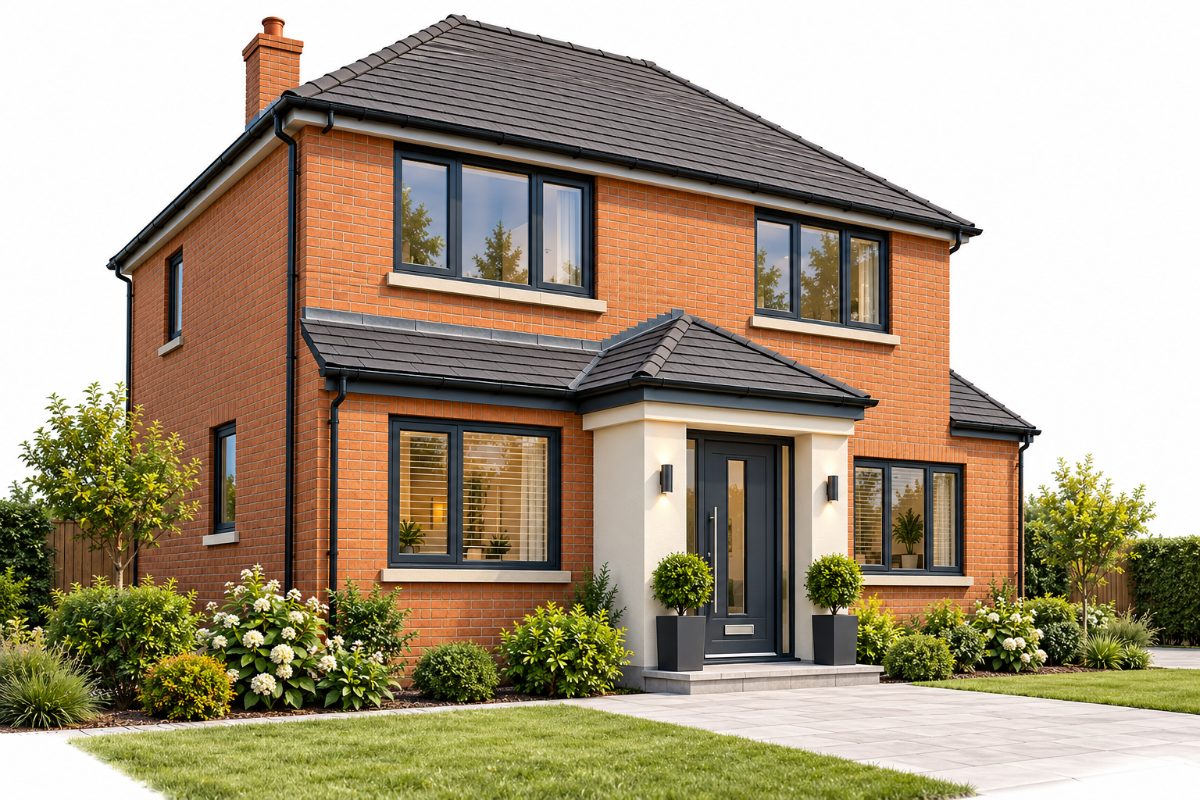
A practical entrance area that adds space and improves the look of your home.
£350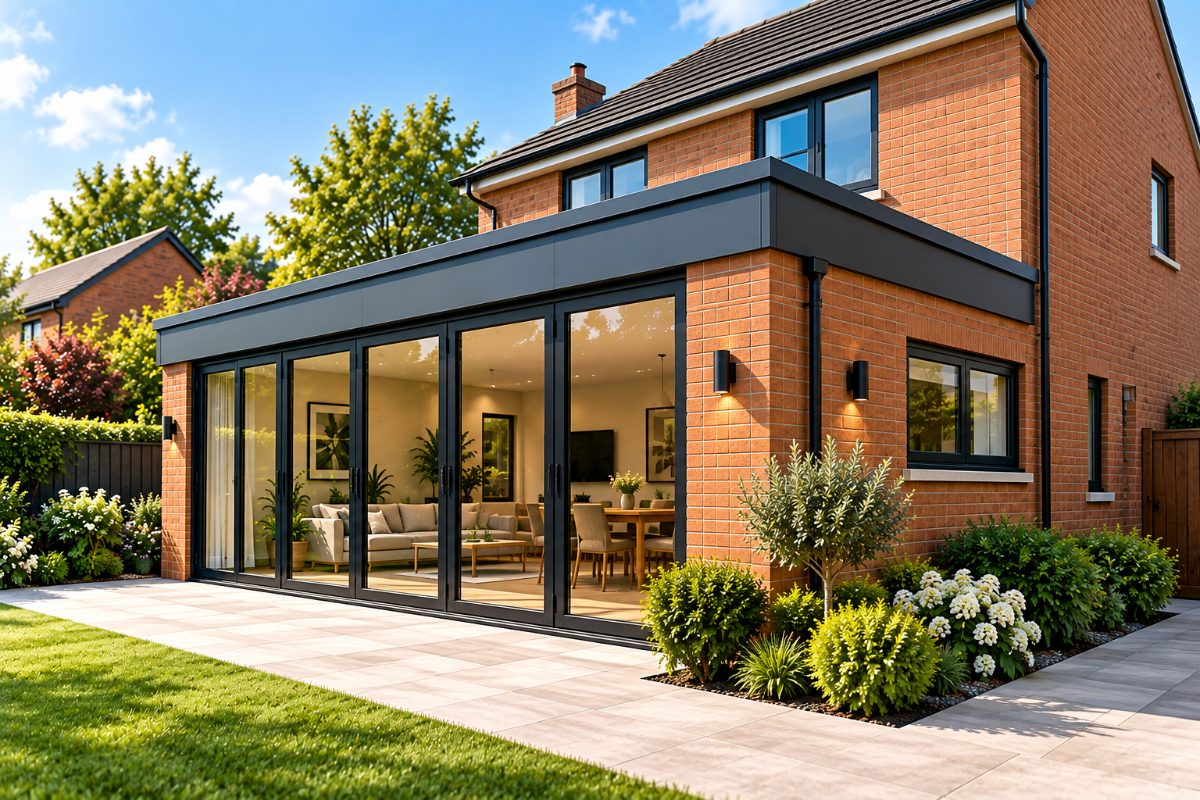
A popular way to create a larger kitchen, dining or family area.
£900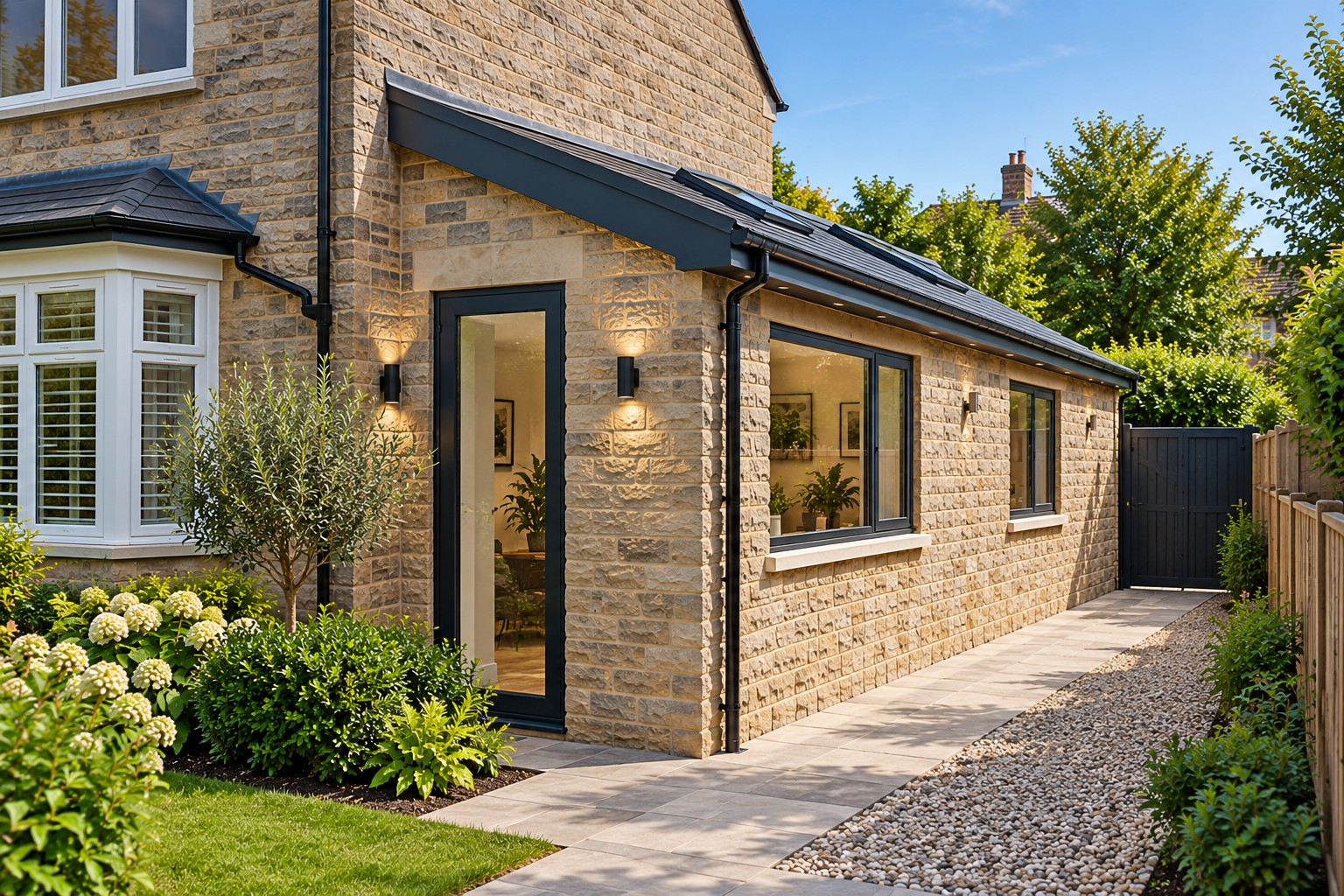
Adds valuable space to the side of your home for a kitchen or utility.
£900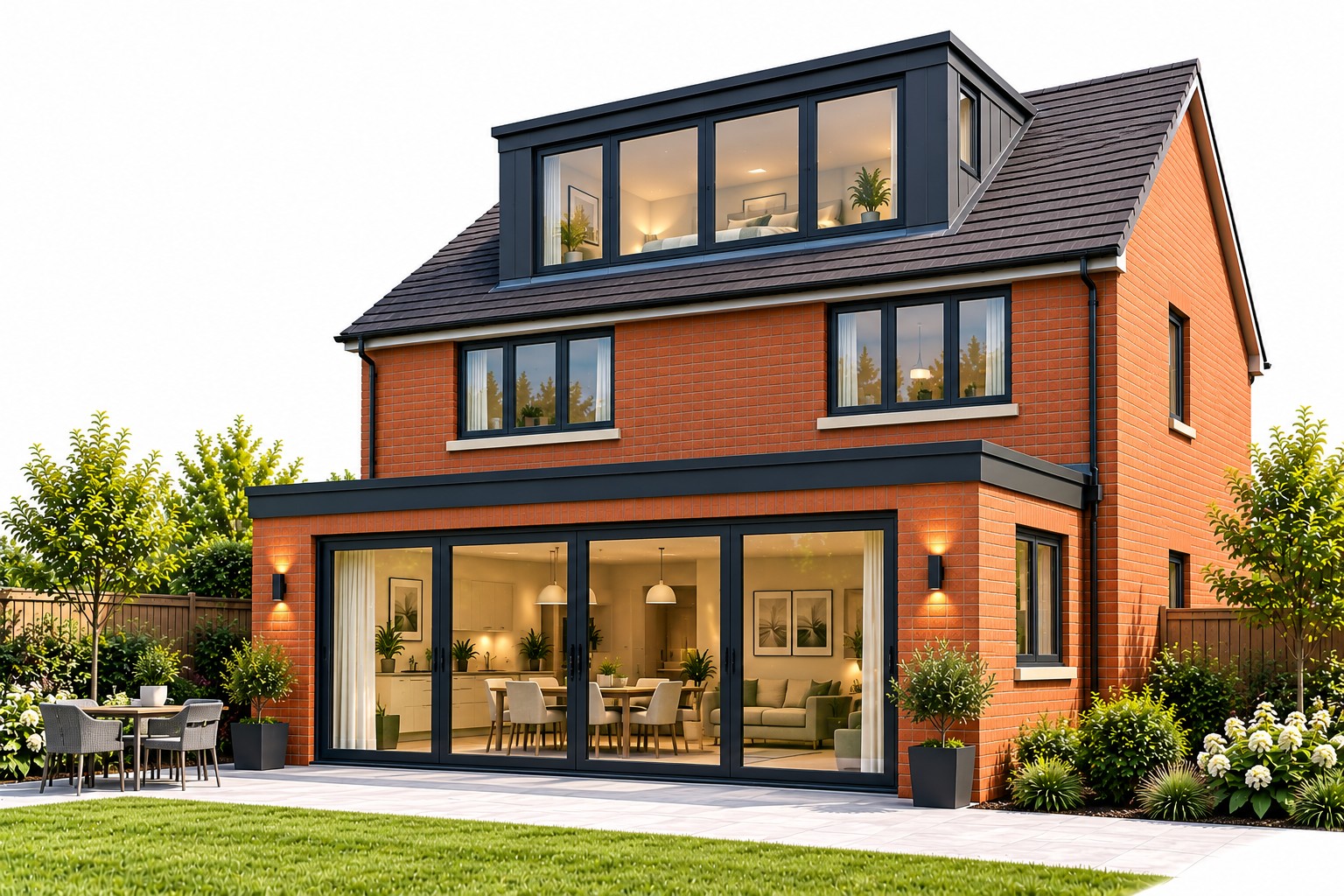
Turns unused loft space into a bedroom, office or additional living area.
£1,500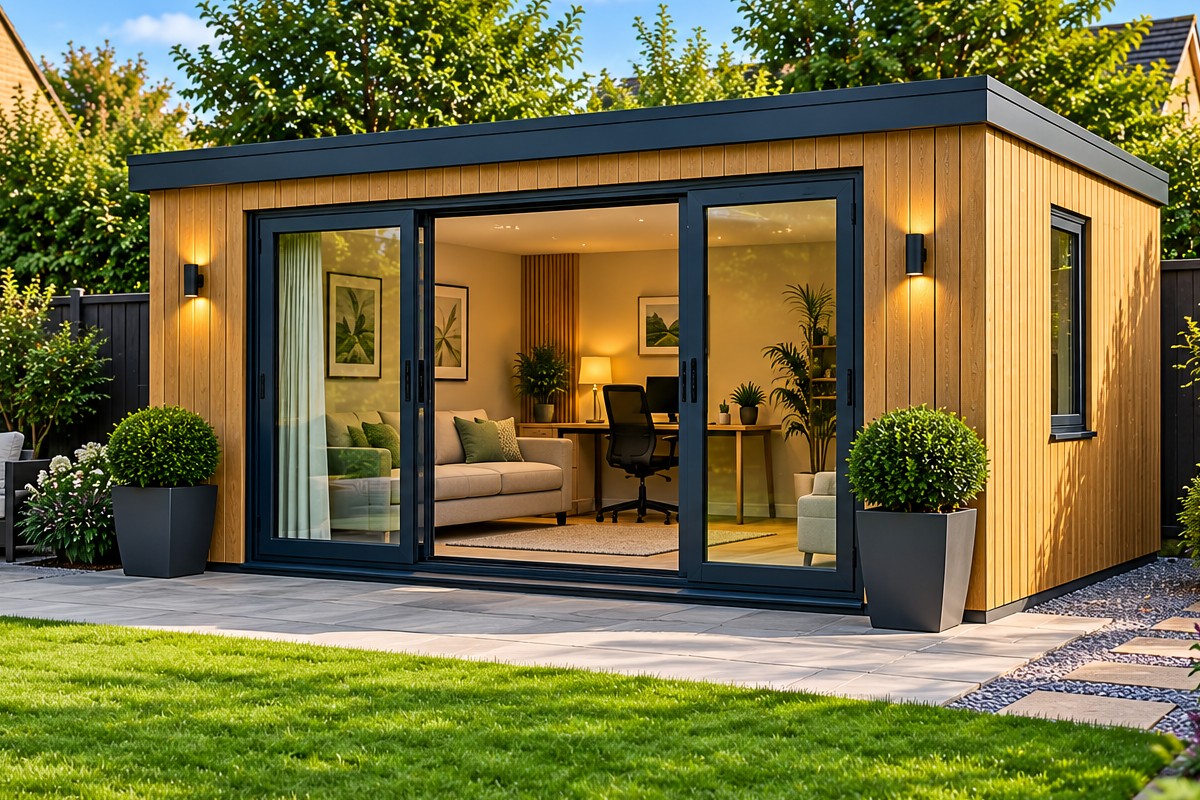
A flexible, detached space for work, leisure or extra living space.
£350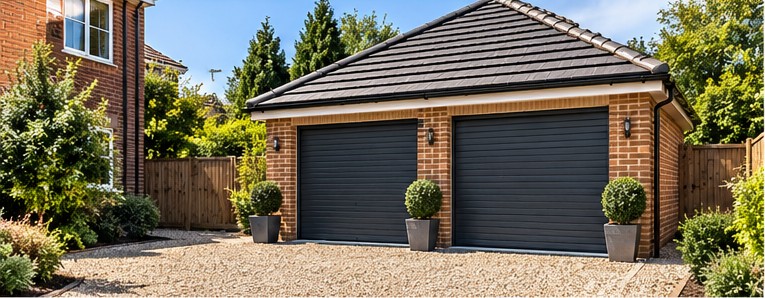
Secure parking or useful storage, single or double.
£350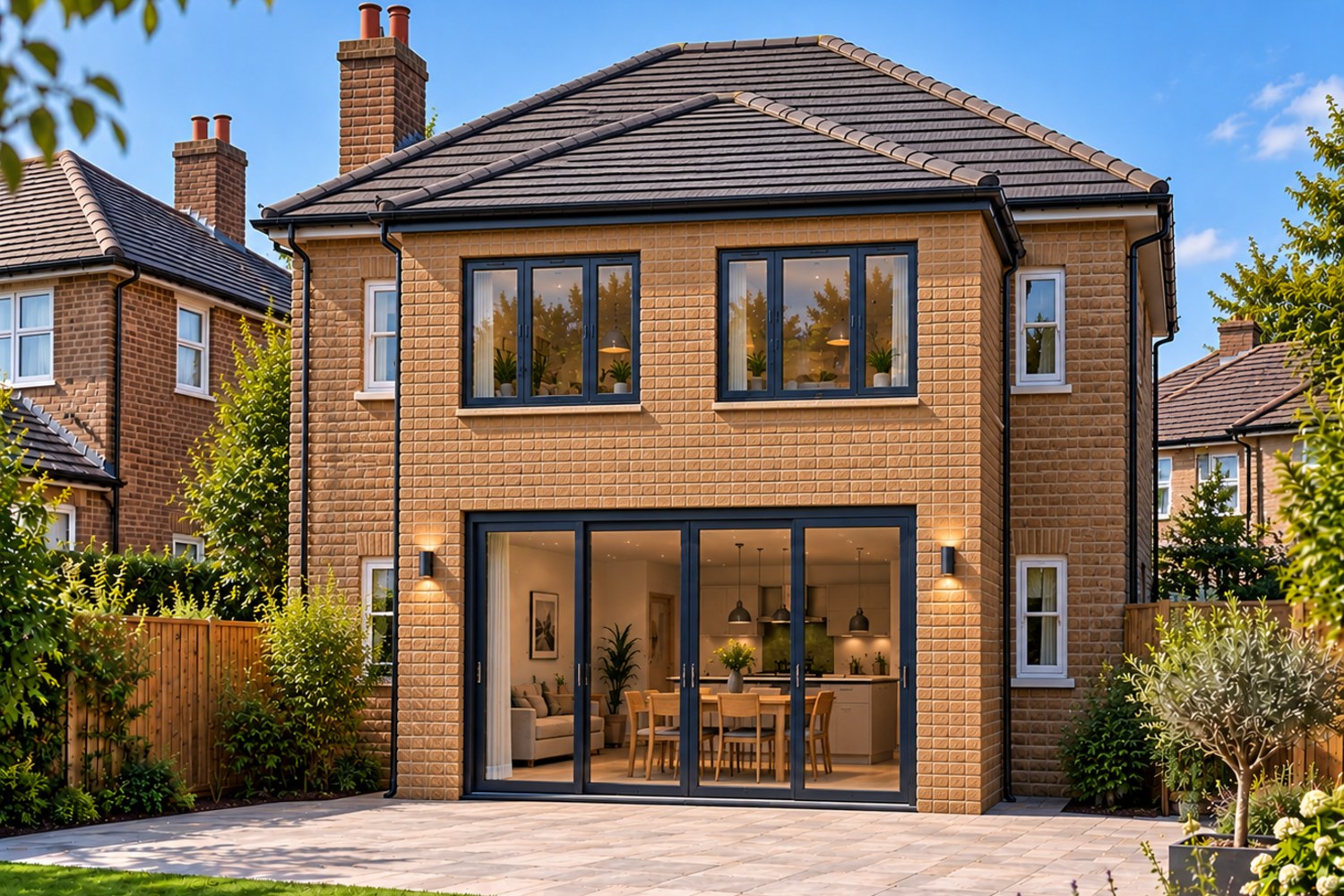
Significantly more living space across both floors.
£1,400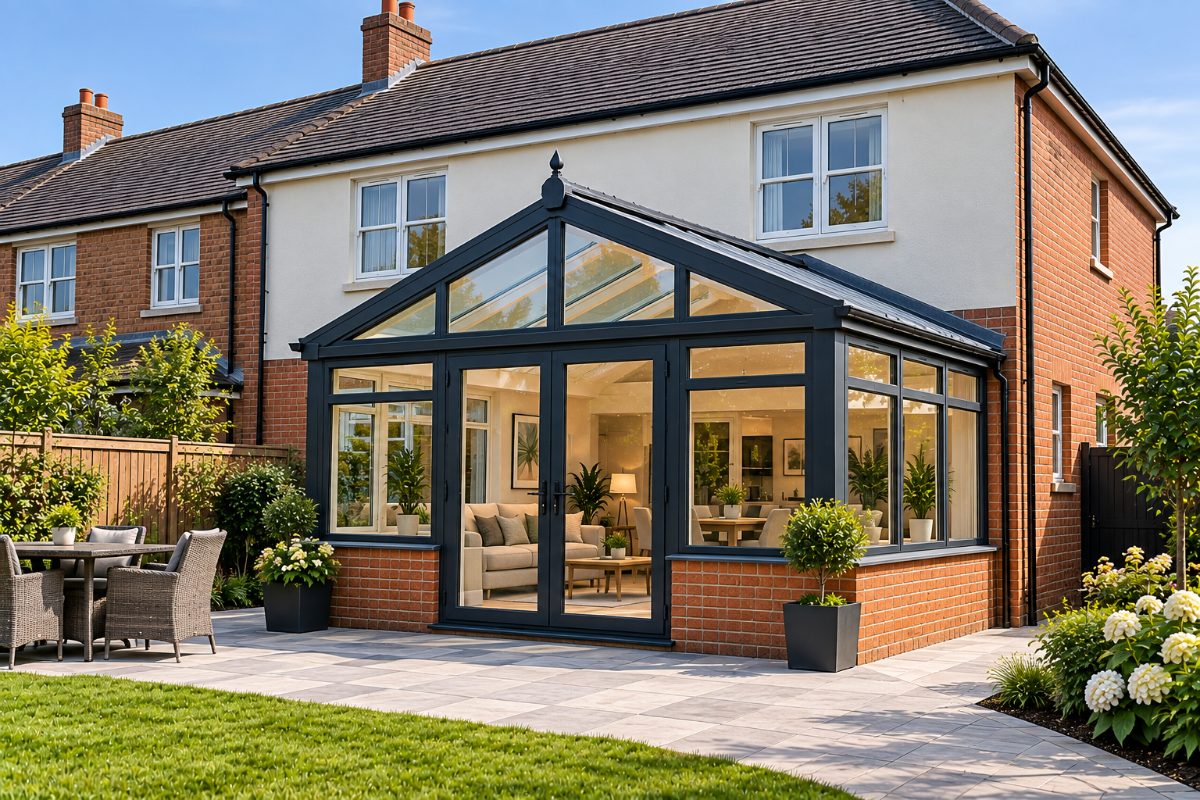
A bright, glazed room connecting your home to the garden.
£900PERMITTED HOMEOWNER GUIDES
Our illustrated, practical guides help you understand the rules, explore design options and budget with confidence — before you commit to building work.
Explore all guidesRules, design options, costs and next steps.
View guideRules, design options, costs and next steps.
View guideRules, design options, costs and next steps.
View guideRules, design options, costs and next steps.
View guideRules, design options, costs and next steps.
View guideRules, design options, costs and next steps.
View guideRules, design options, costs and next steps.
View guideRules, design options, costs and next steps.
View guideWe use cookies that are needed to run the basket and checkout. We would also like to use analytics cookies to understand how the site is used. We only do that if you say yes.

Maximize your property’s footprint with precision and ease. Permitted provides complete design for Permitted Development Rights. Our packages are designed around the Permitted Development limits, so many projects can proceed without a full planning application.
PERMITTED is operated by Yorkshire Property Design Services Limited, registered in England and Wales under company number 12698267.
Registered office: Ground Floor, Techno Centre, Station Road, Horsforth, Leeds, LS18 5BJ
Business contact address: Wira House, Ground Floor, Suite 5, Ring Road, West Park, Leeds, LS16 6EB