


Permitted Development rules





Professional, builder-ready drawing packages for extensions, lofts, porches, garages, garden rooms and more — designed to Permitted Development parameters and supplied as sold.
PERMITTED HOMEOWNER GUIDES
Our illustrated, practical guides help you understand the rules, explore design options and budget with confidence — before you commit to building work.
Explore all guides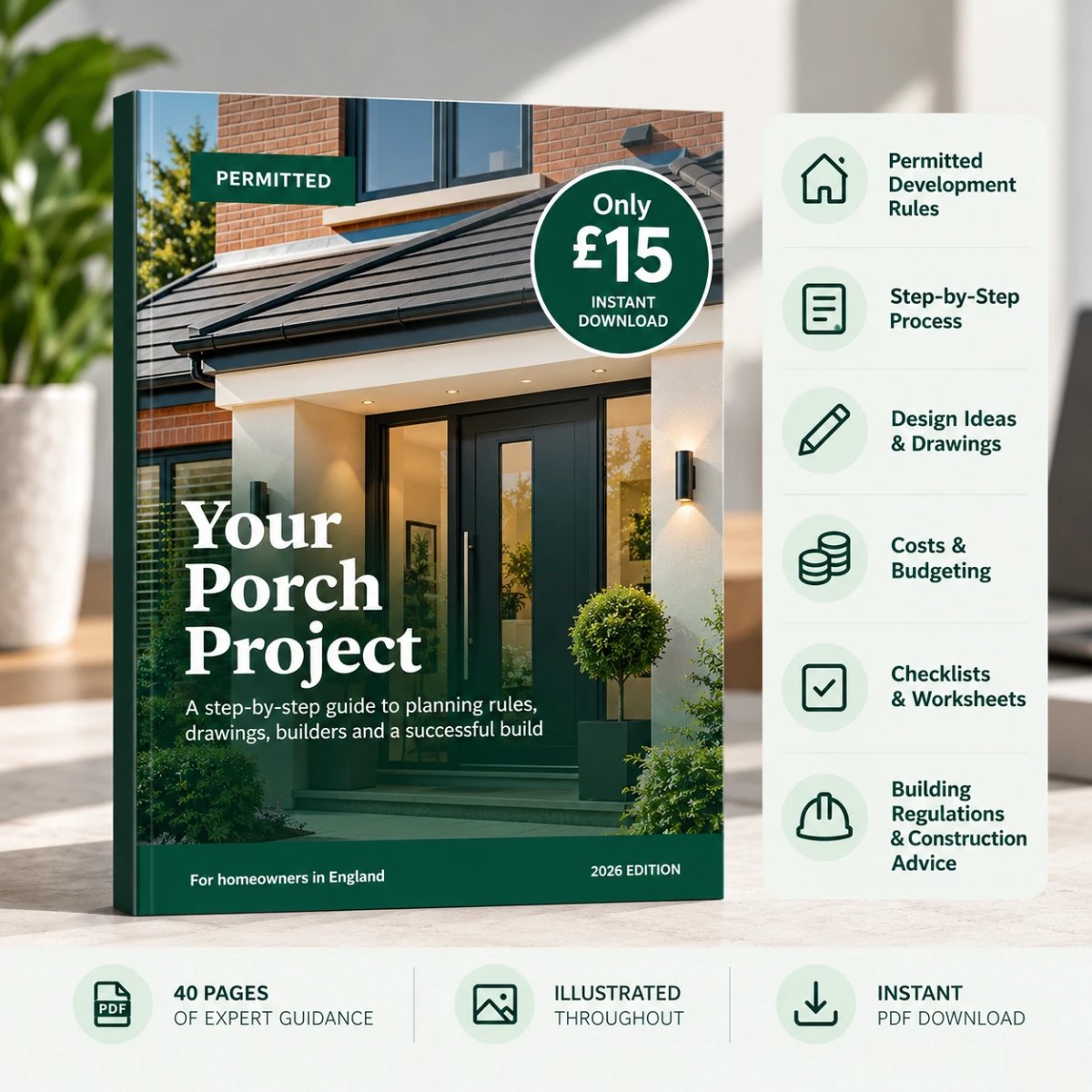
Rules, design options, costs and next steps.
View guide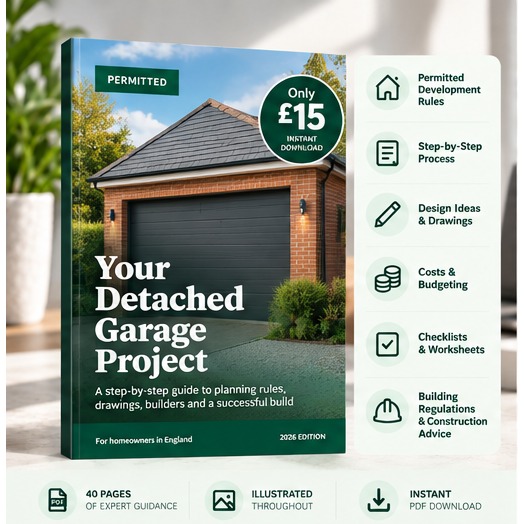
Rules, design options, costs and next steps.
View guide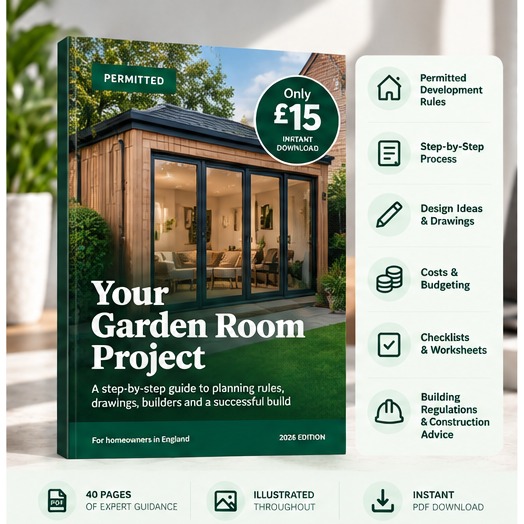
Rules, design options, costs and next steps.
View guide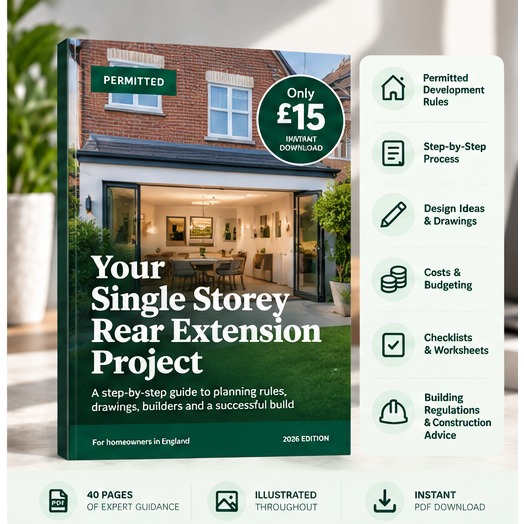
Rules, design options, costs and next steps.
View guide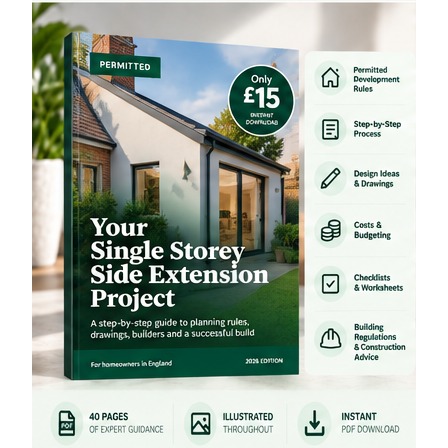
Rules, design options, costs and next steps.
View guide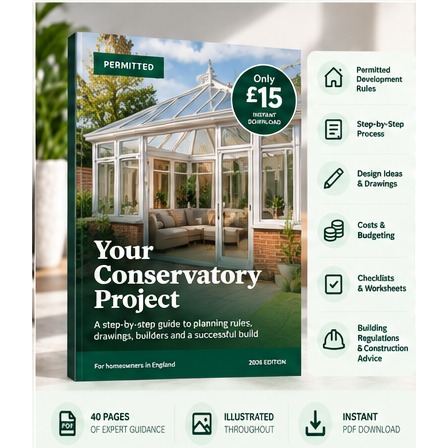
Rules, design options, costs and next steps.
View guide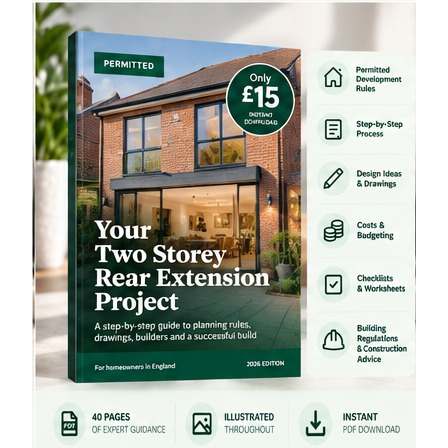
Rules, design options, costs and next steps.
View guide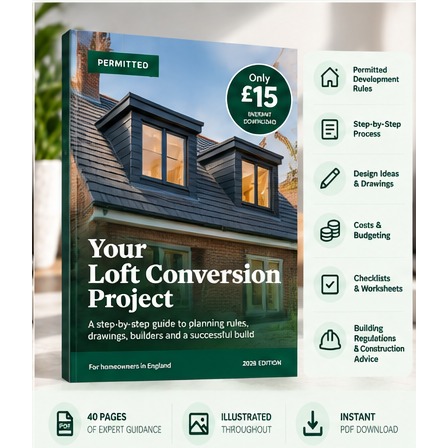
Rules, design options, costs and next steps.
View guideDomestic battery storage systems gained explicit permitted development rights in 2023. Here’s what’s allowed, where restrictions apply, and how they interact with solar panel installations.
The Town and Country Planning (General Permitted Development) (England) (Amendment) Order 2023 amended Part 14 of the GPDO to explicitly permit domestic battery storage systems as permitted development. Battery units installed on or within a dwellinghouse or within its curtilage (in connection with solar PV or standalone) are permitted development, subject to size, location and noise conditions. Listed buildings are excluded. In conservation areas, units on highway-facing walls or roofs require planning permission.
The 2023 amendment to Part 14 of the GPDO added Class A2 — stand-alone battery storage — to the permitted development rights for renewable energy and low-carbon technology. This covers:
Common products in scope include Tesla Powerwall, Givenergy, Sonnen, and similar domestic battery units. The right covers retrofit installations on existing homes as well as new builds.
| Condition | Detail |
|---|---|
| Volume limit | A free-standing battery unit must not exceed 1.0 cubic metres in volume |
| Height limit | A free-standing unit must not exceed 2.0 metres in height above ground level |
| Highway-facing wall | A unit on a wall or roof must not be on a surface that fronts a highway |
| Listed buildings excluded | Does not apply to listed buildings |
| Removal | The unit must be removed when no longer needed and the wall/ground made good |
| Noise | The unit must be sited to minimise noise impact on neighbouring properties |
| Setback from boundary | A free-standing unit must not be within 1 metre of a boundary |
The most common configuration is a battery storage system paired with a solar PV installation. Where both the solar panels and the battery are permitted development under Part 14, no planning consent is needed for either element. The solar panels are assessed under Part 14, Class A; the battery under Class A2.
If the solar panels require planning permission (e.g. because they’re on a highway-facing slope in a conservation area), the battery storage system is assessed separately — it doesn’t automatically follow the solar panels’ consent status. In most cases, the battery unit will be inside the house or on a rear wall and will be permitted development even if the panels needed planning permission.
In conservation areas, battery storage units are permitted development unless they are on a wall or roof that fronts a highway. A unit on the front of a house facing the street in a conservation area requires planning permission. Rear installations are generally permitted development.
Listed buildings: Class A2 does not apply to listed buildings. For a listed building, whether planning permission and/or listed building consent is needed for a battery unit depends on whether the works affect the fabric of the building. An indoor unit in a garage that doesn’t affect the listed fabric may not require listed building consent — but advice from the conservation officer is recommended before installing.
National Parks and AONBs: there are no additional GPDO restrictions on battery storage in National Parks or AONBs beyond the standard conditions. Article 4 Directions made by National Park Authorities could restrict this right, but this is uncommon.
Extensions, loft conversions, outbuildings, solar panels — our complete guide covers everything you can build without planning permission.
Planning a project? Browse our permitted development drawing sets — fixed price, supplied exactly as sold and emailed to you as a PDF.
Each one is already drawn. You choose the material, roof and options we actually draw, and that is the package you receive.
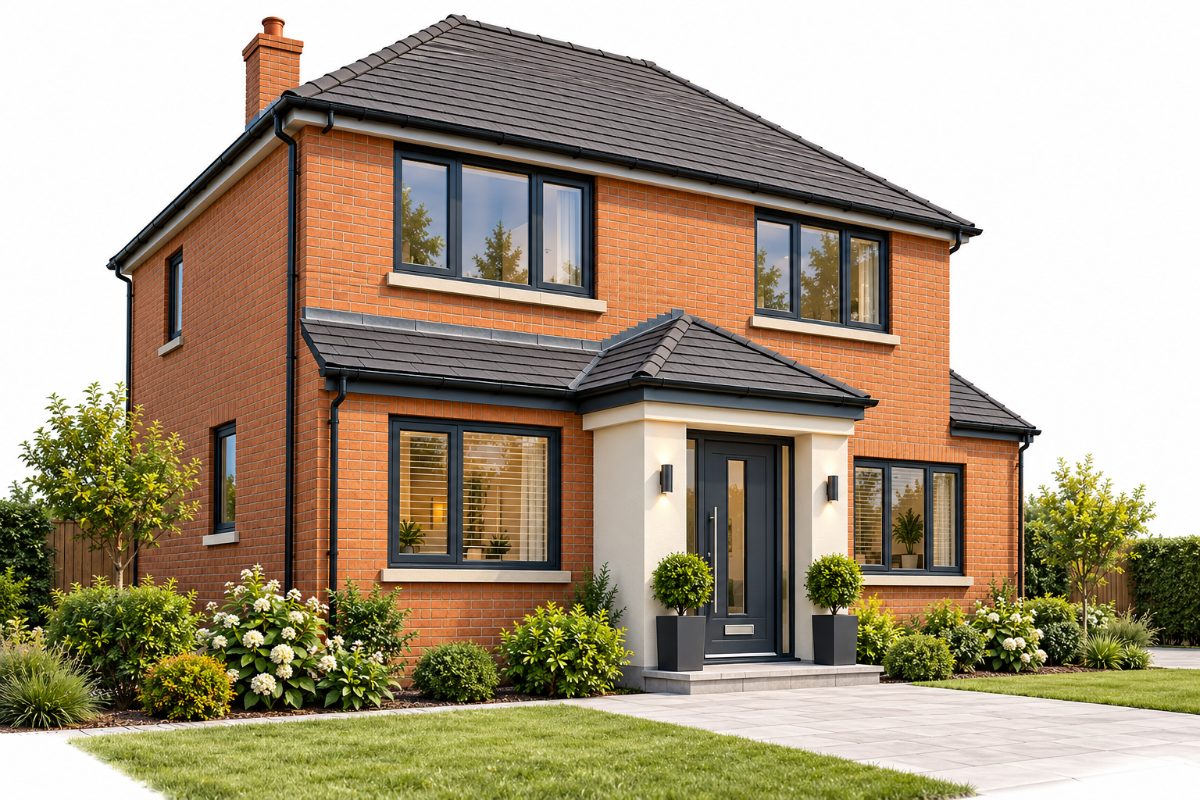
A practical entrance area that adds space and improves the look of your home.
£350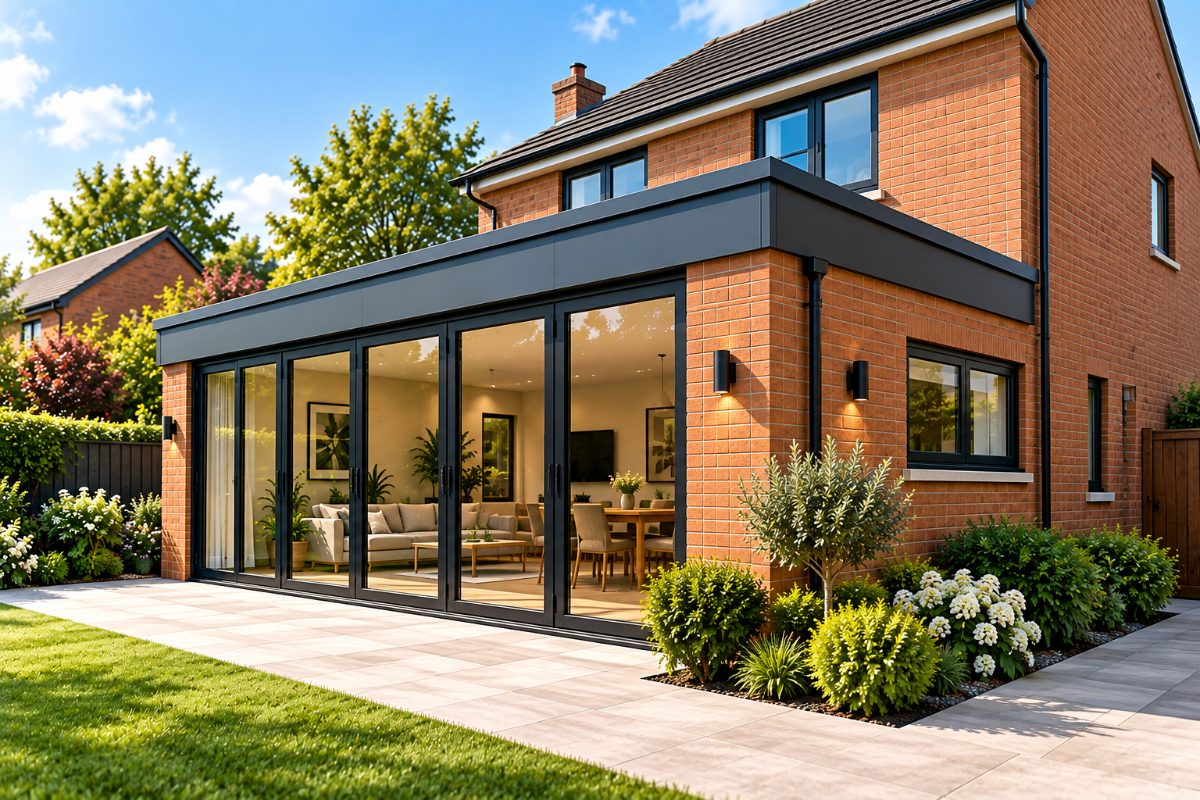
A popular way to create a larger kitchen, dining or family area.
£900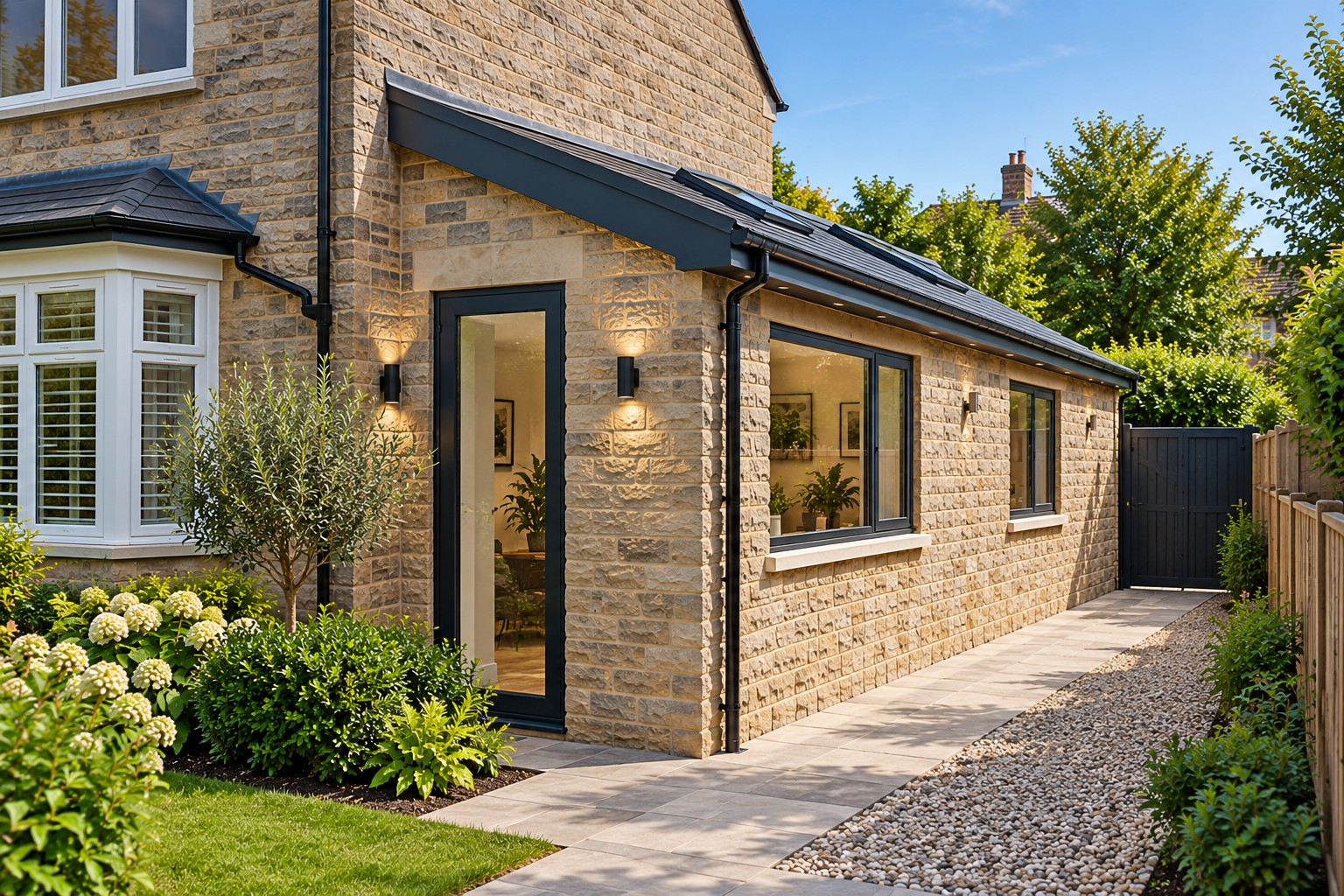
Adds valuable space to the side of your home for a kitchen or utility.
£900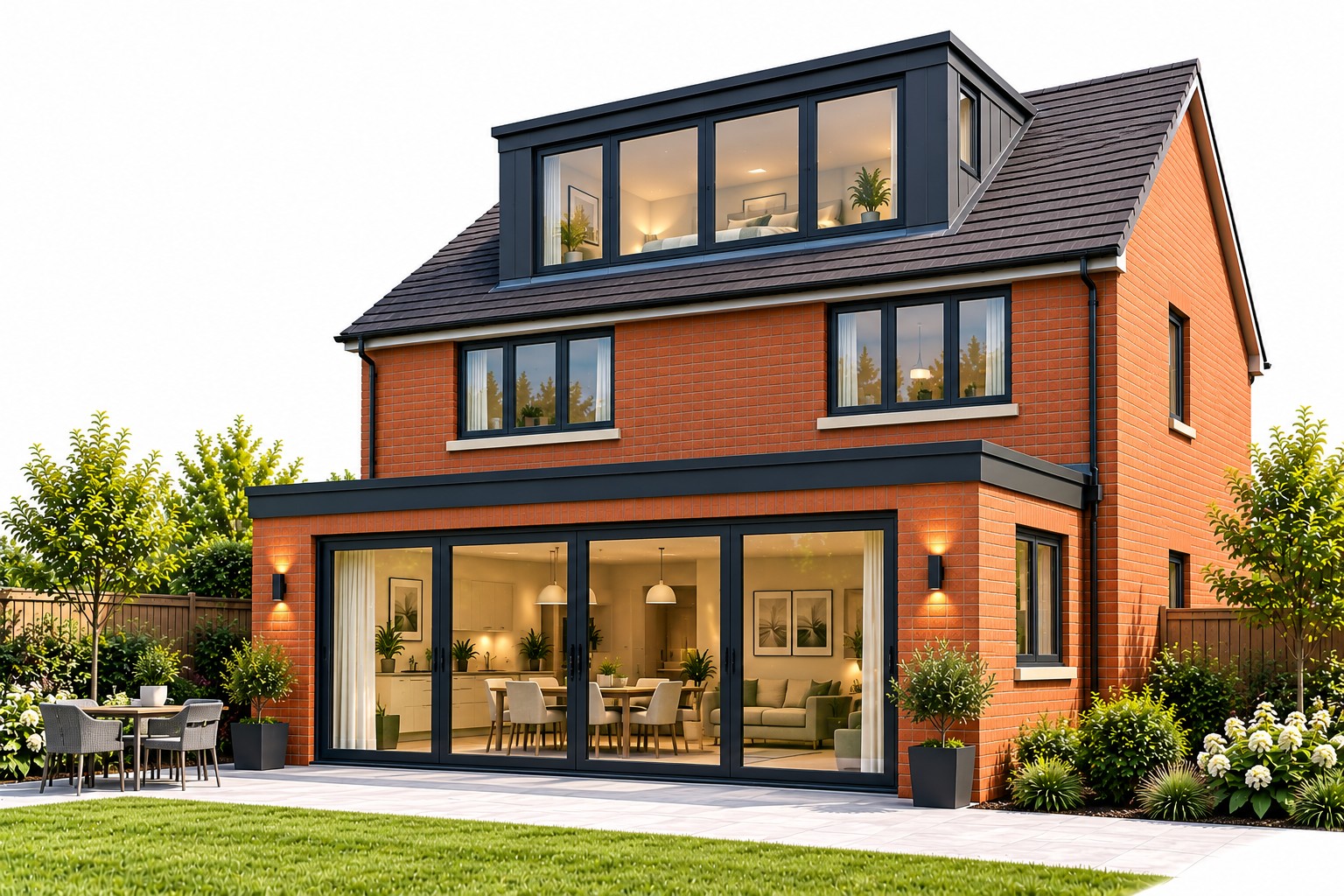
Turns unused loft space into a bedroom, office or additional living area.
£1,500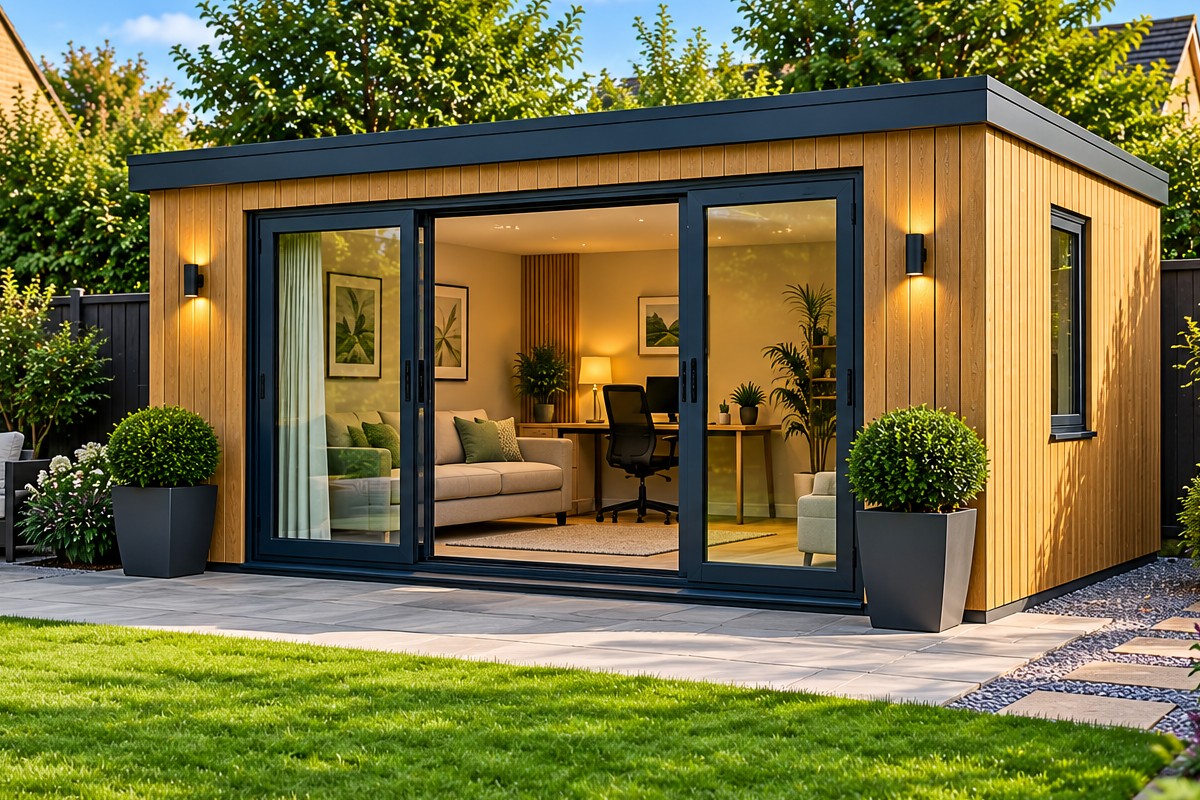
A flexible, detached space for work, leisure or extra living space.
£350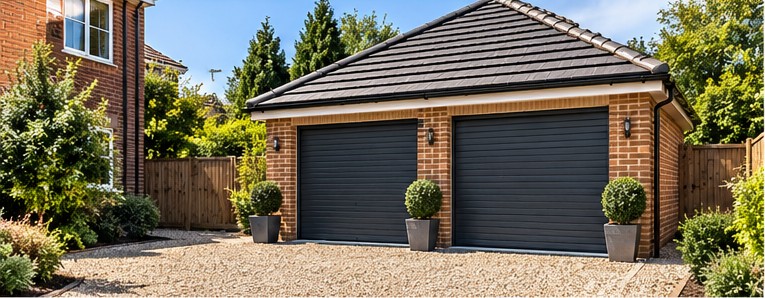
Secure parking or useful storage, single or double.
£350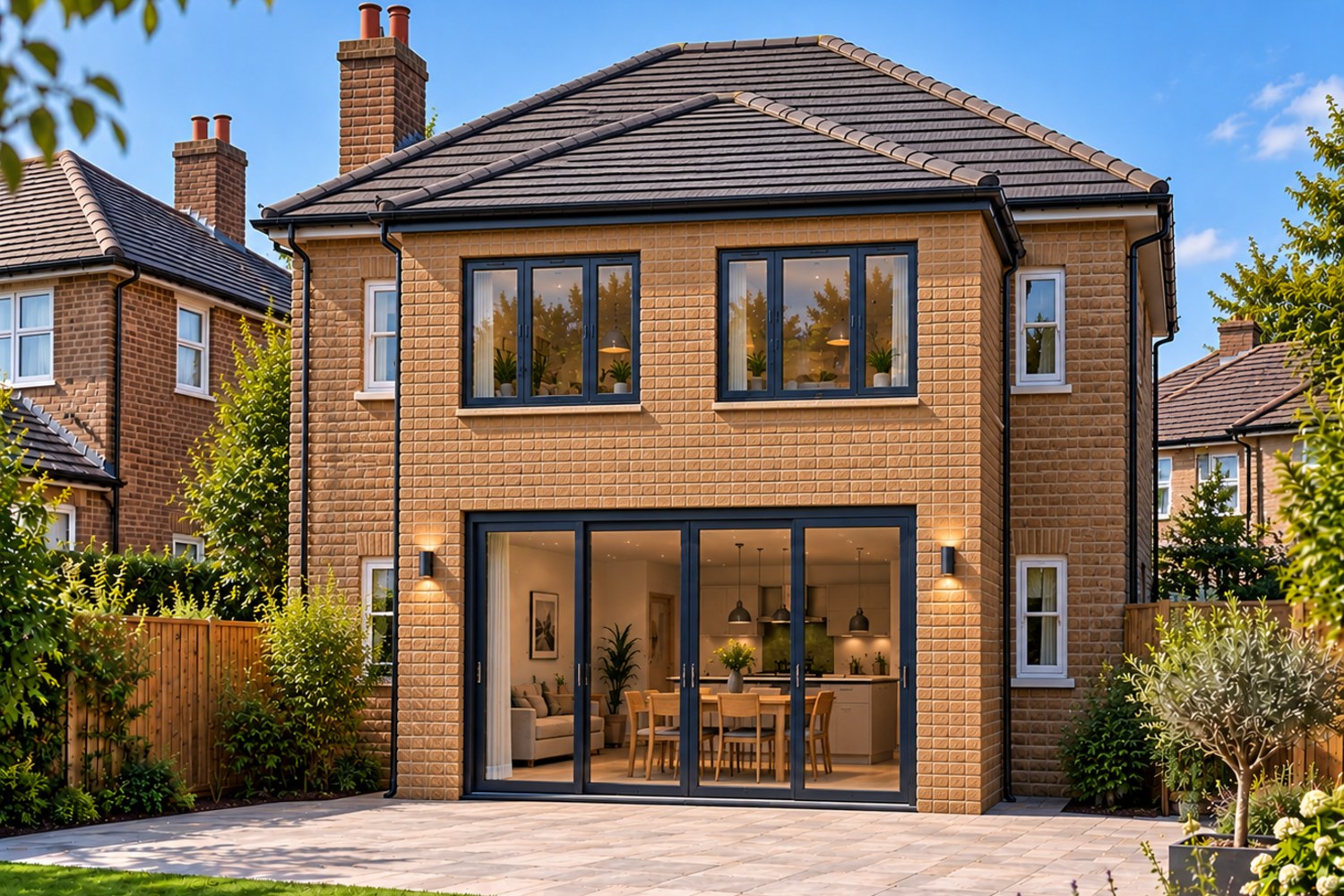
Significantly more living space across both floors.
£1,400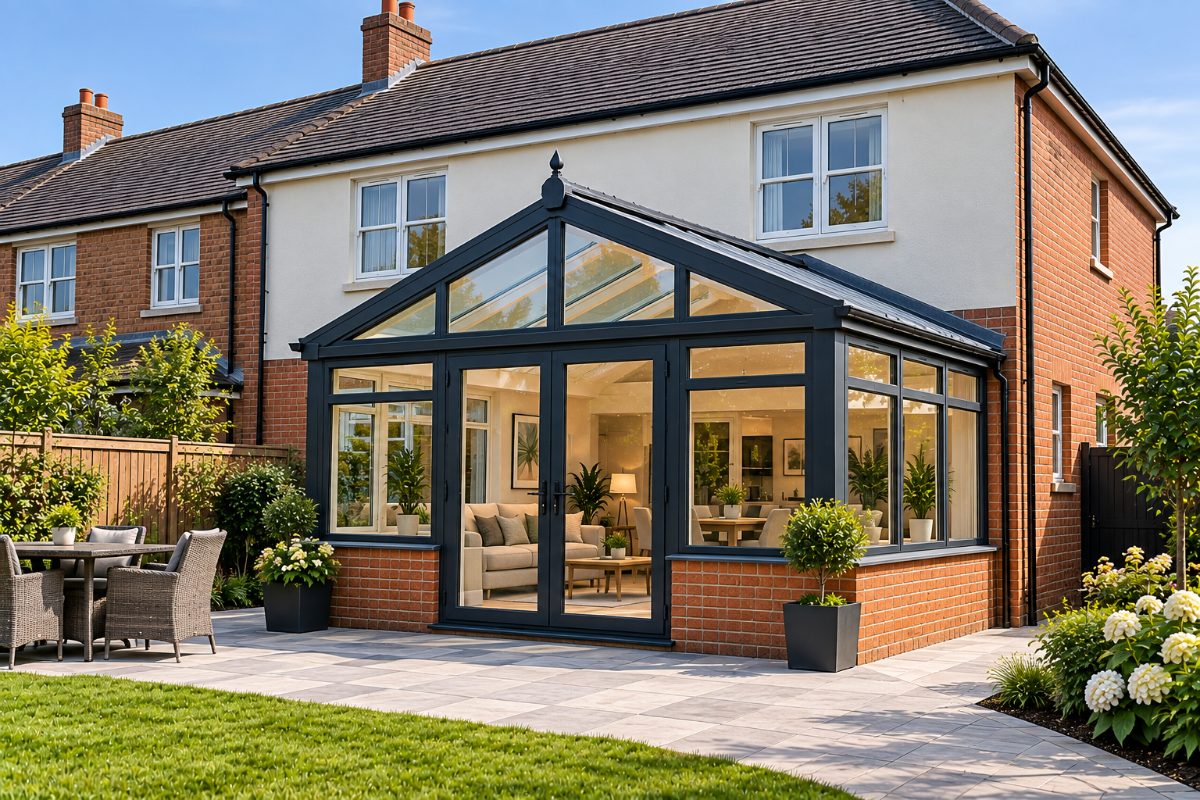
A bright, glazed room connecting your home to the garden.
£900PERMITTED HOMEOWNER GUIDES
Our illustrated, practical guides help you understand the rules, explore design options and budget with confidence — before you commit to building work.
Explore all guidesRules, design options, costs and next steps.
View guideRules, design options, costs and next steps.
View guideRules, design options, costs and next steps.
View guideRules, design options, costs and next steps.
View guideRules, design options, costs and next steps.
View guideRules, design options, costs and next steps.
View guideRules, design options, costs and next steps.
View guideRules, design options, costs and next steps.
View guideWe use cookies that are needed to run the basket and checkout. We would also like to use analytics cookies to understand how the site is used. We only do that if you say yes.

Maximize your property’s footprint with precision and ease. Permitted provides complete design for Permitted Development Rights. Our packages are designed around the Permitted Development limits, so many projects can proceed without a full planning application.
PERMITTED is operated by Yorkshire Property Design Services Limited, registered in England and Wales under company number 12698267.
Registered office: Ground Floor, Techno Centre, Station Road, Horsforth, Leeds, LS18 5BJ
Business contact address: Wira House, Ground Floor, Suite 5, Ring Road, West Park, Leeds, LS16 6EB