






Professional, builder-ready drawing packages for extensions, lofts, porches, garages, garden rooms and more — designed to Permitted Development parameters and supplied as sold.

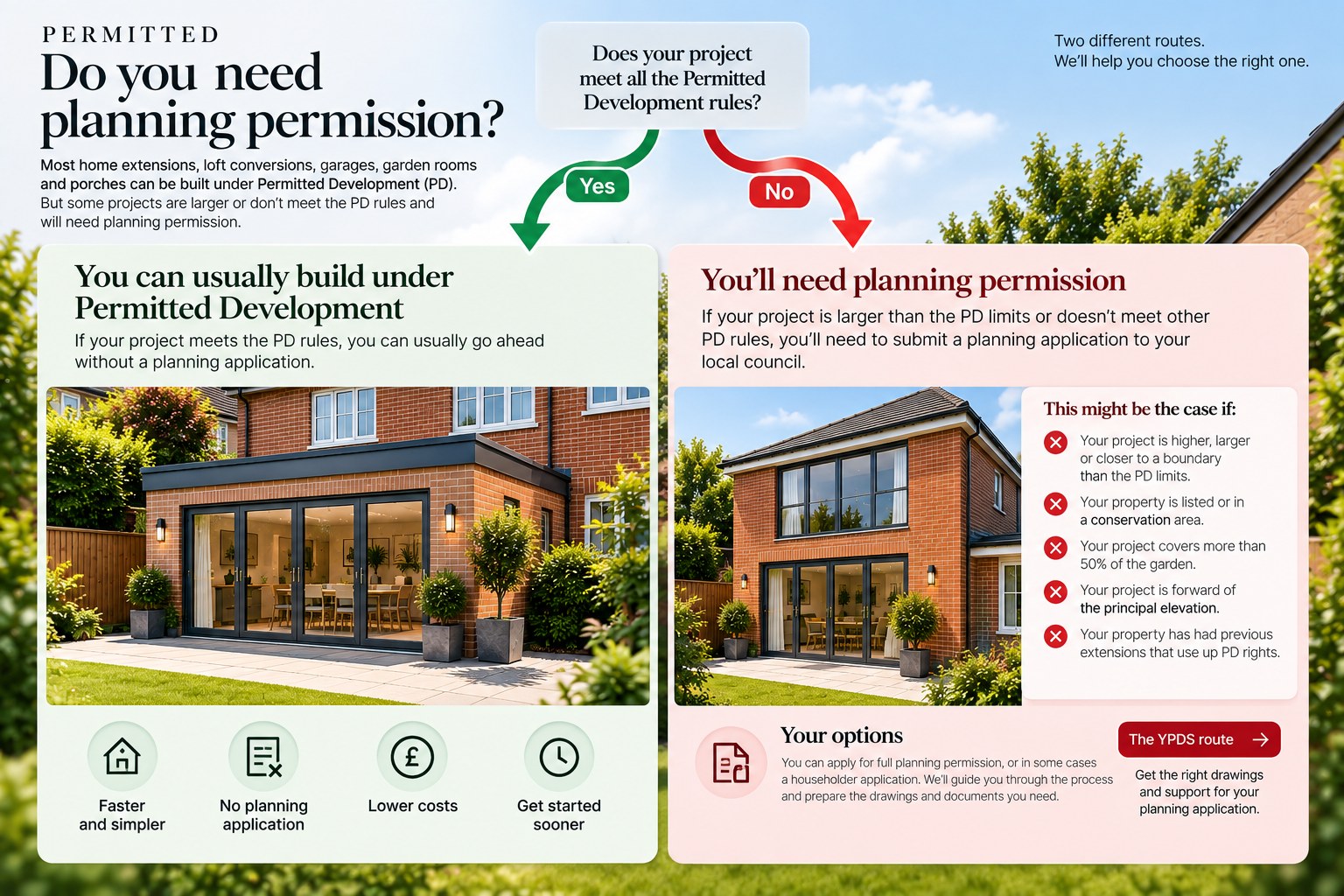
Permitted Development rights allow certain types of work to a house without making a normal planning application — provided your project and property meet the relevant rules.
No jargon. No guesswork. Understand the rules before choosing your drawings.
Permitted Development — usually shortened to PD — is a set of planning rights that allows certain building work to be carried out without applying for planning permission through the normal process.
That can include certain:
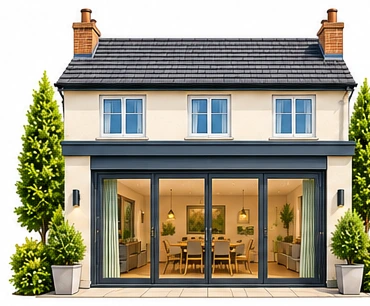 Rear extensions
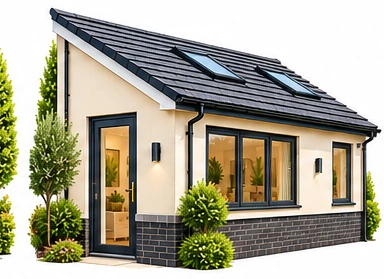 Side extensions
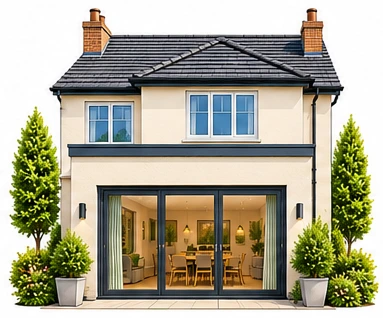 Two-storey extensions
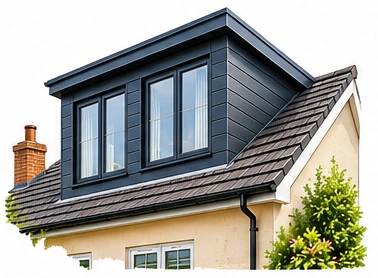 Loft conversions
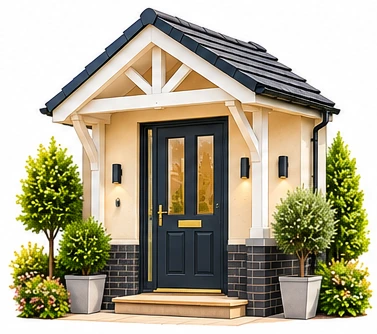 Porches
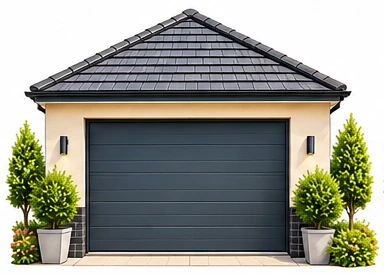 Garages & garden buildings
 Garden rooms
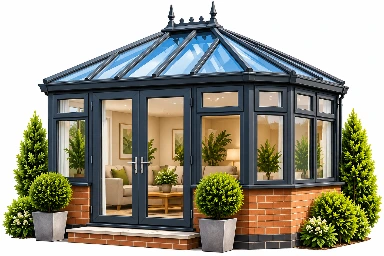 Conservatories
Permitted Development doesn’t mean anything goes. Each type of development has limits covering things such as size, height, position and, in some cases, materials.
Your council considers the proposed development through the planning application process.
The principle of the development is already granted by legislation — but only when all of the relevant limitations and conditions are satisfied.

Whether you can use Permitted Development rights depends on three key factors. All three need to be considered together.
House type, the original dwellinghouse, previous extensions and alterations.
Conservation areas, listed status, Article 4 Directions, planning conditions and other restrictions can affect PD rights.
Where it sits, how far it projects, its height, width, roof form and other class-specific requirements.
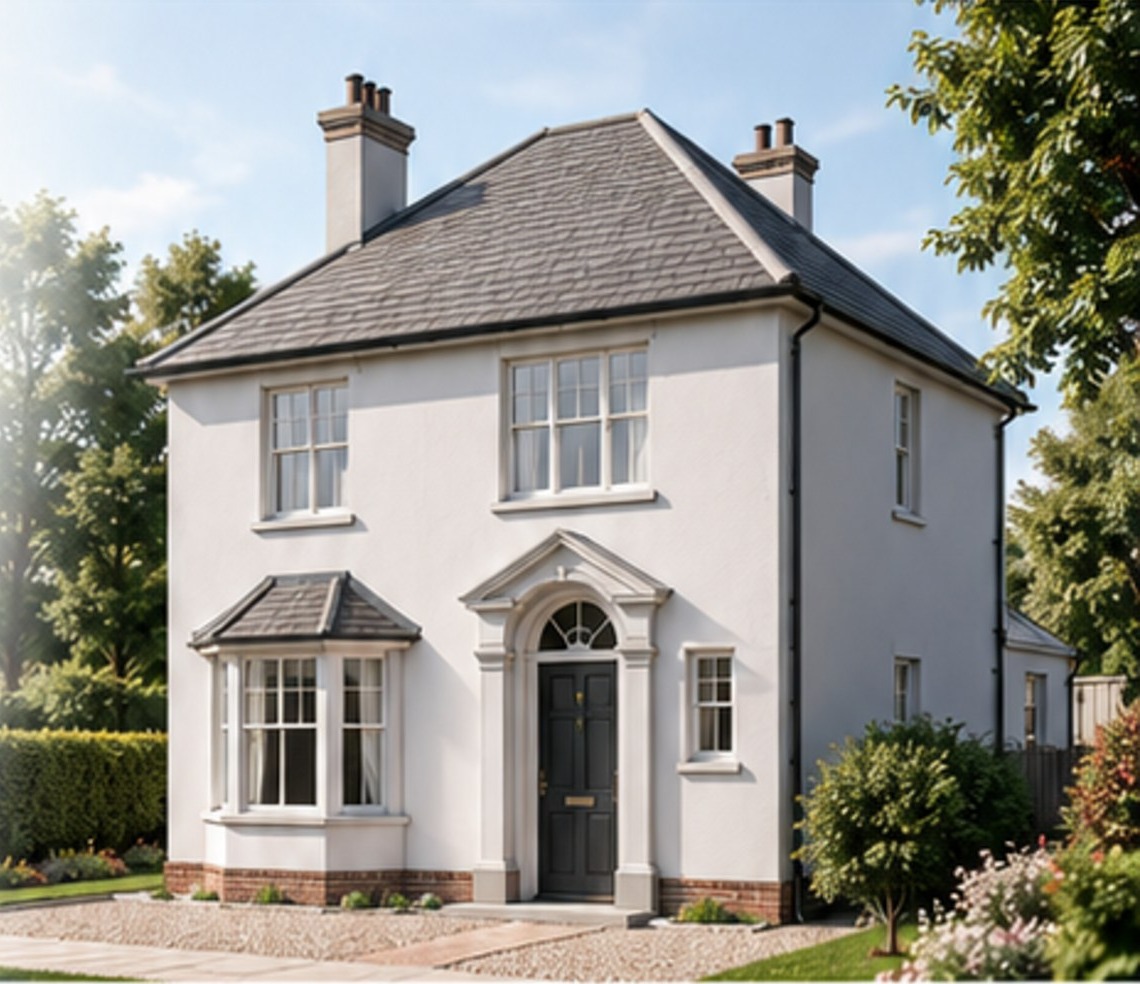
It means:
“This is the type of development that may be possible under Permitted Development when the relevant rules are satisfied.”
PERMITTED HOMEOWNER GUIDES
Our illustrated, practical guides help you understand the rules, explore design options and budget with confidence — before you commit to building work.
Explore all guides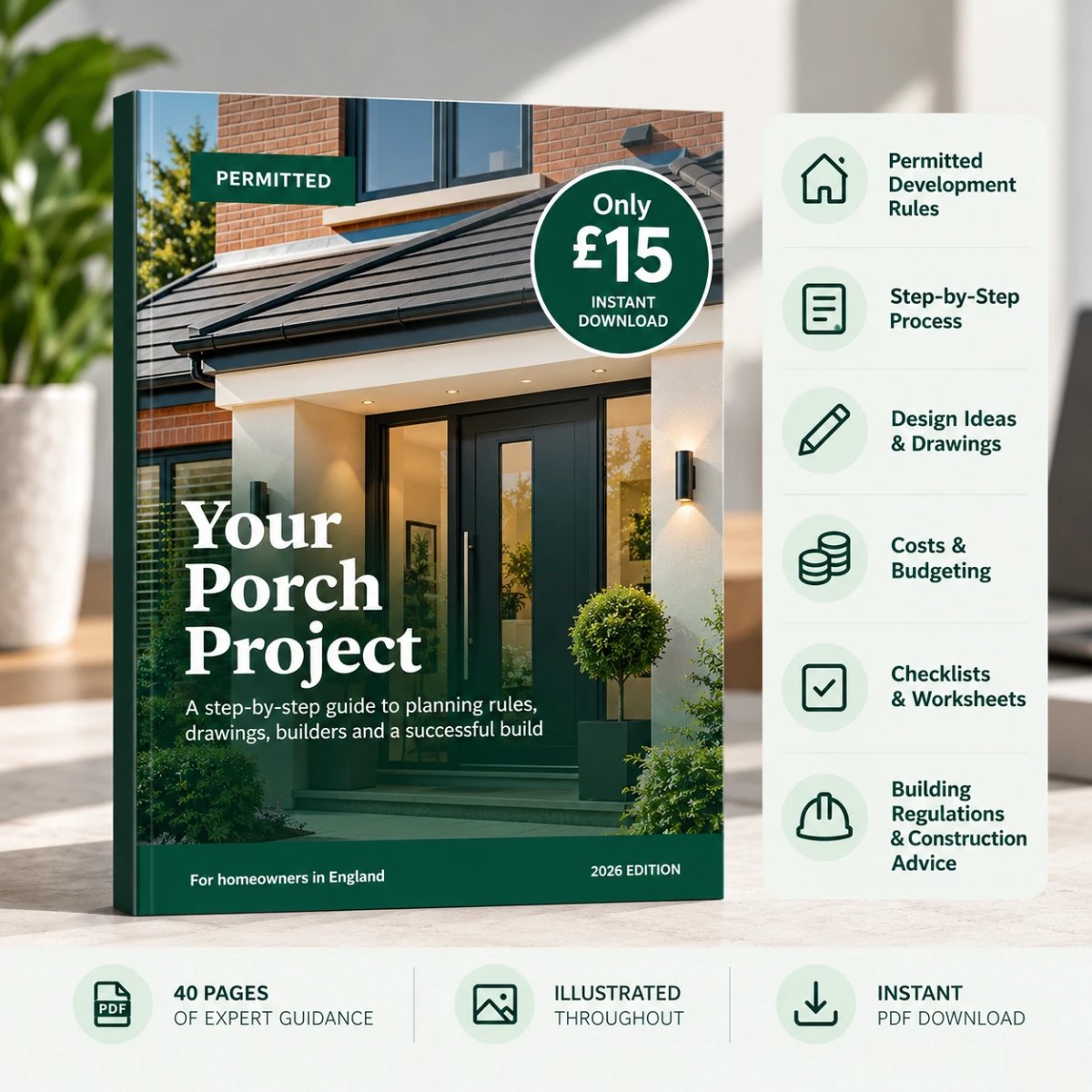
Rules, design options, costs and next steps.
View guide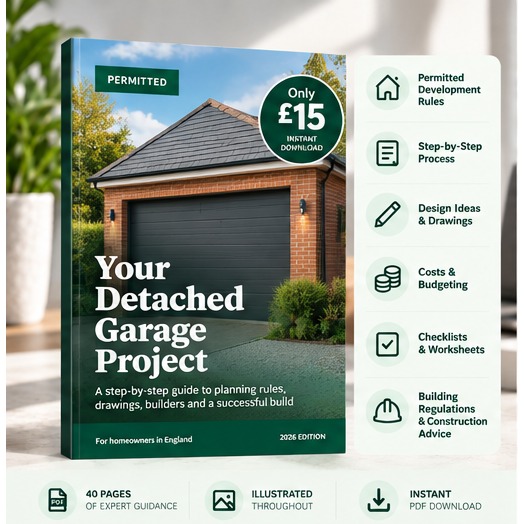
Rules, design options, costs and next steps.
View guide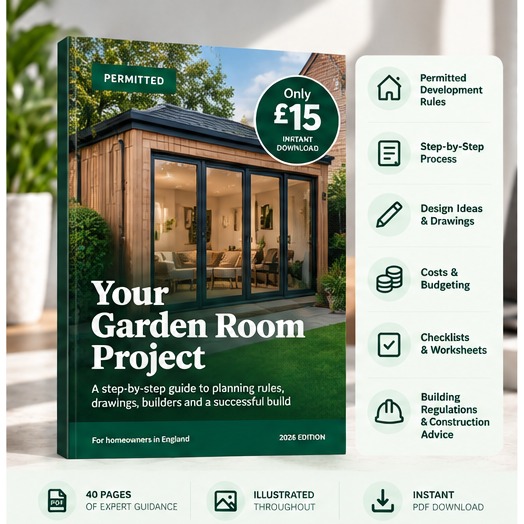
Rules, design options, costs and next steps.
View guide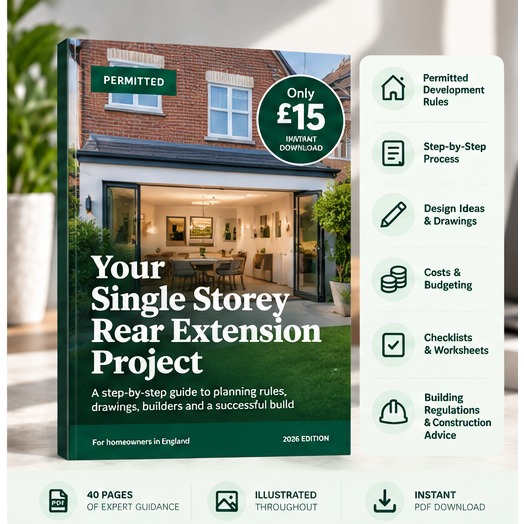
Rules, design options, costs and next steps.
View guide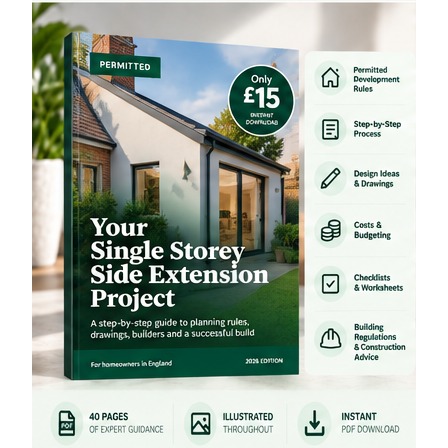
Rules, design options, costs and next steps.
View guide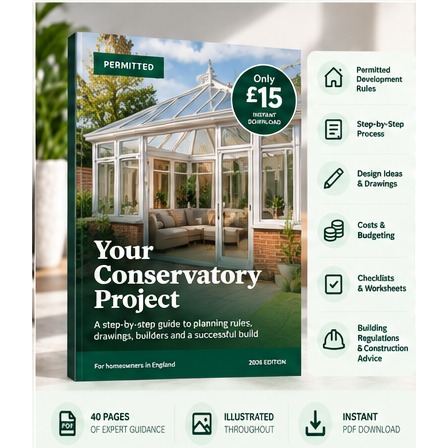
Rules, design options, costs and next steps.
View guide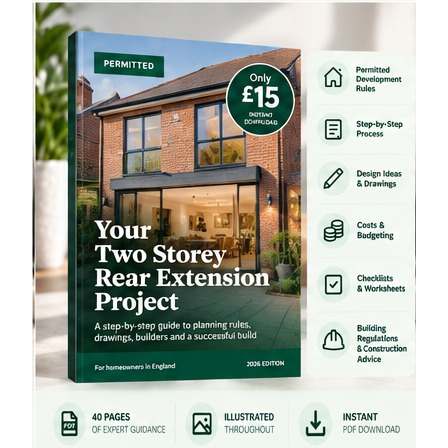
Rules, design options, costs and next steps.
View guide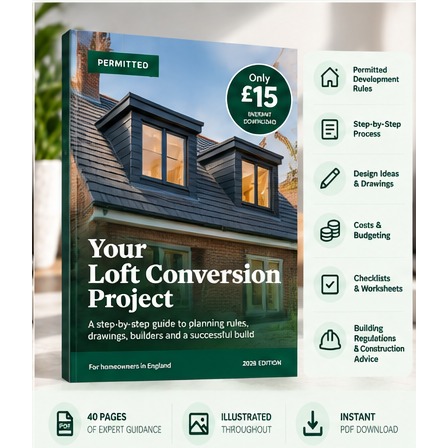
Rules, design options, costs and next steps.
View guideIs it a house?
Householder PD rights aren’t the same for flats and maisonettes.
Have PD rights been restricted?
Planning conditions or an Article 4 Direction can remove rights that would otherwise exist.
Has the house already been extended?
Previous development can affect what’s left available, particularly where rules refer to the original dwellinghouse.
Is the property or area specially protected?
Listed buildings and designated land can introduce additional restrictions.
YPDS can review your property and advise on what may be possible.
Detailed guidance for each type of householder development, with the limits that apply and what it means for your drawings.
Original dwellinghouseWhat counts, and why it matters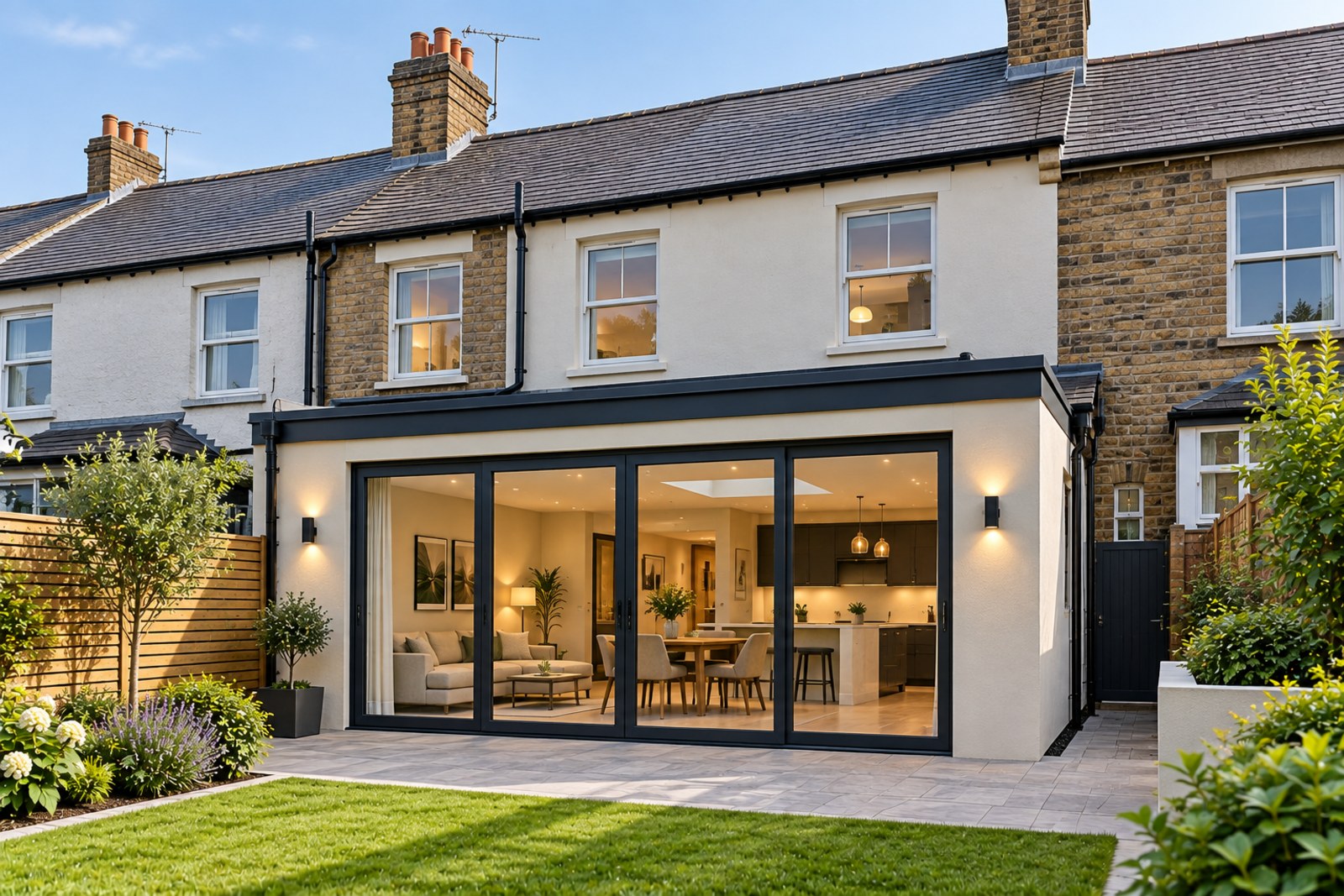 Single-storey rear extensionsProjection, height and widthSingle-storey side extensionsWidth, height and position
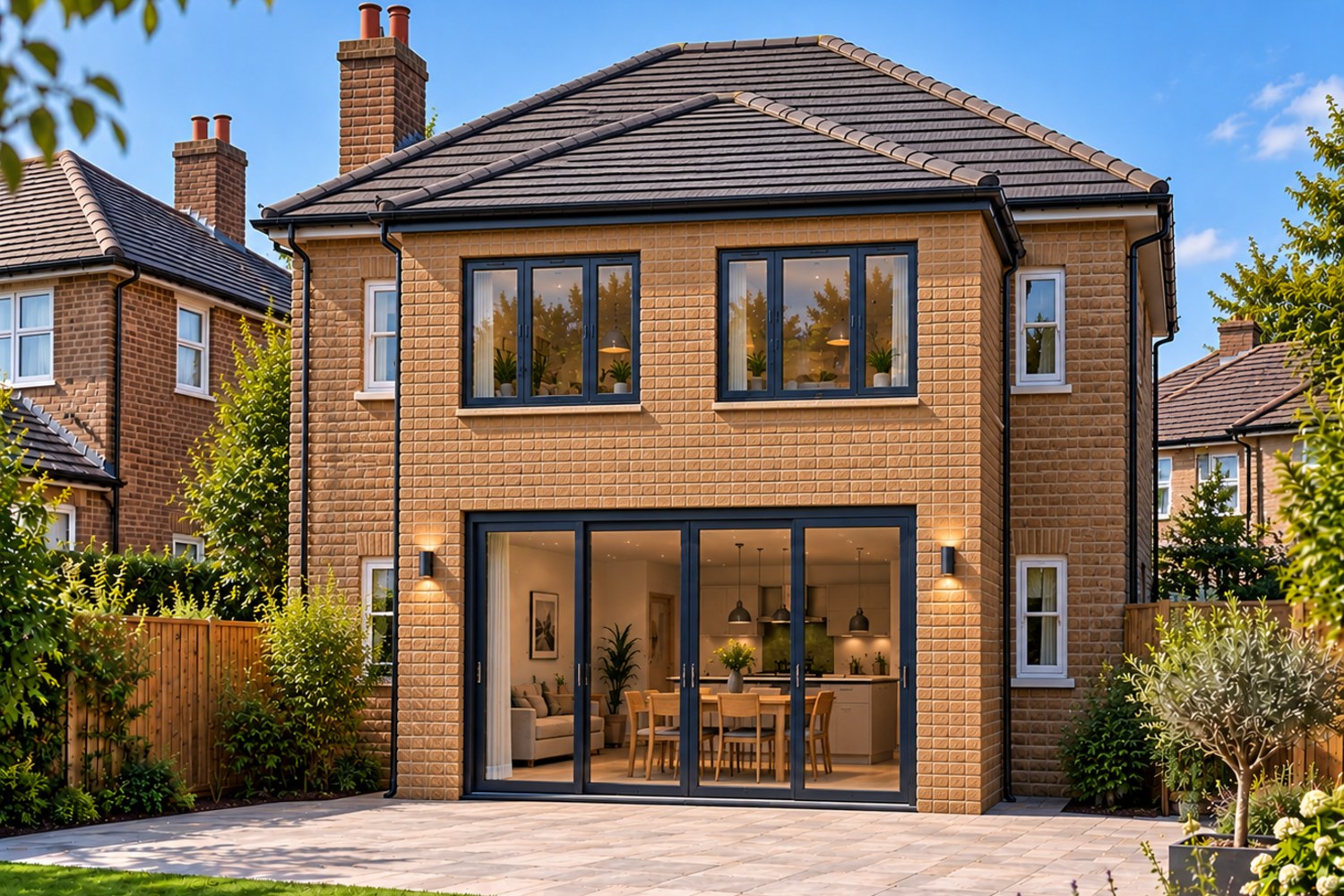 Two-storey rear extensionsProjection and boundary rules
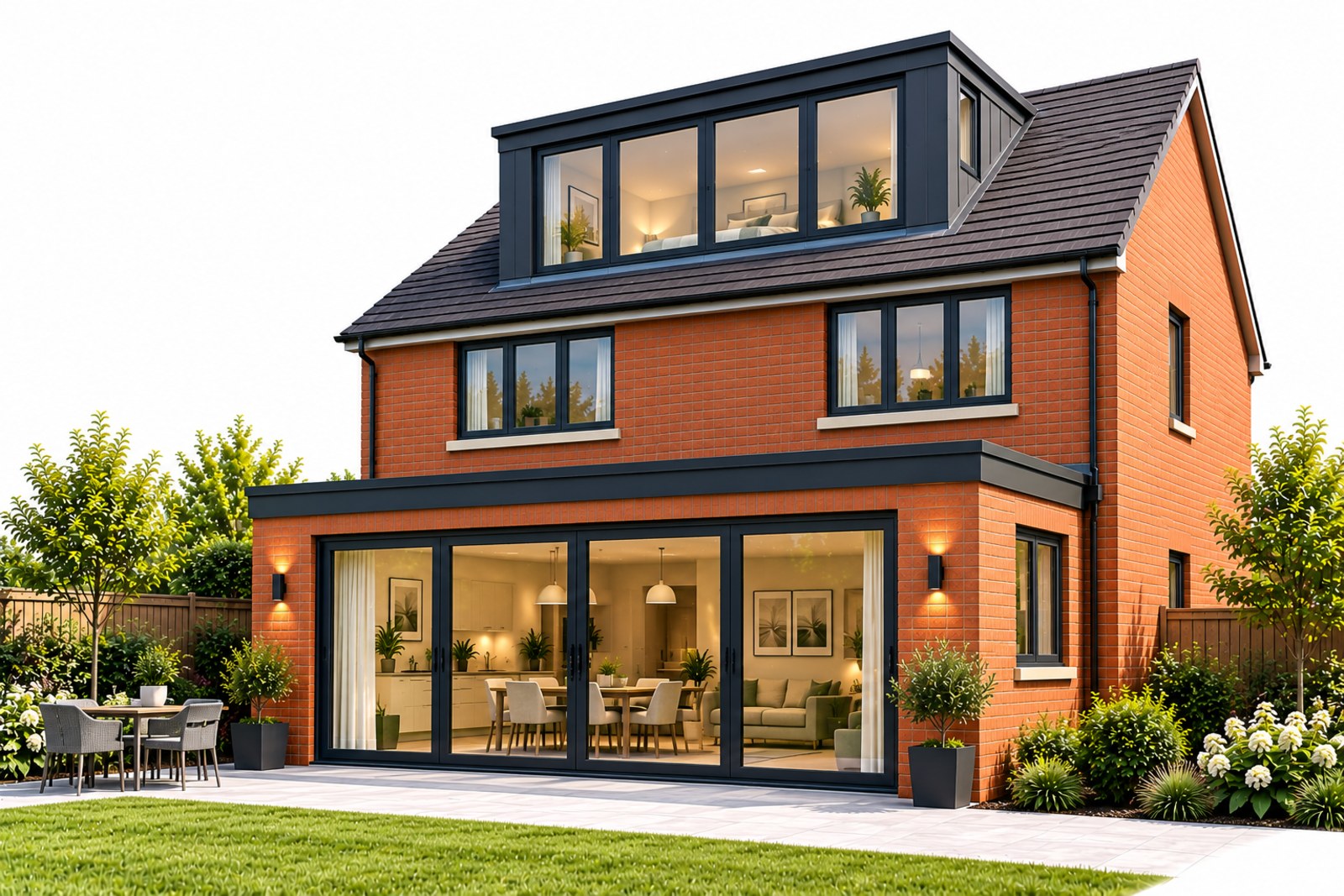 Loft conversionsVolume limits and roof form
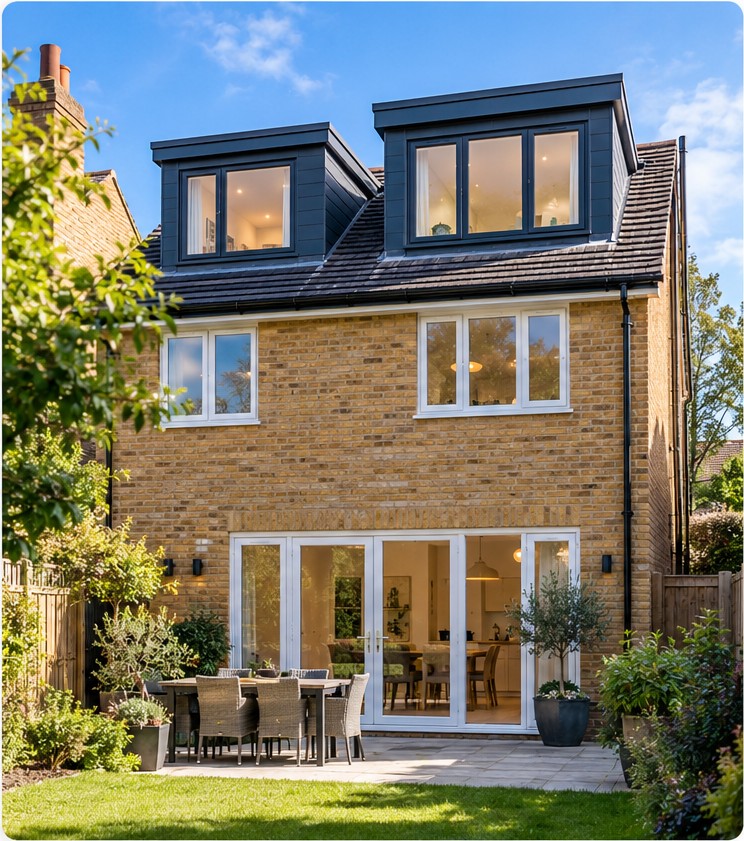 Dormer windowsSize, height and position
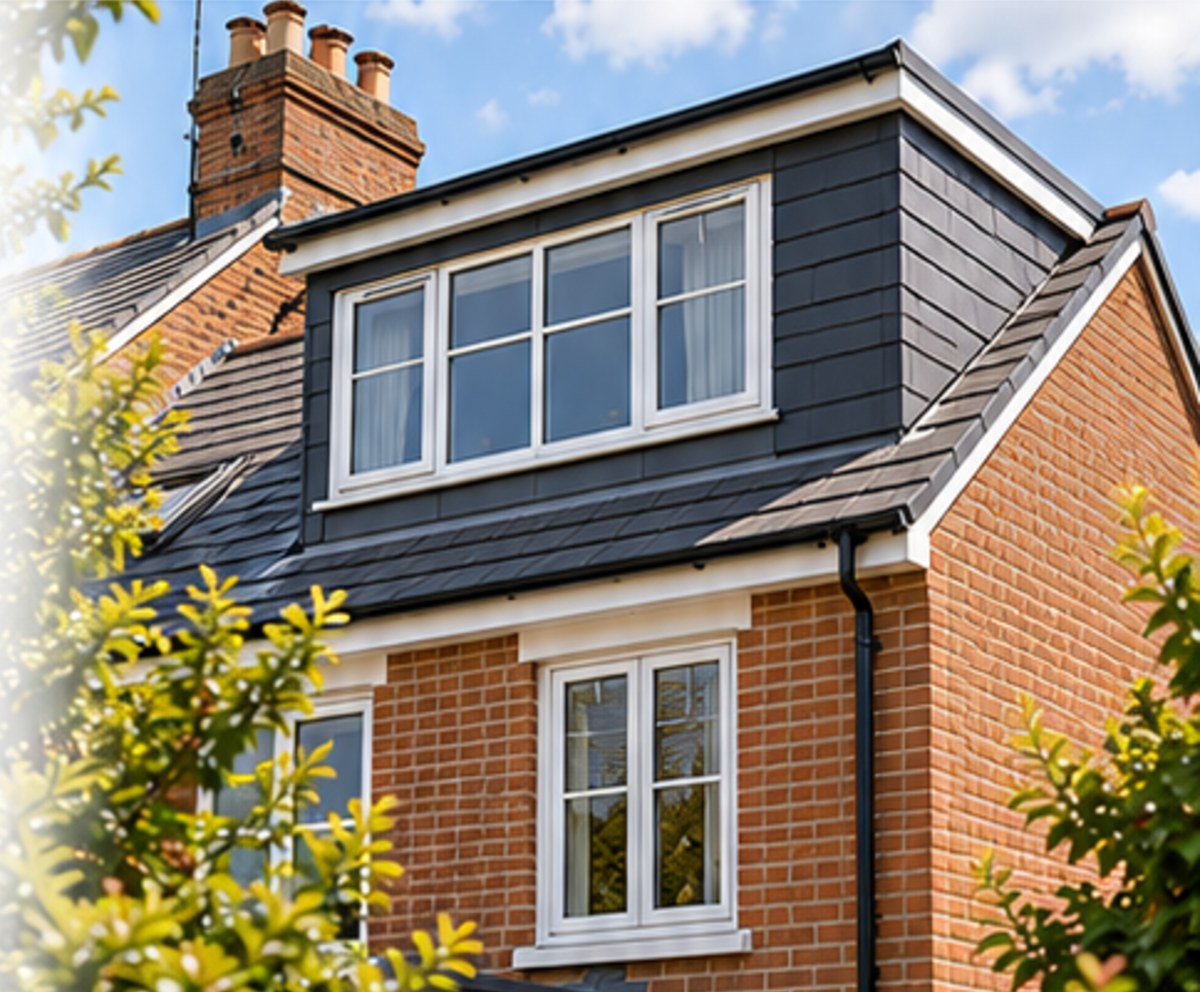 Roof alterationsHip to gable and roof lights
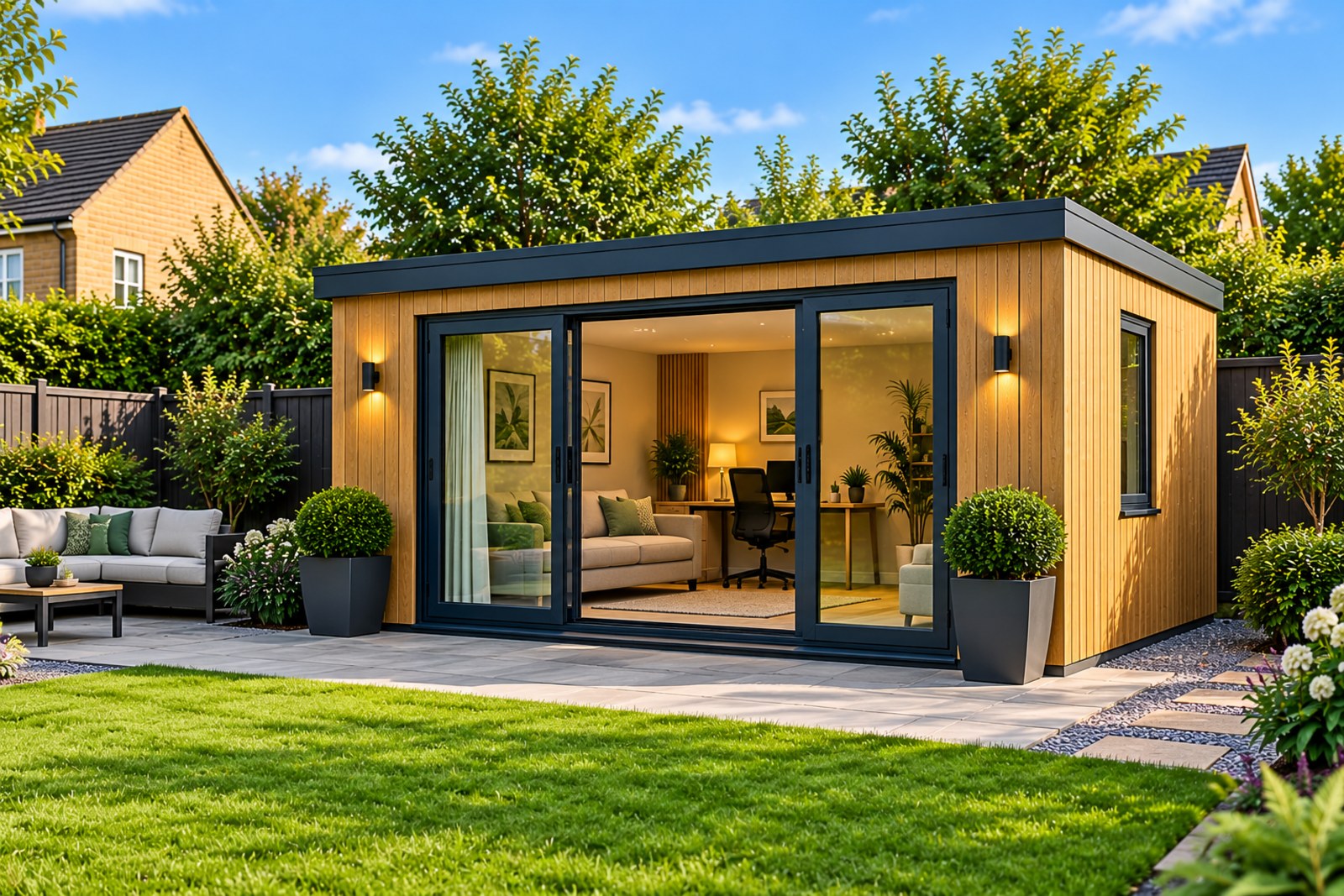 Outbuildings and garden buildingsClass E height and area limits
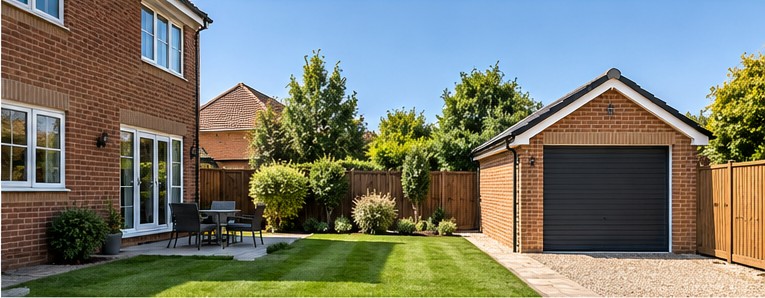 GaragesPosition, height and total area
 PorchesClass D size and highway rules
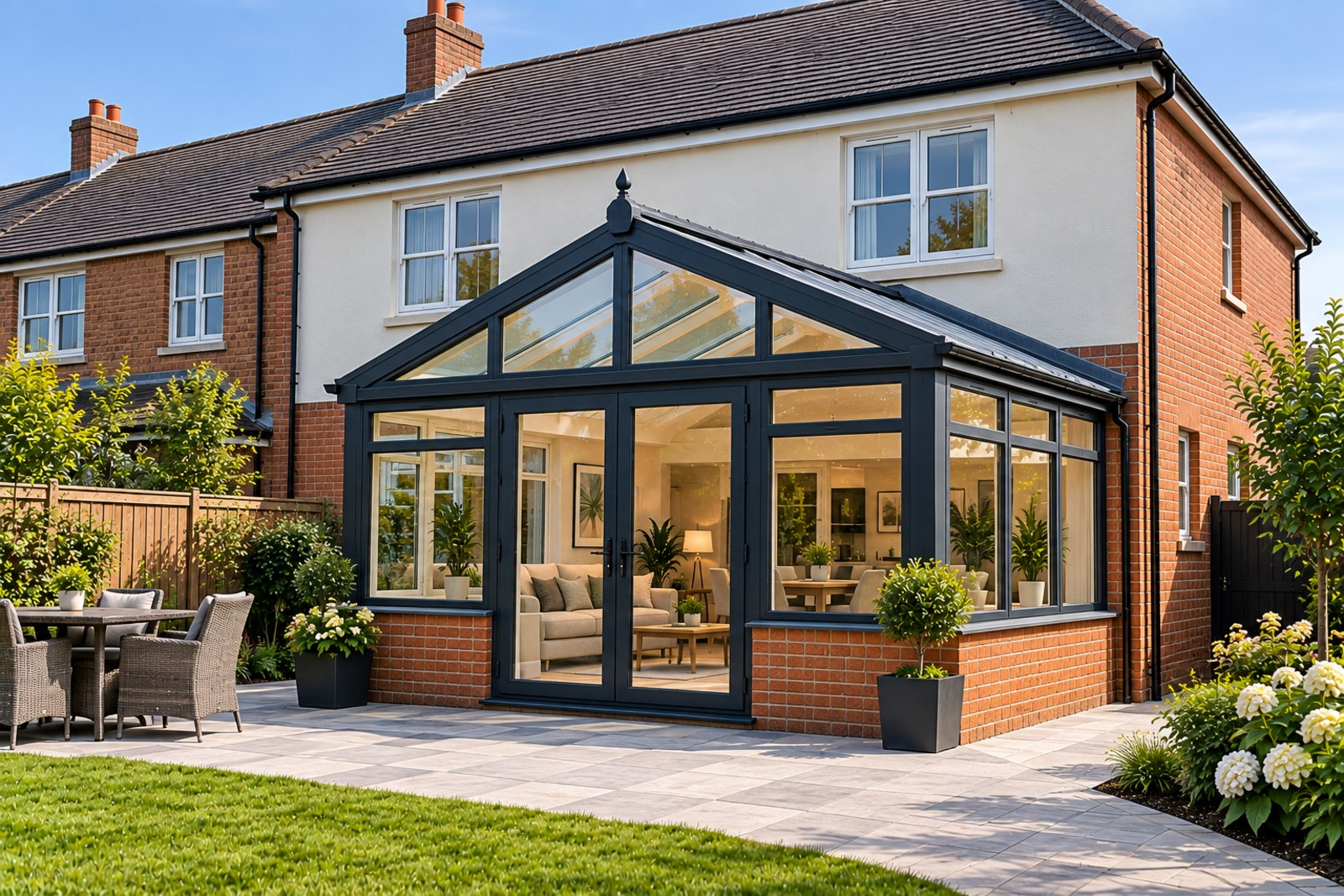 ConservatoriesClass A limits for a glazed addition
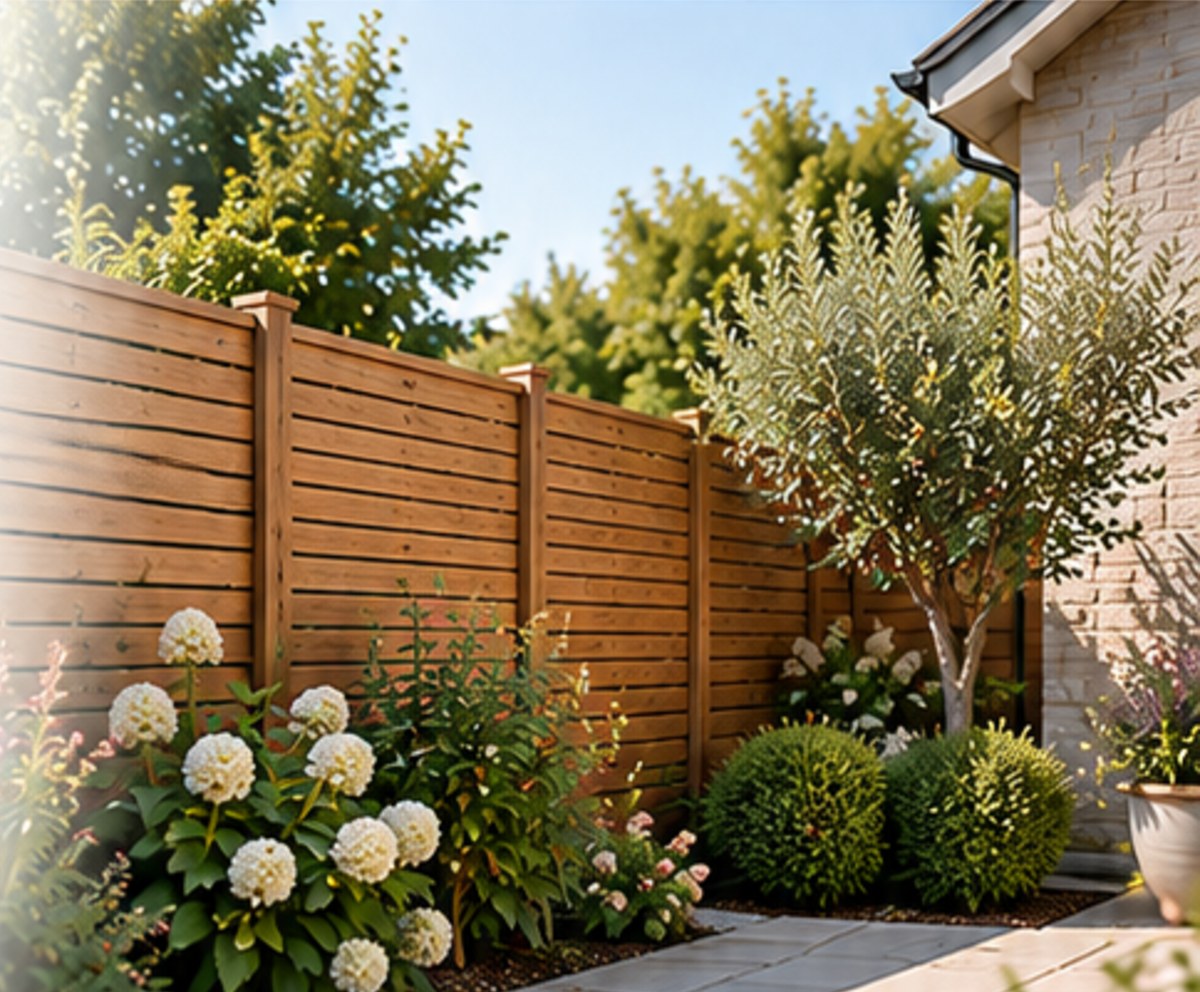 Fences, walls and gatesHeight limits and highways
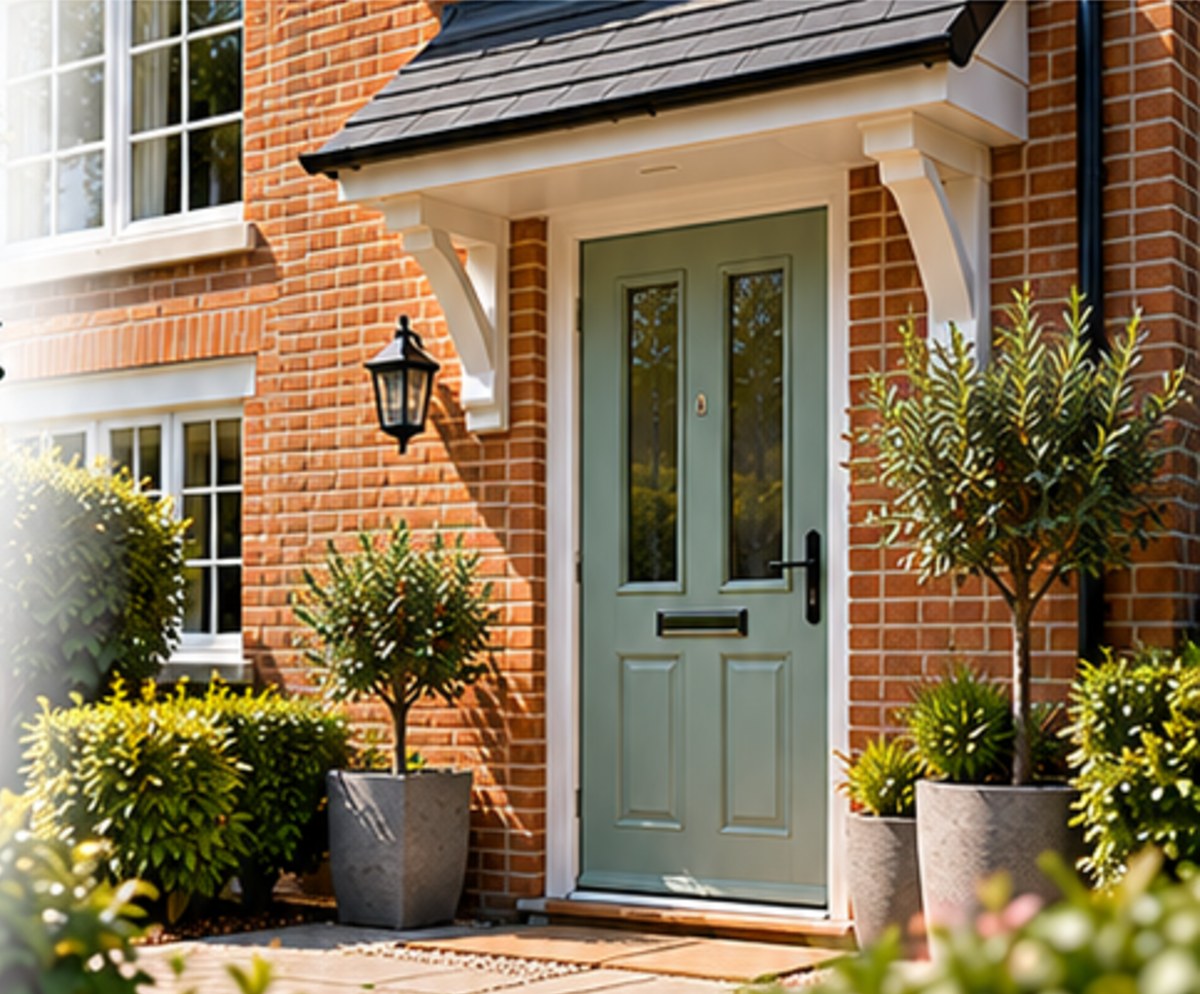 Windows and doorsReplacement and appearance
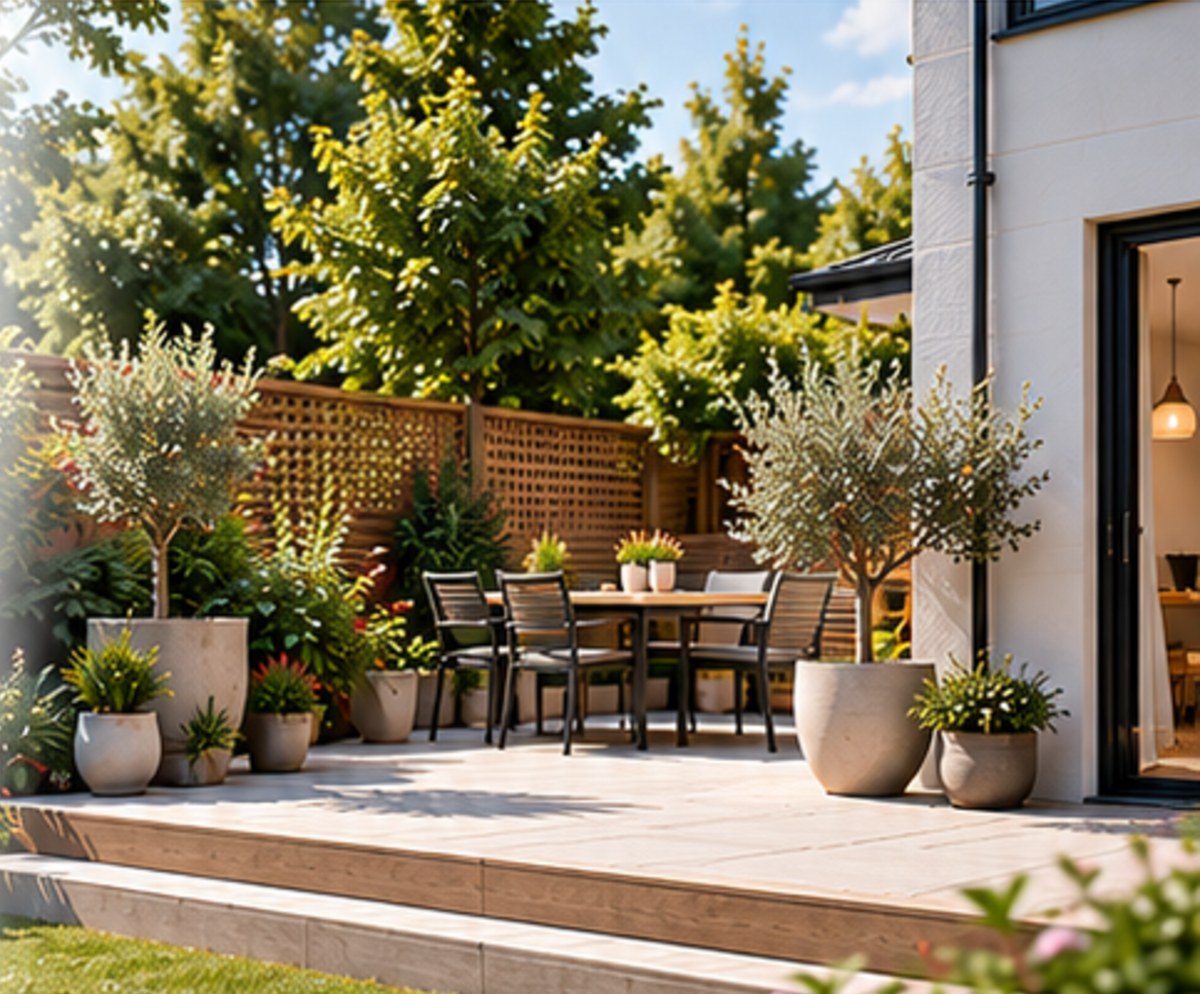 Patios, decking and terracesThe raised platform rule
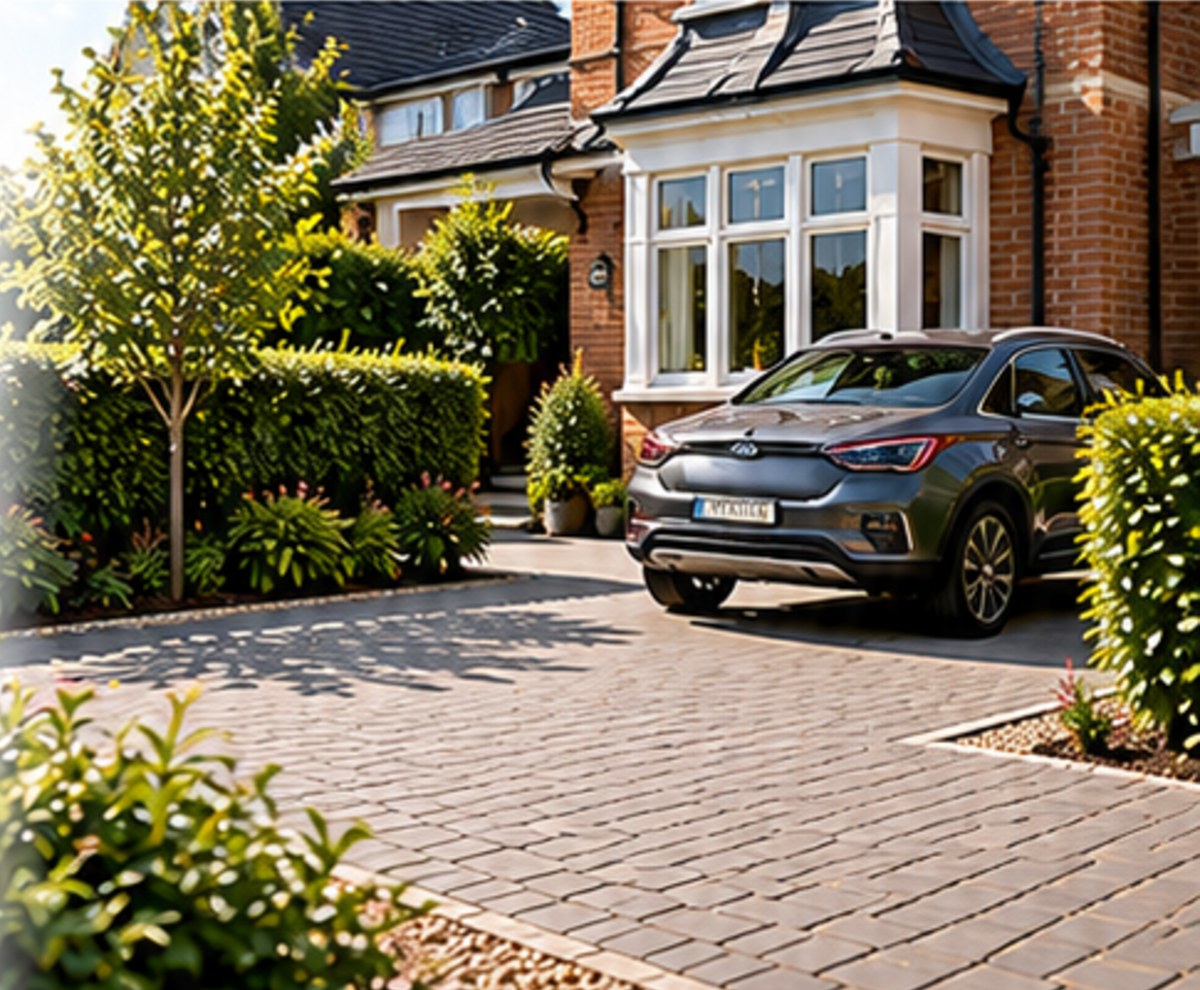 Driveways and parkingSurfacing and drainage
 What is in your drawing packageEvery sheet you receive
We’ll help you understand the relevant PD limits, configure the design and select the construction drawing package for your property.
Permitted Development rights described on this page apply to houses in England under the Town and Country Planning (General Permitted Development) (England) Order 2015. Different planning rules apply in Scotland, Wales and Northern Ireland. This page is general guidance, not a formal planning determination — always check your own property and, where you need certainty, apply to your local planning authority for a Lawful Development Certificate.
Each one is already drawn. You choose the material, roof and options we actually draw, and that is the package you receive.
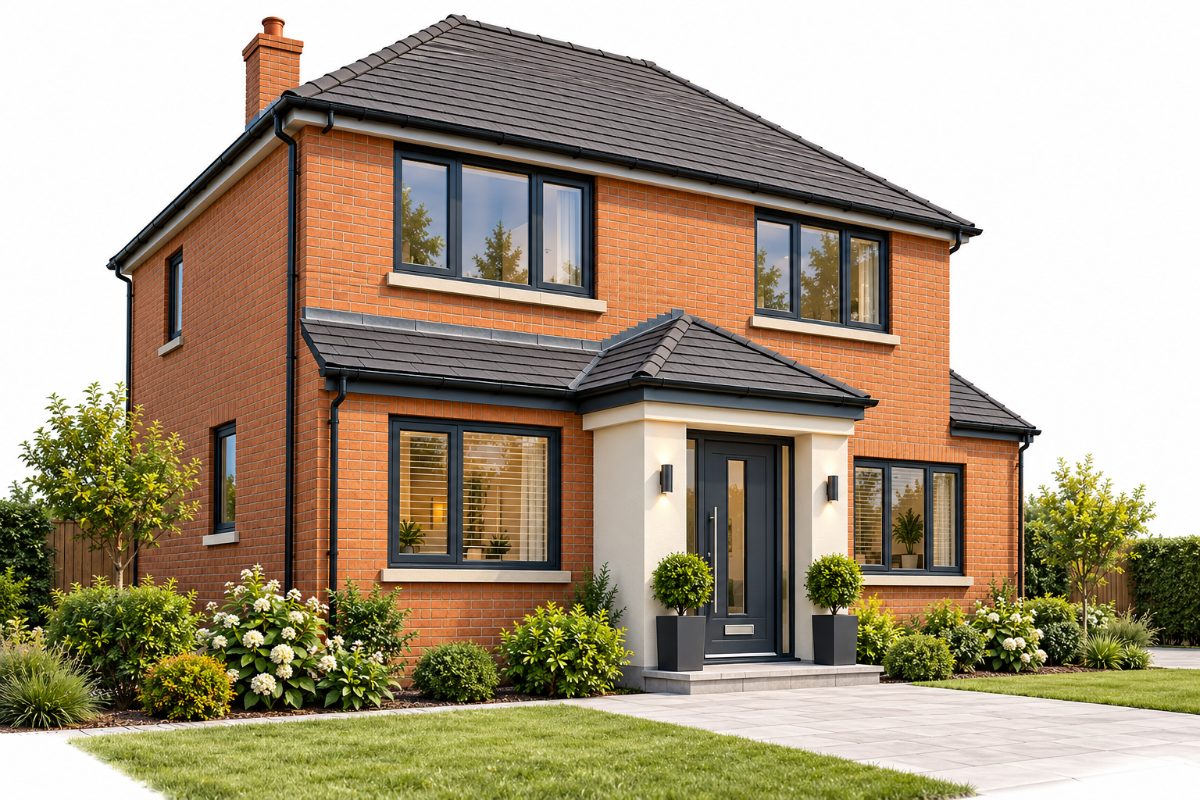
A practical entrance area that adds space and improves the look of your home.
£350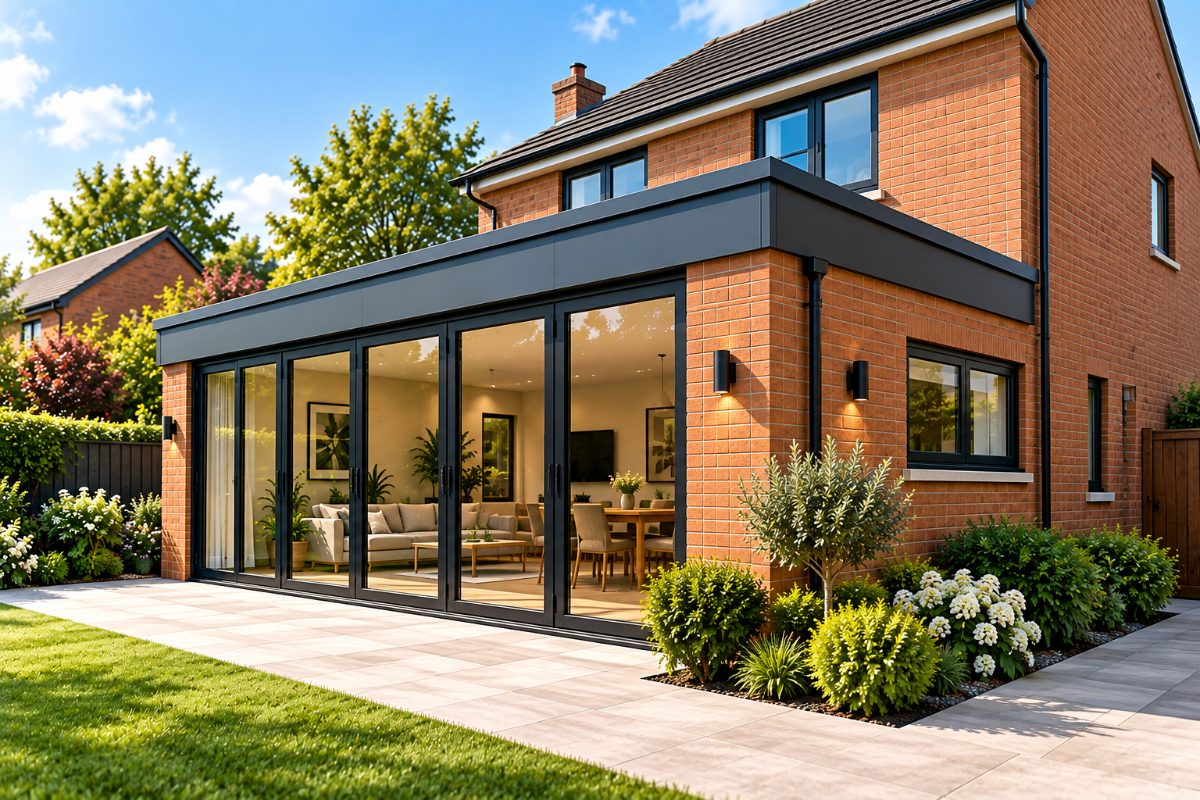
A popular way to create a larger kitchen, dining or family area.
£900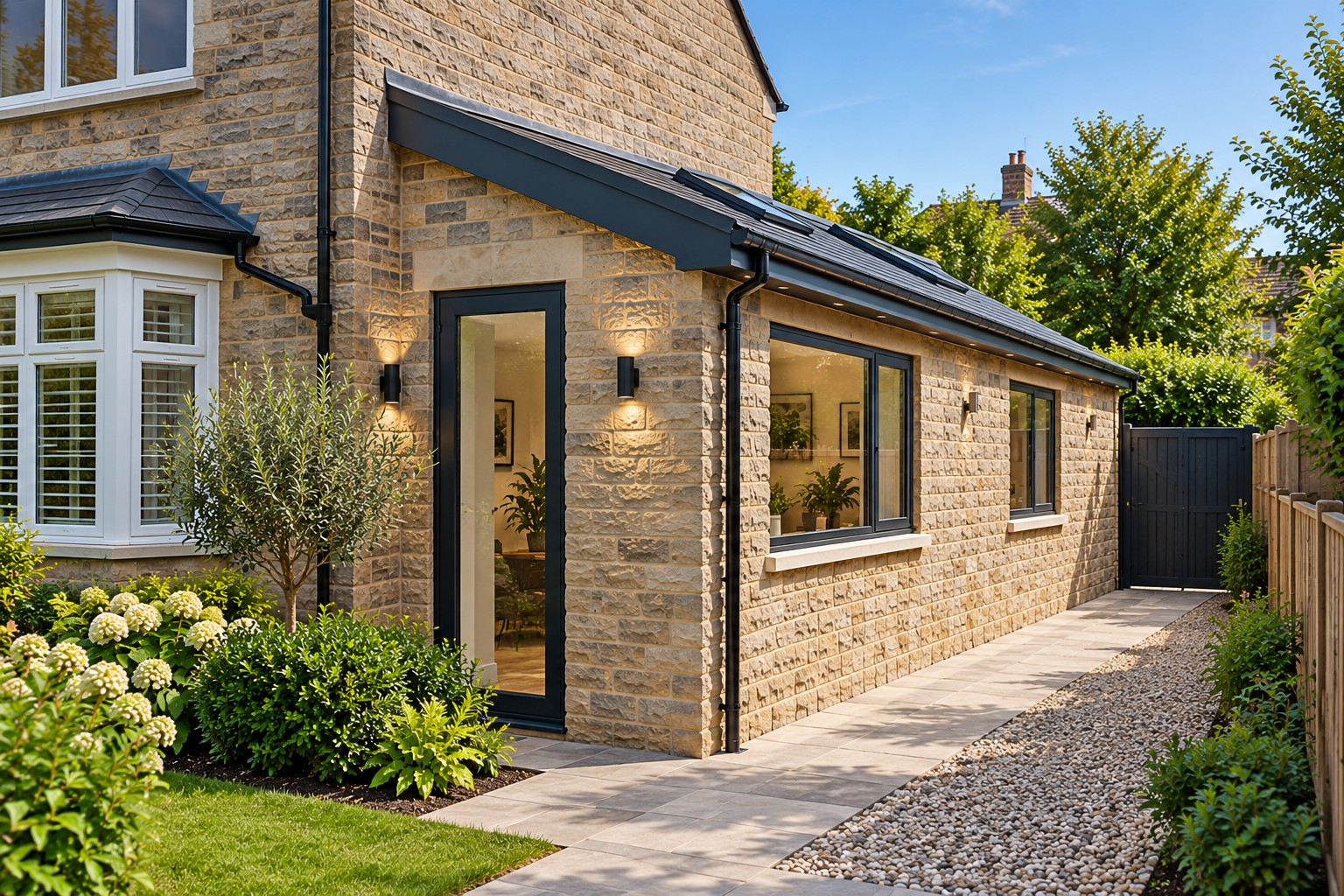
Adds valuable space to the side of your home for a kitchen or utility.
£900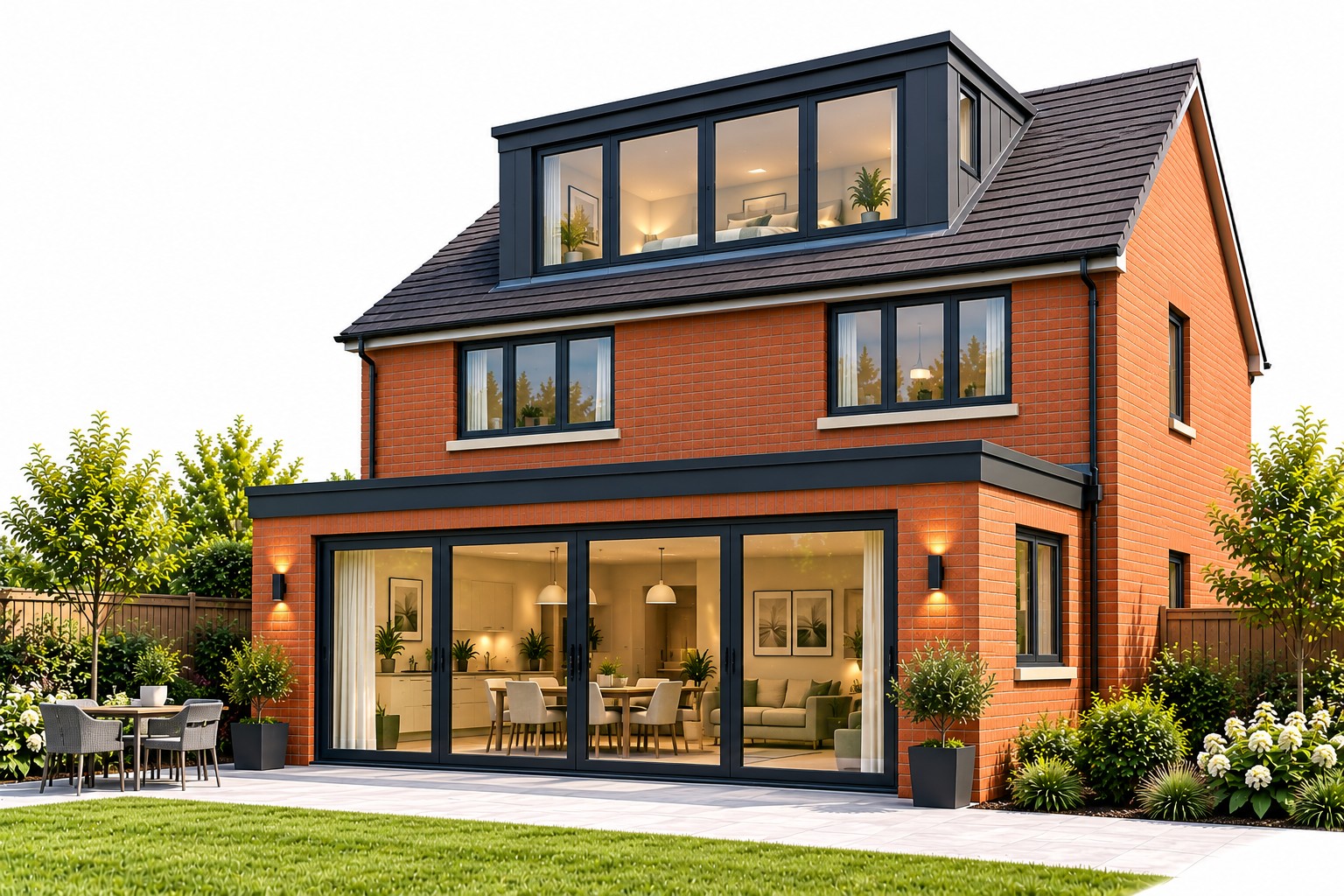
Turns unused loft space into a bedroom, office or additional living area.
£1,500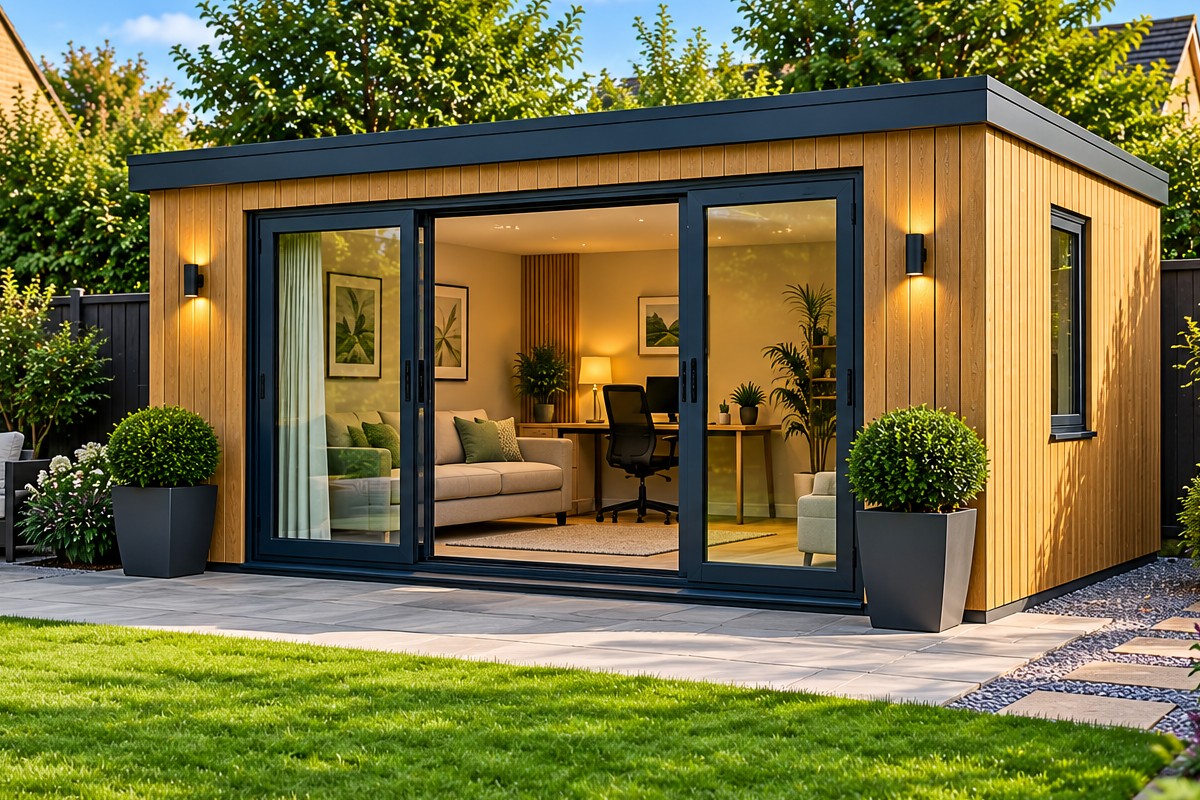
A flexible, detached space for work, leisure or extra living space.
£350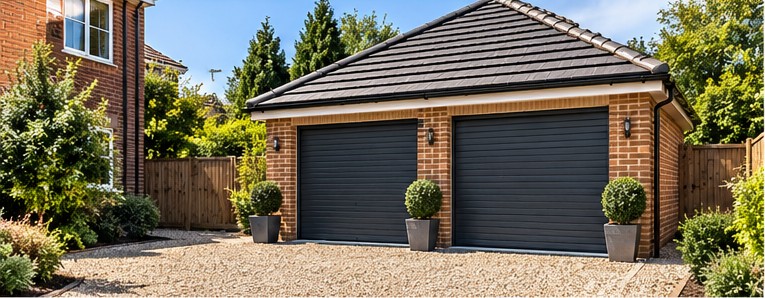
Secure parking or useful storage, single or double.
£350Significantly more living space across both floors.
£1,400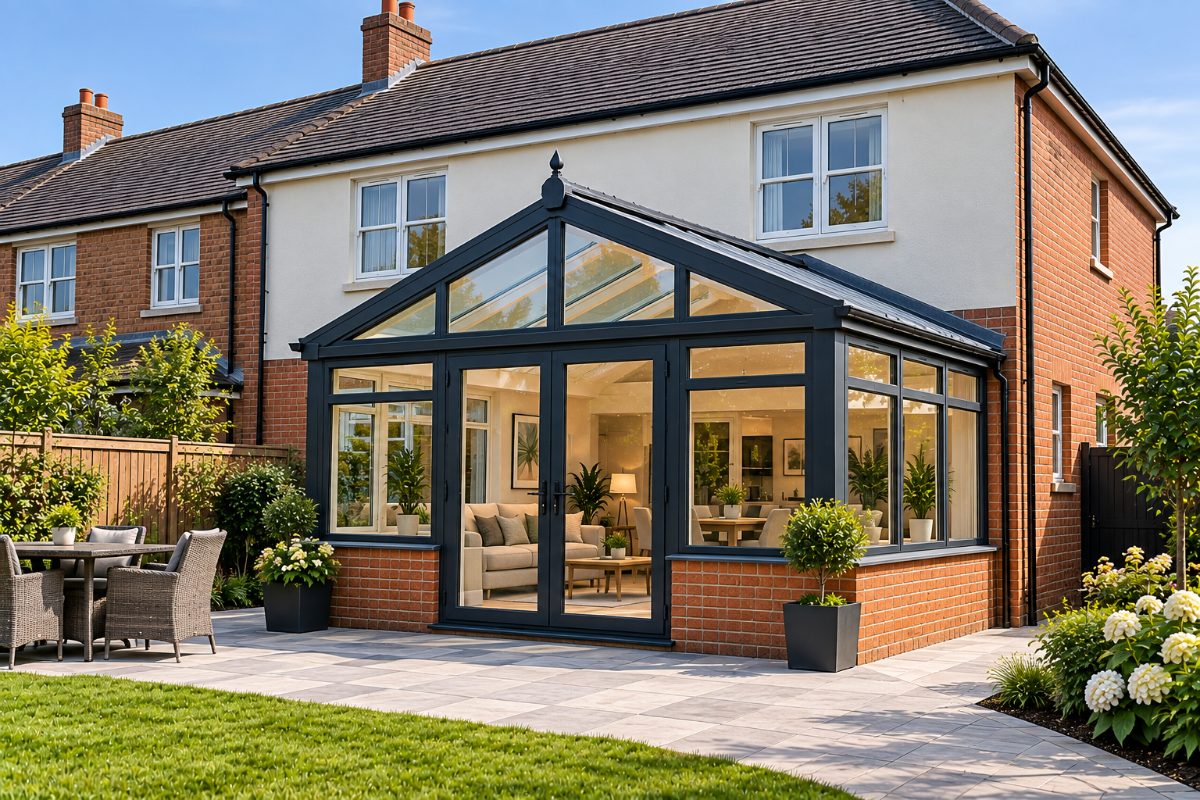
A bright, glazed room connecting your home to the garden.
£900We use cookies that are needed to run the basket and checkout. We would also like to use analytics cookies to understand how the site is used. We only do that if you say yes.

Maximize your property’s footprint with precision and ease. Permitted provides complete design for Permitted Development Rights. Our packages are designed around the Permitted Development limits, so many projects can proceed without a full planning application.
PERMITTED is operated by Yorkshire Property Design Services Limited, registered in England and Wales under company number 12698267.
Registered office: Ground Floor, Techno Centre, Station Road, Horsforth, Leeds, LS18 5BJ
Business contact address: Wira House, Ground Floor, Suite 5, Ring Road, West Park, Leeds, LS16 6EB
