






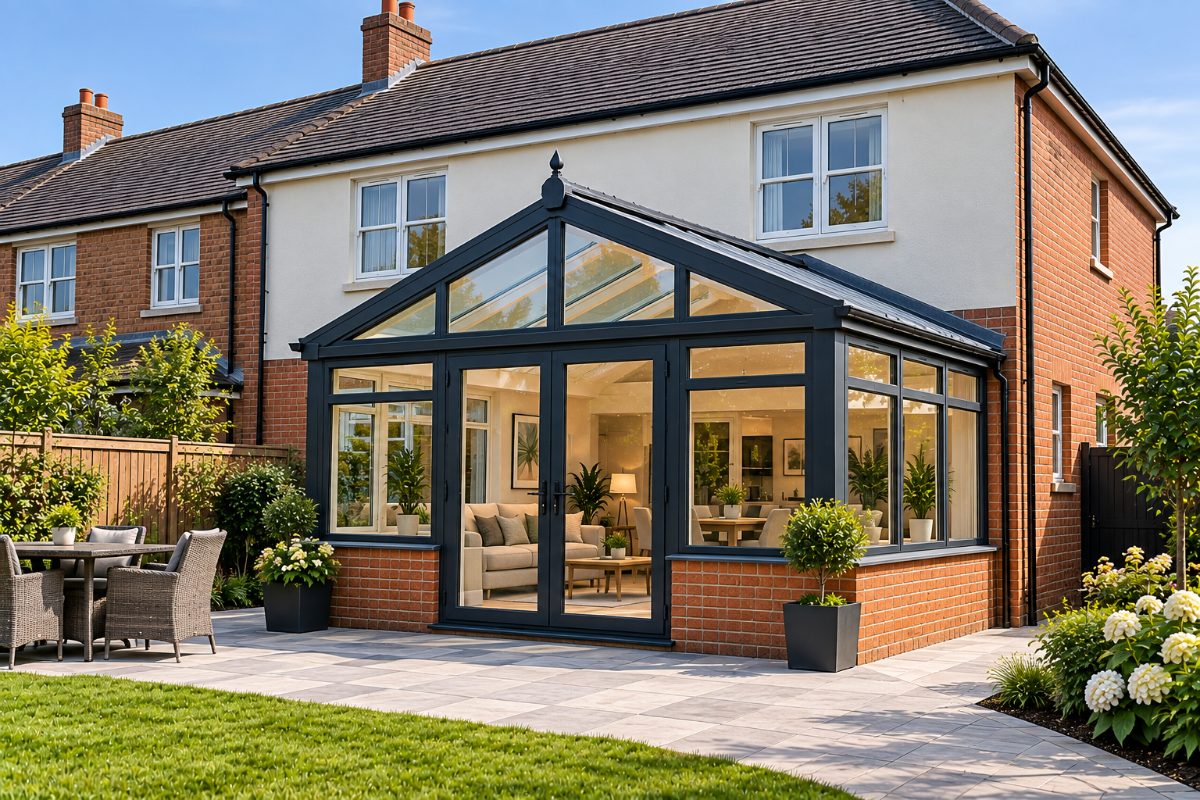
A Conservatory is a single-storey glazed structure, typically added to the rear of a house, that is built without the need for a full planning application.
Prepared by Robert Seward BA(Hons) Arch. ACIAT, Senior Architectural Technologist. Drawings are supplied as sold.
Your drawing set is supplied as a PDF and emailed to you after payment. Structural engineering design and calculations are not included within the standard drawing package, and can be arranged separately at additional cost where required.
These are pre-designed drawing packages supplied as sold. No drawing revisions, alterations or bespoke customisation are included.
Delivery: after payment we set your package up with the options you chose and email it to you as PDF drawings within five working days.
£900.00
Pre-designed. Supplied as sold.
Ready for your builder.
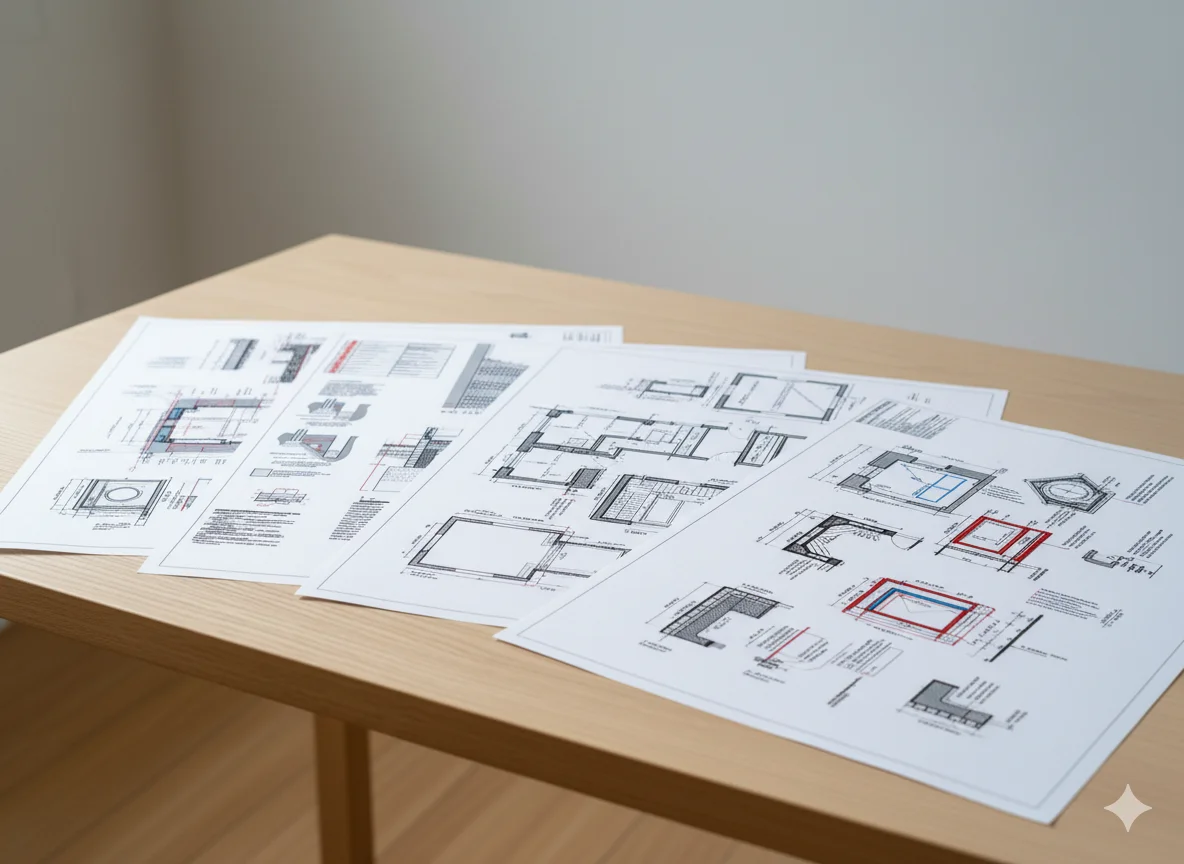
A complete set of professional drawings for a conservatory, supplied as a fixed, pre-designed set, ready to use for quotes or construction.
One pack. Two purposes. Get quotes. Build.
Select the external finish that suits your home. We’ll prepare your drawings to match.
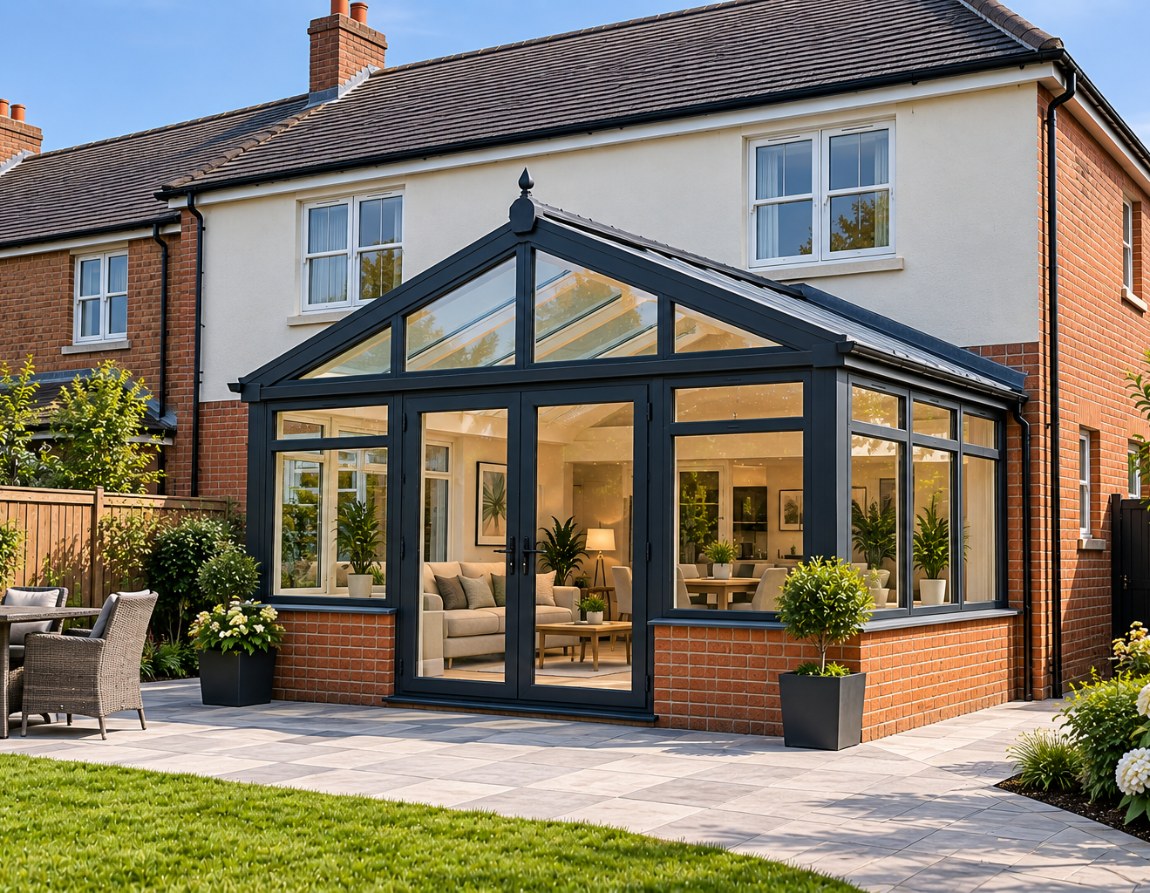
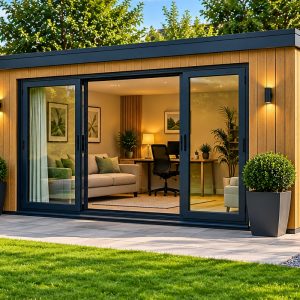
Example render — choose your options
An illustrative render of the options you have chosen. Your drawings are supplied as a fixed, pre-designed set.
Add as many as you need — they all go into one basket and one order.
A complete set of architectural and technical drawings, drawn by our experienced team and supplied as a fixed, pre-designed set.
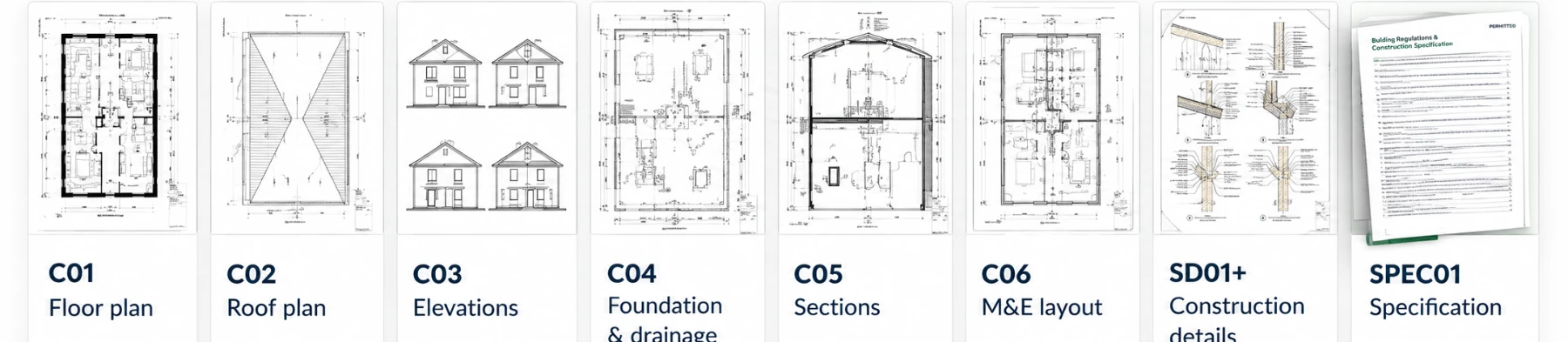
| C01 | Proposed Floor PlanGeneral Arrangement & Setting Out |
| C02 | Proposed Roof Plan |
| C03 | Proposed Elevations |
| C04 | Foundation, Ground Floor & Drainage Plan |
| C05 | Building Sections |
| C06 | M&E / Building Services Layout |
| SD01 – SDxx | Standard Construction Details |
| SPEC01 | Building Regulations & Construction Specification |

Get accurate quotes
Give the drawings to builders to get like-for-like quotes, so you can compare prices with confidence.

Build with confidence
The same drawings can be used for construction, with the technical detail your builder needs.
Houses only — permitted development rights for these projects don’t apply to flats or maisonettes.
A simple 3-step process from your property details to fully prepared drawings.
1
Tell us about your property
Answer a few questions about your home and choose your preferred external material.
2
We issue your drawings
Your complete pre-designed drawing set is prepared for issue in the combination you chose.
3
Use them to get quotes or build
Give the drawings to your builders for quotes, or use them for construction.

Our drawing sets are produced by our in-house team at YPDS, an experienced architectural technology practice, specialising in home extensions and permitted development across England.
Useful information to help you plan your conservatory.
Conservatory GuideHow conservatories are treated under Permitted Development, and the limits that apply.Read the guide 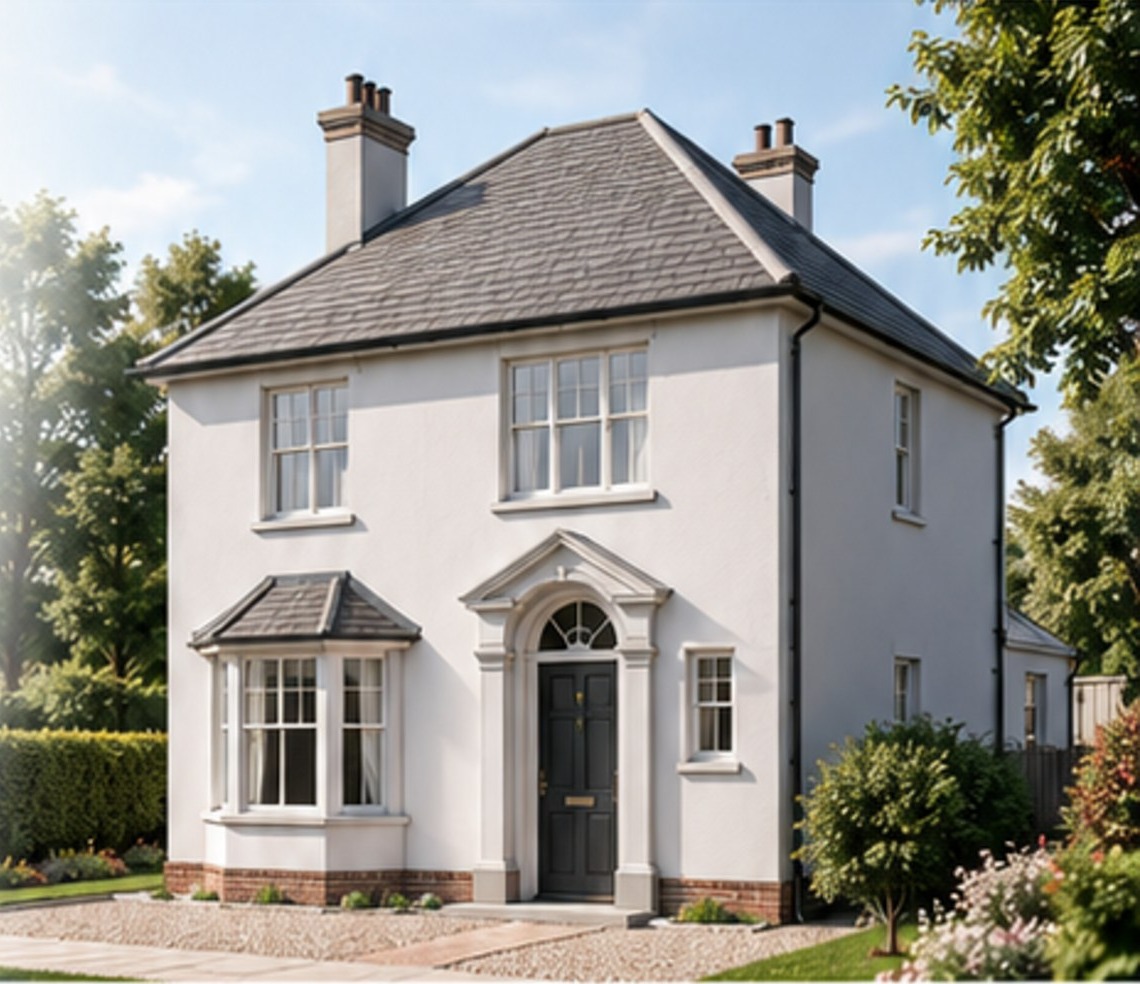 The original dwellinghouseWhat counts as the original house, and why it affects how much you can build.Read the guide
  Permitted Development guideThe full set of householder guidance, by project type.Read the guide
Answer a few questions about your property and we’ll prepare your professional drawing package.
Full detail in our Terms, Cancellations & Refunds.
Not sure this package is right? Ask PERMITTED.
Only logged in customers who have purchased this product may leave a review.
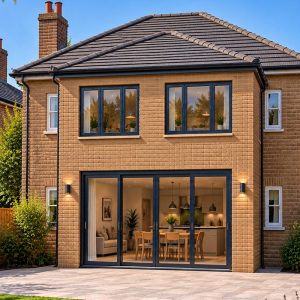
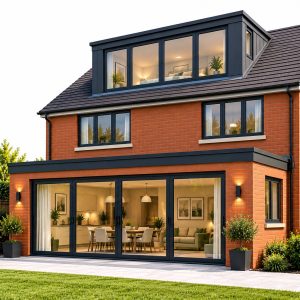
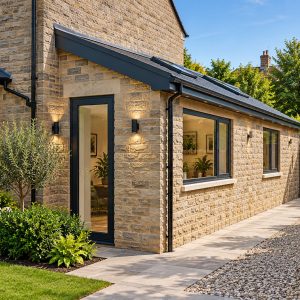
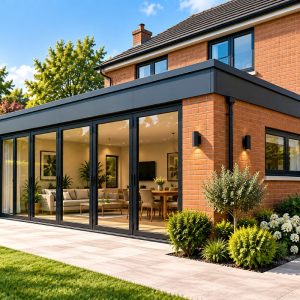
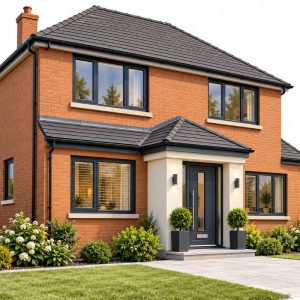
PERMITTED HOMEOWNER GUIDES
Our illustrated, practical guides help you understand the rules, explore design options and budget with confidence — before you commit to building work.
Explore all guides
Rules, design options, costs and next steps.
View guide
Rules, design options, costs and next steps.
View guide
Rules, design options, costs and next steps.
View guide
Rules, design options, costs and next steps.
View guide
Rules, design options, costs and next steps.
View guide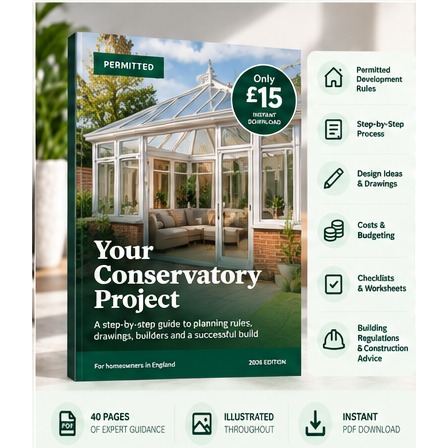
Rules, design options, costs and next steps.
View guide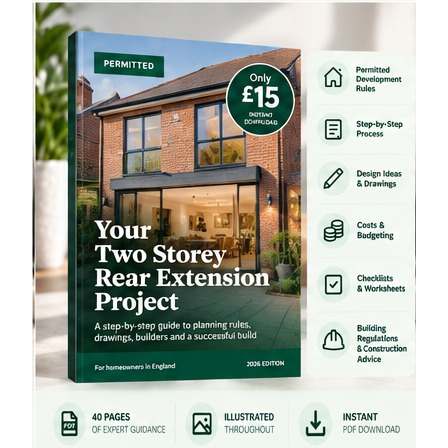
Rules, design options, costs and next steps.
View guide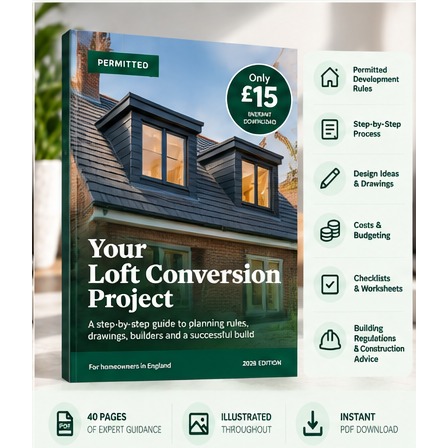
Rules, design options, costs and next steps.
View guideWe use cookies that are needed to run the basket and checkout. We would also like to use analytics cookies to understand how the site is used. We only do that if you say yes.

Maximize your property’s footprint with precision and ease. Permitted provides complete design for Permitted Development Rights. Our packages are designed around the Permitted Development limits, so many projects can proceed without a full planning application.
PERMITTED is operated by Yorkshire Property Design Services Limited, registered in England and Wales under company number 12698267.
Registered office: Ground Floor, Techno Centre, Station Road, Horsforth, Leeds, LS18 5BJ
Business contact address: Wira House, Ground Floor, Suite 5, Ring Road, West Park, Leeds, LS16 6EB

 Porch
Porch Single Storey Rear
 Single Storey Side
 Two Storey Rear
 Loft Conversion
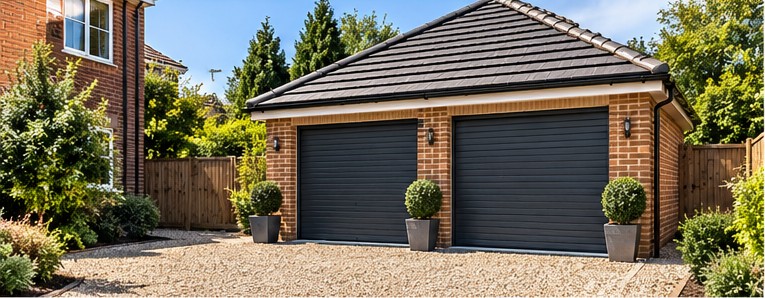 Garage
 Garden Room
Reviews
There are no reviews yet.